Vasopressinmangel
Bewerte, ob du Anzeichen für einen Vasopressinmangel (antidiuretisches Hormon) aufweist: Wasserhaushalt, Blutgerinnung, Gedächtnis und geistige Klarheit.
Tastatur: die Zahl der Antwort, Pfeil nach links zum Zurückgehen.
Dein Gleichgewicht halten
Die Rolle von Vasopressin verstehen
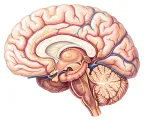
Vasopressin, auch antidiuretisches Hormon (ADH) genannt, wird in den supraoptischen und paraventrikulären Kernen des Hypothalamus gebildet, dann entlang der Nervenfasern in die Hypophysenhinterlappen transportiert, dort gespeichert und ins Blut abgegeben. Seine Hauptwirkung entfaltet es in den Nieren, wo es die Aquaporin-2-Kanäle der Sammelrohre öffnet und so die Rückresorption von Wasser und die Konzentrierung des Harns ermöglicht. Über diese Nierenfunktion hinaus hat Vasopressin eine große kognitive Rolle: Über eigene Rezeptoren im Hippocampus und in der Hirnrinde beteiligt es sich an der Festigung von Erinnerungen und am Halten der Konzentration. Es stützt auch die Blutgerinnung, indem es die Freisetzung von Faktor VIII und von-Willebrand-Faktor aus den Gefäßzellen anregt.
Marker zur Kontrolle
Klinisch zeigt sich ein guter Vasopressinstatus durch fehlenden nächtlichen Durst, fehlendes nächtliches Wasserlassen, ein verlässliches Alltagsgedächtnis und eine normale Blutungszeit bei kleinen Schnitten. Wenn du das im Labor nachsehen möchtest, sind die wichtigsten Marker die Serumosmolalität (übliche Werte zwischen 275 und 295 mOsm/kg) und die Urinosmolalität (über 600 mOsm/kg in der Konzentrierungsphase, was zeigt, dass die Nieren gut auf ADH antworten). Die Bestimmung von Vasopressin im Blut selbst wird in der Praxis selten gemacht, weil das Hormon instabil und schwer messbar ist, sie kann aber im spezialisierten Rahmen angefordert werden. Das Natrium im Serum bleibt ein einfacher und verlässlicher indirekter Hinweis auf den gesamten Wasserhaushalt.
Vorbeugen im Alltag
Trinke regelmäßig über den Tag verteilt in kleinen Mengen statt in großen Portionen mit langen Pausen, denn verteiltes Trinken passt besser zur Regelung durch Vasopressin. Halte den Alkohol klein: Er hemmt die Vasopressinabgabe aus der Hypophyse sofort, was den Wasserverlust und das häufige Wasserlassen nach dem Trinken erklärt. Auch Koffein bremst Vasopressin und treibt die Harnmenge hoch, daher sind ein bis 2 Tassen pro Tag sinnvoll, am besten vormittags. Achte schließlich auf Stressregulation und guten Schlaf, denn dauerhafter Stress und schlechter Schlaf stören die Achse zwischen Hypothalamus und Hypophyse, von der die Vasopressinabgabe abhängt.
Was du tun kannst
Was beim Vasopressinmangel abläuft
Ein Vasopressinmangel gehört zu einer Störung der hinteren Achse zwischen Hypothalamus und Hypophyse, bei der die großen Nervenzellen der supraoptischen und paraventrikulären Kerne nach und nach die Fähigkeit verlieren, ADH zu bilden oder freizusetzen. Die Empfindlichkeit der Osmorezeptoren im Hypothalamus, die Schwankungen der Blutkonzentration erkennen und die Vasopressinabgabe auslösen, nimmt mit dem Alter und unter dauerhaftem Stress ab. Alkohol unterdrückt die Vasopressinabgabe sofort und kräftig, was den starken Wasserverlust und die Austrocknung nach einem Abend mit Alkohol erklärt. Koffein wirkt schwächer, aber über den Tag summiert sich seine bremsende Wirkung auf die ADH-Abgabe. Zu viel Cortisol, wie es unter dauerhaftem Stress entsteht, stört die vasopressinbildenden Nervenzellen direkt und schafft einen Kreislauf aus Stress und Austrocknung. Dieser Teilmangel hat auch spürbare kognitive Folgen, denn die Vasopressinrezeptoren im Hippocampus sind an der Festigung von Erinnerungen und an der Anpassungsfähigkeit der Nervenzellen beteiligt.
Zeichen am Körper und Werte im Labor
Die aussagekräftigsten Zeichen für zu wenig Vasopressin sind nächtlicher Durst, nächtliches Wasserlassen (mehr als 2-mal pro Nacht), langes Bluten bei kleinen Schnitten (Faktor VIII und von-Willebrand-Faktor werden von Vasopressin angeregt), häufige Gedächtnislücken und Mühe, die Gedanken zu ordnen. Im Labor ist die Serumosmolalität der erste Wert, den du anfordern lässt: über 295 mOsm/kg spricht für eine Austrocknung durch mangelnde Wasserrückhaltung. Die Urinosmolalität ist ebenso aufschlussreich: unter 300 mOsm/kg zeigt sie, dass die Nieren den Harn nicht konzentrieren können, weil Vasopressin fehlt. Die ADH-Bestimmung im Blut wird selten gemacht, ein Wert unter 1 pg/mL bestätigt aber einen deutlichen Mangel. Der Durstversuch gilt als Referenz für die Abklärung eines Diabetes insipidus, er gehört jedoch in die Klinik. Das Natrium im Serum kann bei ausgeprägtem Mangel erhöht sein und spiegelt den Wasserverlust über die Nieren. Diese Werte liest du mit deiner Ärztin oder deinem Arzt.
Essen und Trinken
Verteile 1,5 bis 2 Liter pro Tag regelmäßig über den Tag und vermeide große Wassermengen auf einmal, die die ohnehin geschwächte Konzentrierungsleistung der Nieren überfordern. Setze auf Lebensmittel mit viel Omega-3, die die Beweglichkeit der Zellmembranen im Hypothalamus und die Weitergabe hormoneller Signale stützen: Wildlachs, Sardinen, Makrele, geschrotete Leinsamen und Leindotteröl. Nimm Lebensmittel mit vielen B-Vitaminen dazu (Eier, Nährhefe, Hülsenfrüchte, Leber), die an der Bildung der Botenstoffe im Hypothalamus beteiligt sind. Begrenze Koffein deutlich, höchstens ein bis 2 Tassen Kaffee vor Mittag, denn jede weitere Tasse bremst die Vasopressinabgabe und treibt die Harnmenge hoch. Lass den Alkohol in der Erholungsphase ganz weg, er ist der stärkste Bremser von Vasopressin und verhindert jede Beruhigung der Achse zwischen Hypothalamus und Hypophyse.
Gezielt ergänzen
Omega-3 mit EPA und DHA stehen an erster Stelle, sie verbessern die Beweglichkeit der Nervenzellmembranen im Hypothalamus und die Bildung und Freisetzung von Vasopressin. Magnesium-Bisglycinat beruhigt die Achse zwischen Hypothalamus und Hypophyse und dämpft die stressbedingte Übererregbarkeit der Nervenzellen, die die Vasopressinabgabe stört. Ein vollständiger B-Komplex stützt die Arbeit des Hypothalamus und die Bildung der beteiligten Botenstoffe. Vitamin E schützt die Nervenzellen des Hypothalamus vor oxidativem Stress und erhält die supraoptischen und paraventrikulären Kerne, in denen Vasopressin entsteht. Eine Ergänzung mit Elektrolyten in einem guten Verhältnis von Natrium und Kalium gleicht die zu hohen Wasserverluste aus und stützt die Blutosmolarität, das wichtigste Signal für die ADH-Abgabe. Die Dosierungen werden mit deiner Ärztin oder deinem Arzt oder deiner Naturheilpraxis festgelegt, erst recht wenn du bereits ein Medikament einnimmst.
Alltag und Denken
Stelle das Trinken 2 Stunden vor dem Schlafengehen ein, damit du nachts seltener aufstehen musst und die Nieren den Harn konzentrieren können, wenn Vasopressin normalerweise seinen nächtlichen Gipfel hat. Fordere dein Gehirn täglich: Kreuzworträtsel, Gedächtnisspiele, eine neue Sprache oder ein Instrument, denn Vasopressin stützt die Anpassungsfähigkeit der Synapsen im Hippocampus. Übe Meditation und Herzkohärenz (5 Minuten, 3-mal täglich), um das Cortisol zu senken, das die vasopressinbildenden Nervenzellen direkt bremst. Halte feste Schlafzeiten mit Zubettgehen vor 23 Uhr ein, denn die Vasopressinabgabe folgt einem Tagesrhythmus mit nächtlichem Gipfel, der nur bei gutem Schlaf zustande kommt. Lass Alkohol konsequent weg, er ist der stärkste Bremser von Vasopressin und wirkt noch Stunden nach dem Trinken nach. Begrenze Koffein auf eine Tasse am Morgen, damit die ADH-Abgabe für den Rest des Tages erhalten bleibt.
Pflanzen
Ginkgo biloba wird oft für die Hirndurchblutung und das Gedächtnis vorgeschlagen, aber es verdünnt das Blut: bei leichtem Bluten oder unter einem Gerinnungshemmer bleibt es beiseite, solange deine Ärztin oder dein Arzt deine Werte nicht gesehen hat. Bacopa monnieri, als standardisierter Extrakt, ist ein bewährtes ayurvedisches Mittel für den Kopf, es stärkt die Festigung von Erinnerungen und die cholinerge Übertragung und gleicht die kognitiven Schwierigkeiten bei niedrigem Vasopressin teilweise aus. Rosmarin (Rosmarinus officinalis) als Aufguss oder als ätherisches Öl zum Einatmen wirkt anregend auf Kreislauf und Denken und unterstützt Wachheit und geistige Klarheit. In der Gemmotherapie stützt die Knospe der Weißbirke (Betula verrucosa) am Morgen die Nierenarbeit und die Wasserausscheidung mit einer sanften Drainage, die bei Vasopressinmangel passt. Die Lindenknospe beruhigt das Nervensystem und senkt den Stress, der die Vasopressinabgabe im Hypothalamus bremst. Die Haselnussknospe (Corylus avellana) stützt die Hirndurchblutung und die feine Gefäßversorgung der Strukturen, in denen ADH entsteht. Die Dosierungen werden mit deiner Ärztin oder deinem Arzt oder deiner Naturheilpraxis festgelegt, erst recht wenn du bereits ein Medikament einnimmst.
Was du tun kannst
Wie der Hypothalamus den Wasserhaushalt regelt
Ein so hoher Wert spricht für eine tiefgreifende Störung der supraoptischen und paraventrikulären Kerne des Hypothalamus, in denen Vasopressin gebildet wird, oder des Hypophysenhinterlappens, der es speichert und freisetzt. Die Kette dahinter ist verständlich: Ohne genügend Vasopressin bleiben die Aquaporin-2-Kanäle der Sammelrohre geschlossen, die Nieren können den Harn nicht mehr konzentrieren, Wasser geht im Übermaß verloren, und daraus entstehen große Harnmengen und eine dauerhafte Austrocknung. Fehlen Faktor VIII und von-Willebrand-Faktor, die Vasopressin normalerweise anregt, blutet man länger, auch bei kleinen Verletzungen. Im Kopf schwächt die fehlende Anregung der vasopressinempfindlichen Rezeptoren im Hippocampus die Festigung von Erinnerungen, die Anpassungsfähigkeit der Nervenzellen und die Planungsfähigkeit. Wenn die Zeichen plötzlich aufgetreten sind oder rasch zunehmen, gehört eine strukturelle Ursache ärztlich ausgeschlossen, gegebenenfalls mit einer Bildgebung des Kopfes. Ein Mangel dieser Größenordnung gehört ohne Aufschub in ärztliche Begleitung, naturheilkundlich begleitet.
Unverzichtbare Laborwerte
Auf diesem Niveau der Beschwerden ist die Bestimmung der Osmolalität nicht mehr optional. Lass zeitnah von deiner Ärztin oder deinem Arzt anfordern: Serumosmolalität (über 295 mOsm/kg spricht für eine Austrocknung), Urinosmolalität (unter 300 mOsm/kg zeigt, dass die Nieren den Harn nicht konzentrieren), Natrium im Serum, das erhöht sein kann und den Wasserverlust widerspiegelt, und nach Möglichkeit eine ADH-Bestimmung im Blut (unter 1 pg/mL spricht sie für einen schweren Mangel). Der Durstversuch, in der Klinik unter engmaschiger Überwachung durchgeführt, ist die Referenz zur Abklärung eines Diabetes insipidus und unterscheidet die zentrale Form (Hypothalamus) von der renalen Form (die Nieren antworten nicht auf ADH). Ein Gerinnungsstatus mit Faktor VIII und von-Willebrand-Faktor ist sinnvoll, wenn das lange Bluten ausgeprägt ist. Bei Verdacht auf eine strukturelle Ursache (plötzlicher Beginn, Kopfschmerzen, Sehstörungen) entscheidet die Ärztin oder der Arzt über eine Bildgebung der Hypophyse. Das Natrium im Serum sollte engmaschig kontrolliert werden, denn ein zu hoher Wert kann Verwirrtheit auslösen und gehört rasch behandelt.
Was auf den Teller kommt
Verteile 2 bis 2,5 Liter pro Tag in festen, stündlichen Portionen und gib eine Prise unraffiniertes Salz in jedes Glas Wasser, um die Blutosmolalität zu stützen und die zu hohen Wasserverluste auszugleichen. Erhöhe deutlich die langkettigen Omega-3 mit täglich fettem Fisch (Wildlachs, Sardinen, Makrele, Sardellen), um die Beweglichkeit der Nervenzellmembranen im Hypothalamus zu stützen und die Vasopressinbildung zu fördern. Lebensmittel mit vielen B-Vitaminen sind für die Bildung der Botenstoffe im Hypothalamus wichtig: Eier, Dorschleber, Nährhefe, Linsen und volle Getreidekörner. Lass Alkohol vollständig weg, er unterdrückt die Vasopressinabgabe sofort und kräftig und verschlimmert den Wasserverlust unmittelbar. Streiche Koffein ganz oder begrenze es auf eine einzige Tasse am frühen Morgen, denn seine bremsende Wirkung auf ADH summiert sich und verträgt sich nicht mit der Erholung der Achse zwischen Hypothalamus und Hypophyse. Remineralisierende Knochenbrühen und Suppen sind gute Flüssigkeitsquellen mit Elektrolyten und gut verfügbaren Mineralstoffen.
Was du ergänzen kannst
Omega-3 mit EPA und DHA werden erhöht, auf mehrere Gaben verteilt, um die Beweglichkeit der Nervenzellmembranen im Hypothalamus zu maximieren und die Vasopressinbildung aktiv zu stützen. Magnesium-Bisglycinat ist wichtig, um die Übererregbarkeit der Achse zwischen Hypothalamus und Hypophyse zu beruhigen und die Wirkung von Cortisol auf die vasopressinbildenden Kerne zu dämpfen. Ein kräftiger B-Komplex (B1, B6, B12, Folat) stützt die neuroendokrine Arbeit des Hypothalamus und die Bildung der Botenstoffe. Vitamin E schützt die Nervenzellen des Hypothalamus vor oxidativem Stress, der die supraoptischen und paraventrikulären Kerne schädigt. Elektrolyte werden 2- bis 3-mal täglich in einem passenden Verhältnis von Natrium und Kalium genommen, um die hohen Verluste über die Nieren auszugleichen. Zink beteiligt sich am Schutz der Nervenzellen und an über 300 Enzymreaktionen, darunter die der Signalwege im Hypothalamus. Die Dosierungen werden mit deiner Ärztin oder deinem Arzt oder deiner Naturheilpraxis festgelegt, erst recht wenn du bereits ein Medikament einnimmst.
Alltag, wenn es dringend ist
Die Gefahr auszutrocknen ist real: Halte immer eine Wasserflasche in Reichweite, auch auf dem Nachttisch, und trinke, wenn du nachts aufwachst, um die Verluste auszugleichen. Lass Alkohol konsequent weg, solange der Mangel besteht, denn schon ein einziges Glas kann die Vasopressinabgabe für Stunden blockieren und den Wasserverlust deutlich verschlimmern. Tägliche Übungen für den Kopf gleichen die Gedächtnisschwäche zum Teil aus: etwas Neues lernen, Kreuzworträtsel, Logikspiele, aktives Lesen mit Notizen, Merkübungen. Herzkohärenz 3-mal täglich für 5 Minuten und täglich 20 Minuten Meditation senken das dauerhaft erhöhte Cortisol, das die vasopressinbildenden Nervenzellen bremst. Schütze deinen Schlaf mit einem festen Zubettgehen vor 22:30 Uhr und 7 bis 8 Stunden Dauer, denn der nächtliche Vasopressingipfel ist für die Erholung der Achse entscheidend. Wenn die Gedächtnisstörungen ausgeprägt sind oder zunehmen, gehört eine neurologische Abklärung dazu, das entscheidet deine Ärztin oder dein Arzt.
Pflanzen und fachliche Begleitung
Ginkgo biloba wird oft für die Hirndurchblutung vorgeschlagen, aber es verdünnt das Blut: bei leichtem Bluten oder unter einem Gerinnungshemmer bleibt es beiseite, solange deine Ärztin oder dein Arzt deine Werte nicht gesehen hat. Bacopa monnieri, als auf Bacoside standardisierter Extrakt, stärkt die Gedächtniskonsolidierung und die cholinerge Übertragung im Hippocampus, was die kognitiven Schwierigkeiten bei niedrigem Vasopressin teilweise ausgleicht. Rosmarin als Aufguss, 2-mal täglich, wirkt als Kreislauf- und Denktonikum und unterstützt Wachheit und geistige Klarheit. In der Gemmotherapie stützt die Haselnussknospe (Corylus avellana) die Hirndurchblutung und die feine Gefäßversorgung der Strukturen im Hypothalamus, zusammen mit der Knospe der Weißbirke (Betula verrucosa) für die Nieren. Die Lindenknospe am Abend beruhigt das Nervensystem und fördert den erholsamen Schlaf, den die Achse zwischen Hypothalamus und Hypophyse zur Erholung braucht. Eine gemeinsame Begleitung durch Naturheilpraxis und Endokrinologie ist auf dieser Stufe wichtig: Selbstbehandlung reicht bei einem so deutlichen Mangel nicht, und das Risiko eines zu hohen Natriums, von Blutungen durch den Mangel an Faktor VIII und von zunehmenden Gedächtnisstörungen rechtfertigt eine vollständige fachärztliche Abklärung, bei Bedarf mit Bildgebung der Hypophyse. Die Dosierungen werden mit deiner Ärztin oder deinem Arzt oder deiner Naturheilpraxis festgelegt, erst recht wenn du bereits ein Medikament einnimmst.
Le Cabinet
Der Brief am Freitagmorgen. Ein Thema zum Terrain, belegt, ohne Abkürzung.
Mit einem Klick abmelden. Deine Daten werden gemäß unserer Datenschutzrichtlinie.
Verwandte Tests
Dieses Ergebnis ist eine naturheilkundliche Selbsteinschätzung zu Bildungszwecken. Es ist weder eine Diagnose noch eine ärztliche Beratung und ersetzt keine Konsultation. Nur eine medizinische Fachperson kann eine Störung bestätigen oder ausschließen. Bei anhaltenden Beschwerden, in der Schwangerschaft, in der Stillzeit oder bei laufender Behandlung sprich mit deiner Ärztin oder deinem Arzt, bevor du Nahrungsergänzungsmittel oder Pflanzen einnimmst, und setze eine Behandlung niemals ohne ärztlichen Rat ab.
So liest du diesen Test
Vasopressin, auch antidiuretisches Hormon (ADH) genannt, ist unauffällig und trotzdem wertvoll. Es wird in deinem Hypothalamus gebildet und in deiner Hypophyse gespeichert, regelt die Wasserrückhaltung, beteiligt sich an der Blutgerinnung und stützt, erstaunlicher noch, dein Gedächtnis und deine geistige Klarheit. Sein Mangel versteckt sich hinter Zeichen, die man gern abtut: Durst in der Nacht, Aufstehen zum Wasserlassen, Gedächtnislücken, Gedanken, die sich verheddern. Viele Menschen haben zu wenig davon, ohne es zu wissen, weil niemand diese Zeichen mit diesem Hormon verbindet. Dieser Fragebogen stützt sich auf die Arbeiten von Dr. Thierry Hertoghe, belgischer Endokrinologe, und auf seinen Atlas of Endocrinology for Hormone Therapy, damit du klarer siehst.
Stärken
- Erkennt einen Mangel, der oft übersehen wird, weil die Zeichen bagatellisiert werden
- Verbindet Zeichen, die nichts miteinander zu tun scheinen (Durst, nächtliches Wasserlassen, Gedächtnis), mit einer gemeinsamen hormonellen Ursache
- Weist auf natürliche Wege hin (Trinken, Omega-3, Stressregulation)
Grenzen
- Der Fragebogen umfasst nur 5 Fragen, das begrenzt die Genauigkeit
- Die Zeichen können andere Ursachen haben (Diabetes, Prostata, Stress)
- Die Vasopressinbestimmung wird in der üblichen Medizin selten angefordert