Acetylcholine Nature
Identify whether acetylcholine is your dominant neurotransmitter.
Keyboard: the number of the answer, left arrow to go back.
Keeping your balance
Identify your true dominance
A low acetylcholine score suggests a dopaminergic (you are an energetic and focused leader), GABAergic (you are calm, organized and stable) or serotoninergic dominance (you are serene, empathetic and seeking meaning). It is worth considering all 4 neurotransmitters because it is the overall balance that determines your nervous health. Your true dominance will indicate the foods, supplements and lifestyle best suited to your natural biochemistry.
Watch for cholinergic deficit in non-dominants
Paradoxically, people whose acetylcholine is not dominant are more vulnerable to cholinergic deficiencies because they are not naturally drawn to the behaviors and foods that nourish this neurotransmitter. Watch for warning signs: unusual memory lapses, difficulty finding your words, loss of muscle tone, dry mouth or eyes, new constipation. If these signs appear, take the acetylcholine deficiency test and increase your choline intake (2 eggs per day, soy lecithin) and cofactors (vitamins B1 and B5).
Maintain your memory without cholinergic dominance
Regardless of your dominance, your hippocampus needs acetylcholine to consolidate memories and your cortex needs it to maintain attention. Integrate simple habits that support your cholinergic circuits: read 20 minutes per day, regularly learn something new (a recipe, a route, a word in a foreign language), maintain varied social interactions. Consume eggs and fatty fish regularly. Practicing yoga and stretching, even if not naturally appealing, stimulates proprioception and cholinergic neuromuscular connection.
Keeping your balance
Nourish your acetylcholine without overloading it
With a moderate cholinergic profile, the goal is to maintain regular choline intake without overdoing it. Consume 2 whole eggs per day (294 mg of choline), fatty fish 2 to 3 times per week (sardine, mackerel, wild salmon for phosphatidylcholine), soy lecithin (1 tablespoon per day) and cruciferous vegetables regularly (broccoli, cauliflower for betaine). Foods rich in vitamin B5 (avocado, mushrooms, sunflower seeds) and vitamin B1 (wheat germ, legumes) support the production of acetyl-CoA, the second precursor of acetylcholine. Aim for 425 to 550 mg of choline per day according to your sex.
Manage your emotional sensitivity
The moderate cholinergic profile confers great empathy and rich relational sensitivity, but can also lead to emotional overload, rumination and a tendency to absorb others' emotions. To channel this sensitivity without extinguishing it, practice mindfulness (10 to 15 minutes of meditation per day), which helps regulate cholinergic cortical activity. Learn to distinguish your own emotions from those you perceive in others. Heart rate coherence breathing (5 seconds inhalation, 5 seconds exhalation, 3 times per day) regulates vagal tone without exacerbating it. Expressive writing (journaling) allows you to externalize ruminations by putting them on paper.
Balance your other neurotransmitters
A moderate cholinergic profile gains from being balanced by the 3 other neurotransmitters. If you lack dopamine (fatigue, procrastination), add tyrosine-rich foods (almonds, turkey, banana) and practice dynamic physical exercise in the morning. If you lack GABA (anxiety, muscle tension), integrate magnesium bisglycinate (300 mg in the evening), taurine and fermented foods. If you lack serotonin (insomnia, irritability), increase tryptophan (turkey, dark chocolate, cashews) and expose yourself to natural light early in the morning.
Exploit your creativity as a natural strength
Moderate acetylcholine gives you a natural advantage in creativity, intuition and learning capacity. Exploit these strengths by engaging in activities that stimulate them: creative writing, visual arts, music, brainstorming, project design. Cholinergic cortical circuits are particularly active during phases of learning new skills. Give yourself regular intellectual challenges: learn a language, take an online course, read in an unfamiliar field. These activities strengthen your cholinergic connections while providing natural pleasure linked to your profile.
Phytotherapy adapted to moderate profile
For a moderate cholinergic profile, phytotherapy should support without over-stimulating. Ginkgo biloba (standardized EGb 761 extract) optimizes cerebral circulation and cholinergic transmission without excess. Bacopa monnieri supports memory and BDNF in a gentle and progressive manner. Rhodiola rosea helps manage emotional stress typical of cholinergic profile while supporting catecholamines (dopamine, noradrenaline), balancing the profile. In gemmotherapy, linden bud (Tilia tomentosa, in the evening) eases rumination and hypersensitivity, while hazelnut bud (Corylus avellana, in the morning) supports cerebral circulation. Doses are set with your doctor or your naturopath, all the more so if you already take a medication.
Keeping your balance
Protect your cholinergic capital through diet
As a dominant acetylcholine, you naturally consume a lot of this neurotransmitter. Your body therefore has high needs for choline, its direct precursor. Aim for 550 to 700 mg of choline per day: 2 to 3 whole eggs (441 mg), daily fatty fish (sardine, mackerel, herring for phosphatidylcholine), liver once per week (420 mg per 100 g), soy lecithin in granules. Long-chain omega-3 (DHA) is essential to maintain neuronal membrane fluidity and proper functioning of your cholinergic receptors. Don’t forget cofactors: vitamin B5 (avocado, shiitake mushrooms), vitamin B1 (sunflower seeds, wheat germ) and magnesium (nuts, magnesium-rich mineral water).
Manage parasympathetic excess and emotional overload
Marked acetylcholine dominance can sometimes tip into parasympathetic excess: digestive cramps, diarrhea, excessive salivation, bradycardia (slow pulse), and especially exhausting hyperempathy where you absorb others' emotions like a sponge. Mental rumination (dwelling on the same thoughts in a loop) is the main trap of the cholinergic profile. To counterbalance, stimulate your catecholamines (dopamine and noradrenaline) through dynamic physical exercise in the morning (running, HIIT, weight training), bright light exposure at waking and tyrosine-rich foods (almonds, banana, turkey, avocado). Cold shower at the end of showering (30 seconds) stimulates noradrenaline and rebalances your sympathetic system against your dominant parasympathetic.
Channel your creativity and intuition
Your cholinergic dominance gives you exceptional creative and intuitive capacities. The trap is staying in the world of ideas and dreams without ever materializing (the gentle dreamer your loved ones describe). To transform your inner richness into concrete accomplishments, combine it with dopaminergic practices: set precise and measurable goals, break your creative projects into steps, celebrate each accomplishment. Channel your imagination through writing, painting, music, creative cooking or any form of regular artistic expression. Continuous learning (languages, instruments, new skills) is your natural fuel and keeps your cholinergic circuits in peak condition. Be careful not to disperse your creative energy across too many simultaneous projects.
Le Cabinet
The Friday morning letter. One topic on the body’s terrain, sourced, no shortcuts.
Unsubscribe in one click. Your data is handled according to our privacy policy.
Related tests
This result is an educational naturopathic self-assessment. It is neither a diagnosis nor medical advice, and it does not replace a consultation. Only a health professional can confirm or rule out a disorder. If symptoms persist, or if you are pregnant, breastfeeding or on any treatment, talk to your doctor before taking any supplement or herbal preparation, and never stop a treatment without medical advice.
How to read this test
Identify whether acetylcholine is your dominant neurotransmitter. Acetylcholine governs creativity, intuition, memory and empathy. The higher your score, the more acetylcholine dominates your nervous profile.
It evaluates whether acetylcholine is your dominant neurotransmitter, meaning the one that most shapes your personality, memory and cognitive functioning.
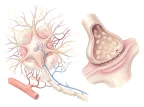
Acetylcholine is the neurotransmitter of memory, creativity, intuition and mental quickness. Cholinergic-dominant personalities are creative, intuitive, empathetic and possess great emotional sensitivity.
Strengths
- Understand whether your creativity, intuition and empathy reflect a cholinergic dominance
- Identify your natural strengths: sharp memory, fertile imagination, capacity to build deep connections with others
- Adapt your lifestyle to nourish your acetylcholine (choline, lecithin, omega-3, intellectual stimulation)
Limitations
- Subjective self-assessment, not clinically validated
- The neurotransmitter profile fluctuates according to lifestyle
- Does not replace urinary neurotransmitter testing