Vitamin E Deficiency
Assess whether you present clinical signs of vitamin E deficiency: light sensitivity, coordination, age spots, weak muscles.
Keyboard: the number of the answer, left arrow to go back.
Keeping your balance
Vary your sources of oils and nuts
Consume daily virgin cold-pressed vegetable oils (olive, rapeseed, wheat germ) and a handful of oleaginous nuts (almonds, hazelnuts, sunflower seeds). Wheat germ oil is the most concentrated natural source of vitamin E (149 mg per 100 g).
Protect your oils from oxidation
Vegetable oils rich in vitamin E oxidize quickly when exposed to heat, light, and air. Store them in the refrigerator in opaque bottles and never heat them at high temperatures. Use them raw as dressing to preserve their antioxidant potential.
Maintain balance with vitamin C and selenium
Vitamin C regenerates oxidized vitamin E, prolonging its antioxidant action. Selenium, through glutathione peroxidase, complements protection by eliminating intracellular hydrogen peroxide. Ensure sufficient intake of raw fruits and vegetables (vitamin C) and Brazil nuts (selenium).
What you can do
Enrich your diet with tocopherols
Significantly increase your intake of sunflower seeds (35 mg/100 g), almonds (25 mg/100 g), hazelnuts (15 mg/100 g), and wheat germ oil (1 tablespoon daily, unheated). Avocado, olives, and fresh wheat germ complete intake pleasantly.
Consider supplementation with mixed tocopherols
Choose a natural mixed tocopherol complex (d-alpha, d-beta, d-gamma, d-delta tocopherols), preferably with a meal containing fats. Absolutely avoid the synthetic form dl-alpha-tocopherol, which is half as active and potentially pro-oxidant at high doses. Doses are set with your doctor or your naturopath, all the more so if you already take a medication.
Support vitamin E recycling
Vitamin C is essential for regenerating oxidized vitamin E in cell membranes. Ensure daily intake of to of vitamin C (diet and/or supplementation) to maintain a functional tocopherol-ascorbate redox cycle and prolong membrane protective action. Doses are set with your doctor or your naturopath, all the more so if you already take a medication.
Check your fat absorption
Vitamin E is fat-soluble and its absorption depends on proper fat digestion (bile, pancreatic lipase). Malabsorption conditions (celiac disease, Crohn’s, biliary insufficiency, cholestasis) are frequent causes of deficiency. If your stools are fatty or pale, explore the digestive angle.
Reduce your exposure to oxidative stress
Tobacco, air pollution, excess alcohol, high-temperature heated oils, and intense physical exercise significantly increase vitamin E consumption by the body. Limit these pro-oxidant factors and compensate with a diet rich in varied antioxidants.
What you can do
Supplement with natural mixed tocopherols
Supplementation of natural mixed tocopherols (d-alpha, d-beta, d-gamma, d-delta) is recommended to restore membrane reserves. Take it with the meal richest in fats to optimize absorption. The natural form (d-alpha) is twice as bioavailable as the synthetic form (dl-alpha). Doses are set with your doctor or your naturopath, all the more so if you already take a medication.
Use borage oil in synergy
Borage oil, rich in gamma-linolenic acid (GLA) and naturally associated with vitamin E, offers anti-inflammatory and membrane-protective synergy. In gemmotherapy, blackcurrant bud (Ribes nigrum) strengthens antioxidant defenses and supports the adrenals, potentiating vitamin E action.
Saturate dietary intakes
Consume daily one tablespoon of wheat germ oil (149 mg vitamin E per 100 g), a handful of sunflower seeds and almonds, and one avocado. Use exclusively virgin cold-pressed oils, never heated, to preserve the vitamin E they contain.
Strengthen the complete antioxidant network
Vitamin E never works alone: it is recycled by vitamin C, supported by selenium (glutathione peroxidase) and coenzyme Q10 (mitochondrial respiratory chain). Supplement simultaneously with vitamin C, selenium (1 Brazil nut daily), and coenzyme Q10 to restore the entire antioxidant network. Doses are set with your doctor or your naturopath, all the more so if you already take a medication.
Explore the causes of deficiency
A profound vitamin E deficiency is rarely dietary alone: investigate fat malabsorption (biliary insufficiency, pancreatic insufficiency, celiac disease), abetalipoproteinemia (genetic defect in lipid transport), or ataxia with isolated vitamin E deficiency (AVED, TTPA mutation). Complete hepatic and lipid profile testing is necessary.
Have your serum vitamin E tested
Request serum alpha-tocopherol dosage (normal value above 12 mg/L) and calculate the alpha-tocopherol to total cholesterol ratio (normal above 2.2 mmol/mmol). This ratio corrects false negatives related to hyperlipidemia. Oxidative stress assessment (MDA, isoprostanes) evaluates cellular impact of the deficit.
Le Cabinet
The Friday morning letter. One topic on the body’s terrain, sourced, no shortcuts.
Unsubscribe in 1 click. Your data is handled according to my privacy policy.
Related tests

This result is an educational naturopathic self-assessment. It is neither a diagnosis nor medical advice, and it does not replace a consultation. Only a health professional can confirm or rule out a disorder. If symptoms persist, or if you are pregnant, breastfeeding or on any treatment, talk to your doctor before taking any supplement or herbal preparation, and never stop a treatment without medical advice.
How to read this test
Assess whether you present clinical signs of vitamin E deficiency: light sensitivity, coordination, age spots, weak muscles. Free, 5 questions.
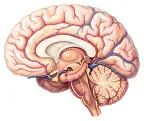
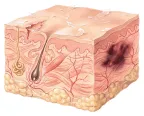
Vitamin E is the primary lipophilic antioxidant in the body. Integrated into cell membranes, it protects polyunsaturated fatty acids from peroxidation and slows cellular aging. It plays a key role in protecting nerve cells, muscle cells, and immune cells. A vitamin E deficit manifests through neuromuscular disorders, premature skin aging, and fragility in the face of oxidative stress.
Strengths
- Rapid identification of clinical signs
- Simple self-assessment test
- Detection of signs of premature aging and neuromuscular fragility
Limitations
- Does not replace blood testing
- Some signs may have other causes
- Limited sensitivity for subclinical deficiencies