Aldosterone Deficiency
Assess whether you show signs of low aldosterone, the adrenal hormone that regulates sodium and potassium balance, blood pressure and blood volume.
Keyboard: the number of the answer, left arrow to go back.
Keeping your balance
Understanding the Role of Aldosterone
Aldosterone is a mineralocorticoid produced by the glomerulosa zone of the adrenal cortex, the outermost layer of the adrenal gland. It acts primarily on the kidneys through the renin-angiotensin-aldosterone system (RAAS): when blood pressure or blood volume decreases, the kidneys release renin which triggers a cascade resulting in aldosterone secretion. Its role is to promote sodium and water reabsorption while eliminating excess potassium, maintaining blood volume and pressure at optimal levels. This hormone also plays a role in acid-base balance and cardiac function. Its importance is often underestimated in clinical practice, as its deficiencies remain subtle before becoming debilitating.
Monitoring Markers
On the clinical level, good aldosterone status is reflected by stable blood pressure in standing position, absence of dizziness upon standing, moderate salt cravings, and normal urinary frequency. If you wish to verify your status biologically, key markers are serum aldosterone (normal values between 7 and 30 ng/dL in standing position), plasma renin activity, and the aldosterone to renin ratio which should remain below 30. Blood electrolytes (sodium and potassium) usefully complete the assessment to verify electrolyte balance. These tests are ideally performed in the morning, in standing position for at least 2 hours.
Daily Prevention
Consume daily unrefined salt of quality, such as Guérande salt or Himalayan pink salt, which provide more than 80 trace elements in addition to sodium chloride. Stay hydrated regularly but without excess: drinking too much pure water can paradoxically dilute blood sodium and tire the renin-angiotensin system. Prefer fractional hydration throughout the day rather than large quantities in one intake. To preserve your adrenal health, maintain good sleep rhythm, manage stress, and avoid overly restrictive salt diets which can in the long term exhaust aldosterone production.
What you can do
Physiopathology of Aldosterone Deficiency
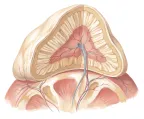
Aldosterone deficiency generally occurs in a context of adrenal exhaustion related to chronic stress. The adrenal glands have 3 cortical zones, each of which can be affected: the glomerulosa zone produces aldosterone, the fasciculata zone secretes cortisol, and the reticularis zone produces DHEA. When stress exhausts these zones, aldosterone production drops, causing excessive sodium loss through urine and relative potassium retention. This sodium leakage causes chronic dehydration, decreased circulating blood volume, and characteristic orthostatic hypotension. A vicious cycle sets in: less blood volume means less tissue oxygenation, more fatigue, and worsening stress on already fragile adrenals. Potassium retention, if excessive, can also impact cardiac rhythm.
Clinical Signs vs Laboratory Markers
The most revealing clinical signs are orthostatic hypotension (drop of more than 20 mmHg of systolic pressure when moving from lying to standing position), irresistible salt cravings, frequent and abundant urination, dizziness upon standing, and relief in lying position. These signs point to a lack, and only a blood test read by your doctor can confirm it: serum aldosterone (normal between 7 and 30 ng/dL in standing position), plasma renin activity, and aldosterone to renin ratio (normal below 30) constitute the basic triad. Blood electrolytes with sodium and potassium testing complete the picture, and blood pressure measurement in lying then standing position (orthostatic test) is a simple and highly informative tool. Ask your doctor for complete testing including these parameters if symptoms persist.
Targeted Nutrition
Increase your unrefined salt consumption to 1 to 2 teaspoons per day, favoring Celtic salt, Guérande salt, or Himalayan pink salt, which contain more than 80 minerals and trace elements absent from industrial table salt. Homemade bone broth is an excellent source of bioavailable minerals, particularly sodium, potassium, and magnesium in physiological proportions. Avoid drinking large quantities of pure water which would dilute your already insufficient blood sodium: prefer moderate hydration enriched with electrolytes. Consume potassium-rich foods (bananas, avocados, legumes) in moderation to avoid worsening sodium-potassium imbalance. Regular balanced meals help stabilize blood sugar and support adrenal function. Foods rich in magnesium such as almonds, pumpkin seeds, and dark chocolate contribute to proper RAAS function.
Supplementation
Vitamin C is the priority nutrient for supporting adrenals, as these glands are the body’s largest consumers of it, especially during stress. Vitamin B5 (pantothenic acid) is considered the ultimate anti-stress vitamin and directly participates in the synthesis of adrenal hormones including aldosterone. Magnesium bisglycinate supports the HPA axis (hypothalamic-pituitary-adrenal) and contributes to overall electrolyte balance. Drinks enriched with electrolytes with a predominance of sodium are useful throughout the day to compensate for excessive urinary losses. Vitamin B6 acts as a cofactor in aldosterone synthesis and can be taken. Potassium citrate should only be used under biological monitoring to avoid hyperkalemia. Doses are set with your doctor or your naturopath, all the more so if you already take a medication.
Lifestyle
Always rise slowly by passing through an intermediate sitting position for a few seconds before standing, to avoid orthostatic blood pressure drops. If symptoms are marked, wearing compression stockings can help maintain venous return and limit blood accumulation in the lower limbs. Get sufficient rest and avoid prolonged standing which worsens hypotension and dizziness. Gentle physical exercise such as walking or swimming is preferable to intense effort which excessively stresses adrenals. Stress management is absolutely essential as chronic stress is the leading cause of adrenal exhaustion and thus aldosterone drop: meditation, heart rate variability training, and yoga are recommended. Quality sleep between 10 pm and 6 am respects the circadian rhythm of cortisol and aldosterone and promotes adrenal recovery.
Phytotherapy
Licorice (Glycyrrhiza glabra) is the classic aldosterone plant, but it raises blood pressure and lowers potassium: it is contraindicated in high blood pressure and is only taken under your doctor’s supervision. It inhibits the 11-beta-hydroxysteroid dehydrogenase type 2 enzyme (11-beta-HSD2), which breaks down cortisol and aldosterone in target tissues, extending the lifespan of circulating aldosterone. Black currant bud (Ribes nigrum) in gemmotherapy is an excellent stimulant of the adrenal cortex supporting overall production of all corticoadrenal hormones, including aldosterone. Astragalus (Astragalus membranaceus) acts as a renal and adrenal tonic, strengthening the vitality of the kidney-adrenal axis according to traditional Chinese medicine. Nettle leaf (Urtica dioica) in infusion provides excellent natural mineral support rich in silica, iron, and magnesium that complements the remineralization strategy. Doses are set with your doctor or your naturopath, all the more so if you already take a medication.
What you can do
How the body regulates salt
Such a high score reflects deep adrenal exhaustion severely affecting the glomerulosa zone of the adrenal cortex, responsible for aldosterone production. The physiopathological cascade is concerning: the renin-angiotensin-aldosterone system (RAAS) can no longer compensate for sodium losses, causing severe chronic dehydration, dangerously low blood volume, and marked orthostatic hypotension potentially causing falls and syncope. Massive sodium leakage through urine is accompanied by potassium retention which at this stage can disturb heart rhythm and justifies electrocardiographic monitoring. Hyponatremia (blood sodium below 135 mmol/L) is a real risk potentially causing mental confusion, nausea, headaches, and in severe cases seizures. This major deficiency imperatively requires professional support combining complete biological assessment and intensive naturopathic care.
Mandatory Biological Assessment
At this symptom level, blood testing of aldosterone and plasma renin is no longer optional but absolutely necessary to objectify the deficiency and assess its severity. Urgently request from your doctor a comprehensive panel including: serum aldosterone (normal 7-30 ng/dL standing, value below 5 ng/dL confirms severe deficiency), plasma renin activity, aldosterone to renin ratio, complete blood electrolytes (sodium, potassium, chloride, bicarbonates), and creatinine to assess kidney function. Orthostatic testing (blood pressure measurement lying then standing at 1 and 3 minutes) must be systematically performed: a drop greater than 20 mmHg of systolic pressure confirms severe orthostatic hypotension. Regular home blood pressure monitoring in lying and standing positions is recommended to track progression. In case of hyponatremia suspicion, rapid repeat electrolyte testing is necessary.
What goes on your plate
Significantly increase your unrefined salt intake to 2 to 3 teaspoons per day, distributed across all meals, using exclusively Celtic salt, Guérande salt, or Himalayan salt to benefit from their richness in more than 80 essential trace elements. Prepare daily remineralizing bone broth (marrow bones, chicken carcass) cooked 12 to 24 hours with a tablespoon of apple cider vinegar to extract minerals: this broth constitutes a true natural mineral infusion. Strictly limit pure water consumption which dangerously dilutes your already insufficient sodium and replace it with water supplemented with a pinch of unrefined salt or electrolyte-rich drinks. Temporarily reduce foods very high in potassium (bananas, dates, avocados, raw spinach) to avoid worsening sodium-potassium imbalance. Maintain regular meals every 3 to 4 hours to stabilize blood sugar and avoid any additional metabolic stress on adrenals. Lacto-fermented foods (sauerkraut, kimchi, miso) provide both sodium and beneficial probiotics for mineral absorption.
What you can add
Vitamin C should be increased, in divided doses, as exhausted adrenals consume considerable amounts of this nutrient to attempt maintaining hormone production. Vitamin B5 (pantothenic acid) actively supports synthesis of all corticoadrenal hormones and accelerates adrenal recovery. Magnesium bisglycinate is indispensable for electrolyte balance and HPA axis function. Electrolytes as drink should be consumed 2 to 3 times daily with clear sodium predominance (oral rehydration solution type). Vitamin B6 acts as an enzymatic cofactor in aldosterone synthesis and should not be overlooked. Zinc participates in the function of over 300 enzymes including those involved in adrenal regulation, and its common deficiency worsens hormonal insufficiency. Doses are set with your doctor or your naturopath, all the more so if you already take a medication.
Lifestyle Adapted to Urgency
Severe orthostatic hypotension poses a real risk of falls and syncope: always rise systematically in 3 stages (sit at bed edge 30 seconds, then stand holding on 30 seconds, then slow walking) and never stand abruptly. Class 2 compression stockings are strongly recommended during the day to maintain sufficient venous return and prevent fainting. Absolutely avoid prolonged standing, warm environments (hot baths, saunas, hammams) which dilate vessels and worsen hypotension, and intense physical effort. Favor slow walking, gentle yoga in lying or sitting position, and breathing exercises such as heart rate variability training three times daily. Stress management becomes an absolute priority as each acute stress episode draws from already critical adrenal reserves: seriously consider daily meditation, sophrology, or psychological support. Sleep must be protected at all costs with bedtime before 10 pm to respect the peak of nighttime adrenal regeneration.
Phytotherapy and Professional Support
Licorice is never increased on your own initiative: at this level of signs, it is your doctor who decides, with blood pressure and potassium monitoring. Black currant bud (Ribes nigrum) in gemmotherapy morning and noon powerfully stimulates the adrenal cortex and can be combined with oak bud (Quercus robur) for its overall tonic action on the corticoadrenal axis. Astragalus (Astragalus membranaceus) strengthens renal and adrenal tone, while eleuthero (Eleutherococcus senticosus) as an adaptogen supports stress resistance without excessive stimulation. Professional support from a naturopath and physician is absolutely essential at this stage: self-treatment alone is insufficient facing such marked deficiency, and the risk of hyponatremia or cardiac complications justifies close biological follow-up. Doses are set with your doctor or your naturopath, all the more so if you already take a medication.
Le Cabinet
The Friday morning letter. One topic on the body’s terrain, sourced, no shortcuts.
Unsubscribe in one click. Your data is handled according to our privacy policy.
Related tests
This result is an educational naturopathic self-assessment. It is neither a diagnosis nor medical advice, and it does not replace a consultation. Only a health professional can confirm or rule out a disorder. If symptoms persist, or if you are pregnant, breastfeeding or on any treatment, talk to your doctor before taking any supplement or herbal preparation, and never stop a treatment without medical advice.
How to read this test
Aldosterone is an adrenal hormone from the mineralocorticoid family, often overlooked but essential for vital balance. It regulates sodium and water retention in the body, potassium levels, and blood pressure. When aldosterone is insufficient, the body loses too much sodium and water through urine, causing chronic dehydration, low blood pressure, dizziness upon standing, irresistible cravings for salt, and postural fatigue. This deficiency often accompanies overall adrenal exhaustion and appears frequently in people under chronic stress. Dr Thierry Hertoghe, a Belgian endocrinologist and president of the World Society of Anti-Aging Medicine, has integrated aldosterone assessment into his comprehensive hormonal evaluation. His clinical observations show that this deficiency is common but rarely diagnosed in conventional medicine. This questionnaire is inspired by his work and his Atlas of Endocrinology for Hormone Therapy.
Strengths
- Identifies a deficiency rarely diagnosed in conventional medicine
- Links common symptoms (dizziness, salt craving, low blood pressure) to a specific hormonal cause
- Guides toward simple solutions (unrefined salt, licorice, adrenal support)
Limitations
- The questionnaire contains only 5 questions, which limits precision
- Symptoms can be related to other causes (dehydration, medications, heart failure)
- A blood test (aldosterone + renin) is necessary to confirm the diagnosis