You can know every dietary supplement in the world. If you don’t know how to observe, you miss the essential.
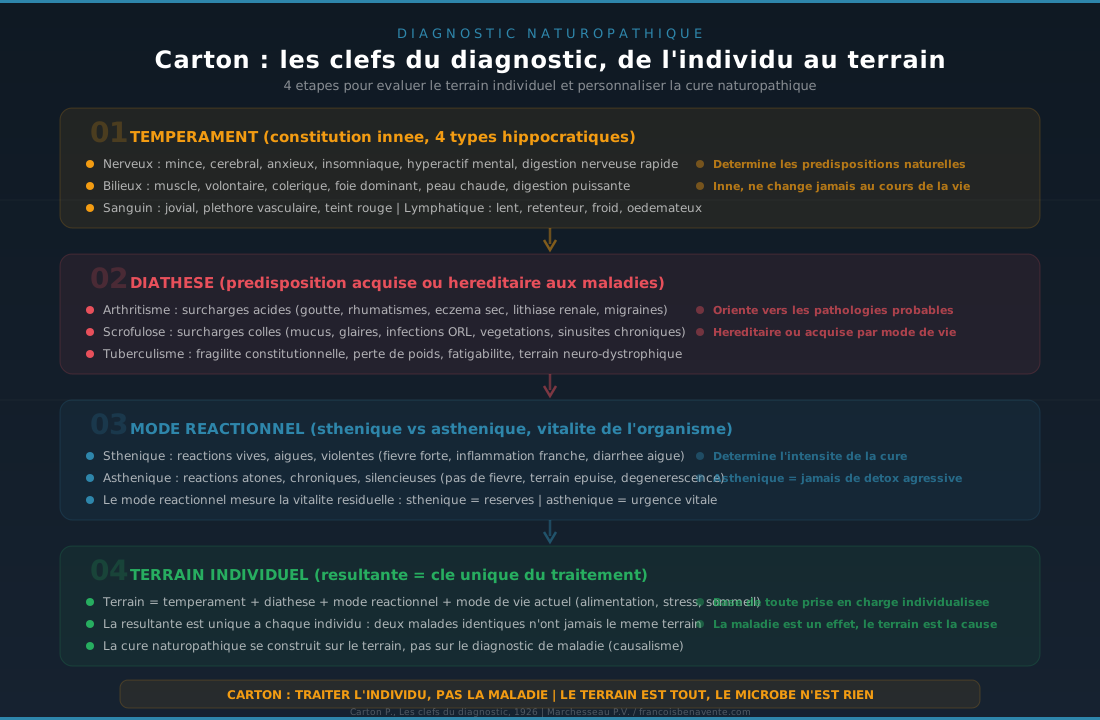
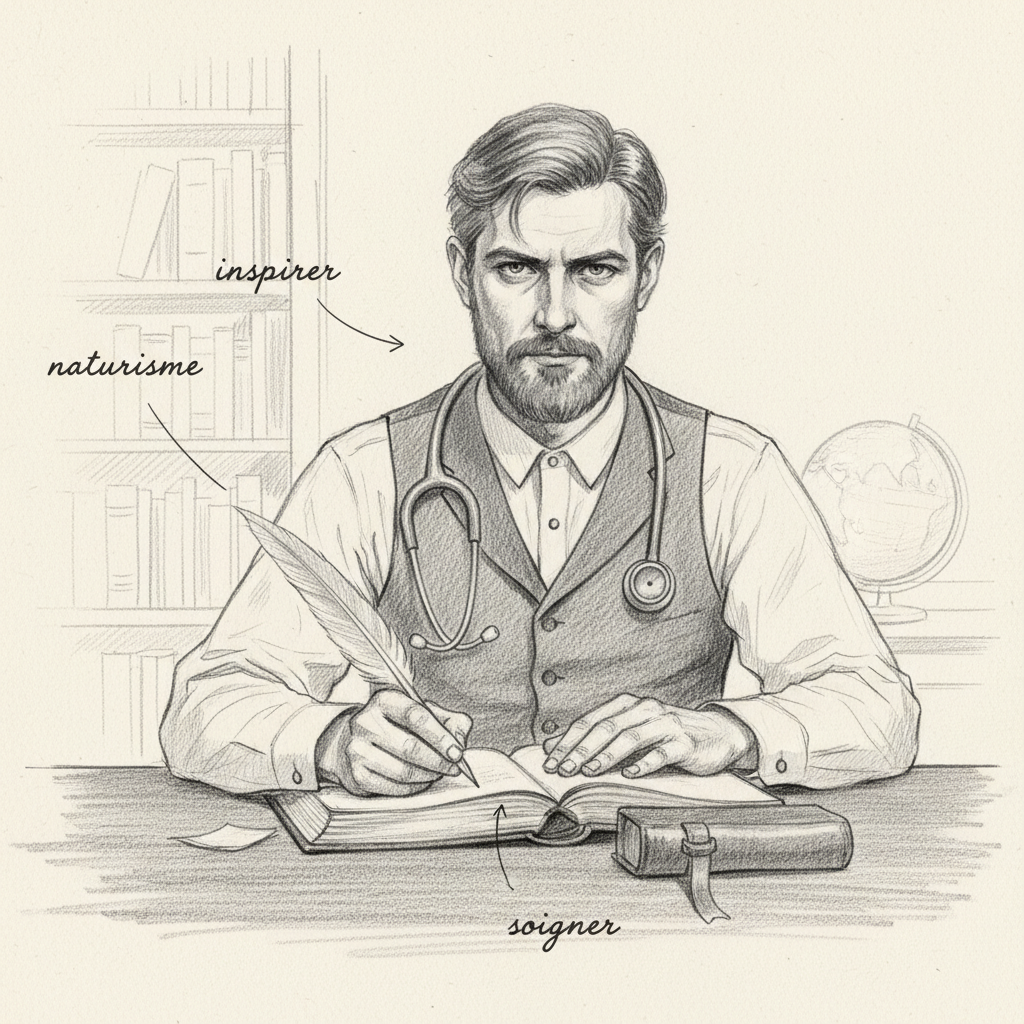
This is exactly what Dr Paul Carton wanted to convey in The Keys to Diagnosing Individuality. Published in 1934, this small 100-page book is a concentrated form of clinical knowledge. Not theory: pure practice.
Observation as foundation
Naturopathy does not begin with a protocol. It begins with a look.
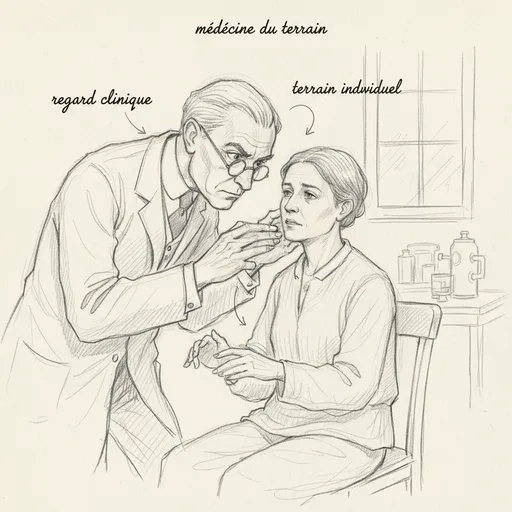
Carton knew this better than anyone. A former intern at the Paris Hospitals, he had learned classical medical semiology: the art of reading the body’s signs. But he went far beyond his colleagues. Where conventional medicine seeks symptoms to diagnose disease, Carton seeks signs of individuality to understand the person.
What you will learn
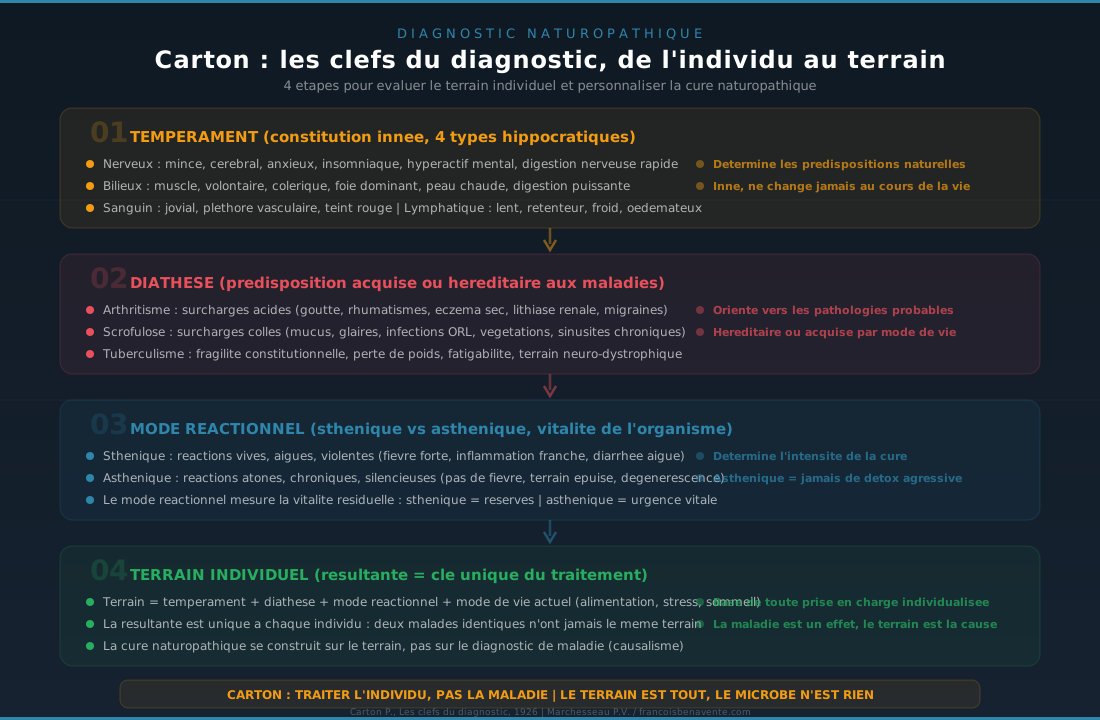
The four Hippocratic temperaments. Bilious, nervous, sanguine, lymphatic: Carton doesn’t merely describe them. He shows how to identify them in a face, in a posture, in a handshake. He teaches mixed types: because no one is a pure temperament. Reality is always a hierarchized mixture.
Functional morphology. The body’s form tells a story. The development of different body segments: thorax, abdomen, limbs, cranium: reveals the strengths and weaknesses of the terrain. Carton details 27 anatomical figures to teach you how to read these signs.
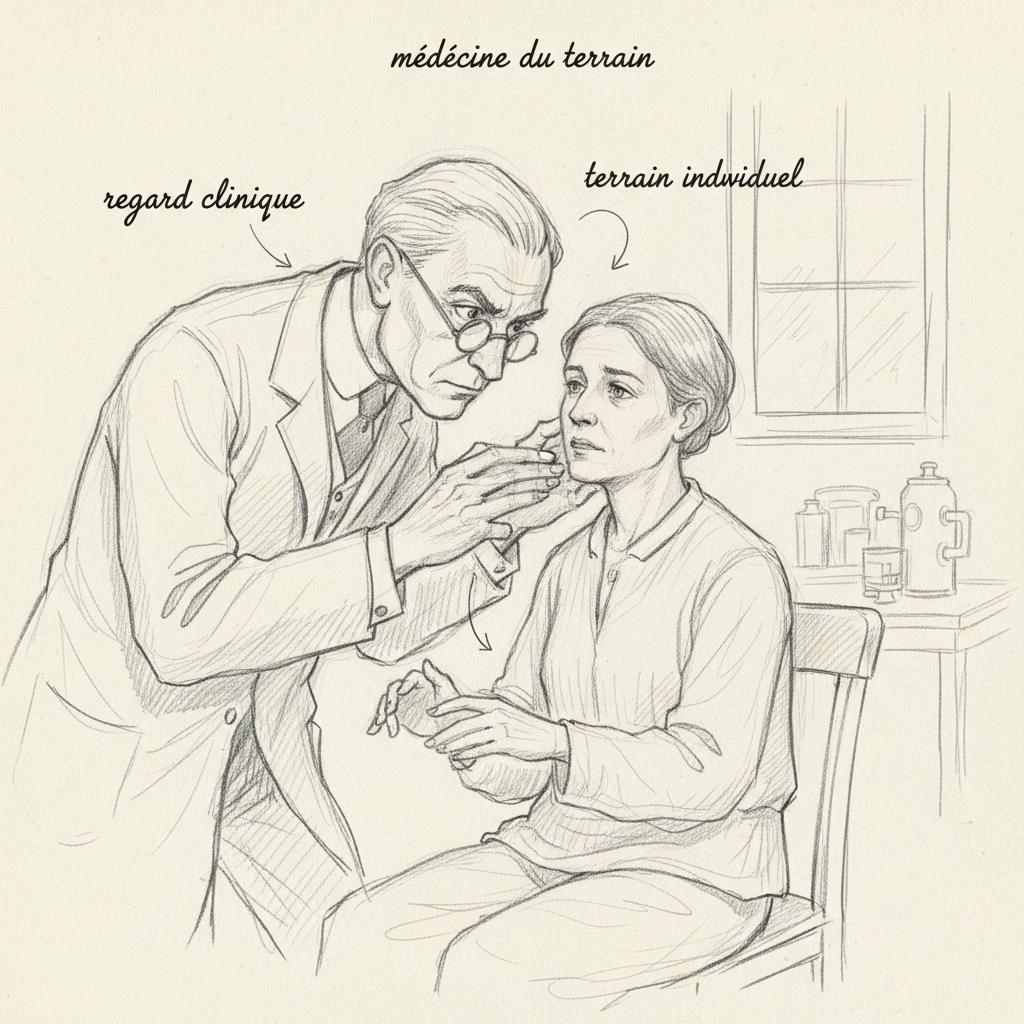
Physiognomy. The face is a mirror of the inner terrain. Face shape, skin texture, coloration, premature wrinkles, dark circles: each sign has significance. It is the direct ancestor of the naturopathic semiology I practice in consultation.
The hand as a map of the terrain. Hand structure, finger shape, nail texture, main lines: Carton devotes an entire chapter to this. Not chiromancy: rigorous clinical observation.
Vital capacity. How do you assess an individual’s resistance strength? Their available vital energy? Carton proposes concrete, observable, measurable criteria.
A reference guide, not a treatise
That is the strength of this book: it is designed to be used. Not read once and shelved in a library. Carton intended it as a cabinet companion: a reference guide you consult before each appointment, that you flip through to refine your observation.
The format is dense, structured, illustrated. Each page contains actionable information. No philosophical digressions here: this is Carton the practitioner, not Carton the thinker.
“Individualizing treatment requires individualizing diagnosis. You cannot care for a person you have not first understood.” : Dr Paul Carton
Why I republished it
Because this knowledge is being lost. Naturopathy schools teach clinical observation less and less. They train dietary supplement advisors, not terrain practitioners. Carton reminds us that naturopathy is first and foremost an art of observation.
This book is a salutary reminder: before advising anything, observe. Look at the face, the hands, the posture, the gait. Listen to the voice, the speech pattern, the breath. Understand the temperament, the constitution, the vital history. And only then, individualize your care.
This is Carton’s method. This is Hippocrates’ method. This is naturopathy in its purest form.
Healthy recipe : Root vegetable soup : Paul Carton recommended root vegetables.


Laisser un commentaire
Sois le premier à commenter cet article.