You never forget a face. You remember the server’s name who served you six months ago in that restaurant in Lyon. You retain conversations word for word, phone numbers without writing them down, the clothing details of people you meet. Your friends tell you that you have an “elephant memory.” What they don’t see is that this memory is not a gift: it’s a biochemical signature. You have an acetylcholine-dominant nature.
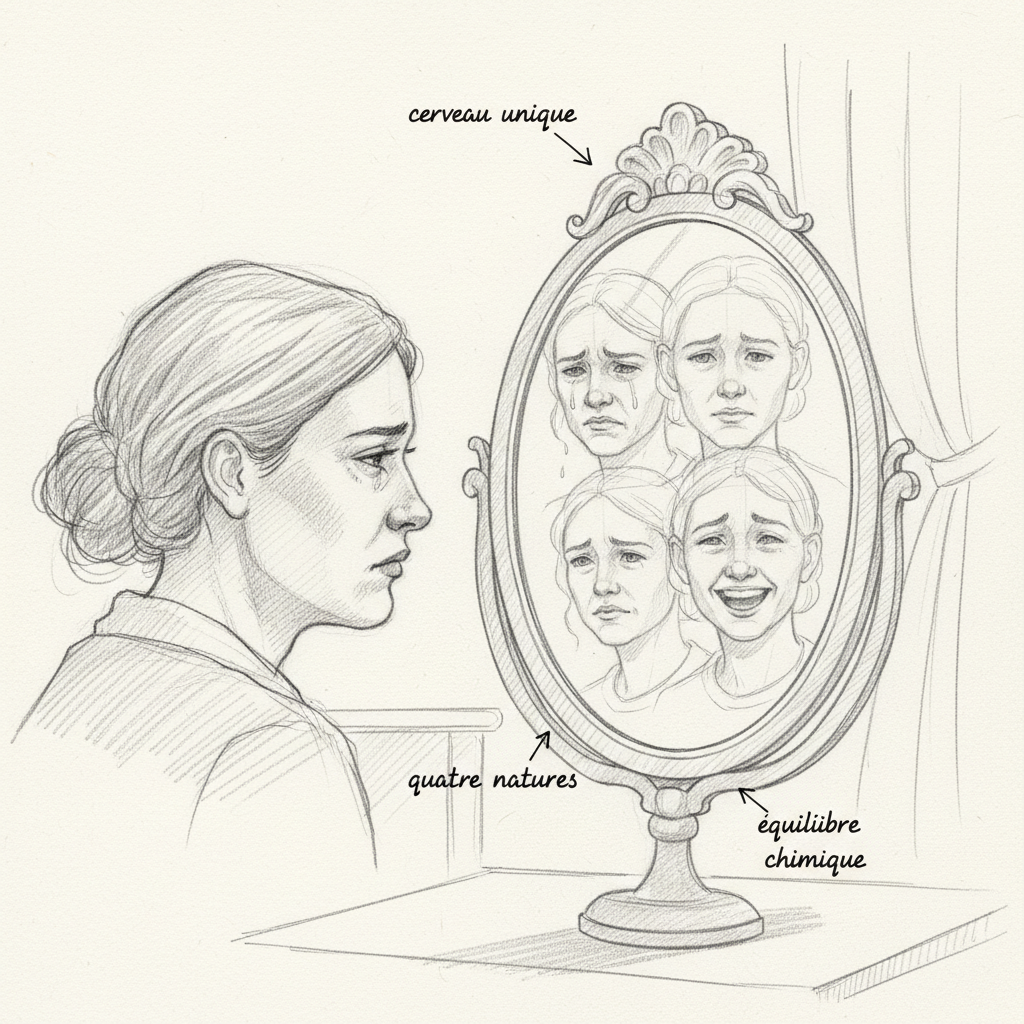
Dr. Eric Braverman, American neurologist and author of The Edge Effect, identified four fundamental neurobiochemical natures, each linked to a dominant neurotransmitter: dopamine (energy, leadership), serotonin (harmony, pragmatism), GABA (stability, organization) and acetylcholine (creativity, memory). This is not astrology: it’s functional neurobiochemistry. Each nature has its strengths, vulnerabilities and specific needs.
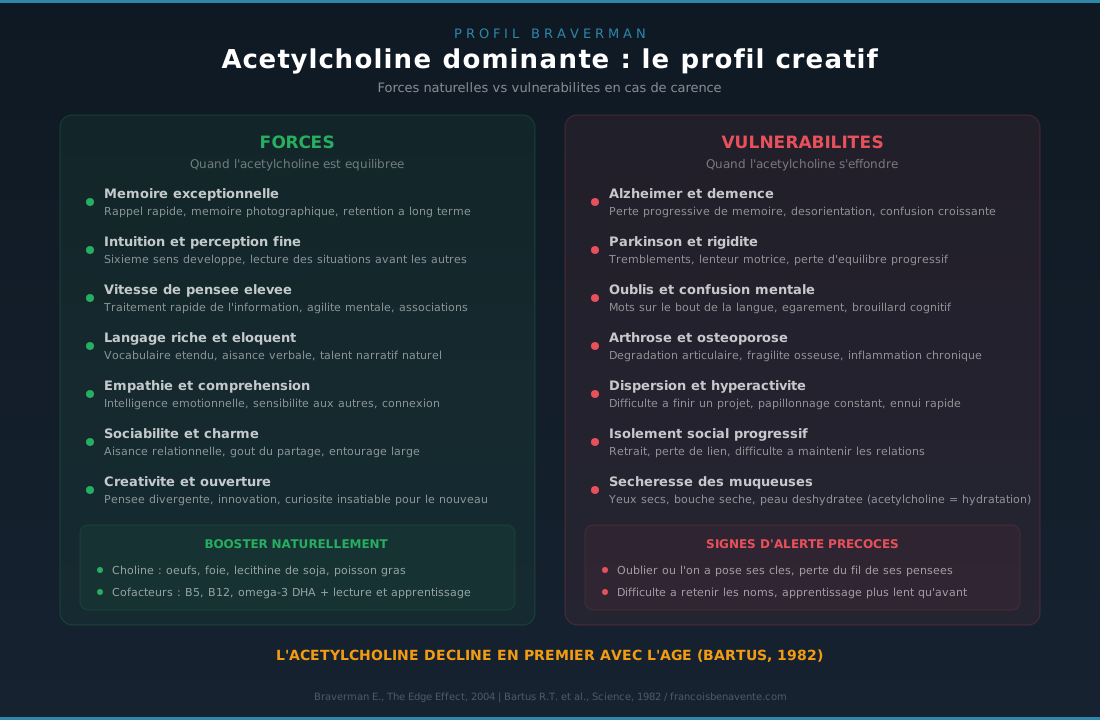
The portrait of acetylcholine dominant
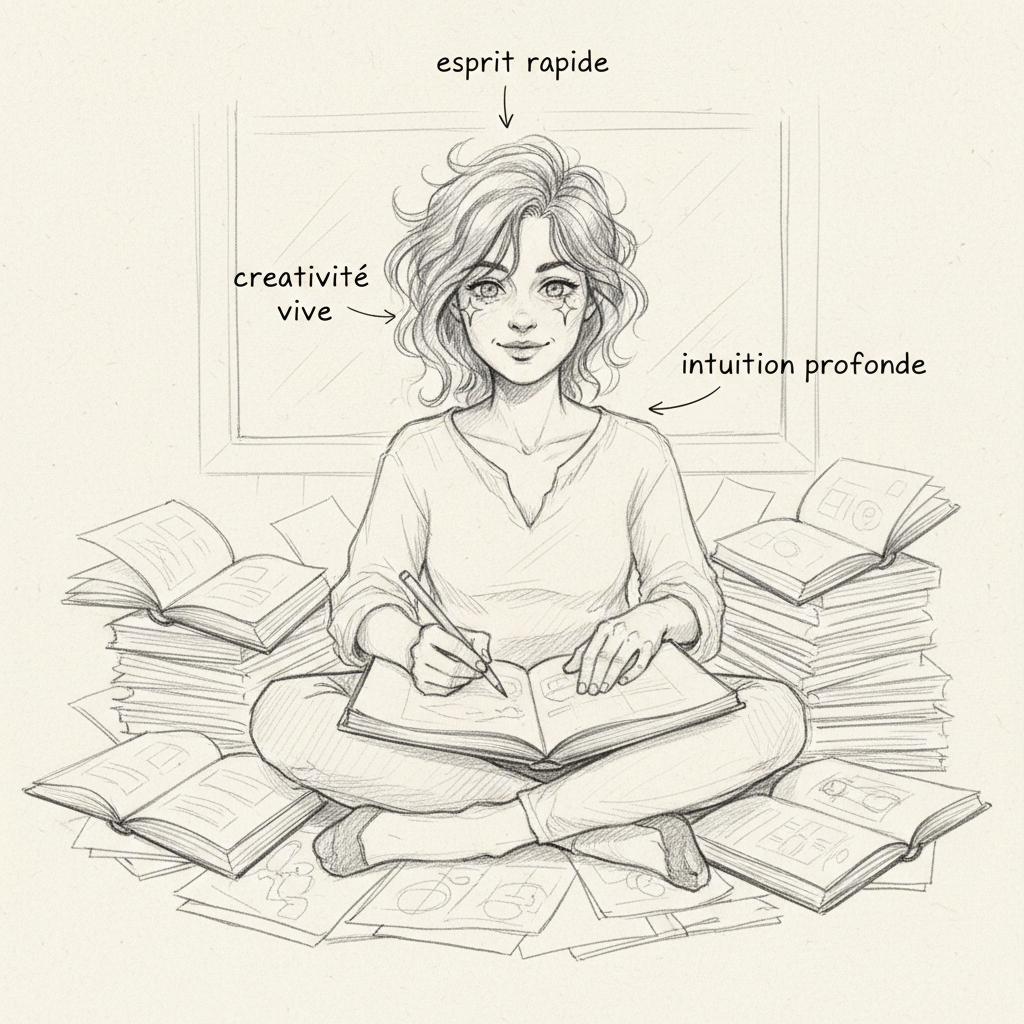
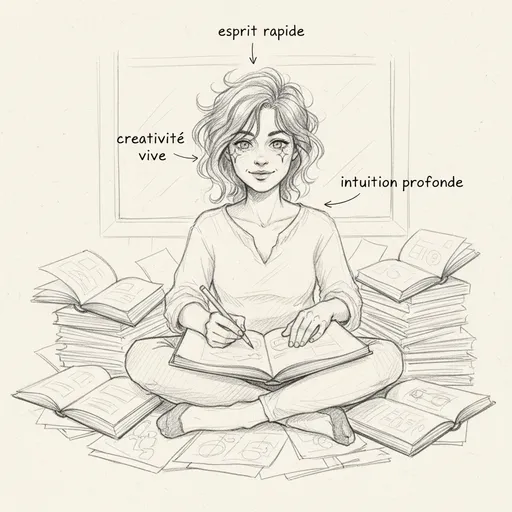
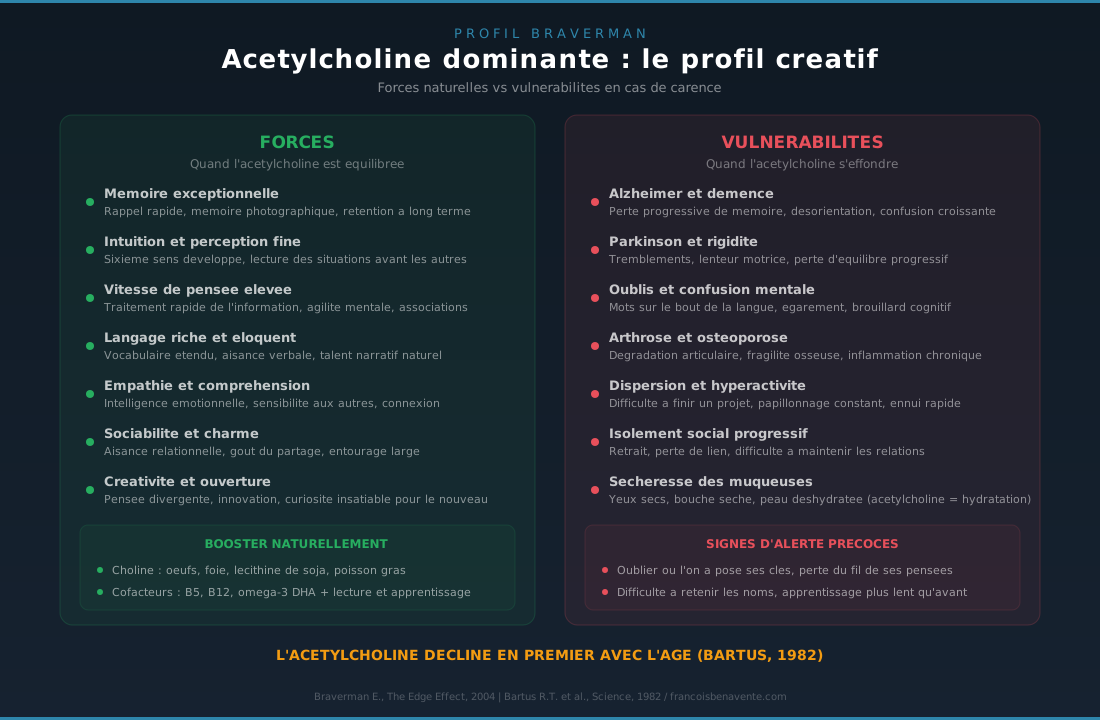
You are the quick brain of the group. Your thinking is fluid, associative, creative. You make connections that others don’t see. You understand abstract concepts intuitively. You have a fertile imagination: you can visualize a finished project before even starting. You learn quickly, you retain well, you communicate with ease.
Empathy is your second signature. You sense other people’s emotions before they express them. You guess the unsaid. You are the natural confidant, the one people turn to when they need to talk. You are romantic, thoughtful, sensitive to atmospheres. You notice when someone changes their hairstyle, when a friend is sad without saying so, when the atmosphere of a room becomes tense.
Sociability is natural for you. You enjoy deep conversations, intellectual exchanges, debates of ideas. You are curious about everything, you ask questions, you want to understand. You are often drawn to arts, writing, music, foreign languages. The acetylcholine profile is overrepresented among artists, therapists, teachers and researchers.
Physically, the acetylcholine dominant tends to have a slender build, fine and sensitive skin, good joint flexibility. The gaze is lively, expressive, mobile. The voice is modulated, rich in intonations. The gestures are animated.
When acetylcholine is in excess
Excess acetylcholine is as problematic as deficiency. When your dominant neurotransmitter goes haywire, qualities become defects.
Memory becomes rumination. You dwell on conversations, you analyze every word, you relive past situations on repeat. You can’t “let go” because your brain records everything and replays the film constantly. Empathy becomes hypersensitivity. You absorb other people’s emotions like a sponge. You feel exhausted after a social day. You cry at advertisements. You take everything personally.
Creativity becomes dispersion. You have a thousand ideas but you finish none of them. You start a project and move to the next one before finishing the first. Speed of thought becomes mental agitation. Your brain never stops, even at night. Insomnia from mental hyperactivity is the nightmare of the acetylcholine dominant in excess.
Sociability becomes codependence. You need others to feel like you exist. You sacrifice yourself to please. You can’t say no. You attract manipulative personalities because your empathy makes you vulnerable.
Balancing your acetylcholine nature
If your acetylcholine is well-dosed, nourish it. Eggs for breakfast, fatty fish two to three times a week, nuts and seeds daily. Omega-3s are your best allies: they constitute the membranes of your neurons and facilitate cholinergic transmission. Reading, learning, strategy games, music maintain your circuits.
If your acetylcholine is in excess, temper it. Intense physical activities (strength training, HIIT, martial arts) burn excess mental energy and stimulate GABA, your complementary neurotransmitter. Mindfulness meditation teaches your brain to slow down. Magnesium bisglycinate at dinner calms nighttime mental agitation. L-theanine (in green tea) modulates acetylcholine without suppressing it.
If your acetylcholine collapses, rebuild it. This is the subject of my article on acetylcholine deficiency. Citicoline, alpha-GPC, bacopa monnieri and phosphatidylserine are the first-line tools.
Interaction with other neurotransmitters is fundamental. Acetylcholine and dopamine work in synergy for concentration and motivation. Acetylcholine and serotonin collaborate for emotional memory and social well-being. Acetylcholine and GABA balance each other: GABA brakes what acetylcholine accelerates.
Braverman emphasizes: no neurotransmitter works alone. Your dominant nature is a starting point, not a box. The goal is not to have maximum acetylcholine, but a balance between the four systems. Know your nature, nourish it, and balance it with the three others.
To identify your dominant nature, take the Braverman acetylcholine-dominant test. And compare with the dopamine, GABA and serotonin profiles to get your complete profile.
To learn more
- The Braverman method: your brain in 4 neurotransmitters
- Dopamine nature: the leader and visionary profile according to Braverman
- GABA nature: the stable and organized profile according to Braverman
- Serotonin nature: the harmonious and pragmatic profile according to Braverman
Want to evaluate your status? Take the free Braverman acetylcholine deficiency questionnaire in 2 minutes.
Sources
- Braverman, Eric R. The Edge Effect. Sterling Publishing, 2004.
- Curtay, Jean-Paul. Nutrithérapie: bases scientifiques et pratique médicale. Testez Éditions, 2016.
- Mouton, Georges. Écologie digestive. Marco Pietteur, 2004.
If you want personalized support, you can book a consultation.


Laisser un commentaire
Sois le premier à commenter cet article.