Three hundred stool analyses. That’s the number of complete intestinal assessments I’ve analyzed over the past five years in my practice. Three hundred times, I’ve opened a multi-page report detailing the bacteria, yeasts, parasites, and inflammatory markers of a patient’s intestine. And three hundred times, I’ve found something abnormal. Not a single normal analysis in the bunch. Zero. This doesn’t mean all my patients have catastrophic intestines (some are doing rather well), but rather that all those who consult for chronic fatigue, thyroid problems, autoimmune disorders, or persistent digestive symptoms have an imbalanced microbiota.
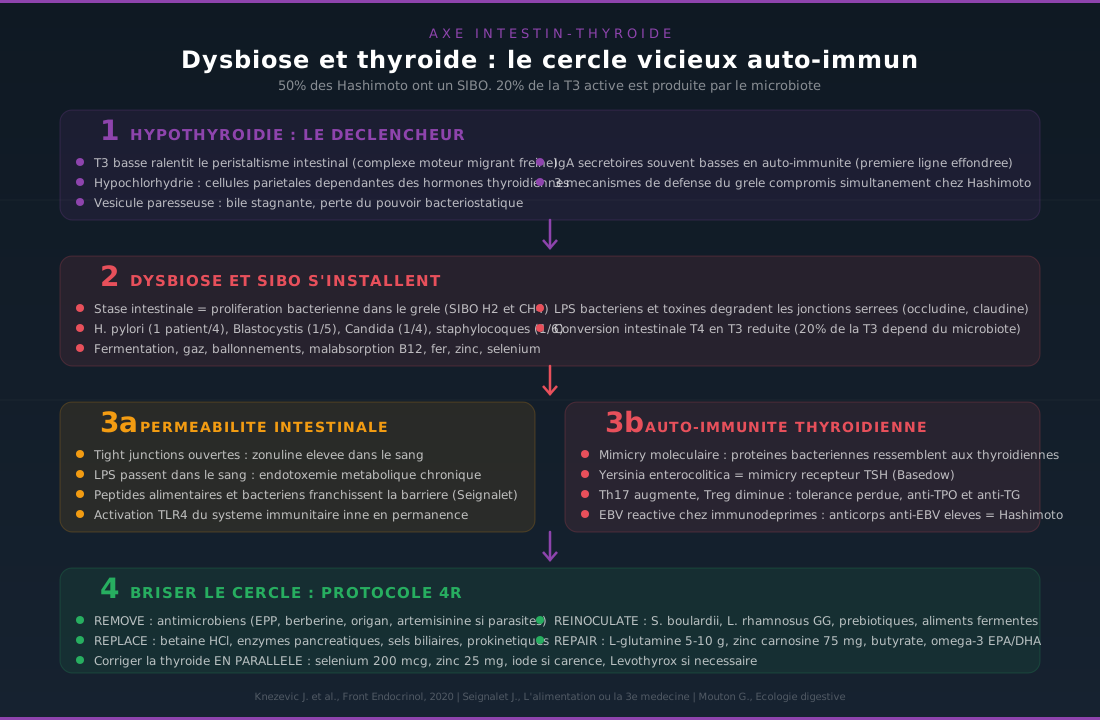
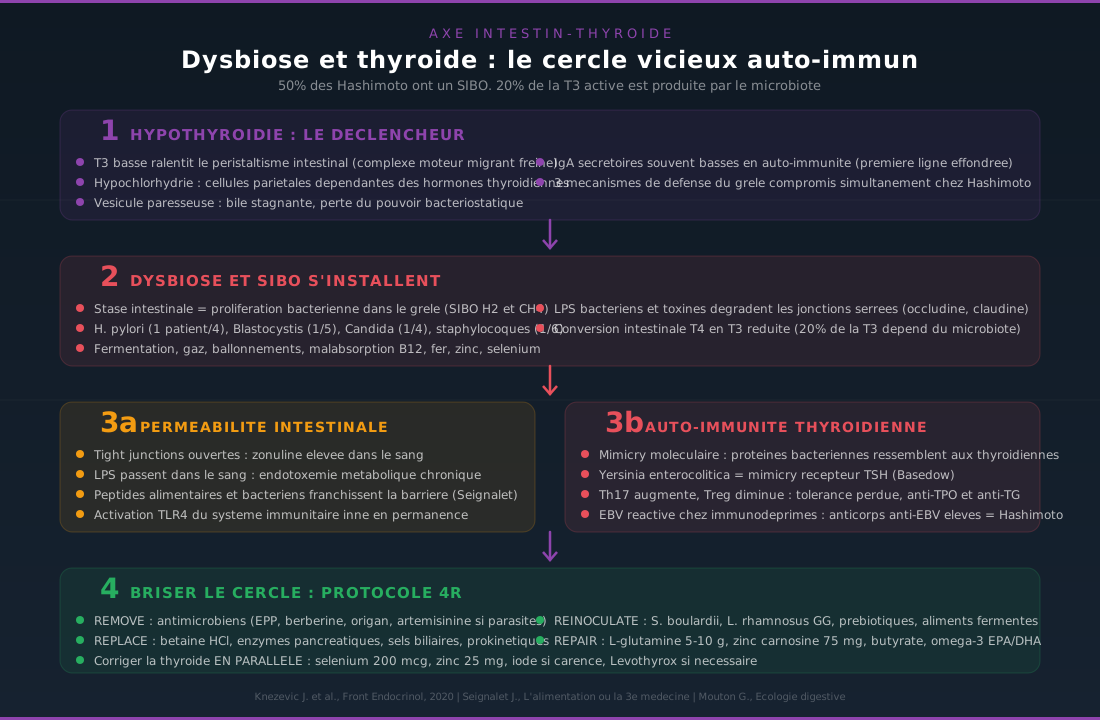
The most frequent profiles I’ve identified are, in order: H. pylori (found in approximately one in four patients), Blastocystis hominis (a microscopic parasite found in one in five patients), excess Candida (also one in four patients), and staphylococci or streptococci in abnormal quantities (one in six patients). Nearly half had low secretory IgA, meaning their first line of intestinal defense was down.
The microbiota: your second genome
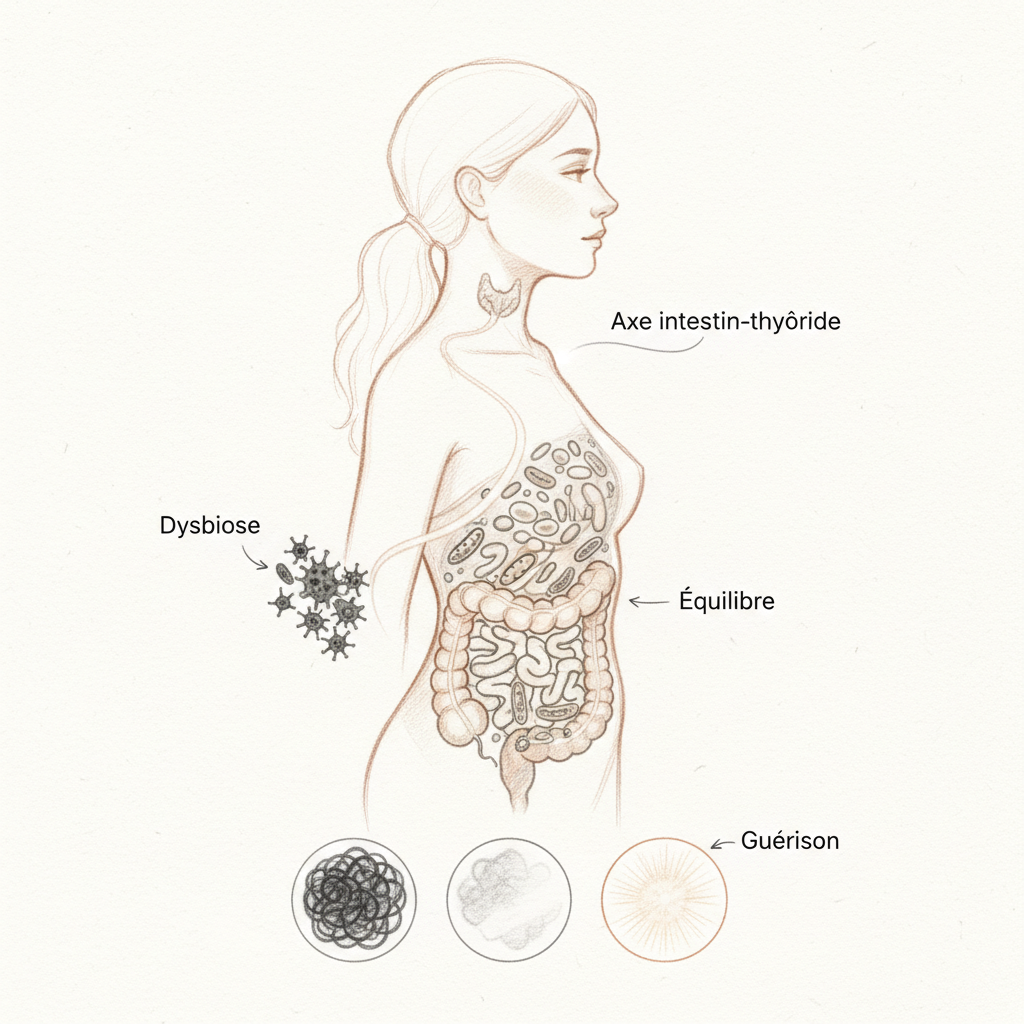
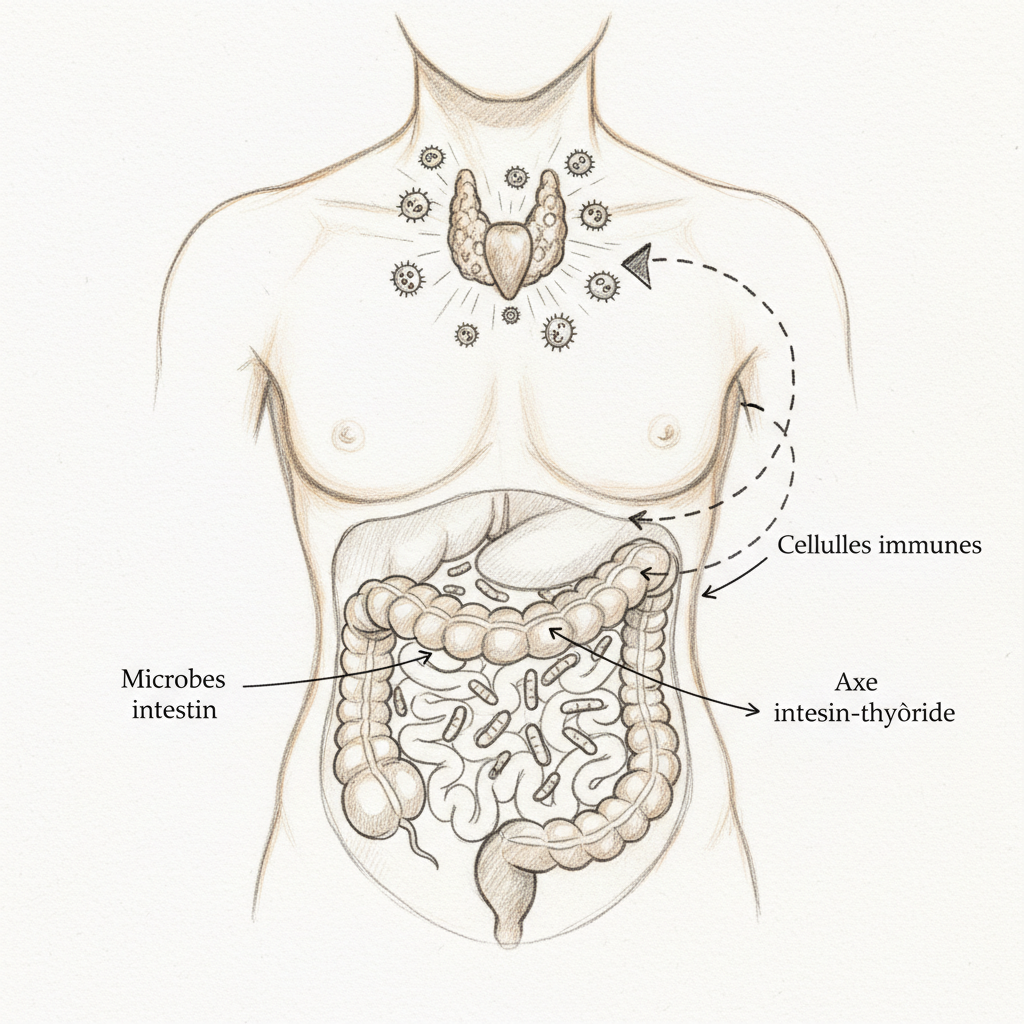
The human intestinal microbiota contains between 500 and 1000 different bacterial species and weighs approximately 1.5 to 2 kilograms. It’s an organ in its own right, with its own metabolic, immune, and neuro-endocrine functions. It produces vitamins (K2, B12, B9, biotin), short-chain fatty acids (butyrate, propionate, acetate) that nourish the colonic mucosa, neurotransmitters (serotonin, GABA, dopamine), and directly regulates 70% of the immune system via the gut-associated lymphoid tissue (GALT).
Mouton, in his reference work on the intestinal ecosystem, places the microbiota at the center of overall health: “The intestine is the crossroads of all functions. Digestion, immunity, neurology, endocrinology, everything converges toward this nine-meter tube that houses more bacterial cells than human cells. Neglecting the intestine means neglecting the foundation of health.” This conviction, shared by all the great naturopaths since Hippocrates (“all disease begins in the intestine”), is now supported by microbiome research with thousands of publications per year.
The five dysbiosis profiles
Through consultations, I’ve identified five dysbiosis profiles that consistently appear in thyroid and autoimmune patients. Each profile has its clinical signature and specific protocol.
The first profile is chronic candidiasis. Candida albicans is a commensal yeast that normally lives in small numbers in the intestine. When defenses are weakened (antibiotics, corticosteroids, birth control pills, high-sugar diet, chronic stress, immunosuppression), Candida proliferates and shifts from its yeast form (harmless) to its filamentous form (pathogenic) capable of perforating the intestinal mucosa. Typical symptoms are irresistible sugar cravings, postprandial fatigue (the notorious “energy dip” after meals), recurrent vaginal yeast infections, brain fog, permanent bloating, and multiple food intolerances. Treatment is based on the antifungal diet (elimination of refined sugars, alcohol, and yeasts for four to eight weeks), natural antifungals (caprylic acid 1000 mg, grapefruit seed extract, garlic), and specific probiotics (S. boulardii, L. rhamnosus GG).
The second profile is parasitic dysbiosis. Blastocystis hominis is the most frequently found microscopic parasite in stool analyses of autoimmune patients. Long considered a harmless commensal, it’s now recognized as an opportunistic pathogen capable of causing intestinal inflammation, permeability, and exaggerated immune response. Other frequent parasites are Dientamoeba fragilis and Giardia lamblia. Natural treatment combines artemisinin (250 mg twice daily), clove (eugenol), black walnut (juglans nigra), and berberis for six to eight weeks.
The third profile is SIBO (small intestinal bacterial overgrowth), which I’ve detailed in a dedicated article. It’s the most frequent profile in hypothyroid patients because slowed peristalsis favors stagnation and proliferation.
The fourth profile is fungal dysbiosis (other than Candida). Yeasts like Rhodotorula, Geotrichum, or molds like Aspergillus can colonize the intestine, especially in damp and moldy environments. This profile is often associated with exposure to household molds (damp homes, poorly ventilated bathrooms) and manifests as multiple chemical sensitivity (MCS), neurological symptoms (intense brain fog, dizziness), and migratory joint pain.
The fifth profile is viral reactivation. Herpetic viruses (Epstein-Barr/EBV, cytomegalovirus/CMV) can reactivate in immunocompromised patients and cause chronic inflammation that perpetuates autoimmunity. EBV is particularly suspected in triggering Hashimoto: studies show that Hashimoto patients have significantly higher anti-EBV antibody titers than controls. Immune support (L-lysine 1000 mg, monolaurin, selenium, zinc) is the basis of treatment for this profile.
The 4R protocol
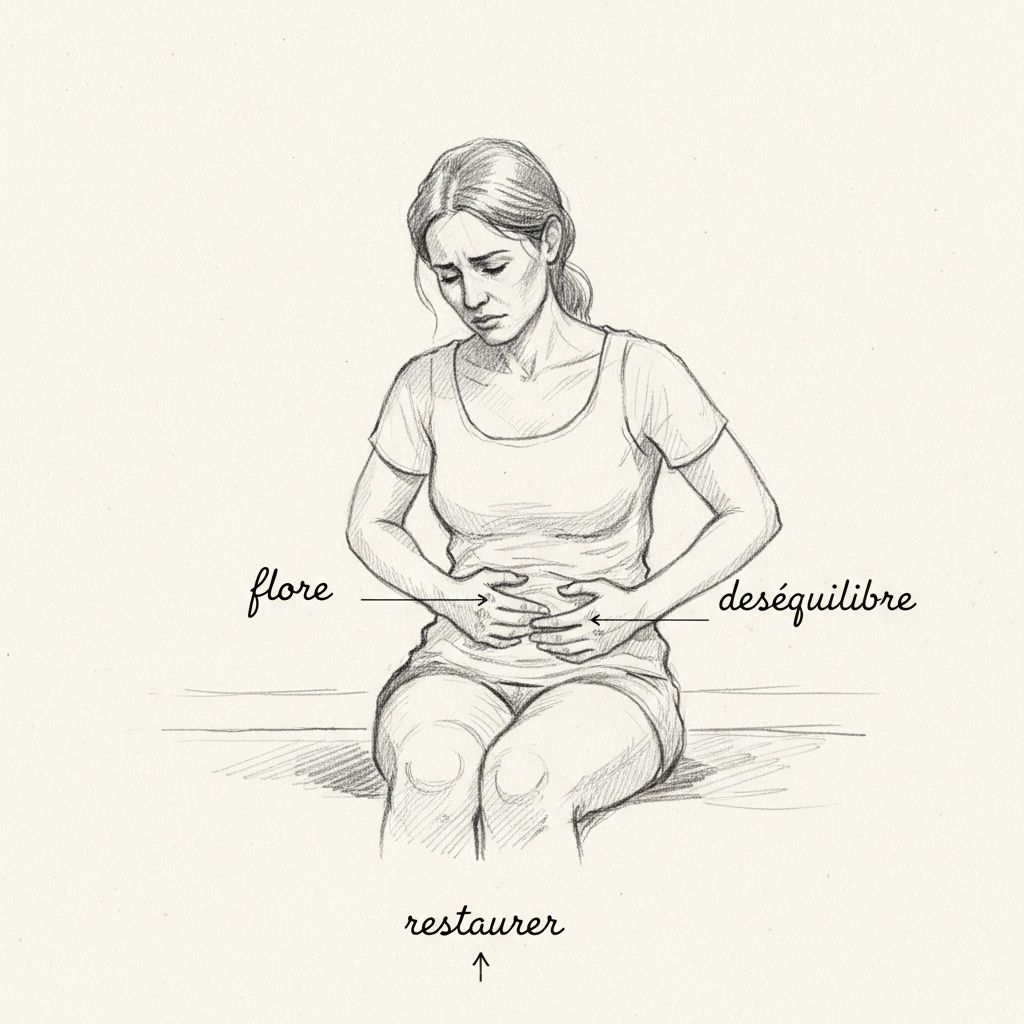
The 4R protocol is the structuring framework for any naturopathic approach to dysbiosis. It was formalized by functional medicine but its principles have always been present in naturopathic tradition.
Remove: eliminate identified pathogens (targeted antimicrobials according to profile), inflammatory foods (gluten, dairy, sugars, according to Seignalet), gastro-toxic medications when possible (PPIs, NSAIDs, birth control pills).
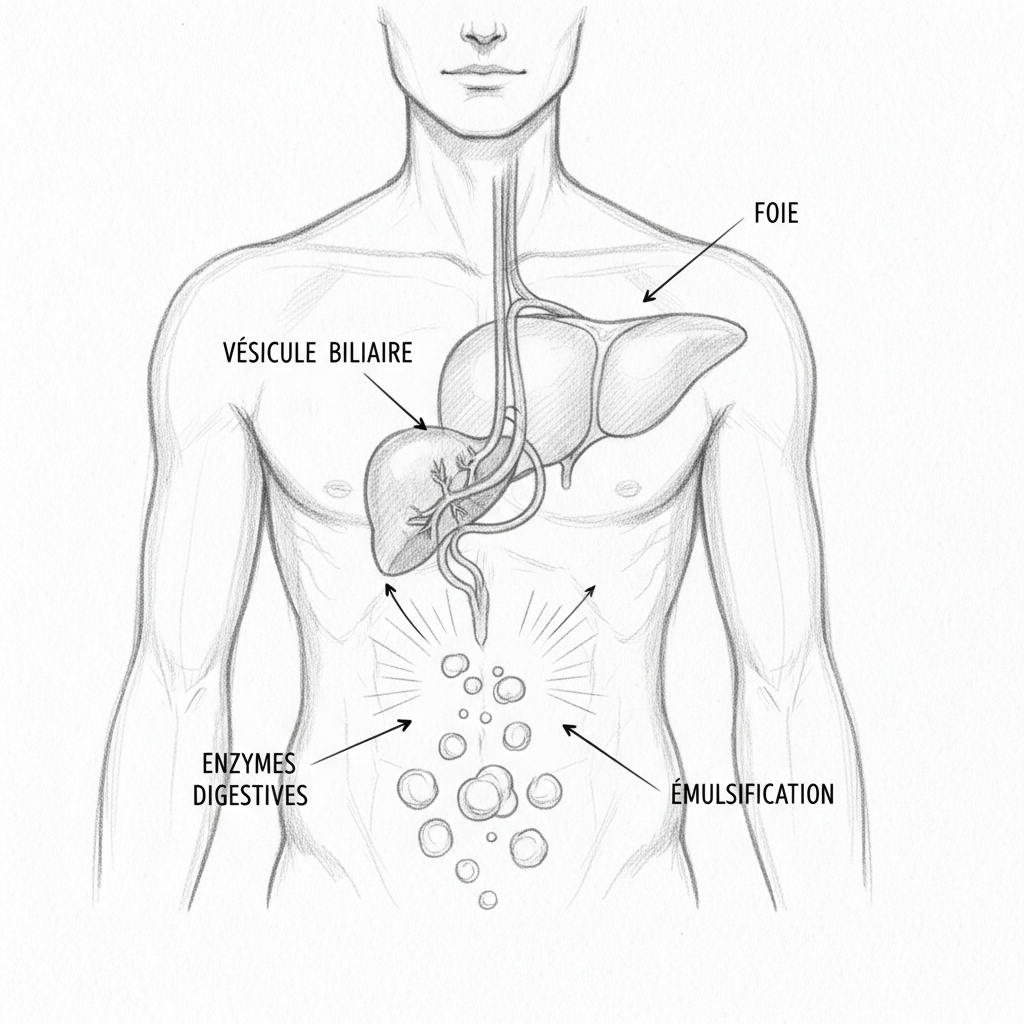
Replace: restore deficient digestive secretions. Betaine HCl if hypochlorhydria. Pancreatic enzymes if exocrine insufficiency. Bile salts if biliary insufficiency. The “Replace” phase is the most often forgotten and yet the most important for preventing relapse.
Reinoculate: reintroduce good bacteria through targeted probiotics and prebiotics (fibers that feed protective bacteria). The most effective prebiotics are FOS/GOS (fructo and galacto-oligosaccharides), resistant starch (plantain, cooled potato), pectin (cooked apple), and acacia gum. Probiotics are chosen according to profile: Lactobacillus rhamnosus GG for barrier restoration, Bifidobacterium longum BB536 for immune modulation, S. boulardii for IgA.
Repair: heal the damaged intestinal mucosa. Zinc carnosine (75 mg twice daily), L-glutamine (5 g daily), sodium butyrate (600 mg twice daily), and bovine colostrum (1 to 2 g daily) are the four pillars of mucosal repair. This phase lasts a minimum of four to eight weeks after antimicrobial treatment ends.
Secretory IgA: your first line of defense
Secretory immunoglobulin A (SIgA) lines the intestinal mucosa like a protective film. It neutralizes pathogenic bacteria, viruses, and toxins before they can penetrate the mucosa. When SIgA is low (the case in nearly half of autoimmune patients), the mucosa is bare, vulnerable, and intestinal infections recur despite antimicrobial treatments.
The most common causes of low SIgA are chronic stress (cortisol suppresses IgA production), vitamin A deficiency (vitamin A is essential for maturation of IgA-producing cells), zinc deficiency (cofactor for immunoglobulin synthesis), and prolonged dysbiosis itself (vicious cycle).
Raising SIgA is essential for preventing dysbiosis recurrence. Saccharomyces boulardii (500 mg twice daily) is the most effective supplement for restoring SIgA, followed by bovine colostrum which directly provides immunoglobulins. Stress management (heart rate variability coherence, meditation, moderate exercise) is also crucial because chronically elevated cortisol keeps SIgA at the lowest levels.
Diet as foundation
Seignalet demonstrated that eliminating gluten and dairy was sufficient to significantly improve many autoimmune diseases. His hypotoxic diet, which he calls “ancestral,” rests on three principles: elimination of mutated grains (wheat, rye, barley, corn, non-certified gluten-free oats), elimination of animal dairy (casein and beta-lactoglobulin), and preference for raw foods or foods cooked at low temperature (to preserve enzymes and avoid Maillard products).
This diet, applied rigorously for three to six months, often reduces digestive symptoms by 50 to 80% before antimicrobial treatment even begins. It reduces the inflammatory load on the mucosa and gives the microbiota a chance to rebalance. This is why I prescribe it systematically as the foundation of all my intestinal protocols, in keeping with the principles of naturopathy that I teach.
Warning
Stool analysis is a valuable tool but has its limitations. It provides a snapshot at one moment of the fecal microbiota, which isn’t exactly the mucosal microbiota (the one adhering to the intestinal wall and most important for immunity). Furthermore, certain pathogens (viruses, intracellular parasites) escape standard culture techniques and require specific PCR tests.
Natural antimicrobials, though gentler than antibiotics, are not harmless. They can cause Herxheimer reactions (temporary symptom worsening), drug interactions (berberine interacts with many drugs via cytochrome P450), and digestive side effects. Any antimicrobial protocol must be supervised by a trained practitioner.
Marchesseau taught that “humoral toxemia is the cause of all diseases.” The intestinal microbiota is the first producer of this toxemia when imbalanced, and the first protector when healthy. Restoring the intestinal ecosystem isn’t a luxury for a naturopath in need of protocols. It’s the foundation without which no thyroid treatment, no supplement, no diet will deliver its full results.
Want to assess your status? Take the free Claeys thyroid questionnaire in 2 minutes.
If you want personalized support, you can book a consultation.
Laisser un commentaire
Sois le premier à commenter cet article.