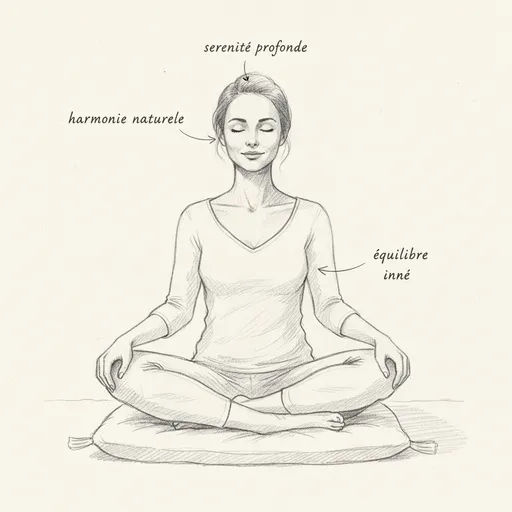
You wake up in a good mood. Not because your life is perfect: it isn’t: but because you have this innate ability to see the glass as half full. You appreciate your morning coffee as if it were the first of your life. You notice the light on the leaves, the taste of fresh bread, the baker’s smile. Your friends tell you you’re “positive.” Your colleagues tell you you’re “pleasant.” Your partner tells you you’re “easy to live with.” It’s not naivety: it’s serotonin.
In Dr. Braverman’s model, the serotonin dominant nature is the profile of harmony. Where the dopaminergic conquers and the GABAergic organizes, the serotoninergic appreciates. He lives in the present, he savors, he connects. He is the social cement of the group, the natural mediator, the one who creates bonds and cohesion.
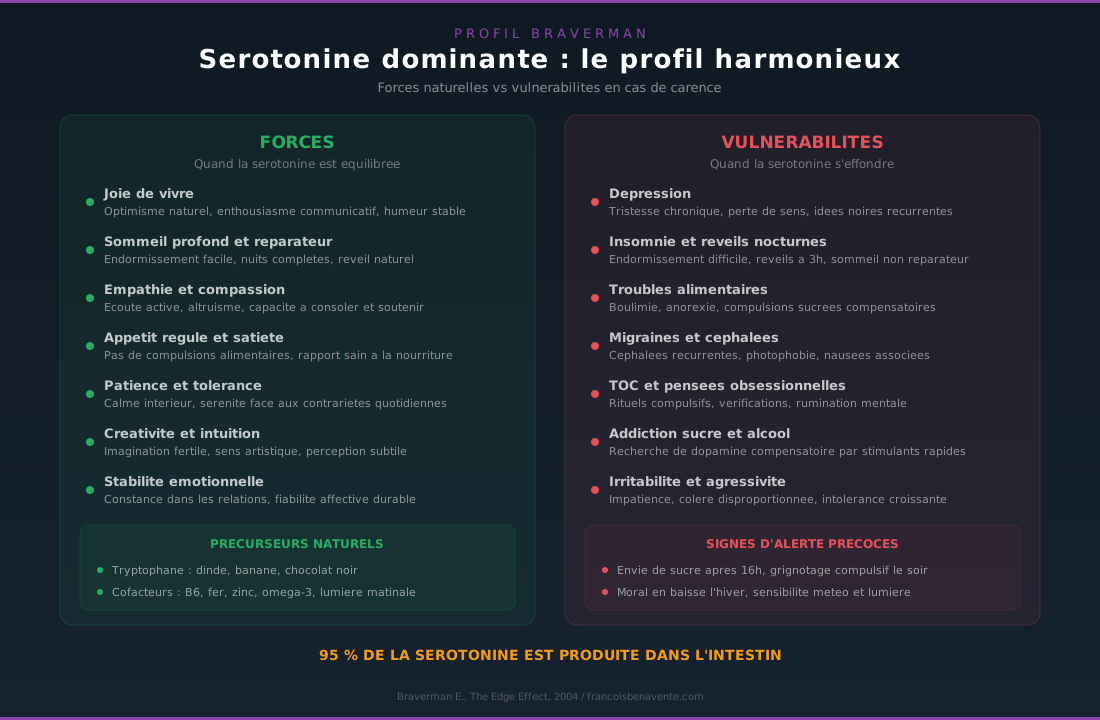
The portrait of the serotonin dominant
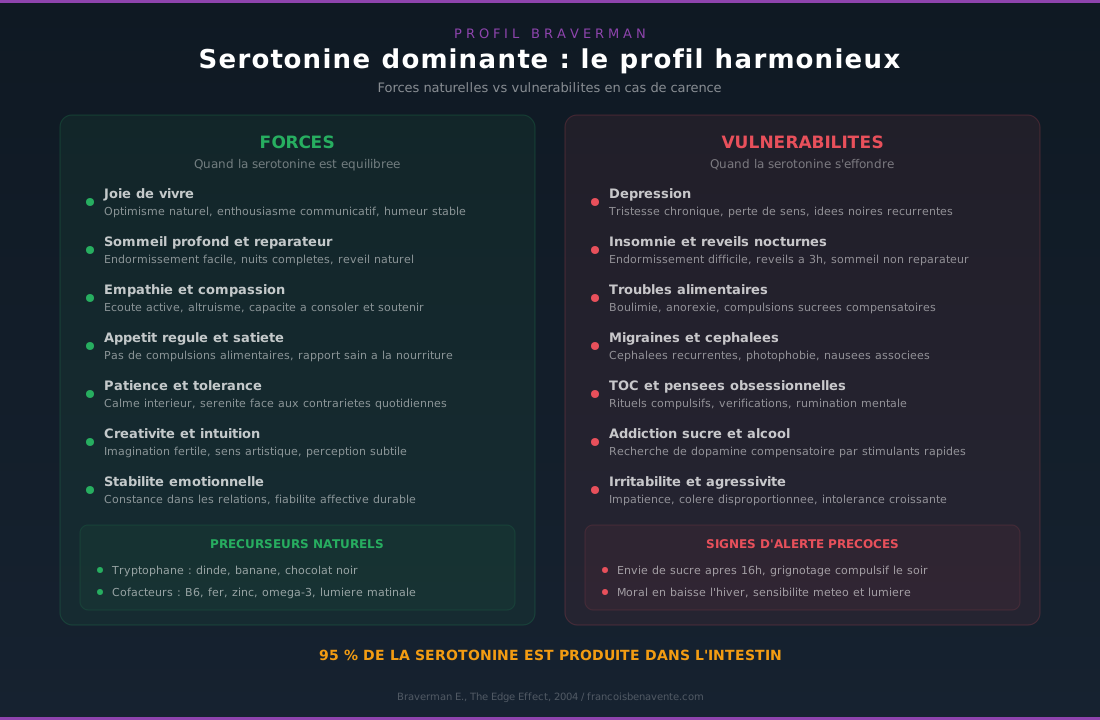
Joie de vivre is your signature. Not an explosive and fleeting joy like that of dopamine: a deep, quiet, continuous joy. You are content with what you have. You are not constantly searching for more, better, different. This natural satisfaction comes from serotonin which regulates the emotional satiety circuit. When dopaminergics chase the next reward, you appreciate the one you just received.
Sociability is your second strength. You genuinely like people. You remember birthdays, you organize dinners, you check in on people. You have the gift of putting people at ease. Conversations flow naturally with you. You don’t seek to shine (acetylcholine) or to dominate (dopamine): you seek to share. Serotonin profiles are overrepresented in healthcare, education, hospitality and food service professions.
Pragmatism is your way of thinking. You don’t get lost in abstract theories or five-year plans. You do what works, here and now. You have practical, concrete, sensory intelligence. You learn by doing more than by reading. You have excellent visual memory and good physical coordination.
Relationship to the body is central. The serotonin dominant has a sensual nature in the broad sense: he appreciates good food, pleasant textures, music, smells, physical contact. Massage, a warm bath, cooking, gardening are his favorite activities because they engage the senses.
Sleep is generally excellent. Serotonin converts to melatonin at night, and the serotonin dominant has a naturally well-calibrated circadian cycle. He falls asleep easily, sleeps deeply and wakes up rested. This is the profile that “sleeps like a baby”: when everything is going well.
When serotonin is in excess
Excess serotonin transforms harmony into complacency. You become too agreeable, too conciliatory, too accommodating. You say yes to everything to avoid conflict. You absorb other people’s problems without setting boundaries. You sacrifice your own needs to maintain peace. This is the “too kind” profile that eventually explodes or collapses.
Hedonism becomes problematic. The appreciation of sensory pleasures slides toward excess: you eat too much (and too well), you drink too much (wine is part of the joy of living), you spend too much (shopping provides immediate pleasure). The serotonin dominant in excess is the profile most at risk of being overweight through food hedonism: not through emotional compensation like the serotonin deficient.
Lack of ambition can become a hindrance. You are so content with what you have that you don’t seek to evolve. You stay in the same job for twenty years, not from fear of change (GABA) but from satisfaction. Your dopaminergic friends tell you “you’re not reaching your potential.” They’re probably right: but you don’t care. And this indifference, when excessive, can become a problem.
Balancing your serotonin nature
If your serotonin is balanced, nourish it. Tryptophan is your key amino acid: turkey, eggs, cashews, banana, dark chocolate. Complex carbohydrates at dinner (brown rice, sweet potatoes) facilitate tryptophan’s passage to the brain. Natural light (thirty minutes per day minimum) stimulates synthesis. Moderate exercise (walking, swimming, cycling) maintains the system in good condition.
If your serotonin is in excess, activate your complementary neurotransmitters. Dopamine gives you ambition and drive: set yourself ambitious goals, sign up for a competitive sport, take on new responsibilities. Acetylcholine brings you intellectual depth: read, learn, stimulate your curiosity. Intense exercise (weightlifting, HIIT) stimulates dopamine and counterbalances serotoninergic hedonism.
If your serotonin collapses, that’s the subject of my complete article on serotonin deficiency. Griffonia (5-HTP), B6/magnesium/iron cofactors and restoration of intestinal microbiota are the priorities.
The trap of the serotonin dominant is winter. Natural light decreases, serotonin synthesis drops, and the profile that was joyful and sociable becomes irritable, compulsive and depressed. Seasonal affective disorder (SAD) preferentially affects serotonin dominants because they depend more than others on light stimulation. Light therapy (10,000 lux for 30 minutes in the morning) is essential from October to March.
To identify your dominant nature, take the Braverman serotonin test. Compare with dopamine, acetylcholine and GABA. And if you suspect a deficiency, take the serotonin deficiency test.
To go further
- Acetylcholine nature: the creative and intuitive profile according to Braverman
- The Braverman method: your brain in 4 neurotransmitters
- Dopamine nature: the leader and visionary profile according to Braverman
- GABA nature: the stable and organized profile according to Braverman
Sources
- Braverman, Eric R. The Edge Effect. Sterling Publishing, 2004.
- Curtay, Jean-Paul. Nutritherapy: scientific bases and medical practice. Testez Éditions, 2016.
- Masson, Robert. Dietetics of experience. Guy Trédaniel Éditeur, 2014.
If you want personalized support, you can book a consultation appointment.


Laisser un commentaire
Sois le premier à commenter cet article.