Amino acids and thyroid: the building blocks of recovery
We often talk about selenium, zinc, iodine, and vitamin D when it comes to supporting the thyroid. These micronutrients are essential, and I’ve made them the core of my article on thyroid and micronutrition. But there’s a category of nutrients that gets far less attention and is equally fundamental: amino acids. The elementary building blocks of proteins. The foundations without which neither the thyroid, nor the intestine, nor the nervous system can function properly.
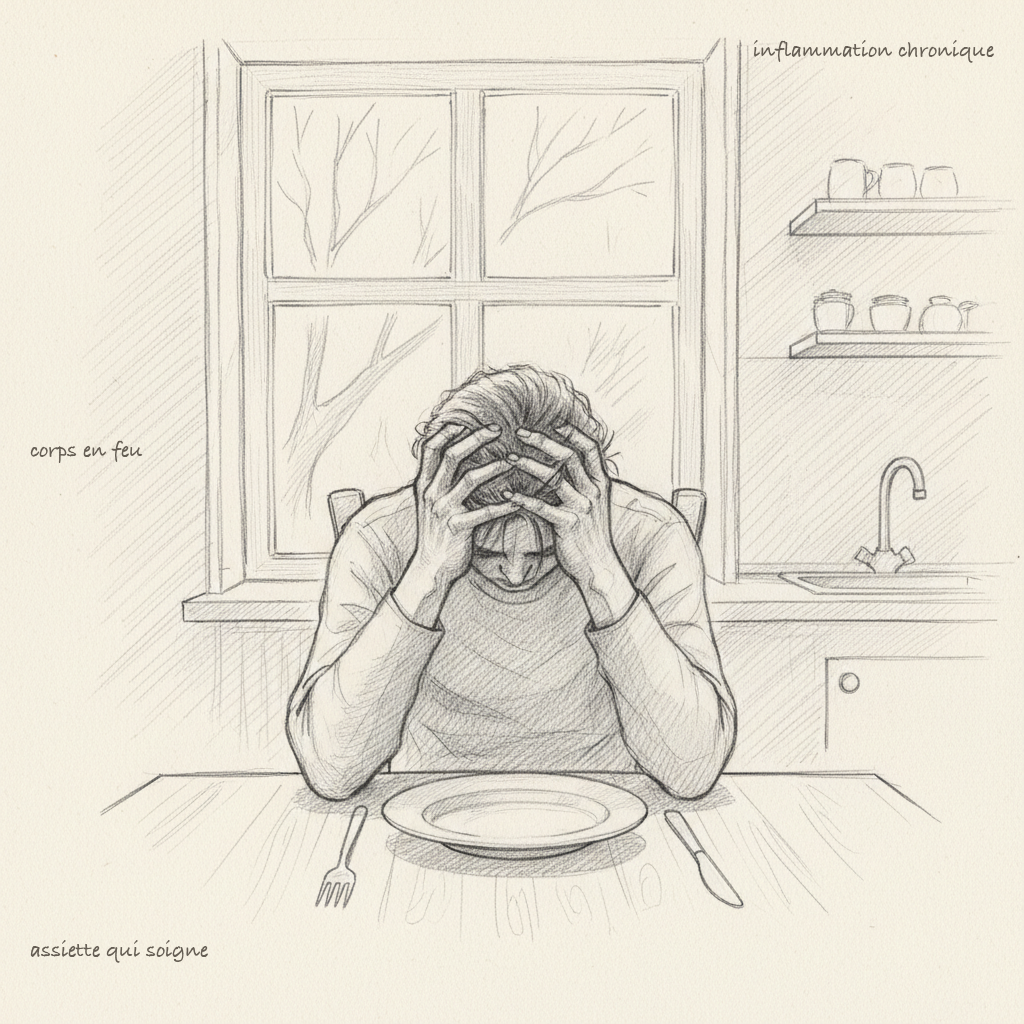
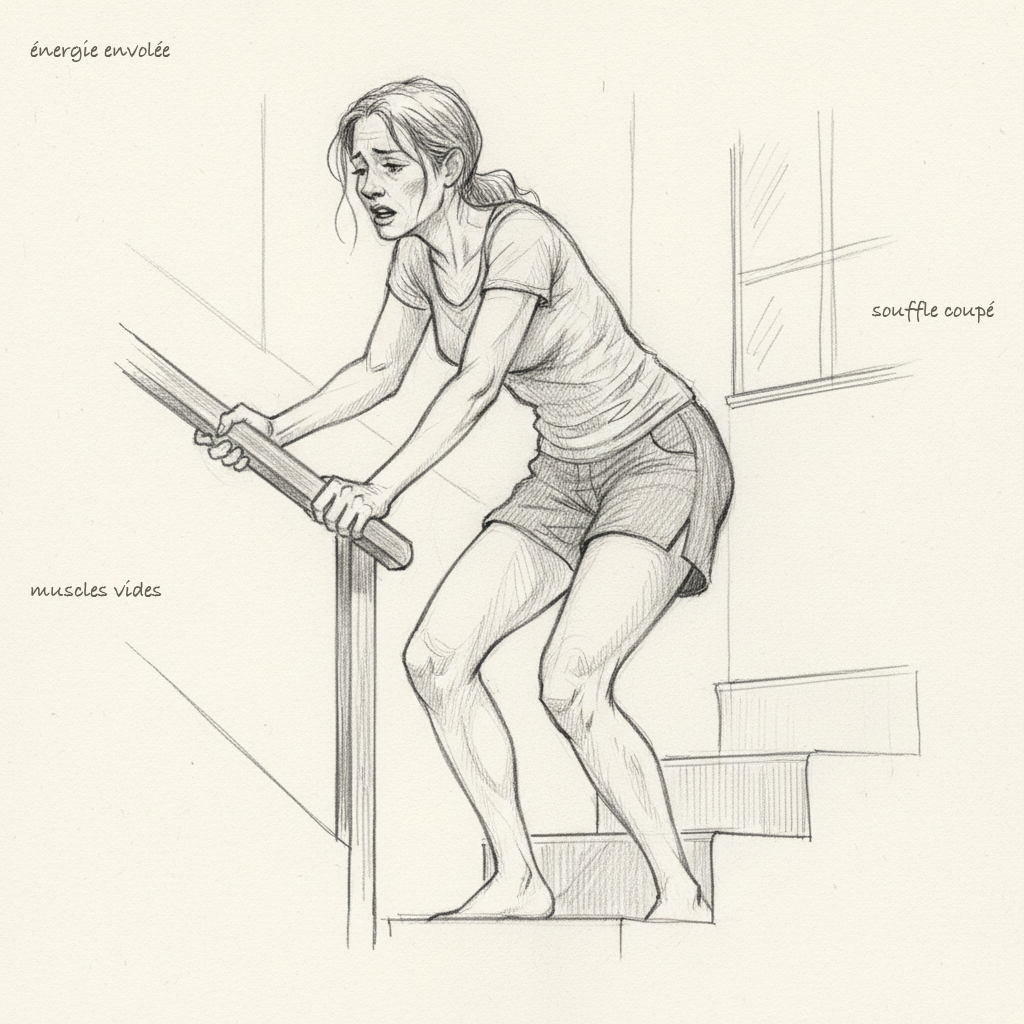
Thomas, forty-two years old, a software engineer, has had Hashimoto’s for three years. He was taking selenium, zinc, vitamin D, and a good magnesium bisglycinate. His micronutrient levels were adequate. Yet he remained stuck on three stubborn symptoms that wouldn’t budge: persistent brain fog (sometimes it took him ten seconds to find a common word), muscle fatigue disproportionate to his activity level, and nocturnal awakenings at three in the morning with ruminations. When I looked at his diet, Thomas ate very little animal protein. Lots of rice, pasta, bread, and vegetables, but proteins often took a back seat. His symptoms weren’t a micronutrient problem. It was an amino acid problem.
“The body creates nothing from nothing. It needs materials. And the noblest materials of living organisms are amino acids.” Free adaptation of Kousmine
The building blocks of your thyroid
Proteins represent about 15 percent of body mass. They make up muscles, enzymes, hormones, antibodies, and neurotransmitters. Each protein is a chain of amino acids assembled in a precise order. There are twenty amino acids, nine of which are called “essential,” meaning the body cannot manufacture them and must receive them from food. A single missing amino acid can block the manufacture of an entire protein.
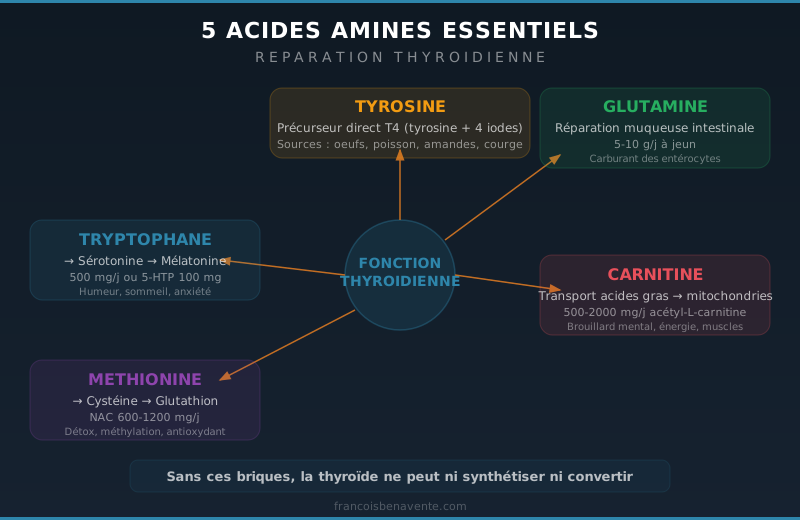
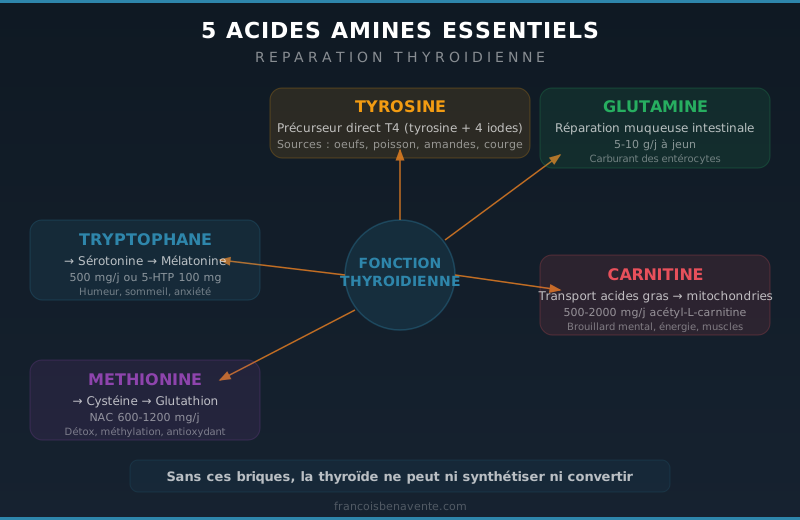
For the thyroid, five amino acids play a particularly critical role. Not because the others are useless, but because these five are most often deficient in hypothyroid patients, and their correction produces the most visible results.
Tyrosine: the direct precursor
Tyrosine is the amino acid whose name gave its name to the thyroid (thyros in Greek means “shield,” and the gland gets its name from its shape, but thyroxine, the basis of thyroid hormones, is made from two tyrosine molecules). The process is straightforward: in thyroid cells, tyrosine is incorporated into thyroglobulin, then the enzyme TPO (thyroperoxidase) attaches iodine atoms to the tyrosine. With four iodine atoms, you get T4. With three, you get T3. It’s that simple. No tyrosine, no thyroid hormone.
Tyrosine is also the precursor to dopamine (motivation, pleasure, concentration), noradrenaline (alertness), and adrenaline (stress response). A tyrosine deficiency therefore manifests on two fronts simultaneously: thyroid slowing AND dopaminergic slowing. The fatigue, lack of motivation, difficulty concentrating, apathy: these symptoms that Hashimoto patients know so well are partly linked to a shortage of raw material.
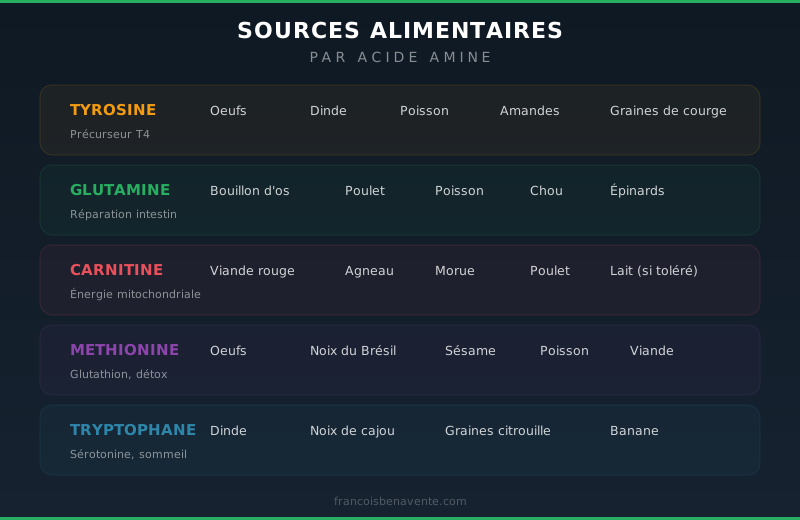
Tyrosine is not an essential amino acid in the strict sense: the body can synthesize it from phenylalanine, another amino acid. But this conversion requires cofactors (iron, vitamin C, folates) that are themselves often deficient in Hashimoto. In practice, relying on this conversion is unrealistic when the terrain is depleted. Better to provide tyrosine directly through diet. Eggs, fish, turkey, almonds, and pumpkin seeds are the best sources. In supplementation, L-tyrosine is taken at 500 milligrams to 2 grams per day, in the morning on an empty stomach, but always under supervision as it is contraindicated in hyperthyroidism and in combination with certain medications (MAOIs, L-DOPA).
Glutamine: repair the intestine first
Glutamine is the most abundant amino acid in the human body. It represents about 60 percent of the pool of free amino acids in skeletal muscle. But its most critical role for Hashimoto patients plays out in the intestine. Glutamine is the primary fuel for enterocytes, the cells that line the intestinal wall. Without glutamine, these cells cannot regenerate properly, and the tight junctions that ensure the integrity of the intestinal barrier open up.
In Hashimoto, intestinal permeability is almost systematic. I explained this mechanism in detail in my article on the 4R protocol and in the article on food sensitivities. Glutamine is the cornerstone of the “Repair” phase of the protocol. At a dose of 5 to 10 grams per day, taken as powder in a glass of water on an empty stomach, it provides enterocytes with the fuel they need to regenerate (remember that the enterocyte renewal cycle is 3 to 5 days) and to keep tight junctions closed.
Bone broth is the richest food source of glutamine (and glycine, another amino acid that supports phase II liver detoxification). A bowl of bone broth per day, made with organic chicken or beef bones simmered for 12 to 24 hours, provides a significant dose of glutamine in a perfectly absorbable form. It’s an ancestral food that all traditional medicines used for convalescents and chronically ill patients, long before we understood the biochemistry of amino acids.
Carnitine: clear the fog
Carnitine is an amino acid that the body synthesizes from lysine and methionine, in the presence of iron, vitamins C, B6, B3, and SAMe. This means its synthesis depends on multiple cofactors, all potentially deficient in Hashimoto. The role of carnitine is to transport long-chain fatty acids into the mitochondria so they can be oxidized (burned) there and converted into ATP, the cellular energy currency.
When carnitine is low, the mitochondria run slowly. Cellular energy drops. The brain, which is the most energy-dependent organ on mitochondrial energy, suffers first. This is one of the biochemical explanations for the brain fog so characteristic of hypothyroidism. Carnitine is also involved in fat metabolism: without it, fatty acids are not burned but stored. This contributes to the diet-resistant weight gain that so many Hashimoto patients complain about.
Acetyl-L-carnitine (ALC) is the form that crosses the blood-brain barrier and reaches the brain. It’s the form I recommend for brain fog, at 500 to 2000 milligrams per day, in one or two doses, in the morning and/or midday (never in the evening as it can be stimulating). Thomas started with 1000 milligrams per day. Three weeks later, he told me: “It’s like someone cleaned the window through which I was looking at the world.” The metaphor is telling. Carnitine doesn’t create energy from nothing. It unlocks the energy that was trapped for lack of a transporter.
Methionine and tryptophan: the two hidden allies
Methionine is an essential sulfur-containing amino acid whose main role in the thyroid context works through glutathione and methylation. Methionine is converted into S-adenosylmethionine (SAMe), the body’s principal methyl group donor. Methylation is involved in liver detoxification, neurotransmitter synthesis, DNA repair, and hormone metabolism. A methionine deficiency compromises all these functions simultaneously.
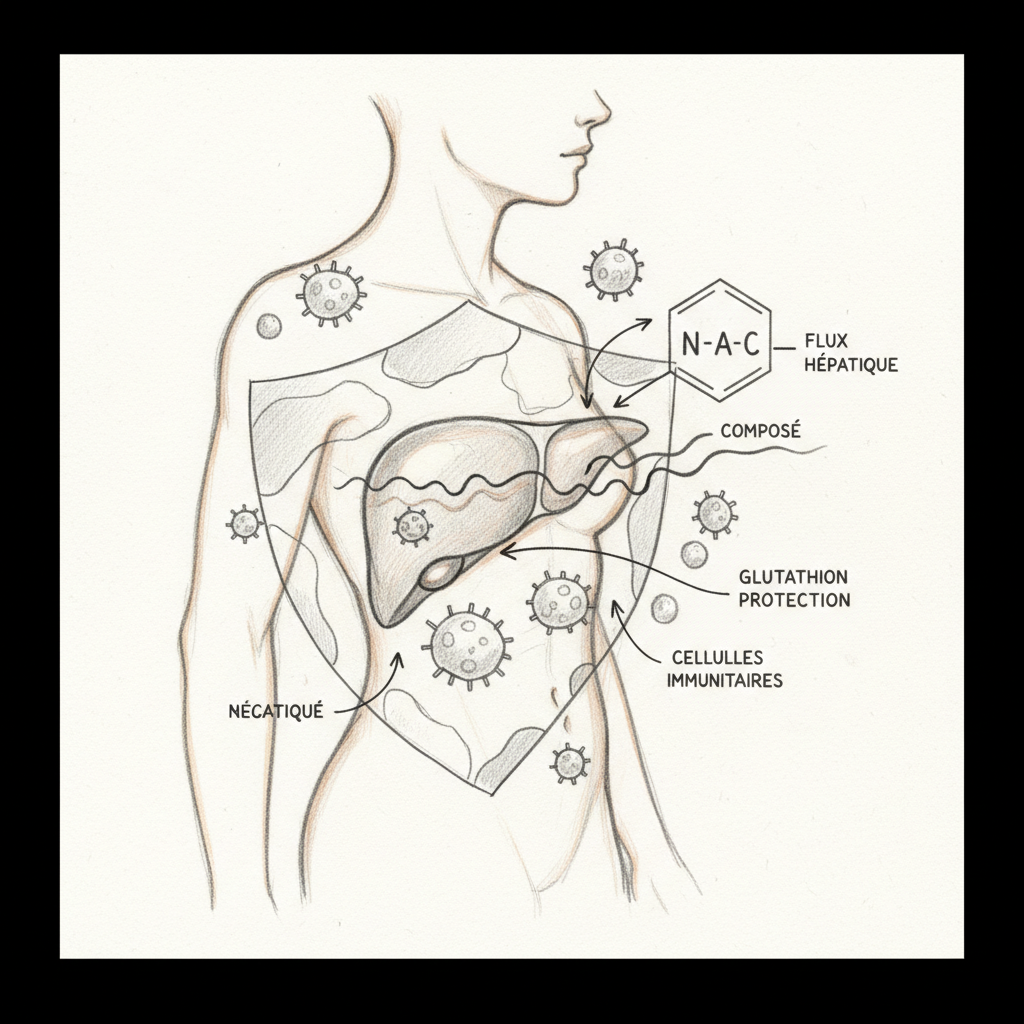
Methionine is also the precursor to cysteine, which is itself a precursor to glutathione. Glutathione is the body’s primary intracellular antioxidant. In the thyroid, hormone synthesis generates hydrogen peroxide (H2O2), a powerful oxidant. Glutathione neutralizes this H2O2 and protects thyroid cells from oxidative stress. Without sufficient glutathione, thyrocytes are damaged by their own hormonal activity. It’s a bit like an engine that wears out from running due to lack of lubrication. Supplementation with NAC (N-acetylcysteine), at 600 to 1200 milligrams per day, is the most effective way to support glutathione production. Dr. Hertoghe systematically includes NAC in his thyroid protocols for this reason.
Tryptophan, finally, is the precursor to serotonin. Serotonin is the neurotransmitter of well-being, satiety, and patience. It is also the precursor to melatonin, the sleep hormone. In Hashimoto, chronic inflammation diverts tryptophan toward the kynurenine pathway (an inflammatory pathway) instead of the serotonin pathway. Result: less serotonin, less melatonin, more anxiety, more insomnia, more sugar cravings (sugar stimulates serotonin in the short term). Thomas’s three a.m. nocturnal awakenings were partly linked to a melatonin deficiency caused by insufficient and inflammation-diverted tryptophan. 5-HTP (5-hydroxytryptophan), the direct precursor to serotonin, at a dose of 100 to 200 milligrams in the evening, resolved his awakenings in two weeks.
Food sources: everything on the plate
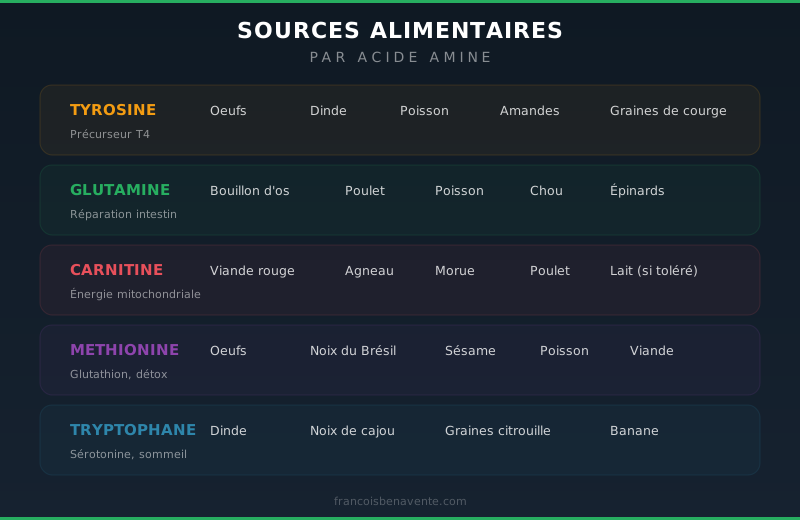
The best way to ensure a complete intake of amino acids is to eat complete proteins at every meal. Animal proteins (eggs, fish, poultry, meat) contain all nine essential amino acids in optimal proportions. Plant proteins (legumes, grains, nuts, seeds) are often limiting in one or more amino acids, which requires combining them (the classic legume-grain pairing). Kousmine emphasized the importance of daily complete protein and included a raw egg in her Budwig cream for this reason (although nowadays cooked eggs are recommended for safety and biotin bioavailability reasons).
Thomas restructured his diet around complete proteins: two eggs at breakfast, fish or chicken at lunch, lentils or bone broth in the evening. He added acetyl-L-carnitine in the morning, NAC after lunch, and 5-HTP in the evening. Within six weeks, his three stubborn symptoms had resolved. The brain fog had disappeared. The muscle fatigue had transformed into functional energy. And the nocturnal awakenings were just a memory. The micronutrients had prepared the ground. The amino acids built the house on top.
Want to assess your protein and amino acid intake? The micronutrition assessment is a good starting point.
To go further
If amino acids interest you, I recommend NAC and glutathione for the thyroid, Carnitine and mitochondrial energy, Serotonin: how to make it naturally, and Proteins and Hashimoto for choosing protein sources.
Laisser un commentaire
Sois le premier à commenter cet article.