Blood Sugar Instability: The Vicious Cycle Your Endocrinologist Ignores
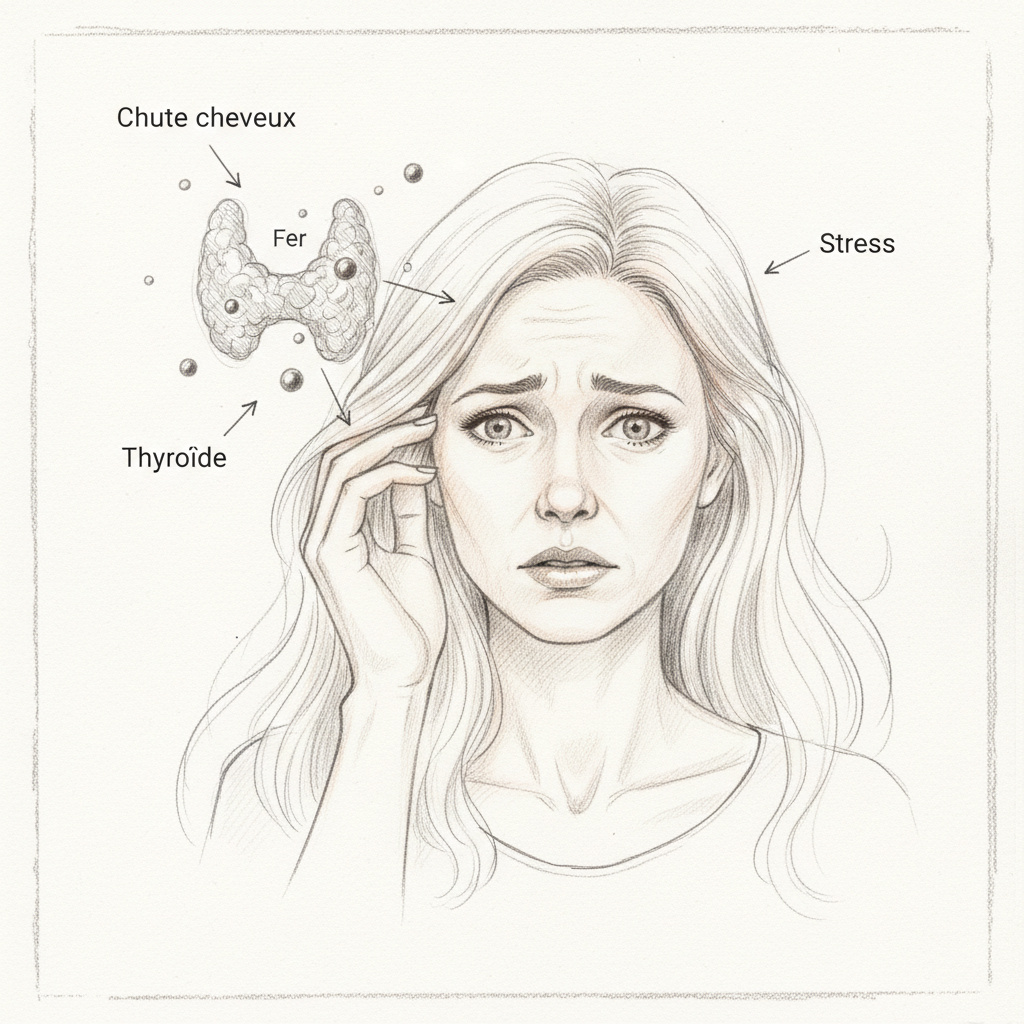
Sophie is thirty-eight years old and has had a Hashimoto’s thyroiditis diagnosis for four years. Her endocrinologist monitors her TSH every six months, adjusts her Levothyrox when the numbers shift, and keeps telling her that everything looks fine on paper. Yet Sophie is not doing well at all. She has gained eleven kilos in three years. In the morning, she drags herself to the coffee machine like an automaton. Around ten o’clock, exhaustion hits, and she plunges her hand into her desk drawer to grab a cookie, sometimes two, sometimes the whole package. The afternoon repeats the pattern. Fatigue at three in the afternoon, sugar cravings, irritability, that unpleasant sensation she describes as “a battery draining in real time.” And in the evening, paradoxically, she feels a bit better, but she wakes at three in the morning with her heart racing, unable to fall back asleep.
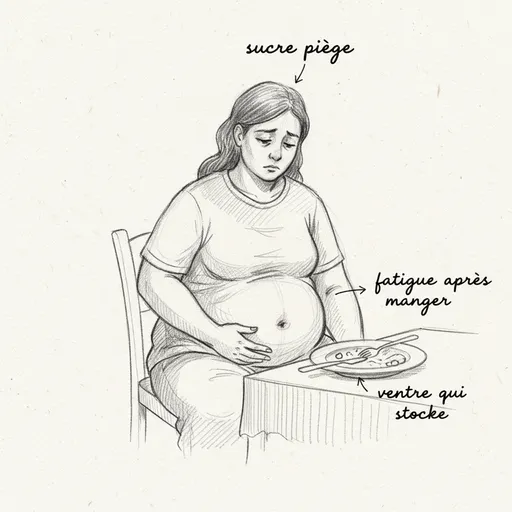
When Sophie told me about her typical day, I didn’t look at her thyroid panel first. I looked at her eating habits. Breakfast: white bread toast with jam and orange juice. Lunch: often a sandwich or a pasta dish grabbed on the go. Snack: cookies or fruit alone. Dinner: reasonable, but too late, often after nine in the evening. The pattern was crystal clear. Sophie didn’t just suffer from Hashimoto’s. She suffered from chronic blood sugar instability that was fueling her Hashimoto’s like throwing logs on a fire.
“Terrain is not an abstract concept. It is the result of everything you eat, everything you digest, and everything you fail to eliminate.” Pierre-Valentin Marchesseau
This link between blood sugar and thyroid autoimmunity is one of the most neglected in all of endocrinology. Your doctor measures your TSH, your T4, sometimes your antibodies. But nobody asks you what you eat for breakfast. Nobody looks at whether your blood sugar is doing roller coasters all day long. Yet there is a direct, biochemical, measurable link between every spike of sugar in your blood and every surge of antibodies against your thyroid. If you want to first understand the role of the adrenal glands in thyroid mechanics, I invite you to read that article in parallel. Here, we will dive into the blood sugar mechanism: the one that connects your plate to your antibodies, passing through your adrenal glands.
Why Your Blood Sugar Dysregulates Your Thyroid
To understand what’s happening, we need to return to basic physiology. When you eat food rich in simple carbohydrates, your blood sugar levels spike. The pancreas responds by releasing insulin, a hormone whose job is to move that sugar into cells where it will be used as fuel or stored. In itself, this is a normal mechanism. The problem starts when this rise is too abrupt, too frequent, and too substantial.
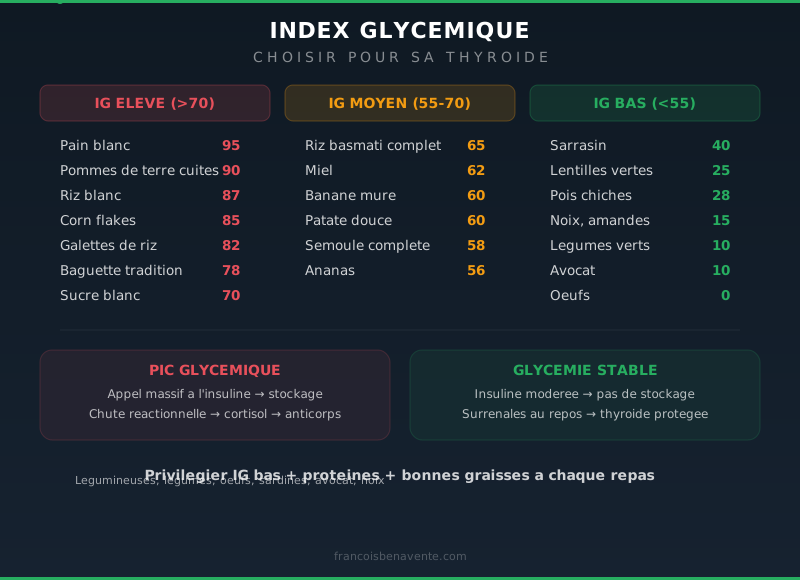
A high glycemic index means the food releases its sugar very quickly. White bread, for example, has a GI of 95. That’s higher than table sugar itself. When you swallow two slices of white bread at breakfast, your glucose levels rise within minutes. The pancreas, startled by the scale of the rise, secretes a massive dose of insulin. And this dose is often too strong. Glucose is pulled into cells at an excessive speed, and you end up in reactive hypoglycemia one to two hours later. This is the famous ten o’clock energy crash.
And this is where the adrenal glands enter the picture. When your blood sugar drops too low, your body perceives danger. Your brain, which runs only on glucose, cannot afford a shortage. So your adrenal glands secrete cortisol and adrenaline to force your liver to release its glycogen reserves and bring blood sugar back up. In itself, this is a brilliant survival mechanism. But when this scenario repeats three, four, five times a day, every day, for years, your adrenal glands become exhausted. And chronically elevated cortisol, as I detailed in my article on the three stages of adrenal exhaustion, ends up attacking your thyroid on several fronts simultaneously.
Dr. Hertoghe emphasizes this mechanism a great deal in his clinical training. He explains that insulin resistance, the stage where cells become deaf to insulin signals and demand increasingly higher doses, is almost systematically present in his hypothyroid patients. This is not a coincidence. It is a biochemical vicious cycle whose two loops reinforce each other mutually.
The Vicious Cycle: Cortisol, Insulin, Antibodies
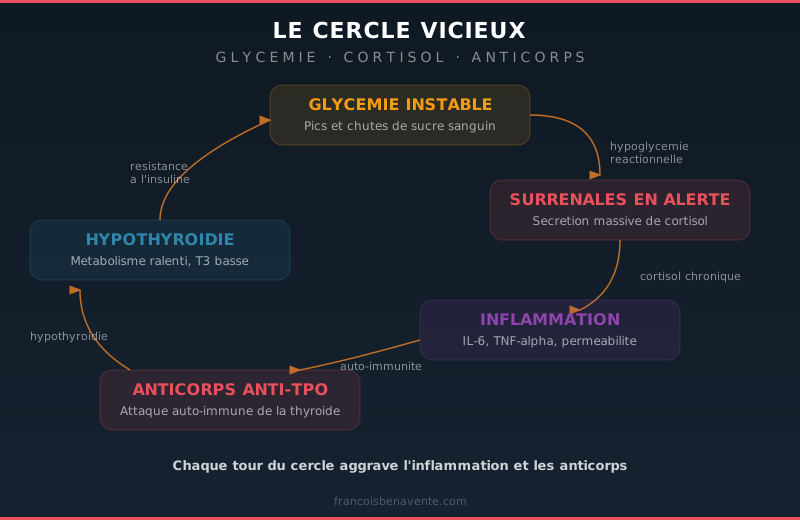
The mechanism is circular, and that’s what makes it so deadly. Let’s go through it step by step. First loop: you eat a high GI food. Glucose spike. Massive insulin secretion. Hypoglycemic crash. Your adrenal glands secrete cortisol to compensate. This cortisol, in chronic excess, stimulates the production of pro-inflammatory cytokines: interleukin 6 (IL-6), tumor necrosis factor alpha (TNF-alpha). These cytokines increase intestinal permeability, what Seignalet called the “leaky gut” in his third medicine. And this intestinal permeability allows undigested food proteins to pass into the bloodstream, which stimulates the autoimmune response.
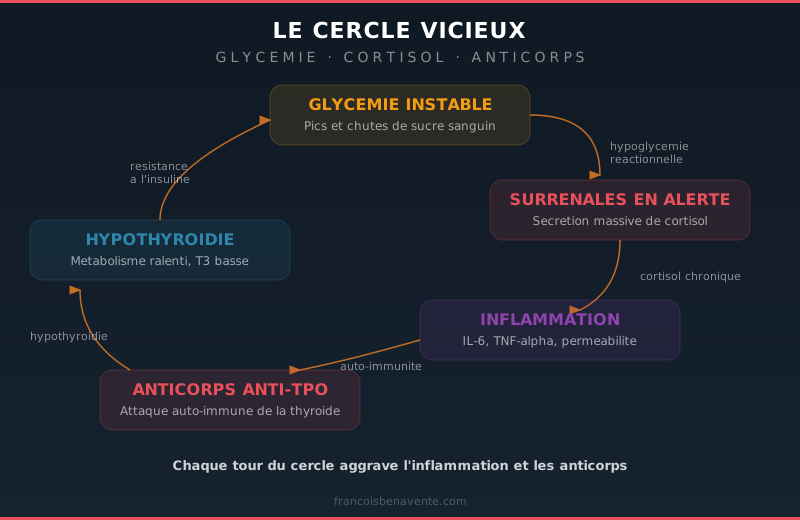
Second loop: hypothyroidism itself slows down glucose metabolism. When your thyroid runs slowly, your cells become less efficient at using glucose. Insulin resistance worsens. The pancreas must secrete even more insulin. And chronic insulin excess, called hyperinsulinism, in turn stimulates inflammation and abdominal fat storage. This abdominal fat is itself an active endocrine tissue that produces its own inflammatory cytokines. The circle closes. Hypothyroidism worsens insulin resistance, which worsens inflammation, which worsens autoimmunity, which worsens hypothyroidism.
There is a statistic that stands out. More than ninety percent of people suffering from thyroid problems show associated adrenal dysfunction. This is not a minor statistical detail. It is proof that these two systems are so intimately connected that you cannot treat one without looking at the other. And blood sugar is the thread that connects them. Dr. Catherine Kousmine, a pioneer of nutritional medicine, already wrote in the 1980s that refined sugar was “the first aggressor of terrain.” She didn’t have cytokine measurements or studies on anti-TPO antibodies. But she had the right clinical intuition: sugar does not merely cause weight gain. It destroys terrain from within.
Third loop, the most insidious: chronically elevated cortisol blocks the conversion of T4 into active T3 at the liver level. T4 is redirected toward reverse T3, this inactive form that clogs cellular receptors. You end up with a thyroid panel that looks correct on paper, a TSH perhaps slightly high but “within normal range,” and yet your cells are in functional hypothyroidism. This is exactly the picture I find in the majority of Hashimoto’s patients who consult me for unexplained fatigue and weight gain resistant to everything. When I ask them what they eat, the answer is almost always the same: lots of simple carbohydrates, little protein, not enough fat.
Signs of Blood Sugar Instability
Your doctor can tell you that your fasting blood sugar is normal. 5.2 millimoles per liter, perfect. Except that fasting blood sugar is a photograph. A frozen moment in time. What matters is not the fasting morning number. It is what happens after your meals. It is the curve, not the point.
The signs of blood sugar instability are often confused with those of hypothyroidism. And for good reason, they overlap considerably. Morning fatigue, the kind that pushes you toward the coffee maker, is typical of reactive hypoglycemia. Irritability when you skip a meal, what English speakers call “hangry” (a mix of hungry and angry), reflects a glucose drop that triggers an adrenaline surge. Sugar cravings in the late afternoon are not a lack of willpower: it’s your brain asking for glucose because your glycogen reserves are depleted by the day’s roller coaster.
Night awakenings between two and four in the morning are a particularly revealing sign. At that time of night, your blood sugar is at its lowest. If your liver’s glycogen reserves are insufficient, your body triggers a surge of cortisol and adrenaline to raise blood sugar. It is this hormonal discharge that wakes you up, heart pounding, mind agitated. Sophie knew this pattern by heart. She would wake at three o’clock, mind racing, and not fall back asleep until an hour later, exhausted, only to be torn from sleep by the alarm at six thirty. Nobody had ever told her that her night awakenings had anything to do with her blood sugar.
Brain fog, that symptom so many Hashimoto’s patients describe as “thinking through cotton,” is also worsened by blood sugar instability. Your brain consumes approximately twenty percent of the body’s total glucose. When available glucose fluctuates wildly, neurons function in fits and starts. Concentration collapses, working memory stutters, words escape. By stabilizing blood sugar, a significant percentage of patients report a notable reduction in this brain fog, often within just a few weeks.
Stabilizing Your Blood Sugar: Naturopathic Tools
The first tool is the simplest and most powerful: modify the composition of your meals. Each meal should contain three non-negotiable elements: proteins (minimum twenty grams), quality fats (olive oil, avocado, walnuts, clarified butter) and fiber (vegetables, legumes). These three elements slow gastric emptying, spread glucose absorption over time, and avoid the insulin spike. A breakfast composed of two eggs, an avocado, and a few walnuts barely raises your blood sugar. Two slices of white bread with jam cause it to spike.
The order in which you eat your foods also matters. Recent studies have shown that starting the meal with vegetables and proteins, then finishing with carbohydrates, reduces the postprandial glucose spike by thirty to forty percent compared to the reverse order. This is a free tool, requiring no supplements or constraints, that you can apply at your very next meal.
The second tool concerns meal timing. Skipping breakfast when you have blood sugar instability is a mistake. Intermittent fasting, which is very trendy, can be beneficial for some people, but it is contraindicated in those whose adrenal glands are already exhausted. If you wake up tired and need coffee to function, your morning cortisol is probably too low to tolerate fasting. Eat within an hour of waking. And if you struggle to eat in the morning, a protein smoothie made with a good quality protein powder, avocado, and a handful of spinach is an excellent compromise.
The third tool is walking after meals. Ten to fifteen minutes of walking after lunch or dinner is enough to significantly reduce the postprandial glucose spike. Skeletal muscle, when it contracts, absorbs glucose without needing insulin. It is one of the rare mechanisms that bypass insulin resistance. Marchesseau already recommended the digestive walk in his writings from the 1950s, without knowing the exact mechanism. He simply observed that his patients who walked after meals digested better, slept better, and got sick less often.
The fourth tool is micronutrition. Several nutrients play key roles in blood sugar regulation. Chromium (200 micrograms per day) potentiates insulin action at cellular receptors. Magnesium (300 to 400 milligrams of bisglycinate per day) is a cofactor for more than 300 enzymes, several of which are involved in glucose metabolism. Vitamin D, often low in Hashimoto’s, improves insulin sensitivity when corrected above 60 nanograms per milliliter.
Myo-inositol deserves special mention. This pseudo-vitamin, naturally present in citrus fruits, beans, and whole grains, improves insulin sensitivity through a direct intracellular mechanism. At a dose of 2 to 4 grams per day, myo-inositol has shown in controlled studies a reduction in anti-TPO antibodies when combined with selenium. For women suffering from both PCOS and Hashimoto’s, this nutrient is particularly interesting because it acts on both conditions simultaneously.
Berberine, an alkaloid extracted from Berberis vulgaris, supports blood sugar comparable to certain antidiabetic medications. At a dose of 500 milligrams twice a day, it activates AMPK, an enzyme that improves glucose utilization by muscle cells. It is a powerful tool, but it does not replace foundational work on your diet. No supplement will correct the damage of white bread and jam for breakfast three hundred sixty-five days a year.
The Anti-Spike Plate
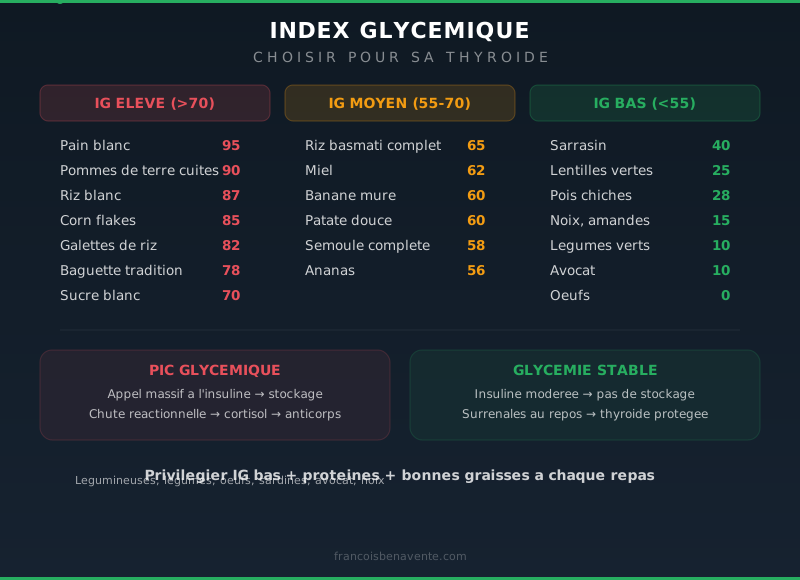
If I had to summarize the ideal diet for stabilizing blood sugar while supporting the thyroid, it would look like this. In the morning, proteins and fats: scrambled eggs with avocado, Brazil nuts (two to three are enough to meet your selenium needs), green tea rather than coffee which stresses the adrenal glands. At noon, a source of protein (fatty fish, chicken, lentils), abundant cooked and raw vegetables, a drizzle of olive oil, and possibly a small portion of low GI starches like buckwheat, sweet potatoes, or complete basmati rice. In the evening, lighter but still with proteins and vegetables, avoiding large amounts of carbohydrates that would disrupt nighttime blood sugar.
Legumes are true allies for blood sugar and thyroid health. Lentils, chickpeas, white beans have a low GI (between 25 and 35), are rich in vegetable proteins, iron, zinc, and soluble fiber that feeds your intestinal microbiota. Kousmine already recommended them in her dietary protocol, insisting that they should be well-cooked and well-chewed to be tolerated by fragile intestines.
A word about fruit. Fruit is not the enemy. But a fruit eaten alone, between meals, causes a fructose spike that is managed differently from glucose (it goes straight to the liver) but still contributes to overall blood sugar instability. If you want fruit, pair it with a handful of almonds or a square of goat cheese. The fat and protein slow fructose absorption and smooth out the glucose curve.
Resistant starch is a little-known but remarkably effective tool. When you cook potatoes or rice, then let them cool in the refrigerator before consuming (cold or reheated), part of the starch recrystallizes into resistant starch. This resistant starch is no longer digestible by your human enzymes: it passes through your digestive tract without raising blood sugar and feeds butyrate-producing bacteria in your colon. This is biochemistry at the service of everyday cooking.
When the Thyroid Gets Involved: The Slowed Metabolism Trap
There is one aspect of the vicious cycle I must address before concluding, because it is the one that traps the most patients. When hypothyroidism sets in, whether from Hashimoto’s or another mechanism, basal metabolism plummets. Your cells burn fewer calories at rest. You store more easily. And this metabolic slowdown also affects glucose management. Glucose is less effectively used by cells whose mitochondria are running in slow motion. Insulin becomes less effective. The pancreas compensates by secreting more insulin. And this compensatory hyperinsulinism perpetuates inflammation and weight gain.
This is why so many Hashimoto’s patients gain weight despite restrictive diets. The problem is not that they eat too much. The problem is that their metabolism is locked in energy conservation mode. And hypocaloric diets, far from helping, often worsen the situation by sending a famine signal to the body. The body responds by increasing reverse T3, by reducing basal metabolism even further, by storing every gram of fat. Hertoghe has written much about this metabolic trap. He insists that before reducing calories, you must first reactivate thyroid metabolism, correct cofactor deficiencies (selenium, zinc, iodine, iron, B vitamins), and restore adrenal function.
This is the entire naturopathic philosophy of toxemia that Marchesseau theorized. Weight gain in hypothyroidism is not just a calorie problem. It is a problem of clogged terrain, of blocked metabolism, of humororal overloads that accumulate because the emunctories function in slow motion. Treating blood sugar without treating global terrain is like bailing out a boat without plugging the leak. Treating terrain without stabilizing blood sugar is like plugging the leak while letting the water rise.
What You Can Do Today
Sophie came back to see me three months after our first consultation. She had changed her breakfast. No more toast or jam. Two eggs, half an avocado, a few walnuts, a tea. At lunch, she had integrated legumes and reduced her carbohydrate intake. She walked fifteen minutes after lunch. She had added myo-inositol and magnesium to her supplements. The results were quick to follow. Her energy crashes at ten o’clock and three in the afternoon had disappeared. Her three o’clock wake-up calls had too. Her brain fog had lifted. She had lost three kilos without trying. And her blood work showed a twenty-two percent drop in her anti-TPO antibodies.
Twenty-two percent in three months, without changing her thyroid medication, without adding any drugs, simply by stabilizing her blood sugar. This is the power of the nutritional lever when applied in the right place. Your thyroid is not an isolated organ. It is connected to your adrenal glands, your pancreas, your liver, your intestines. Every spike of sugar in your blood is a whip crack to your adrenal glands. Every crack of the whip to your adrenal glands is a slap to your thyroid. Breaking this vicious cycle through your plate is giving your thyroid the peace it needs to function.
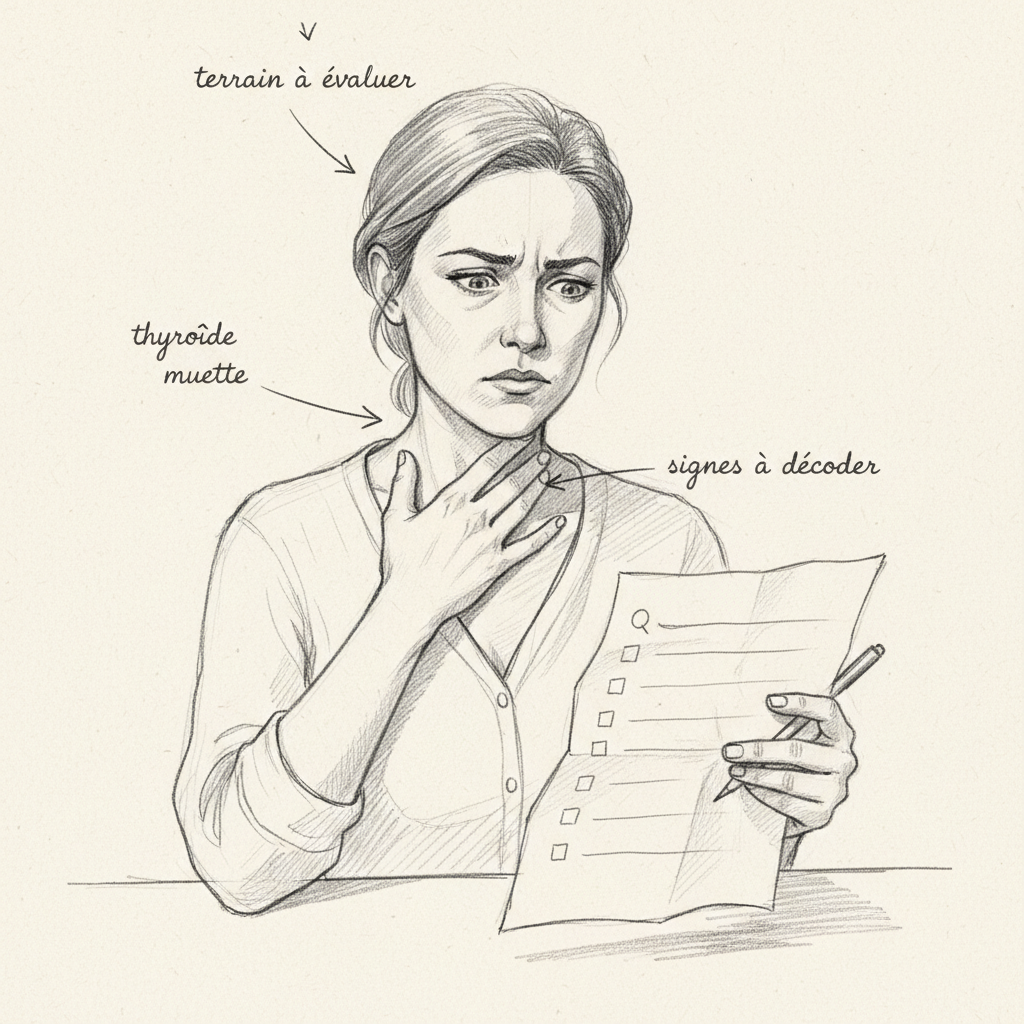
Want to evaluate the state of your adrenal glands? Take the adrenal questionnaire in 2 minutes. If you suspect a broader thyroid imbalance, the Claeys thyroid questionnaire will help you clarify things.
To Go Further
If this topic speaks to you, I recommend reading Stress, Cortisol, and Thyroid: Why Order Really Matters to understand the adrenal mechanism in detail, The Three Stages of Adrenal Exhaustion to determine where you stand, Thyroid and Micronutrition: The 7 Essential Nutrients for conversion cofactors, and Myo-inositol to deepen your understanding of this key nutrient for blood sugar and thyroid health.



Laisser un commentaire
Sois le premier à commenter cet article.