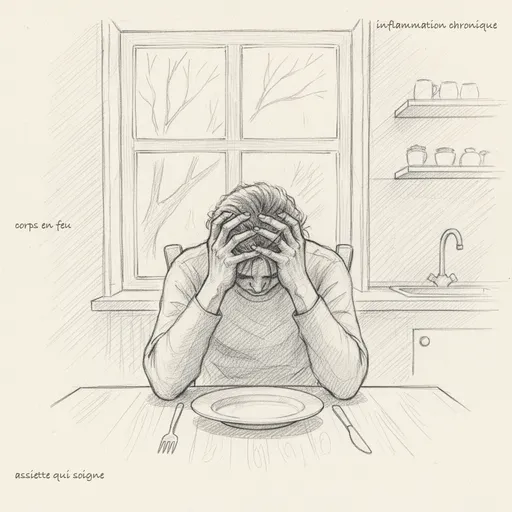
There’s a lot of talk about anti-inflammatory eating lately. Lists of miracle foods, super-foods, turmeric in everything. But before adding anything to your plate, you need to understand where inflammation comes from. And for that, you need to go back to humoralism.
The terrain, always the terrain
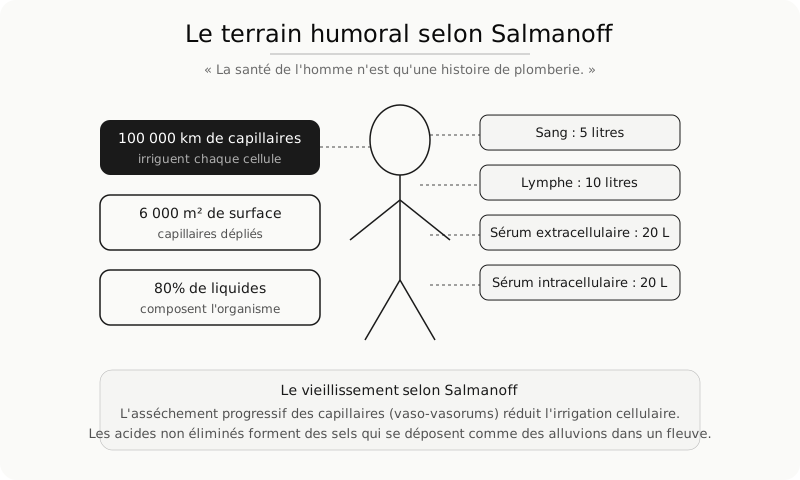
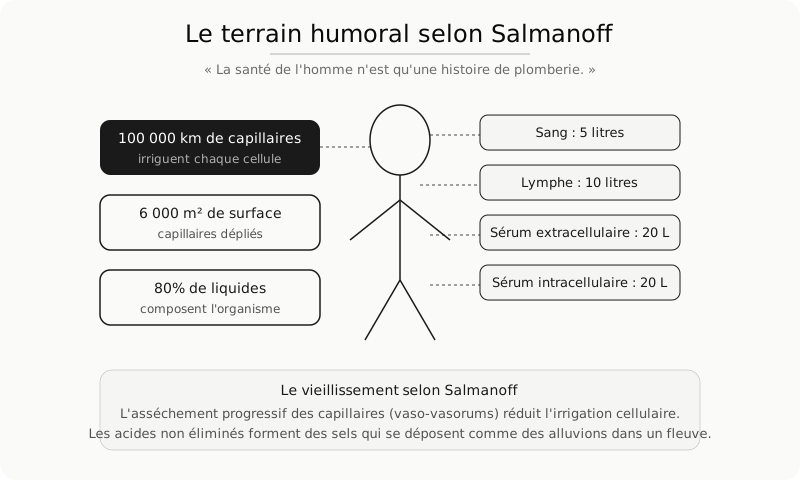
Salmanoff spent his life studying microcirculation. His work on the 100,000 kilometers of capillaries that irrigate the human body demonstrated that most chronic diseases originate in a progressive clogging of the humoral terrain. The mechanism is fairly simple to understand when you break it down.
We naturally produce acids. The metabolic activity of cells, energy production in the form of ATP, all of this generates hydrogen ions that the body eliminates through two main pathways: pulmonary and renal. The skin plays a secondary role. When these emunctories function correctly, blood pH remains stable around 7.42. But when elimination lags behind, when the volume of CO₂ eliminated slows down, metabolism switches to anaerobic mode and acids accumulate: lactic acid, pyruvic acid. The buffer system then takes over, bicarbonates come to neutralize these acids, but this neutralization produces salts. And these salts circulate through your 100,000 kilometers of capillaries.
Imagine alluvial deposits in a large river. They get carried along for kilometers before depositing in a bend, an area where the current is weaker. That’s exactly what happens in your body. Salts accumulate in areas of reduced circulation. And that’s where chronic inflammation settles in, silent, dull, and progressive.
What Masson taught us about eating
Robert Masson was an exceptional practitioner, with more than thirty years of clinical experience. He was the first naturopath to warn against dogmatic drifts in the hygienist movement. His critique of excessive fruit consumption, for example, is fundamental: non-amylaceous fruits provide considerable quantities of organic acids (citric, tartaric, malic). When temperatures drop and an individual’s metabolism is low (cold hands, slow digestion, pale complexion), the elimination of these acids becomes less efficient. The body is then forced to draw on its buffer mineral reserves, that is, bones, tendons, and teeth, creating insidious decalcification.
It’s not that fruits are bad. It’s that everything depends on who eats them, when, and in what quantity. As Paracelsus reminded us: “Everything is poison, nothing is poison, the dose makes the poison.”
Rebuild rather than add
The classic mistake is wanting to “add natural anti-inflammatories” to a diet that remains fundamentally pro-inflammatory. It doesn’t work. Before putting turmeric in your almond milk, start by removing what maintains inflammation: industrial vegetable oils rich in omega-6 (sunflower, soy), refined sugars, ultra-processed foods, what Marchesseau called “anti-specific” and “denatured” foods. This omega-6/omega-3 imbalance is actually one of the central mechanisms in painful periods: excess pro-inflammatory prostaglandins derived from arachidonic acid.
The quality of foods also depends on their cleaning: a food purifier removes up to 90% of surface pesticides before preparation.
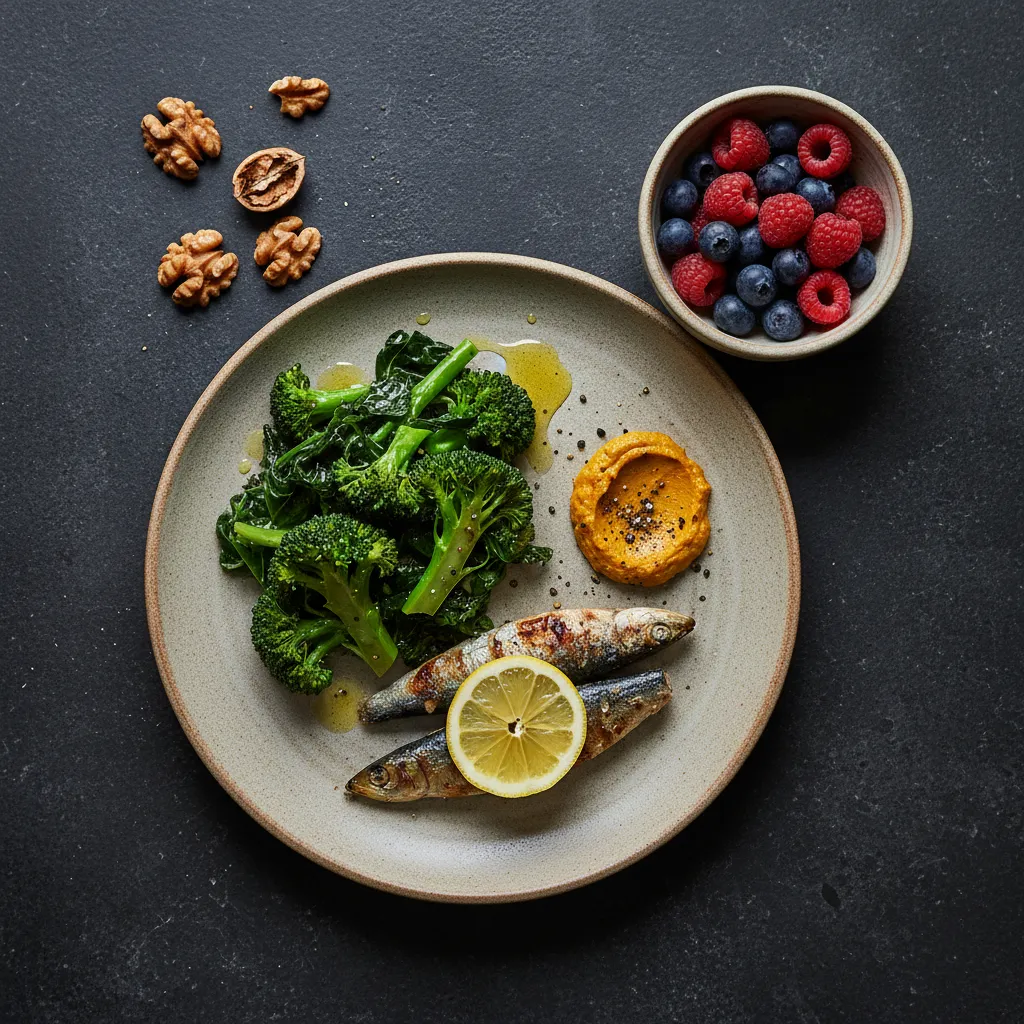
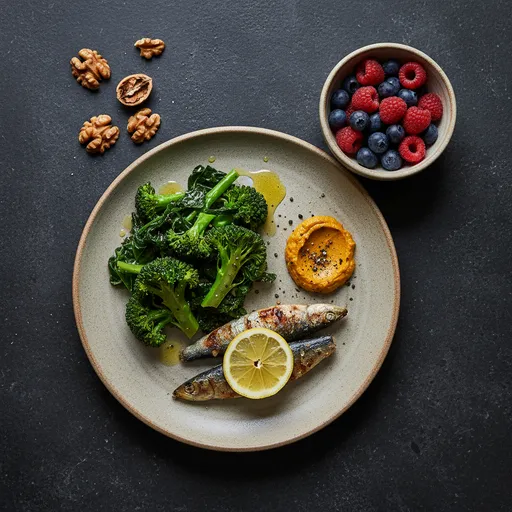
Only then do you rebuild. Fatty fish (sardines, mackerel, herring) for their EPA and DHA. Green vegetables for their chlorophyll and alkalizing minerals. Small red berries for their anthocyanins. Turmeric, yes, but combined with black pepper and a fat source, otherwise curcumin passes through the digestive tract without being absorbed.
“If cholesterol is harmful, then why does our liver produce 2 grams of it per day, equivalent to 10 eggs?” Robert Masson
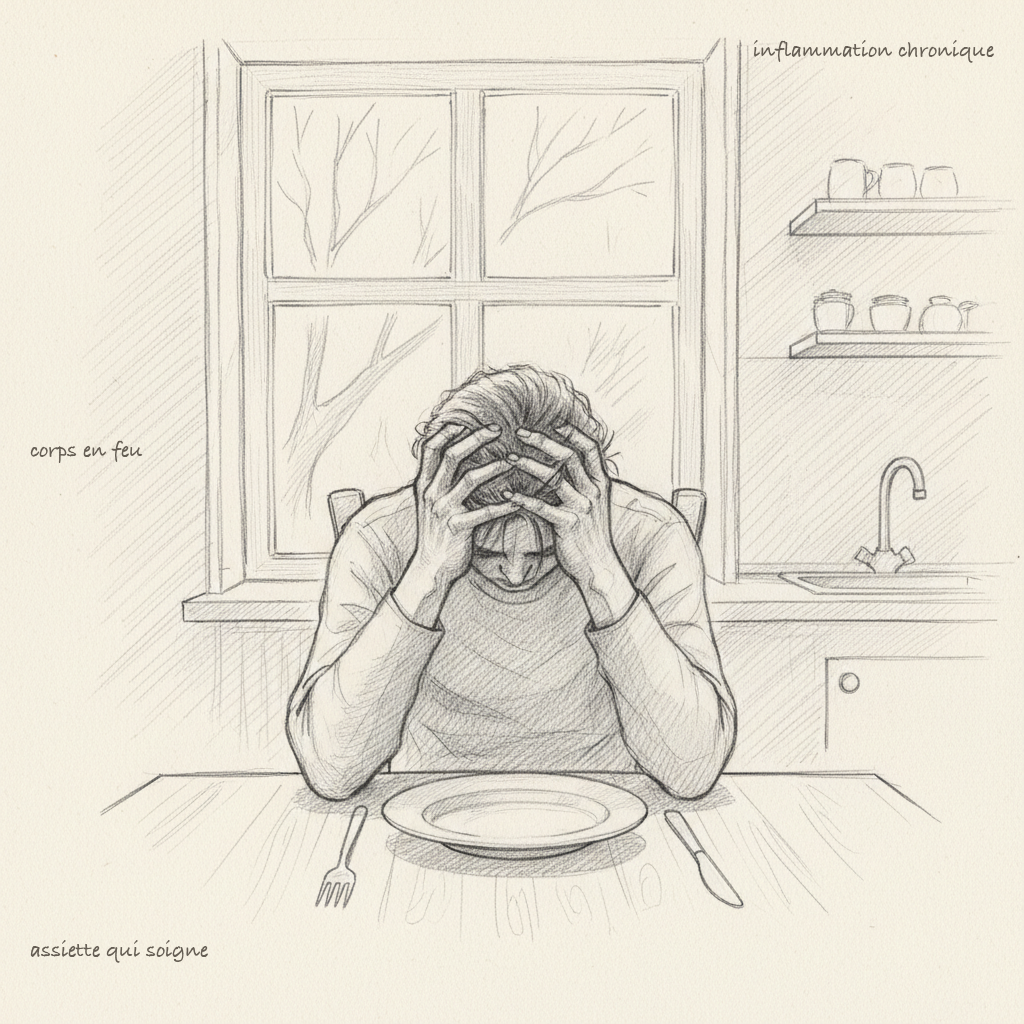
Masson always asked the right questions. And this one sums up the naturopathic approach well: before demonizing one nutrient or sacralizing another, seek to understand why your body functions the way it does. Inflammation is not a programming error. It’s a signal. A signal that your terrain is calling for attention. A clogged terrain also disrupts neurotransmitter production: serotonin, 95% of which is produced in the intestine, is one of the first molecules to suffer when the terrain deteriorates.
What Kousmine would add
Catherine Kousmine devoted her career to demonstrating the link between degraded diet and chronic diseases. Her second pillar, micronutrient supplementation (starting with zinc, so often deficient), was not just another luxury. It was the recognition that our depleted soils, our intensive farming methods, and our processing techniques no longer allow foods to meet all our needs. Particularly cold-pressed oils, rich in unsaturated fatty acids, which have been replaced in our kitchens by refined, heated, hydrogenated oils devoid of any vitality. And it’s not just the foods that are problematic: the cooking utensils themselves can release endocrine disruptors into every meal.
Do you suspect tissue acidosis? The Vasey test will allow you to evaluate your terrain in 2 minutes.
My tools for an anti-inflammatory kitchen


To cook without disruptors, PranaCook 18/10 stainless steel utensils are a better alternative to Teflon. And Sunday Natural offers pharmaceutical-grade omega-3 and turmeric (-10% with code FRANCOIS10). Find all my partnerships with exclusive promo codes.
Anti-inflammatory eating is not a list of foods. It’s a terrain philosophy, the one that Paul Carton already defended at the beginning of the 20th century by placing digestion at the center of all healing. Clean first, nourish second, with living, fresh, seasonal foods, as close as possible to their natural state.
To go further
- Insulin resistance: the hormonal trap no one explains to you
- Marchesseau’s bromatology: eating according to your terrain
- Milerd Detoxer food purifier: why I recommend it in consultation
- Tissue acidosis: the acidic terrain that eats away at your bones and joints
Want to evaluate your status? Take the free vitality toxemia questionnaire in 2 minutes.
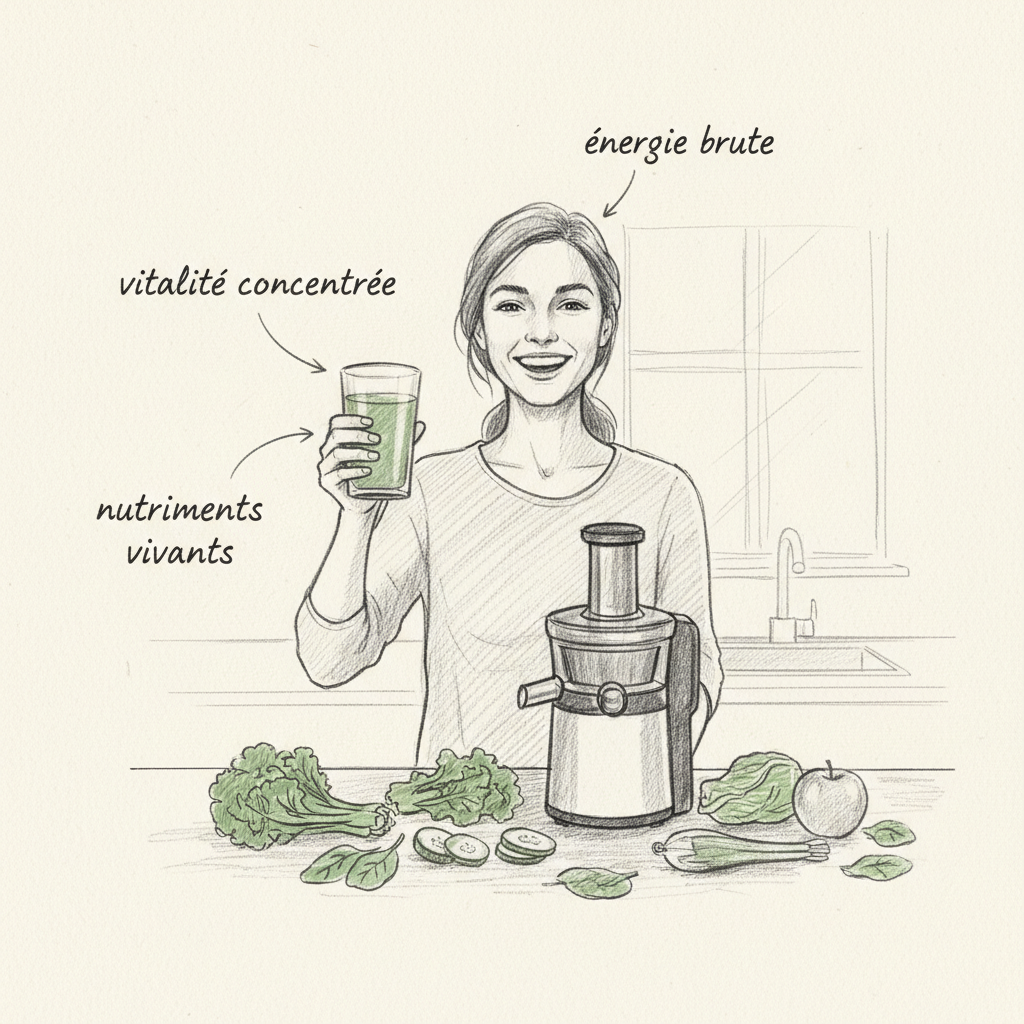
Healthy recipe: Anti-inflammatory smoothie: Red berries calm inflammation.
Laisser un commentaire
Sois le premier à commenter cet article.