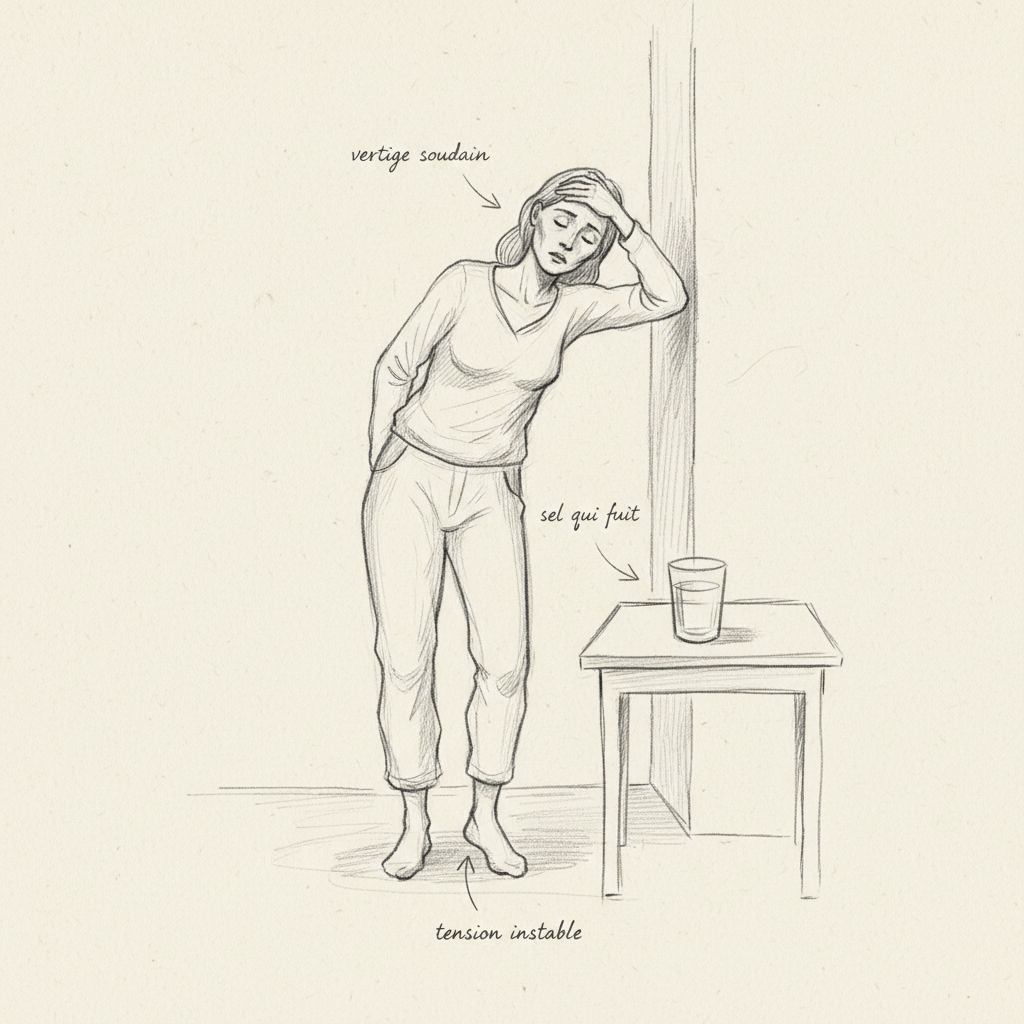
Jacques is sixty-eight years old and wakes up three times a night. Not because of his prostate: his urologist checked, everything is normal. He wakes up because his bladder is full at 2am, 4am and 6am. He drinks a glass of water at each visit because he’s thirsty. And in the morning, he’s exhausted from having fragmented his sleep. His other problem: he bleeds for a long time. A cut while shaving takes twenty minutes to clot. A bruise takes three weeks to disappear. His doctor checked coagulation: normal. No one thought to measure vasopressin.
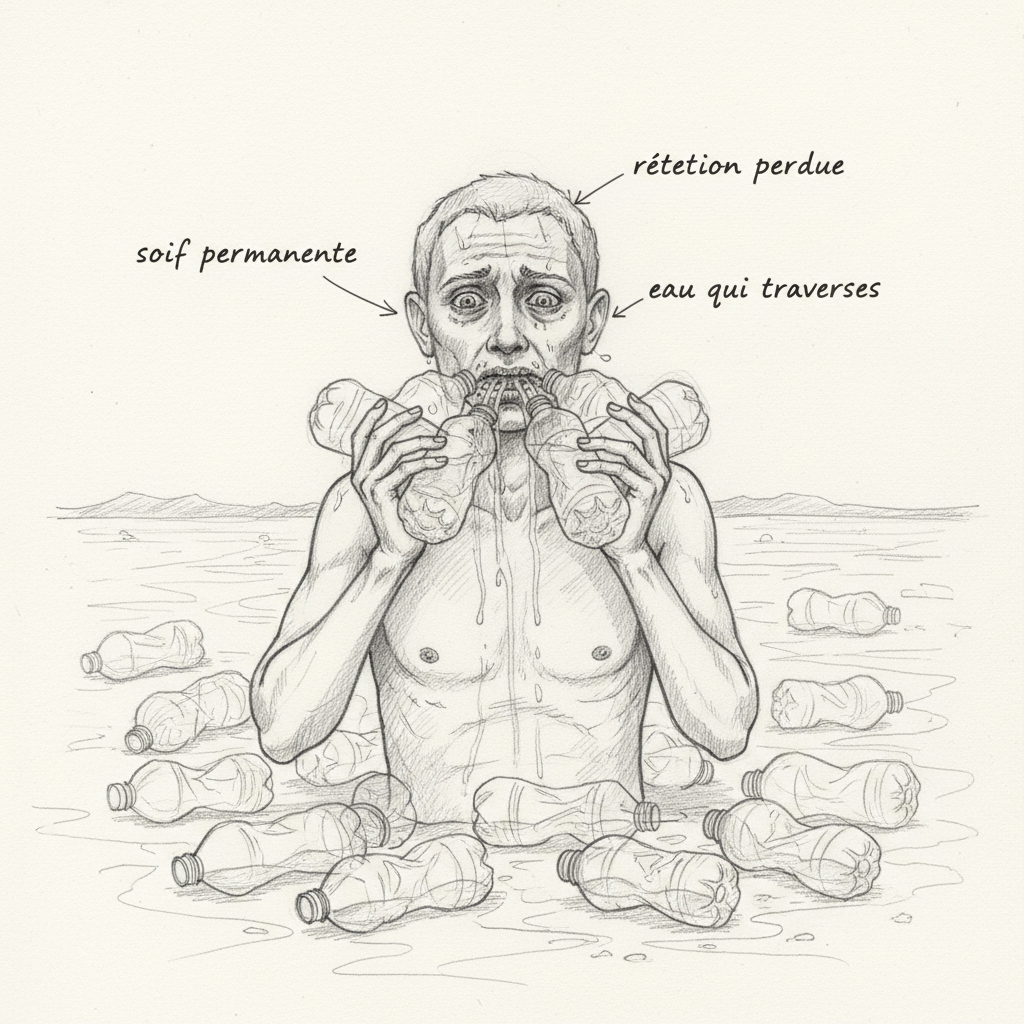
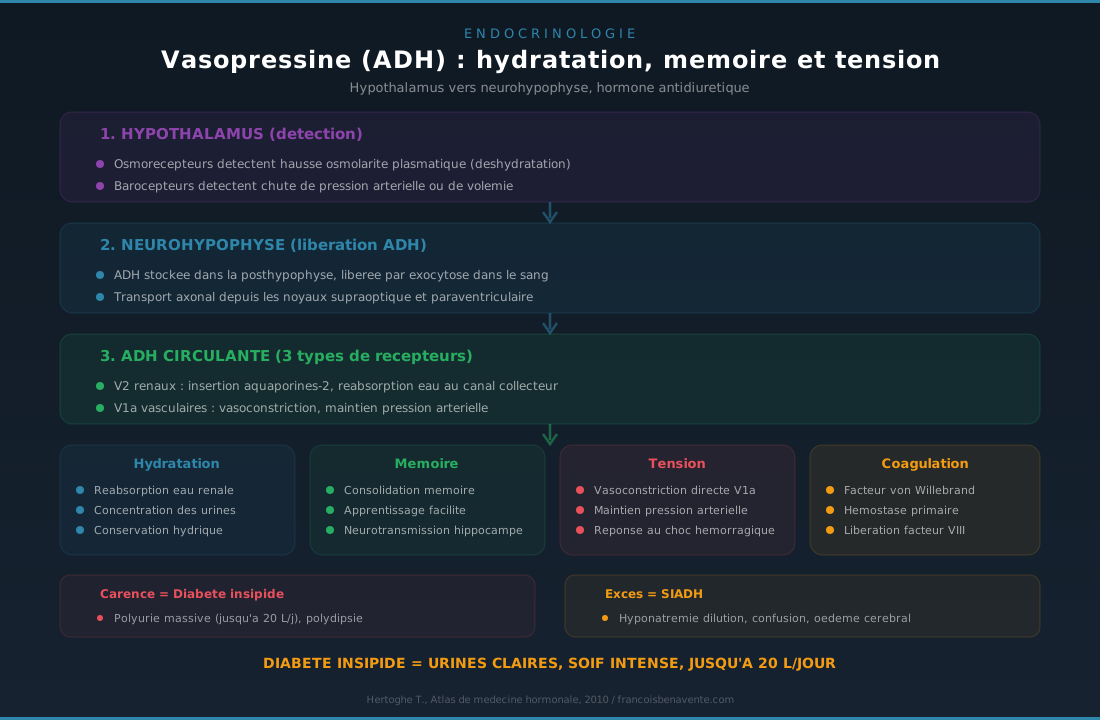
Vasopressin, also called antidiuretic hormone (ADH), is the hormone of water retention. Produced by the supraoptic and paraventricular nuclei of the hypothalamus, it is stored and released by the posterior pituitary (neurohypophysis). Its main role is to order the renal collecting tubules to reabsorb water, thus concentrating the urine. Without vasopressin, the kidneys let liters of water pass into the urine: this is diabetes insipidus, the extreme form of the deficit.
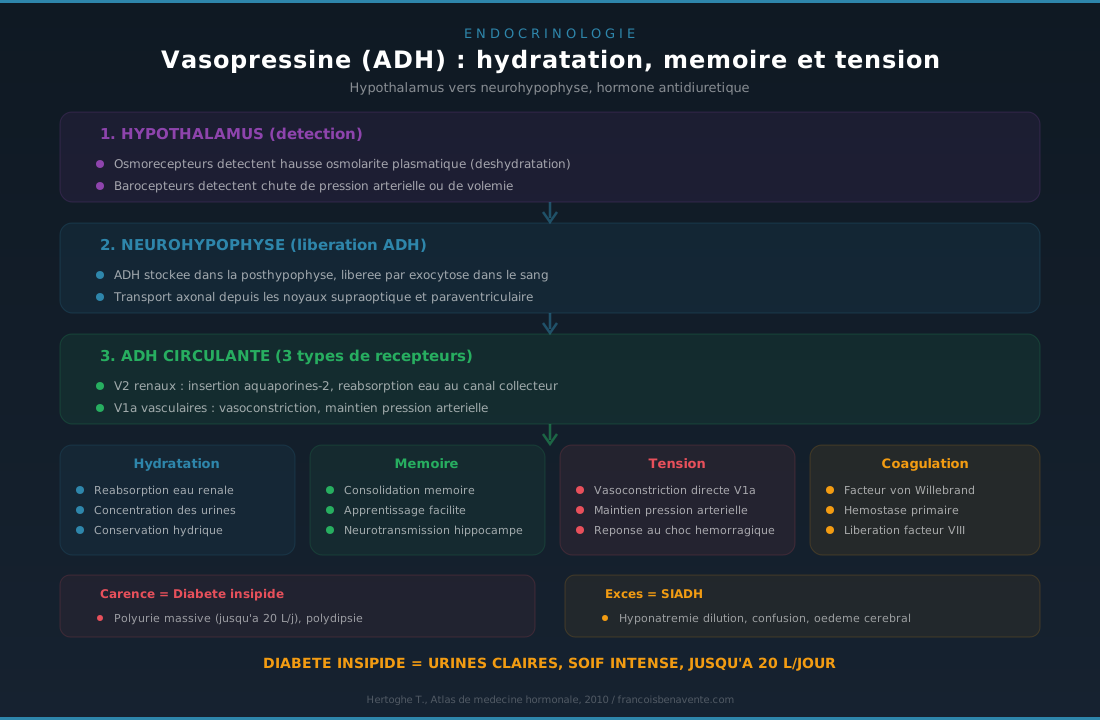
The functions of vasopressin
At the renal level, vasopressin binds to V2 receptors of the collecting tubules and activates aquaporins-2, channels that allow water reabsorption. When vasopressin is sufficient, the urine is concentrated (dark yellow in the morning) and scant at night. When it’s lacking, the urine is diluted (nearly transparent) and abundant at all hours.
At the vascular level, vasopressin binds to V1 receptors of the smooth muscle cells of blood vessels and causes vasoconstriction that maintains blood pressure. It also promotes platelet aggregation and the release of von Willebrand factor by vascular endothelium, contributing to coagulation.
At the brain level, vasopressin has V1a receptors in the hippocampus, amygdala and prefrontal cortex. It modulates memory consolidation, learning, selective attention and social behaviors. Studies in animals and humans show that it improves memory retention and face recognition. Its deficiency contributes to cognitive disorders of aging.
Signs of deficiency
Nocturia (frequent nighttime urination) is the most bothersome sign in daily life. Waking up once per night after fifty can be considered normal. Waking up two to three times or more fragments sleep and deprives you of deep restorative sleep necessary for the secretion of growth hormone and melatonin.
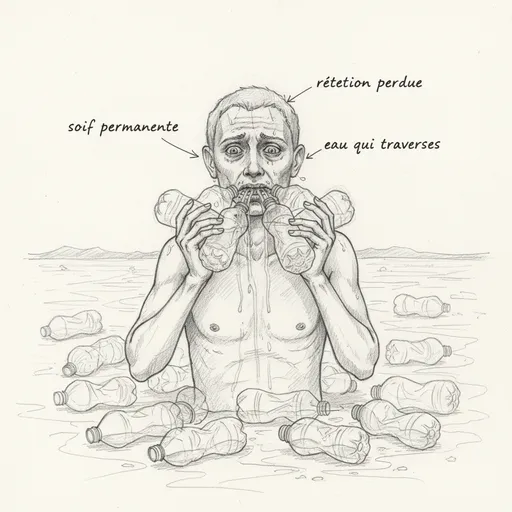
Nighttime thirst is characteristic. You wake up with a dry mouth and need to drink. The urine is abundant and poorly concentrated, even in the morning (it should be more concentrated after eight hours without drinking).
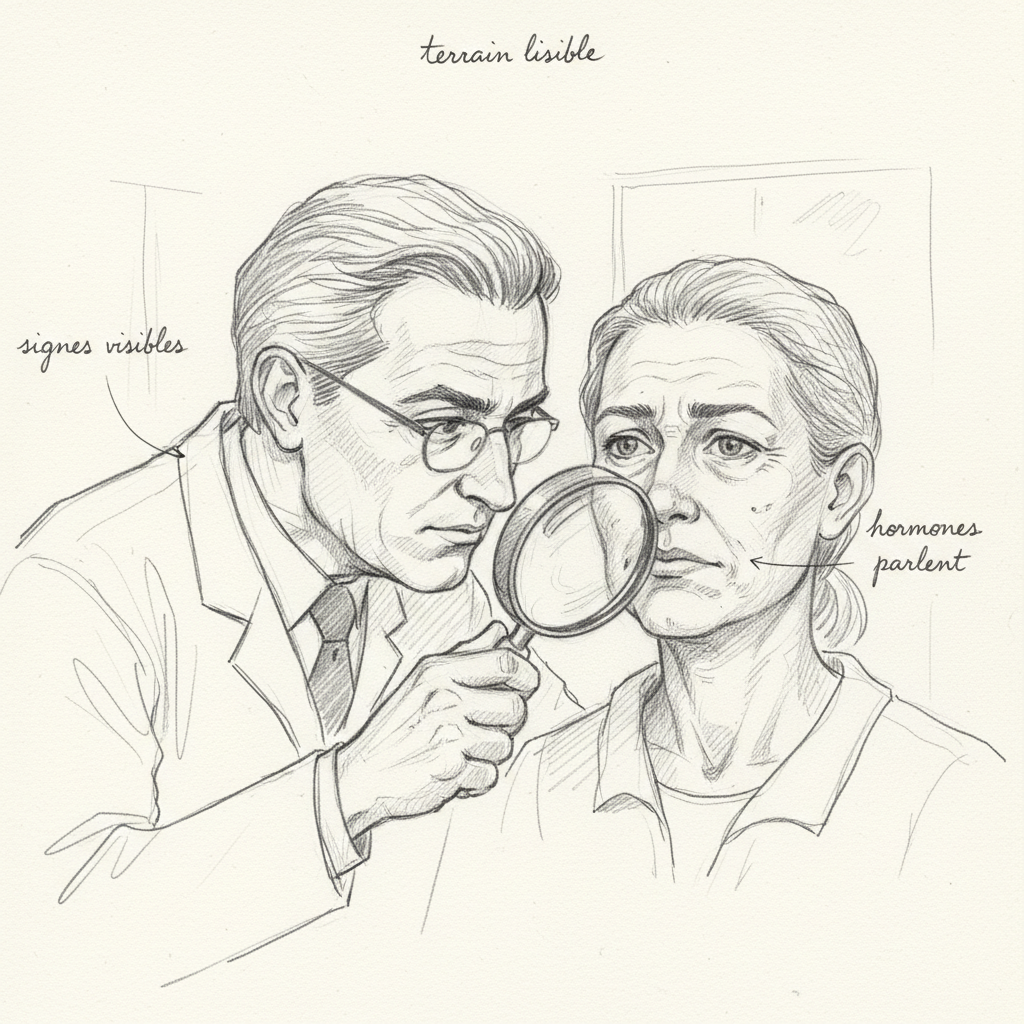
Prolonged bleeding for minor cuts. Vasopressin contributes to hemostasis via von Willebrand factor. Its deficiency slows primary coagulation without standard coagulation tests (PT, aPTT) being abnormal. Easy bruising (bruises from minor bumps) and slow wound healing are variants of the same problem.
Memory gaps, especially for recent events, difficulty retaining new information, frequent forgetfulness and a sensation of mental confusion reflect cerebral vasopressin deficiency. This is different from acetylcholine deficiency (working memory): here it’s rather consolidation and recall that are affected.
Take the Hertoghe vasopressin test.
Causes of deficiency
Aging naturally reduces vasopressin production. The hypothalamus ages and basal secretion decreases. This is one reason why nocturia is so frequent in older people: and why it’s trivialized when it is partially correctable.
Excessive alcohol consumption inhibits vasopressin in a dose-dependent manner. This is why alcohol is diuretic: it blocks vasopressin, the kidneys let water pass, and you urinate much more than you drink. The dehydration from the morning after a night out is directly related to this mechanism.
Chronic stress disrupts the hypothalamic axis that controls vasopressin. Deficiency in magnesium and zinc compromises hormonal synthesis. Lithium (treatment for bipolar disorder) and certain medications (diuretics, anti-epileptics) interfere with vasopressin or its renal action.
Excess coffee and tea have a diuretic effect that adds to vasopressin deficiency. Paradoxical overhydration (drinking too much water out of habit) can dilute vasopressin and create a vicious cycle.
Supporting vasopressin naturally
Intelligent hydration rather than overhydration. Drink according to thirst, not according to an arbitrary rule of “two liters a day”. In the morning, a glass of warm water is enough. Reduce diuretic beverages (coffee, tea, alcohol) especially after 4pm. Coconut water is naturally rich in electrolytes and doesn’t overload the kidneys.
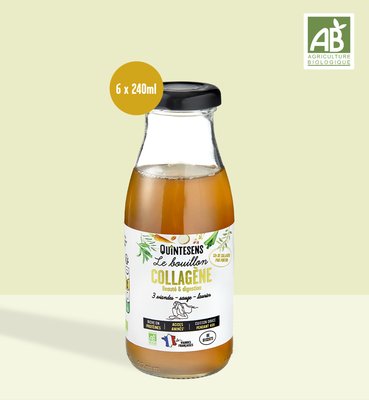
Unrefined sea salt in moderate amounts helps the kidneys retain water in synergy with vasopressin. Bone broth (rich in glycine, minerals and gelatin) is a hydrating drink that supports connective tissues and coagulation.
General hormonal cofactors: vitamin C (1 g per day), magnesium (300 mg), zinc (15 mg), vitamin B6 (P5P 25 mg). Quality sleep, with adequate melatonin, supports nighttime vasopressin secretion.
For memory, natural nootropics that support the hippocampus are complementary: bacopa monnieri (300 mg), phosphatidylserine (100 mg), ginkgo biloba (120 mg) and omega-3 DHA.
Jacques reduced his coffee to two cups in the morning, eliminated alcohol in the evening, and took magnesium with zinc at dinner. In one month, he was waking up only once per night. In two months, his shaving cuts no longer bled for twenty minutes. It wasn’t miraculous: it was logical.
To go further
- Aldosterone: the forgotten hormone of your blood pressure and salt
- The Hertoghe method: hormones, micronutrition and terrain medicine
- Estrogens: when your femininity fades before its time
- The nature of acetylcholine: the creative and intuitive profile according to Braverman
Sources
- Hertoghe, Thierry. Atlas of hormonal and nutritional medicine. International Medical Books, 2006.
- Koshimizu, Taka-aki, et al. “Vasopressin V1a and V1b receptors: from molecules to physiological systems.” Physiological Reviews 92.4 (2012): 1813-1864.
- Curtay, Jean-Paul. Nutritherapy: scientific bases and medical practice. Testez Éditions, 2016.
If you want personalized support, you can book a consultation.
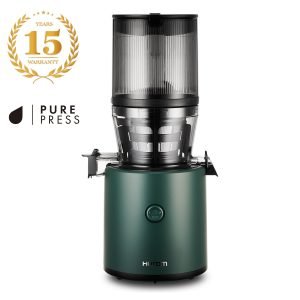
Healthy recipe: Pure cucumber juice: Cucumber is the king of hydration.

Laisser un commentaire
Sois le premier à commenter cet article.