Biotin: The Forgotten Vitamin Behind Hair Loss
Émilie is thirty-five years old. She came to consult with me about hair loss that had been ongoing for six months. Her dermatologist had prescribed biotin from the pharmacy (5 milligrams per day) without any prior testing. Her hair was not regrowing. And above all, when she went back for a routine thyroid panel, her TSH was collapsed and her T4 was elevated. Her endocrinologist suspected Graves’ disease. Except it wasn’t Graves’ disease. It was the biotin that was falsifying her test results.
Vitamin B8, which international nomenclature calls biotin (and which French tradition sometimes calls vitamin H, from the German word Haar und Haut, “hair and skin”), is a cofactor of carboxylases, these enzymes that add a CO2 group to metabolic substrates. This discreet role masks critical importance for the metabolism of carbohydrates, lipids, and amino acids.
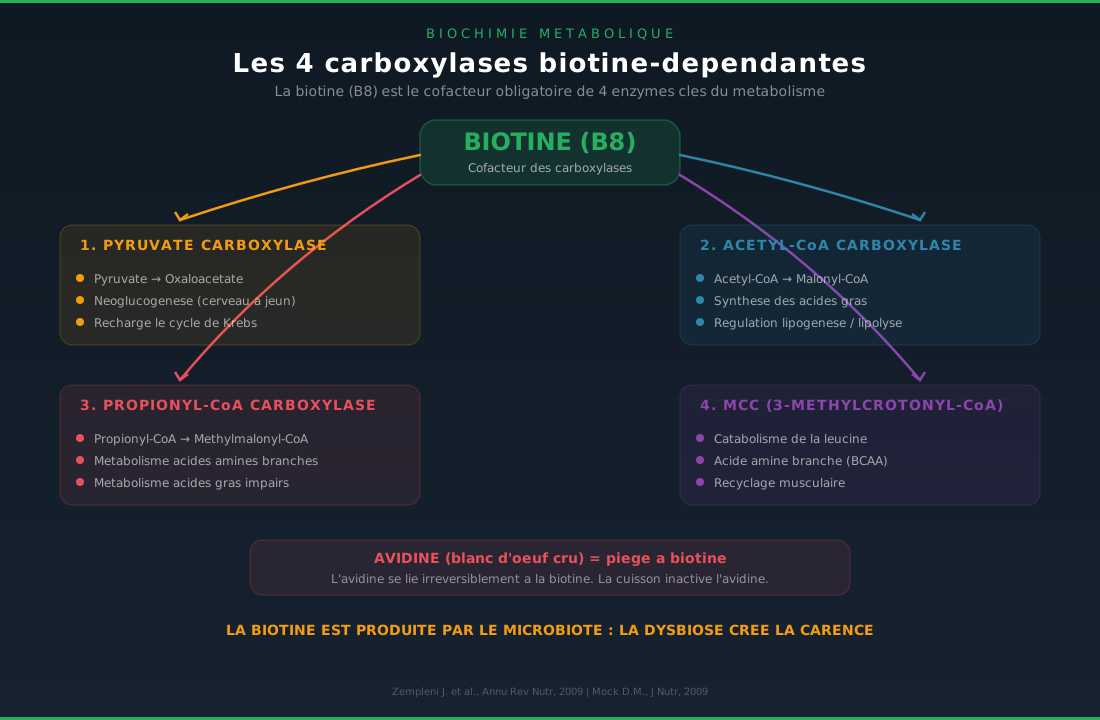
Causes of B8 Deficiency
Clinically frank biotin deficiency is rare because intestinal bacteria synthesize a significant quantity of it. But subclinical deficiency is more frequent than one might think, especially in certain at-risk populations.
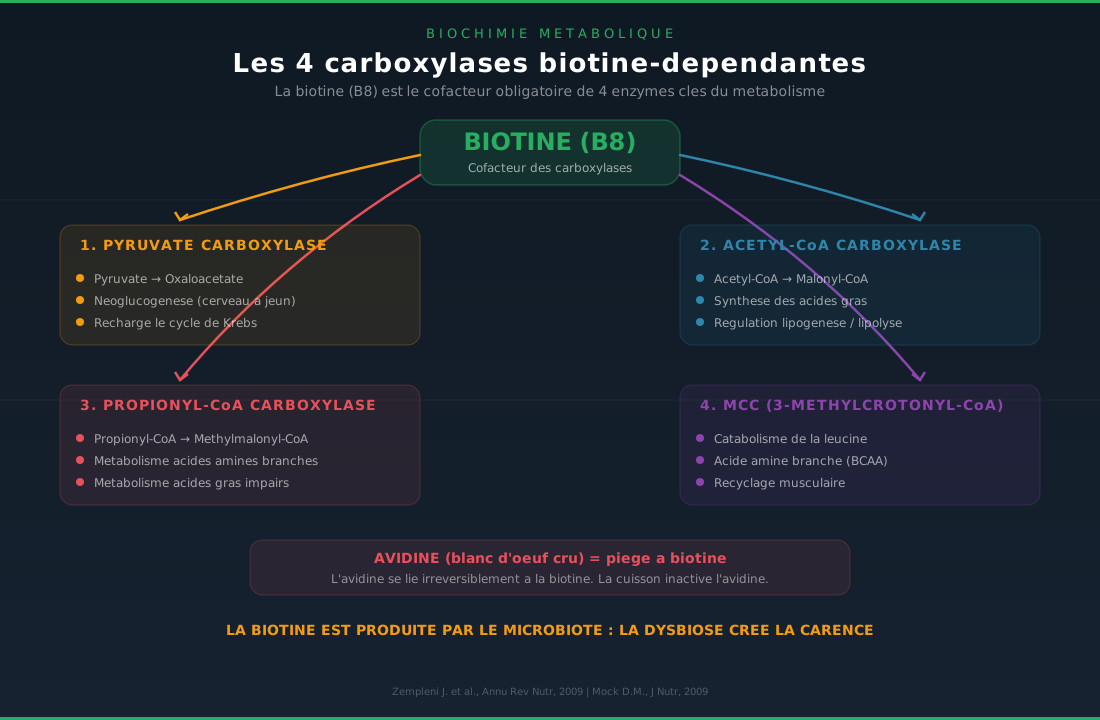
Consumption of raw egg white is the classic cause. Avidin, a glycoprotein in egg white, binds to biotin with one of the strongest affinities known in biochemistry (Kd = 10^-15 M). One raw egg white contains enough avidin to neutralize all the biotin in a meal. Cooking denatures avidin and eliminates this effect. Enthusiasts of raw egg white protein smoothies, athletes who consume raw eggs, and people following certain raw food diets are at risk.
Anticonvulsants (carbamazepine, phenytoin, phenobarbital, valproate) are the medications most frequently responsible for biotin deficiency. They inhibit intestinal biotin transport via the SMVT transporter (sodium-dependent multivitamin transporter) and accelerate its hepatic catabolism. Epileptic patients on long-term treatment should systematically receive biotin supplementation.
Chronic alcoholism reduces intestinal biotin absorption. Long-term antibiotics destroy the bacterial flora that produces endogenous biotin. Pregnancy increases requirements: approximately fifty percent of pregnant women develop subclinical biotin deficiency in the third trimester, detectable by increased urinary 3-hydroxyisovaleric acid.
Biotinidase deficiency, an enzyme that recycles biotin from dietary biocytin, is an inborn error of metabolism screened at birth in many countries. Heterozygous carriers (one to two percent of the population) have fifty percent reduced activity and may be at risk for subclinical deficiency under metabolic stress.
Symptoms of Deficiency
Biotin is the cofactor of five essential carboxylases: pyruvate carboxylase (gluconeogenesis), acetyl-CoA carboxylase (fatty acid synthesis), propionyl-CoA carboxylase (catabolism of odd-chain fatty acids and branched-chain amino acids), 3-methylcrotonyl-CoA carboxylase (leucine catabolism), and mitochondrial carboxylase.
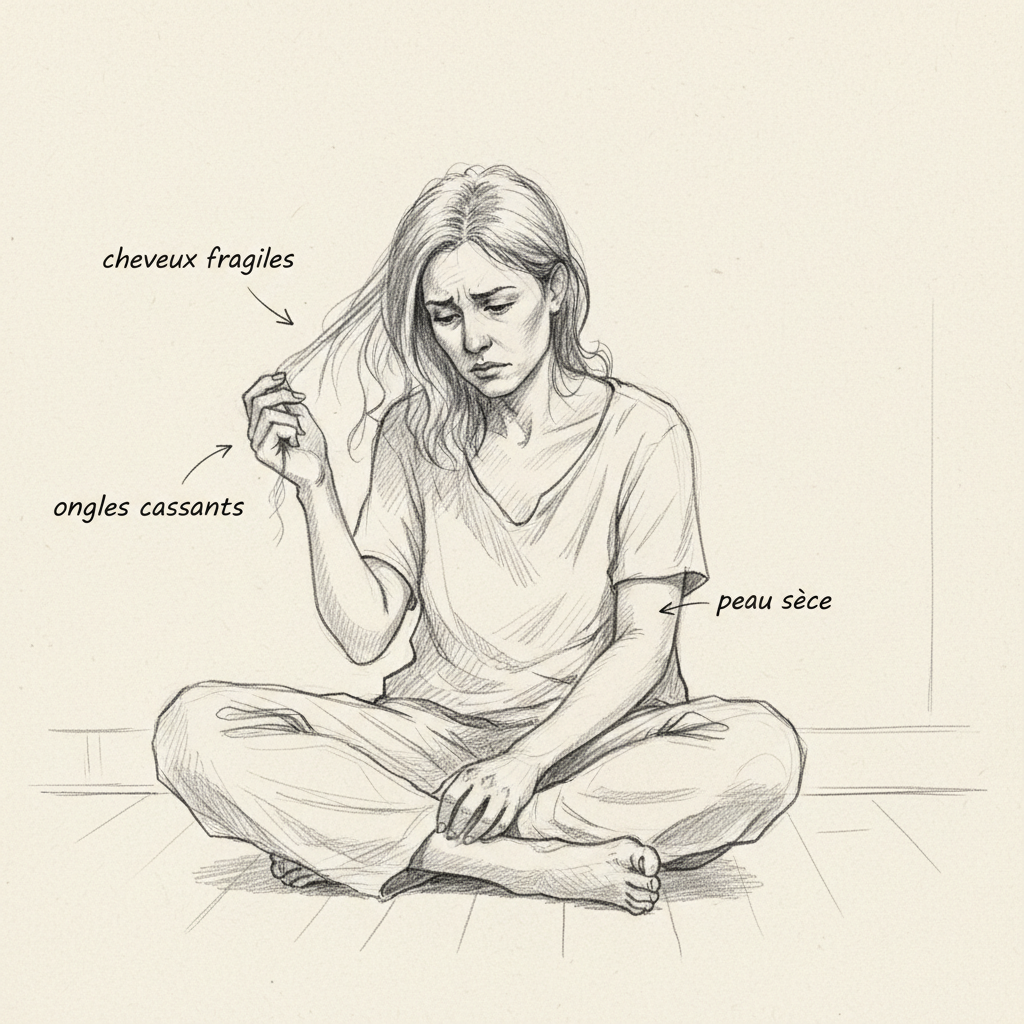
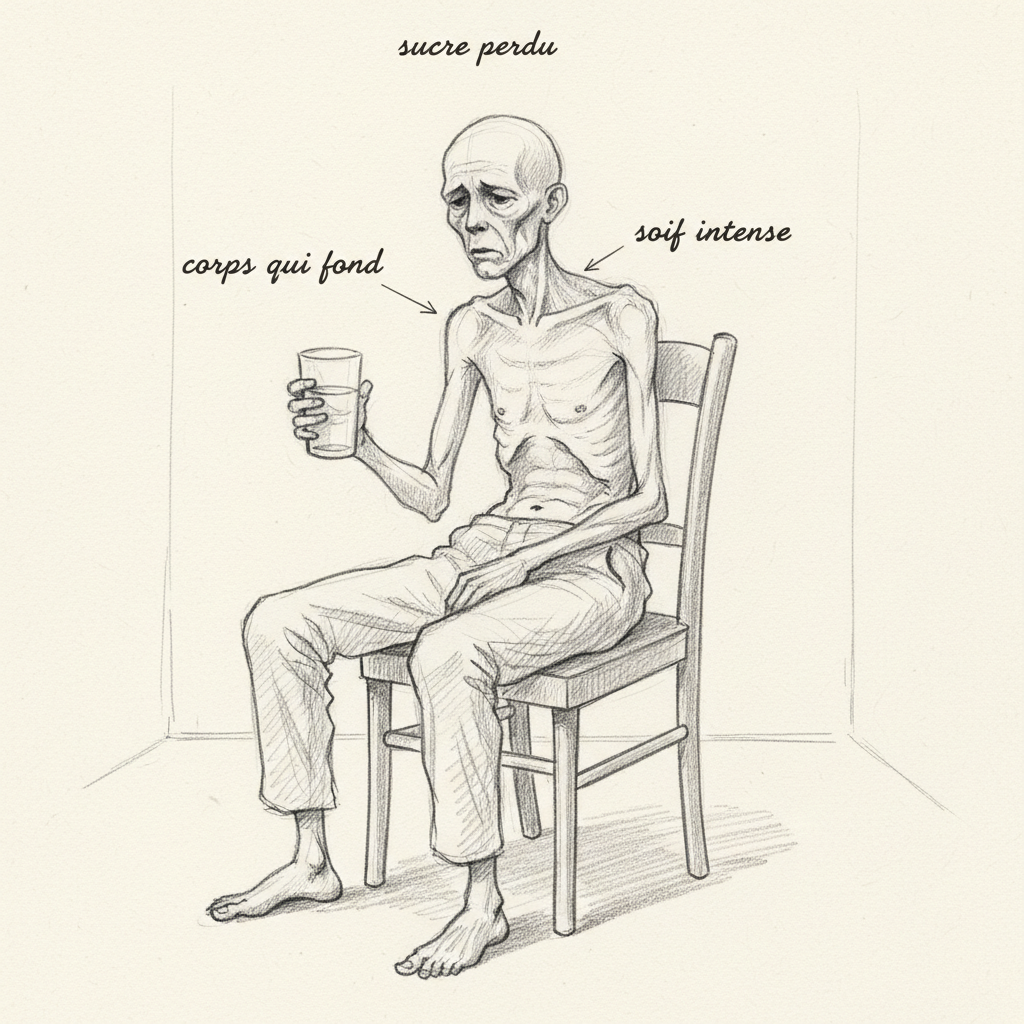
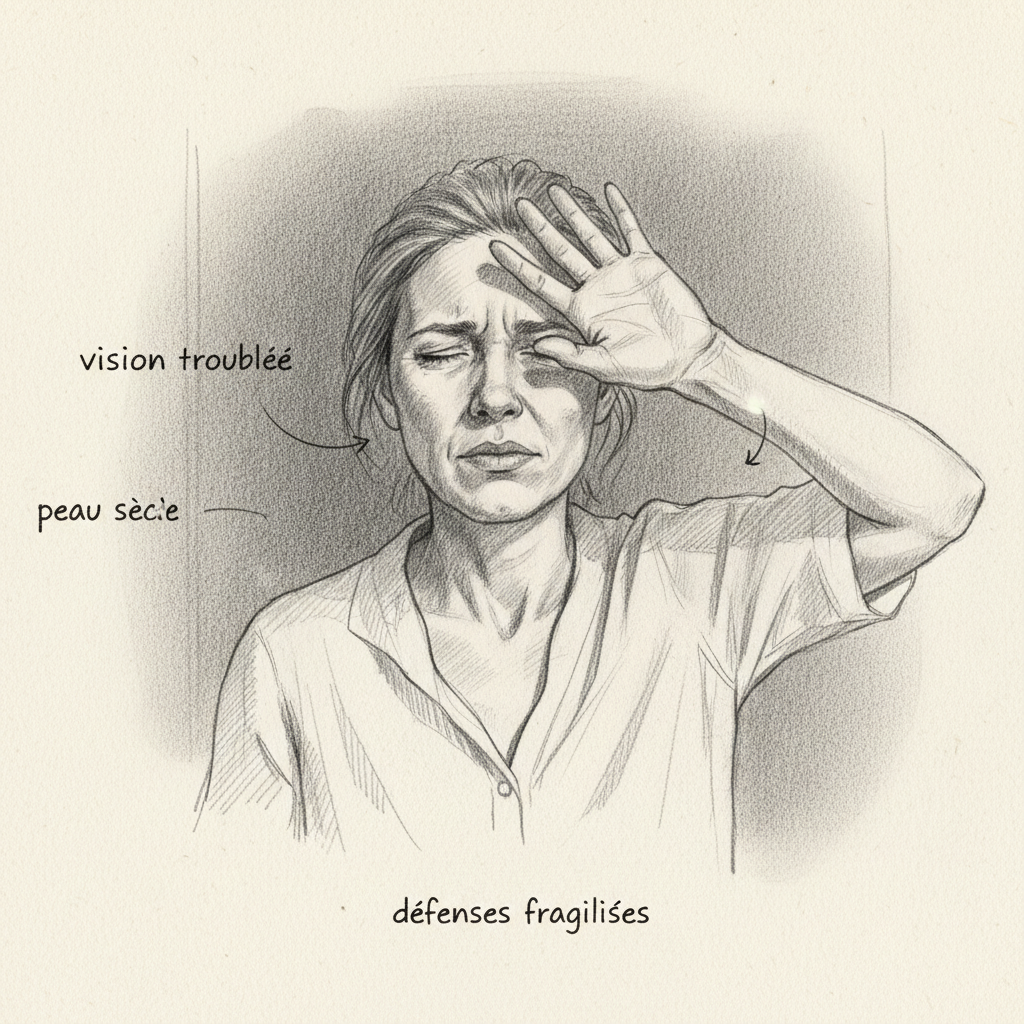
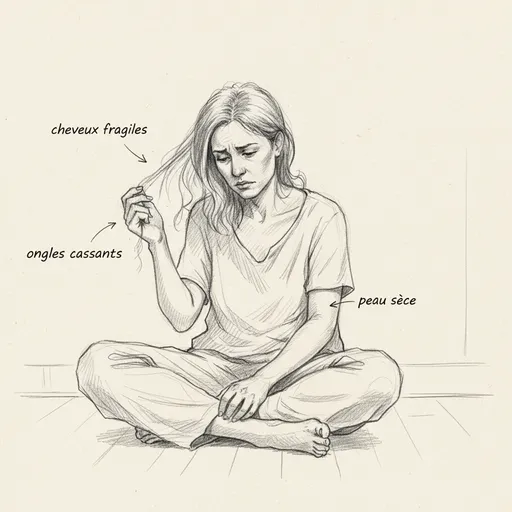
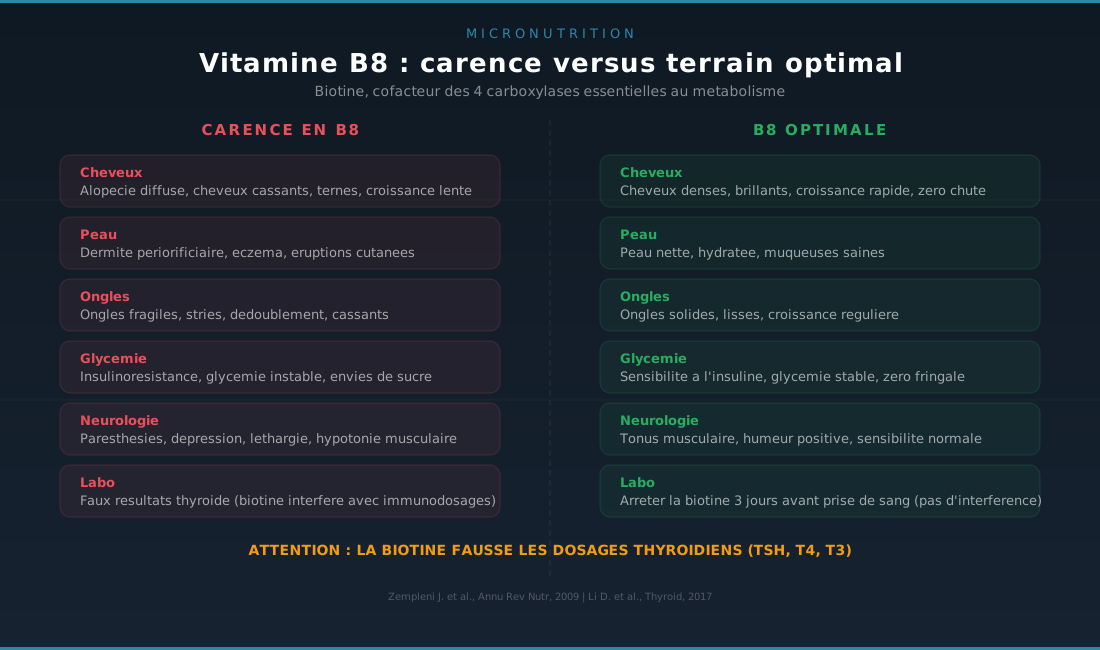
Cutaneous and hair/nail signs are the most visible. Hair loss (diffuse alopecia) is the most frequent reason for consultation. Hair becomes thin, brittle, dull, sometimes with depigmentation. Nails are striated, fragile, and split. Dermatitis is typically periorific: around the mouth, nose, and eyes, with dry, scaly skin. In infants, seborrheic dermatitis of the scalp (cradle cap) can be a sign of biotin deficiency.
Neurological signs include depression, lethargy, paresthesias (tingling), muscle hypotonia, and in severe cases in infants, convulsions. Immune disorders (susceptibility to fungal and bacterial infections) are described, as biotin is necessary for T lymphocyte maturation.
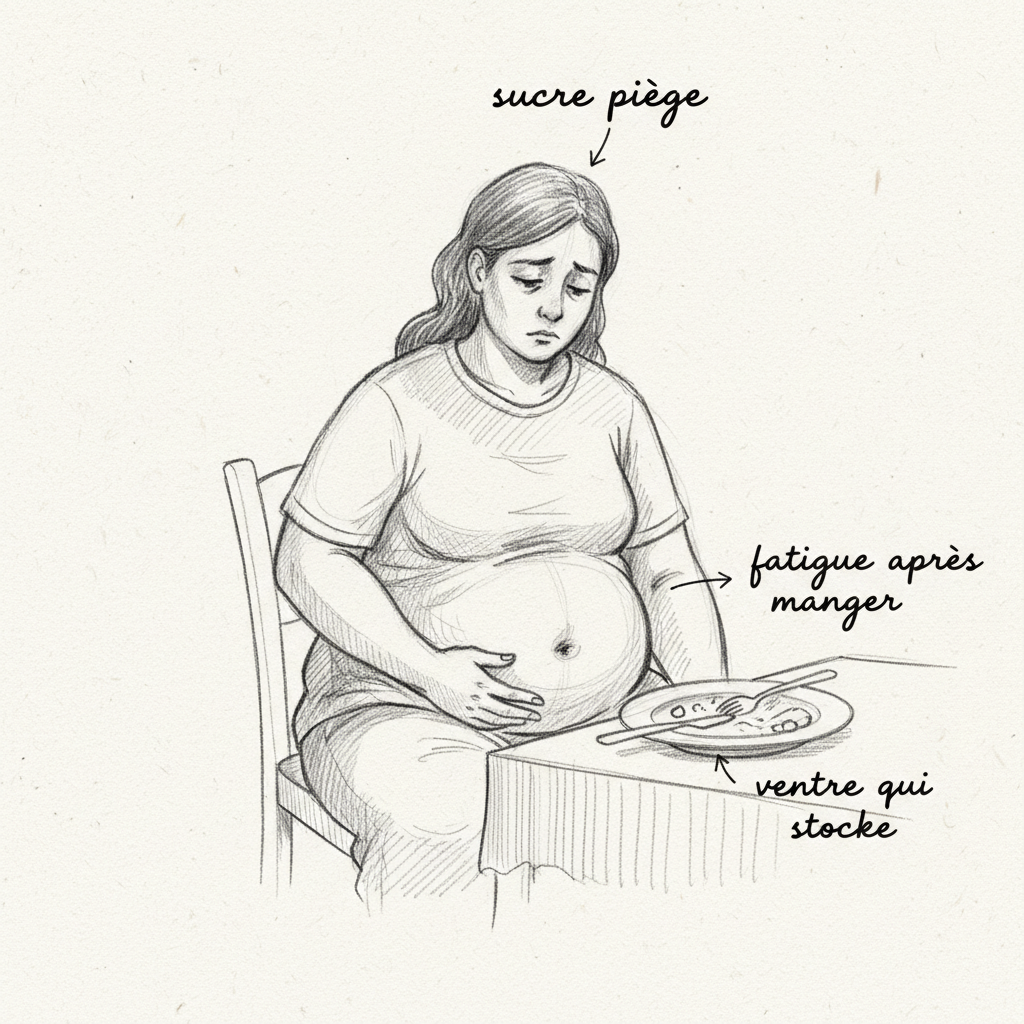
Metabolic signs include metabolic acidosis (accumulation of organic acids due to carboxylase deficiency), hyperglycemia (deficiency in pyruvate carboxylase and gluconeogenesis), and dyslipidemia.
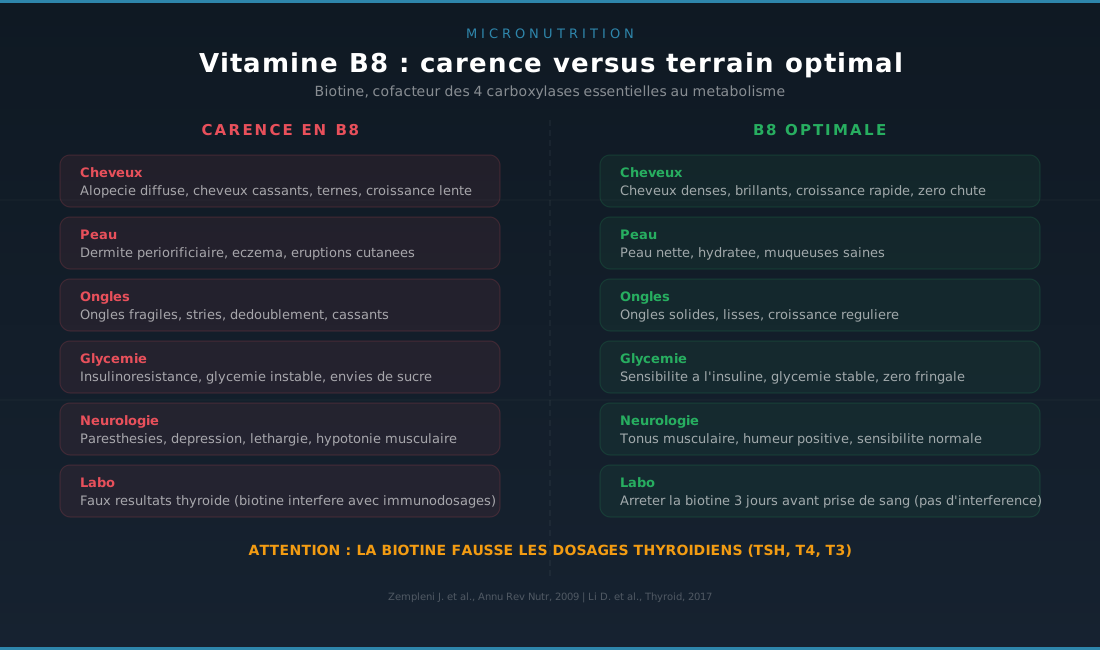
Micronutrients Essential to B8
Magnesium is a cofactor of several biotin-dependent carboxylases. B5 (pantothenic acid) provides the Coenzyme A needed for acetyl-CoA carboxylase and propionyl-CoA carboxylase to function. Manganese is a cofactor of pyruvate carboxylase.
Zinc shares many symptoms with biotin (alopecia, periorific dermatitis, immune disorders), and the two deficiencies often coexist. Angular cheilitis can be due to B2, zinc, or biotin deficiency, and the combination of all three is frequent in states of subclinical malnutrition.
Food Sources
Beef liver contains 40 micrograms per 100 grams. Cooked egg yolk provides 25 micrograms per 100 grams (cooked whole egg is an excellent source, cooked egg white no longer contains avidin). Nuts provide 28 micrograms per 100 grams. Soy contains 60 micrograms per 100 grams. Mushrooms provide 10 to 16 micrograms per 100 grams. Avocado provides 6 micrograms per 100 grams. Salmon contains 5 micrograms per 100 grams. Sweet potatoes provide 5 micrograms per 100 grams. Brewer’s yeast is exceptionally rich with 200 micrograms per 100 grams.
Recommended intakes are 30 micrograms per day for adults. In treating hair loss, doses used range from 2500 to 5000 micrograms (2.5 to 5 milligrams) per day. For glycemic control, studies use 2 to 16 milligrams per day.
Antagonists of Vitamin B8
Avidin from raw egg white is the most powerful antagonist. Broad-spectrum antibiotics, by destroying biotin-producing flora, reduce endogenous supply. Alcohol reduces absorption. Anticonvulsants block transport and accelerate catabolism.
Alpha-lipoic acid at very high dose (exceeding 600 milligrams per day) can compete with biotin for the intestinal SMVT transporter. Isotretinoin (Roaccutane) prescribed for severe acne paradoxically reduces biotin levels, potentially worsening skin and hair problems.
The Forgotten Causes of Deficiency
Pregnancy is a major underestimated cause. The accelerated catabolism of biotin during pregnancy creates subclinical deficiency in half of pregnant women in the third trimester. This deficiency is potentially teratogenic: animal studies show that biotin deficiency during gestation causes skeletal and palatal malformations.
Smoking increases biotin catabolism. Renal dialysis patients lose biotin through hemodialysis. Prolonged parenteral nutrition without biotin supplementation creates iatrogenic deficiencies.
Interference with biological testing is a “forgotten cause” of another type: high-dose biotin falsifies thyroid, cardiac, and hormonal immunoassays, leading to misdiagnosis and unnecessary treatment. Several cases of false Graves’ disease diagnosis have been reported in patients taking high-dose biotin.
Dietary Supplements
D-biotin is the natural and active form. Doses vary considerably depending on indication: 30 to 100 micrograms per day for prevention, 2500 to 5000 micrograms (2.5 to 5 milligrams) per day for hair and nails, 2 to 16 milligrams per day for glycemic control.
Biotin is water-soluble and excess is eliminated by the kidneys. No direct toxicity has been reported even at very high doses. The only risk is analytical interference with blood tests. It is imperative to stop biotin at least forty-eight hours (ideally seventy-two hours for doses exceeding 5 milligrams) before any blood work.
Émilie first stopped her biotin and redid her thyroid panel two weeks later: normal TSH, normal T4. Her “Graves’ disease” didn’t exist. Then we investigated the real causes of her hair loss: ferritin at 18 (insufficient), low zinc, and vitamin D at 22 ng/mL. Biotin was resumed at 2500 micrograms per day, but this time within a comprehensive protocol including iron, zinc, vitamin D, and the Seignalet diet. In three months, the hair loss stopped. In six months, regrowth was visible.
To assess your biotin status, take the B8 deficiency questionnaire on my site.
To Go Further
- Myo-inositol: mood, blood sugar, and ovaries in one molecule
- Hyperinsulinism: when excess insulin causes weight gain and fatigue
- Hypoinsulinism: when the pancreas can no longer keep up
- Vitamin A (retinol): vision, immunity, and cellular renewal
Sources
- Mock, Donald M. “Biotin: From Nutrition to Therapeutics.” Journal of Nutrition 147.8 (2017) : 1487-1492.
- Zempleni, Janos, et al. “Biotin and biotinidase deficiency.” Expert Review of Endocrinology & Metabolism 3.6 (2008) : 715-724.
- Curtay, Jean-Paul. Nutrithérapie : bases scientifiques et pratique médicale. Testez Éditions, 2016.
- Mouton, Georges. Écologie digestive. Marco Pietteur, 2004.
If you want personalized support, you can book a consultation appointment. For supplementation, Sunday Natural (code FRANCOIS10). Find all my partnerships.
Healthy Recipe: Scrambled eggs with herbs: Eggs are the best source of biotin.


Laisser un commentaire
Sois le premier à commenter cet article.