Basedow and the Heart: When the Thyroid Drives the Cardiac Muscle Wild
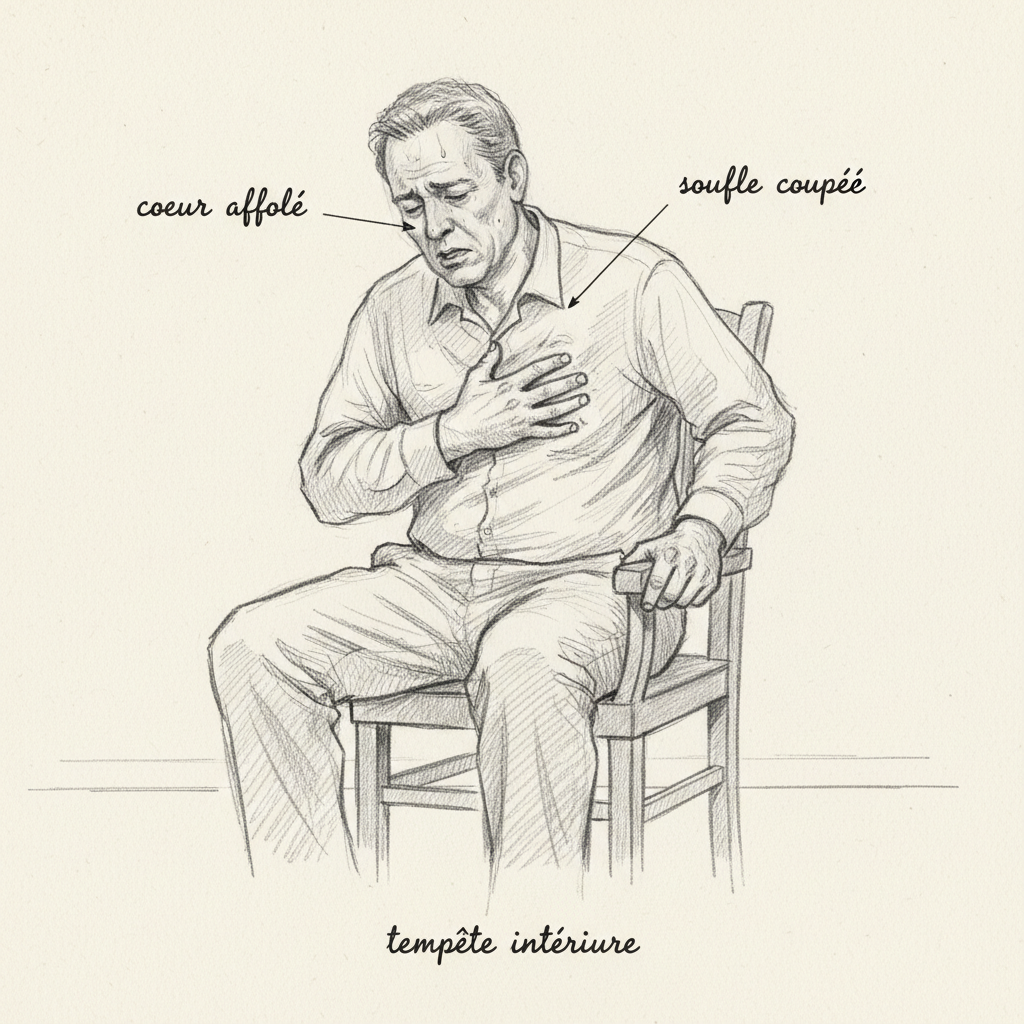
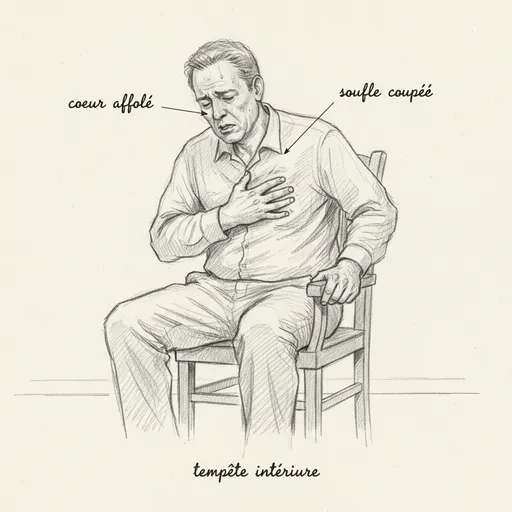
Marc is fifty-three years old. He is sitting in the emergency room cardiology waiting area at two in the morning, on a Saturday. His heart is beating at one hundred seventy beats per minute, a completely chaotic rhythm. He has the sensation of a frantic bird fluttering its wings in his chest. He is sweating, his hands are trembling, he is struggling to breathe. The triage nurse places a pulse oximeter on him: normal oxygen saturation, but the trace on the screen shows irregular zigzags instead of the regular peaks of a normal heart. The on-call cardiologist makes the diagnosis in a few minutes: atrial fibrillation. The ECG confirms it. He is placed on anticoagulants and beta-blockers, and prescribed blood tests. When the results arrive the next morning, the cardiologist calls Marc back to his room: TSH collapsed at 0.005 mU/L, free T4 at four times normal. It is not his heart that is sick. It is his thyroid that is driving his heart crazy.
The diagnosis of Graves’ disease is confirmed a few days later by strongly positive TRAb. Marc had never had thyroid problems. He thought his recent palpitations were related to work stress, that his weight loss came from the diet he had vaguely started, that his nervousness was that of an overworked man in his fifties. He never suspected for a second that his thyroid was endangering his heart.
The Heart Under the Grip of T3
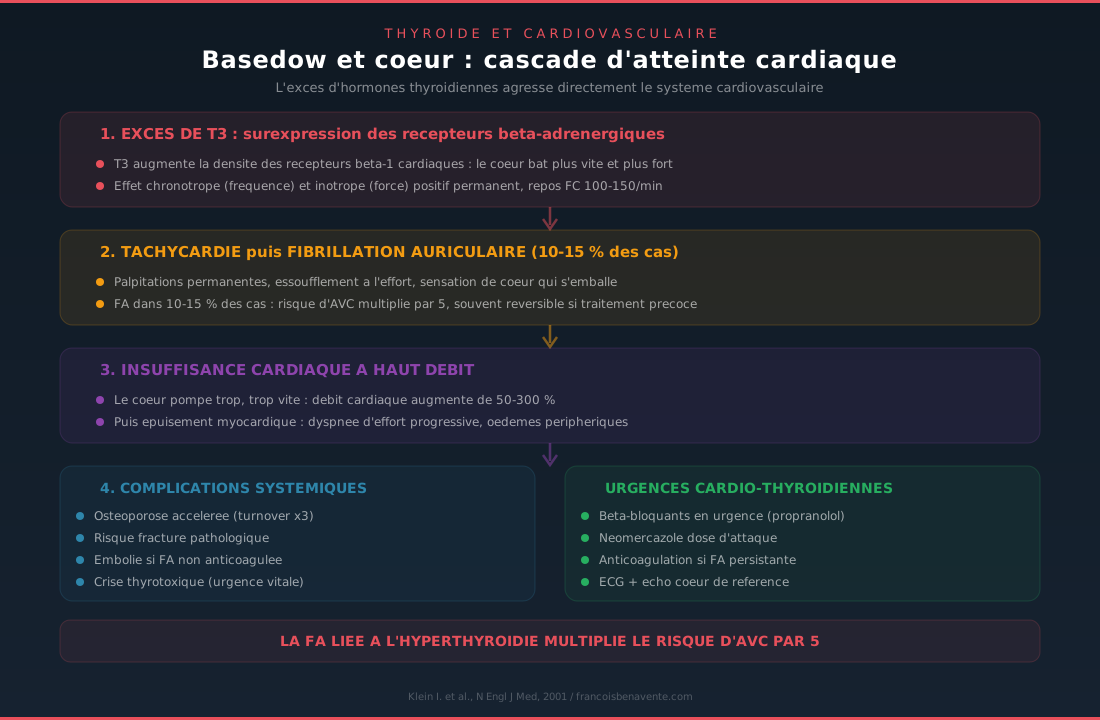
To understand what Graves’ disease does to the heart, you must first understand that the heart is one of the organs most sensitive to thyroid hormones. Cardiomyocytes, the heart’s muscle cells, have a density of T3 receptors on their surface among the highest in the body. T3 does not merely influence the heart from a distance: it enters the cardiomyocytes, penetrates their nucleus, and directly modifies the expression of genes that control heart rate, contraction strength, and electrical rhythm.
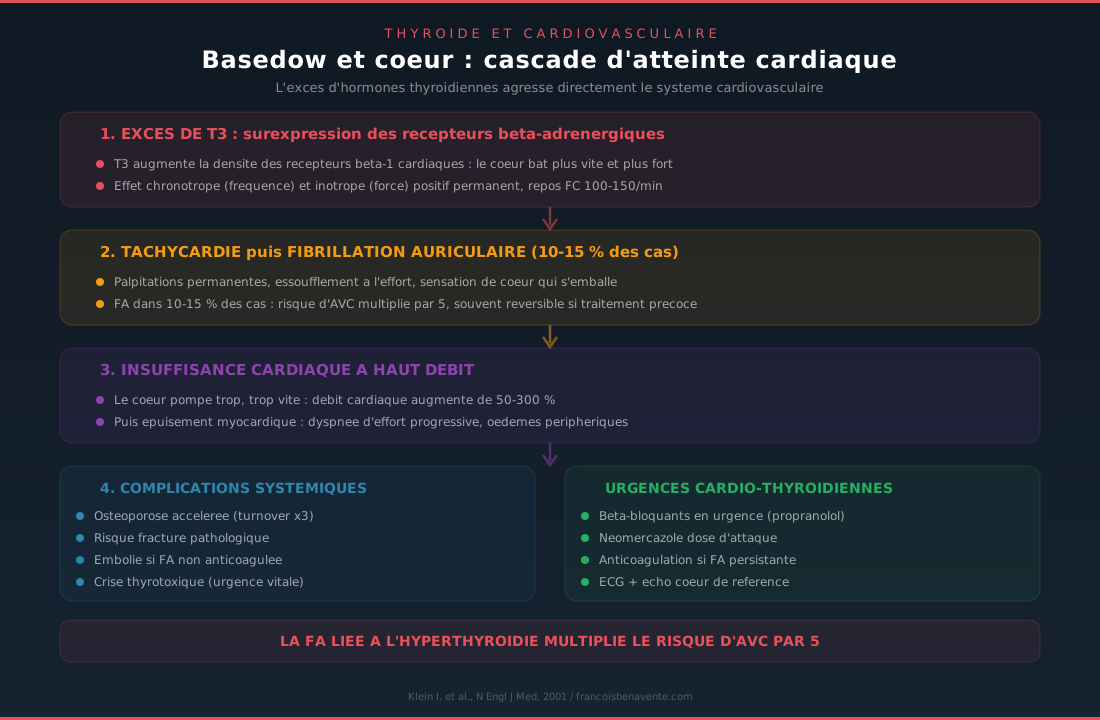
The first effect is positive chronotropic: T3 increases the expression of beta-adrenergic receptors on the surface of cardiomyocytes. These are the receptors that adrenaline and noradrenaline stimulate to accelerate the heart. By multiplying their number, T3 makes the heart hypersensitive to circulating catecholamines. It’s like turning up the volume on all the speakers in your house: the same sound signal (adrenaline) produces a much more powerful effect. The heart beats faster, even at rest, even without stress, even lying in your bed at three in the morning.
The second effect is positive inotropic: T3 increases the expression of the alpha heavy chain of myosin (the fast contractile protein) and decreases that of the beta heavy chain (the slow form). The heart contracts harder and faster with each beat. It’s an impressive mechanical performance, but one the heart cannot sustain indefinitely. An engine running in overdrive eventually wears out.
The third effect is on ion channels. T3 modifies the expression of potassium and calcium channels that regulate cardiac action potential. Intracellular calcium influx increases, which further increases contractility but also electrical excitability. And this hyperexcitability opens the door to arrhythmias.
Atrial Fibrillation: When Rhythm Breaks Down
Sinus tachycardia, a fast but regular heartbeat, is the most common cardiac disorder in Graves’ disease. It affects nearly all patients in the active hyperthyroid phase. But in five to ten percent of patients, this tachycardia degenerates into atrial fibrillation, a much more serious arrhythmia.
In atrial fibrillation, the heart’s atria no longer contract in a coordinated manner. Instead of a single efficient contraction that propels blood toward the ventricles, the atria fibrillate: hundreds of chaotic micro-electrical circuits course through the atrial tissue in all directions, creating a chaotic and ineffective contraction. The result is a completely irregular, rapid heartbeat, with ventricles filling randomly.
The immediate danger of atrial fibrillation is not sudden death (which is rare in this arrhythmia), but thromboembolic risk. When the atria do not contract effectively, blood stagnates in certain areas, particularly the left atrial appendage, a small extension of the left atrium. This stagnant blood can form a clot. And if this clot detaches and migrates to the brain, it is a stroke. The stroke risk is multiplied by five in atrial fibrillation, which explains why anticoagulants are systematically prescribed upon diagnosis.
The good news is that thyrotoxic atrial fibrillation is generally reversible. When euthyroidism is restored by antithyroid treatment, normal sinus rhythm typically returns spontaneously in the majority of cases, usually within four to six weeks. In older patients or when fibrillation has been present for a long time, reversal may be incomplete, and electrical or pharmacological cardioversion may be necessary.
Thyrotoxic Cardiomyopathy: When the Heart Exhausts Itself
If hyperthyroidism is not treated, or if it is treated too late, the heart can progress to thyrotoxic cardiomyopathy. This is high-output cardiac failure: the heart pumps too much, too fast, and eventually exhausts itself. Ventricular ejection fraction decreases, cardiac cavities dilate, and signs of heart failure appear: shortness of breath with exertion then at rest, leg swelling, intense fatigue.
This cardiomyopathy is the most feared medium-term cardiac complication of untreated hyperthyroidism. But it is almost always reversible if the diagnosis is made in time and euthyroidism is restored. The heart, once relieved of excessive hormonal stimulation, gradually returns to normal size and function. This is one reason you should never neglect persistent resting tachycardia: if your pulse regularly exceeds ninety beats per minute without effort, have your thyroid checked.
Beta-Blockers: The Immediate Shield
Propranolol is the beta-blocker of choice in Graves’ disease, and this is not by chance. All beta-blockers slow the heart by blocking the beta-adrenergic receptors that T3 has multiplied on the surface of cardiomyocytes. But propranolol has an additional advantage: it inhibits peripheral conversion of T4 to active T3 by type 1 deiodinase. In other words, in addition to protecting the heart, it reduces the amount of circulating T3. This is a double benefit that more selective beta-blockers like atenolol or bisoprolol do not offer.
Propranolol is typically prescribed at 40 to 120 milligrams per day in divided doses, starting at Graves’ disease diagnosis, while synthetic antithyroids take effect (which takes two to four weeks). It immediately calms tachycardia, palpitations, tremors, and nervousness. For many patients, it is the medication that makes life tolerable in the first weeks.
Naturopathy does not replace beta-blockers in the acute phase. When the heart beats at one hundred forty at rest, this is not the time for lemon balm tea. This is the time for propranolol, prescribed by the doctor, taken strictly. Naturopathy intervenes as a complement and especially as follow-up, when the cardiac emergency has passed and the focus is on supporting the heart during recovery and preventing relapses.
L-Carnitine: A Natural T3 Antagonist
The Benvenga study published in 2001 in the Journal of Clinical Endocrinology and Metabolism opened a fascinating therapeutic pathway. Benvenga showed that L-carnitine, at doses of two to four grams per day, significantly reduced symptoms of hyperthyroidism in thyrotoxic patients. Palpitations, tremors, nervousness, insomnia: all these symptoms improved in a dose-dependent manner.
The mechanism is elegant. L-carnitine acts as a peripheral antagonist of T3 by inhibiting the entry of thyroid hormones into the cell nucleus. It does not block thyroid hormone synthesis like synthetic antithyroids do. It blocks the action of T3 at the level of its target cells, including cardiomyocytes. It is a cellular shield, not a glandular brake.
This distinction is important. L-carnitine can be used as a complement to synthetic antithyroids without pharmacological interference. It is particularly interesting in situations where hyperthyroidism is difficult to control, where cardiac symptoms persist despite treatment, or during the transition phase before antithyroids take full effect.
The dose I use in practice is two grams per day in two doses (one gram morning and evening), in the form of L-carnitine tartrate or fumarate. In patients with significant cardiac involvement, I increase to three grams per day. L-carnitine is remarkably well tolerated, with the only notable side effect being a fishy body odor at very high doses, due to trimethylamine production by intestinal bacteria.
CoQ10: The Heart Muscle’s Fuel
Coenzyme Q10 is a crucial player in the mitochondrial respiratory chain, the cellular factory that produces ATP, the cell’s energy currency. The heart, with its incessant contractions, is the organ that consumes the most ATP per gram of tissue. The mitochondria of cardiomyocytes are among the densest and most active in the body.
In hyperthyroidism, mitochondrial metabolism is pushed to its maximum. Cardiomyocytes produce more ATP to support more frequent and powerful contractions, but this excess activity also generates more free radicals. CoQ10, in addition to its role in energy production, is a powerful antioxidant that protects mitochondrial membranes from these free radicals. It is a dual role: fuel and shield.
Several studies have shown that hyperthyroid patients have lowered plasma CoQ10 levels, probably due to increased consumption by hyperactive mitochondria. Supplementation of 100 to 200 milligrams per day of ubiquinol (the reduced and active form of CoQ10, better absorbed than ubiquinone) supports cardiac function and protects mitochondria during the hyperthyroid phase.
Magnesium: The Electrical Stabilizer
Magnesium is the most abundant intracellular cation after potassium, and it plays a fundamental role in regulating cardiac rhythm. It stabilizes cardiomyocyte membranes by opposing excessive calcium entry, which is responsible for hyperexcitability. It modulates the activity of potassium channels that control cardiac repolarization. And it participates in the functioning of more than three hundred enzymes, including those involved in ATP production by mitochondria.
Hyperthyroidism creates a double problem with magnesium. On one hand, excess T3 accelerates renal magnesium elimination, creating a urinary leak that depletes reserves. On the other hand, the stress that accompanies (and often triggers) Graves’ disease also massively consumes magnesium for catecholamine synthesis and HPA axis functioning. The Graves’ patient is therefore doubly magnesium deficient, and this deficiency directly worsens tachycardia and arrhythmia risk.
Supplementation with magnesium bisglycinate (the best tolerated and best absorbed form) at 400 to 600 milligrams per day is essential in the cardiac protocol for Graves’ disease. Not marine magnesium (poorly absorbed), not magnesium oxide (accelerated transit), but bisglycinate or glycerophosphate. Magnesium can also be administered transdermal (Epsom salt foot baths, magnesium oil applied to skin) to complement oral administration.
Taurine: The Heart’s Amino Acid
Taurine is a semi-essential amino acid that represents nearly fifty percent of free amino acids in cardiac muscle. This speaks to its importance for the heart. Taurine acts as an osmoregulator and membrane stabilizer in cardiomyocytes. It modulates calcium flux, giving it natural anti-arrhythmic properties. It has a moderate positive inotropic effect (it strengthens contraction) without a chronotropic effect (it does not accelerate rhythm), making it an ideal complement in the context of high-output cardiac failure in hyperthyroidism.
Animal studies and preliminary clinical trials have shown that taurine at two to three grams per day reduced heart rate in tachycardic subjects and improved ventricular function. In the Graves’ patient, taurine complements magnesium’s action by stabilizing cardiac rhythm through a different mechanism. It is particularly useful in patients who have frequent extrasystoles (these “skipped heartbeats”), an anxiety-provoking symptom that contributes to stress and maintains the vicious cycle.
Cardiac Coherence: The Vagal Brake
The autonomic nervous system has two branches: sympathetic (the accelerator) and parasympathetic (the brake). In Graves’ disease, the accelerator is stuck wide open. T3 multiplies beta-adrenergic receptors, adrenaline stimulates the heart constantly, and the vagal brake is overwhelmed. Heart rate variability (HRV), a marker of autonomic nervous system health, is collapsed in hyperthyroid patients.
Cardiac coherence is a powerful therapeutic tool to reactivate the vagal brake. By breathing at a frequency of six cycles per minute (inhale over five seconds, exhale over five seconds), you activate the baroreflex, a reflex arc that stimulates the vagus nerve and slows the heart. Practiced three times daily for five minutes, cardiac coherence increases HRV, reduces cortisol, and progressively restores sympathetic-parasympathetic balance.
It is not a wellness gadget. It is a physiological tool with measurable effects on heart rate and blood pressure. In the context of Graves’ disease, where stress is the main disease trigger and the heart is the most immediately threatened organ, cardiac coherence links the emotional terrain to cardiac protection. Du Chazaud was right: the thyroid is the gland of emotion. And the heart is the organ that pays the price.
Thyrotoxic Crisis: The Absolute Emergency
I conclude with the most serious scenario, which fortunately is the rarest. Thyrotoxic crisis, or thyroid storm, is an acute decompensation of hyperthyroidism that endangers life. It can be triggered by infection, major stress, surgery, abrupt cessation of antithyroids, or administration of iodine (iodinated contrast medium, Betadine).
Signs include extreme tachycardia (over one hundred forty, sometimes over two hundred), high fever (over 39 degrees Celsius), intense agitation with mental confusion, nausea and vomiting, profuse diarrhea, and sometimes jaundice signaling liver involvement. Without emergency treatment (intravenous beta-blockers, high-dose antithyroids, corticosteroids, Lugol’s iodine infusion, cooling), mortality exceeds thirty percent.
This scenario is rare, but it justifies in itself why Graves’ disease is not a disease to manage solely with plants and supplements. Medical follow-up is non-negotiable. Synthetic antithyroids are often indispensable. And the naturopathic protocol I propose, however comprehensive, always intervenes as a complement to conventional treatment, never as a replacement.
Marc, my emergency room patient, was stabilized within forty-eight hours with propranolol and Neomercazole. His atrial fibrillation spontaneously converted to normal sinus rhythm after three weeks. In parallel, he began the naturopathic protocol: L-carnitine two grams per day, CoQ10 two hundred milligrams, magnesium bisglycinate five hundred milligrams, taurine two grams, cardiac coherence three times daily, Seignalet diet. Six months later, his TRAb had dropped sixty percent, his resting pulse was sixty-eight, and his cardiologist was able to stop the beta-blockers. His heart had regained its rhythm. Because his terrain had regained its balance.
Do you want to assess your status? Take the free magnesium questionnaire in 2 minutes.
If you want personalized support, you can schedule a consultation.
To Go Further
- Graves’ disease and pregnancy: conceiving and carrying safely
- Graves’ disease and stress: the thyroid of emotion
- Estrogen dominance: when your hormones trap your thyroid
- The Hertoghe Method: hormones, micronutrition and terrain medicine
Do you want to assess your status? Take the free Claeys thyroid questionnaire in 2 minutes.
Sources
- Benvenga, Salvatore, et al. “Usefulness of L-Carnitine, A Naturally Occurring Peripheral Antagonist of Thyroid Hormone Action, in Iatrogenic Hyperthyroidism.” Journal of Clinical Endocrinology and Metabolism 86.8 (2001): 3579-3594.
- Klein, Irwin, et Sara Danzi. “Thyroid disease and the heart.” Circulation 116.15 (2007): 1725-1735.
- Seignalet, Jean. L’Alimentation ou la Troisième Médecine. 5th ed. Paris: François-Xavier de Guibert, 2004.
- Mouton, Georges. Écologie digestive. Marco Pietteur, 2004.
If you want personalized support for Graves’ disease or any other thyroid condition, you can schedule a consultation. I consult in my office in Paris and via video throughout France. You can also contact me with any questions.
To go further, my complete thyroid training covers everything I have written in my thyroid articles with clinical cases, commented assessments and detailed protocols. And if you are looking for the foundations of naturopathy to understand the concept of terrain and emunctories, it is the best starting point.
For thyroid supplementation, Sunday Natural offers selenium, zinc and vitamin D of pharmaceutical quality (10% off with the code FRANCOIS10). The Inalterra grounding mat reduces nocturnal autoimmune inflammation (10% off with the code FRANCOISB). Find all my partnerships with exclusive promo codes.
Your heart is not sick. It is overstimulated by a thyroid that gives it no respite. Calm the thyroid, repair the terrain, and your heart will regain its silence. The inner silence that Marc took six months to recover, and that he would not trade for anything in the world.


Laisser un commentaire
Sois le premier à commenter cet article.