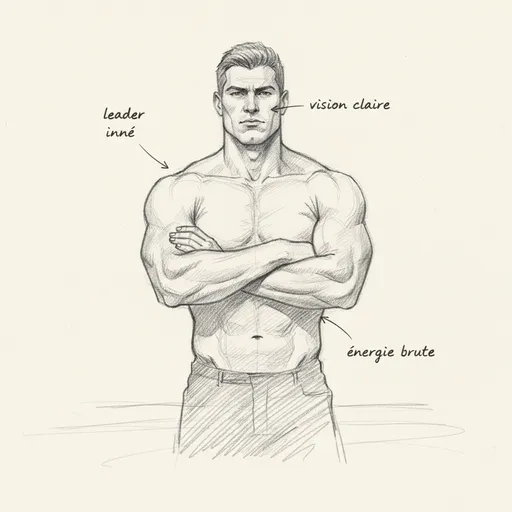
You are the one who walks into a room and takes it over. Not with words: with your presence. You decide fast, you act faster still, and you have no patience for people who dither. When there’s a problem, you want a solution. Now. You always have several projects on the go, you sleep little and you wake up fully charged. You don’t understand people who “don’t have energy.” You love competition. You love winning. And when obstacles get in your way, you don’t go around them: you smash through them.
If you recognize yourself, there’s a strong chance that dopamine is your dominant neurotransmitter. In Dr. Eric Braverman’s model, you are the “power” profile. The leader. The builder. The one who turns ideas into reality.
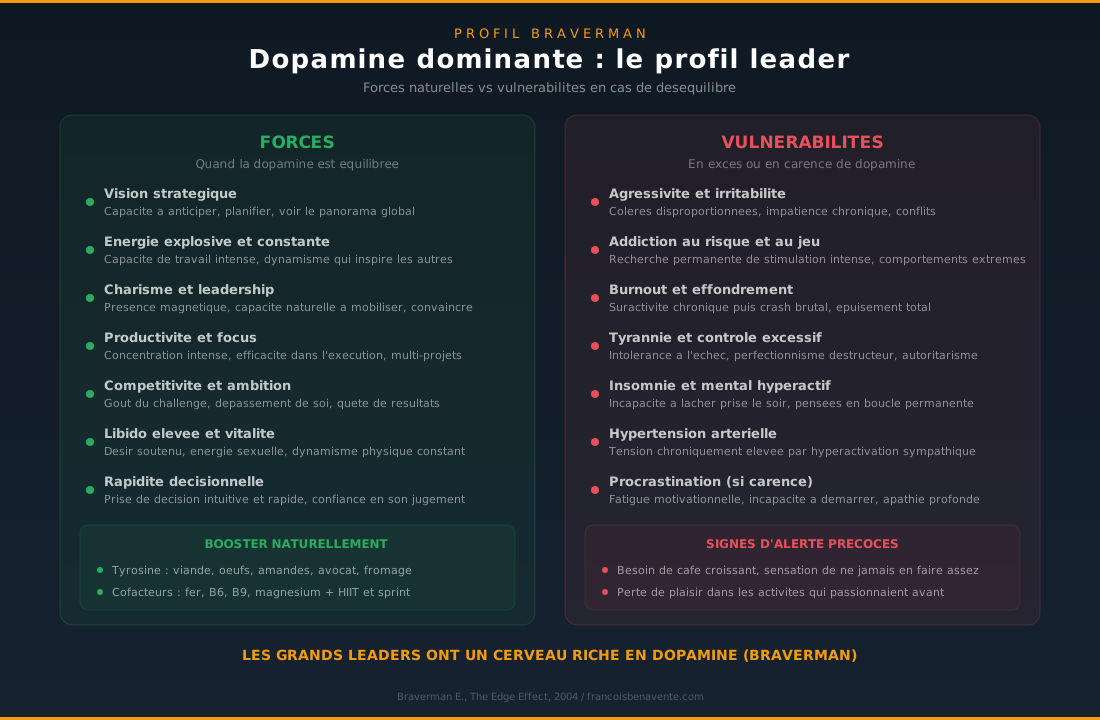
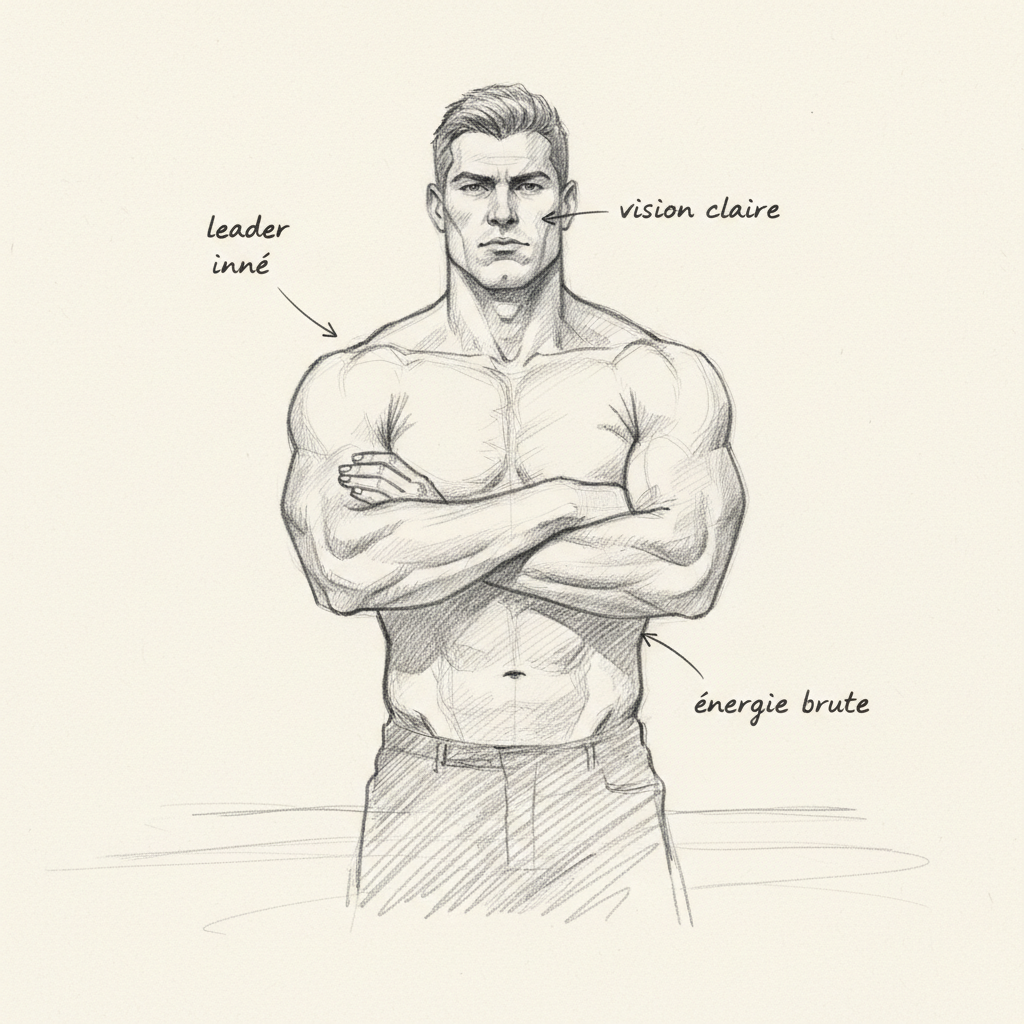
The portrait of the dopamine dominant
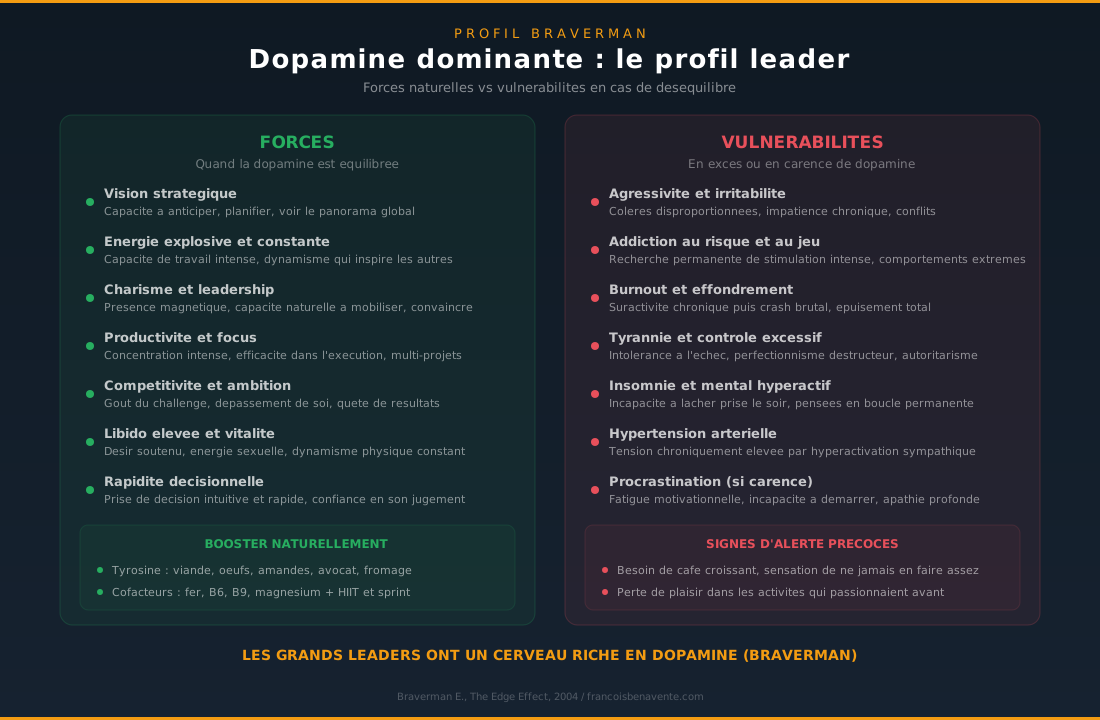
Energy is your signature. You wake up with momentum, you move through the day at high intensity, and you collapse in the evening like a switch being turned off. No gradual decline: a brutal ON/OFF. This energy comes from dopamine which stimulates the prefrontal cortex (decision-making, planning), the basal ganglia (motor action) and the mesolimbic reward circuit (motivation).
Decisiveness is another strength. Where others weigh the pros and cons, you cut through. You trust your instinct and you live with the consequences. In a crisis situation, you excel. Stress stimulates you instead of paralyzing you: dopamine is boosted by noradrenaline in emergency situations, and your brain is wired for it.
Strategic thinking comes naturally. You see situations like a chessboard. You anticipate others’ moves. You identify the levers, the weaknesses, the opportunities. Dopamine dominants are overrepresented among entrepreneurs, surgeons, trial lawyers, traders and elite athletes.
Your relationship with pleasure is intense. When you do something you enjoy, you dive in completely. You’re capable of fierce concentration on a subject that fascinates you. But you also lose interest just as quickly in what no longer stimulates you. Novelty attracts you, routine kills you.
When dopamine gets out of control
Excess dopamine is the dark side of the profile. Energy becomes agitation. Quick decision-making becomes impulsivity. Leadership becomes authoritarianism. The search for stimulation becomes addiction.
The workaholic is the classic trap of the dopamine dominant. You work fifteen hours a day, you never switch off, you sacrifice your health and relationships for the project. You only feel alive when you’re under pressure. Rest makes you anxious. Vacations make you irritable. You’re addicted to your own dopamine, and withdrawal (weekends, vacations) is unpleasant.
Addictive behaviors are a real risk. Excessive dopamine seeks increasingly intense outlets: alcohol, substances, gambling, risky behavior, infidelity. The overstimulated dopaminergic brain seeks the next “hit”: and ordinary stimulations are no longer enough.
Aggressiveness and intolerance of others are the relational symptoms. You’re harsh with those who don’t move fast enough. You interrupt. You dominate conversations. You can be brilliant in public and tyrannical in private. The partner and children of an excessive dopamine dominant often suffer from their intensity.
Balancing your dopamine nature
If your dopamine is balanced, maintain it. Intense physical exercise is your best ally: you’re made for competitive sports, strength training, physical challenges. Protein at breakfast (tyrosine) maintains your energy. Ambitious but achievable goals nourish your reward circuit without overstimulating it.
If your dopamine is in excess, slow it down. GABA is your complementary neurotransmitter: it’s the brake your accelerator is missing. Magnesium bisglycinate at dinner, L-theanine (200 mg), taurine (1 g) and valerian temper dopaminergic excitement. Yoga, meditation, contemplative activities (gardening, slow cooking, nature walks) teach you to slow down without getting bored.
Serotonin is your other balancing lever. If dopamine pushes you to act, serotonin allows you to appreciate what you already have. Tryptophan at dinner (turkey, banana, dark chocolate) with slow carbohydrates promotes serotonin and calms the nocturnal dopamine race.
If your dopamine crashes, that’s the subject of my article on dopamine deficiency. Tyrosine, mucuna pruriens, cofactors B6/iron/vitamin C and cleaning up artificial stimulations (sugar, screens, excessive caffeine) are the priorities.
The most common mistake of the dopamine dominant is believing you can function indefinitely at full power. Burnout is your occupational disease. Your adrenals are your Achilles heel. You push your machine until it breaks: and when a dopamine dominant collapses, they collapse completely. Learning to recover BEFORE exhaustion is the hardest lesson for you. And the most important.
To identify your dominant nature, take the Braverman dopamine test. Compare with the acetylcholine, GABA and serotonin profiles.
To go further
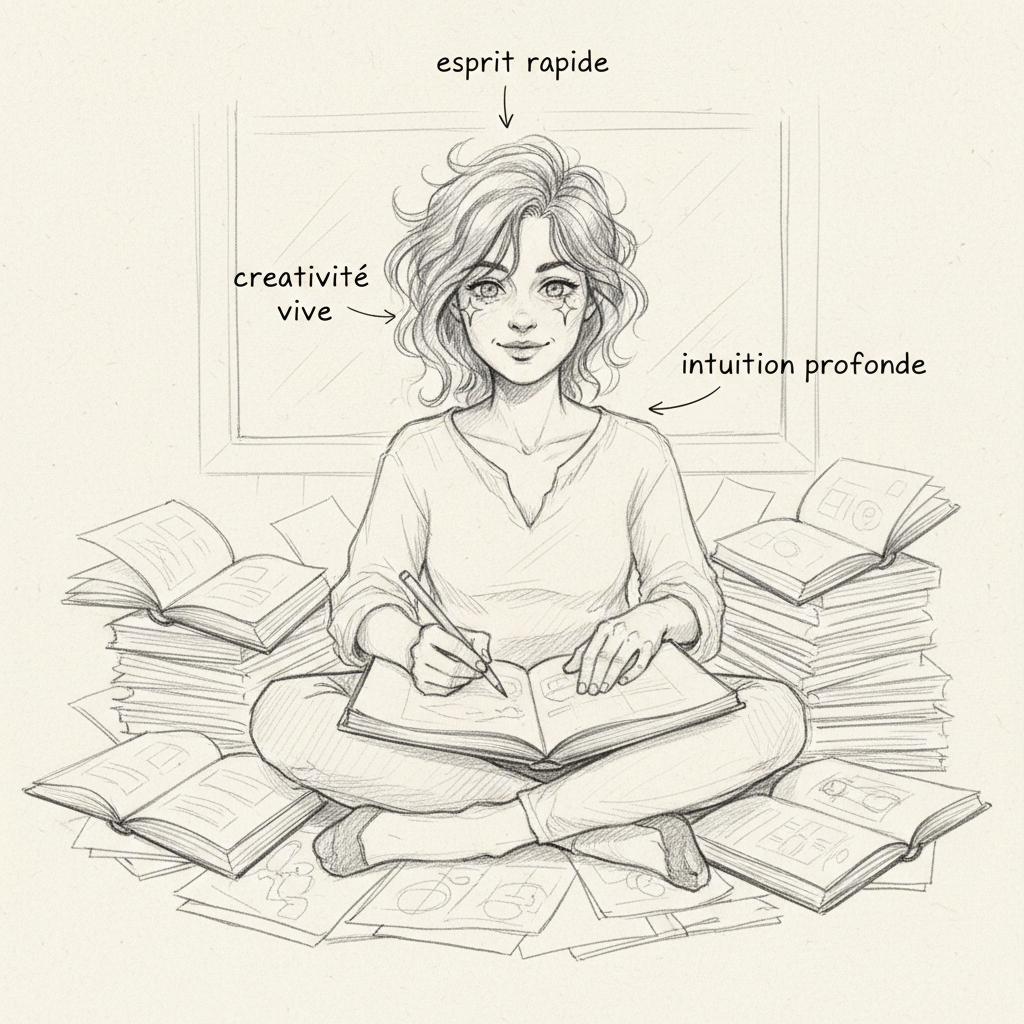
- Acetylcholine nature: the creative and intuitive profile according to Braverman
- The Braverman method: your brain in 4 neurotransmitters
- GABA nature: the stable and organized profile according to Braverman
- Serotonin nature: the harmonious and pragmatic profile according to Braverman
Want to assess your status? Take the free Braverman dopamine deficiency questionnaire in 2 minutes.
Sources
- Braverman, Eric R. The Edge Effect. Sterling Publishing, 2004.
- Curtay, Jean-Paul. Nutrithérapie: bases scientifiques et pratique médicale. Testez Éditions, 2016.
If you want personalized support, you can book a consultation.

Laisser un commentaire
Sois le premier à commenter cet article.