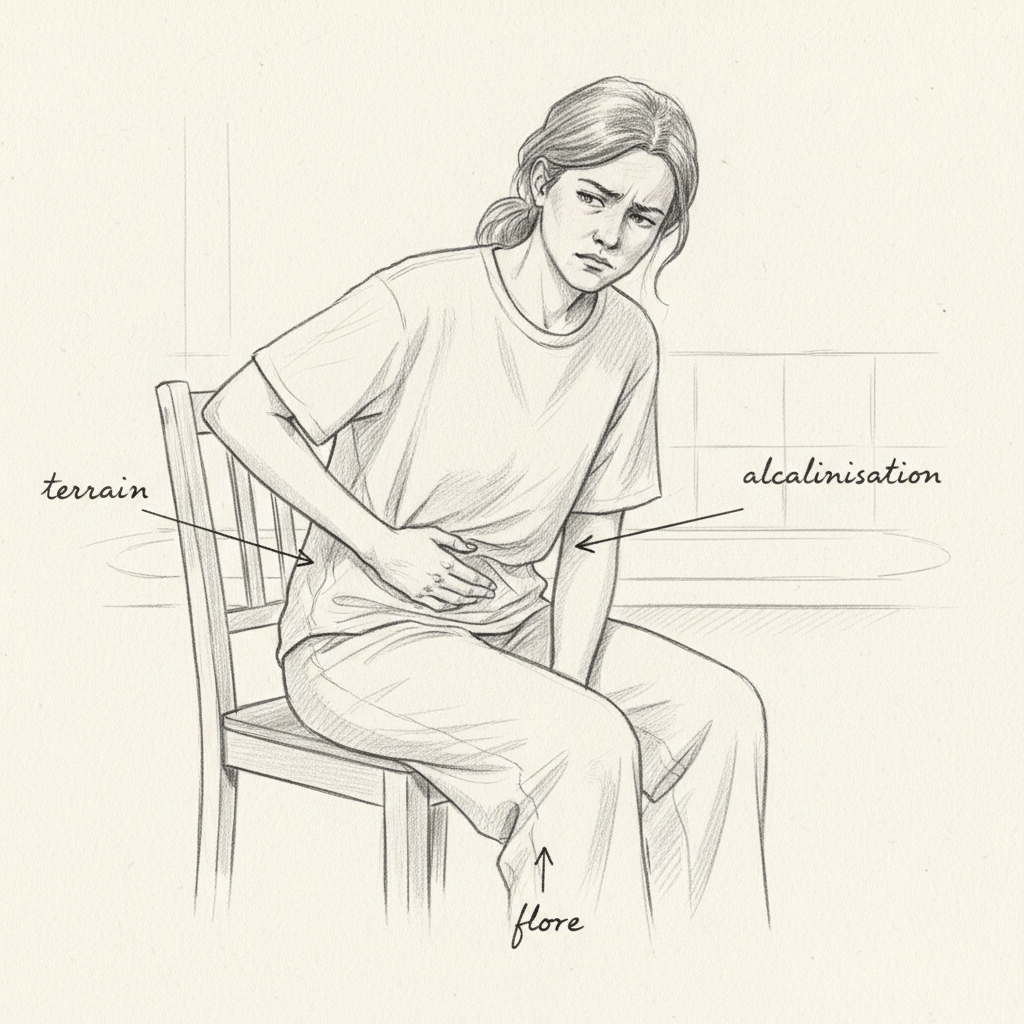
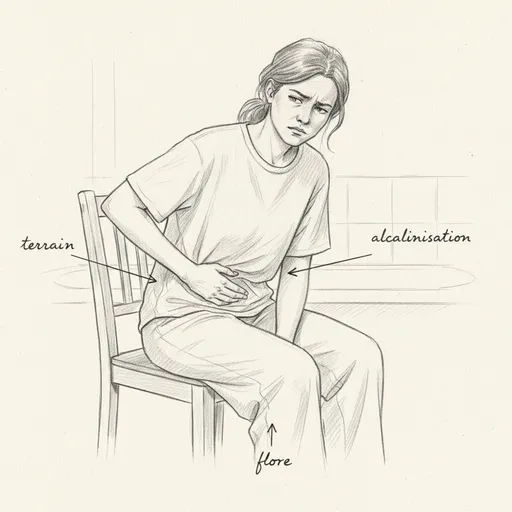
Her name is Sophie, she was 38 years old, and when she sat down across from me, she told me she had suffered from seven urinary tract infections in one year. Seven episodes of painful urination, urinary urgency, shortened nights rushing to the bathroom. Seven rounds of antibiotics. And each time, the same scenario: symptoms disappear within 48 hours, then everything starts again three to six weeks later. Her doctor had prescribed long-term prophylactic antibiotic therapy. She refused. She wanted to understand why her body kept producing urinary tract infections.
Cystitis is inflammation of the bladder, most often of bacterial origin. Escherichia coli is responsible for more than 90% of cases1, followed by Proteus mirabilis. These enterobacteria come from the intestine. They travel up the urethra (shorter in women, which explains the ten times higher frequency in women) and colonize the bladder wall. Medicine treats the infection. Naturopathy asks why this infection keeps recurring. And the answer lies in the terrain.
“Every disease is born from an obstruction of the main emunctory.” Alexandre Salmanoff
Recurrent cystitis (more than four episodes per year) is not a lack of antibiotics. It is a signal of imbalanced terrain: metabolic acidosis, intestinal dysbiosis, immune deficiency, inappropriate diet, chronic stress, insufficient lifestyle habits. Antibiotics worsen the problem by destroying protective intestinal and vaginal flora, creating a vicious cycle: antibiotic → dysbiosis → relapse → antibiotic.
The paradox of urinary pH: when acidosis hides behind alkalinity
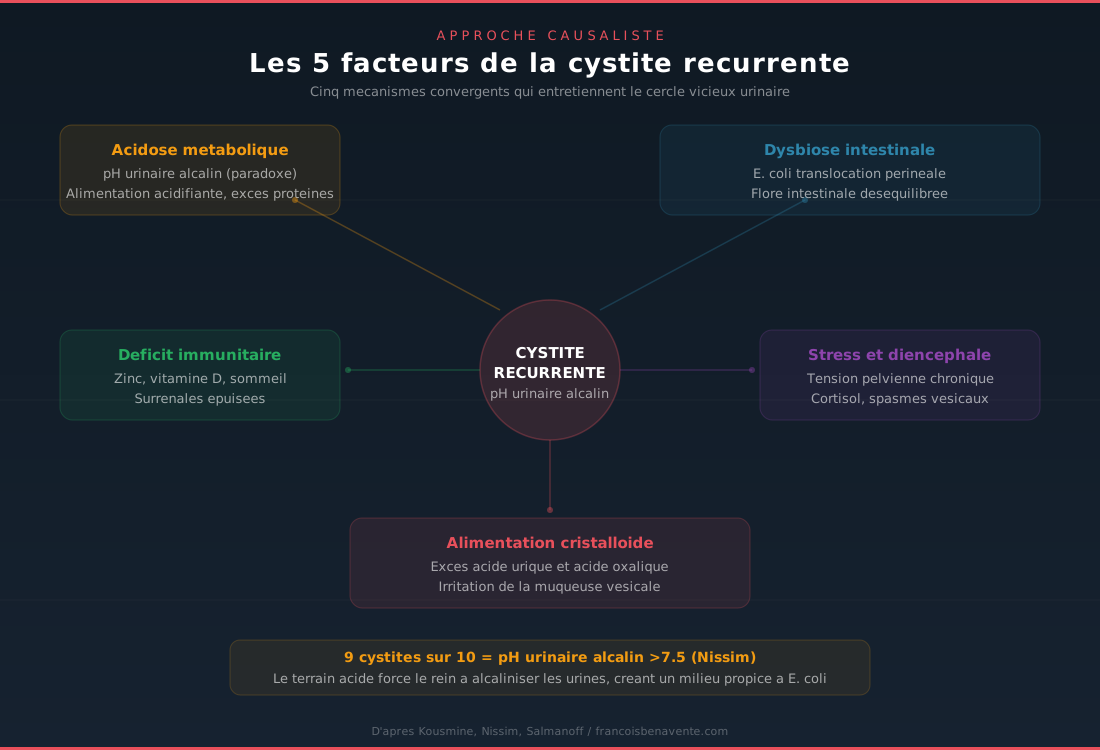
This is the key to understanding that conventional medicine ignores. Rina Nissim observes in her practice that 9 out of 10 cystitis cases occur with alkaline urinary pH, above 7.5. This is counterintuitive: one would expect acidic urine to burn and promote infection. But it’s the opposite.
Catherine Kousmine explained this paradox decades ago. Excess metabolic acidosis (that is, an excess of acids in the blood and tissues) pushes the kidneys to overcompensate by massively excreting bases in the urine. This is a buffering mechanism: the body, overwhelmed by acids, mobilizes its alkaline reserves (bicarbonates, phosphates, calcium, magnesium) to maintain blood pH within its narrow vital range (7.32 to 7.42). This renal overcompensation produces alkaline urine, in which bacteria proliferate much more easily.
The solution, therefore, is not to acidify the urine (which would worsen the burning). It is to correct the underlying metabolic acidosis through diet, drainage, and lifestyle habits. When the terrain becomes less acidic, the kidneys no longer need to overcompensate, urinary pH normalizes, and bacteria lose their proliferation ground.
The sources of this acidosis are multiple. Exogenous sources: diet rich in animal proteins (red meat, processed meats), refined grains, sugars, coffee, alcohol, sodas. Endogenous sources: chronic stress (the cortisol acidifies tissues), sedentary lifestyle (defective CO2 elimination by the lungs), lack of sleep, constipation (reabsorption of acidic waste by the colon). Nathan Walker added crystalloids: uric acid from meat, oxalic acid from cooked spinach and rhubarb.
The five roots of cystic terrain
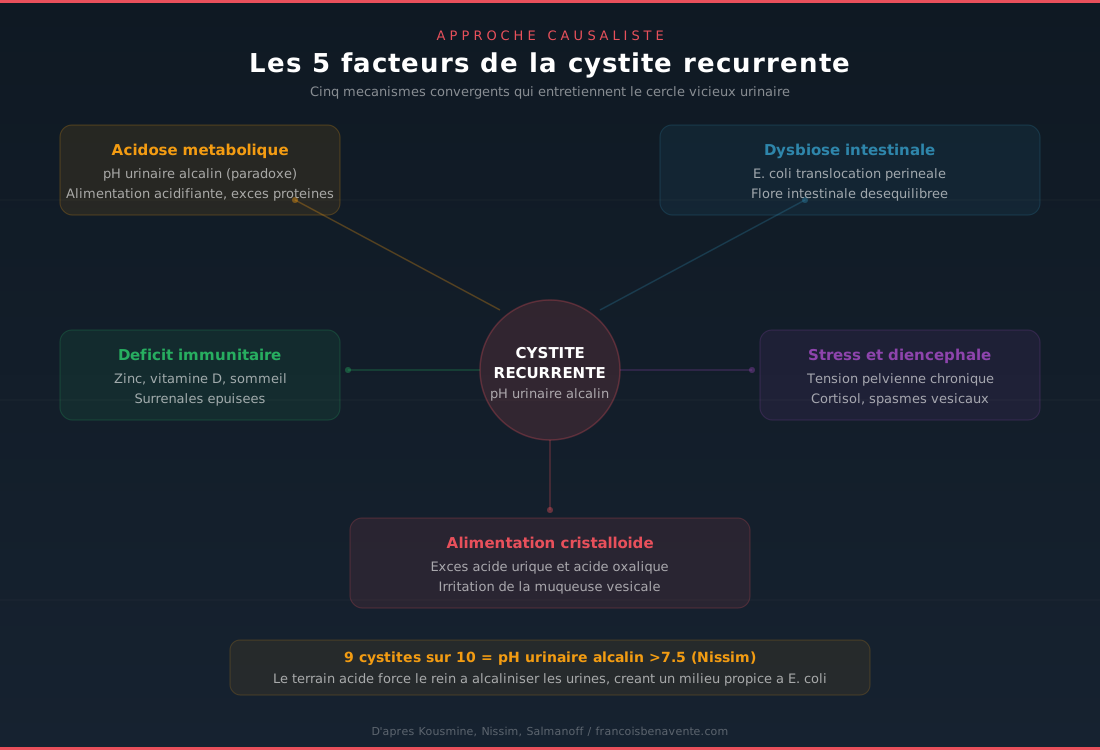
The first root is metabolic acidosis that I just described. It is the foundation of the terrain. Without dietary correction, everything else is just a band-aid.
The second root is intestinal dysbiosis. E. coli comes from the intestine. If intestinal flora is imbalanced (excess pathogenic bacteria, deficit of protective Lactobacilli and Bifidobacteria), enterobacteria proliferate and colonize the perineum then the bladder. Antibiotics, contraceptive pills, stress, fiber-poor diet rich in sugars promote this dysbiosis. It’s a vicious cycle: dysbiosis produces cystitis, antibiotics for cystitis worsen the dysbiosis.
The third root is local and general immune deficiency. Mucosal immune system is the first line of defense against uropathogenic bacteria. Zinc is the major cofactor of mucosal immunity. Vitamin D modulates the production of cathelicidins, natural antimicrobial peptides2. Sleep is fundamental: a single night of 4 hours of sleep destroys 70% of NK cells3 (natural killer), as Michael Irwin demonstrated. And adrenal fatigue weakens immunity at all levels.
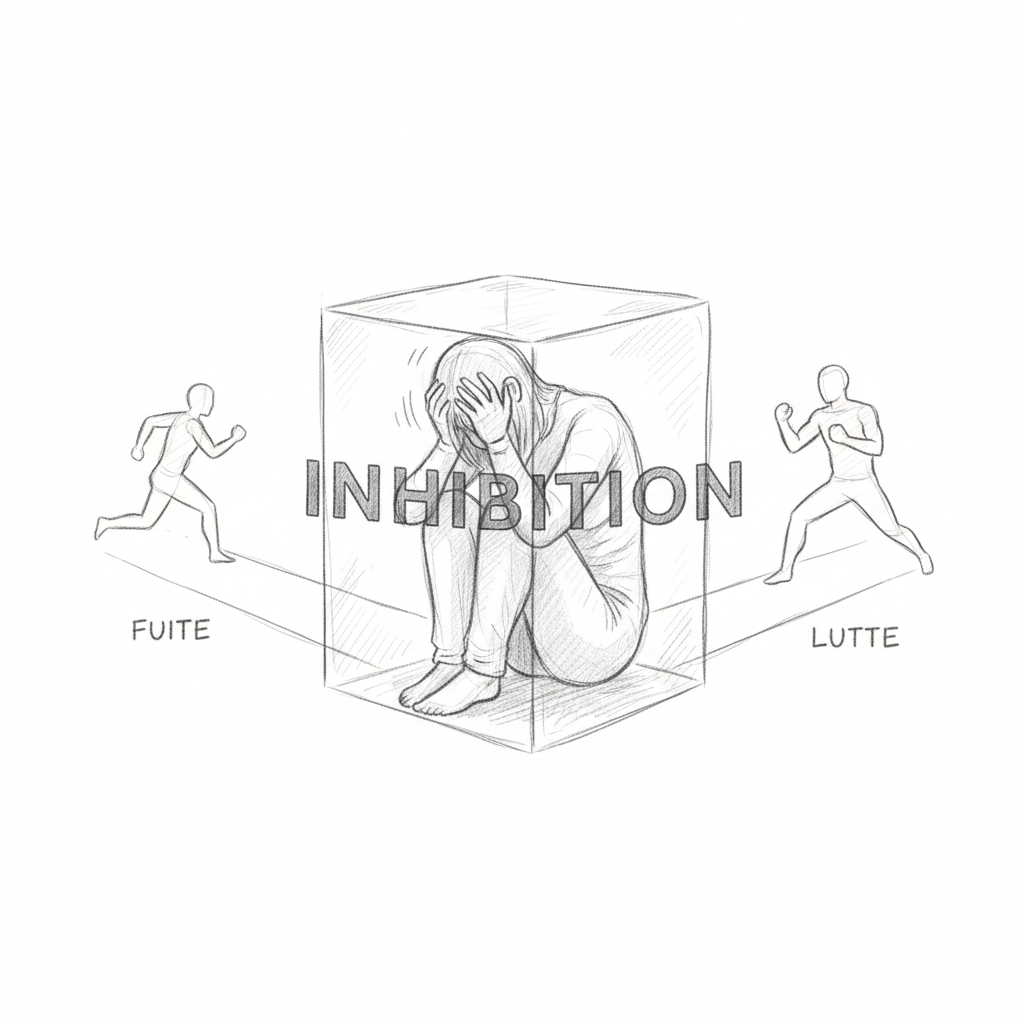
The fourth root is stress and the diencephalon. Marchesseau always placed diencephalic liberation first in his protocols. Chronic stress contracts pelvic floor muscles, reduces local vascularization, acidifies tissues, and depresses immunity. Post-coital cystitis (triggered by sexual intercourse) often has a component of chronic pelvic muscle tension as much as mechanical factors.
The fifth root is crystalloid diet. Certain foods produce crystals that irritate urinary and bladder mucous membranes. Asparagus, watercress, tomato, sorrel are rich in oxalic acid. Excess animal protein produces uric acid. Shellfish, organ meats, excess fatty fish and brewer’s yeast increase crystalloid load. Conversely, root vegetables (radishes, celery, carrots), potatoes, sweet potato, buckwheat, and chestnuts are alkalinizing and protective.
The three-level protocol
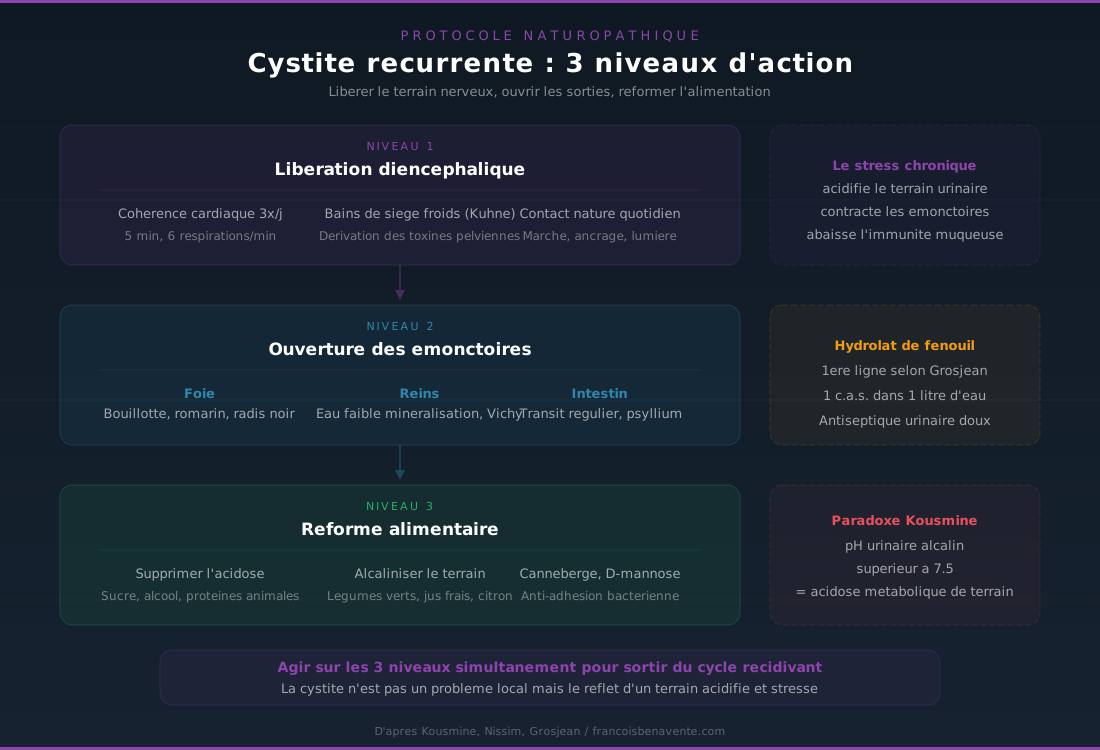
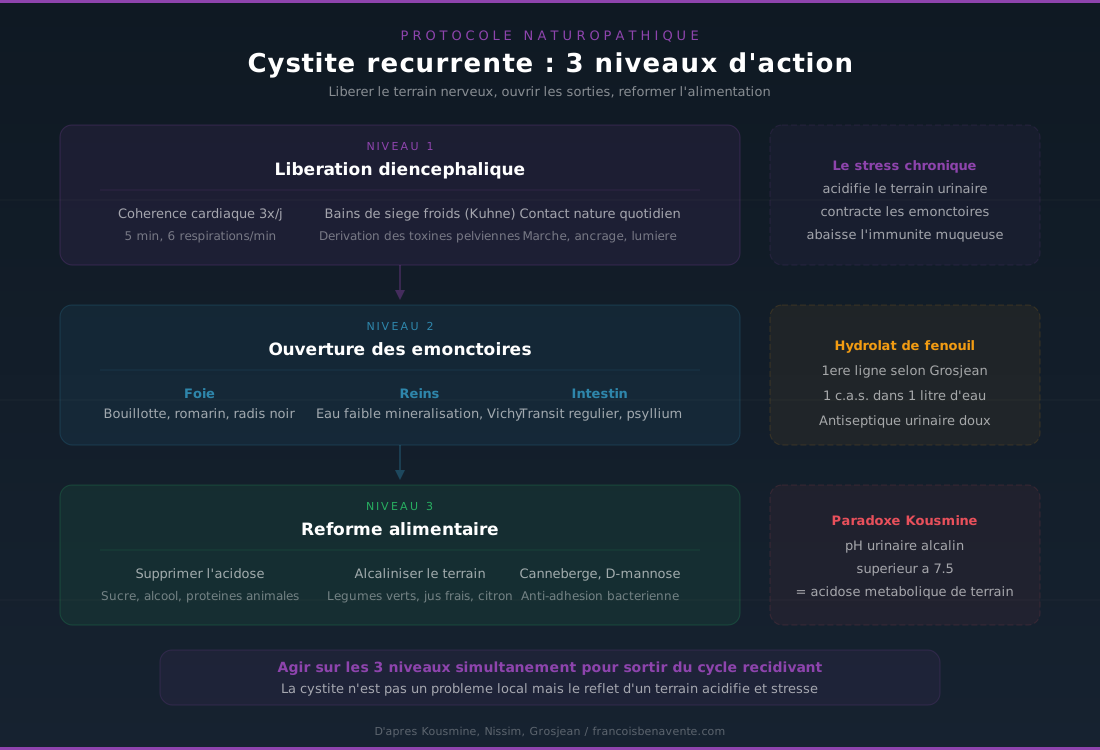
The naturopathic protocol for recurrent cystitis borrows Marchesseau’s three-level logic: complementary and progressive.
The first level is the liberation of the diencephalon. This may seem strange for a urinary infection, but it’s the foundation. Chronic stress maintains an inflammatory and immunosuppressed terrain. Cardiac coherence (5 minutes, 3 times per day, 6 breaths per minute) rebalances the autonomic nervous system. Cold sitz baths (Dr. Kühne’s method, twice daily, cold water on the perineal area for 5 to 10 minutes) are a powerful tool for pelvic decongestion and vagus nerve stimulation. Kühne taught that the cold sitz bath is the universal remedy because it acts on the vital center of the pelvis. And contact with nature (forest walks, sea baths when possible, sun exposure) restores circadian rhythms and supports immunity.
The second level is opening of the emunctories. The liver first: a hot water bottle after each meal stimulates liver function, bile production, and detoxification. Rosemary, ginger, turmeric in herbal tea or in cooking support liver work. The intestine next: if constipation is present, it must be resolved (stagnant stools are a reservoir of E. coli near the urethra). Psyllium seeds, magnesium, adequate hydration, and regular movement restore transit. The kidneys: lightly mineralized water (Mont Roucous, Volvic) at 1.5 to 2 liters per day, away from meals, dilutes urine and reduces bacterial concentration. The Vichy cure (Vichy Saint-Yorre water, 1 glass in the morning on an empty stomach) provides bicarbonates that support deacidification.
The third level is dietary reform. Eliminate sources of acidosis: excessive animal proteins, refined grains, sugars, coffee, alcohol. Increase alkalinizing foods: green vegetables and roots, potatoes, sweet potato, buckwheat, chestnuts, aromatic herbs (thyme, cinnamon, clove, savory, all antiseptic). Introduce pumpkin seeds (zinc) with each meal. And establish the vegetable juice cure: radish, carrot, raw spinach (oxalic acid is destroyed by cooking, not by raw), celery. Lithothamne (calcareous algae) is a powerful alkalinizer that can be added to smoothies or green juices.
Fennel hydrolat: the first naturopathic line
Nelly Grosjean, pioneer of aromatherapy in France, affirms that fennel hydrolat stops cystitis. This is a strong claim, but clinical experience confirms it. Fennel hydrolat (Foeniculum vulgare) has gentle urinary antiseptic, anti-inflammatory, diuretic, and carminative properties. Take it at the first signs of burning: one tablespoon in a large glass of water, 3 to 4 times per day. In combination with sodium bicarbonate (half a teaspoon in water, 2 to 3 times per day), it offers rapid first relief.
Cranberry (Vaccinium macrocarpon) is the best-documented prevention tool. Its A-type proanthocyanidins (PAC-A) prevent E. coli fimbriae (pili) from adhering to the uroepithelium4. Without adhesion, no colonization. The effective dose is 36 mg of PAC-A per day5, in concentrated extract. Commercial cranberry juice, diluted and sweetened, is insufficient. Red berries (blueberries, lingonberries) as daily snacks provide additional proanthocyanidins.
D-mannose is a simple sugar that the body barely absorbs. It is excreted in urine where it binds to E. coli fimbriae, preventing bacterial adhesion through competition6. It is a natural urinary anti-adhesive, with no side effects. The dose is 2 grams diluted in water, 3 times per day in acute phase, then 2 grams per day for prevention.
Complementary tools
Cabbage poultice on the pelvic area (green cabbage leaves, flattened with a rolling pin, applied to the lower abdomen under cloth, 2 hours) is a powerful and free local anti-inflammatory. Green clay poultice on the lower abdomen (2 to 3 cm thick, 1 hour) drains local inflammation.
Diaphragm mobilization (deep abdominal breathing, yoga, Pilates) decongests the pelvis by improving venous and lymphatic return. Gentle outdoor exercise (walking, swimming) is an emunctory in itself that stimulates perspiration, respiration, and transit.
Daily turmeric and ginger herbal tea (anti-inflammatory and antiseptic), cinnamon (glycemic regulator and urinary antiseptic), thyme (powerful antibacterial) complete the terrain pharmacopeia. And rectal enema (enema bag, 1.5 liters of warm water with one tablespoon of Himalayan salt) discharges excess bacteria from the intestine and mechanically reduces the E. coli reservoir near the urethra.
What naturopathy does not do
Naturopathy supports recurrent cystitis. It does not treat acute febrile cystitis. If you have fever (above 38.5°C), lower back pain, blood in urine, or chills, this is a medical emergency: it could be pyelonephritis (kidney infection) requiring urgent antibiotics and sometimes hospitalization. UCBE (urine culture and sensitivity test) is essential for any cystitis that does not respond to natural measures within 48 hours.
Recurrent cystitis in postmenopausal women often has a component of mucosal dryness related to estrogen decline, which the menopause protocol addresses. Dr. Mouton reminds us that recurrent cystitis in menopause is often more inflammatory than infectious, linked to deficient mucosal lubrication7.
Based in Paris, I consult via video throughout France. You can book an appointment for personalized support.
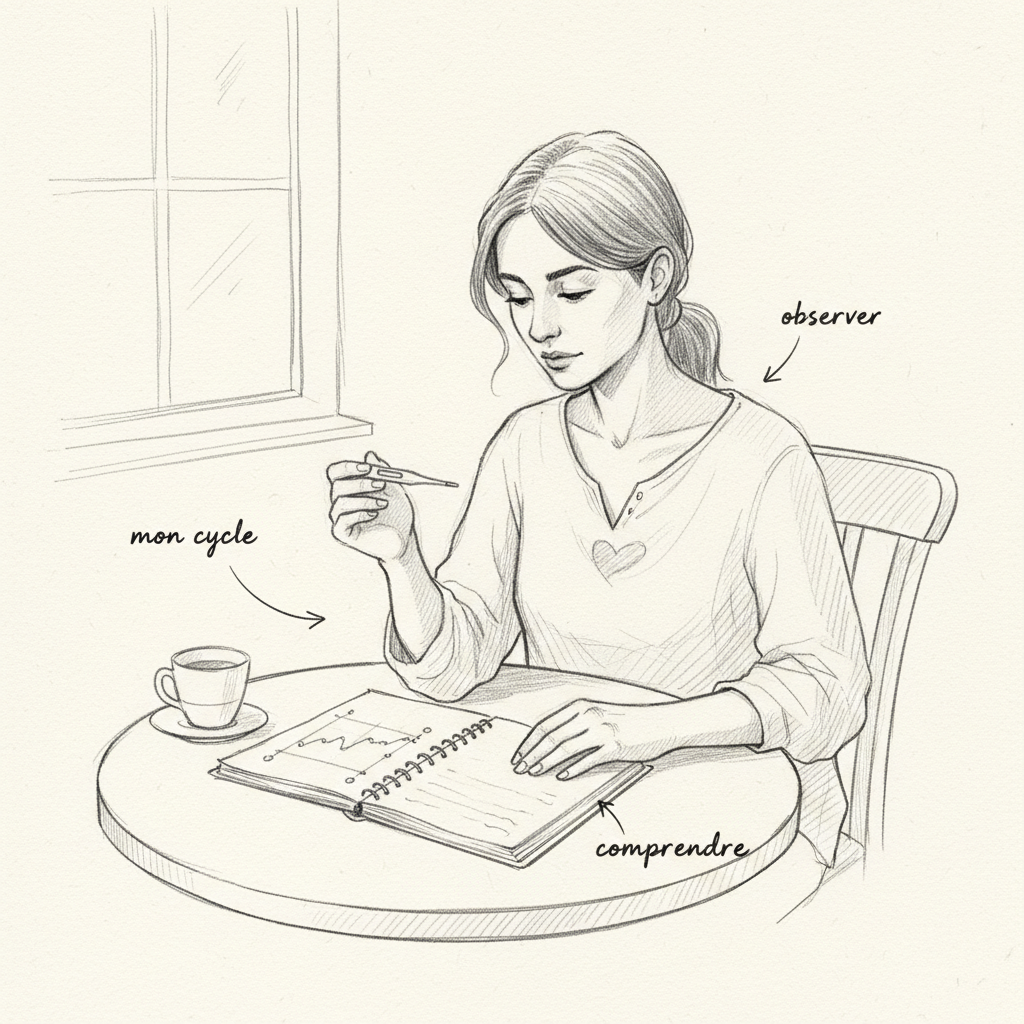
Recurrent cystitis is not inevitable. It is a signal from the terrain. When you correct the acidosis, restore the flora, support immunity, and clean the emunctories, the body recovers its natural defenses. And bacteria, deprived of their proliferation ground, stop coming back.
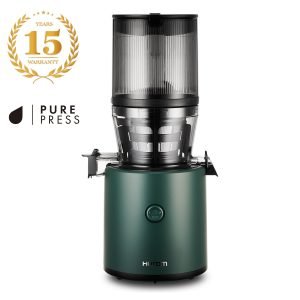
For recurrent cystitis, Sunday Natural offers bisglycinate magnesium, zinc, and pharmaceutical-grade vitamin D3 (-10% with code FRANCOIS10). And a Hurom extractor facilitates the preparation of alkalinizing vegetable juices from the protocol (-20% with code francoisbenavente20). Find all my partnerships with exclusive promo codes.
Scientific references
If you want personalized support, you can book a consultation.
To go further
- Acetylcholine nature: the creative and intuitive profile according to Braverman
- Aldosterone: the forgotten hormone of your blood pressure and salt
- Breastfeeding: the maternal depletion that no one compensates
- Basedow and heart: calming the cardiac storm
Sources
- Kousmine, Catherine. Soyez bien dans votre assiette jusqu’à 80 ans et plus. Tchou, 1980.
- Nissim, Rina. Mamamelis: manuel de gynécologie naturopathique. Mamamélis, 1994.
- Grosjean, Nelly. L’aromathérapie: se soigner par les huiles essentielles. Eyrolles, 2007.
- Salmanoff, Alexandre. Secrets et sagesse du corps. La Table Ronde, 1958.
“The terrain is everything, the microbe is nothing.” Antoine Béchamp
Footnotes
-
Foxman, B., “Urinary tract infection syndromes: occurrence, recurrence, bacteriology, risk factors, and disease burden,” Infectious Disease Clinics of North America 28, no. 1 (2014): 1-13. PMID: 24484571. ↩
-
Gombart, A.F. et al., “Human cathelicidin antimicrobial peptide (CAMP) gene is a direct target of the vitamin D receptor and is strongly up-regulated in myeloid cells by 1,25-dihydroxyvitamin D3,” The FASEB Journal 19, no. 9 (2005): 1067-1077. PMID: 15985530. ↩
-
Irwin, M. et al., “Partial night sleep deprivation reduces natural killer and cellular immune responses in humans,” The FASEB Journal 10, no. 5 (1996): 643-653. PMID: 8621064. ↩
-
Jepson, R.G. et al., “Cranberries for preventing urinary tract infections,” Cochrane Database of Systematic Reviews 2023, no. 4 (2023): CD001321. PMID: 37068952. ↩
-
Howell, A.B. et al., “A-type cranberry proanthocyanidins and uropathogenic bacterial anti-adhesion activity,” Phytochemistry 66, no. 18 (2005): 2281-2291. PMID: 16055161. ↩
-
Kranjčec, B. et al., “D-mannose powder for prophylaxis of recurrent urinary tract infections in women: a randomized clinical trial,” World Journal of Urology 32, no. 1 (2014): 79-84. PMID: 23633128. ↩
-
Raz, R. and Stamm, W.E., “A controlled trial of intravaginal estriol in postmenopausal women with recurrent urinary tract infections,” The New England Journal of Medicine 329, no. 11 (1993): 753-756. PMID: 8350884. ↩
Laisser un commentaire
Sois le premier à commenter cet article.