Amina is twenty-nine years old, with PCOS diagnosed at twenty-two, and a medical journey that resembles a labyrinth. Her gynecologist put her on the pill at twenty-two (to “regulate” her forty-five-day cycles). When she stopped the pill at twenty-six to try to conceive, her cycles disappeared. No periods for six months. Her endocrinologist prescribed metformin (for insulin resistance) which caused unbearable nausea and diarrhea for three months. She stopped it. She was offered clomiphene to stimulate ovulation. It didn’t work. She arrived in my office desperate, with a BMI of 26, elevated free testosterone, fasting insulin at 18 mIU/L (moderate resistance), and ovaries filled with small blocked follicles on ultrasound.
I started with a simple approach: 4 grams of myo-inositol powder in a glass of water, morning and evening. Combined with 200 micrograms of selenium (her TSH was borderline high at 3.4 with anti-TPO antibodies at 65, subclinical Hashimoto’s that no one had investigated). And a low glycemic index diet.
Three months later, her cycles returned to thirty-two days. Six months later, she was ovulating (confirmed by temperature curve and progesterone at day 21). A year later, she was pregnant. Naturally. Without clomiphene. Without IVF. With a molecule that no one had proposed to her in seven years of medical care.
Inositol: the forgotten pseudo-vitamin
Inositol was formerly classified as vitamin B8. It lost this status when it was discovered that the body could synthesize it from glucose. But this endogenous synthesis is often insufficient, especially in people with disrupted glucose metabolism (insulin resistance, type 2 diabetes, PCOS), intestinal malabsorption (celiac disease, SIBO), or a diet poor in inositol sources.
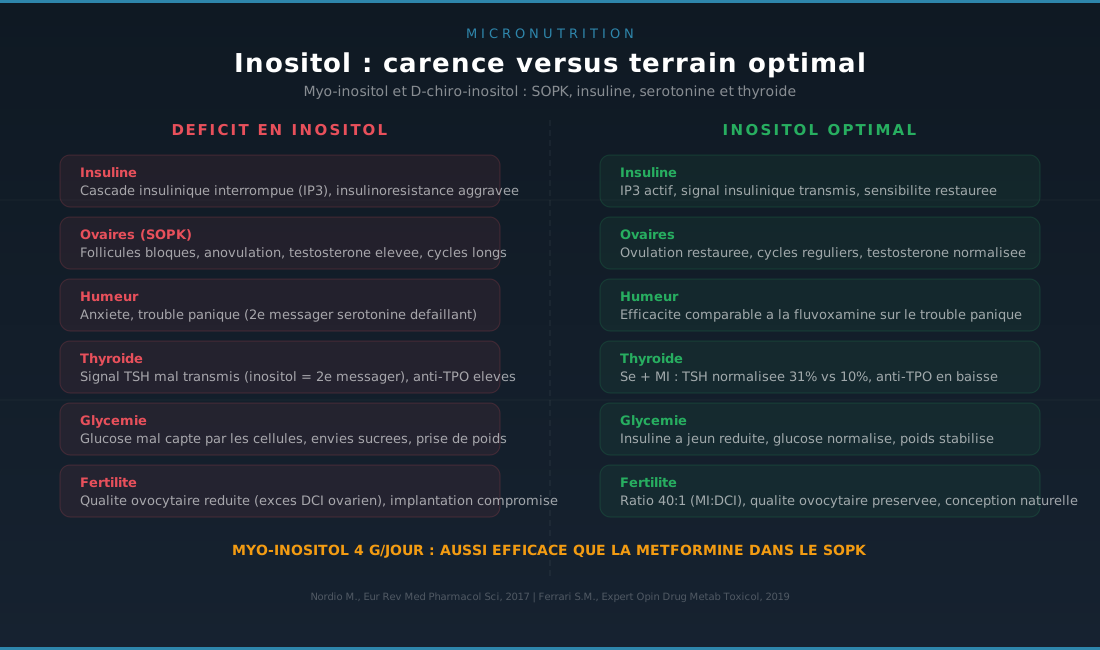
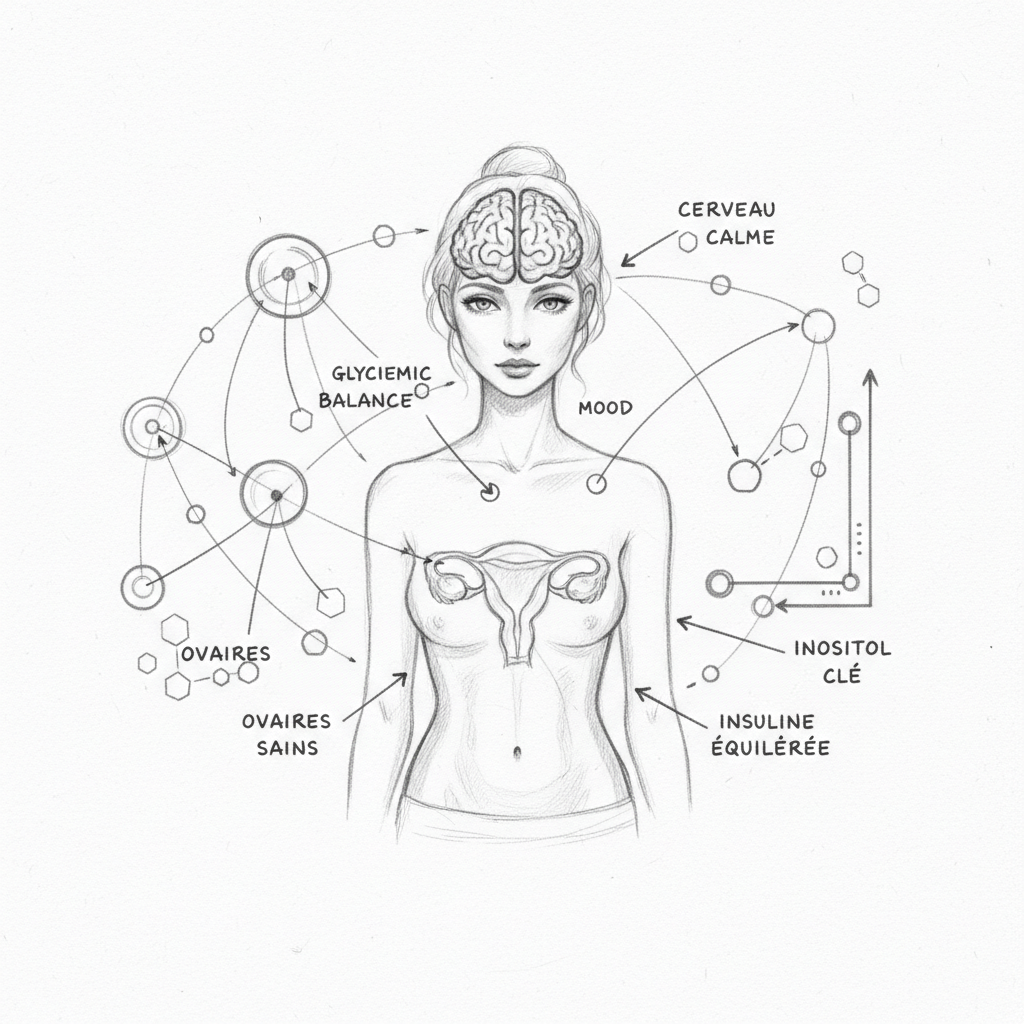
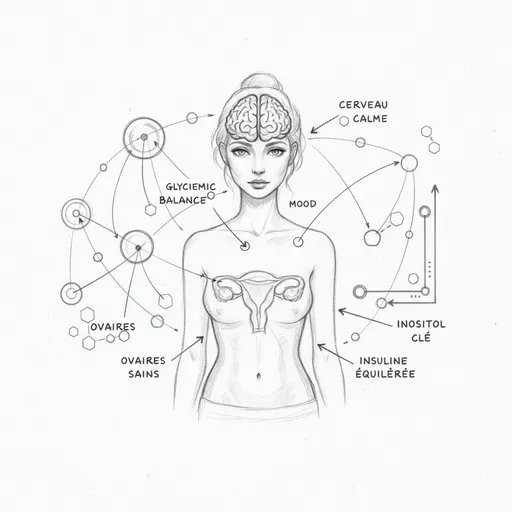
There are nine forms (stereoisomers) of inositol. The two most studied are myo-inositol (MI) which represents 99% of body inositol, and D-chiro-inositol (DCI) which represents approximately 1%. The body converts MI to DCI via an enzyme called epimerase, and this conversion is regulated by insulin. This is a crucial detail for understanding why insulin resistance disrupts inositol: when insulin functions poorly, the MI→DCI conversion is impaired, creating a DCI deficit in muscles and the liver, and paradoxically an excess of DCI in the ovaries (where it interferes with follicle maturation).
Inositol and insulin signaling
The main role of myo-inositol is that of an intracellular second messenger. When insulin binds to its cellular receptor, it triggers a signaling cascade in which inositol phosphate (IP3) is a key link. IP3 opens intracellular calcium channels, which activates the enzymes necessary for glucose entry into the cell.
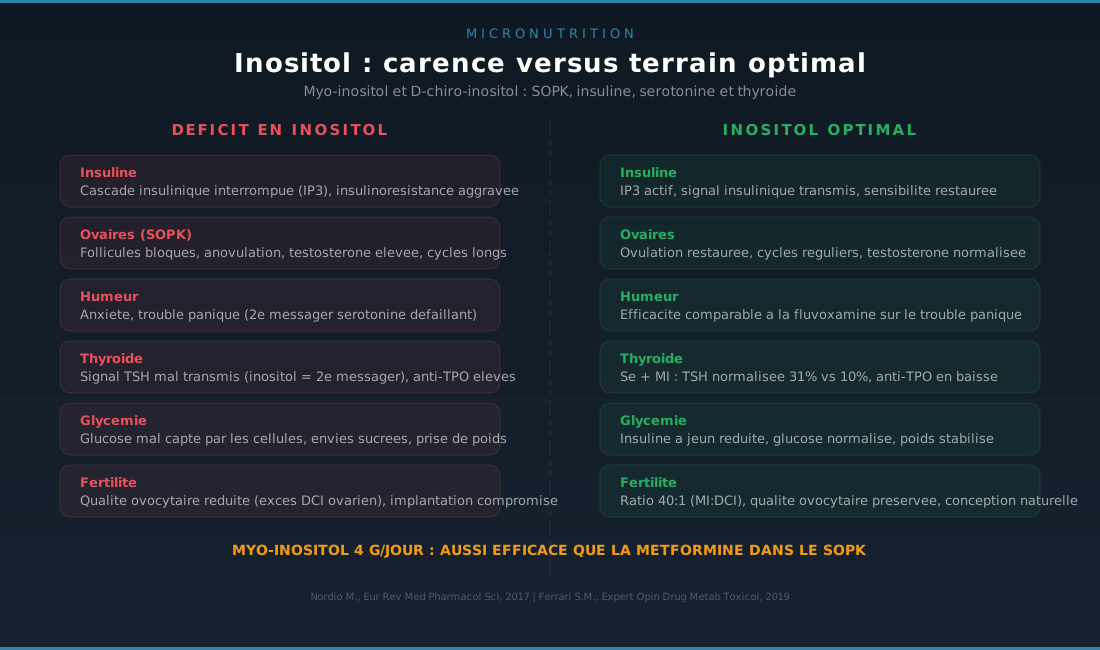
Without sufficient inositol, the insulin cascade is interrupted. The cell “does not hear” the insulin signal even if insulin is present in normal quantity. This is a mechanism of insulin resistance that is distinct from the classic mechanism (reduction in the number of receptors) and explains why some insulin-resistant people do not respond well to metformin but do respond to myo-inositol.
Studies on PCOS are the most numerous and most convincing. A 2017 meta-analysis of twelve randomized trials concluded that myo-inositol at 4 g per day significantly reduces fasting insulin, free testosterone, LH, and improves ovulation in PCOS women, with efficacy comparable to metformin and significantly superior tolerability.
Inositol and thyroid: the duo with selenium
Two recent controlled studies have opened a new therapeutic avenue for Hashimoto’s. The Nordio and Basciani study (2017, PMID 28293260) showed that the combination of selenium 83 mcg + myo-inositol 600 mg for six months significantly reduced TSH and anti-TPO antibodies in Hashimoto’s patients with subclinical hypothyroidism, compared to selenium alone. The Ferrari study (2019, PMID 31680956) confirmed these results with TSH normalization in 31% of patients in the combined group versus 10% in the selenium-only group.
The mechanism is elegant. TSH, when it binds to thyroid cells, uses inositol phosphate as a second messenger to transmit its intracellular signal. Without sufficient inositol, thyroid cells respond less well to TSH, even when TSH is elevated. This is a form of “TSH resistance” analogous to insulin resistance. Supplementing with inositol restores thyroid cell sensitivity to TSH, which allows TSH to be lowered without increasing Levothyroxine.
This is a concept I now systematically integrate into my thyroid protocols, in addition to the classic cofactors I detailed in my article on thyroid and micronutrition.
Inositol and mood: the serotoninergic modulator
Myo-inositol is involved in serotonin signaling (via 5-HT2 receptors) and in neurotransmitter signal transduction in general. Clinical studies have shown impressive results in panic disorder, obsessive-compulsive disorder (OCD) and depression, with high doses of 12 to 18 g per day.
The Benjamin study (1995) compared myo-inositol (12 g/day) to fluvoxamine (an SSRI) in panic disorder. Both were equally effective at reducing the frequency and intensity of panic attacks, but myo-inositol had significantly fewer side effects (no nausea, no weight gain, no sexual dysfunction, no withdrawal syndrome).
For thyroid patients who suffer from anxiety (and there are many, because hypothyroidism reduces serotonin and GABA), myo-inositol is a remarkable therapeutic option that can be combined without issue with Levothyroxine and most nutritional supplements.
The protocol in practice
For PCOS and insulin resistance: myo-inositol 2 g morning and evening (4 g total), ideally as powder dissolved in water (better absorption than capsules). Combine with D-chiro-inositol 100 mg per day if available (40:1 ratio). Minimum duration: six months. Combine with low glycemic index diet and exercise (strength training as priority to improve insulin sensitivity).
For thyroid (subclinical Hashimoto’s): myo-inositol 600 mg + selenium 83 to 200 mcg per day. This is the dosage from the studies that showed a reduction in TSH and antibodies. Duration: minimum six months, with blood tests at three and six months.
For anxiety and mood disorders: myo-inositol 12 to 18 g per day as powder, divided into two to three doses. Start with 2 g and increase by 2 g every three days to avoid digestive effects. Effects appear in four to six weeks. Can be combined with magnesium and P5P for a synergistic effect.
Caution
Myo-inositol is remarkably safe. It is classified as GRAS (Generally Recognized As Safe) by the FDA and presents no known toxicity at recommended doses. However, people taking metformin or insulin should inform their doctor as inositol can potentiate the hypoglycemic effect and may require a dose adjustment.
Bipolar patients should be cautious with high doses (above 12 g) as inositol can theoretically trigger a manic episode by increasing serotonergic sensitivity. This risk is theoretical and has been reported only rarely, but caution is advised.
Curtay, in his nutritherapy practice, classifies inositol among “third generation nutrients,” those that do not act as simple nutritional building blocks but as modulators of cellular signaling. “Inositol does not nourish. It informs. It restores communication between cells and their hormones.” It is this property that makes it a unique tool, at the intersection of thyroid, insulin, and brain.
Want to evaluate your status? Take the free Hertoghe estrogen questionnaire in 2 minutes.
If you want personalized support, you can book a consultation.
To go further
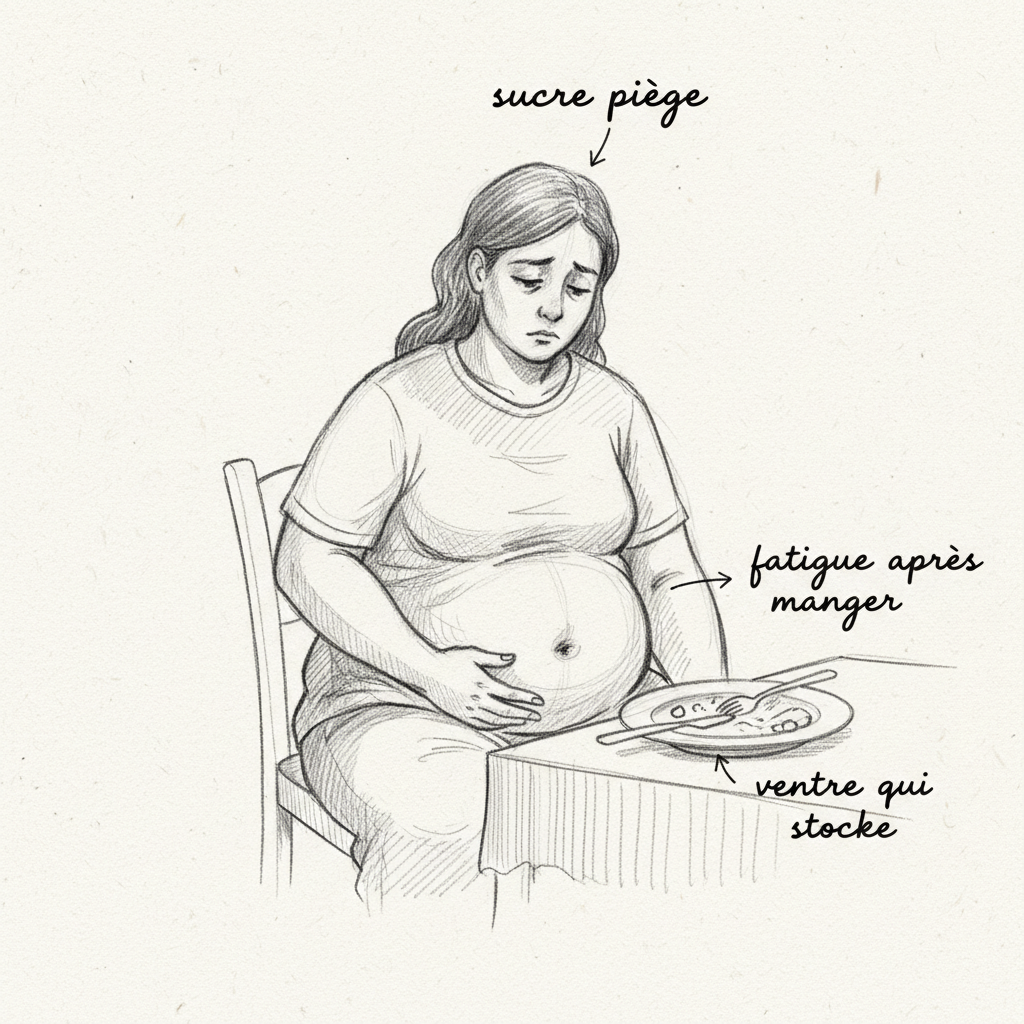
- Hyperinsulinism: when excess insulin makes you gain weight and feel tired
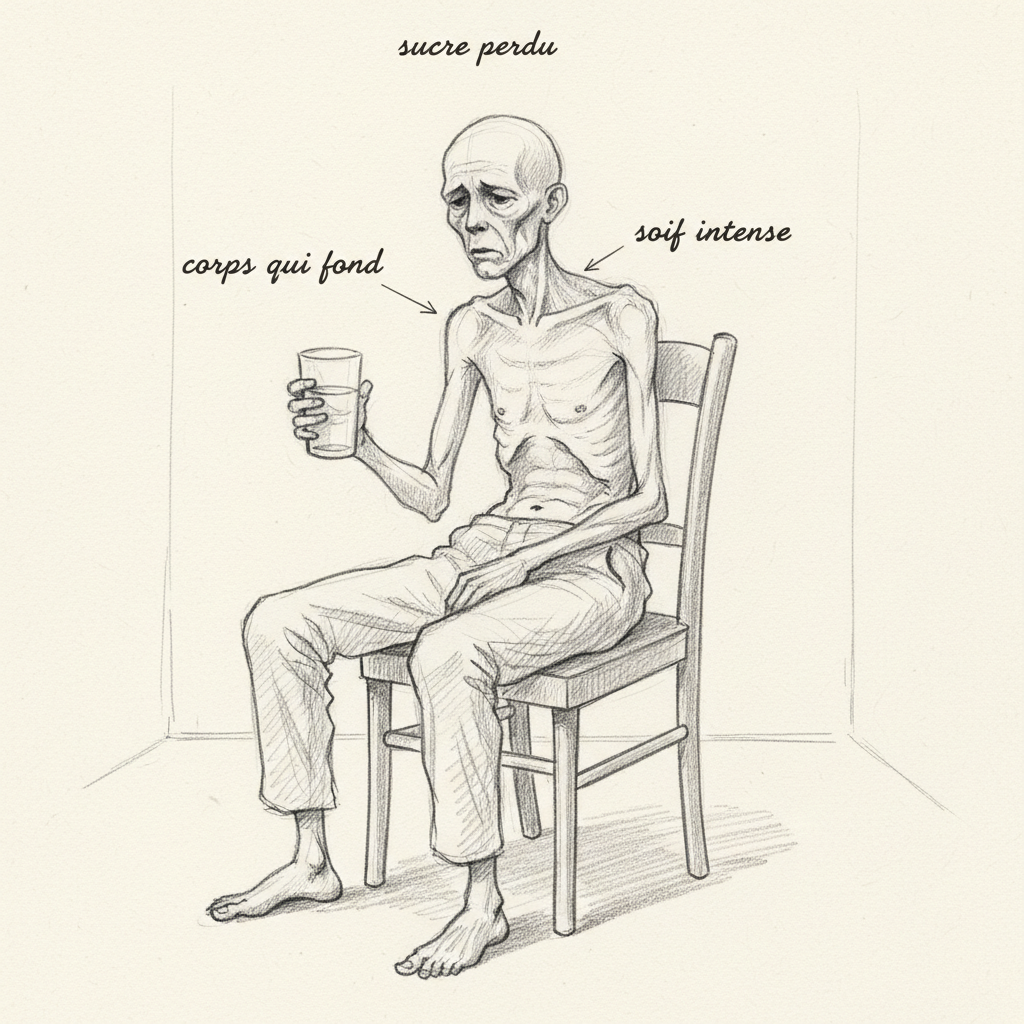
- Hypoinsulinism: when the pancreas no longer keeps up
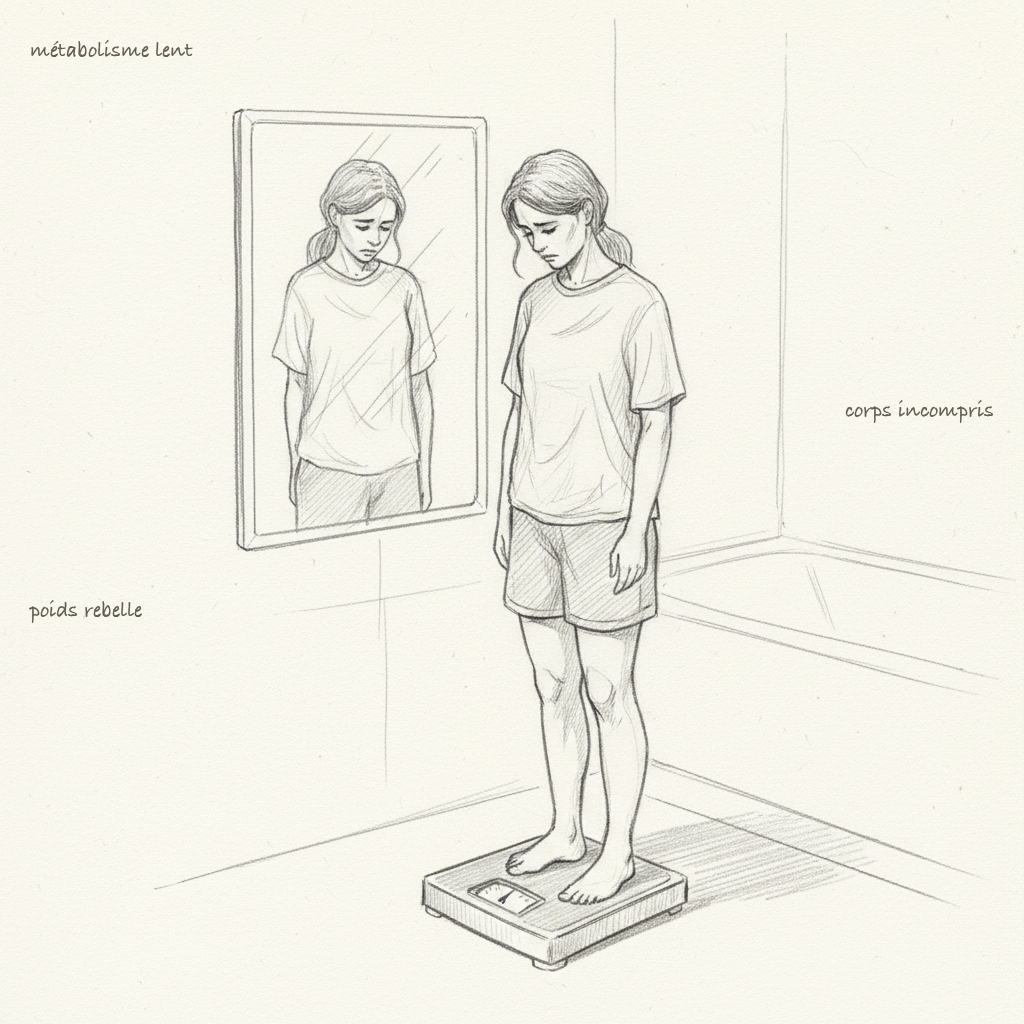
- Thyroid and weight: why you don’t lose weight despite everything
- Carnitine and thyroid: the molecule that no one measures
Want to evaluate your status? Take the free Hertoghe excess insulin questionnaire in 2 minutes.
Want to evaluate your status? Take the free Claeys thyroid questionnaire in 2 minutes.
Laisser un commentaire
Sois le premier à commenter cet article.