Paul Carton : The Founder of French Naturopathic Medicine
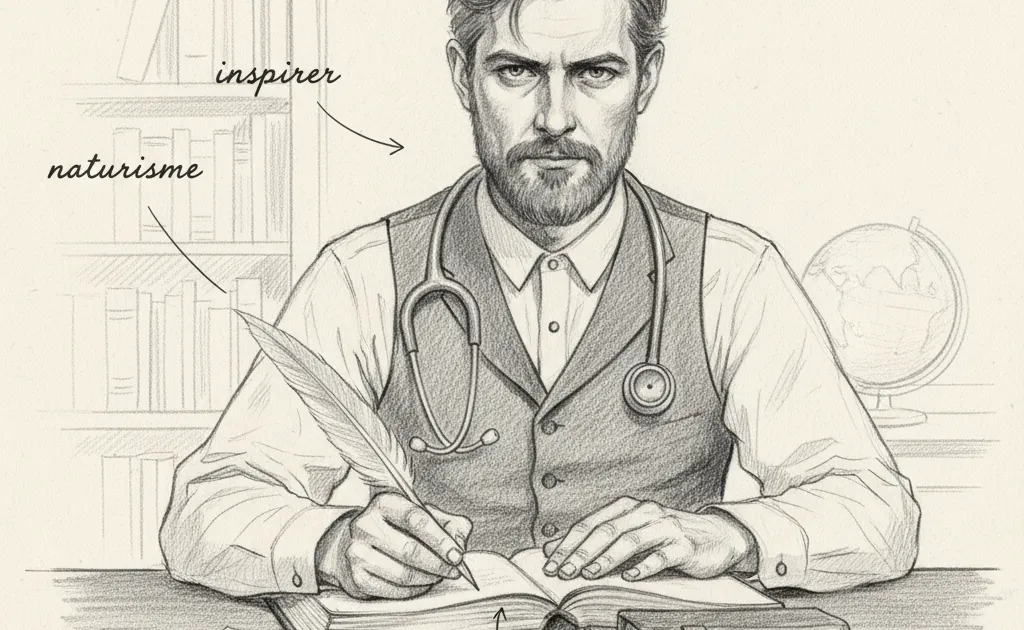
A young fasting military doctor coughs blood into a white handkerchief. We are in 1900, and Dr. Paul Carton, twenty-five years old, brilliant intern at the Paris hospitals, has just received the most dreaded diagnosis of his era : pulmonary tuberculosis. The disease that took Chopin, Kafka, Chekhov, the Bronte sisters. At that time, tuberculosis is a slow death sentence. But medicine believes it has found the solution : overfeeding. Carton is prescribed five daily meals containing two hundred fifty to five hundred grams of raw meat and six to eighteen raw eggs per day. The idea is simple in its brutality : flood the organism with animal proteins to “nourish” the sick lungs and “combat” the Koch bacillus.
Carton obeys. For weeks, he conscientiously swallows this monstrous diet. And his condition worsens. Blood sputum increases. Fever persists. Exhaustion crushes him. One morning, while he contemplates the plate of raw meat placed before him, something breaks in his submission as a disciplined doctor. He pushes the plate away. He will not eat anymore. For five days, Paul Carton fasts. Five days without consuming anything, in defiance of everything his professors taught him. And on the fifth day, the fever drops. The sputum ceases. Energy returns. By relieving his organism of this toxic food overload, by allowing his body to dedicate all its energy to internal cleansing instead of wasting it on constant digestion, Carton accomplished what medicine of his time did not know how to do : he healed himself.
“By zooming in on a scratch on the finger, we no longer see the hand that is gangrening.”
This phrase summarizes all the criticism that Carton would direct at specialized medicine for the rest of his life. Because the experience of his own healing would not be a simple biographical episode. It would be the starting point for a complete overhaul of medicine, an overhaul that would make Carton the undisputed father of French naturopathic medicine and the direct ancestor of naturopathy as we practice it today.
Terrain versus Microbe : Béchamp Was Right
To understand the revolution Carton operated in French medical thought, we must return to the debate that divided nineteenth-century science : the quarrel between Louis Pasteur and Antoine Béchamp. Pasteur defended the microbial theory : disease is caused by an external microbe that invades the organism. Find the microbe, kill it, and the patient will recover. Béchamp proposed a radically different vision : the microbe is nothing, the terrain is everything. The same bacillus can pass through a healthy organism without causing disease and devastate a weakened one. It is not the microbe that must be fought, it is the terrain that must be strengthened.
Pasteur won the media and institutional battle. Modern medicine was built on his vision : vaccines, antibiotics, antiseptics, the entire therapeutic arsenal of the twentieth century rests on the idea that disease comes from outside and we must protect ourselves from it. But Carton, armed with his own healing experience, knew that Béchamp was right. And he devoted his life to demonstrating it.
What Carton observed in his patients confirmed Béchamp’s vision. Entire families were exposed to the same tuberculosis bacillus, but only certain members fell ill. Why ? Because their terrain was different. Those who ate poorly, slept little, lived in unsanitary housing, and experienced constant stress were vulnerable. Those who had a healthy lifestyle resisted infection. The microbe was only the drop of water that made an already full cup overflow. And emptying the cup, that is, sanitizing the terrain, was infinitely more effective than chasing away the drop of water.
This vision of terrain is at the heart of what I teach in the basics of naturopathy. When I speak of humoral terrain, of toxemia, of encrustation, I speak in the direct lineage of Carton and Béchamp. Naturopathy does not combat diseases. It restores terrains.
The Critique of the Calorie : A Unit Designed for Locomotives
Carton did not content himself with contesting microbial theory. He attacked another sacred cow of nutritional medicine : the calorie. And his critique was devastatingly precise.
The food calorie, Carton reminded us, was defined by American chemist Wilbur Olin Atwater at the end of the nineteenth century. Atwater had designed his system to measure the energy value of foods by burning them in a calorimeter, a device that measures the heat produced by combustion. The problem, Carton emphasized, is that the human body is not a calorimeter. It does not burn food like a locomotive burns coal. Human digestion is an infinitely complex biochemical process that depends on dozens of factors : the quality of chewing, enzyme production, gastric pH, microbiota quality, intestinal transit, stress, fatigue. Two people can eat exactly the same meal and derive radically different amounts of energy from it.
Carton went further. He showed that the caloric value of a food says nothing about its real nutritional value. A white sugar candy and an apple can have the same number of calories, but their effect on the organism is diametrically opposed. The candy acidifies the terrain, exhausts mineral reserves, nourishes intestinal fermentations, and provides no micronutrients. The apple alkalinizes the terrain, provides fiber, vitamins, minerals, antioxidants, and nourishes beneficial microbiota. Reducing these two foods to the same caloric figure is an absurdity that nonetheless governed dietetics for more than a century. And it continues to govern it in the minds of many doctors and patients.
This critique remains absolutely relevant today. When I recommend an anti-inflammatory diet, I never speak of calories. I speak of quality, vitality, nutritional density. This is Carton’s direct legacy.
The Triple Constitution : Body, Vital Force, Spirit
One of Carton’s most profound contributions to naturopathic thought is his theory of triple constitution. For Carton, the human being is not reducible to his physical body. He is composed of three inseparable dimensions : the body (physical structure, biochemistry, organs), vital force (the energy that animates the body, the organizing principle that maintains life), and spirit (thoughts, emotions, beliefs, inner life).
This tripartite vision has considerable practical consequences in consultation. Let’s take the example of depression, an increasingly common reason for consultation. A conventional doctor will see in depression a biochemical imbalance (serotonin deficiency) and prescribe an antidepressant. A naturopath trained in Carton’s thought will explore all three dimensions.
The physical dimension first : depression can be the direct consequence of a magnesium deficiency, B vitamins, zinc, or iron. It can result from undiagnosed hypothyroidism, low-grade chronic inflammation, or intestinal dysbiosis that disrupts serotonin production by the microbiota. These physical causes are explored in detail in my article on serotonin.
The vital dimension next : depression can translate a global exhaustion of vital force, a deep fatigue of the organism that no longer has enough energy to maintain emotional homeostasis. This is often the case for people who have gone through years of chronic stress, overwork, poor sleep. Vital force is like a battery : if you drain it faster than you recharge it, the organism eventually collapses.
The spiritual dimension finally : depression can be fueled by negative beliefs, destructive thought patterns, a sense of loss of meaning. Carton, who was deeply spiritual (he was a convinced Christian), believed that spirit has direct power over the body and that diseases of the soul inevitably transform into diseases of the body if they are not treated.
This three-dimensional approach is what fundamentally distinguishes naturopathy from conventional medicine. We do not treat organs or symptoms. We accompany human beings in their entirety. And it was Carton who laid the theoretical foundations for this approach in France.
The Energy Transformer : Inputs, Transformation, Elimination
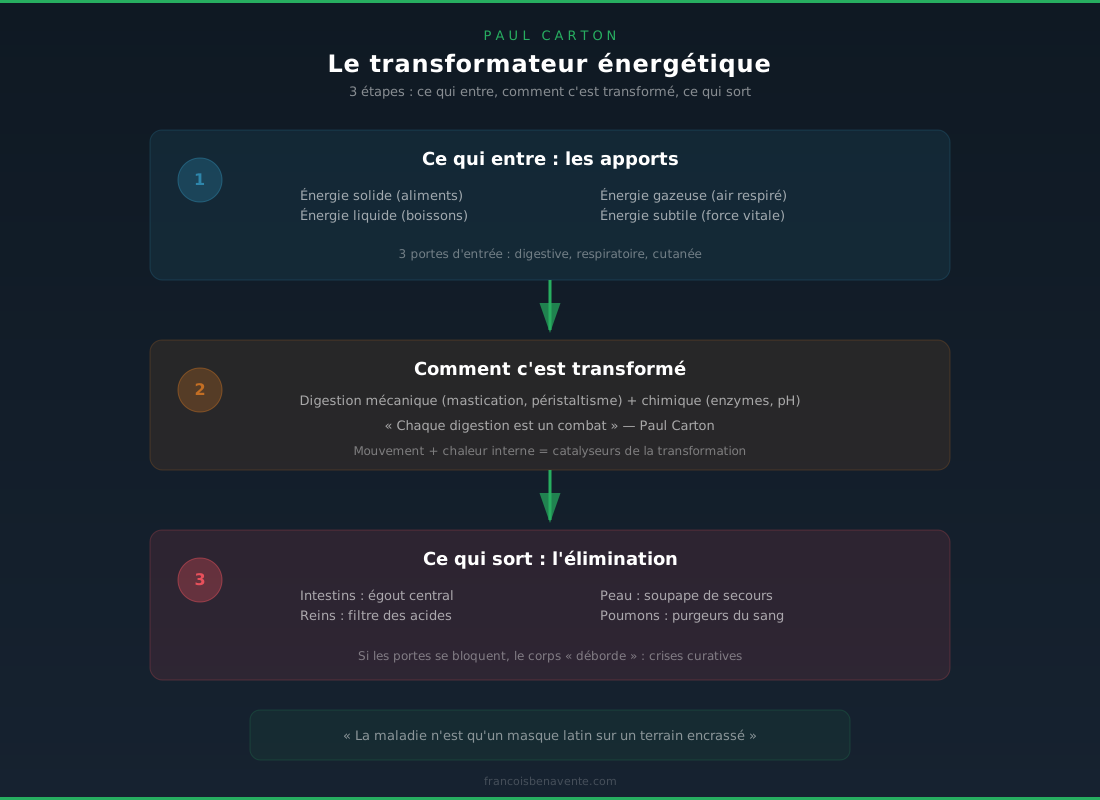
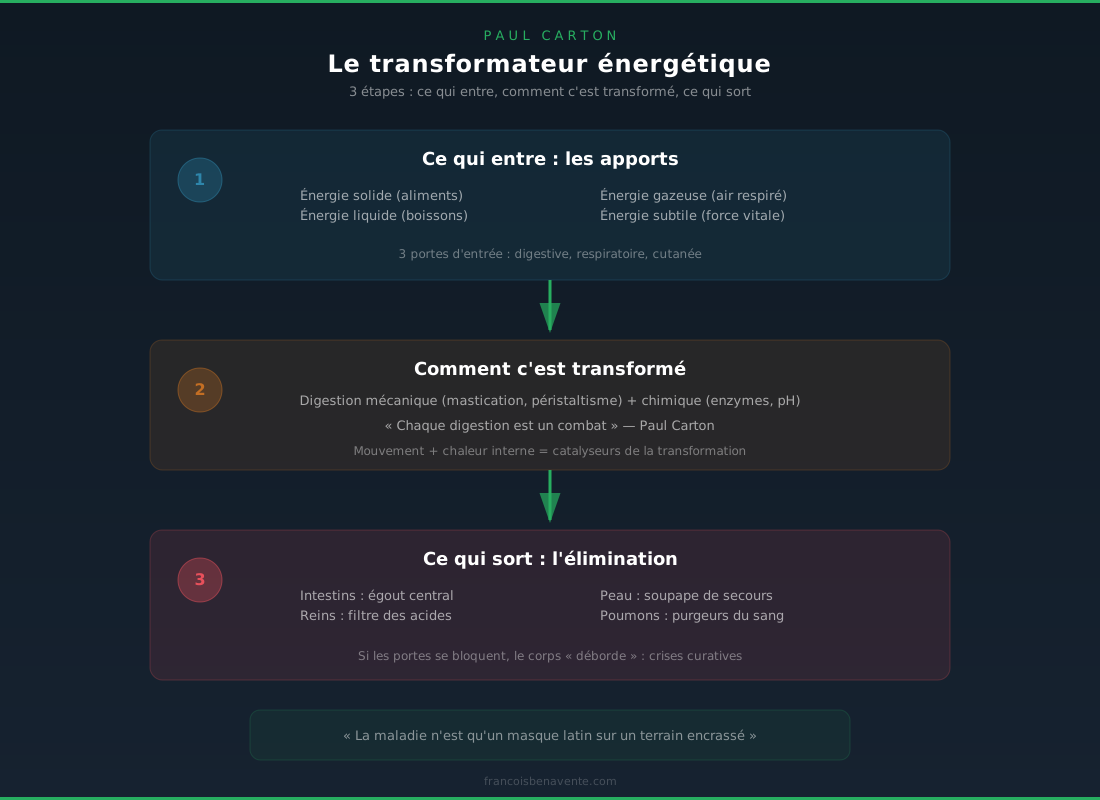
Carton conceived of the human organism as an energy transformer. This metaphor, of remarkable pedagogical effectiveness, allows one to understand in an instant the overall functioning of human physiology and the mechanisms of disease.
The transformer operates in three stages. The first stage is that of inputs. The organism receives raw materials in four forms : solids (the foods you eat), liquids (the water and beverages you drink), gases (the air you breathe), and subtle inputs (sunlight, heat, emotions, thoughts). Each of these inputs provides energy and building materials to the organism. The quality of these inputs directly determines the quality of health.
The second stage is that of transformation. This is digestion in the broad sense, which includes mechanical digestion (chewing, gastric churning, intestinal peristalsis) and chemical digestion (salivary, gastric, pancreatic, intestinal enzymes, hepatic bile, microbiota action). Transformation is the process by which raw foods are broken down into assimilable nutrients : amino acids, fatty acids, glucose, vitamins, minerals. It is also the process that generates waste : acidic waste, crystals, mucus, gases.
“Each digestion is a struggle.”
This famous phrase from Carton takes on full meaning when we understand the complexity of the digestive process. Each meal mobilizes considerable amounts of energy : enzyme secretion, hydrochloric acid production, blood pumping to the digestive system, mechanical work of peristalsis. It is estimated that digesting a copious meal consumes up to thirty percent of the organism’s available energy. This is why you feel tired after too rich a lunch : your body dedicates the bulk of its resources to digestion, and it no longer has enough energy for other functions. And this is why fasting produces such an energy boost : by eliminating digestive work, the organism can finally dedicate all its energy to cleansing and repair.
The third stage is that of elimination. The waste produced by transformation must be evacuated from the organism through the emunctories. If elimination is insufficient, if the emunctories are saturated, waste accumulates in the terrain and causes what Carton calls toxemia : a state of general encrustation that is, according to him, the primary cause of all chronic diseases.
The Four Emunctories : The Hierarchy of Elimination
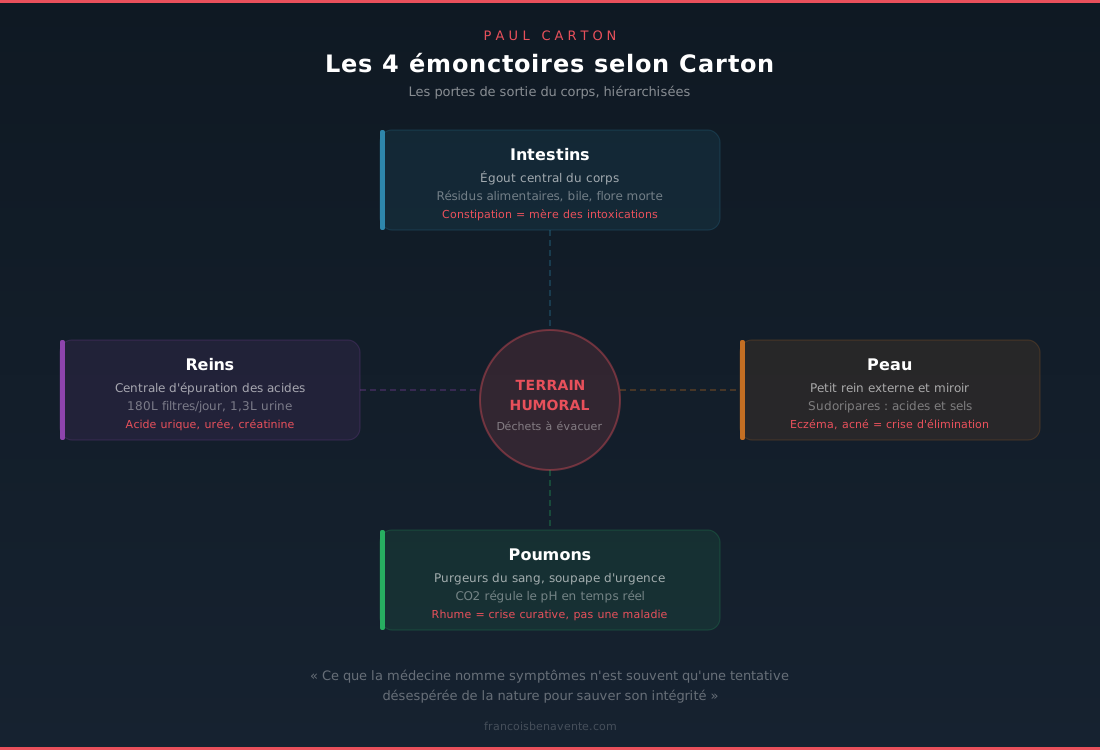
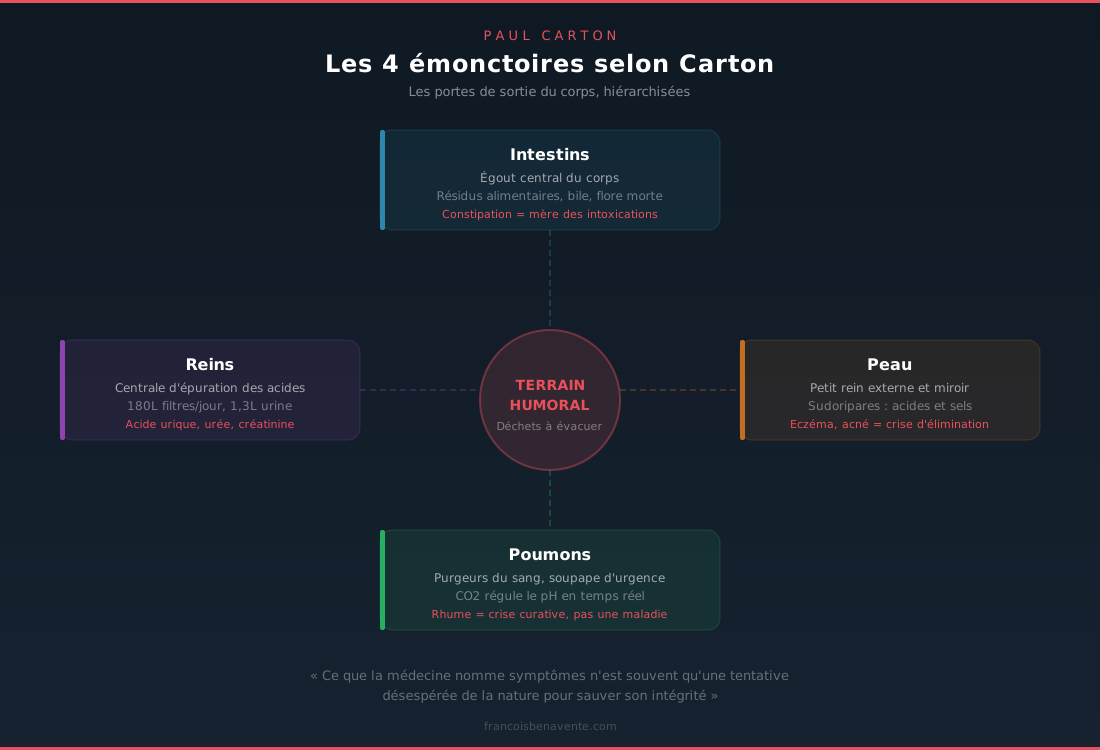
Carton did not content himself with speaking of elimination in general. He established a precise hierarchy of the four emunctories, these exit doors through which the organism evacuates its waste. This hierarchy is still taught in all naturopathy schools and forms the basis of the drainage protocol I use in consultation, particularly during spring detox cures.
The first emunctory, which Carton placed at the top of the hierarchy, is the intestine. He called it the “central sewer.” The intestine is the most massive elimination route : every day, it evacuates the residues of digestion, dead cells from the intestinal lining (which renews itself every three to five days), bacteria from the microbiota, bile loaded with hepatic toxins. When the intestine functions poorly, when transit is slowed by a fiber-poor diet, lack of water, sedentary lifestyle, or stress, waste stagnates, ferments, and produces toxins that are reabsorbed by the lining. This is what Carton called intestinal self-intoxication, a concept that modern gastroenterology is only beginning to rediscover under the name of intestinal permeability or dysbiosis.
The second emunctory is the kidney. Carton described it as the “filter of acids.” The kidneys filter approximately one hundred eighty liters of blood per day, a dizzying figure that gives the measure of their importance. They retain useful elements (proteins, glucose, minerals) and eliminate nitrogenous waste (urea, uric acid, creatinine) and metabolic acids. When the kidneys are overloaded, acids accumulate in the tissues and provoke joint pain, kidney stones, tendonitis, gout. This is why Carton insisted so much on sufficient hydration and on reducing animal proteins, the main sources of nitrogenous waste.
The third emunctory is the skin. Carton described it as the “safety valve” of the organism, the mirror of the internal environment. When the intestines and kidneys can no longer eliminate enough waste, the body mobilizes the skin as a relief emunctory. Skin eruptions, eczema, psoriasis, acne, boils are not diseases of the skin in the strict sense. They are attempts by the organism to eliminate through the skin pathway what it can no longer eliminate through normal routes. Suppressing these eruptions with cortisone creams without treating the underlying cause (terrain encrustation) is like closing the safety valve on a pressure cooker : the pressure builds up and will eventually explode elsewhere, in a more serious form.
The fourth emunctory is the lung. Carton called it the “blood purger.” The lungs do more than oxygenate the blood and evacuate carbon dioxide. They also eliminate volatile acids and participate in blood pH regulation. Shallow breathing, so common in stressed and sedentary people, diminishes this pulmonary elimination capacity and contributes to terrain acidification. This is why deep and conscious breathing is one of the first pieces of advice I give in consultation : by increasing ventilation, we increase acid elimination and improve oxygenation of each cell.
The wisdom of Carton lies in the hierarchy he establishes between these emunctories. In naturopathy, we do not drain at random. We always start by unclogging the central sewer (the intestines) before stimulating other emunctories. If you drain the kidneys or skin when the intestine is saturated, mobilized toxins have nowhere to go and the patient’s condition worsens. This is the classic trap of poorly conducted “detox” cures that provoke violent healing crises instead of gentle cleansing.
Disease as a Mask : Lifting the Veil
Carton had a striking metaphor to explain disease : it is a mask placed on an encumbered terrain. Removing the mask (suppressing the symptom) without cleansing the terrain is not only useless but dangerous, because the encumbered terrain will find another route of expression, often deeper and more serious.
An eczema suppressed by cortisone can transform into asthma. A fever lowered by paracetamol can prolong an infection that the body was effectively fighting. Diarrhea stopped by an antidiarrheal can lead to reabsorption of toxins the organism was trying to evacuate. Each time medicine suppresses a symptom without seeking its cause, it drives disease deeper into the organism. This is what homeopaths call suppression, and Carton was acutely aware of it long before this concept was formalized.
This vision of disease as an alarm signal rather than an enemy to be fought is one of the pillars of naturopathy. The symptom is not the problem. The symptom is the messenger of the problem. And killing the messenger never solves the problem.
Movement as the Motor of Cellular Life
Carton gave movement a central place in his conception of health. For him, life is movement. Every cell vibrates, every fluid circulates, every organ pulsates. Stillness does not exist in a living organism. And when movement slows, when circulation freezes, when fluids stagnate, disease sets in.
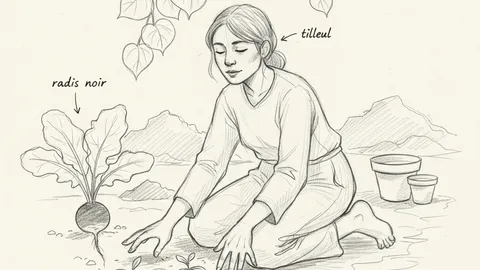
Physical movement, walking in particular, activates blood and lymphatic circulation, stimulates intestinal peristalsis, promotes sweating, improves breathing, and nourishes the nervous system through endorphin production. Carton did not prescribe “sport” in the modern and competitive sense of the term. He prescribed natural movement : walking, climbing stairs, gardening, swimming, dancing. Movements of daily life, integrated into everyday living, that keep the body in a state of optimal functioning without exhausting it through excessive effort.
This prescription of gentle movement is also that of Lindlahr, the American naturopath who shared with Carton the conviction that sedentary lifestyle is one of the major scourges of modern civilization. And it is the one I recommend to each of my consultants : thirty minutes of brisk walking per day, outdoors, in contact with natural light, are enough to profoundly transform the physiology of a sedentary organism.
Nutrition According to Carton : Eat Less, Eat Better, Eat Living
After his healing from tuberculosis, Carton turned to a largely vegetarian diet, rich in vegetables, fruits, whole grains, and poor in animal proteins. He did not advocate strict veganism but a drastic reduction in meat, processed meats, animal fats, and refined sugar.
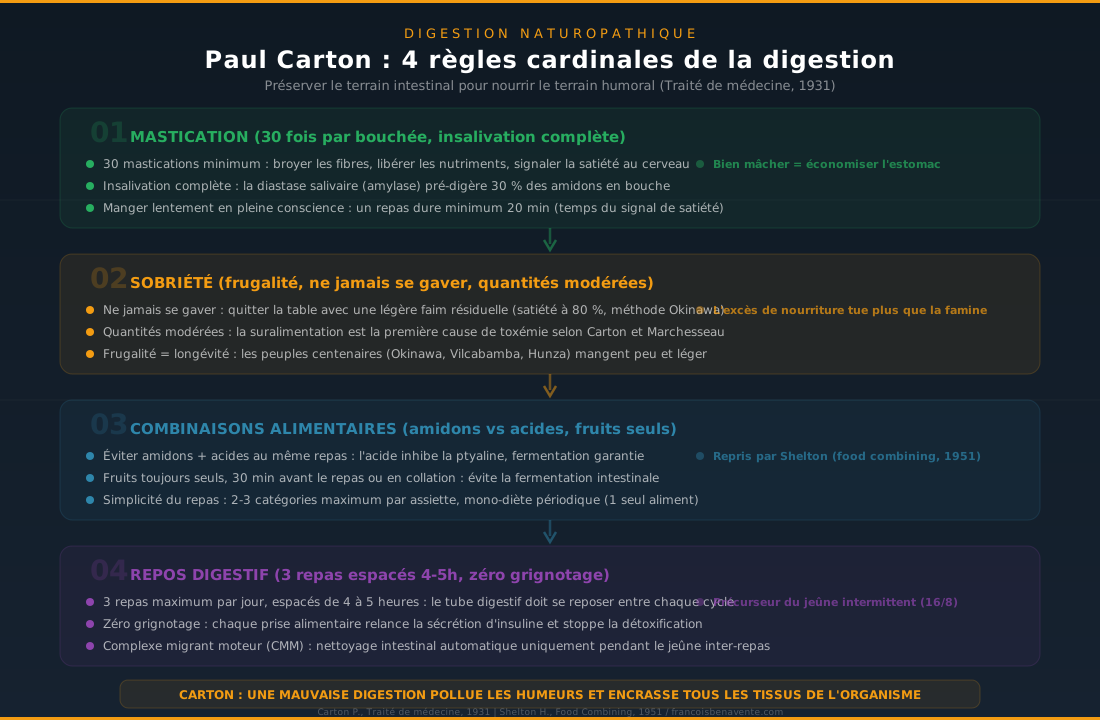
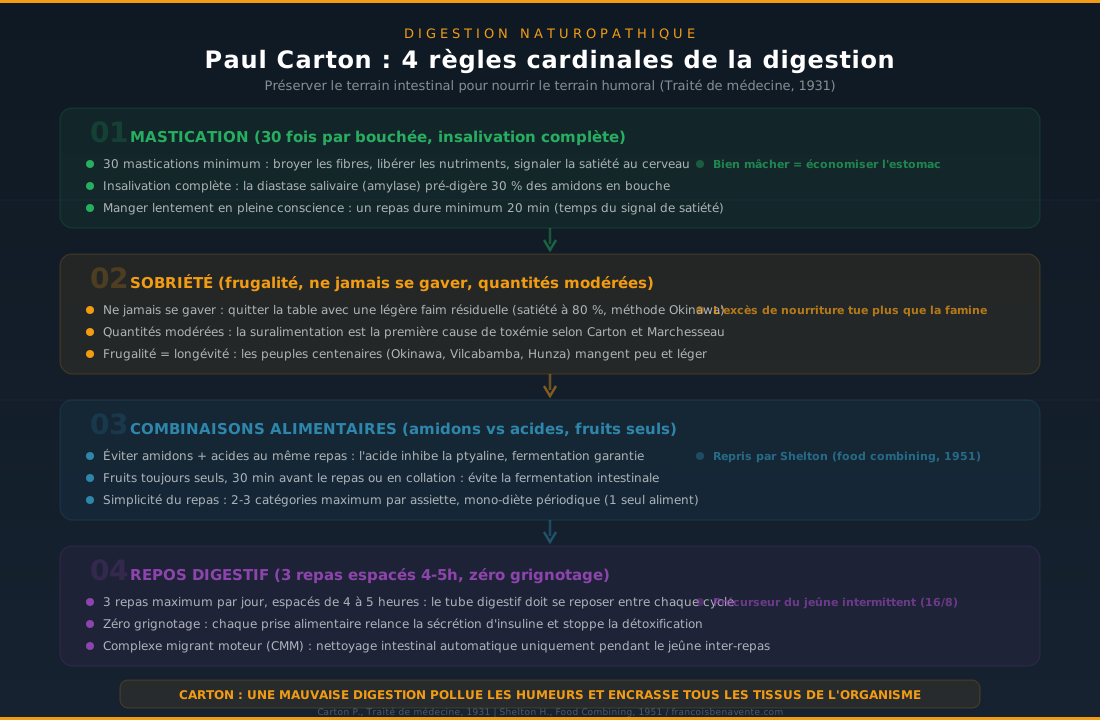
Carton taught three fundamental nutritional principles. The first : eat less. Food overload is the number one enemy of health. The modern, sedentary and stressed organism does not need the quantities of food we impose on it. Three copious meals plus two snacks is much too much for a body that sits twelve hours a day. Carton recommended reducing quantities by a good third from current habits, and regularly skipping a meal to let the organism rest.
The second principle : eat better. Quality takes precedence over quantity. A meal composed of fresh vegetables from the market, whole grains, and a small portion of quality protein nourishes infinitely better than a meal twice as copious based on processed products. Carton did not count calories (he had demolished this notion, as we have seen). He evaluated the vitality of foods, their capacity to nourish and regenerate cells rather than simply fill the stomach.
The third principle : eat living. Raw, fresh, unprocessed foods contain enzymes, vitamins, and vital energy that cooking destroys. Carton did not proscribe cooking (he was not a radical raw foodist), but he recommended that at least half of the diet be composed of raw foods : salads, fresh fruits, crunchy vegetables, sprouted seeds. This proportion of raw food ensures sufficient intake of exogenous digestive enzymes that relieve the pancreas’s workload and improve assimilation.
Carton’s Living Legacy
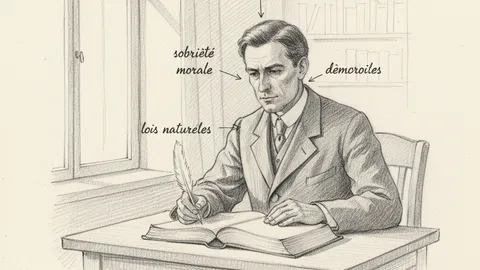
Paul Carton died in 1947, but his influence on French naturopathy is immense and enduring. Pierre-Valentin Marchesseau, who would found orthodox naturopathy in the nineteen fifties, directly comes from his line of thought. The notion of terrain, the hierarchy of emunctories, the energy transformer, the critique of medical specialization, the three-dimensional vision of the human being : all these Marchessian concepts are in reality Cartonian concepts enriched and systematized.
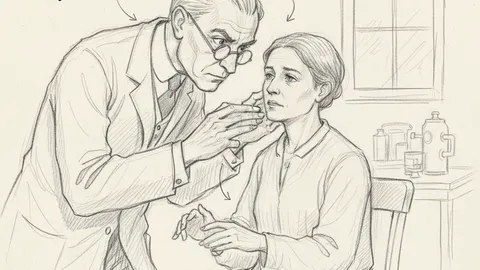
When I receive a consultant in my office and explain to him that his eczema is not a skin problem but an elimination problem, that his chronic fatigue is not a lack of willpower but an exhaustion of his vital force, that his depression is not a serotonin deficit but a global crisis of his physical, vital, and spiritual organism, I speak the language of Carton. When I explore his nutrition, his transit, his sleep, his stress, his emotions, his beliefs, I do what Carton did a century ago in his office in Brévannes : I treat the human being in his entirety instead of treating an isolated organ.
Modern medicine is beginning to rediscover certain intuitions of Carton. The microbiome, intestinal permeability, low-grade chronic inflammation, the gut-brain axis : all these notions at the cutting edge of current scientific research confirm what Carton affirmed from the beginning of the twentieth century. Terrain matters more than the microbe. Digestion truly is a struggle. And emunctories truly are the exit doors of disease.
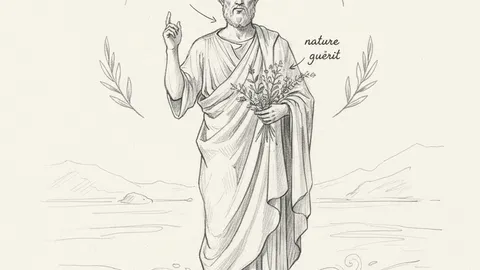
Carton stands at an essential crossroads in the history of naturopathy. Upstream, he inherits from Hippocrates (terrain, vis medicatrix naturae), from Béchamp (terrain versus microbe), and from Lindlahr (individual responsibility, Nature Cure). Downstream, he transmits to Marchesseau the conceptual tools that will structure European naturopathy : the energy transformer, the hierarchy of emunctories, the triple constitution. And even further down this lineage, Salmanoff will add the circulatory and capillary dimension to this edifice, completing the puzzle of modern naturopathy.
If you retain only one thing from this article, retain Carton’s phrase that contains his entire philosophy : “Each digestion is a struggle.” Take care of your terrain, unclog your emunctories, eat less and eat better, move every day, and let your vital force do the rest. It is the simplest and most powerful health advice that naturopathy can offer. Do you want to evaluate your status ? Take the free vitality-toxemia questionnaire in 2 minutes.
To Learn More
- Ann Wigmore : sprouting and living nutrition in naturopathy
- Bernard Jensen : iridology and dry brushing, skin as an emunctory
- Kneipp : the abbot of cold and the roots of naturopathic hydrotherapy
- Kousmine : the 6 pillars and the intestine as motor of diseases
Healthy Recipe: Spring Minestrone: The vegetable soup : Paul Carton’s plate.
Laisser un commentaire
Sois le premier à commenter cet article.
Les commentaires ne se chargent pas pour le moment. Réessaie dans quelques minutes.