Nadia is fifty-two years old and has Hashimoto’s that has stalled. Her anti-TPO antibodies have oscillated between 250 and 350 for three years despite a gluten-free diet, selenium, zinc, and vitamin D. Her diet is impeccable. Her sleep has improved. Her gut has gotten better since the anti-candida protocol. But the antibodies won’t come down. As if something continued to irritate her immune system quietly.
I requested a provoked urinary heavy metals panel (DMSA test). Results: mercury at three times the normal level (she had six dental amalgams placed in the 1990s, two of which were removed “the old way” without protection protocol), elevated cadmium (she smoked for fifteen years), and nickel off the charts (she has always cooked in low-grade stainless steel cookware).
The puzzle came together. Heavy metals are triggers and maintainers of thyroid autoimmunity. As long as they remain stored in tissues, the immune system continues to react. Diet and supplements are not enough if the toxic load persists.
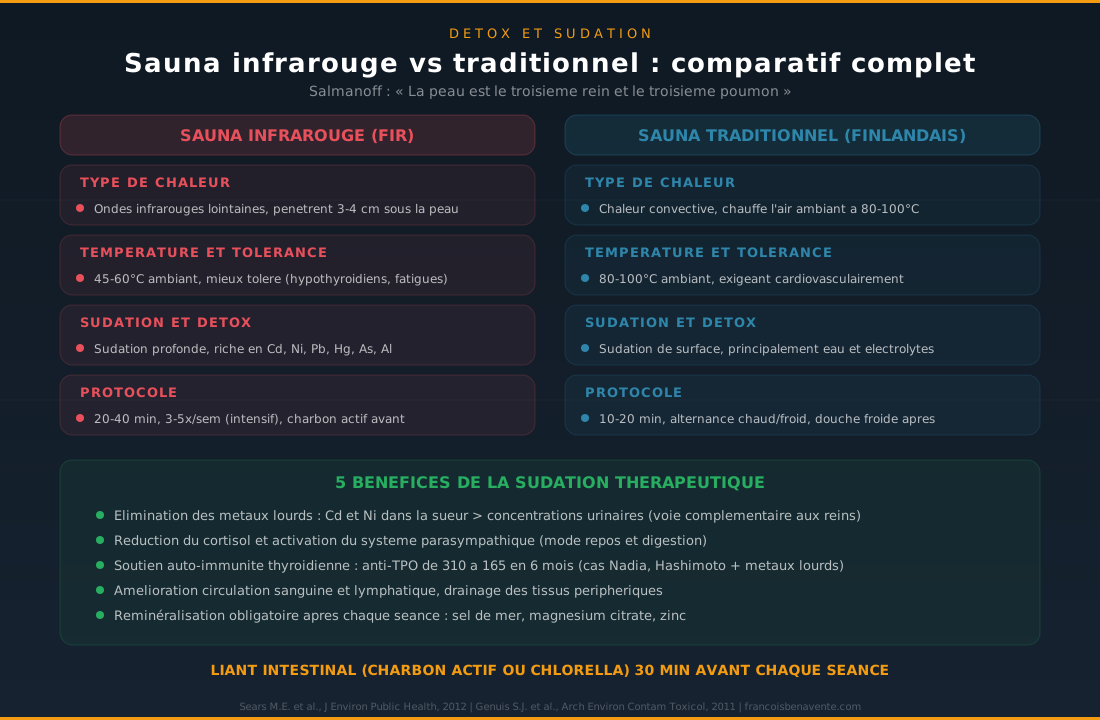
I integrated infrared sauna into her protocol. Three thirty-minute sessions per week for three months, with systematic remineralization and activated charcoal before each session. Six months later, her anti-TPO had dropped from 310 to 165. The most significant decrease she had seen in three years of follow-up.
Sweating: a forgotten detox pathway
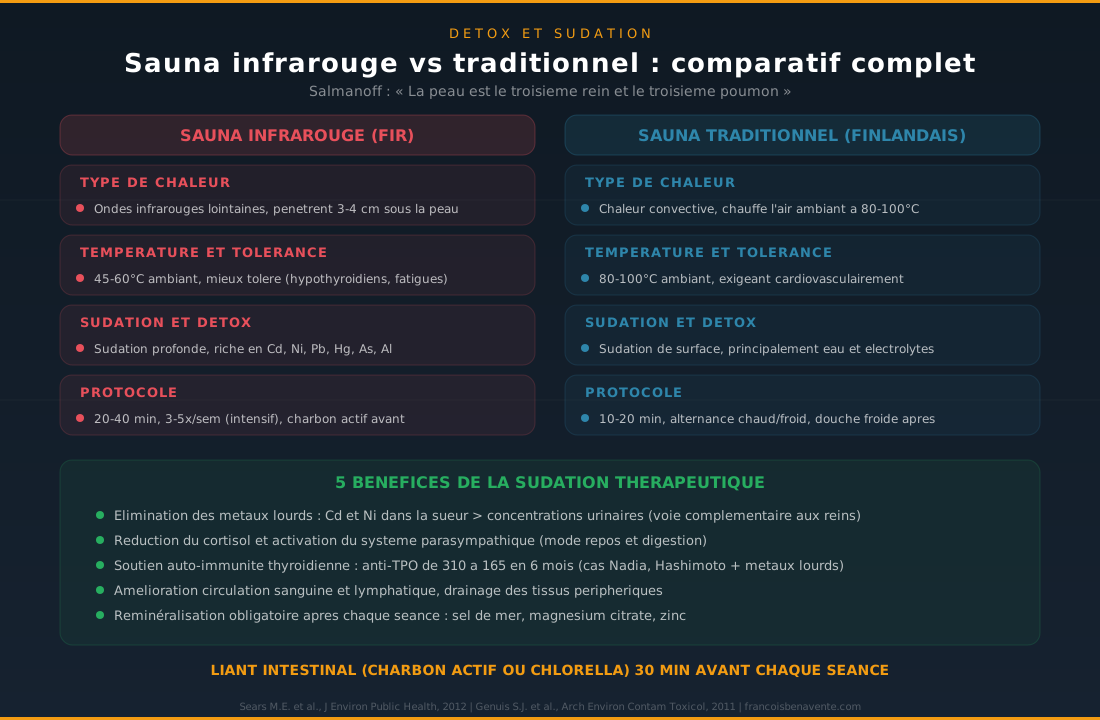
Salmanoff, the father of capillary therapy, taught that skin is the “third kidney and third lung.” He prescribed hyperthermic baths (hot baths at rising temperatures) as a central therapeutic tool, convinced that stimulation of cutaneous microcirculation and deep sweating could treat pathologies that internal medicine alone could not resolve. His approach, considered marginal in his time, is today validated by research on therapeutic sweating.
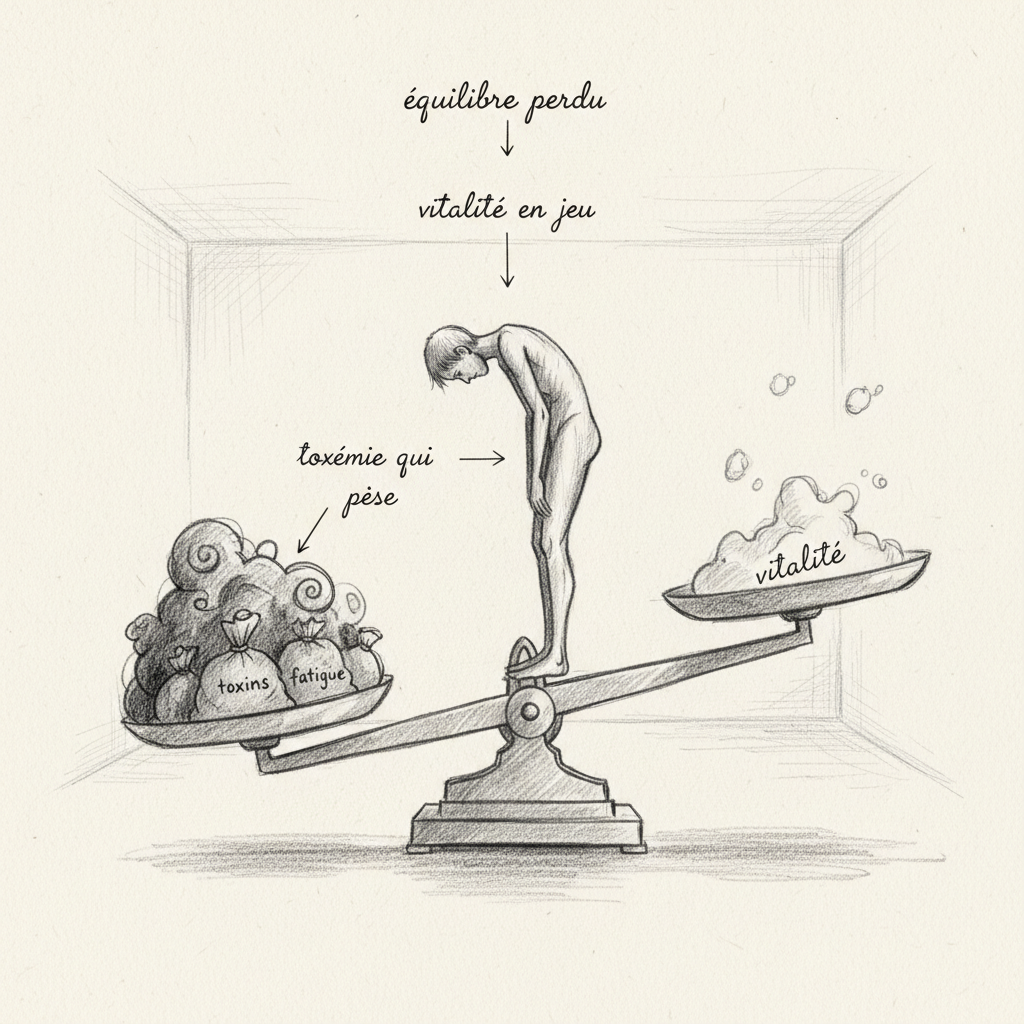
Recent analytical studies have compared concentrations of heavy metals in sweat, urine, and blood. The results are striking. For cadmium, concentrations in sweat are significantly higher than those in urine. For nickel, the same finding. For lead and mercury, sweat represents a complementary elimination pathway that the kidneys alone cannot provide. This means that people who never sweat (sedentary lifestyle, hypothyroidism with cold intolerance, permanent air-conditioned environment) accumulate toxins that their body cannot evacuate through conventional routes.
Marchesseau, in his classification of emunctories, placed skin as a substitute emunctory of the kidney and lung. When primary emunctories are overloaded (which is almost systematic in thyroid patients, between the slowed liver, under-perfused kidneys, and under-ventilated lungs from sedentary living), skin becomes the backup pathway. You just have to activate it. Infrared sauna is the most effective tool for this activation.
Far infrared: heat that penetrates
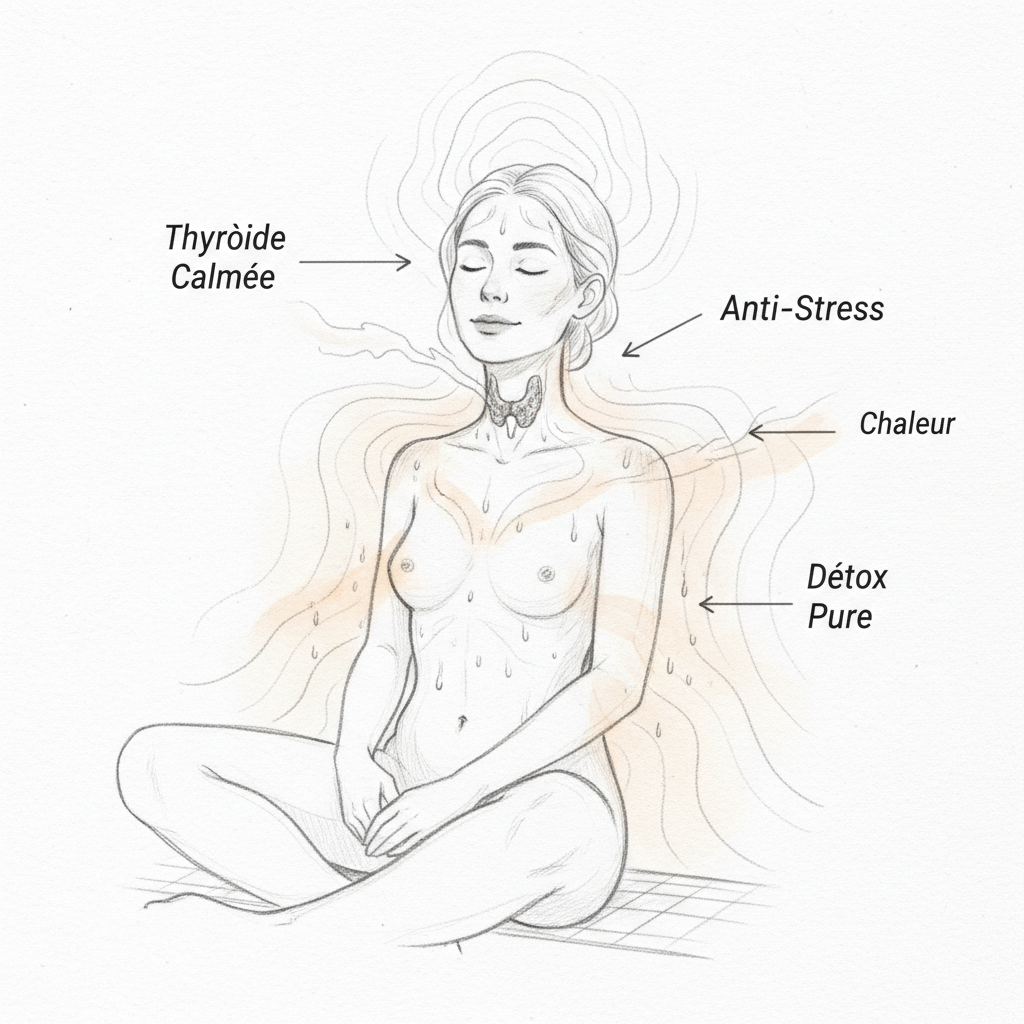
Infrared sauna is not simply a low-temperature sauna. Far infrared waves (FIR, between 5.6 and 15 micrometers wavelength) penetrate skin three to four centimeters deep and heat subcutaneous tissues, muscles, and blood vessels directly. This deep penetration produces sweating that is qualitatively different from that of traditional sauna.
In a classic Finnish sauna at 85°C, hot air causes surface sweating, composed mainly of water and salt. In an infrared sauna at 50-55°C, penetrating heat mobilizes toxins stored in adipose tissue (where lipid-soluble toxins like heavy metals, pesticides, and solvents concentrate) and eliminates them through sweat more concentrated in toxic substances. Infrared sweat analysis shows concentrations of heavy metals and bisphenol A significantly higher than those of conventional sweat.
The other major advantage is tolerance. A hypothyroid patient, cold-sensitive, fatigued, with low blood pressure and poor thermoregulation, will not tolerate a Finnish sauna at 85°C. They risk vasovagal syncope, blood pressure drop, and exhaustion. The infrared sauna, with its ambient temperature of 45 to 55°C, is perfectly tolerated by these fragile patients. The heat is gentle, progressive, and the session can start at 15 minutes for beginners.
Sauna and thyroid: the three mechanisms
The first mechanism is detoxification of thyroid disruptors. Heavy metals (mercury, cadmium, lead, aluminum) and persistent organic pollutants (PFAS, BPA, pesticides) directly interfere with thyroid function. Mercury binds to thyroid receptors and blocks T4 conversion to T3. Cadmium inhibits the deiodinase enzyme. PFAS alter the binding of thyroid hormones to their transport proteins. By eliminating these toxins through sweat, infrared sauna removes metabolic brakes that nutritional supplements alone cannot remove. This is why patients like Nadia finally see their antibodies drop after years of stagnation.
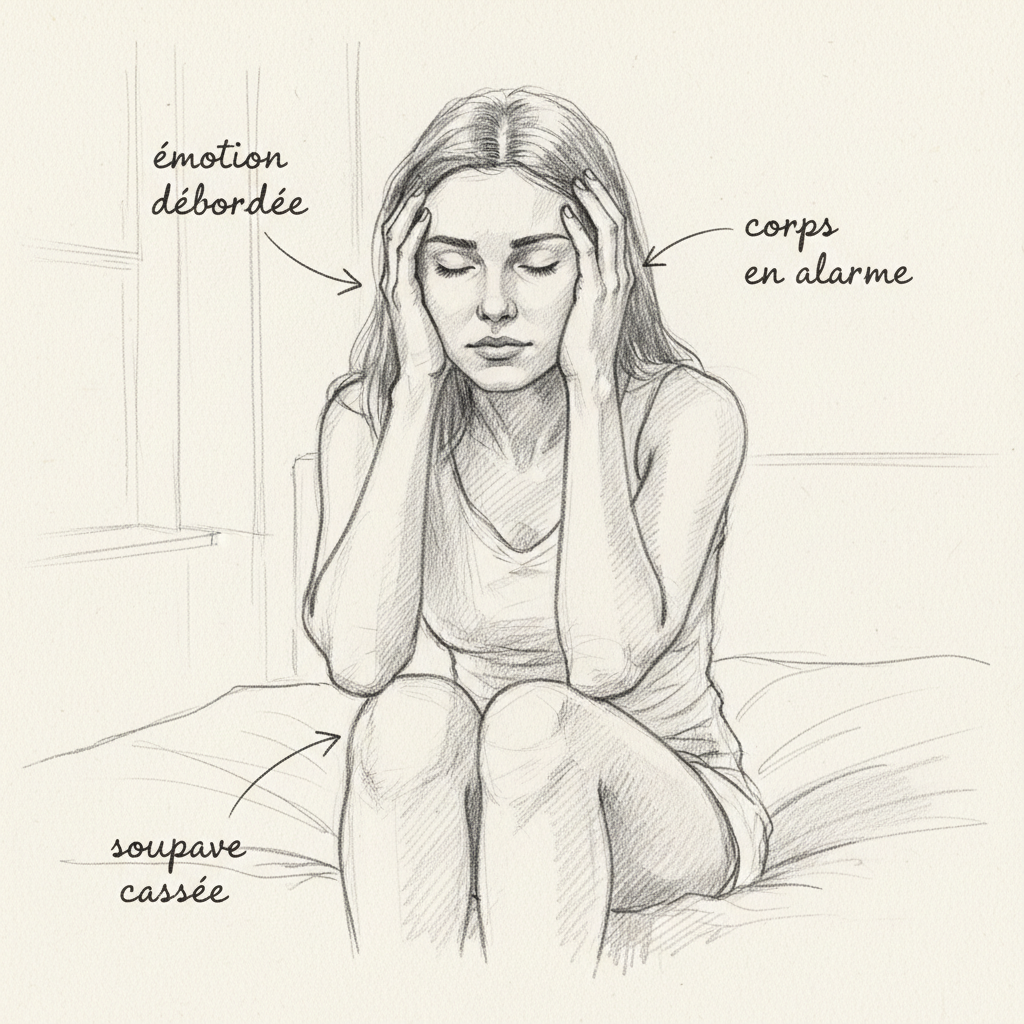
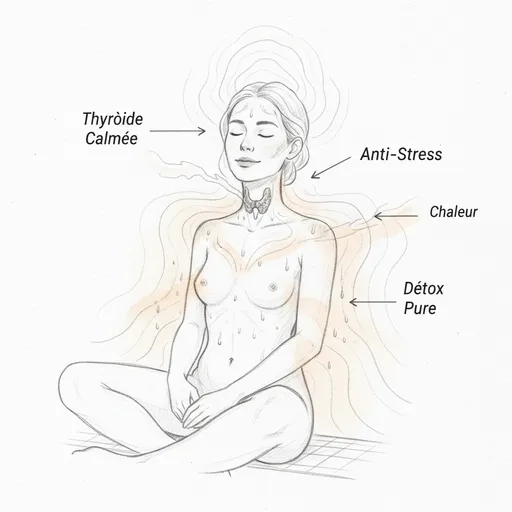
The second mechanism is modulation of the autonomic nervous system. A thirty-minute infrared sauna session increases heart rate variability (HRV), a marker of parasympathetic activity. In other words, the sauna activates “rest and digest” mode and reduces “fight or flight” mode. Studies show a drop in salivary cortisol and an increase in DHEA after a series of sessions. For patients in adrenal fatigue (and the majority of Hashimoto patients are), this autonomic modulation is therapeutic in itself.
The third mechanism is improvement of blood and lymphatic circulation. Far infrared rays cause peripheral vasodilation that improves microcirculation in all organs, including the thyroid. Salmanoff understood that “disease begins when microcirculation deteriorates.” A better-irrigated thyroid better captures iodine, better converts T4 to T3, and responds better to TSH. Lymphatic drainage is also stimulated, which helps evacuate immune complexes and cellular debris from inflamed tissues.
The complete protocol
The preparation phase (week 1) consists of starting with short fifteen-minute sessions at 45°C, every other day. Observe tolerance (some patients feel fatigued or have headaches after the first sessions, a sign of toxin mobilization). Drink abundantly before and after (500 mL of mineralized water before, 500 mL after). Take activated charcoal (1000 mg) or chlorella (3 g) thirty minutes before the session to capture toxins redistributed to the intestines via enterohepatic circulation.
The intensive phase (weeks 2 to 8) increases to three to five sessions per week, twenty to forty minutes, at 50-55°C. Remineralize after each session: magnesium citrate 200 mg, a pinch of unrefined sea salt in a glass of water, and zinc 15 mg on sauna days. Continue charcoal or chlorella before each session. Monitor signs of too-rapid detox (headaches, nausea, skin eruptions, excessive fatigue) and slow down if necessary.
The maintenance phase (after week 8) reduces to two to three sessions per week. This phase can be maintained indefinitely. Many patients adopt infrared sauna as a permanent lifestyle hygiene ritual, just like exercise or sleep.
Therapeutic synergies
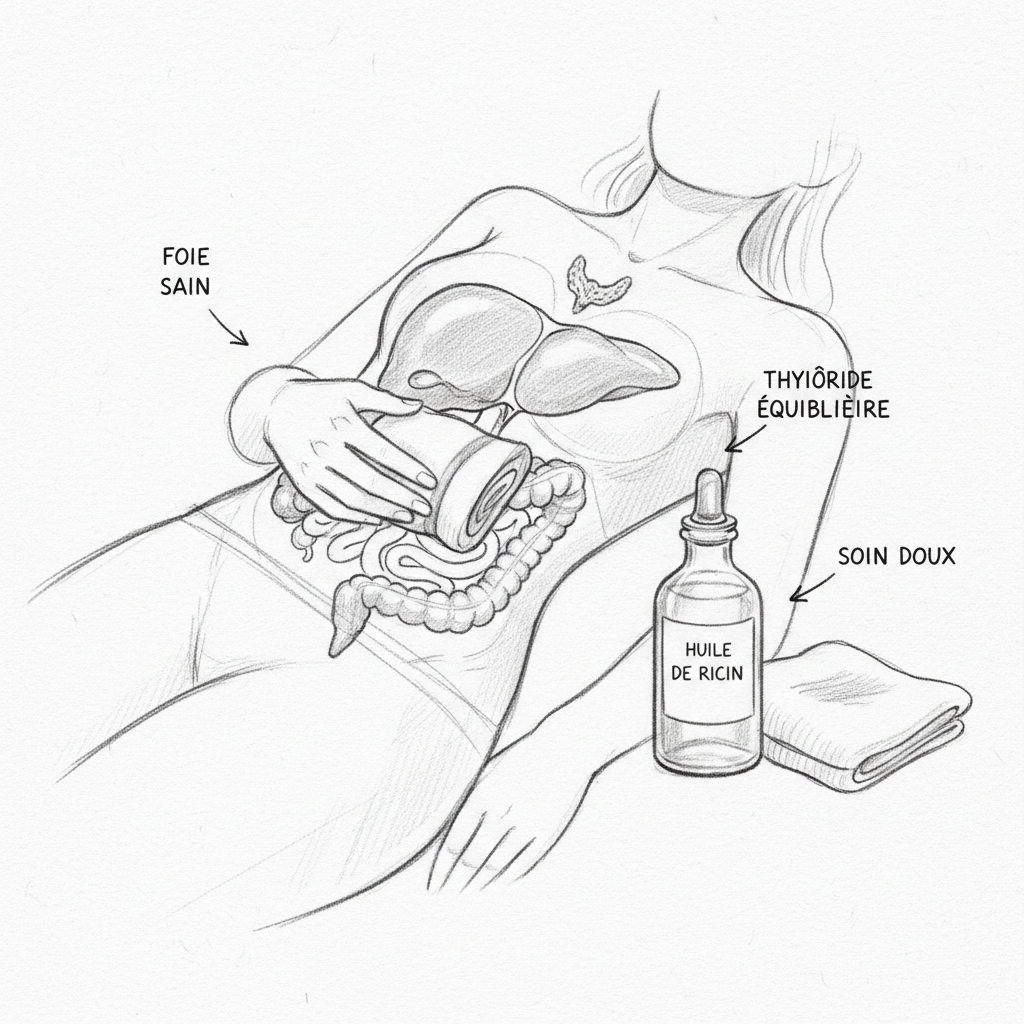
Infrared sauna is even more powerful when combined with other detox approaches. Castor oil poultice on the liver on non-sauna evenings supports hepatic detoxification of mobilized toxins. Dry brushing of the skin (five minutes before the session, with a natural fiber brush, in circular motions toward the heart) stimulates lymphatic circulation and prepares pores for sweating. Moderate exercise (thirty minutes of walking or yoga) before the session preheats the body and improves sweat quality.
For patients in heavy metal detox protocols, infrared sauna is an essential complement to chelators (natural or pharmaceutical). Sweating eliminates the metals that chelators have mobilized from deep tissues, which reduces the risk of redistribution (when mobilized toxins redeposit in other organs instead of being eliminated).
Equipment selection
Not all infrared saunas are equal. Essential criteria are the emitter type (carbon emitters produce a more homogeneous infrared spectrum than ceramic emitters), the level of electromagnetic fields (EMF) which should be as low as possible (some manufacturers certify their cabins “low EMF”), and the absence of toxic glues and varnishes in construction (woods must be untreated, ideally red cedar or hemlock).
Budget is significant (1000 to 3000 euros for a quality individual cabin), but it must be put in perspective with the cumulative cost of food supplements and consultations. For those who cannot invest in a personal cabin, wellness centers and spas increasingly offer infrared sauna sessions individually (15 to 30 euros per session).
Cautions
Infrared sauna is contraindicated during pregnancy, in case of uncontrolled heart failure, fever, and active multiple sclerosis. People taking medications that alter thermoregulation (beta-blockers, anticholinergics, diuretics) should consult their doctor before starting. Wearers of implanted medical devices (pacemaker, insulin pump) also need medical clearance.
Detox must not be abrupt. Patients heavily loaded with heavy metals can have redistribution reactions (temporary worsening of symptoms) if mobilization exceeds elimination capacity. This is why activated charcoal or chlorella before the session and protocol progression are essential.
Kousmine, who used hyperthermic baths in her multiple sclerosis protocols, reminded us that “healing comes through elimination. A body that does not eliminate is a body that poisons itself, slowly but surely.” Infrared sauna is the modern tool of this ancestral elimination. It gives the body what sedentary and air-conditioned living has taken from it: the ability to sweat deeply and cleanse itself through skin.
Want to evaluate your status? Take the free toxemia acids questionnaire in 2 minutes.
If you want personalized support, you can book a consultation.
To cook healthily, discover PranaCook stainless steel utensils, without endocrine disruptors.
To go further
- Basedow and stress: the thyroid of emotion
- Castor oil poultice: liver, thyroid and intestines in one gesture
- Hepatic detoxification: the 3 phases and methylation
- Fluoride and thyroid toxins: the audit of your home in 9 points
Want to evaluate your status? Take the free Claeys thyroid questionnaire in 2 minutes.
Want to evaluate your status? Take the free Holmes Rahe stress questionnaire in 2 minutes.
Laisser un commentaire
Sois le premier à commenter cet article.