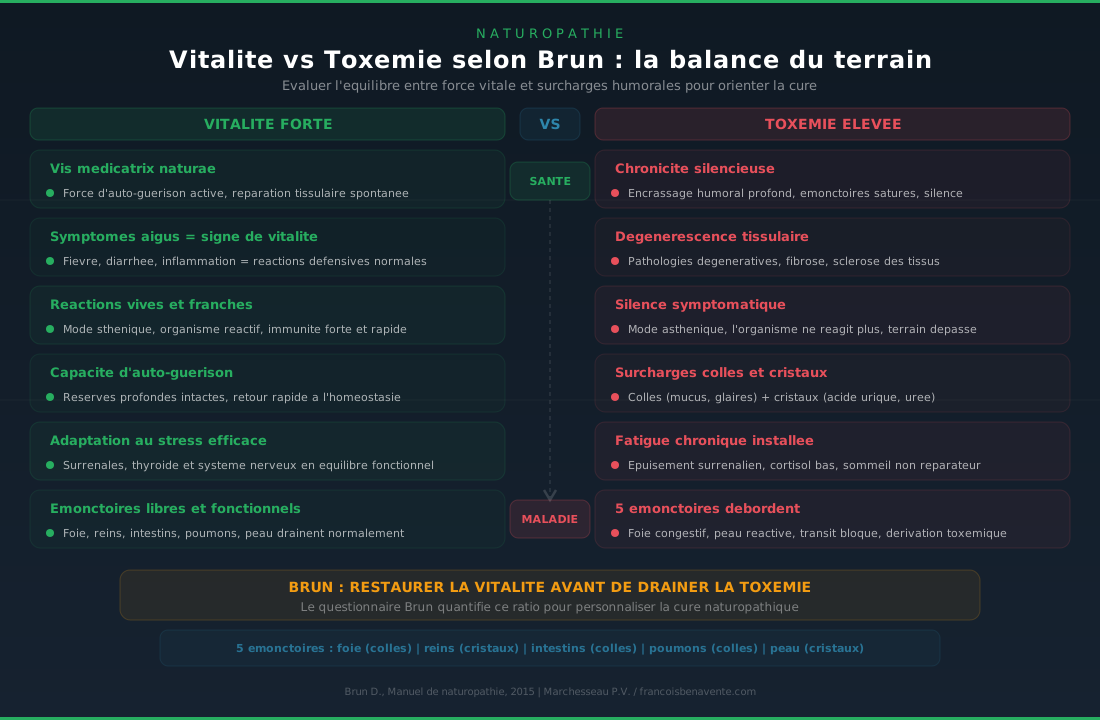
Nathalie has nothing serious. No diagnosed illness. “Normal” test results. But Nathalie is not well. She is tired in the morning before even starting the day. She has permanent dark circles. Her belly bloats after each meal. She has foul-smelling gas. She drinks four coffees a day to stay upright. She sleeps poorly, wakes at 3am and cannot fall back asleep. Her nails break, her gums bleed, and she feels overwhelmed by daily life. When I have her take C. Brun’s vitality and toxemia questionnaire, she scores 26 out of 37. Significant toxemia. Conventional medicine sees nothing because it does not look at terrain. Naturopathy sees everything because it looks at nothing else.
Vitality according to Marchesseau
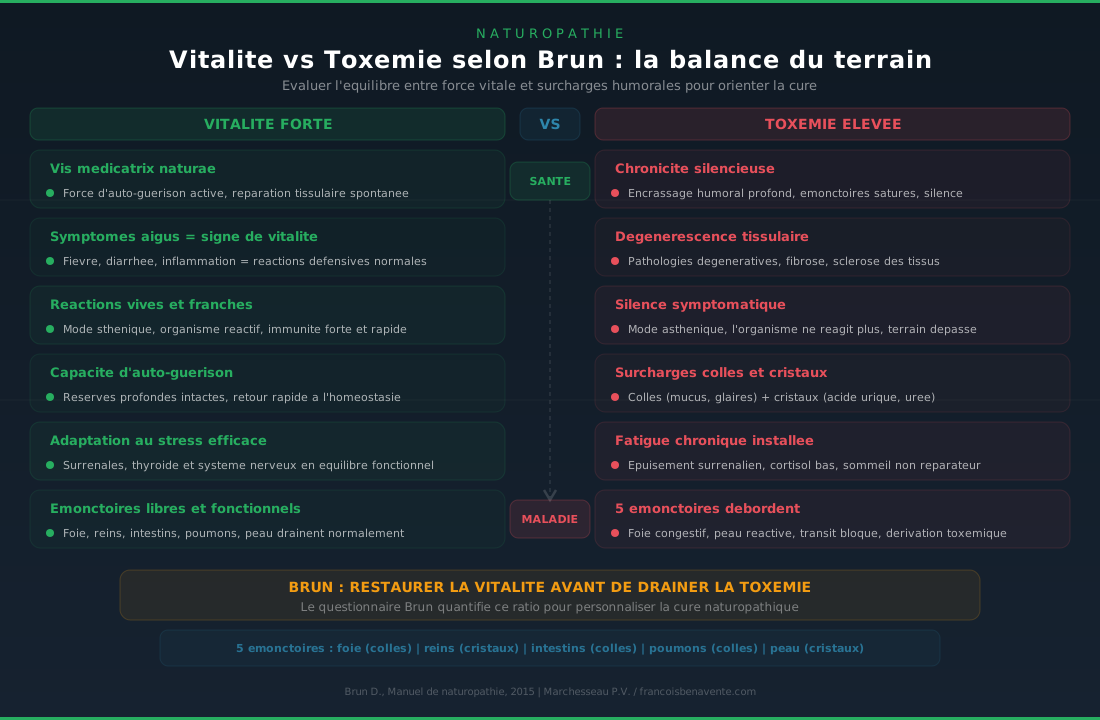
Pierre-Valentin Marchesseau, founder of French naturopathy, placed vitality at the center of his conception of health. Vitality, which he calls vis medicatrix naturae (healing force of nature), is the innate capacity of the organism to regenerate, defend itself, and maintain homeostasis. It is what heals a cut in a few days, what fights a virus in a few hours, what regulates body temperature, blood pH, and blood sugar continuously.
Vitality is not a mystical concept: it is the sum of all biochemical and enzymatic reactions that maintain life. It depends on mitochondrial energy (ATP), the quality of the autonomic nervous system, the integrity of the immune and endocrine systems, and the capacity of emunctories to eliminate metabolic waste.
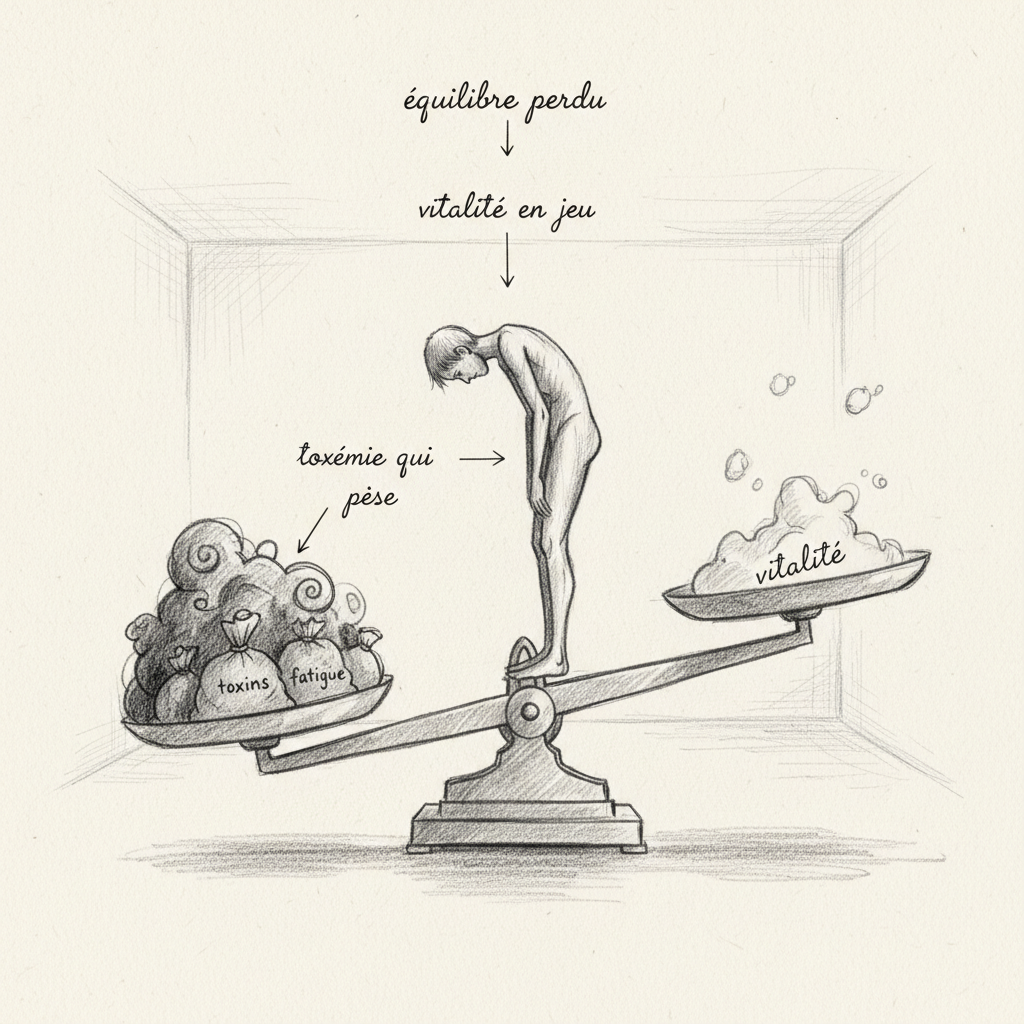
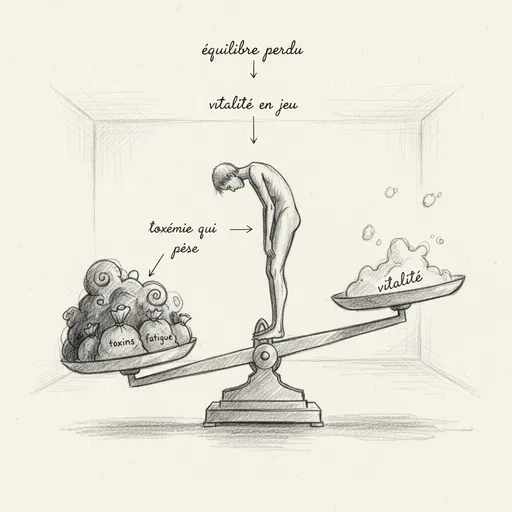
The problem is that vitality is not unlimited. It is consumed. Every stress, every infection, every sleepless night, every indigestible meal, every undigested emotion consumes vital energy. And when consumption exceeds regeneration: when toxemia exceeds vitality: the terrain tips.
Toxemia: the encrustation that makes you sick
Toxemia is the central concept of orthodox naturopathy. Marchesseau, Kousmine, Salmanoff: all converge: chronic disease is born from the accumulation of waste in the organism. This waste comes from two sources.
Exogenous waste comes from denaturated food (additives, pesticides, refined sugar, hydrogenated fats), endocrine disruptors, atmospheric pollution, medications metabolized by the liver, tobacco, and alcohol.
Endogenous waste comes from normal metabolism: uric acid, lactic acid, CO2, urea, creatinine: which accumulate when the emunctories (liver, kidneys, intestines, lungs, skin) are overwhelmed. Chronic stress is a major producer of endogenous waste: cortisol catabolizes muscle proteins, lactic acid accumulates in muscle tension, and the HPA axis massively consumes vitamin C, magnesium, and zinc.
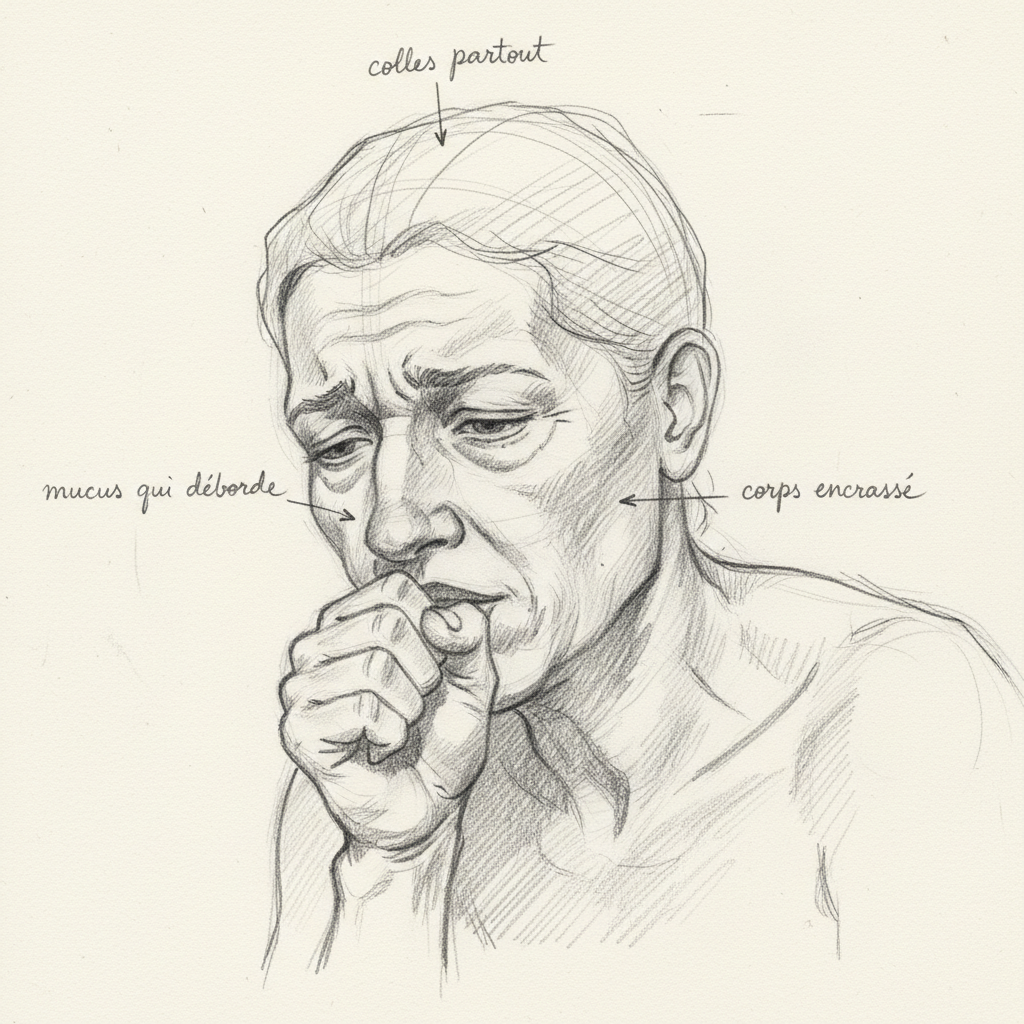
Waste is classified into two categories: colloids (mucus, phlegm, lipids: soft waste eliminated by the liver, intestines, lungs, and sebaceous skin) and crystals (uric acid, oxalates, phosphates: hard waste eliminated by the kidneys and sudatory skin). This distinction guides the choice of drainage.
What the questionnaire evaluates
C. Brun’s questionnaire contains 37 yes/no questions that systematically explore markers of vitality and toxemia. It is a global terrain assessment, not a disease diagnosis.
Questions about sleep (difficult, irregular, nocturnal awakenings, difficulty falling back asleep) evaluate the quality of recovery. Deep sleep is when the adrenals regenerate, when growth hormone repairs tissues, when the liver performs its nocturnal detoxification, and when melatonin exerts its antioxidant effect. Disrupted sleep is both a sign and a cause of decreased vitality.
Questions about digestion (transit, bloating, foul-smelling gas, post-meal drowsiness) evaluate the state of the intestinal emunctory. Foul-smelling gas indicates intestinal putrefaction: undigested proteins ferment under the action of pathogenic bacteria, producing indole, skatole, and hydrogen sulfide. Drowsiness after the midday meal reflects a diversion of vital energy toward digestion at the expense of the brain.
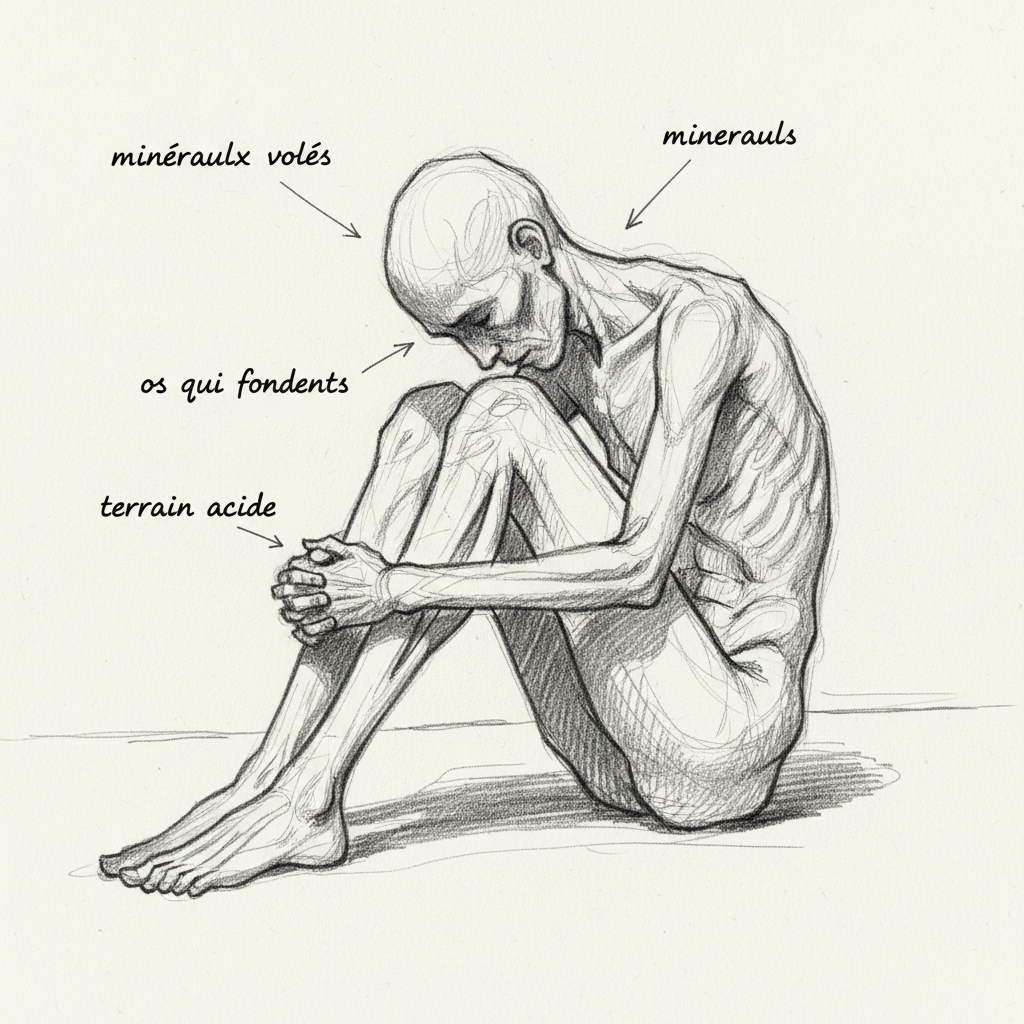
Questions about signs of demineralization (brittle nails, sensitive teeth, bleeding gums) signal a tissue acidosis that plunders mineral reserves to buffer excess acids. It is the same mechanism described by Christopher Vasey.
Questions about dependencies (multiple coffee, alcohol as a need) evaluate chemical compensation for fatigue. Coffee does not provide energy: it borrows energy from the future adrenals by stimulating cortisol and adrenaline secretion. Alcohol is an anxiolytic that masks stress at the cost of liver toxicity and vasopressin inhibition.
Take the vitality and toxemia questionnaire.
The three score zones
A score of 0 to 5 indicates good vitality and low toxemic load. Your emunctories function well, your sleep regenerates you, your digestion assimilates without fermenting, and your mood is positive. Vital force is abundant: the objective is to preserve it.
A score of 6 to 21 indicates accumulating toxemia. The balance is tipping. Signs are still functional: fatigue, bloating, frequent colds, dark circles, headaches: but they testify to progressive engorgement of the emunctories. The liver no longer filters as well, the intestines slow down, the kidneys are overloaded. This is the alert zone where naturopathic intervention is most effective.
A score of 22 to 37 indicates significant toxemia. All emunctories are saturated. Fatigue is chronic, digestion is a constant problem, chemical dependencies compensate for the collapse of vitality, and mood follows. This is the zone where Marchesseau says: “revitalize before draining.” Drainage on this terrain would be like asking an exhausted marathon runner to sprint.
Marchesseau’s three cures
The three cures are the naturopathic answer to toxemia: detoxification, revitalization, stabilization. But the order depends on your score.
If your score is moderate (6-21) and your vitality still holds, you can begin with gentle drainage. Hepatic plants (artichoke, black radish, rosemary). Blonde psyllium for transit. Draining herbal teas (birch, dandelion, meadowsweet). Weekly monodiet (apple compote or semi-complete rice) to rest the digestive system.
If your score is high (22-37), the absolute priority is revitalization. A minimum of eight hours of sleep, bedtime before 10:30pm. Gentle and digestible food: cooked vegetables, soups, compotes, rice. Magnesium bisglycinate 400 mg per day. Natural vitamin C 500 mg. B vitamin complex. Adaptogenic plants: ashwagandha, rhodiola, eleuthero to support the adrenals without overstimulating them. Drainage will come at a later time, once vitality has improved.
Daily levers
Hydration is the vehicle of elimination. Drink at least 1.5 liters of lightly mineralized water per day, outside of meals. Warm lemon water in the morning restarts hepatic functions in good metabolizers. Draining herbal teas (two cups per day) add a therapeutic dimension to hydration.
Moderate physical exercise outdoors is both a revitalizer and a drainer. Brisk walking, cycling, swimming restart blood and lymphatic circulation, stimulate all emunctories, produce endorphins, and oxidize metabolic acids. Thirty minutes per day, ideally in a forest or park.
Contact with nature is a pillar that Marchesseau, Kneipp, and all the fathers of naturopathy considered essential. Natural light regulates circadian rhythm. Clean, negatively ionized air neutralizes free radicals. Barefoot soil contact (grounding) reduces systemic inflammation. Nature is not a luxury: it is free medicine.
Stress management is non-negotiable. Chronic stress is the greatest consumer of vitality and the greatest producer of toxemia. Heart coherence (three times five minutes per day) is the fastest way to rebalance the autonomic nervous system. Magnesium, L-theanine, and passionflower support the parasympathetic branch.
Nathalie started with sleep: bedtime at 10:30pm, magnesium at dinner, passionflower herbal tea. Then dietary reform: vegetables at each meal, elimination of refined sugar, reduction of coffee to two cups in the morning. Within one month, her bloating had decreased by half. Within three months, her nails no longer broke and her dark circles had faded. Her score had dropped to 14. Vitality had returned, and with it the body’s capacity to cleanse itself.
To cook healthily, discover PranaCook stainless steel utensils, without endocrine disruptors.
To go further
- Colloidal toxemia: when mucus, phlegm, and lipids clog your body
- Tissue acidosis: the acidic terrain that eats away your bones and joints
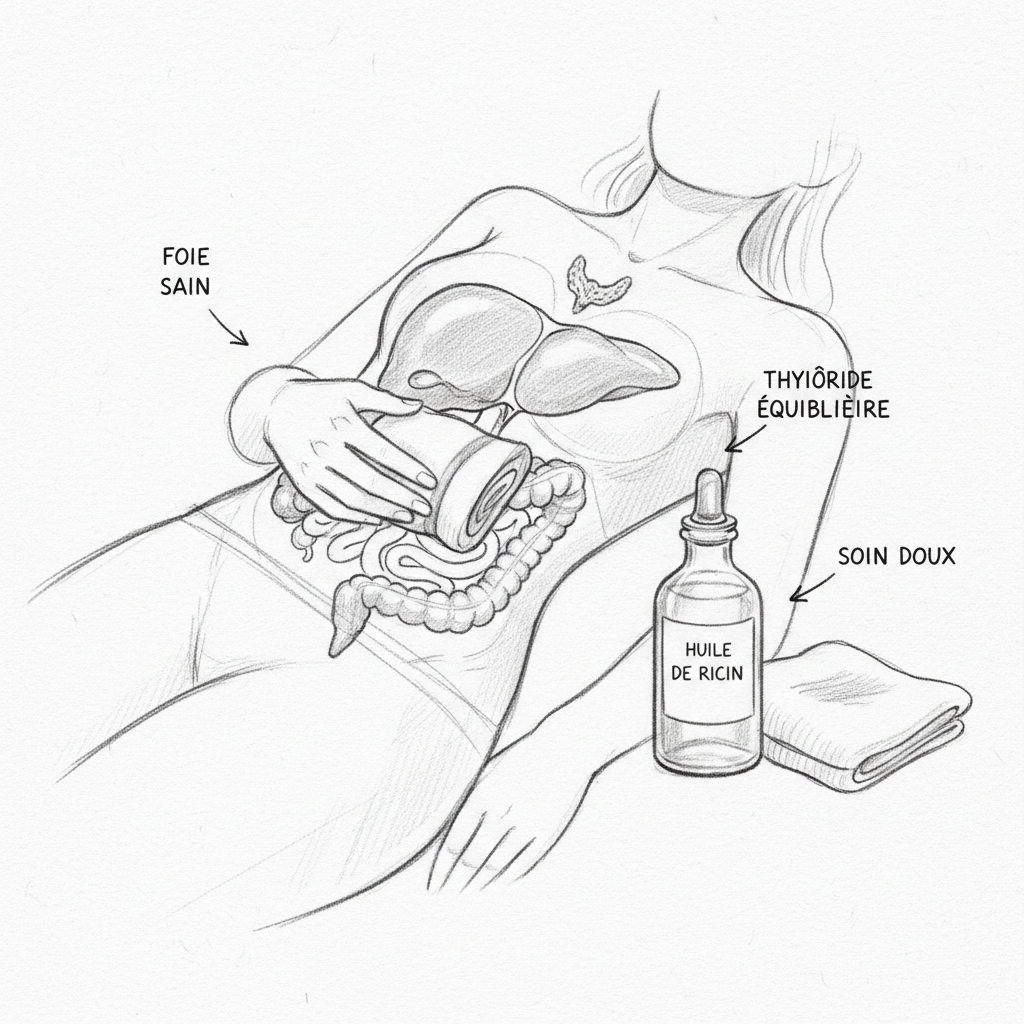
- Castor oil poultice: liver, thyroid, and intestines in one gesture
- Infrared sauna: deep detox, thyroid, and stress management
Do you want to assess your status? Take the free toxemia and acids questionnaire in 2 minutes.
Sources
- Marchesseau, Pierre-Valentin. La Toxémie. Éditions de la Vie Claire, 1985.
- Brun, Christian. Le Grand Livre de la naturopathie. Eyrolles, 2011.
- Curtay, Jean-Paul. Nutrithérapie: bases scientifiques et pratique médicale. Testez Éditions, 2016.
If you want personalized support, you can book a consultation.
Healthy recipe: Alkalizing green juice: This juice alkalizes acidic terrain.


Laisser un commentaire
Sois le premier à commenter cet article.