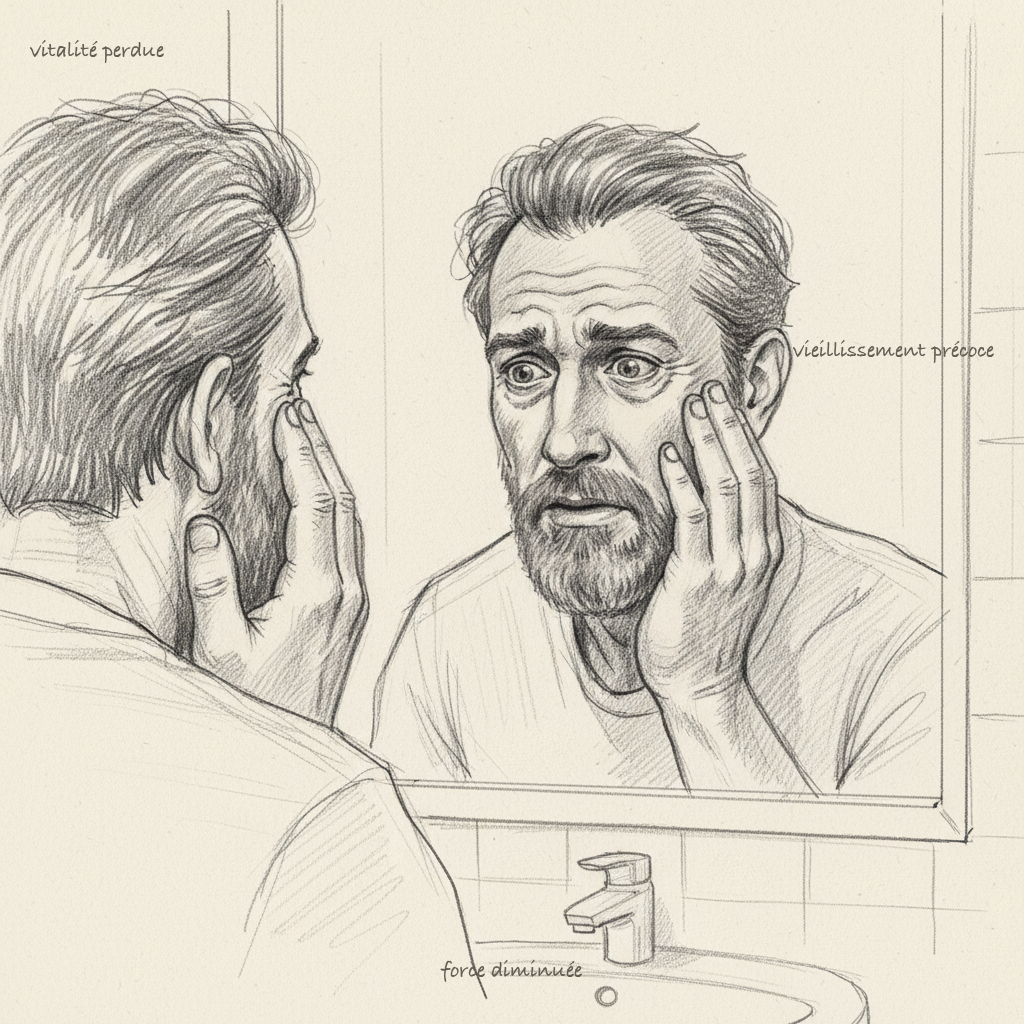
When I ask my patients if they know about cortisol, most say yes. When I ask if they know about DHEA, almost everyone looks at me with a puzzled expression. And yet, DHEA is the most abundant hormone in your blood. More abundant than cortisol, than testosterone, than estrogens. Your body produces massive quantities of it, peaking around age twenty-five, then declining steadily, losing about two percent per year. By seventy, only ten to twenty percent of your youthful capital remains. This decline is so predictable that some researchers propose using DHEA as a biological marker of aging, more reliable than chronological age.
DHEA is the anti-cortisol hormone par excellence. If cortisol is the stress accelerator, DHEA is the brake. If cortisol breaks down tissue to release energy, DHEA builds up, repairs, and regenerates. If cortisol suppresses immunity, DHEA stimulates it. The two work in tandem, and it’s their ratio that determines whether your body is in construction or destruction mode.
If you first want to understand the mechanisms of adrenal exhaustion, start with my article on the 3 stages. Here, we’ll explore this little-known hormone that might well be the key to your fatigue, your premature aging, and your vulnerability to infections.
The mother hormone of sex hormones
DHEA (dehydroepiandrosterone, a name that’s quite a mouthful) is produced ninety percent by the reticular zone of the adrenal cortex, with the remaining ten percent synthesized by the gonads and brain. It’s made from pregnenolone, which itself is derived from cholesterol. It’s the same starting point as cortisol. Both hormones share the same pathway until a fork: pregnenolone can be directed either toward the cortisol pathway (via 17-alpha-hydroxylase and 21-hydroxylase), or toward the DHEA pathway (via 17,20-lyase). This fork is the exact location of the pregnenolone theft I often discuss.
Once produced, DHEA is converted to DHEA-S (DHEA sulfate) in the adrenals and liver. DHEA-S is the stable circulating form, the one we measure in the blood. Its half-life is long (seven to ten hours, compared to only thirty minutes for free DHEA), making it a reliable marker of adrenal production. No morning peak or marked circadian variation like cortisol. The DHEA-S level reflects the average adrenal production over several hours.
But DHEA is not a destination hormone. It’s a transit hormone. In peripheral tissues (skin, adipose tissue, muscles, bones, brain), it’s converted to testosterone and estrogens according to local needs. This is a remarkably elegant system: cells in each tissue convert DHEA to the hormone they need, without the overall blood level of testosterone or estrogens changing significantly. This is called intracrinology, a concept developed by Quebec researcher Fernand Labrie.
In women, this local conversion becomes especially important after menopause. When the ovaries stop producing estrogens, it’s the peripheral conversions of DHEA that ensure minimal estrogenic stimulation in tissues. If the adrenals are exhausted and no longer produce enough DHEA, this relay doesn’t happen.
The ratio that tells all
In functional medicine, the most revealing number is neither cortisol alone, nor DHEA alone. It’s their ratio. Dr. Hertoghe teaches that the cortisol/DHEA ratio is the true barometer of adrenal health. Here’s why.
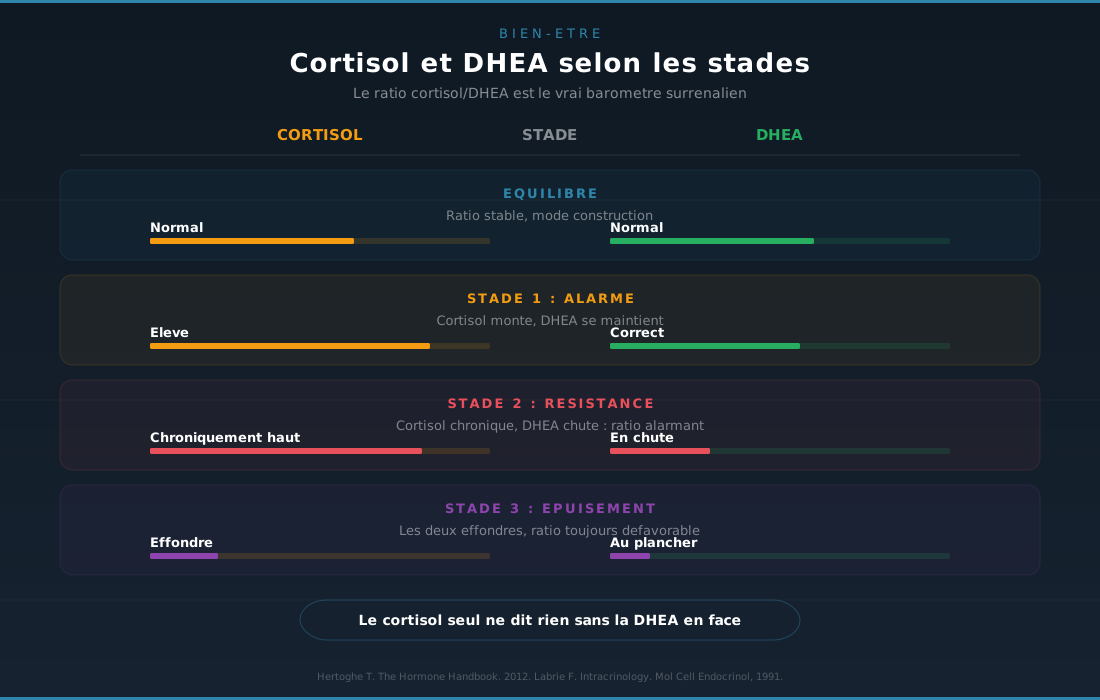
In normal physiological situations, cortisol and DHEA are produced in balance. Cortisol manages daily stress, and DHEA counterbalances its catabolic effects. The ratio is stable. At stage 1 of adrenal fatigue (alarm), cortisol rises but DHEA holds steady. The ratio increases moderately. The body manages. At stage 2 (resistance), cortisol stays high and DHEA begins to drop. The ratio widens dangerously. The body loses balance between catabolism and anabolism. At stage 3 (exhaustion), cortisol collapses and DHEA bottoms out. Both are low, but DHEA is often proportionally lower than cortisol, which maintains an unfavorable ratio even in hypocortisolism.
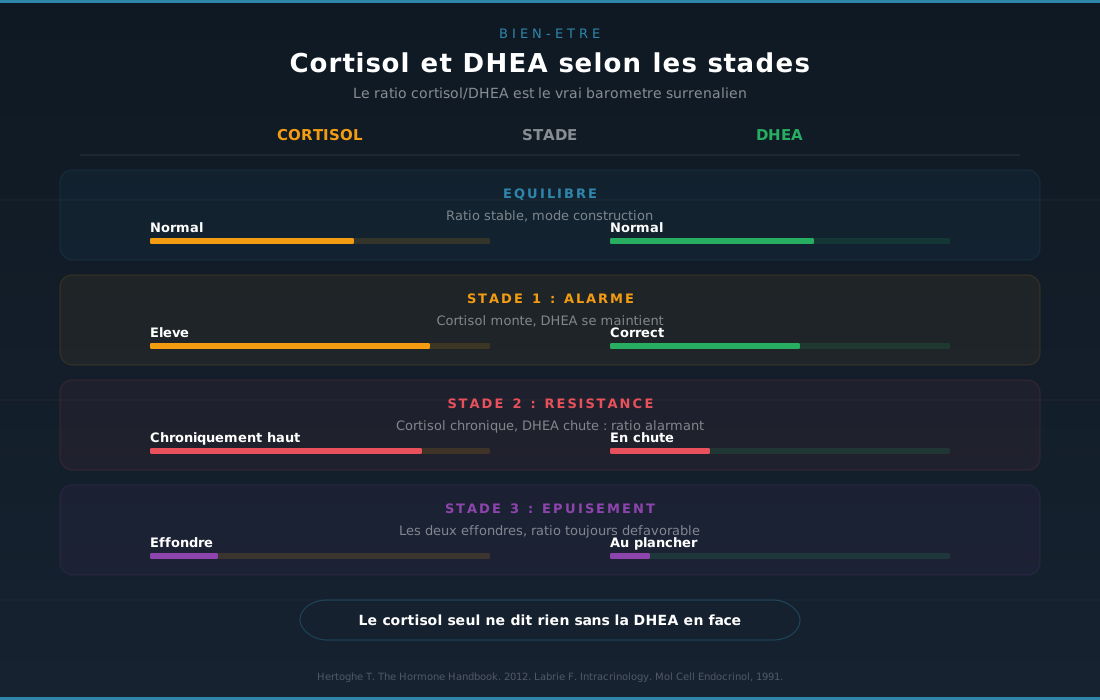
This ratio explains why two patients with the same cortisol level can feel radically different. A patient with morning cortisol at 15 nanomoles per liter and DHEA-S at 300 micrograms per deciliter will feel well. A patient with the same cortisol at 15 but DHEA-S at 80 will be exhausted, aged, immunocompromised. Cortisol alone says nothing without DHEA to compare it to.
This is why I always prescribe blood DHEA-S testing in addition to four-point salivary cortisol. It’s a simple exam, inexpensive, available at any biology laboratory. And yet it’s rarely prescribed. Doctors measure cortisol (sometimes), TSH (often), but systematically forget DHEA-S. As if the most abundant hormone in the human body didn’t deserve a look.
What DHEA protects when it’s sufficient
The list of DHEA’s functions is staggering. And it explains why its decline has consequences that are both diffuse and devastating.
Immunity, first. DHEA stimulates T lymphocytes, NK cells (natural killers), and interleukin-2 production, which amplifies immune response. It directly opposes the immunosuppressive effects of cortisol. When the cortisol/DHEA ratio is unbalanced in cortisol’s favor, immunity collapses. Recurring infections (colds, sinusitis, fungal infections, recurring herpes) are a classic sign of low DHEA. The link to chronic candidiasis is direct.
Bone, next. DHEA stimulates osteoblasts (bone-building cells) and inhibits osteoclasts (bone-destroying cells). It protects against osteoporosis, especially in postmenopausal women. Low DHEA at fifty is a risk factor for osteoporosis at seventy.
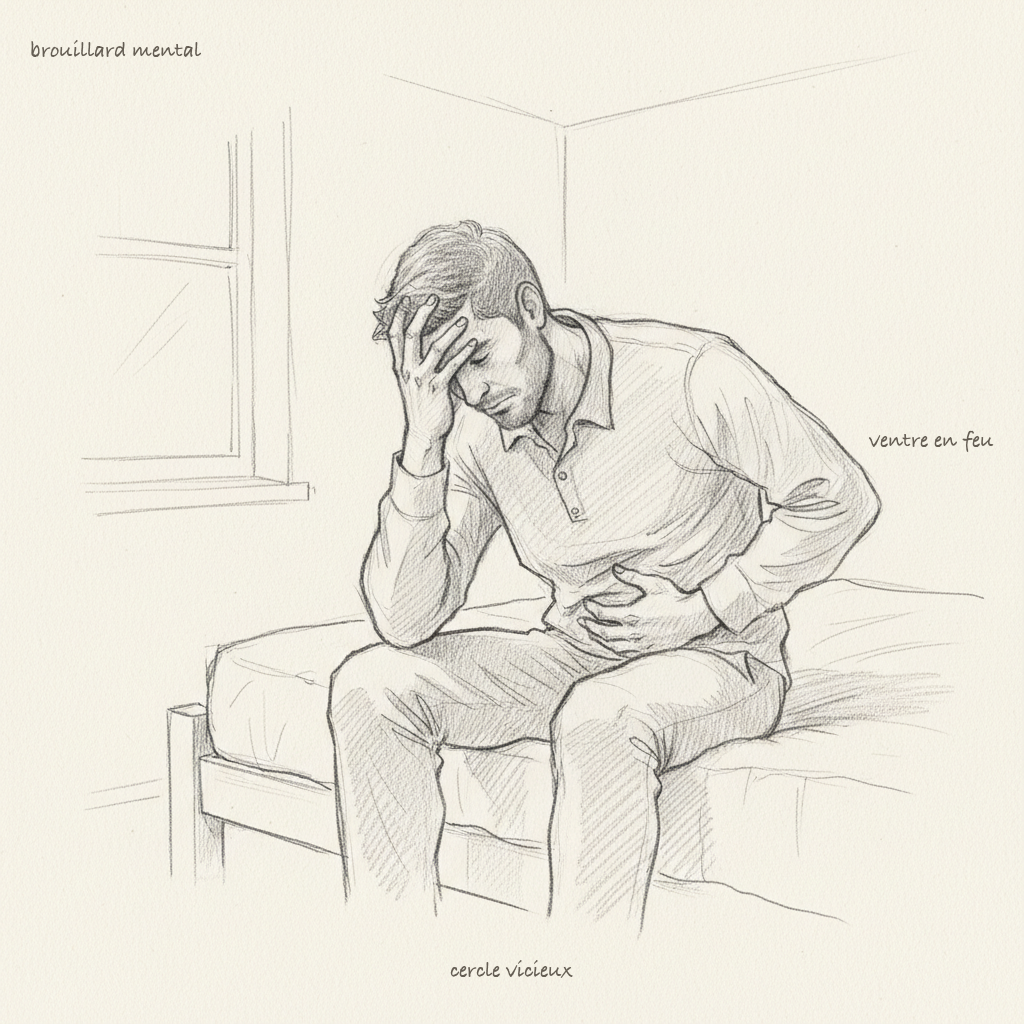
The brain. DHEA is a neurosteroid. It’s produced locally in the brain (not just by the adrenals) and modulates GABA-A and NMDA receptors. It has neuroprotective, antidepressant, and pro-cognitive properties. The brain fog, memory problems, and difficulty concentrating that patients report in adrenal fatigue are partly linked to the drop in cerebral DHEA.
Skin and connective tissues. DHEA is locally converted to testosterone and DHT in the dermis, which stimulates collagen and sebum production. The accelerated skin aging (thin, dry, wrinkled skin, loss of elasticity) in adrenal patients is partly an effect of DHEA deficiency.
Body composition. Through its conversion to testosterone, DHEA supports muscle mass, strength, and recovery capacity after exercise. Its decline contributes to sarcopenia (age-related muscle loss) and increased abdominal fat mass.
Mood and energy. DHEA modulates serotonin and dopamine. Low DHEA is associated with depression, loss of motivation, anhedonia (inability to feel pleasure). Some studies have shown significant mood improvement in depressed patients after DHEA supplementation.
Now you understand why a patient with collapsed DHEA simultaneously presents fatigue, infections, brain fog, aged skin, muscle loss, depression, and decreased libido. This isn’t “aging.” It’s a correctable hormonal deficiency.
Why your DHEA is low (and it’s not just age)
The physiological decline of DHEA with age is real. But it doesn’t explain everything. In consultation, I regularly see thirty or thirty-five-year-old patients with DHEA-S levels worthy of a sixty-year-old. Biological aging and chronological aging aren’t synchronized. And the main accelerator of DHEA decline is chronic stress.
The pregnenolone theft I described in my article on cortisol and thyroid diverts hormonal raw material toward cortisol. DHEA is sacrificed. And unlike cortisol, which can rise quickly when stress decreases, DHEA takes much longer to rebuild. Its recovery is slow, progressive, and requires months of on-the-ground work.
Other factors worsen the decline. Chronic inflammation (dental infection, candidiasis, autoimmune disease like Hashimoto) consumes DHEA. Insulin resistance and type 2 diabetes are associated with low DHEA levels. Sedentary behavior accelerates decline. Lack of sleep disrupts nocturnal adrenal production. Endocrine disruptors interfere with steroid synthesis. Deficiencies in zinc, vitamin B6, and magnesium limit the adrenals’ capacity to produce DHEA.
Tobacco and alcohol deserve special mention. Tobacco increases cortisol while lowering DHEA, creating a double imbalance. Alcohol, via hepatic acetaldehyde, directly inhibits DHEA synthesis in the adrenals. Two or three drinks per day are enough to cause measurable DHEA decline.
Restoring your DHEA without hormone supplementation
In France, DHEA is available over the counter at pharmacies. It’s tempting to supplement directly. But in naturopathy, we prefer to restore endogenous production rather than add the hormone from outside. Why? Because exogenous DHEA converts to testosterone and estrogens sometimes unpredictably. In women, it can cause acne, hirsutism, a deeper voice if the dose is too high. In men, it can convert to estrogens via aromatase, which is the exact opposite of the desired effect. And most importantly, supplementation doesn’t resolve the root problem: adrenals that no longer produce.
The naturopathic strategy for restoring DHEA involves four approaches.
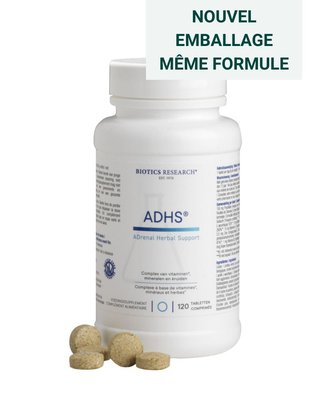
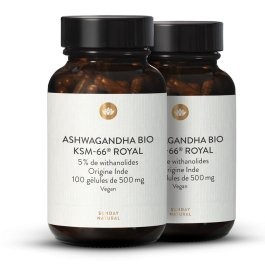
The first approach is to stop the pregnenolone theft. By treating the adrenals (adaptogens, micronutrition, stress management), we reduce cortisol demand and free up pregnenolone for the DHEA pathway. This is the protocol I detailed in my article on adrenal reconstruction. Ashwagandha (three hundred milligrams twice daily) and rhodiola (two hundred milligrams in the morning) are first-line adaptogens. They normalize cortisol and indirectly allow DHEA to rise.
The second approach is targeted micronutrition. Zinc (thirty milligrams daily) is a cofactor of 17,20-lyase, the enzyme that directs pregnenolone toward DHEA rather than cortisol. Vitamin B6 in P5P form (fifty milligrams daily) supports this same enzymatic pathway. Magnesium bisglycinate (three hundred to four hundred milligrams daily) reduces HPA axis overactivation. Vitamin C (one gram morning and evening) protects adrenal cells from oxidative stress.
The third approach is lifestyle. Moderate physical exercise (brisk walking, light strength training, yoga) stimulates DHEA production. Caution: intense, prolonged exercise (marathons, CrossFit, triathlons) does the exact opposite, raising cortisol and lowering DHEA. The right dose is the amount after which you feel energized, not exhausted. Deep sleep between 11 PM and 3 AM is the key time for adrenal regeneration. Meditation and heart rate variability, by lowering cortisol, free up pregnenolone for the DHEA pathway.
The fourth approach is inflammation reduction. Every chronic inflammatory focus (candidiasis, intestinal permeability, dental infection, autoimmune disease) consumes DHEA. By treating these foci, we free up production capacity. Anti-inflammatory diet is fundamental: omega-3s (fatty fish two to three times weekly or EPA/DHA supplementation two grams daily), turmeric, reduced sunflower and corn oils (high in pro-inflammatory omega-6s), elimination of ultra-processed foods.
Laurent’s case
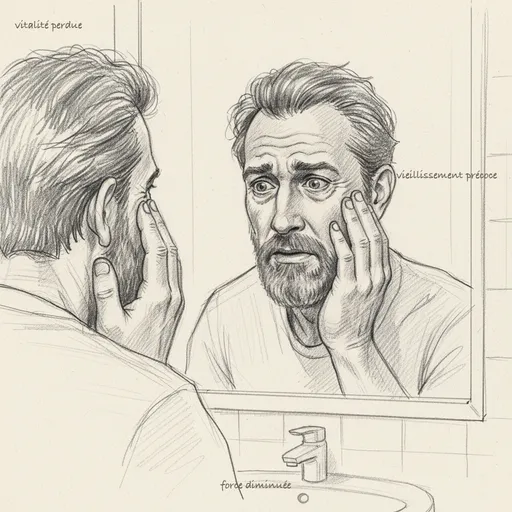
Laurent is fifty-three years old. Business owner, fifteen years of chronic stress, insomnia for three years, muscle loss despite three strength training sessions weekly, libido almost nonexistent, skin that had “aged ten years in two years” by his account. His doctor had measured his testosterone: low, but “normal for his age.” He’d been offered a testosterone gel. He refused.
His salivary cortisol showed a stage 2 advanced profile: elevated morning cortisol, paradoxically elevated evening cortisol too (loss of circadian rhythm). His DHEA-S was 98 micrograms per deciliter. For a fifty-three-year-old man, the lab’s reference range showed 80 to 560. He was “within normal limits.” But at the absolute bottom of the range, where the cortisol/DHEA ratio is catastrophic.
His protocol was targeted: rhodiola two hundred milligrams in the morning, ashwagandha three hundred milligrams in the evening, magnesium bisglycinate four hundred milligrams, zinc thirty milligrams, vitamin B6 P5P fifty milligrams, vitamin C one gram morning and evening, omega-3 EPA/DHA two grams daily. Reduced strength training to two short sessions weekly (forty-five minutes maximum, moderate loads). Added daily walking and heart rate variability three times daily. Bedtime 10:30 PM, no screens after 9 PM.
At three months, his DHEA-S had risen to 187. At six months, 243. His free testosterone had increased thirty percent without any hormone supplementation. His sleep had restored itself. His skin had regained its glow. His muscle mass had started responding to training again. And his libido returned, gradually, naturally, because the adrenals had started supplying the raw material his body needed.
The irony is that his doctor, when he saw the results, asked him: “What did you change?” When Laurent explained the naturopathic protocol, the doctor nodded politely, without comment. Marchesseau said: “The naturopath doesn’t heal disease, he corrects terrain.” Laurent didn’t cure his low DHEA. He corrected the terrain that was making it drop. It’s exactly the same thing, and it’s radically different.
Want to evaluate your status? Take the free DHEA questionnaire in 2 minutes.
If you want personalized support, you can book a consultation.
For more information
- Adrenals and candidiasis: the vicious cycle to break
- Aldosterone: the forgotten hormone of your blood pressure and salt
- Graves’ disease and stress: the thyroid of emotion
- Burnout: when your reptilian brain takes control
Want to evaluate your status? Take the free Hertoghe cortisol questionnaire in 2 minutes.
Sources
- Hertoghe, Thierry. The Hormone Handbook. 2nd ed. International Medical Books, 2012.
- Labrie, Fernand. “Intracrinology.” Molecular and Cellular Endocrinology, 1991.
- Marchesseau, Pierre-Valentin. Naturopathy pamphlets (1950-1980).
- Baulieu, Étienne-Émile. “Dehydroepiandrosterone (DHEA): a fountain of youth?” The Journal of Clinical Endocrinology & Metabolism, 1996.
You can book a consultation for a complete hormonal assessment including DHEA-S and salivary cortisol. I see patients in Paris and via video throughout France.
Healthy recipe: Energy balls cocoa-hazelnut: Cocoa and hazelnuts support DHEA.
Laisser un commentaire
Sois le premier à commenter cet article.