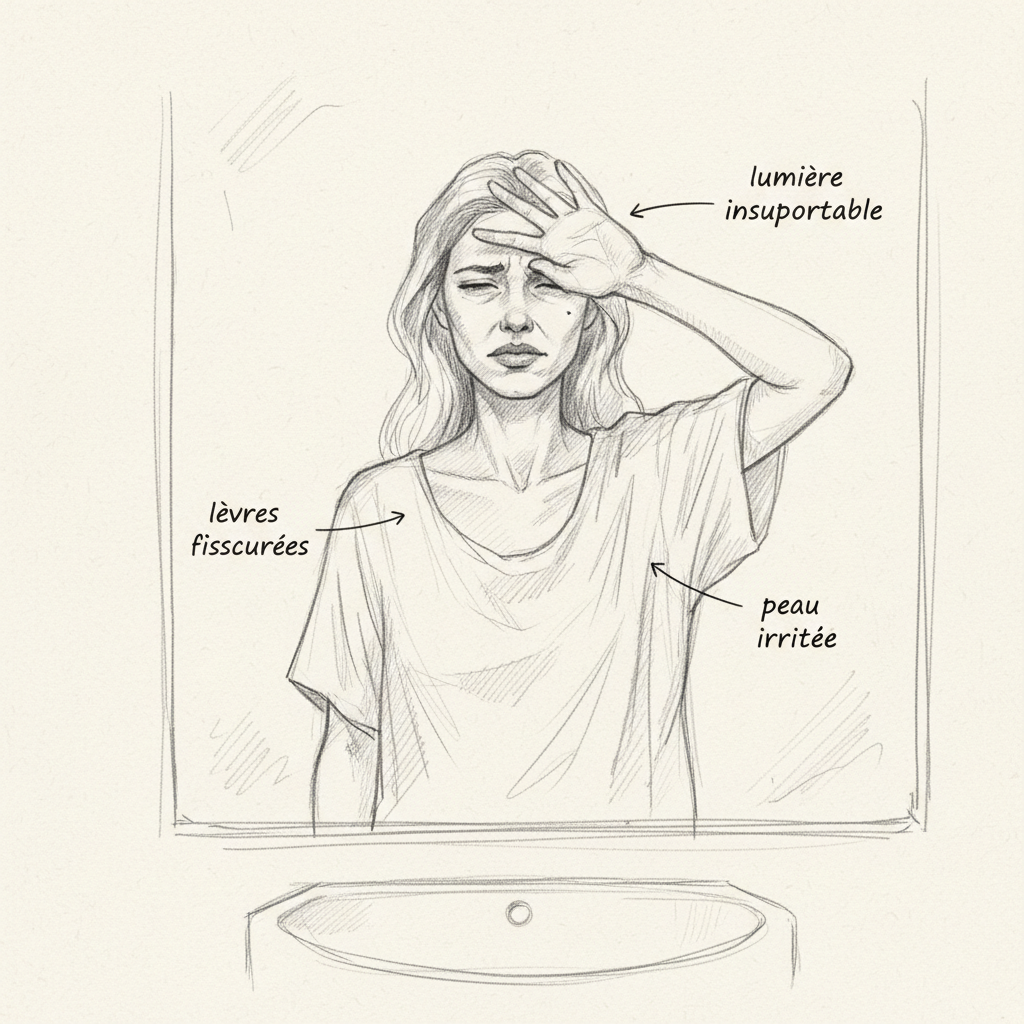
Sophie is twenty-seven years old. She came to consult with me for cracks at the corners of her lips that had not healed for three months. Her dermatologist had diagnosed fungal perlèche and prescribed a topical antifungal. It had worked for two weeks, then it came back. She also had permanently red eyes, a light sensitivity that forced her to wear sunglasses even in overcast weather, and fatigue that she attributed to her work pace. She had been taking the pill for eight years. No one had mentioned vitamin B2 to her.
Riboflavin is the yellow vitamin. It’s what colors urine in fluorescent yellow when you take a B complex, and it’s referenced as food coloring E101 in industrial products. But behind this bright color lies an essential cofactor of the mitochondrial respiratory chain, without which your cells literally cannot breathe.
The causes of B2 deficiency
Riboflavin deficiency is the most common vitamin deficiency in the world according to the WHO. In France, the SUVIMAX study revealed that twenty-five to thirty-five percent of women and fifteen to twenty percent of men had insufficient intake. And as with B1, dietary intake is only part of the equation.
A diet poor in animal products is the first cause. The best sources of B2 are organ meats (liver, kidneys), dairy products, eggs, and meat. Strict vegan diets without supplementation expose people to a high risk of deficiency. Vegetarian diets are less at risk thanks to eggs and dairy products, but the risk persists if consumption of these foods is low.
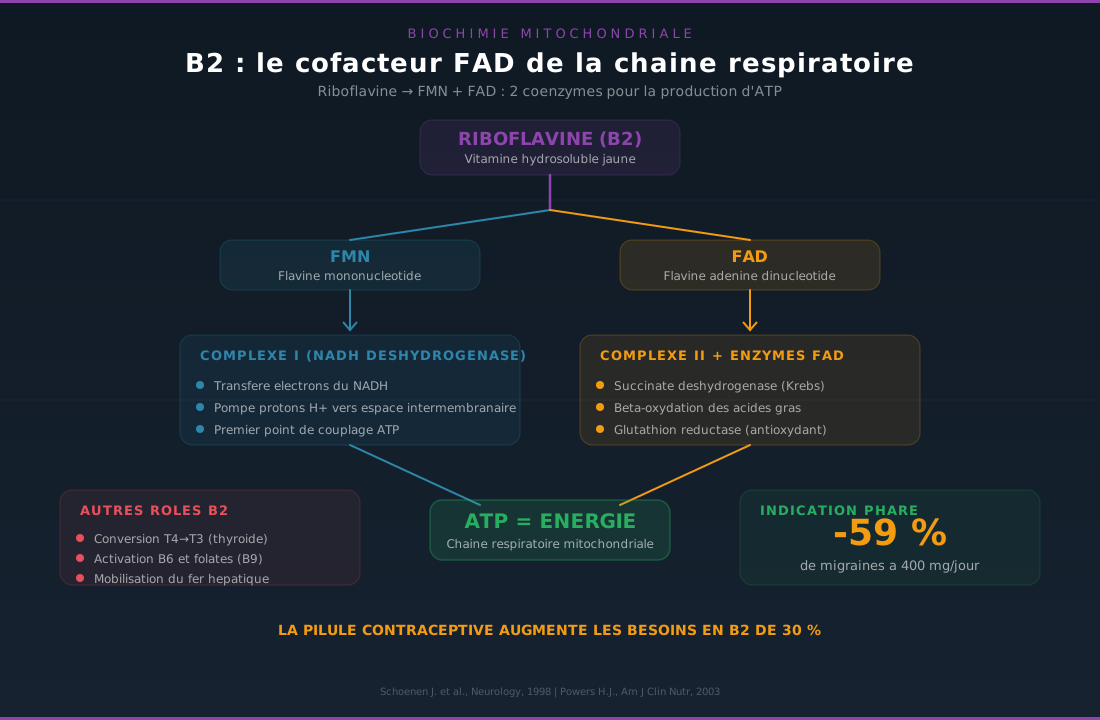
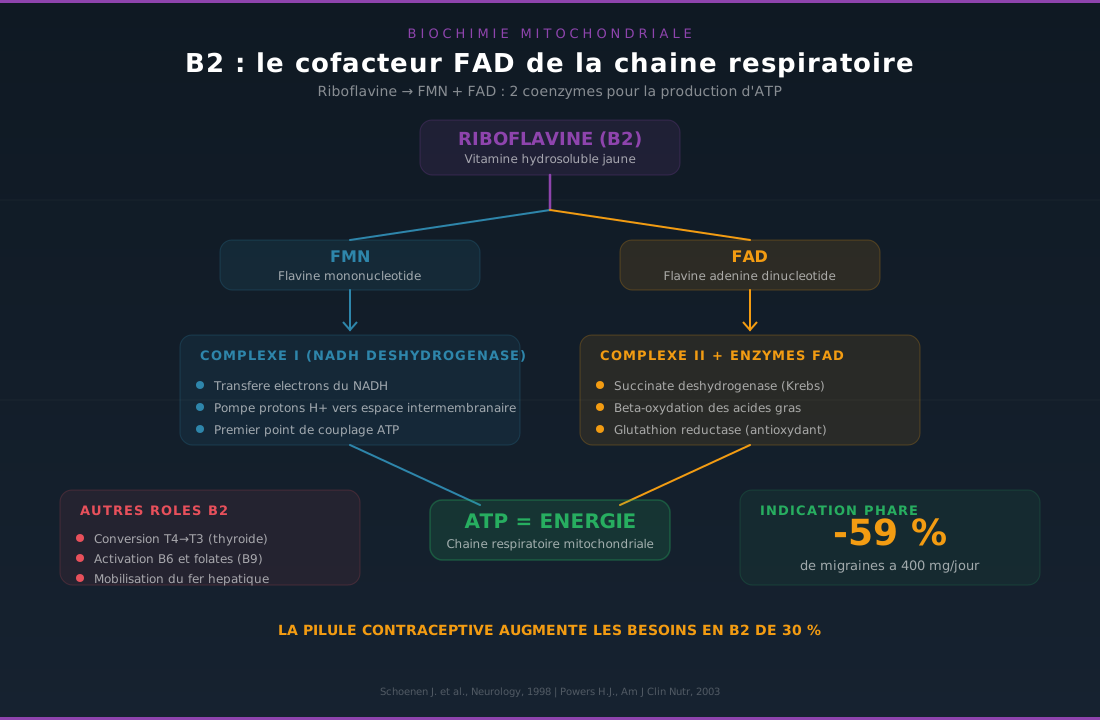
Oral contraceptives are a major iatrogenic cause. The pill increases hepatic catabolism of riboflavin and reduces its plasma levels by twenty to thirty percent. Sophie had been taking the pill for eight years without any B vitamin supplementation: this is a classic scenario of progressive deficiency.
Light destroys riboflavin. Milk stored in transparent bottles under supermarket fluorescent lights loses up to fifty percent of its B2 in just a few hours of light exposure. This is why opaque milk bottles better preserve vitamins. The same light sensitivity applies to supplements: B2 capsules should be stored away from light.
Alcohol, long-term antibiotics, hypothyroidism (which slows the conversion of riboflavin into its active forms FMN and FAD), and inflammatory bowel diseases (Crohn’s, ulcerative colitis) that impair absorption are other common causes.
The symptoms of deficiency
Riboflavin is the precursor of two fundamental coenzymes: FMN (flavin mononucleotide) and FAD (flavin adenine dinucleotide). FAD is the cofactor of more than eighty enzymes, including those of the mitochondrial respiratory chain (complexes I and II), of beta-oxidation of fatty acids, and of the metabolism of several other vitamins (B6, B9, B3).
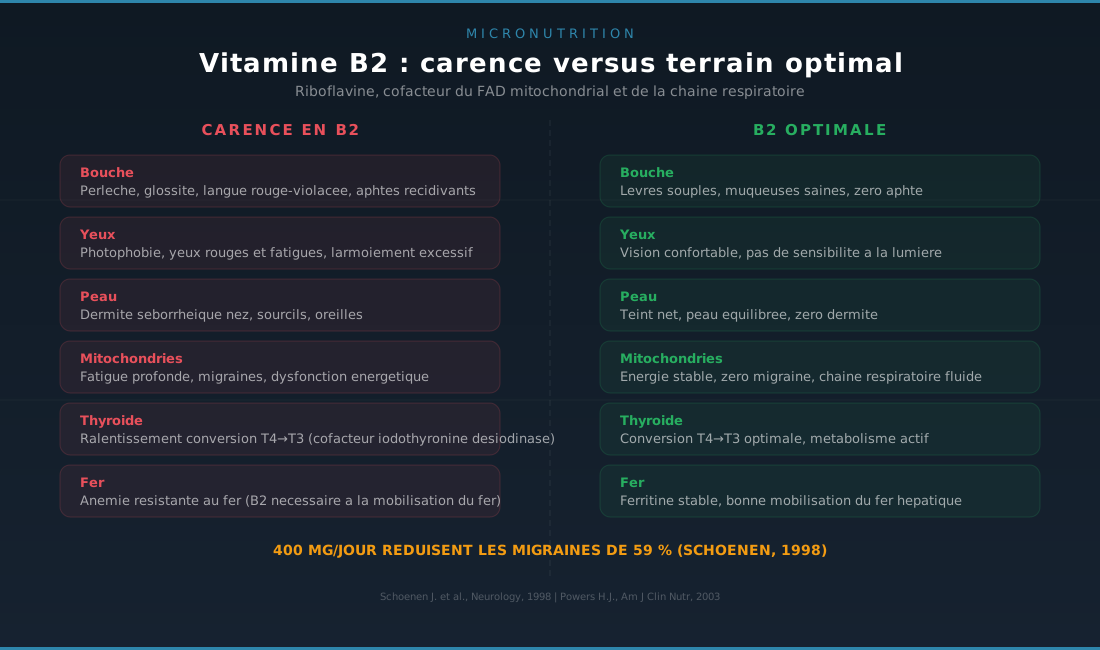
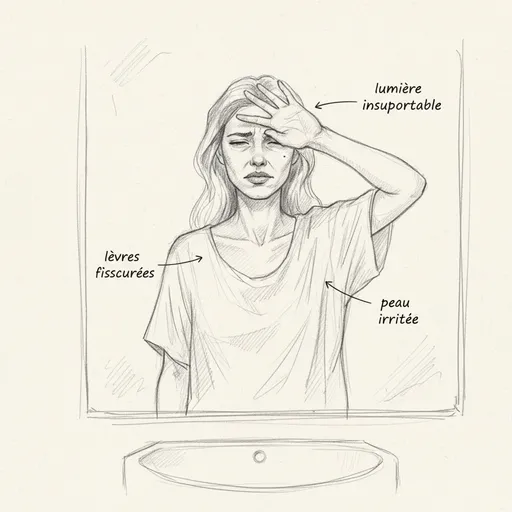
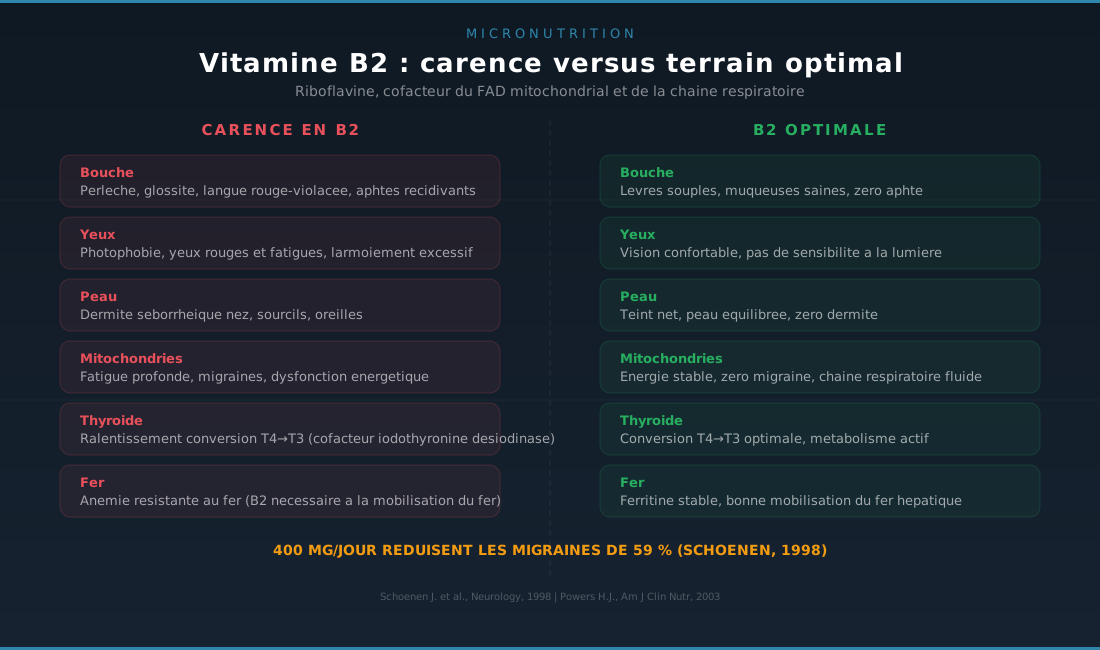
Oral signs are the most characteristic and earliest. Angular cheilitis (perlèche) is a painful cracking at the corners of the lips, often superinfected by Candida or Staphylococcus. Glossitis manifests as a red-purple, smooth, depapillated and painful tongue. Stomatitis (inflammation of the oral mucosa) with recurrent mouth ulcers completes the picture. These oral signs are so characteristic that any naturopath trained in semiology should think of B2 when faced with recurrent perlèche.
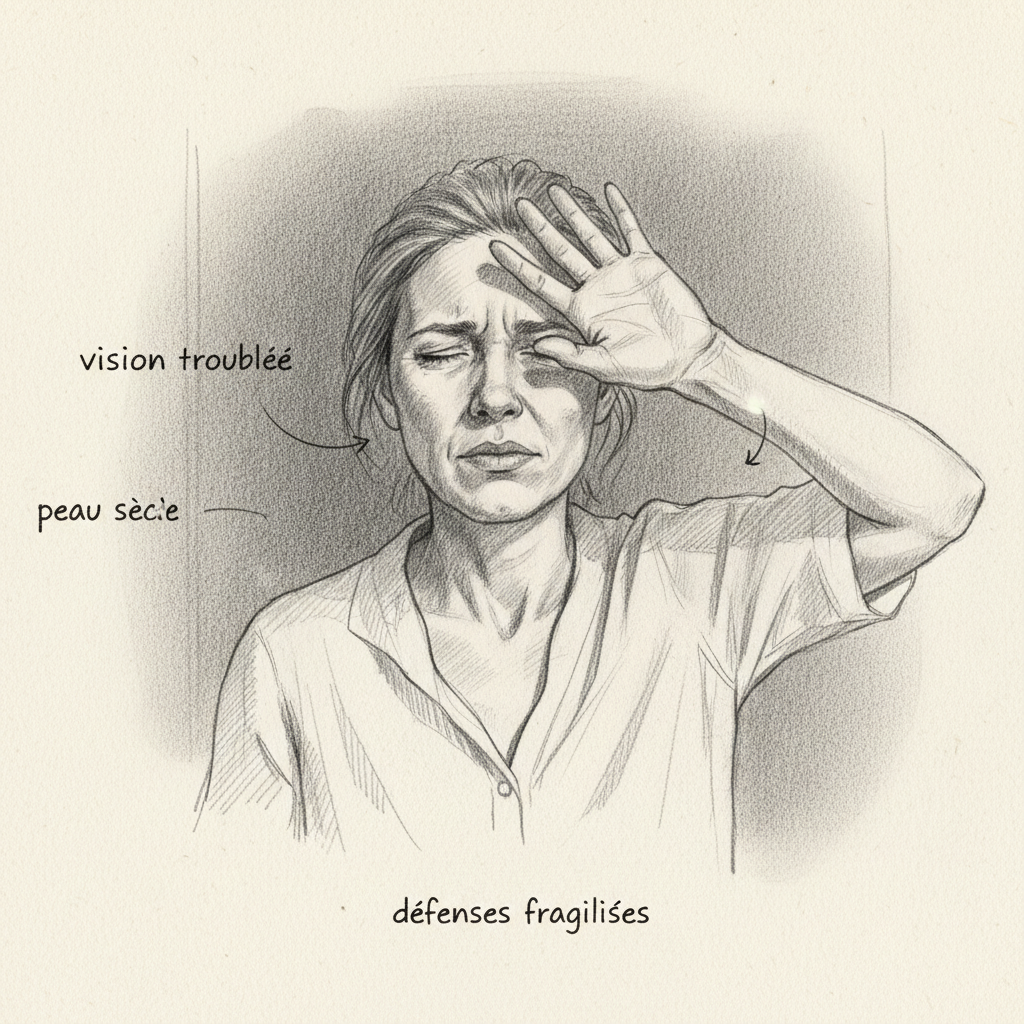
Ocular signs are frequent: photophobia (light sensitivity), red and tired eyes (conjunctival injection), tearing, sensation of sand in the eyes, and in severe cases corneal vascularization with keratitis. B2 is necessary to maintain the integrity of the corneal epithelium and retina.
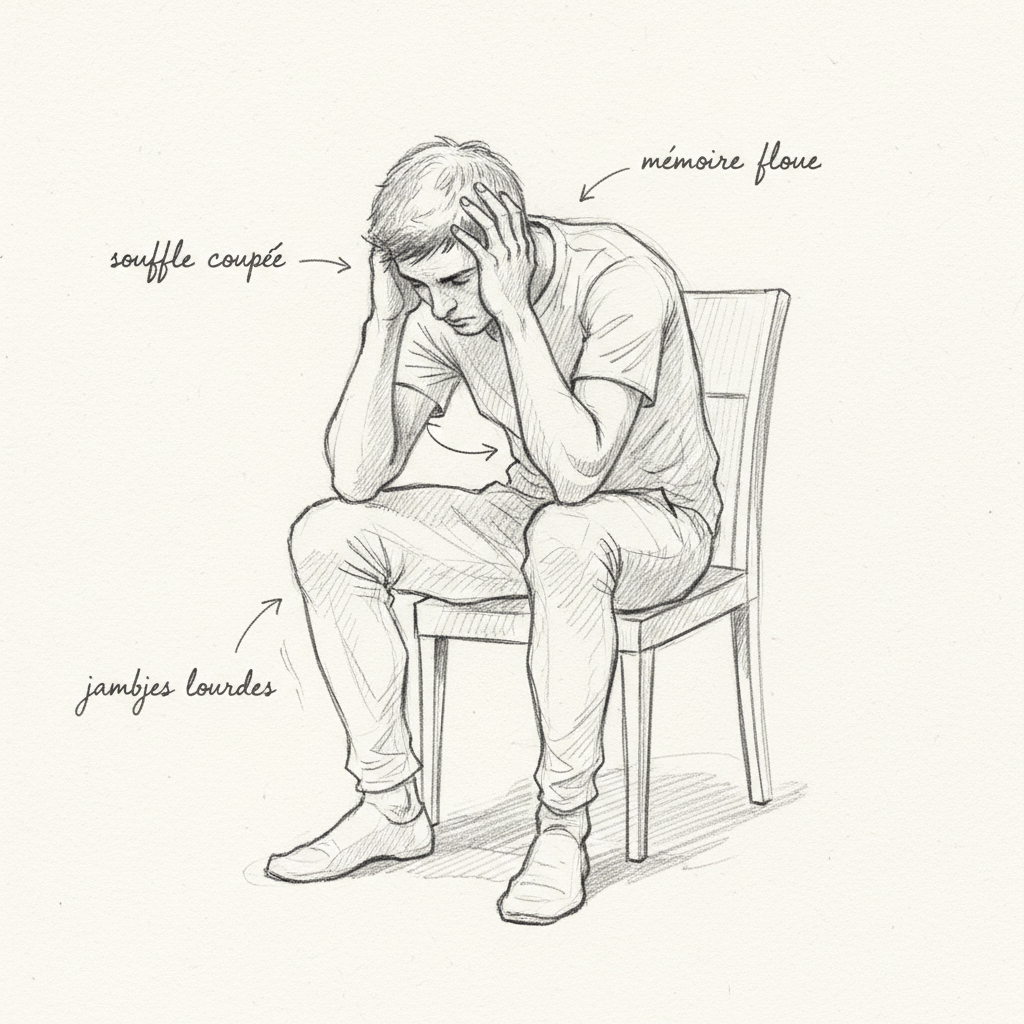
Seborrheic dermatitis of the face (around the nose, eyebrows, forehead, ears) is a classic cutaneous sign. Chronic fatigue, muscle weakness, and anemia normocytic complete the picture of moderate forms. Recurrent migraines can be a sign of mitochondrial dysfunction linked to B2 deficit.
The micronutrients essential to B2
Iron and B2 are intimately linked. Riboflavin is necessary for mobilizing iron from ferritin and for its incorporation into hemoglobin. Without sufficient B2, iron remains trapped in its reserves and cannot be used to make red blood cells. This is why iron supplementation alone can fail if B2 deficiency is not corrected simultaneously.
Vitamin B6 depends on B2 for its activation. The enzyme pyridoxamine phosphate oxidase, which converts dietary pyridoxine to pyridoxal-5’-phosphate (P5P, the active form of B6), is a flavoprotein that requires FAD as a cofactor. B2 deficiency therefore leads to functional B6 deficiency, even if B6 intake is adequate.
Vitamin B9 (folates) and B3 (niacin) also depend on B2 for their metabolism. Methylenetetrahydrofolate reductase (MTHFR), a key enzyme in the folate cycle and methylation, is a FAD-dependent flavoprotein. And the conversion of tryptophan to niacin also requires B2. It’s a domino effect: B2 deficiency can destabilize the entire B vitamin network.
Food sources
Calf liver is the richest source with 3.4 milligrams per 100 grams, which is three times the recommended intake in one serving. Lamb kidneys provide 2.2 milligrams per 100 grams. Brewer’s yeast contains 4 milligrams per 100 grams. Hard cheese (Emmental, Comté, Beaufort) provides 0.3 to 0.5 milligrams per 100 grams. Eggs provide 0.4 milligrams for two eggs. Whole milk contains 0.18 milligrams per 100 milliliters. Almonds are the best vegetable source with 1.1 milligrams per 100 grams. Mushrooms (shiitake, button mushrooms) provide 0.3 to 0.5 milligrams per 100 grams. Spinach contains 0.2 milligrams per 100 grams.
Recommended intake is 1.1 milligrams per day for women and 1.3 milligrams for men. In case of migraines, the therapeutic dose is 400 milligrams per day. In case of documented deficiency, 25 to 50 milligrams per day for two to three months allow restoration of reserves.
The antagonists of vitamin B2
UV and visible light are the main physical antagonists. Riboflavin is photolabile: it degrades rapidly under light, including supermarket neon lights and sunlight. Foods rich in B2 (milk, cheese) should be kept away from light.
Alcohol inhibits intestinal absorption of B2 and accelerates its hepatic catabolism. Boron (boric acid, present in certain cosmetics and household products) forms complexes with riboflavin that reduce its bioavailability. Broad-spectrum antibiotics destroy the intestinal flora that produces a small amount of endogenous B2.
Tricyclic antidepressants (amitriptyline, imipramine) and antipsychotics (chlorpromazine) inhibit the conversion of riboflavin to FMN and FAD. Doxorubicin (chemotherapy) and methotrexate are also antagonists.
Intense physical exercise increases B2 requirements by twenty to sixty percent depending on intensity, due to increased mitochondrial demand. Endurance athletes are particularly at risk for subclinical deficiency.
The forgotten causes of deficiency
Hypothyroidism slows the conversion of riboflavin to FMN and FAD by thyroid-dependent hepatic enzymes. A hypothyroid patient may have adequate B2 intake but functional deficiency in active forms.
The MTHFR C677T polymorphism creates an increased need for B2 because the mutated MTHFR enzyme has reduced affinity for its FAD cofactor. Homozygous carriers (TT) need more B2 to maintain sufficient MTHFR activity, which has implications for methylation, homocysteine, and folate metabolism.
Preeclampsia is associated with B2 deficiency in several studies. Metabolic syndrome and insulin resistance increase B2 requirements due to increased mitochondrial oxidative stress. And cataracts are linked to B2 deficiency which reduces the activity of glutathione reductase in the lens, a FAD-dependent enzyme that protects against opacification.
Dietary supplements
Riboflavin (vitamin B2) as a supplement is available as free riboflavin or riboflavin-5’-phosphate (FMN), the already activated form. Riboflavin-5’-phosphate is preferable in hypothyroid or hepatic patients whose conversion is impaired.
Maintenance dose is 10 to 25 milligrams per day. The therapeutic dose for migraines is 400 milligrams per day for at least three months (Schoenen 1998 study). The dose to correct documented deficiency is 25 to 50 milligrams per day for two to three months.
B2 is remarkably safe: no toxicity has been reported even at very high doses, because excess is immediately eliminated by the kidneys (hence the fluorescent yellow coloring of urine). It is better absorbed with a meal containing fats, as the presence of bile improves the absorption of flavins.
Sophie started with 25 milligrams of riboflavin-5’-phosphate per day, combined with a complete B complex and zinc bisglycinate. Within three weeks, her perlèche had disappeared for the first time in three months. Her photophobia improved gradually over six weeks. She also changed her pill to a copper IUD, eliminating the iatrogenic cause of her deficiency.
To assess your B2 vitamin status, take the B2 deficiency questionnaire on my site.
To go further
- Carnitine and thyroid: the molecule no one tests
- Vitamin A (retinol): vision, immunity and cell renewal
- Vitamin B1 (thiamine): the spark of your energy and your brain
- Vitamin B3 (niacin): the NAD+ fuel of each of your cells
Sources
- Schoenen, Jean, Jacqueline Jacquy, et Marc Lenaerts. “Effectiveness of high-dose riboflavin in migraine prophylaxis.” Neurology 50.2 (1998) : 466-470.
- Powers, Hilary J. “Riboflavin (vitamin B-2) and health.” American Journal of Clinical Nutrition 77.6 (2003) : 1352-1360.
- Curtay, Jean-Paul. Nutrithérapie : bases scientifiques et pratique médicale. Testez Éditions, 2016.
- Mouton, Georges. Écologie digestive. Marco Pietteur, 2004.
- Hertoghe, Thierry. Atlas de médecine hormonale et nutritionnelle. Luxembourg : International Medical Books, 2006.
If you want personalized support in micronutrition, you can book a consultation. I consult at my office in Paris and by video throughout France.
For supplementation, Sunday Natural offers B vitamins of pharmaceutical quality (ten percent off with code FRANCOIS10). Find all my partnerships with exclusive promo codes.
Healthy recipe : Carrot-turnip-watercress juice : Watercress is rich in B2.


Laisser un commentaire
Sois le premier à commenter cet article.