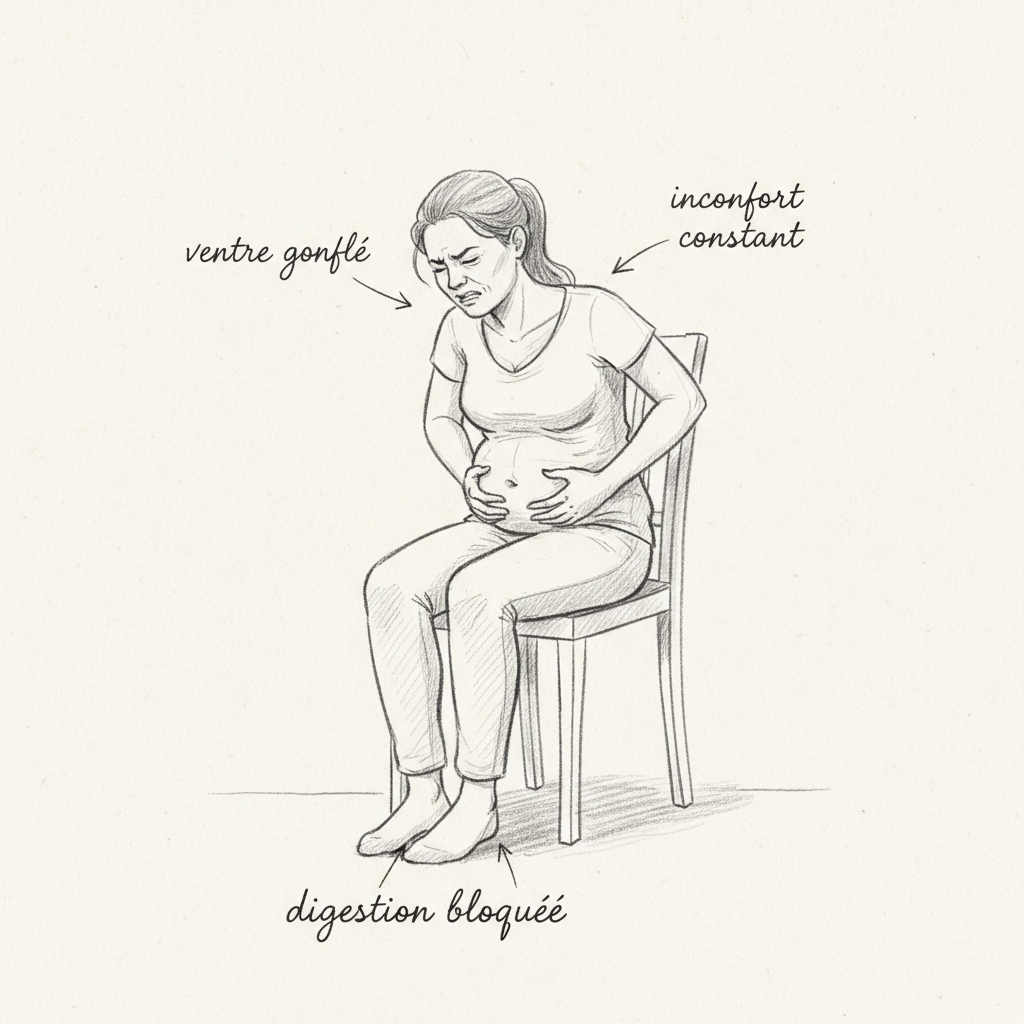
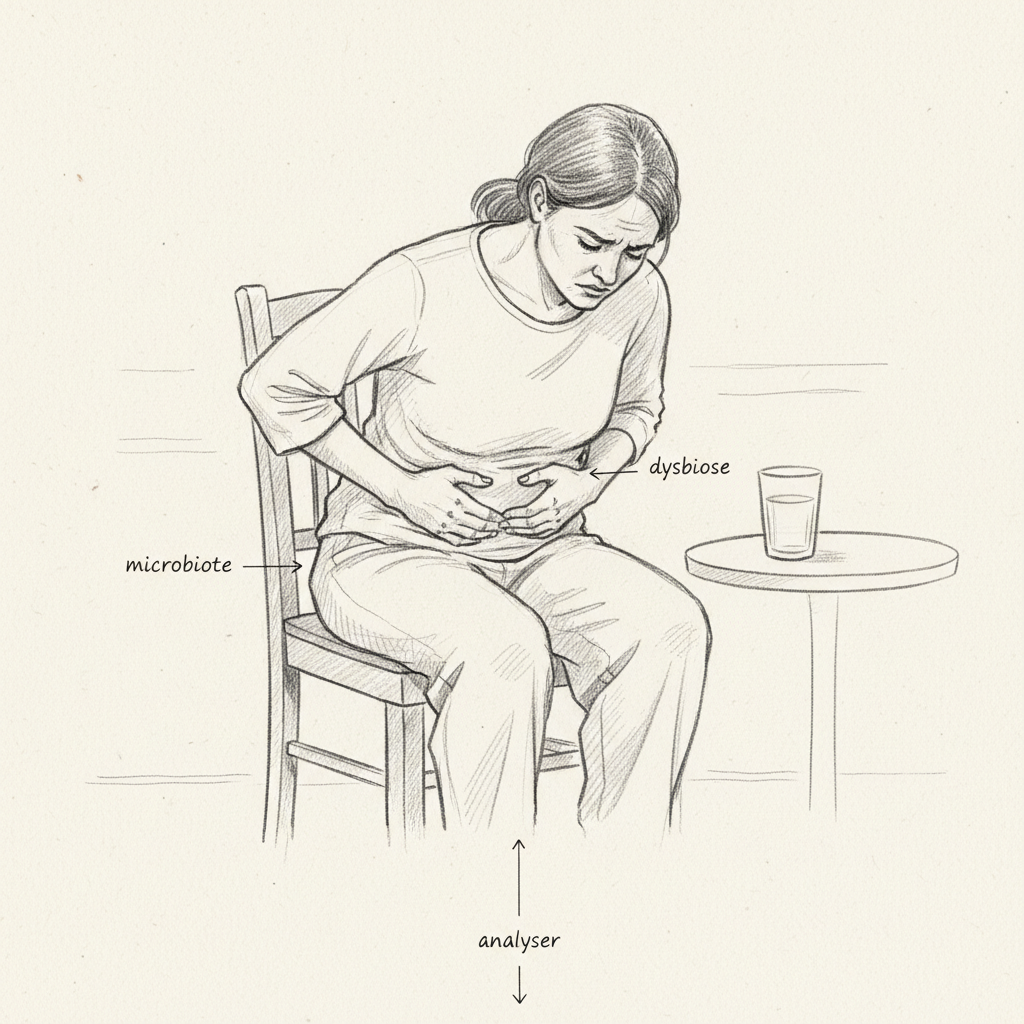
You know this scene. You leave the table, the meal wasn’t excessive, and yet your belly transforms into a balloon. You loosen your belt a notch. You avoid getting up too quickly so it doesn’t gurgle in front of everyone. You feel bloated, heavy, like you’re three months pregnant even though you just ate a salad and a piece of bread. And the worst part is it happens again tomorrow. And the day after. Every day, for months, sometimes years.
I’ve lost count of the patients who come in for consultation with this complaint. “I’m permanently bloated.” Or: “I have terrible gas, it’s humiliating.” Some no longer dare eat in social settings. Others have eliminated cabbage, onions, legumes, lactose, gluten, and they still bloat. Their gastroenterologist did a colonoscopy, an endoscopy, maybe a lactose intolerance test. Everything is “normal.” They’re prescribed Spasfon, charcoal, a PPI, and told to “manage their stress.”
“All disease begins in the gut.” Hippocrates
Gas is not a problem. It’s a message. Your belly is trying to tell you something very specific about the state of your digestion, your intestinal ecosystem, and sometimes your overall health. A healthy human produces between 0.5 and 1.5 liters of gas per day, which translates to 12 to 25 daily evacuations. It’s physiological, it’s normal, it’s the byproduct of properly functioning digestion. The problem starts when gas production explodes, when the belly bloats systematically after meals, when the odor becomes unbearable, when the distension causes pain and social life takes a hit. At that point, it’s no longer about “stress” or “sensitivity.” It’s about a digestive terrain that’s malfunctioning, and it demands to be looked at for what it is.
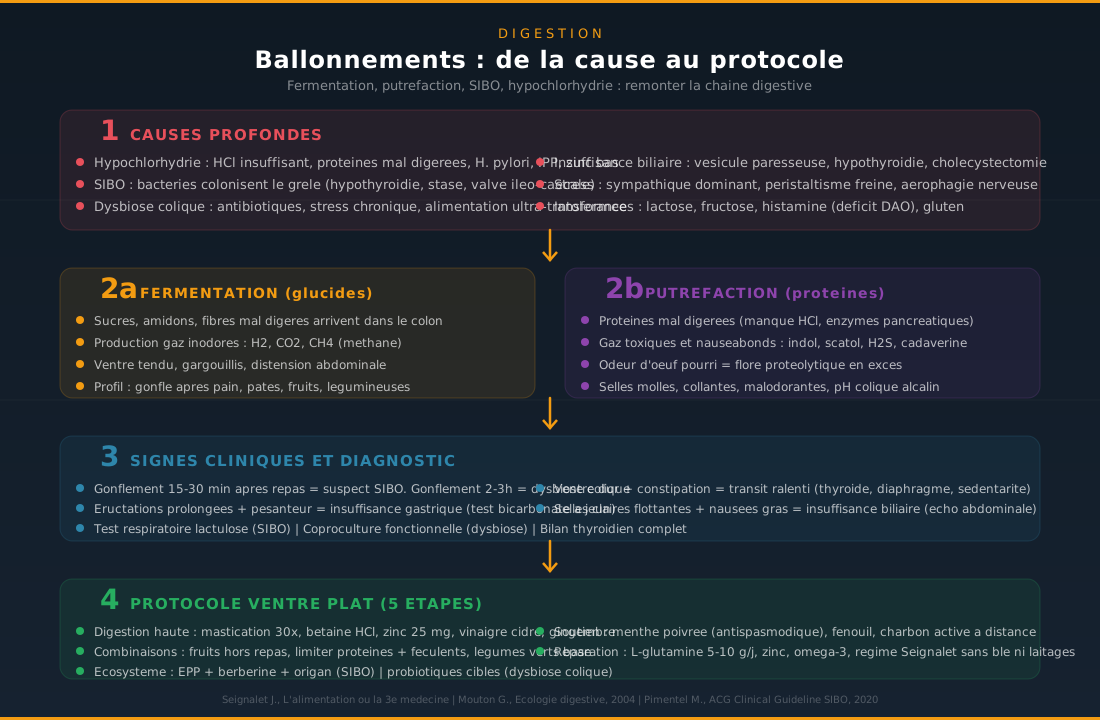
Fermentation and putrefaction: two worlds, two messages
This is the first distinction I make in consultation, and it changes everything. Most people lump all gas together. Yet there are two fundamentally different mechanisms for gas production in the intestine, and they don’t tell the same story.
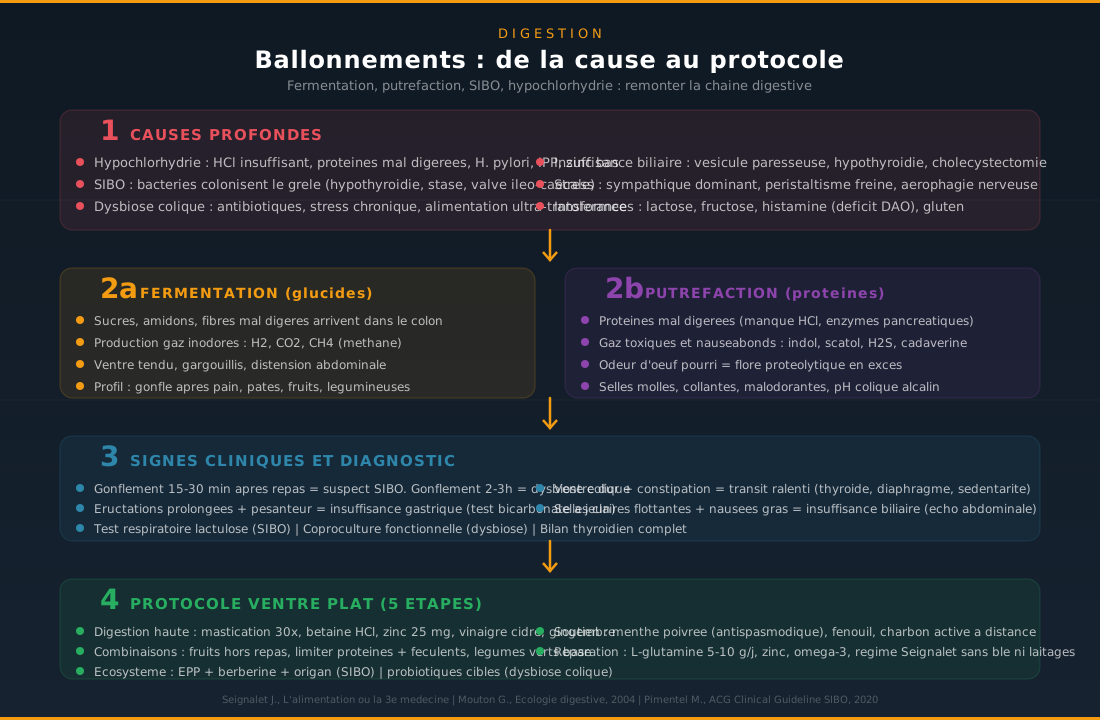
Fermentation concerns carbohydrates. When sugars, starches, or dietary fiber arrive poorly digested in the intestine, bacteria seize them and break them down, producing hydrogen, carbon dioxide, and methane. These gases are essentially odorless. The patient complains of bloating, abdominal distension, gurgling, a belly tight as a drum. But the gas doesn’t smell or smells little. This is the classic profile of someone who bloats after fruit, bread, pasta, legumes. What ferments is what the colonic bacteria shouldn’t have received in such large quantities: carbohydrate residues insufficiently digested in the small intestine. Bloating, belching, the fermenting character, often signs a yeast overgrowth, as Dr. Mouton specifies in his work on the intestinal ecosystem.
Putrefaction is something entirely different. It concerns proteins. When animal or plant proteins arrive insufficiently broken down in the colon, a specific proteolytic flora breaks them down into toxic and foul-smelling substances: indole, skatole, phenol, hydrogen sulfide, cadaverine, putrescine. These names are not innocent. Hydrogen sulfide is the smell of rotten eggs. Skatole is literally the molecule that gives stools their odor. Cadaverine lives up to its name. When a patient tells me “my gas smells like death,” I immediately know his problem is putrefaction, and his proteins aren’t being properly digested upstream. Spasms, cramps, foul-smelling gas: this is the profile of a dysbiosis of putrefaction due to enteric pathogens, a terrain that naturopathy knows well.
This distinction isn’t an academic detail. It orients the entire protocol. If you’re fermenting, you need to look at starches, sugars, food combinations and fermentative flora. If you’re putrefying, you need to look at the stomach (enough acid to break down proteins?), the pancreas (enough proteolytic enzymes?) and pathogenic flora. The solutions aren’t the same.
The stomach first: when the problem starts at the top
People always blame the intestine. But in the majority of cases I see in practice, the problem starts much higher. It starts in the stomach.
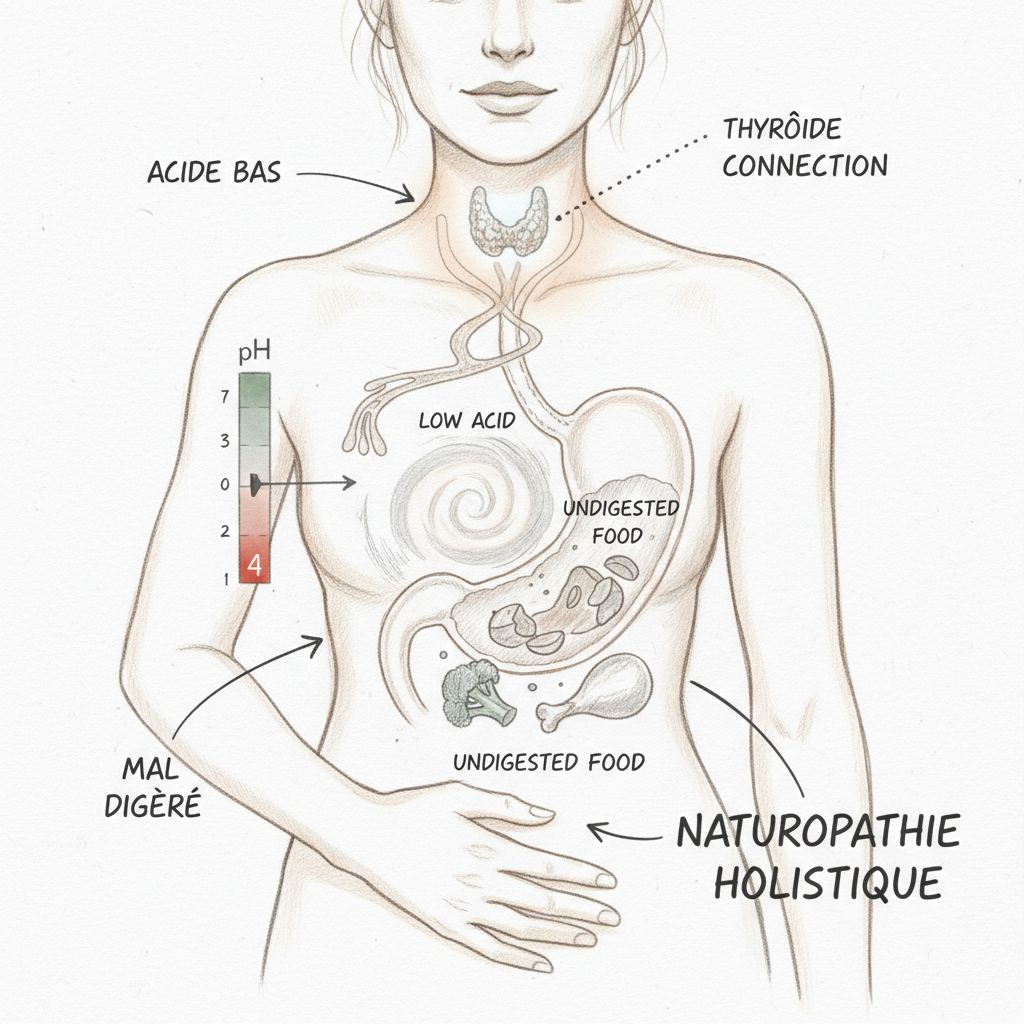
The stomach produces hydrochloric acid (HCl) through its parietal cells. This acid has two vital functions: to disinfect food (it kills most ingested bacteria and parasites) and to activate pepsin, the enzyme that cuts proteins into smaller fragments (peptides). If your stomach doesn’t produce enough HCl, it’s called hypochlorhydria, and the cascading consequences are dire. Proteins arrive poorly digested in the small intestine. The pancreas, which normally receives an acidic chyme, isn’t properly stimulated and secretes fewer enzymes. Pathogenic bacteria that should have been neutralized pass the gastric barrier and colonize the intestine. Iron, zinc, calcium and B12 are poorly absorbed because they need an acidic pH to be solubilized. It’s the entire digestive chain that derails from a single level failing.
Hypochlorhydria is infinitely more common than people think. It affects a considerable proportion of people over 40, and I suspect it in the majority of my chronically bloated patients. Its causes are multiple. Zinc deficiency is one of the main ones, since zinc is a direct cofactor in HCl production by parietal cells. Hypothyroidism itself slows gastric secretion, creating a vicious cycle between thyroid and digestion that I’ve detailed in a dedicated article. Chronic stress, by diverting blood flow to muscles and activating the sympathetic nervous system, literally puts the stomach “on pause.” Infection with Helicobacter pylori, present in about half the world’s population, progressively damages parietal cells. And then there are proton pump inhibitors (PPIs), these medications prescribed like candy for reflux, which mechanically suppress acid production and create iatrogenic hypochlorhydria.
There’s a simple test I systematically propose in consultation. In the morning, on an empty stomach, dissolve a teaspoon of sodium bicarbonate in a glass of water and drink it straight down. If you burp within three minutes, your stomach is producing enough acid (the reaction between bicarbonate and HCl releases CO2). If you don’t burp at all, or not for more than five minutes, that’s a sign suggesting hypochlorhydria. It’s not a diagnosis in itself, but it’s an excellent terrain indicator. The complementary test involves taking a teaspoon of unfiltered apple cider vinegar in a little water before a meal: if your bloating improves, it means the extra acidity compensates for what your stomach isn’t producing.
In confirmed hypochlorhydria, betaine HCl supplementation can transform digestion in days. Start with one 600 mg capsule at the beginning of a protein-containing meal. If no gastric warmth sensation appears, gradually increase until you find the optimal dose, sometimes two or three capsules per meal. This isn’t a lifetime treatment. It’s temporary support while the terrain recovers, provided you address the cause (zinc, thyroid, stress, H. pylori eradication if necessary).
Food combinations: the forgotten art of proper pairing
Herbert M. Shelton, in his monumental work Food Combining Made Easy, posed a principle that naturopathy has adopted and gastroenterologists continue to blithely ignore: each food category digests under specific pH and enzyme conditions, and certain combinations create digestive conflict that mechanically leads to fermentation.
The most striking rule concerns fruit. A fruit digests in twenty to thirty minutes in the stomach. A starch (bread, pasta, rice) takes two to three hours. A concentrated protein (meat, fish, egg) can take up to four or five hours. What happens when you eat a banana for dessert after a steak and fries? The banana, trapped behind the meat and potatoes, stays stuck in a stomach with a pH unsuitable for its digestion. It waits. And while waiting, it ferments. The fruit’s sugar feeds the yeasts and bacteria present in the food bolus, gas accumulates, and twenty minutes after the meal, your belly becomes a pressure cooker.
Robert Masson, an emblematic figure in French naturopathy, insisted on a precept I repeat at every consultation: “Food must become liquid before being swallowed.” Chewing isn’t a detail. It’s the first digestive act. Salivary enzymes (amylase, lingual lipase) begin the digestion of starches and fats. Teeth reduce food to fine particles that will be more easily attacked by gastric acid. Eating in 8 minutes while watching your phone short-circuits a fundamental step. I see patients whose bloating disappears simply by having them chew each bite 20 to 30 times and put their fork down between bites. No supplements. No diet. Just chewing.
The other problematic combination is concentrated proteins and concentrated starches in the same meal. Proteins digest in highly acidic conditions (pH 2 to 3 in the stomach). Starches begin digestion in a basic environment (salivary amylase, pH 6.8). When you combine a big steak with a large serving of pasta, the gastric pH hesitates, the digestion of both is slowed, and the food bolus arrives incompletely digested in the intestine. The solution isn’t never combining proteins and starches again, it’s limiting the amount when you do combine them. A meal of proteins + green vegetables, or a meal of starches + green vegetables, will always be better digested than a meal of concentrated proteins + concentrated starches.
Irritable bowel: when the intestine cries for help
One in four French people suffers from irritable bowel syndrome. Fifty percent of gastroenterology consultations are related to this syndrome. It’s the quintessential catch-all diagnosis, the one they make when tests are normal but the patient continues to suffer. Three cardinal symptoms define it: abdominal pain, bloating and transit disorders (diarrhea, constipation, or alternating).
Prof. Jean Seignalet proposed a mechanism that radically changes the vision of this syndrome. In Eating or the Third Medicine, he explains that the primary damage is located at the level of the small intestine mucosa. Under the effect of mutated gluten, casein, aggressive cooking and dysbiosis, the tight junctions loosen and the small intestine becomes porous. Food and bacterial macromolecules then cross the barrier and pass into the bloodstream. The body attempts to expel this waste through all available pathways, and the colon wall becomes an emergency elimination route. It’s this expulsion of blood waste through the colon wall that causes chronic inflammation and irritable bowel symptoms.
“The danger doesn’t come from the colon lumen but from the blood.” Jean Seignalet
This sentence overturns all conventional logic. You don’t treat irritable bowel by looking at what passes through the intestine. You treat it by looking at what passes through the blood, that is, what has crossed an intestinal lining that’s become too permeable. And Seignalet didn’t just theorize. In 237 patients suffering from irritable bowel syndrome, he achieved 233 complete remissions with his ancestral diet, most within about a month. Numbers that would make any Spasfon clinical trial blush.
Seignalet’s original diet rests on principles I encounter daily in naturopathy. Avoiding mutated wheat and modern cereals in favor of rice, buckwheat, quinoa. Eliminating animal dairy products (except small amounts of raw butter and aged goat or sheep cheese). Gentle cooking below 110°C to avoid Maillard reactions and glycotoxin formation. And most importantly, plenty of raw foods, which goes against the conventional reflex of cooking everything when the intestine is fragile. Seignalet observed that raw worked better than cooked for these patients, precisely because the living enzymes in raw foods aid digestion and cooking creates neoantigens that sustain intestinal aggression.
SIBO: the intruder in the small intestine
For about ten years, a diagnosis has emerged in functional gastroenterology and it explains a large number of cases of chronic bloating resistant to conventional treatments: SIBO, for Small Intestinal Bacterial Overgrowth, that is, bacterial proliferation in the small intestine.
In a healthy digestive tract, the small intestine contains relatively few bacteria. Most intestinal flora resides in the colon. Several mechanisms protect the small intestine from bacterial colonization: gastric acid (which kills bacteria in transit), bile (bacteriostatic), peristalsis (which propels contents downward) and the ileocecal valve (which prevents reflux of colonic bacteria into the small intestine). When one or more of these safeguards fail, colonic bacteria move upstream and establish themselves in the small intestine.
The consequences are immediate. These bacteria come into contact with food before it’s been properly absorbed. They ferment sugars and starches right in the small intestine, producing gas at the very first bites. The patient bloats almost immediately after starting to eat, sometimes even just from drinking a glass of water. This is a characteristic sign: when bloating occurs within 15 to 30 minutes of a meal, the small intestine is suspect.
SIBO’s causes overlap what I’ve already described: hypochlorhydria (not enough acid to sterilize the upper digestive tract), peristalsis slowdown (hypothyroidism, diabetes, opioids), abdominal surgery (removal of the ileocecal valve), and sometimes simply chronic stress that disrupts the migrating motor complex, that cleansing wave that sweeps the small intestine between meals. Diagnosis is based on a lactulose breath test: the patient ingests lactulose and hydrogen and methane in exhaled air are measured. An early peak (within the first 90 minutes) indicates the presence of bacteria in the small intestine.
SIBO treatment combines a temporary low-FODMAP diet (these fermentable carbs that feed excess bacteria) with antimicrobials, either pharmaceutical (rifaximin) or natural. Among the most documented natural antimicrobials are oregano essential oil (carvacrol), grapefruit seed extract (GSE), berberine and allicin from garlic. These substances reduce bacterial load in the small intestine without decimating colonic flora. But treatment is useless if you don’t address the cause of proliferation: as long as the stomach doesn’t produce enough acid, as long as peristalsis is slowed, as long as the ileocecal valve doesn’t function, SIBO returns.
The flat belly protocol: going back up the chain
In consultation, I never give activated charcoal as a first choice. Charcoal is a band-aid. It adsorbs gas, it provides temporary relief, but it changes nothing about the terrain. If gas returns as soon as you stop charcoal, that proves the cause is still there. My approach follows cascade logic: start at the top and work down.
The first step is upper digestion. We correct chewing (minimum 30 bites, fork put down between each bite, seated meals without screens). We evaluate gastric acidity with the bicarbonate test and, if necessary, support with apple cider vinegar or betaine HCl. We verify the cofactors of HCl secretion: zinc (15 to 25 mg bisglycinate per day), vitamin B1 (cofactor of gastric secretion), and ensure the thyroid is functioning properly. Fresh ginger, grated in hot water 15 minutes before meals, is a remarkable natural prokinetic that stimulates both gastric secretion and stomach emptying.
The second step is food combinations. Fruits outside meals (30 minutes before or as a snack). No sweet dessert after a protein meal. Limit concentrated protein + concentrated starch combinations. Green vegetables at every meal as the plate’s base. These adjustments, which cost nothing and exclude nothing, are enough to dramatically reduce gas in 60 to 70 percent of patients I see.
The third step concerns the intestinal ecosystem. If gas persists despite corrected upper digestion and respected food combinations, you need to look at the flora. A SIBO test (breath test) and dysbiosis assessment (urinary organic metabolites or functional stool analysis) reveal whether the problem comes from bacterial proliferation in the small intestine or dysbiosis in the colon. With SIBO, use natural antimicrobials (GSE, oregano, berberine) for 4 to 6 week courses. With putrefaction dysbiosis, reduce animal proteins, increase soluble fiber and support with targeted probiotics (Lactobacillus rhamnosus GG and Saccharomyces boulardii are among the best documented strains).
The fourth step is symptomatic support while the terrain recovers. Carminative herbal teas have been used for millennia and science has proven them right. Peppermint is a powerful antispasmodic, documented in several meta-analyses for irritable bowel: it relaxes intestinal smooth muscle via calcium channel blocking. Fennel and star anise reduce gas production and facilitate its expulsion. Activated charcoal, taken away from meals and supplements (minimum two hours), can adsorb gas in acute phases.
The fifth step, when the terrain allows, is intestinal mucosa repair. L-glutamine, the most consumed amino acid by enterocytes, is the pillar of this repair. Dose it between 5 and 10 g per day, fasted in the morning, for two to three months. Zinc supports mucosal healing and tight junction integrity. Omega-3 EPA/DHA (2 to 3 g per day) reduces intestinal wall inflammation. And Seignalet’s diet, in its logic of avoiding mutated wheat, dairy and aggressive cooking, gives the digestive tract the conditions for its own healing.
What your gas tells you: diagnosis through symptoms
After years of practice, I’ve learned to read gas like others read a blood test. It’s not divination. It’s clinical semiology, what old doctors practiced before the scanner was invented.
Odorless gas with belly bloating after starches and fruits is a fermentative profile: insufficient carbohydrate digestion, possible candidiasis, unsuitable food combinations. Foul-smelling gas with soft, sticky stools is a putrefaction profile: poorly digested proteins, likely hypochlorhydria, excess proteolytic flora. A belly that bloats from the first bites, before even finishing the appetizer, is a SIBO profile: bacteria are in the wrong place. Abundant burping after meals, with a sensation of food that “sits on the stomach” for hours, is a profile of gastric insufficiency: not enough acid, not enough enzymes. Stubborn constipation with a hard belly is a profile of transit slowdown: thyroid insufficiency to explore, lack of water, sedentary lifestyle, and sometimes unidentified allergenic foods.
“The doctor of the future will give no medication but will interest his patients in the care of the human frame, in nutrition and in the cause and prevention of disease.” Thomas Edison
When to consult: warning signs
I’m not a doctor, and naturopathy doesn’t replace medicine. Certain signals should have you consult a gastroenterologist without delay. Unintentional weight loss associated with digestive troubles. Blood in stools, whether bright red or black (melena). Abdominal pain at night that wakes you. Sudden changes in transit after age 50. Fever associated with digestive troubles. Family history of colon cancer. These red flags require additional testing (colonoscopy, comprehensive blood work, imaging) before any naturopathic approach.
SIBO itself deserves objective medical diagnosis. The lactulose breath test is the current standard. Taking antimicrobials “blind” without knowing if you truly have SIBO is shooting in the dark. And severe digestive candidiasis, which I address in connection with adrenal exhaustion, sometimes requires a medical antifungal before natural antimicrobials can take over.
Restoring a silent belly
I always end my consultations on this topic with the same image. Your intestine is an ecosystem. Like a forest. When the forest is healthy, each species lives in its place, nutrients circulate, waste is recycled, and silence reigns. Bloating, gas, pain: that’s the noise a forest makes when it’s out of balance. When weeds invade the clearings. When streams are polluted. When soil is depleted.
Seignalet demonstrated it with striking consistency: 233 complete remissions out of 237 patients with irritable bowel syndrome, simply by returning to eating in accordance with our genetic needs. No medication. No surgery. No psychotherapy. Just food. This doesn’t mean diet always suffices, or that stress and emotions have no role. It means that in the majority of cases, the cause is primarily dietary and the digestive terrain responds remarkably well when given what it needs and when you stop aggravating it.
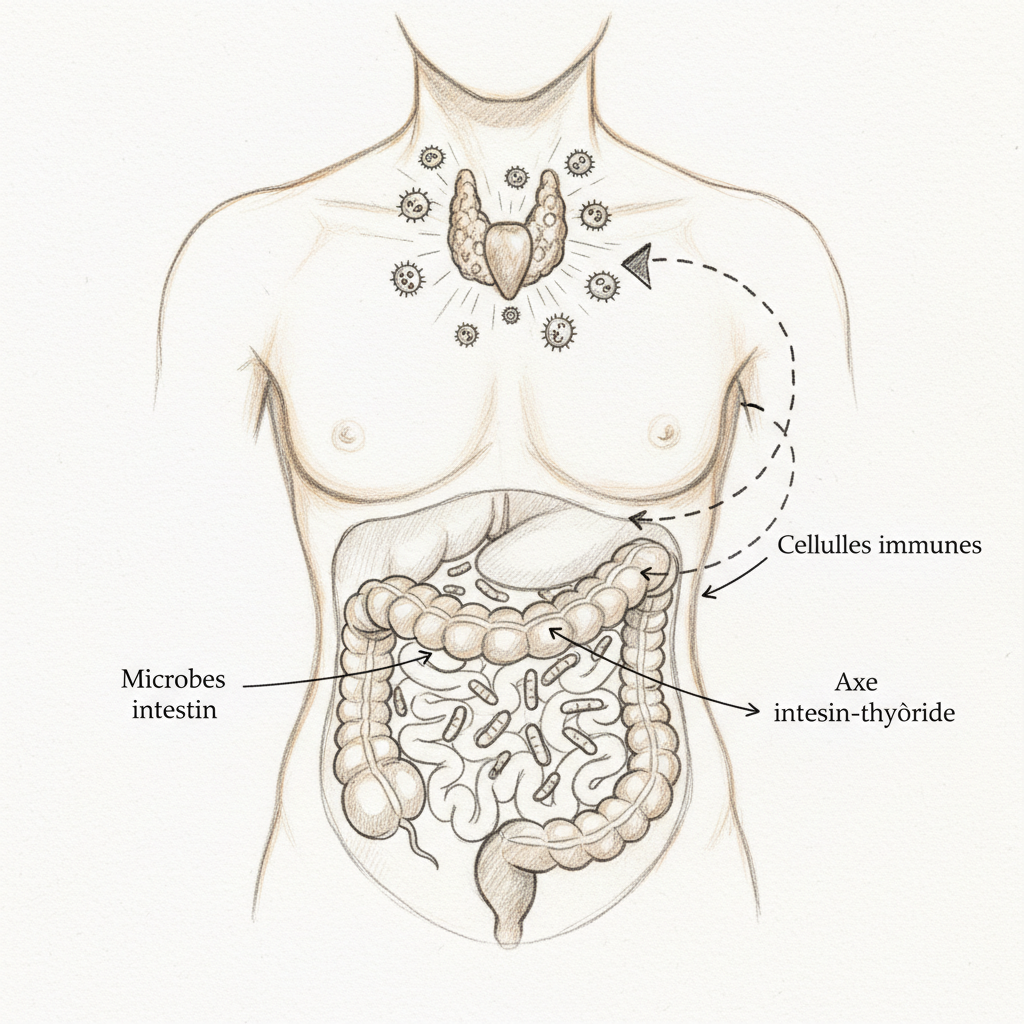
The intestine is your second brain. It contains more than 200 million neurons, it produces 95 percent of your body’s serotonin, it houses 70 percent of your immune cells. Neglecting it means neglecting your immune system, your mood, your energy, your overall health. Bloating isn’t inevitable. It’s a signal. Listen to it.
If you want personalized support, you can book a consultation.
To go further
- Chronic constipation: the 7 causes your doctor isn’t looking for
- Chronic diarrhea: the deep causes no one is looking for
- Digestion and microbiota: what metagenomic analysis reveals about your belly
- Hypochlorhydria: when your stomach stops producing enough acid
References
Seignalet, Jean. Eating or the Third Medicine. Éditions du Rocher, 5th edition. The data on 237 patients with irritable bowel syndrome and 233 complete remissions come from his clinical observations compiled over more than 15 years.
Shelton, Herbert M. Food Combining Made Easy. Shelton’s Health School, 1951. The principles of food combinations adapted by European naturopathy.
Mouton, Georges. Intestinal Ecosystem and Optimal Health. Éditions Marco Pietteur. The distinction between fermentation dysbiosis (yeasts) and putrefaction dysbiosis (enteric pathogens) is detailed in his work on intestinal work axes.
Masson, Robert. Dietetics of Experience. Éditions Trédaniel. The precepts of chewing and respect for food combinations in orthodox naturopathy.
Pimentel, Mark et al. “ACG Clinical Guideline: Small Intestinal Bacterial Overgrowth.” American Journal of Gastroenterology, 2020. Current guidelines on SIBO diagnosis and treatment, including the lactulose breath test and antimicrobial protocols.
Chedid, Victor et al. “Herbal therapy is equivalent to rifaximin for the treatment of small intestinal bacterial overgrowth.” Global Advances in Health and Medicine, 2014. Comparative study showing the effectiveness of natural antimicrobials (GSE, oregano, berberine) versus rifaximin in SIBO treatment.


Laisser un commentaire
Sois le premier à commenter cet article.