Immunity: Nourishing Your Defenses Rather Than Suppressing
Émilie is thirty-six years old. She’s had sore throats back-to-back since last autumn: four in five months. Each time, antibiotics. Her doctor ordered immunoglobulin levels checked: normal. CBC: normal. Everything is “normal.” Yet Émilie catches everything that comes her way, she’s constantly fighting colds, and recently she developed chronic urticaria that her dermatologist is treating with long-term antihistamines. When I receive her complementary blood work, two things jump out: a vitamin D level of 12 ng/mL (functional normal starts at 40) and elevated LBP, a sign of intestinal endotoxemia. Her immune system isn’t deficient. It’s undernourished and poorly directed.
“Eat, or be eaten.” Professor Vincent Castronovo
This terse phrase summarizes the two vital functions of every living organism. Eat to nourish yourself. Don’t be eaten by predators, whether visible (a lion) or invisible (a virus, bacteria, fungus). Evolution spent hundreds of millions of years perfecting a defense system of dizzying complexity, capable simultaneously of recognizing an enemy it has never encountered, destroying it in hours, remembering it for decades, and tolerating the billions of bacteria living in your intestines without attacking them. This system is your immunity. And when it malfunctions, it’s almost never because it’s “weak.” It’s because it’s imbalanced.
The Three Lines of Defense You Carry Within You
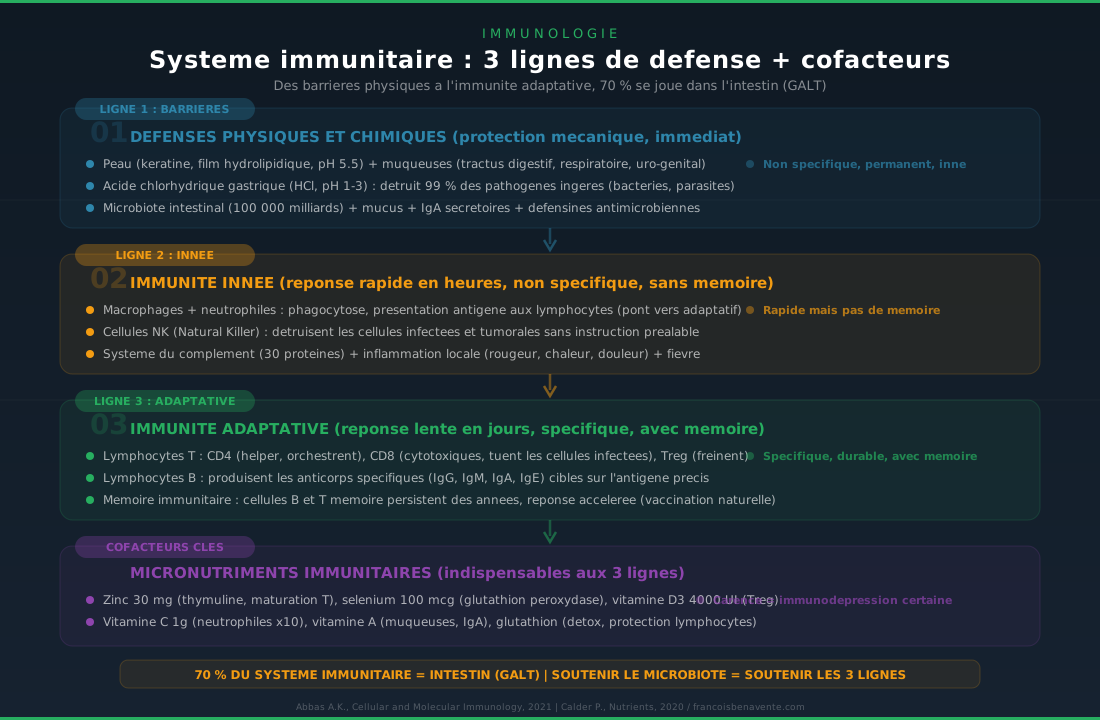
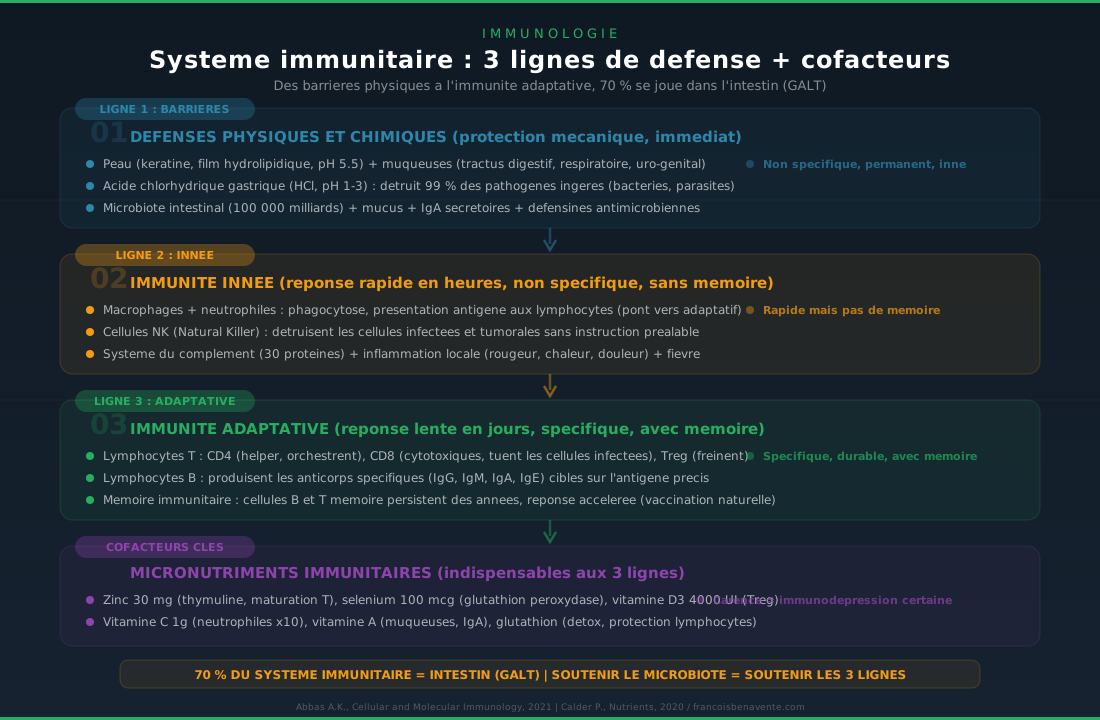
Castronovo teaches immunity in three levels, and this is the architecture I’ll present to you because it gives a clear picture of how your body protects itself.
The first level is the barriers. The first lines of defense constitute a physical obstacle against invasion by intruders. Only truly pathogenic agents are capable of breaching them. Skin covers approximately 2 square meters and constitutes a formidable mechanical barrier thanks to its stratum corneum, acidic pH, and resident flora. The respiratory epithelium represents 2 additional square meters, with mucus, ciliated cells, and secretory IgA as its arsenal. Pulmonary alveoli offer 200 square meters of exchange surface, protected by alveolar macrophages. But the most immense, most exposed, and most vulnerable barrier is the intestinal barrier: approximately 1000 square meters of surface area, with a thickness of only 5 micrometers. Five thousandths of a millimeter between your digestive tract contents and your bloodstream. This is a principle of major importance that Castronovo emphasizes: innate and adaptive defense systems developed on the principle that only true enemy predators are capable of crossing the barriers. If barriers are compromised, as in leaky gut described in the article on the 4R protocol, harmless molecules penetrate the organism and trigger an inappropriate immune reaction.
The second level is innate immunity (natural, non-specific). The enemy has breached the barriers, entering the territory. The cellular army of innate defense mobilizes within hours. Granulocytes (neutrophils, eosinophils, basophils), identified by their staining characteristics, are the infantry that eliminate bacteria and parasites. Monocytes and macrophages are activated by chemokines, phagocytosis itself, and cytokines from helper T lymphocytes. Mast cells release histamine and trigger the local inflammatory reaction. And NK cells (Natural Killers), which represent 5 to 16 percent of the total human lymphocyte population, patrol continuously to eliminate virus-infected cells and tumor cells.
How does innate immunity recognize intruders? Through an ancestral recognition system, genetically fixed for hundreds of millions of years of evolution. Innate immune cells (dendritic cells, macrophages, granulocytes, enterocytes) carry fixed and invariant receptors on their surface: PRRs (Pattern Recognition Receptors), notably the famous TOLL receptors (TLR), which recognize molecular patterns specific to microbes: PAMPS (Pathogen Associated Molecular Patterns). The LPS of gram-negative bacteria, the peptidoglycans of gram-positive bacteria, the mannans of fungi. Each type of TOLL receptor recognizes a type of microbial pattern. But this recognition is also capable of perceiving non-microbial danger signals: DAMPS (Danger Associated Molecular Patterns), molecules released by damaged or stressed cells. It’s an intrinsic perception of what is hostile, acquired after hundreds of millions of years of evolution that selected receptors recognizing microbial products rather than products of self.
Innate immunity has three major limitations: a limited antimicrobial repertoire, no adaptation to microbial mutations, and no perception of intracellular microbes (hidden inside cells). This is where the third level comes in.
The third level is adaptive immunity (specific). Its strength lies in its ability to randomly and continuously generate new receptors to face microbial diversity and their mutations. It uses the same weapons as innate immunity (phagocytosis, inflammation, cytokines) but directs them with surgical precision.
The thymus, this small gland located behind the breastbone that atrophies after puberty, is literally a school for T lymphocytes. Immature T lymphocytes learn to distinguish self from non-self. Those that react against the body’s own proteins are eliminated (negative selection). Those that survive become mature T lymphocytes, either CD4+ (the “conductors” of the adaptive immune response, which secrete cytokines and activate other cells) or CD8+ (cytotoxic cells, programmed to directly kill infected cells).
B lymphocytes, which mature in bone marrow, are antibody producers. When an antigen binds to the surface immunoglobulin of a B lymphocyte, it internalizes it, breaks it down into peptides, and presents it on a class II MHC. This signal activates CD4+ T lymphocytes, which secrete cytokines stimulating the B lymphocyte to differentiate into a plasma cell, a true antibody factory.
The Intestine: Headquarters of Your Immunity
Your intestine isn’t just a digestive tube. It’s the site of the greatest concentration of immune tissue in your body. The GALT (Gut-Associated Lymphoid Tissue) includes Peyer’s patches, mesenteric lymph nodes, intraepithelial lymphocytes, and a complex network of dendritic cells that continuously sample intestinal contents. This is where antigen transcytosis occurs: the selective passage of molecules from intestinal contents to the immune system for evaluation.
Secretory IgA constitutes the principal adaptive immunity present in the intestine. In polymeric form (dimeric, linked by a J chain), they coat the mucosa and neutralize pathogens before they even touch the epithelium. The loss of 13 amino acids in a hinge region makes IgA2 resistant to proteolytic cleavage by bacterial enzymes, a remarkable adaptation to the hostile environment of the digestive tract. The mucosal-associated lymphoid tissue (MALT) system connects intestinal immunity to that of other mucosae: respiratory, urogenital, salivary. Stimulating intestinal immunity means strengthening all mucosae.
Mucosal tolerance is a fundamental concept. The intestine must tolerate food and commensal bacteria without triggering an inflammatory reaction, while remaining vigilant against true pathogens. When this tolerance is lost, two types of diseases appear: food allergies (reaction against harmless molecules) and autoimmune diseases (reaction against one’s own tissues). The intestinal microbiota plays a central role in educating this tolerance, as I explain in detail in the dedicated article.
NF-kB: The Master of War
When TOLL receptors recognize a PAMP, a signal is transmitted inside the cell through a cascade of kinases: enzymes that “translate information coming from outside to coordinate an appropriate cellular response.” The key kinase in this cascade is IKK (I-kB Kinase), which phosphorylates I-kB, the peacekeeper. I-kB normally keeps NF-kB inactive in the cytoplasm. When IKK destroys I-kB, NF-kB is released, enters the cell nucleus, and activates the transcription of dozens of pro-inflammatory genes.
Castronovo calls it the Master of War. And I-kB, the Master of Peace. It’s a powerful image I often use in consultation to explain what happens in chronic inflammation. NF-kB controls the transcription of COX-2 (which produces inflammatory prostaglandins), TNF-alpha (a major pro-inflammatory cytokine), IL-6, and many other molecules in the inflammatory arsenal. Standard treatments for inflammatory diseases (corticosteroids, NSAIDs) work by inhibiting this cascade: corticosteroids increase I-kB synthesis (more peacekeeper) and directly antagonize NF-kB; NSAIDs block COX-2 downstream.
CRP (C-Reactive Protein), isolated by Tillett and Frances in 1930 at Rockefeller University, is an early, sensitive, and specific marker of inflammatory reaction. It appears within six hours of acute inflammation, peaks after two days, and increases proportionally to the intensity of inflammation. In the presence of calcium, it binds to phosphocholine residues on bacterial walls and activates the classical complement pathway, opsonizing pathogens to facilitate their phagocytosis. Ultrasensitive CRP (hs-CRP), measured routinely, is an irreplaceable marker of low-grade chronic inflammation.
When Immunity Derails: Autoimmunity and Allergies
Inflammation is a physiological process essential for survival. It’s the battlefield where specific and non-specific defenses fight the enemy. But when inflammation becomes chronic, when NF-kB remains activated permanently, when barriers are compromised and non-hostile antigens enter the organism, the immune system can turn against the body itself. This is the toxemia that Marchesseau described: the accumulation of waste that disturbs normal functions and triggers inappropriate reactions.
Autoimmunity is the underlying cause of over 80 chronic diseases affecting approximately 20 percent of the population in industrialized countries. Rheumatoid arthritis, psoriasis, multiple sclerosis, Crohn’s disease, systemic lupus erythematosus, Guillain-Barré, Hashimoto’s thyroiditis, Graves’ disease, type 1 diabetes, atherosclerosis. The common mechanism is antigenic mimicry: a microbial or food peptide resembles a self protein sufficiently that the immune system, in wanting to destroy the intruder, mistakenly attacks the body’s own tissues. This is exactly the xenoimmune mechanism that Seignalet described for Hashimoto’s thyroiditis, and which I detailed in the dedicated article: bacterial or food antigenic peptides cross a permeable intestine, reach thyroid cells, and the immune system attacks the thyroid because it contains these foreign molecules.
Allergies stem from the same imbalance, but in a different direction. The immune system activates against non-pathogenic molecules or organisms: pollen, dust mites, food proteins, animal hair, even bacterial flora itself. Rhinitis, conjunctivitis, eczema, asthma, and allergic diarrhea are disproportionate immune responses, mediated by IgE and mast cells, against antigens that represent no real danger.
The Major Histocompatibility Complex: Your Cellular Fingerprints
The MHC (Major Histocompatibility Complex), called the HLA system in humans, is a set of surface proteins that serve as “display stands” for antigens. They are the fingerprints of your cells. All body cells carry class I MHC, which present antigens to CD8+ T lymphocytes and trigger the cellular response (direct killing of infected cells). B lymphocytes and macrophages additionally carry class II MHC, which present antigens to CD4+ T lymphocytes and trigger the humoral response (antibody production).
This distinction is clinically important. B cell responses focus on pathogens outside the cell (extracellular bacteria, toxins). T cell responses focus on intracellular pathogens (viruses, intracellular bacteria). This is why vaccines primarily stimulate humoral response (antibodies) while cellular immunity, more difficult to induce, is often key to resistance against viruses and cancers.
Regulation of specific immune response relies on CD4+ T lymphocyte subpopulations: Th1 (cellular immunity, anti-viral, anti-tumor), Th2 (humoral immunity, anti-parasitic, but also allergic when predominant), Th17 (anti-fungal and anti-bacterial defense, but also autoimmune when it runs away) and Treg (regulatory T lymphocytes, the guardians of tolerance). A Th1/Th2 imbalance, Th17 overactivation, or Treg deficiency are at the heart of most dysfunctional immune pathologies.
Nourishing Your Defenses: The Four Nutritional Pillars
“Nutrition and immunology have been linked to each other for centuries.” Chandra RK, Proceedings of the Nutrition Society, 1999
Chandra demonstrated this systematically: nutrient deficiencies impair immune response and lead to frequent and severe infections. Protein-caloric malnutrition reduces the number and function of T cells, phagocytes, and secretory IgA. Deficiencies in zinc, iron, selenium, vitamins A, B6, C, and E weaken immunity specifically. Zinc, for example, is associated with profound impairment of cellular immunity: decreased lymphocyte response, decreased CD4+/CD8+ ratio, decreased phagocyte chemotaxis, and collapse of thymulin, a zinc-dependent hormone of the thymus. Nutritional management of dysfunctional immune diseases rests on four pillars that Castronovo teaches and that I apply in consultation.
The first pillar is to restore barriers, starting with the intestinal barrier. L-glutamine is the preferred fuel of enterocytes. The Hond et al. study published in 1999 in Alimentary Pharmacology & Therapeutics showed that glutamine (3 times 7 grams per day) significantly reduced NSAID-induced intestinal permeability increase (indomethacin) when administered in close intervals. Association with misoprostol had a synergistic effect. In practice, I recommend 5 to 10 grams of L-glutamine daily in powder form, on an empty stomach, for 2 to 3 months, combined with the intestinal restoration protocol I detail in the article on the 4R protocol.
The second pillar is to increase immunotolerance. Probiotics play a fundamental role. The Kalliomaki et al. study published in The Lancet in 2001 showed that Lactobacillus GG, administered prenatally to mothers and postnatally to infants for six months, reduced the frequency of atopic eczema from 46 percent (placebo group) to 23 percent (probiotic group), a 50 percent reduction. The number needed to treat to prevent one case (NNT) was 4.5, a remarkably low figure. Hacini-Rachinel et al. showed in 2009 that L. casei DN-114001 administered orally controlled skin inflammation by acting on both effector and regulatory T cells, increasing the frequency of FoxP3+ Treg in the skin and anti-inflammatory IL-10 production. Riedel et al. (2006) demonstrated that bifidobacteria inhibited LPS-induced NF-kB activation, in a dose and strain-dependent manner, with reduced secretion of IL-8, TNF-alpha, COX-2, and ICAM-1.
Vitamin D is the other major pillar of immunotolerance. Its receptor (VDR) is found in high concentration in T lymphocytes, macrophages, and notably in immature thymus cells. DeLuca and Cantorna published in 2001 in the FASEB Journal a synthesis demonstrating that 1,25-dihydroxyvitamin D3 can significantly prevent or suppress experimental autoimmune encephalomyelitis (multiple sclerosis model), rheumatoid arthritis, systemic lupus erythematosus, type 1 diabetes, and inflammatory bowel diseases in animal models. In almost all cases, vitamin D action requires normal or elevated calcium intake. The mechanism works through stimulation of TGF-beta1 and IL-4 production, which modulate inflammatory activity of T lymphocytes. Hayes showed in 2000 that multiple sclerosis prevalence increased with decreased solar radiation, and that fish oils, an excellent source of vitamin D, were associated with lower prevalence. I systematically measure 25-OH vitamin D in all my patients and aim for a value between 40 and 60 ng/mL, which often requires supplementation of 2000 to 4000 IU daily of D3.
The third pillar is to reduce inflammatory response intensity. The ratio between omega-6 fatty acids (arachidonic acid, AA) and omega-3 (EPA/DHA) determines the intensity of inflammatory reaction, because these fatty acids are precursors to prostaglandins and leukotrienes. Modern Western diet provides an AA/EPA ratio of 15 to 20 for 1, while the physiological ratio is 1 for 1 to 4 for 1. Cleland et al. published in 2003 in Drugs magazine a synthesis confirming that fish oils at anti-inflammatory doses (2 to 3 grams of EPA+DHA daily) had beneficial effects in randomized, double-blind studies versus placebo in rheumatoid arthritis, plus a protective cardiovascular effect. Resolvins, metabolites of omega-3s, are potent mediators of inflammation resolution, an active process that science recently discovered. As I develop in the article on anti-inflammatory nutrition, serotonin and omega-3s work in synergy to modulate brain inflammation.
The fourth pillar is to provide antioxidants to prevent accumulation of oxidative and carbonyl damage inflicted on attacked tissues. Phagocytosis, an indispensable weapon of defense, generates free radicals (superoxide, hydrogen peroxide, hypochlorite) that destroy pathogens but also damage surrounding tissues. Superoxide dismutase (SOD, zinc and copper-dependent), catalase (iron-dependent), and glutathione peroxidase (selenium-dependent) are the endogenous antioxidant enzymes that limit this collateral damage. Intakes of vitamin C (500 to 1000 milligrams daily), vitamin E (200 to 400 IU of mixed tocopherols), selenium (100 to 200 micrograms daily), and zinc (15 to 25 milligrams daily) support this system.
The Spices That Extinguish the Fire of NF-kB
Castronovo teaches that spices can block NF-kB activation. Curcumin (active ingredient of turmeric) directly inhibits IKK, the kinase that triggers the inflammatory cascade by destroying I-kB. It’s a natural inhibitor of the “Master of War,” without the side effects of corticosteroids. Gingerol (ginger), capsaicin (chili), resveratrol (grape, red wine), EGCG (green tea), and sulforaphane (broccoli, cruciferous vegetables) act through similar mechanisms at different points in the NF-kB cascade.
Catherine Kousmine wrote in Soyez bien dans votre assiette jusqu’à 80 ans et plus that nutrition is the first pharmacopeia. Spices are the link between cooking and therapeutics. Daily integration of turmeric (with black pepper for bioavailability and a fat for absorption), fresh ginger, garlic, onion, and aromatic herbs into your diet gently and continuously modulates NF-kB, without prescription and without side effects.
Immune Assessment: What Should Be Measured?
The nutritional and functional evaluation of dysfunctional immune diseases, as Castronovo recommends it, includes six essential markers. Vitamin D (25-OH-D3, objective 40 to 60 ng/mL). Intestinal microbiota (metagenome analysis by sequencing, MOU). Intestinal permeability (specific food IgG, LBP/LPS-Binding Protein). Ultrasensitive CRP (low-grade inflammation marker, objective below 1 mg/L). Red blood cell fatty acid profile (AA/EPA ratio, omega-3 index). And indicators of oxidative stress and antioxidant defenses (glutathione, SOD, 8-OHdG). This assessment makes it possible to precisely target intervention axes and monitor progress under protocol.
Naturopathic Protocol: Supporting Immunity in Three Stages
The first stage is restoration of barriers, absolute priority. As long as the intestine is permeable, non-hostile antigens enter the organism, NF-kB activates, IgA becomes exhausted, and tolerance is lost. The 4R protocol (Remove, Replace, Reinoculate, Repair), L-glutamine, targeted probiotics, and temporary avoidance of foods identified by food IgG form the foundation.
The second stage is modulation of inflammation. Correction of the AA/EPA ratio through therapeutic-dose omega-3s (2 to 3 grams of EPA+DHA daily), vitamin D supplementation to reach 40 to 60 ng/mL, curcumin (500 to 1000 milligrams daily with piperine), targeted antioxidants based on oxidative stress assessment.
The third stage is reinforcement of immune tolerance. Immunomodulatory probiotics (Lactobacillus rhamnosus GG, Bifidobacterium lactis), maintenance of vitamin D at optimal dose, anti-inflammatory diet rich in polyphenols and prebiotic fiber, chronic stress management (heart coherence, sufficient sleep) and moderate physical exercise that stimulates NK cells and secretory IgA.
The Limits and the Doctor
Naturopathy doesn’t treat severe acute infections (pneumonia, meningitis, septicemia). It doesn’t replace antibiotics when necessary (even though it can help reduce their frequency). It doesn’t substitute for medical immunological assessment in the face of unusual recurrent infections, which may reveal primary immunodeficiency. And it doesn’t stop immunosuppressive treatment underway in an autoimmune disease without specialized medical advice. Fibromyalgia, Hashimoto’s thyroiditis, multiple sclerosis, or lupus require regular medical follow-up, even when the naturopathic approach brings significant relief.
What naturopathy does, and does well, is act on the terrain that allows the immune system to function correctly. Nourish the barriers. Provide enzymatic cofactors. Modulate inflammation through diet and omega-3s. Restore tolerance through probiotics and vitamin D. Reduce the toxic and antigenic load that overactivates NF-kB. It’s a foundational approach, which takes time, which doesn’t replace emergency medicine but which durably changes a patient’s immune trajectory.
Émilie, after five months of protocol (intestinal restoration, vitamin D correction to 52 ng/mL, omega-3s at 2.5 grams daily, immunomodulatory probiotics, gluten and dairy avoidance for three months), didn’t have a single sore throat that winter. Her urticaria disappeared in six weeks. Her LBP returned to normal. Her immune system wasn’t weak. It was hungry, overloaded, and poorly directed. It just needed to be nourished and shown the way.
And you, do you know your vitamin D level? Have you ever had your intestinal permeability assessed? These may be the two most important questions you can ask yourself for your immunity.
Want to assess your status? Take the free vitamin D questionnaire in 2 minutes.
If you want personalized support, you can book a consultation.
To Go Further
- Basedow and eyes: Protect your vision naturally
- The Wentz Diet: The Hashimoto Protocol in 4 Steps
- Hashimoto: The forgotten causes your doctor isn’t looking for
- Iodine and autoimmune thyroid: Danger or benefit? Separating fact from fiction
Want to assess your status? Take the free omega 3 deficiency questionnaire in 2 minutes.
Sources
Castronovo V. Immunité et inflammation. Cours de médecine nutritionnelle et fonctionnelle, Bruxelles.
Chandra RK. Nutrition and immunology: from the clinic to cellular biology and back again. Proc Nutr Soc. 1999;58(3):681-683. doi:10.1017/S0029665199000890
DeLuca HF, Cantorna MT. Vitamin D: its role and uses in immunology. FASEB J. 2001;15(14):2579-2585. doi:10.1096/fj.01-0433rev
Kalliomaki M, Salminen S, Arvilommi H, et al. Probiotics in primary prevention of atopic disease: a randomised placebo-controlled trial. Lancet. 2001;357(9262):1076-1079. doi:10.1016/S0140-6736(00)04259-8
Cleland LG, James MJ, Proudman SM. The role of fish oils in the treatment of rheumatoid arthritis. Drugs. 2003;63(9):845-853. doi:10.2165/00003495-200363090-00001
Hayes CE. Vitamin D: a natural inhibitor of multiple sclerosis. Proc Nutr Soc. 2000;59(4):531-535. doi:10.1017/S0029665100000768
Riedel CU, Foata F, Philippe D, et al. Anti-inflammatory effects of bifidobacteria by inhibition of LPS-induced NF-kappaB activation. World J Gastroenterol. 2006;12(23):3729-3735.
Seignalet J. L’alimentation ou la troisième médecine. Paris: Éditions François-Xavier de Guibert, 5e édition, 2004.
Kousmine C. Soyez bien dans votre assiette jusqu’à 80 ans et plus. Paris: Tchou, 1980.





Laisser un commentaire
Sois le premier à commenter cet article.