In 1911, Paul Carton is dying. Pulmonary tuberculosis, grim prognosis, the medicine of the time has nothing to offer him except rest and resignation. Carton, who is a physician himself, makes a decision that his colleagues judge suicidal: he stops eating. Five days of water fasting, against everyone’s advice. By freeing his body of the acidic waste that tormented it, he heals. Not a partial remission, not a reprieve. A healing. Carton lived to 71, wrote a dozen foundational works of French naturopathic medicine, and devoted the rest of his life to teaching what this experience had revealed to him: the body knows how to heal, as long as you stop poisoning it.
I often tell this story in consultation. Not to encourage anyone to fast for five days without professional guidance. But because it illustrates a fundamental principle that naturopathy has carried since its origins: chronic disease is not inevitable, it is the symptom of a clogged organism that can no longer self-cleanse. And fasting, in all its forms, is the oldest and most powerful tool available to the hygienist to reactivate this self-cleansing capacity.
“Don’t kill the mosquitoes, dry up the swamp.” Pierre-Valentin Marchesseau
Today, everyone talks about fasting. Social media is filled with coaches selling “fasting” as a weight loss method, gurus promising miraculous cures, influencers fasting for seven days while filming their distress to gain followers. The problem is that no one explains the why. No one talks about terrain. No one evaluates vitality before prescribing restriction. And no one distinguishes between an organism capable of fasting and an organism that fasting will finish off. That is exactly the confusion I want to clarify here, because well-conducted fasting is a therapeutic act of rare power, and poorly conducted fasting is violence done to the body.
An ancient tradition that science is catching up with
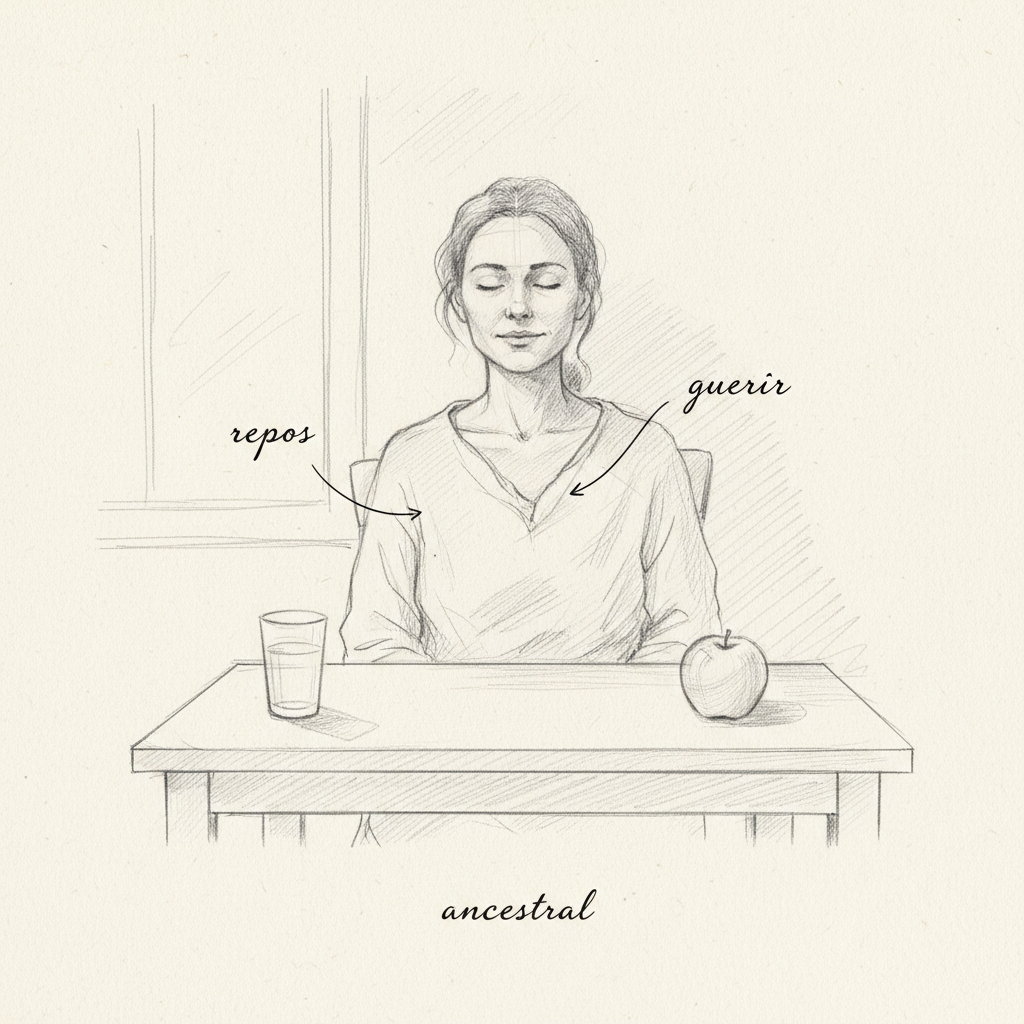
Fasting is not a fad. It is the oldest therapeutic tool in human history. Hippocrates, father of Western medicine, prescribed fasting to his patients 2,500 years ago. “If you feed a sick person, you feed their sickness,” he taught. This clinical intuition, passed down through generations, appears in all medical and spiritual traditions throughout the world. Muslim Ramadan, Christian Lent, Jewish Yom Kippur, the fasts of Buddhism and Hinduism are not arbitrary exercises in mortification. They are practices of internal hygiene codified by millennia of empirical observation.
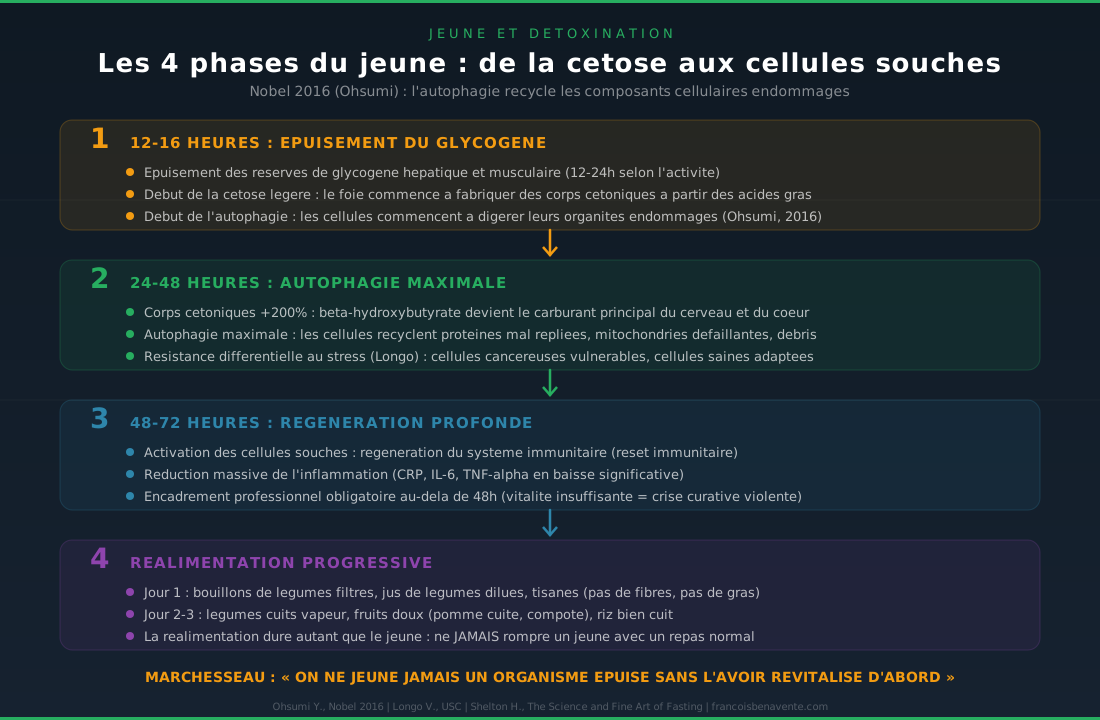
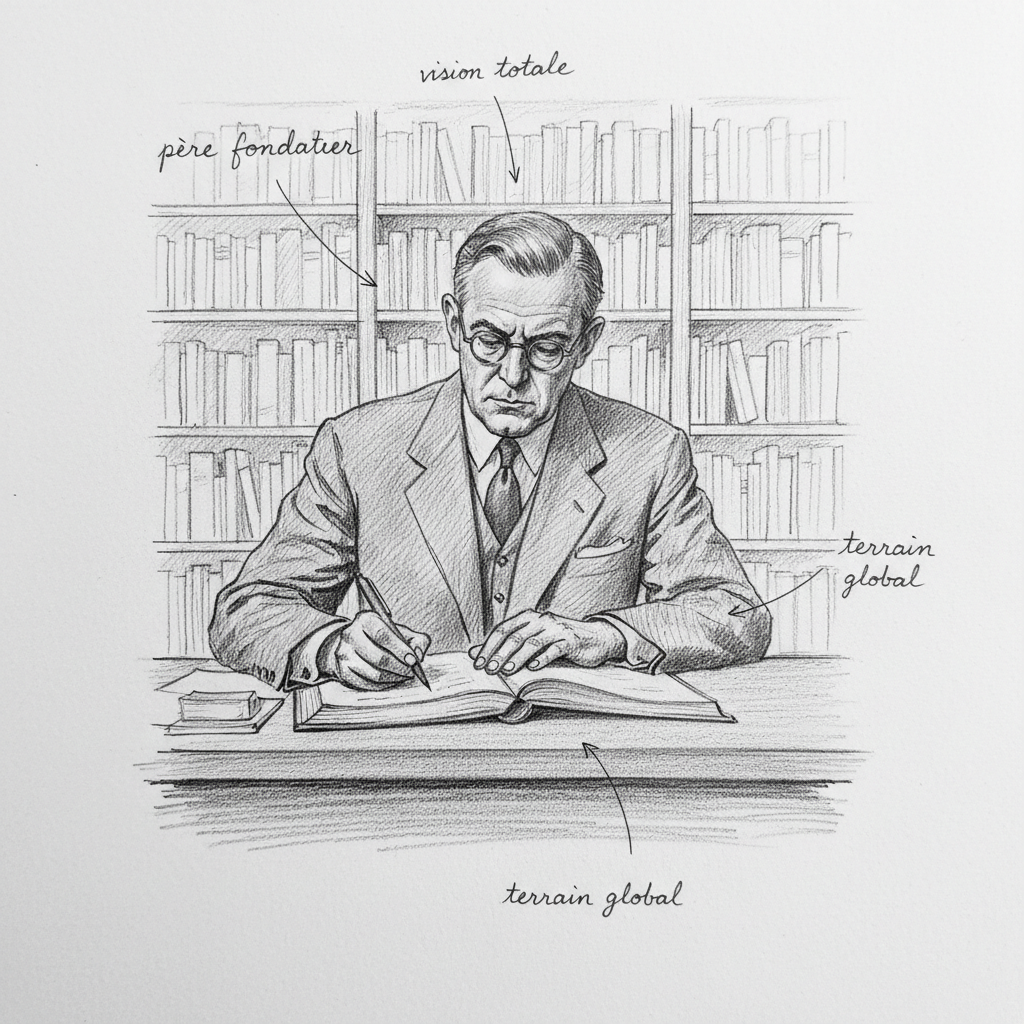
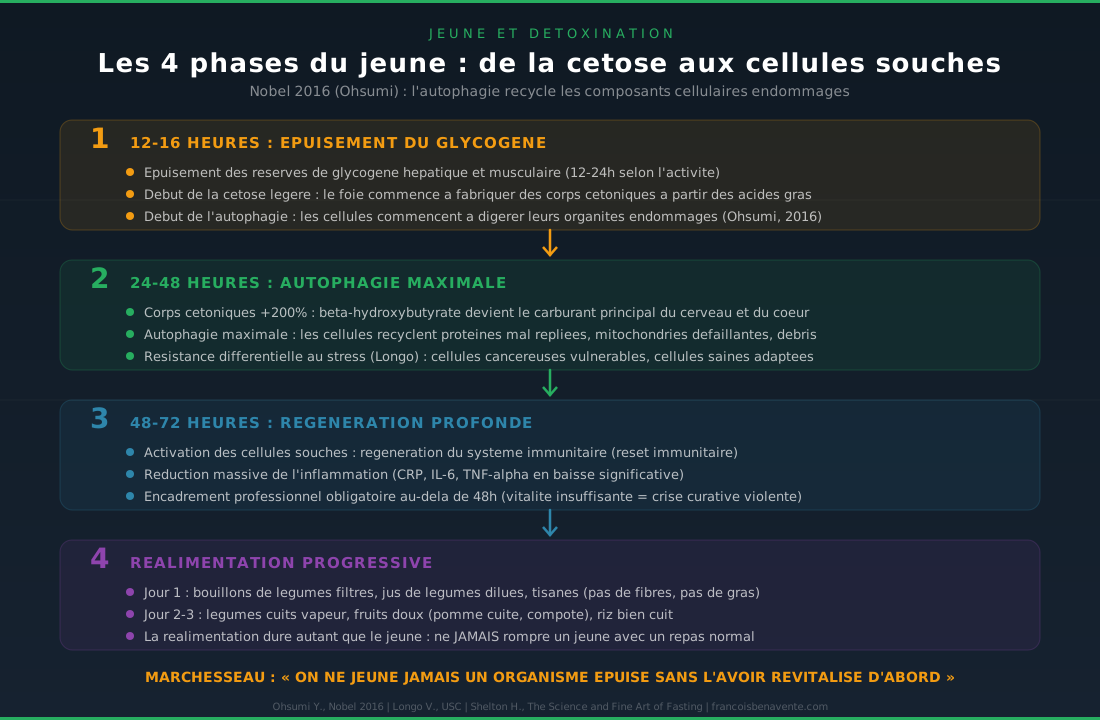
European naturopathy inherited this wisdom. Carton rediscovered it through personal experience. Shelton, in the United States, supervised tens of thousands of fasts in his Texas clinic between 1928 and 1978. Marchesseau codified fasting as the central tool of detoxification cure, the first of the three cures of orthodox naturopathy. And in 2016, science finally caught up with what hygienists had known all along: Japanese biologist Yoshinori Ohsumi received the Nobel Prize in Medicine for describing the mechanisms of autophagy, the process by which the cell, in a state of nutritional deprivation, digests its own damaged components to recycle them into new materials. Fasting activates autophagy. The cell cleans house. What Marchesseau called “humoral detoxification,” Ohsumi photographed under an electron microscope.
It is the convergence of tradition and science. And it is this convergence that makes fasting so fascinating, because it is not about believing or not believing. It is about understanding a fundamental biological mechanism: when you stop eating, the body does not stop. It reconfigures. It shifts from a construction mode (anabolism) to a cleaning mode (controlled catabolism). And it is in this cleaning that all the therapeutic power of fasting resides.
Water fasting: the king of cures
Water fasting consists of consuming no solid food or caloric liquid for a set period. Only pure water and unsweetened herbal teas are allowed. It is the purest and most powerful form of fasting, what Shelton called “complete physiological rest.”
When food intake stops, the body first exhausts its liver and muscle glycogen reserves within twelve to twenty-four hours. Beyond this threshold, gluconeogenesis takes over: the liver manufactures glucose from amino acids and glycerol. Then, as fasting continues, the organism gradually shifts toward ketogenesis. The liver transforms fatty acids released by adipose tissue into ketone bodies (acetoacetate, beta-hydroxybutyrate, acetone), which become the primary fuel for the brain, heart, and muscles. It is a major metabolic shift, comparable to switching an engine from gasoline to diesel. The body changes fuel, and in doing so, it draws on its fat reserves while sparing as much as possible its muscle proteins.
Autophagy becomes fully active after 18 to 24 hours of fasting. Cells begin to digest their damaged organelles, their misfolded proteins, their failing mitochondria, to recycle them into amino acids and reusable components. It is an intracellular housekeeping of extraordinary sophistication. Cancer cells, which depend heavily on glucose (Warburg effect), are particularly vulnerable in a fasting state. Healthy cells adapt. This is called differential stress resistance, a concept that Valter Longo, biogerontologist at the University of Southern California, has brilliantly documented in his work on fasting and longevity.
In practice, water fasting comes in several durations, and the duration determines the intensity of the effect. A 24-hour fast, from dinner to dinner the next day, is accessible to most healthy adults. It activates the first autophagy mechanisms, gives the digestive system complete rest, and allows the organism to devote its energy to repair rather than digestion. Remember that digesting a complete meal mobilizes about 30% of the body’s total energy. When this energy is freed, the body uses it for something else. A 48-hour fast deepens autophagy and accelerates lipolysis. Beyond 72 hours, effects on stem cell regeneration and the immune system become significant, as shown by Longo’s work. But beyond 48 hours, professional guidance is essential. This is an absolute rule, not a suggestion.
Water is the key. During fasting, the kidneys work at full capacity to eliminate metabolic waste put back into circulation. You must drink abundantly, between 1.5 and 2.5 liters per day, of lightly mineralized water, at room temperature or lukewarm. Herbal teas of rosemary (choleretic), thyme (intestinal antiseptic), and mint (antispasmodic) support liver and digestive function without providing calories. No juice, no broth, no coffee. Coffee, by stimulating cortisol and insulin, sabotages some of the metabolic benefits of fasting.
Intermittent fasting: the practitioner’s everyday tool
If prolonged water fasting is the surgeon’s scalpel, intermittent fasting is the naturopath’s Swiss Army knife. It is the gentlest, most accessible, and most practical form for daily life. The most common protocol is 16/8: sixteen hours of fasting, eight hours of eating window. In practice, this amounts to skipping breakfast (last meal at 8pm, first meal at 12pm) or skipping dinner (last meal at 2pm, first meal the next day at 6am). Both work. The choice depends on your life rhythm and your chronobiology.
The benefits of intermittent fasting are documented by abundant scientific literature. Improved insulin sensitivity, reduced inflammatory markers (CRP, IL-6, TNF-alpha), moderate autophagy stimulation, improved lipid profile, loss of fat mass without loss of muscle mass when protein intake is sufficient during the eating window. Dr. Jason Fung, Canadian nephrologist, popularized this approach in The Obesity Code, demonstrating that insulin resistance, the metabolic scourge of our time, responds better to modification of meal frequency than to simple caloric restriction.
But there is a trap I see constantly in consultation. Women with thyroid fragility must be particularly cautious with intermittent fasting. The conversion of inactive T4 to active T3 depends on nutritional status, and notably on selenium, zinc, and calorie intake. Overly strict, too frequent, or poorly conducted fasting in a woman already suffering from subclinical hypothyroidism can increase reverse T3 production (the inactive form of T3 that blocks receptors) and worsen symptoms: fatigue, cold sensitivity, constipation, weight gain. It is paradoxical: the person fasts to “detoxify” and ends up more clogged than before, because their basal metabolism has plummeted.
The rule I apply in consultation is clear. The 16/8 intermittent fast is suitable for people whose vitality is good, whose thyroid functions well, and whose adrenals are not exhausted. For others, I always start with mono-diet. Always. Because mono-diet does not cut caloric intake, it simplifies it. And this nuance changes everything.
Mono-diets: gentle detoxification
A mono-diet consists of consuming only one food for one or more days. It is the gentle alternative to fasting, the one Marchesseau prescribed systematically to fragile constitutions, to tired people, to cold-sensitive neuro-arthritic types whose vitality did not allow for complete water fasting. It is also, in my view, the most underestimated tool of contemporary naturopathy, because it is simple, inexpensive, risk-free when properly chosen, and remarkably effective.
The principle is clear. By consuming only one food, you put much of your digestive system at rest. Pancreatic, biliary, and gastric enzymes are only called upon for one type of substrate. The energy saved by this digestive simplification is redirected toward elimination and repair functions. It is not a fast, but it is a half-rest for digestion that allows the body to “clean house” without the metabolic assault of total deprivation.
Cooked apple mono-diet is the queen of mono-diets for neuro-arthritic terrain. Marchesseau prescribed it as a first choice for cold-sensitive, nervous, demineralized people in tissue acidosis. Cooked apple is alkalinizing, rich in pectin (which binds heavy metals and toxins in the digestive tract for elimination through stools), gentle for irritated intestines, and warm, which is essential for those who are cold-sensitive. It is prepared simply: organic apples, cut into quarters, cooked on low heat with steam or in the oven with a little cinnamon. Ad libitum, all day long, one to two days per week. The pectin of cooked apple has a demonstrated prebiotic effect: it nourishes bifidobacteria in the colon and promotes butyrate production, this short-chain fatty acid that is the preferred fuel for cells of the colonic mucosa.
Grape mono-diet, popularized by Johanna Brandt’s grape cure, is more powerful and more draining. Grapes are rich in polyphenols (resveratrol, quercetin), in potassium (natural diuretic), in rapidly assimilable sugars that support energy during the cure, and in organic acids that stimulate peristalsis. It is the mono-diet of choice for sanguine-plethoric terrain: the congested, red-faced person in colloidal overload who needs deep drainage. Grapes “wash” the bodily fluids, as the ancients said. It is practiced preferably in September and October, when grapes are in season, fresh, ripe, full of sunshine. Out of season, it makes no sense. Marchesseau insisted: mono-diet respects the rhythm of the seasons, because seasonal foods are those that nature has provided for the body’s needs at that particular time of year.
Rice mono-diet is what I prescribe for the most fragile intestines. Semi-complete or complete rice, cooked in water, without salt, without fat, is the gentlest food for the intestinal mucosa. It provides complex carbohydrates that support energy without brutally stimulating insulin, B vitamins (if the rice is complete or semi-complete), and soothing soluble fibers. It is the mono-diet of choice after gastroenteritis, during an intestinal inflammatory flare-up, or for people suffering from dysbiosis with bloating and abdominal pain. Rice is also one of the few foods to be almost universally tolerated, making it an excellent first choice for beginners.
Vegetable soup is the universal mono-diet, suitable for all terrains as a first choice. Leeks, carrots, zucchini, celery, turnips, cooked in water, blended or not, consumed hot, three to four bowls per day. It is remineralizing, alkalinizing, hydrating, comforting. It is the mono-diet I prescribe in winter, when raw foods are poorly tolerated, when the terrain is fragile, when the person needs warmth and gentleness. And it is the ideal entry point for someone who has never done a mono-diet in their life.
Finally, there are cellulose dinners, which I consider a daily micro-mono-diet. The principle is simple: replace the typical dinner with a plate of steamed green vegetables, without animal protein, without starch, without added fat. Broccoli, green beans, spinach, zucchini, asparagus, artichokes. The cellulose of these vegetables mechanically sweeps the colon walls, soluble fibers nourish the microbiota, and the absence of protein at dinner facilitates nighttime liver function. It is a simple, daily tool that requires no special effort and that, over the long term, profoundly modifies the humoral terrain.
The healing crisis: when the body cleanses itself
This is the moment that frightens people, the one that pushes many to stop too early. After 24 to 48 hours of fasting or mono-diet, the general condition may temporarily worsen. Headaches. Nausea. Intense fatigue. Tongue coated with white or yellowish film. Strong, metallic breath. Dark and odorous urine. Sometimes skin eruptions, temporary joint pain, chills, unusual irritability. This is the healing crisis, what naturopathy calls the elimination crisis.
“Open the elimination channels before dislodging toxins.” Alexandre Salmanoff
What happens is fairly simple to understand. Fasting stimulates catabolism and lipolysis. Fat-soluble toxins stored in adipose tissue (pesticides, heavy metals, endocrine disruptors, medications) are put back into circulation in the blood. The elimination channels, the liver, kidneys, skin, lungs, intestines, are called upon to eliminate this sudden toxic load. When the load exceeds elimination capacity, toxins circulate in the blood and cause the symptoms I just described. It is temporary. It is normal. And it is even a good sign, insofar as it means that the body is cleaning itself.
But be careful about the distinction between a normal healing crisis and a warning signal. A healing crisis generally lasts 24 to 72 hours, the symptoms are unpleasant but tolerable, and they are followed by a clear improvement in general condition. Severe dizziness, heart palpitations, mental confusion, unstoppable vomiting, or extreme weakness are not a healing crisis. It is a signal that the fast is too intense for available vitality, and you must break the fast immediately with a gentle food (applesauce, vegetable broth, well-cooked white rice).
Salmanoff had an expression I have made my own: open the exits before dislodging the toxins. This means that before undertaking a fast, you ensure that the elimination channels function properly. Is the liver draining well? Are the kidneys filtering? Are the intestines evacuating? Does the skin perspire? If the answer is no to any of these questions, you must first work the elimination channels with herbal medicine, hydrotherapy, and physical exercise, before embarking on a fast that will dislodge toxins the body cannot eliminate. This is the whole difference between therapeutic fasting and toxic fasting.
The mistakes that turn fasting into catastrophe
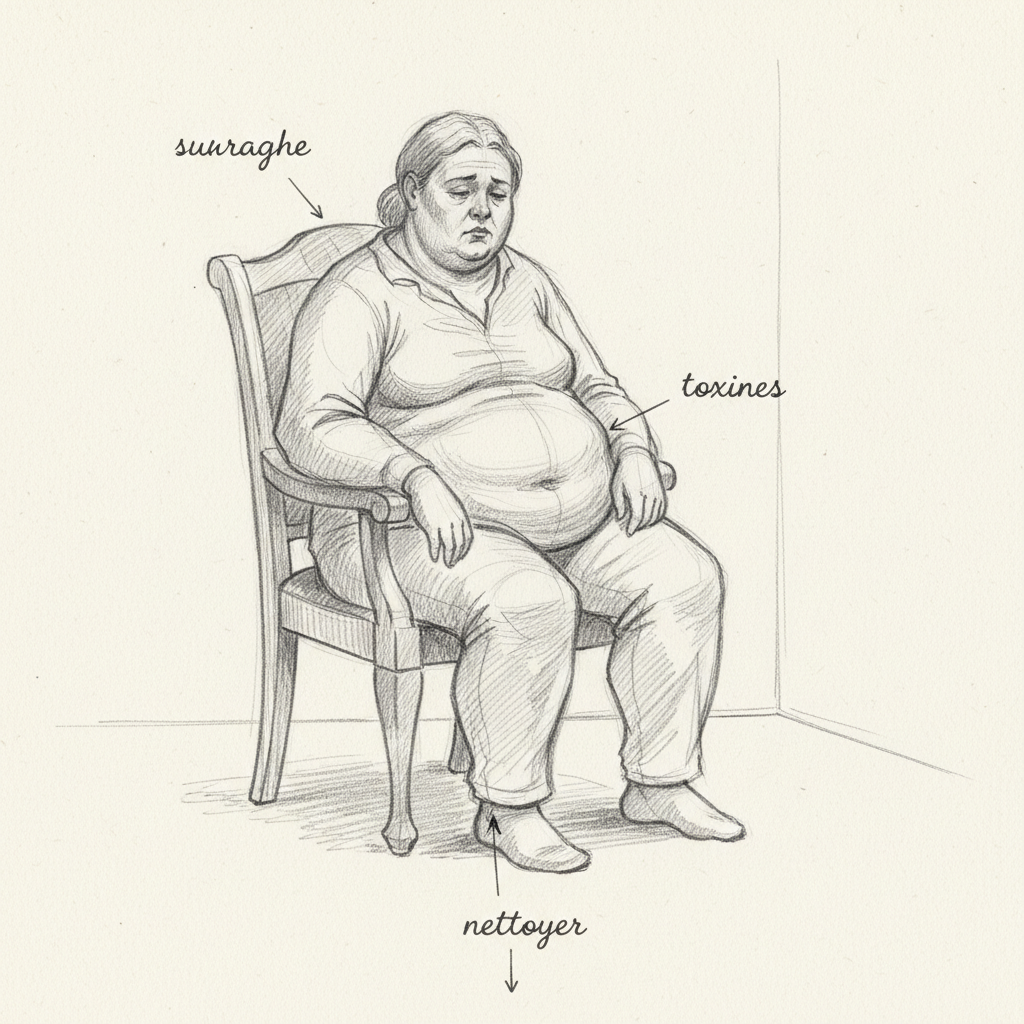
The first mistake, and the most dangerous, is to fast when you lack the vitality for it. Vitality, in naturopathy, is the energy available for self-healing functions. An exhausted organism, with depleted adrenals, flattened cortisol, a sluggish thyroid, does not have the energy necessary to carry out the detoxification process. In this case, fasting does not detoxify. It catabolizes. It draws on the body’s last reserves, it consumes muscle, it collapses lean mass, it worsens adrenal exhaustion. I have seen patients arrive at consultation after a seven-day self-conducted fast at home, in a state of exhaustion I would have qualified as pre-hospital. That is not fasting. That is metabolic self-harm.
Robert Masson, great naturopath contemporary of Marchesseau, devoted part of his work to warning against excessive restriction. When the meal lacks carbohydrates, catabolic glucagon activates, he recalled. Glucagon, a hormone secreted by the pancreas in response to low blood sugar, triggers hepatic gluconeogenesis. If fasting continues beyond the subject’s capacity for adaptation, glucagon catabolizes muscle proteins to manufacture glucose. That is muscle wasting, sarcopenia of the rash faster. Masson did not condemn fasting. He condemned indiscriminate fasting, applied without a vitality assessment, without terrain evaluation, without individual adaptation.
The second mistake is not adapting the type of restriction to temperament. Marchesseau distinguished four main temperaments, and each does not respond the same way to food restriction. The sanguine-plethoric, congested, red-faced, in colloidal overload, tolerates and benefits from water fasting, sometimes even short-duration dry fasting. The neuro-arthritic, cold-sensitive, thin, acidic, must never fast in the strict sense. Their toxemia is crystalloid, acidic, and water fasting risks acidifying them further. The mono-diet of cooked warm apple, alkalinizing and gentle, is their tool. Ignoring temperament means prescribing the wrong tool to the wrong patient.
The third mistake is a botched food reintroduction. Breaking the fast is a moment as delicate as the fast itself. After 24, 48, or 72 hours of digestive rest, the digestive tract is sluggish. Enzyme secretions are reduced, peristalsis is calm, the mucosa is in a regeneration phase. If you break the fast with a steak and fries, a pizza, or even a “healthy” but large and varied meal, you risk causing major digestive distress: cramps, bloating, diarrhea, nausea. Reintroduction must be gradual. First meal: a gentle fruit (cooked apple, ripe banana) or vegetable broth. Second meal, a few hours later: vegetables cooked on low heat with steam and a little rice. Return to normal eating is done over one to three days, proportional to the duration of the fast.
The fourth mistake, more subtle, is fasting for the wrong reasons. Fasting is not a diet. It is not a weight loss tool, even though weight loss is often a side effect. It is a therapeutic act of internal cleansing. People who fast in a logic of weight control, chronic caloric restriction, body punishment, are on dangerous ground. Fasting in a person suffering from eating disorders can trigger or worsen anorexia, bulimia, a restriction-compulsion cycle. The naturopath must evaluate the patient’s relationship with food before prescribing any form of restriction. It is a responsibility that too many practitioners neglect.
What your terrain tells you: adapting restriction to your constitution
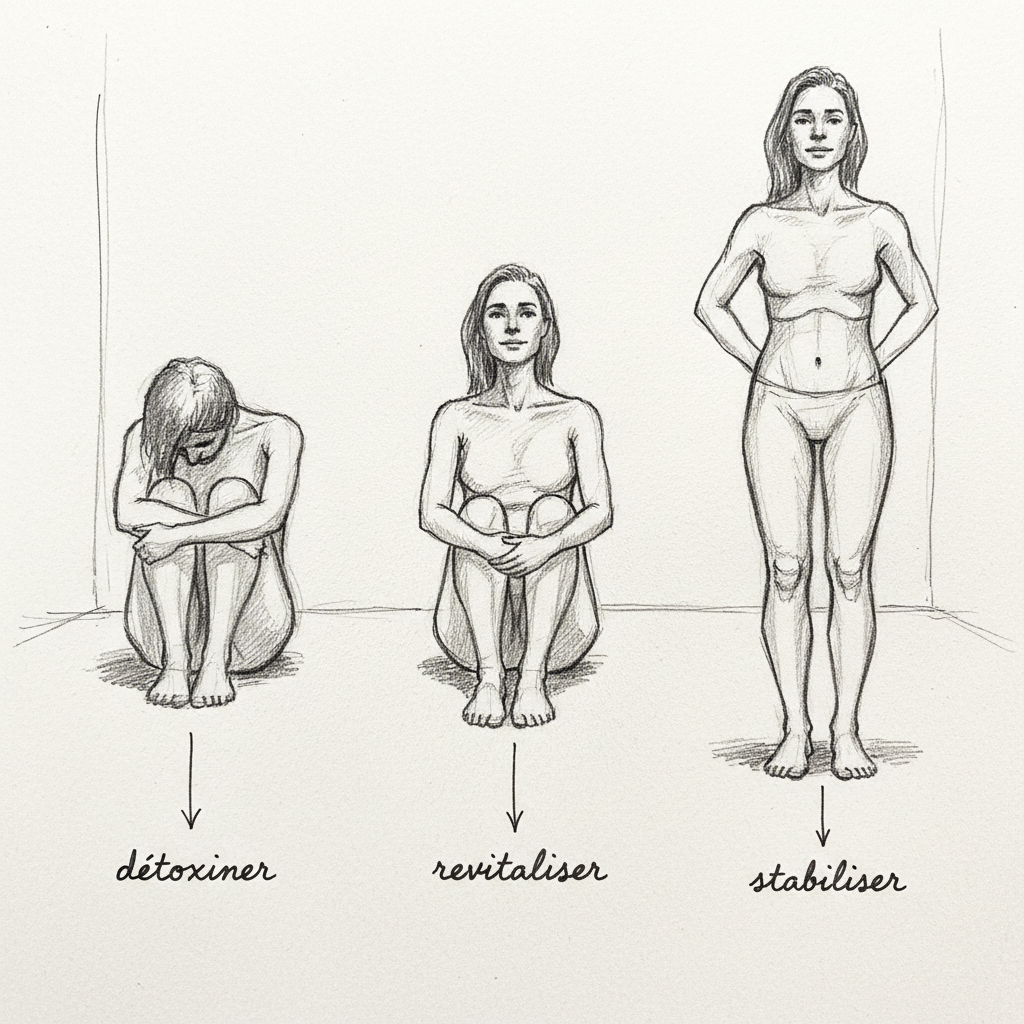
In naturopathy, there is no universal protocol. The same tool produces opposite effects depending on the terrain it is applied to. This is why the vitality assessment is a non-negotiable prerequisite to any fasting or mono-diet practice.
In consultation, I evaluate three parameters before prescribing food restriction. Available vitality first: an organism in Selye’s stage 1 (alarm), with low CRP, correct morning cortisol, and good nerve strength, can fast. An organism in stage 3 (exhaustion), with flattened cortisol, permanent fatigue, and non-restorative sleep, does not fast. It revitalizes first. Temperament next: sanguine-plethoric, neuro-arthritic, bilious, lymphatic, each has its preferred tools. Toxemia finally: colloidal (overloads of mucus, fats, cholesterol) or crystalloid (acidic overloads, crystals of uric acid, oxalic acid, pyruvic acid). Water fasting drains colloids. Alkalinizing mono-diet buffers crystals. Confusing the two means prescribing a laxative to a constipated person actually suffering from spasms. The tool is good, but the diagnosis is wrong.
Warning
Fasting and mono-diets are contraindicated in pregnant or nursing women, in children and adolescents who are growing, in people with diabetes taking insulin, in people suffering from eating disorders (anorexia, bulimia), in people with advanced kidney or liver failure, and in anyone taking heavy medication without medical advice. Beyond 48 hours of water fasting, supervision by a qualified professional is mandatory. This is not paternalism, it is clinical caution.
Naturopathy accompanies. It does not replace medical diagnosis or follow-up with your primary physician.
What fasting teaches
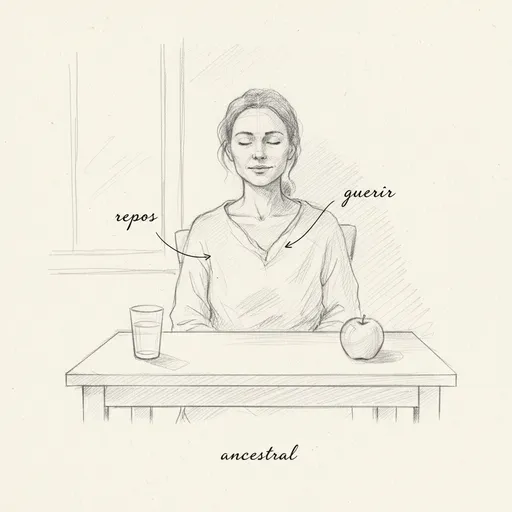
There is something that physiology textbooks do not tell, and that only the person who fasts understands. When you stop eating for 24 hours, you do not just lose weight or toxins. You gain something far more precious: a different relationship with hunger, with lack, with emptiness. You discover that hunger is not an emergency. You discover that your body is more resilient than you believe. You discover digestive silence, that sense of inner lightness that permanent digestion steals from us.
“The body has within it the capacity to heal. You just have to give it the means.” Hippocrates
Marchesseau taught that short fasting (24 hours, once a week) is one of the best tools for long-term prevention. One day a week, you give your body the opportunity to do the housekeeping that permanent digestion never leaves it time to do. It is not punishment. It is a gift. And I know what I am talking about, because it is a practice I have followed for years, and the results on my own terrain convinced me long before scientific studies confirmed it.
If you want to go further, the articles on spring detox, thyroid and micronutrition, adrenal exhaustion, and chronic constipation complete the picture.
Based in Paris, I consult via video throughout France. You can make an appointment for personalized support.
To support your detoxification cure, a Hurom cold-press juicer allows you to prepare draining green juices (dandelion, celery, black radish, lemon) cold-pressed to accompany food reintroduction (-20% with code francoisbenavente20). Sunday Natural offers pharmaceutical-grade milk thistle, desmodium, and magnesium bisglycinate supplements to support elimination channels during fasting (-10% with code FRANCOIS10). Find all my partnerships with exclusive promo codes.
Want to assess your status? Take the free vitality-toxemia questionnaire in 2 minutes.
To go further
- The 3 naturopathic cures according to Marchesseau explained
- Marchesseau’s bromatology: eating according to your terrain
- Toxemia according to Marchesseau: the true cause of your illnesses
- Vincent’s bioelectronics: the science of terrain
Sources
- Carton, Paul. Traité de médecine naturiste. Le François, 1920.
- Ohsumi, Yoshinori. “Autophagy: from phenomenology to molecular understanding in less than a decade.” Nature Reviews Molecular Cell Biology 15.1 (2014): 1-2.
- Longo, Valter D. and Mattson, Mark P. “Fasting: molecular mechanisms and clinical applications.” Cell Metabolism 19.2 (2014): 181-192.
- Marchesseau, Pierre-Valentin. Les cures naturopathiques. Editions de la Vie Claire, 1962.
- Seignalet, Jean. L’Alimentation ou la Troisième Médecine. 5th ed. Paris: François-Xavier de Guibert, 2004.
- Salmanoff, Alexandre. Secrets et sagesse du corps. La Table Ronde, 1958.
- Masson, Robert. Diététique de l’expérience. Guy Trédaniel, 1990.
“The hygienist does not cure. He teaches the sick person not to poison their cells anymore.” Pierre-Valentin Marchesseau


Laisser un commentaire
Sois le premier à commenter cet article.