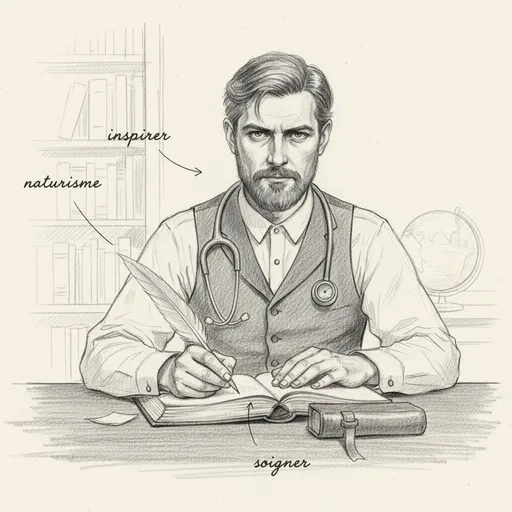
Paul Carton: The Physician Who Healed Himself and Built Modern Naturopathy
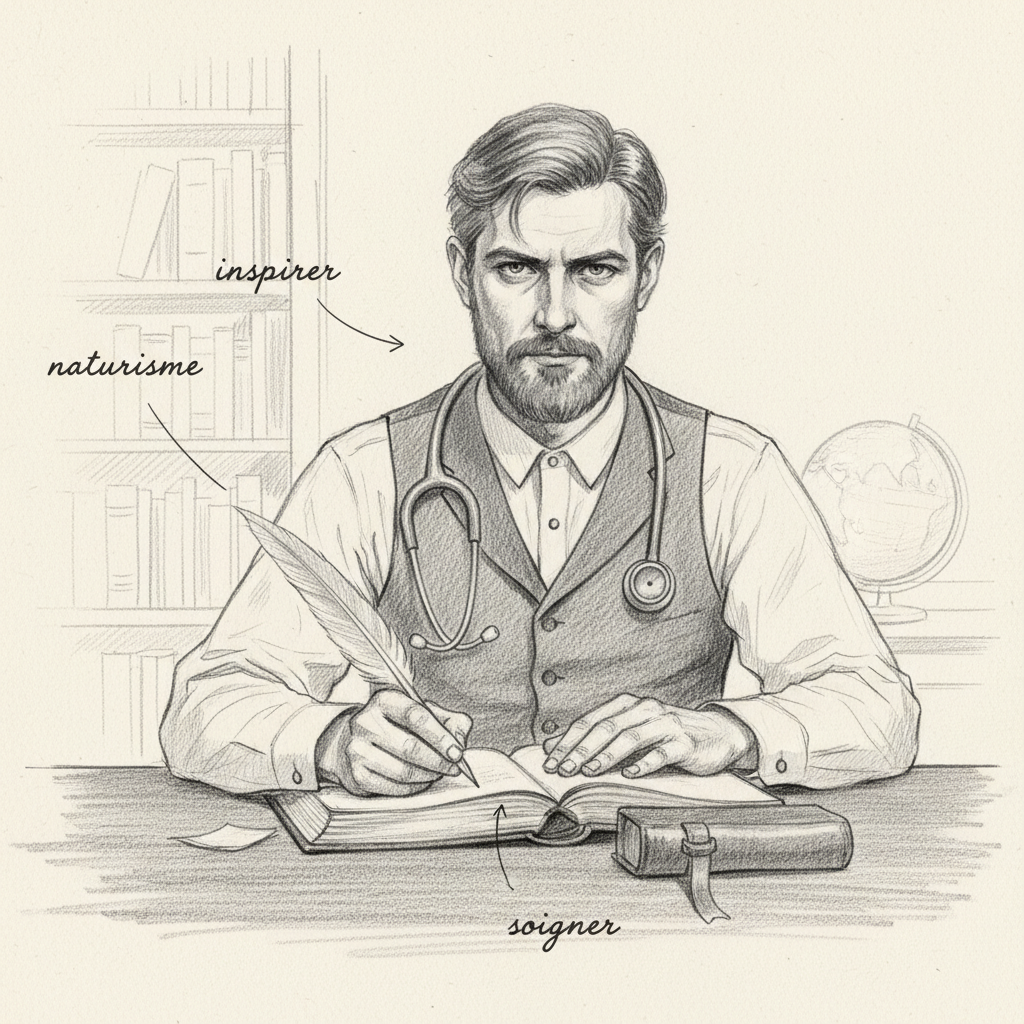
Marchesseau is often spoken of as the founding father of French naturopathy. It’s true. But Marchesseau had a master. A man whose work is so vast, so rigorous, so ahead of his time that all contemporary naturopathy rests on his foundations without always knowing it. That man is Paul Carton. A physician, a thinker, a rebel against his own profession, he died in 1947 after devoting fifty years of his life to demonstrating that modern medicine had gone astray by forgetting Hippocrates. If you’ve read my article on Hippocrates and the origins of naturopathy, you’ve already seen me cite him. It’s time to give him the article he deserves.
I’m going to tell you the story of a man who healed his own tuberculosis by disobeying his colleagues, who refuted calorie theory forty years before science did, who laid the groundwork for everything I teach in my practice and at Naturaneo. A man whose motto, “Blessed are those who suffer,” sums up his entire philosophy: suffering is a signal, not an enemy.
The tuberculosis that changed everything
Paul Carton was born in 1875. He studied medicine, obtained his degree, and began practicing like any other young physician of his time. Then tuberculosis struck him. At the end of the 19th century, tuberculosis was a scourge decimating Europe. And official medicine had found its protocol: five large daily meals, with 250 to 500 grams of raw meat and six to eighteen raw eggs per day. The idea was to overfeed the patient to compensate for consumption, the muscle wasting that accompanies the disease. On paper, it made sense. In practice, it was a disaster.
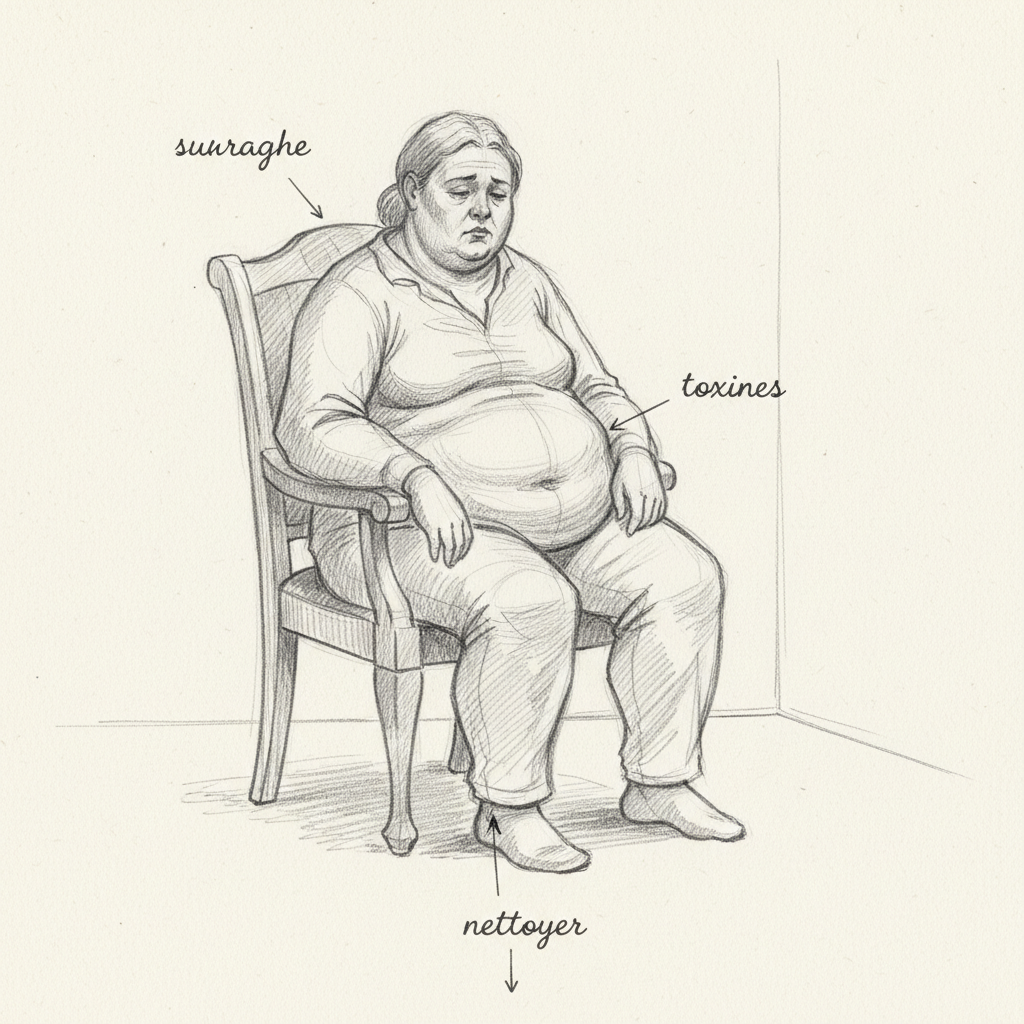
Carton followed the protocol. His condition deteriorated. The raw meats, the dozens of eggs, the five forced meals drowned his body in a tide of acidic waste that his exhausted body could no longer eliminate. He watched his sanatorium roommates die one by one while scrupulously following prescriptions. And then he did something unthinkable for a physician of his era: he disobeyed.
He fasted for five days.
Five days without food, in a sanatorium where doctors prescribed eating six times a day. The audacity was insane. The result was spectacular. By stopping the overloading of an already distressed organism, by freeing his organs of elimination from this mountain of waste, Carton allowed his vital force to regain the upper hand. He healed. Not by adding something. By removing it. This is exactly the fundamental principle I explain in the article on fasting and monodiet in naturopathy: sometimes, the first thing to do is not to feed, but to let the body breathe.
This experience marked an irreversible turning point. Carton understood in his own flesh what Hippocrates taught twenty-five centuries earlier: vital force is the only true healer, and the physician’s role is to clear its path. He turned toward vegetarianism, outdoor living, natural hygiene. He began to write. And he never stopped.
”Digestion is a battle”
It’s a Carton phrase I often quote in consultation. Not to frighten, but to set the record straight. We eat three times a day without ever thinking about what it demands of the body. Yet digestion is the most energy-intensive process in the organism. It mobilizes the parasympathetic nervous system, pancreatic enzymes, hepatic bile, intestinal peristalsis, the mucosal immune system, the bacterial flora of the colon. Each meal is a logistical operation of immense complexity.
Carton had understood that everything starts there. Not in the blood, not in the brain, not in the genes. On your plate. The quality of what you eat, the quantity you ingest, the frequency at which you solicit your digestive system, all this determines the quality of your terrain, your humors, your vitality. If your digestion is a losing battle because you eat too much, too fast, too processed, too cooked, too often, then waste accumulates, organs of elimination saturate, and disease sets in.
What is remarkable about Carton is that he was able to express this ancient truth in rigorous medical language. He was not an illuminated outsider. He was a licensed physician, trained in the same school as his detractors, who turned the weapons of science against the errors of science. And he did it with rare intellectual ferocity. He spoke of official medicine as a “false science, which has enthroned a multitude of eminently harmful practices.” It was courageous. It was also accurate.
The energy transformer: the image that sums up everything
If I had to sum up Carton’s thinking in a single image, it would be that of the energy transformer. It is a model of elegant simplicity that allows us to understand how a living organism functions, and above all how it malfunctions.
The human organism functions like a transformer of energies in three stages. The first stage is intake: everything that enters the body through the three entry routes of the digestive tract, respiratory tract, and skin. You eat, you breathe, you absorb through your skin. The second stage is transformations: cellular metabolism, that biochemical alchemy that converts raw materials into energy, structures, hormones, neurotransmitters. The third stage is eliminations: the evacuation of waste produced by transformations, via the organs of elimination.
“The accumulation of waste is the source of all diseases, and the reduction of this mass of toxins becomes therapeutic maneuver number one.” Paul Carton
This sentence is the beating heart of all naturopathy. Read it again. If waste accumulates faster than it is eliminated, the terrain becomes clogged. And this clogging produces the symptoms, inflammations, pain, functional disorders, and then chronic diseases. Where do these excess wastes come from? From the first stage, primarily. From dietary intakes unsuited to the organism’s actual needs. Too much animal protein, too many refined sugars, too many processed foods, too much aggressive cooking, too many meals overall.
This model has considerable operational power. In consultation, I use it as a permanent reading framework. When a patient arrives with chronic fatigue, eczema, migraines, or digestive disorders, my first inner question is always the same: at which stage of the transformer is the imbalance located? Is it a problem of intake (unsuitable diet, polluted air, toxic skin products)? Of transformations (insufficient enzymes, dysbiosis, lack of cofactors)? Or of eliminations (saturated organs of elimination, sedentary lifestyle, chronic constipation)? Often, it’s a mix of all three. But prioritization changes everything in the order of interventions.
The war against calories
Carton was decades ahead of his time. A striking example: his refutation of calorie theory. In his era, chemist Wilbur Olin Atwater had developed a system of caloric measurement of foods by burning them in a calorimeter. This method, invented to calculate the energy efficiency of steam locomotives, was transposed directly to human nutrition. It was decided that a gram of carbohydrates equals four calories, a gram of protein equals four calories, a gram of fat equals nine calories, and that all one needed to do was calculate inputs and outputs to manage weight and health.
Carton saw the absurdity of this transposition. The human body is not a locomotive. It does not burn food in a combustion chamber. It digests, transforms, assimilates, uses, or stores it according to biochemical mechanisms of infinite complexity that depend on the microbiota, hormonal status, stress, sleep, temperament. Two people eating exactly the same thing will not derive the same energy from it, will not produce the same waste. The calorie means nothing without the terrain that receives it.
This is exactly what nutrition research is rediscovering today. Studies on the microbiota show that intestinal flora modifies the caloric extraction of foods. Work on chronobiology shows that the same meal does not have the same metabolic impact depending on the time of day. Carton saw all of this, not with the tools of modern science, but with the clinical gaze of a physician who observed his patients instead of counting their calories.
”Specialist doctor = incomplete medicine”
It’s a sharp formulation. Carton cited Plato: “There is science only of the general.” A physician who looks at only one organ does not see the man. The cardiologist sees the heart. The endocrinologist sees the thyroid. The gastroenterologist sees the intestine. But who looks at the whole person, with their history, temperament, emotions, lifestyle, intake, eliminations, vital force?
Medical specialization saves lives every day, I won’t deny that. But Carton pointed to a real danger: by cutting up the human being into pieces, we lose the big picture. A woman consulting for hypothyroidism receives levothyroxine. If she has sleep disorders, a sleeping pill. If she has chronic constipation, a laxative. Three specialists, three prescriptions, zero global vision. A naturopath trained in Carton’s school sees that the slowed thyroid, disrupted sleep, and lazy intestines are three expressions of the same terrain: an organism clogged with waste, a low vital force, saturated organs of elimination. The treatment is not three medications. It will be a complete overhaul of lifestyle hygiene. This is what Carton transmitted to us, and it is what Marchesseau established as a founding principle in the foundations of naturopathy.
The most Hippocratic of physicians
This description is not mine. It is the one that the history of French-speaking naturopathy has attributed to Carton, and it is thoroughly deserved. Carton devoted his entire life to restoring Hippocrates to the center of medical reflection. Vital force, temperaments, humors, organs of elimination, food as first medicine, patient education, respect for natural laws: everything that Hippocrates had established twenty-five centuries earlier, Carton translated into modern medical language.
He took the four Hippocratic temperaments, the sanguine, the bilious, the nervous, and the lymphatic, and articulated them around four physiological systems: the digestive, the respiratory, the nervous, and the osteomusculoskeletal. This reworking is important because it allows us to move from a purely humoral classification, which may seem archaic, to a functional reading of the body. Each temperament corresponds to a dominant system, with its strengths and weaknesses, its pathological tendencies, its specific needs in nutrition, movement, rest.
“Vital force is the most powerful force of cohesion and action of all that exists. Only reasoning can conceive of it.” Hippocrates, cited by Paul Carton
Carton insists: this force is not measurable in the laboratory. It is neither chemical nor physical. It is that organizing principle that makes a living organism more than the sum of its molecules. It orchestrates wound healing, fever resolution, liver tissue regeneration. The work of the physician, the naturopath, any health practitioner, is not to substitute for this force, but to create the conditions for it to express itself fully. This is why Carton placed Hippocrates’ vis medicatrix naturae at the pinnacle of his medical thinking.
The organs of elimination: the forgotten hierarchy
Among Carton’s major contributions is his hierarchization of the organs of elimination. The organs of elimination are those responsible for eliminating metabolic waste. The liver, intestines, kidneys, skin, lungs. Every naturopath knows this. But Carton established an order of priority that many have forgotten, and which changes therapeutic strategy.
First organ of elimination: the intestines. This is the primary elimination route, the one through which food residues, hepatic toxins conjugated by bile, dead cells from the mucosa, spent bacteria from the microbiota pass. When the intestine malfunctions, when transit is slow, when constipation sets in, the entire elimination system seizes up. Waste stagnates, ferments, putrefies. Intestinal permeability increases. Toxins reenter the bloodstream instead of being evacuated. This is why I almost always begin with the intestines in consultation. Before draining the liver, before stimulating the kidneys, you must ensure that the main exit door is open.
Second organ of elimination: the kidneys. They filter acidic waste, urea, uric acid, creatinine, organic acids. This is the exit route for crystalloidal waste, that produced by excess animal protein, sugar, alcohol, stress. When the kidneys struggle, acids accumulate in the tissues, joints, muscles. Pain appears, fatigue sets in, the terrain becomes more acidic.
Third organ of elimination: the skin. It eliminates through perspiration, sebaceous secretion, skin eruptions. Persistent eczema, psoriasis, acne are often signs that the upstream organs of elimination, intestines and kidneys, are saturated and the skin takes over. This is what Carton called emonctorial derivation: when one organ of elimination is overwhelmed, the next one in the hierarchy compensates.
Fourth organ of elimination: the respiratory tract. It expels CO2, volatile acids, mucus. Chronic bronchitis, persistent productive cough, repetitive sinus congestion are all signals that the respiratory tract is working in overdrive to compensate for failures in other organs of elimination.
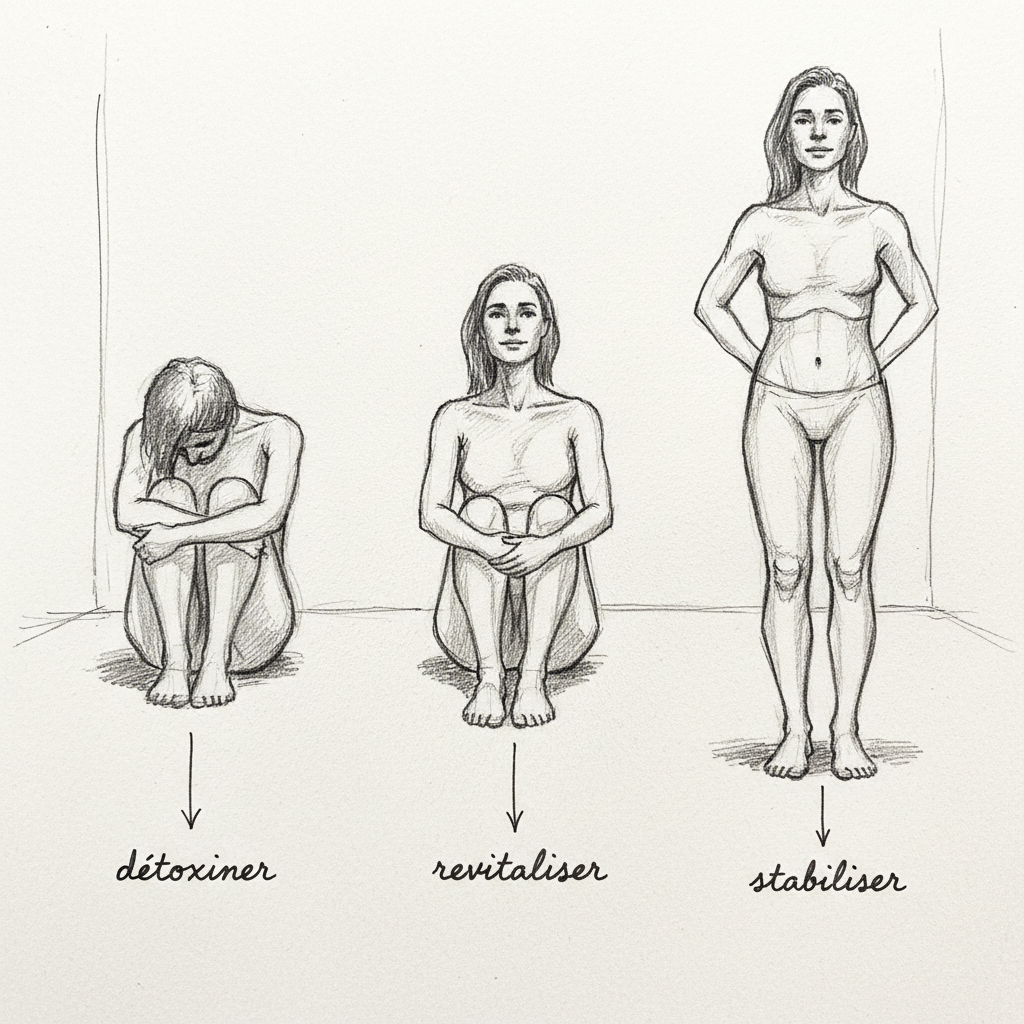
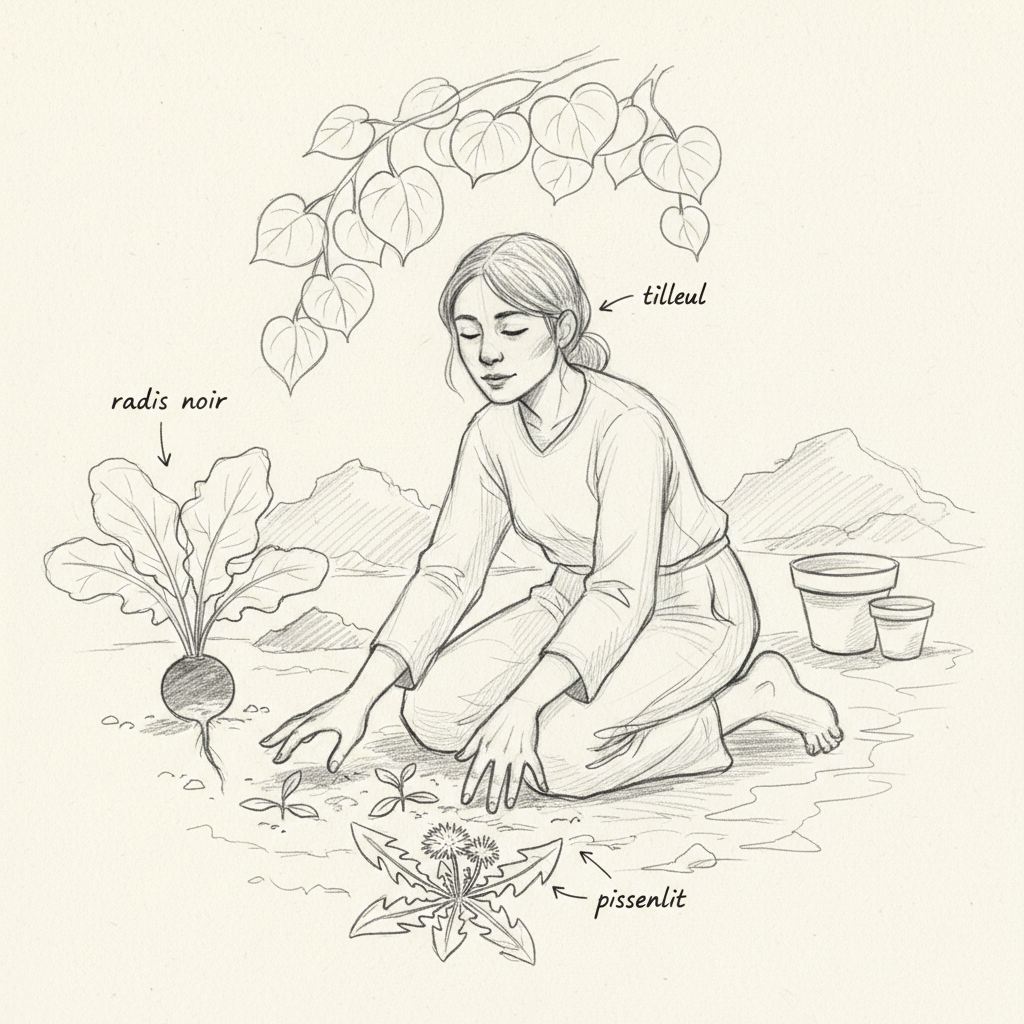
This hierarchy guides all drainage strategy in naturopathy. It’s exactly the logic I apply in spring detox protocols: you open the exit doors in order, from bottom to top, from intestines to lungs, ensuring that each stage is functional before moving to the next. Draining the liver without first restoring proper intestinal transit is like opening a dam’s gates without checking that the riverbed downstream is clear.
Support in three dimensions
Carton didn’t merely diagnose. He provided support in three dimensions, corresponding to the three entry routes of the energy transformer.
The digestive dimension first. Carton had developed a “standard menu” based on vegetarianism, frugality, and respect for digestive rhythms. No meat, or very little. Whole grains, cooked and raw vegetables, fruits, nuts. Simple meals, minimally mixed, at fixed times. This standard menu was not dogmatic: it adapted to the patient’s temperament. A plethoric sanguine didn’t have the same needs as a thin nervous type. But the principle remained: reduce toxinogenic intake to ease the transformer.
The respiratory dimension next. Pure air, contact with nature, deep breathing exercises, outdoor living. Carton believed that urban life, with its polluted air and sedentary nature, was incompatible with true health. The principle remains transposable: open your windows, walk daily, breathe deeply, expose yourself to sunlight. Air is the first food of the body, and we systematically forget it.
The skin dimension finally. Hot and cold baths, friction, alternating showers, perspiration through physical exercise. Carton knew that stimulating skin circulation, inducing regular sweating, accelerated waste elimination and revitalized the organism. This is the same logic as Salmanoff and his hyperthermic baths, a tool I use regularly with patients whose intestines and kidneys are too fatigued to tolerate intense drainage.
Spirit, vital force, and body: three levels of constitution
Here Carton goes beyond the simple framework of medicine to enter a philosophical vision of the human being. He describes three levels of constitution that nest like Russian dolls.
The first level is the body. Physical structure, organs, tissues, liquids. This is the level that conventional medicine explores with its scanners, blood tests, biopsies. It’s essential, but it’s insufficient.
The second level is vital force. This organizing energy that animates the body, that orchestrates millions of simultaneous biochemical reactions, that maintains homeostasis, that repairs, regenerates, adapts. Without it, the body is merely an inert assemblage of molecules. This is the level at which the naturopath works: supporting, preserving, relaunching vital force.
The third level is spirit. Thought, emotions, beliefs, philosophy of life, the meaning one gives to existence. And here Carton is most audacious. He affirms that depression, for example, can have three distinct origins: physical deficiencies (deficits in iron, magnesium, fatty acids, serotonin), vital exhaustion (overwork, poor sleep, sedentary lifestyle), or erroneous philosophy, that is, a view of life that doesn’t nourish the soul. No dietary supplement can treat this third cause. It is the domain of education, psychology, philosophy.
“Blessed are those who suffer.” Paul Carton
This motto may seem provocative. It is not. Carton was not glorifying suffering. He was saying that suffering is a messenger. It shows you where you’re going wrong, in your eating, in your life rhythm, in your existential choices. Suppressing pain without understanding its message is killing the messenger. Hearing the message, correcting course, transforming suffering into learning, this is the path of true healing. Hippocrates said nothing different with his “Docere”: the physician’s role is to teach the patient, not make them dependent on a treatment they don’t understand.
The patient’s mind: Docere
Carton took up Hippocrates’ “Docere” with particular insistence. The Latin word means “I will teach.” It’s not a suggestion, it’s a commitment. The natural medicine physician doesn’t merely prescribe a diet or plants. He educates. He explains. He makes the patient capable of understanding their own body, its own signals, their own imbalances.
This is a dimension modern medicine has almost entirely abandoned. A fifteen-minute consultation, a prescription, and goodbye. The patient leaves with their medications without understanding why they’re sick, without knowing what caused their imbalance, without the keys to avoid relapse. Carton considered this attitude a betrayal of the medical oath.
In naturopathy, the consultation lasts an hour, sometimes an hour and a half. Not because the naturopath likes to hear themselves speak, but because time is needed to listen, to explain, to transmit. When a patient leaves my office, they must understand why they feel poorly, what caused their imbalance, and what they can concretely do about it. This is Carton’s direct legacy. It is Hippocrates’ direct legacy.
The lineage: from Carton to Marchesseau
How did a natural medicine physician from the early 20th century become the mentor of the founder of French naturopathy? The answer lies in one phrase I find magnificent: “Socrates was a master to Plato. Indirectly, Carton was also to Marchesseau.”
The word “indirectly” is important. Marchesseau was not Carton’s direct student in the academic sense. But he read his works, integrated his concepts, and systematized them within a structured educational framework. Carton was a physician who wrote treatises. Marchesseau was a biologist who built schools. The first provided the material, the second organized it.
What did Carton transmit to Marchesseau? Everything. Vital force as an organizing principle. Toxemia as fundamental cause. The organs of elimination as elimination routes to hierarchize. Temperaments as a reading grid for individuality. Food as the first therapeutic tool. Patient education as the practitioner’s primary mission. Holism. Causalism. Marchesseau took this raw material and codified it into ten natural health techniques, adding morphopsychology, reflexologies, chirology. But the intellectual foundation is pure Carton. And Carton who is himself Hippocrates translated into 20th century language.
Carton was the pioneer of the French naturist movement. He reconciled scientists and hygienists at a time when the two camps were clashing. He showed that one could be rigorous in clinical observation while respecting the natural laws of life. This synthesis is naturopathy as we practice it today.
Science, philosophy, and spirituality in service of health
Carton affirmed that three dimensions must coexist in patient support: science, philosophy, and spirituality. Science to understand body mechanisms. Philosophy to provide a framework of thinking, understand the laws of life, the relationship between lifestyle and health. Carton was an avid reader of Plato, Aristotle, Marcus Aurelius. He believed ignorance was the primary cause of disease: we eat poorly because we don’t know, we live poorly because we don’t understand, we suffer because we haven’t learned.
Spirituality, finally, to give life meaning. One is not obligated to share his religious convictions to recognize the relevance of his intuition: a human being who finds no meaning in life is a human being decomposing from within. Modern psychosomatic medicine, with its work on the impact of existential stress on the immune system, confirms this intuition. Man is not just a body. He is not just a spirit. He is a whole, and this whole demands to be nourished at all levels.
What Carton changes in my practice
I’ll be honest: during my early years of practice, I was doing micronutrition. Zinc here, magnesium there, vitamin D, omega-3s, raising serotonin, restoring iron. It was useful. It was insufficient. Patients improved for a few weeks, then symptoms returned. Because I was treating consequences without touching causes.
It was rereading Carton that made me understand my mistake. The energy transformer. The three stages: intake, transformation, elimination. If intake is bad, no matter what you add in supplements. If elimination is blocked, no matter what you stimulate in transformation. You have to start in order. First open the exit doors, the organs of elimination, beginning with the intestines. Then adjust intake, diet, breathing, skin contact. And only after, when the terrain is clean, address specific deficits with targeted micronutrition.
This logic is pure Carton. And it’s what transformed my results in practice. A patient following a protocol in this order progresses faster, relapses less, and becomes autonomous more quickly. Because they understand the mechanics of their own body. Because they were taught, as Carton demanded.
Disclaimer
This article is a tribute to one of the greatest thinkers of natural health and an invitation to discover his work. It in no way replaces medical follow-up. If you suffer from chronic disease, hormonal disorder, autoimmune disease, or inflammatory syndrome, consult your physician. Naturopathy never substitutes for conventional medicine. It complements it, in a global vision of health that Carton, precisely, called for.
Living legacy
Paul Carton died in 1947, at seventy-two years old. His work comprises dozens of books, the most important being the Treatise on Medicine, Food, and Naturist Hygiene, published in 1920, which remains essential reading for any natural health practitioner. When you read Carton, you read Hippocrates reread by a 20th century physician. When you practice naturopathy according to Marchesseau, you apply Carton without knowing it.
What strikes me most about this man is his consistency. He lived what he taught. He healed his own disease through the principles he defended. He never compromised, never yielded to fashions, never sought approval from official medicine. Disease is not fate. Health is not the absence of symptoms. Healing is not chemical. It is a return to the natural order of things.
If you want to understand where naturopathy comes from, don’t start with dietary supplements. Start with Hippocrates. Then read Carton. Then read Marchesseau. Go upstream to the source, and you’ll understand why every piece of advice I give on this site is part of a millennial tradition that is anything but outdated.
To learn more
- Toxemia according to Marchesseau: the true cause of your diseases
- The 3 naturopathic treatments according to Marchesseau explained
- Hippocrates: 15 lessons from the father of natural medicine
- Fasting and monodiet: the ancestral tools of the naturopath
References
Carton Paul, Treatise on Medicine, Food, and Naturist Hygiene, Librairie Le François, 1920.
Carton Paul, The Laws of Healthy Living, Librairie Le François, 1922.
Marchesseau Pierre-Valentin, Psych-Naturopathy in Daily Life, photocopied course notes, School of Naturopathy, Paris.
Kieffer Daniel, Historical Encyclopedia of Naturopathy, Jouvence Editions, 2019.


Laisser un commentaire
Sois le premier à commenter cet article.