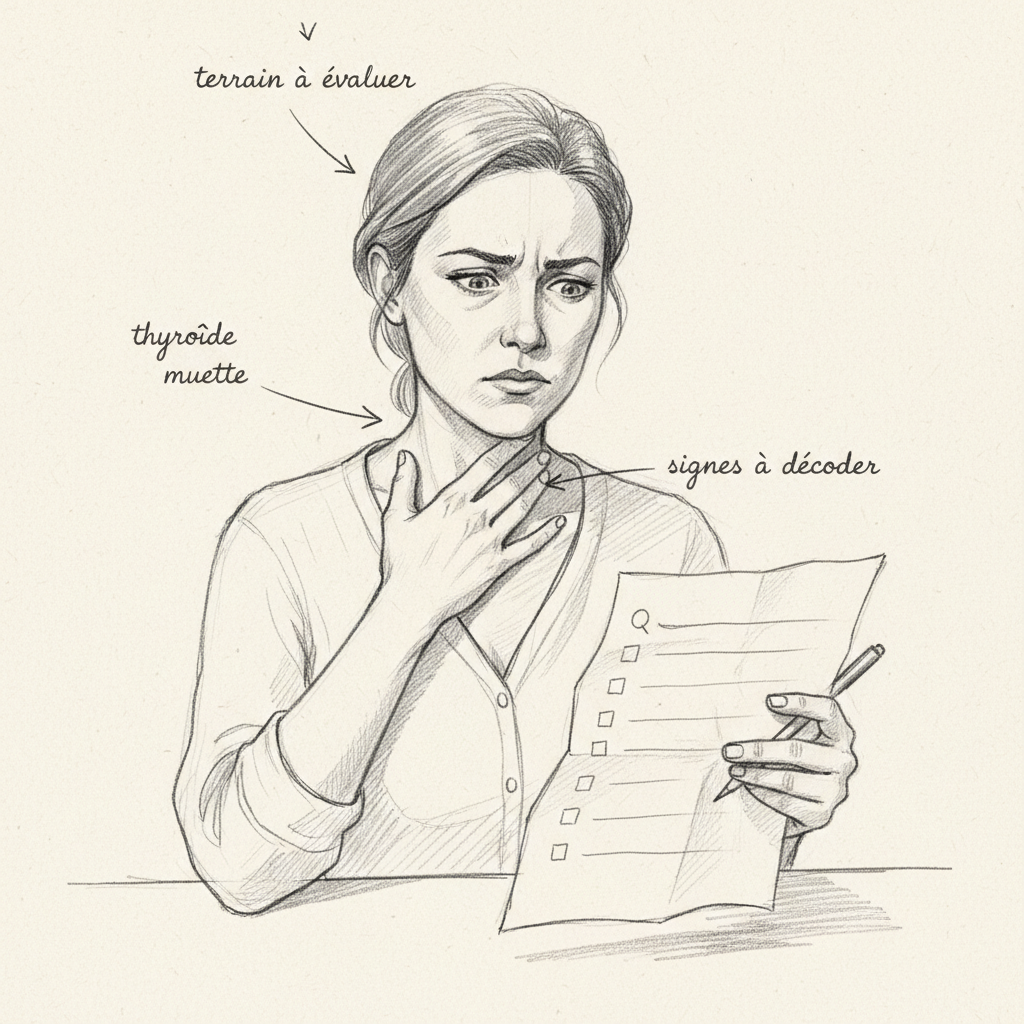
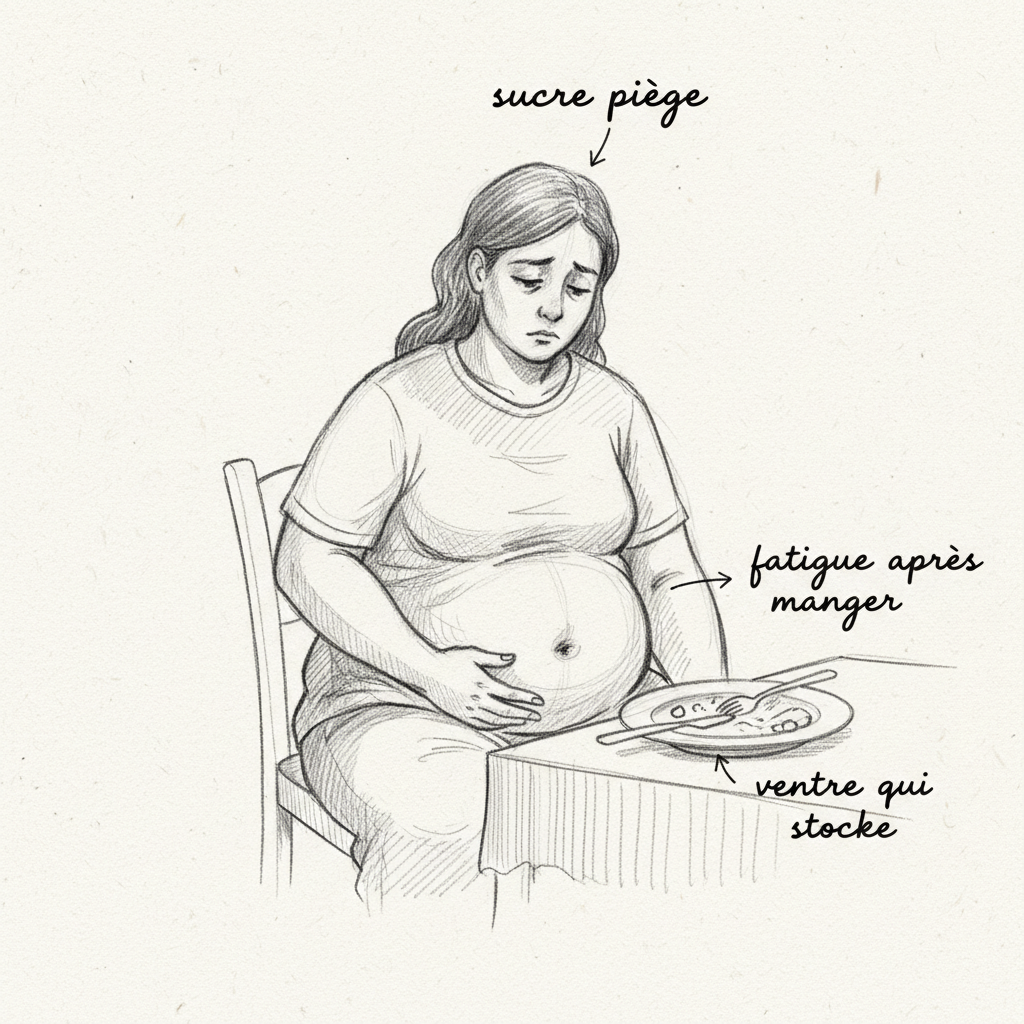
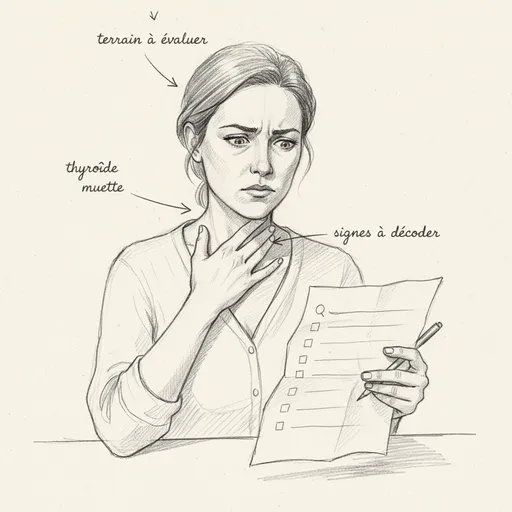
Sandra has a TSH of 2.8 mIU/L. Within normal range. Her doctor tells her that her thyroid is fine. Sandra, on the other hand, is not doing well at all. She is permanently tired, she has gained twelve kilos in three years without changing her diet, her hair is falling out, her skin is dry, she has cold hands and feet even in summer, her digestion is slow and her mood is at rock bottom. When I have her take the Claeys questionnaire, she scores 34 out of 50. Probable hypothyroidism. The TSH saw nothing. Clinical examination saw everything.
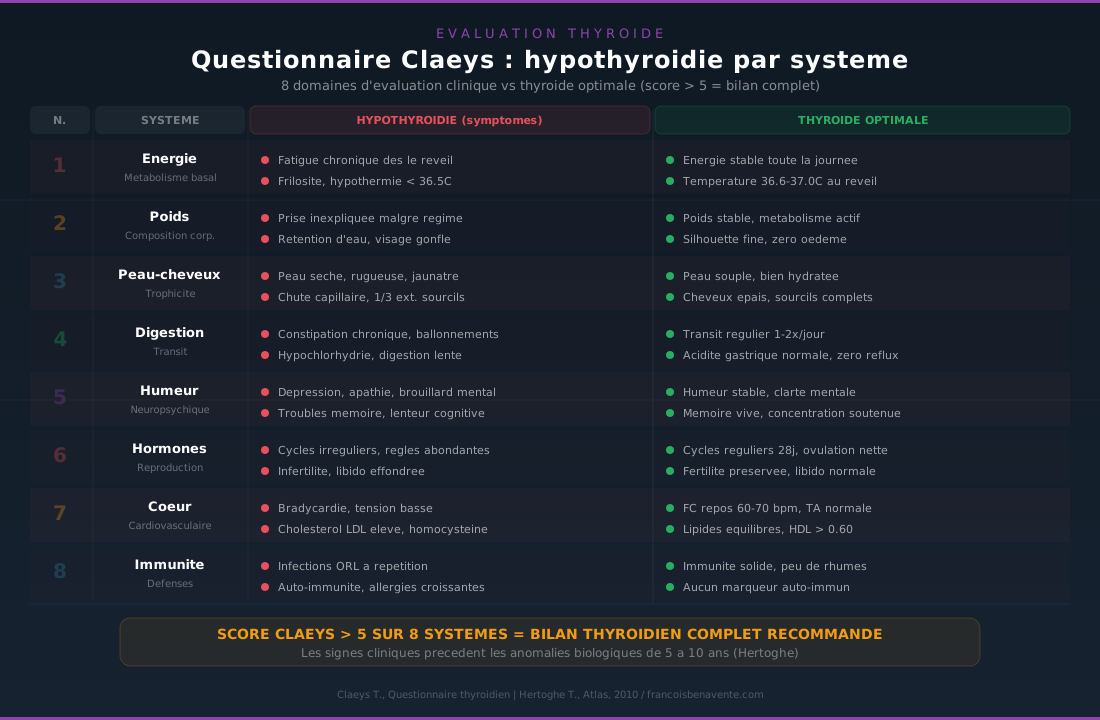
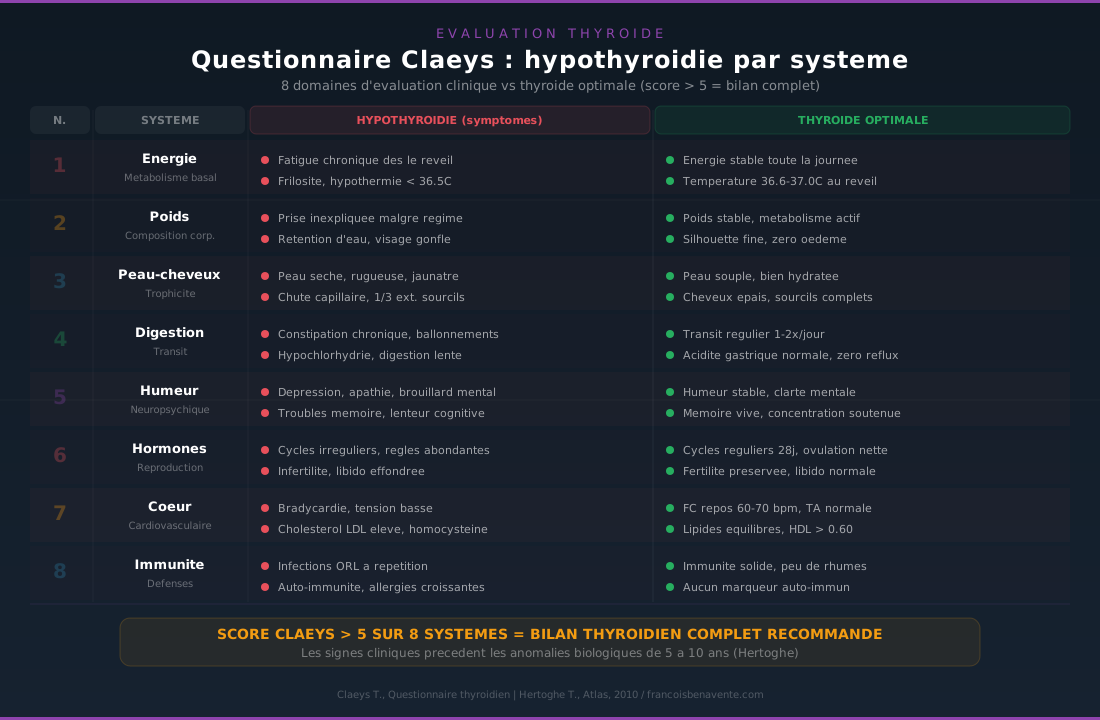
Dr Benoît Claeys, in collaboration with Dr Thierry Hertoghe, developed a thyroid assessment questionnaire that integrates family history, clinical signs and fine semiology that standard biology does not capture. This questionnaire is a consultation tool that I use almost systematically, because subclinical hypothyroidism is the most under-diagnosed condition in modern medicine.
Why TSH is not enough
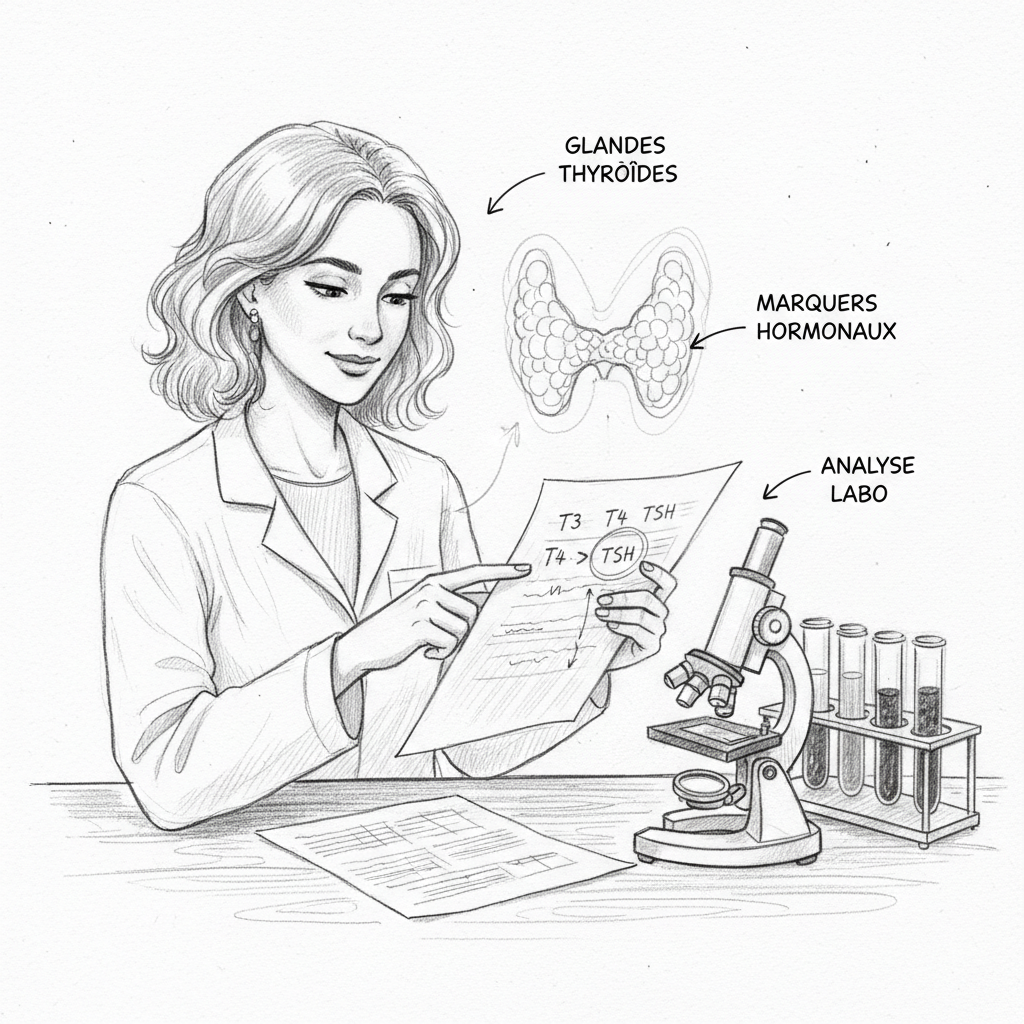
TSH (Thyroid Stimulating Hormone) is the standard screening marker. The reasoning is simple: if the thyroid is not producing enough hormones, the pituitary gland increases TSH to stimulate it. So high TSH = hypothyroidism, normal TSH = normal thyroid. This reasoning is too simplistic.
First problem: laboratory standards. The “normal” TSH range is 0.4 to 4.5 mIU/L depending on the laboratory. But epidemiological studies show that optimal TSH is between 0.5 and 2.0 mIU/L. A TSH of 3.5 is “within normal range” but already in a zone of thyroid distress for many patients. Dr Hertoghe considers that a TSH above 2.0 in a symptomatic patient warrants investigation.
Second problem: TSH only reflects the pituitary signal, not the active hormone at the cellular level. You can have normal TSH with poor conversion of T4 to T3 (due to deficiency in selenium, zinc, iron, or excess cortisol). You can have normal TSH with elevated reverse T3 that blocks receptors. You can have normal TSH with anti-TPO antibodies that are progressively destroying the thyroid (early Hashimoto).
Third problem: hypothyroidism with normal TSH exists. This is thyroid hormone resistance, subacute thyroiditis, central hypothyroidism (pituitary). In all these cases, TSH is deceptively reassuring.
The Claeys questionnaire in detail
The questionnaire begins with family history: a criterion that biological tests completely ignore. Thyroid disease in the family (3 points). Gallstones in the family (3 points: a sluggish gallbladder is an indirect sign of hypothyroidism, as bile thickens when thyroid metabolism slows). Familial hypercholesterolemia (3 points: the thyroid regulates cholesterol metabolism). Diabetes in the family (2 points). Obesity in the family (2 points). These family histories paint a thyroid pattern long before symptoms appear.
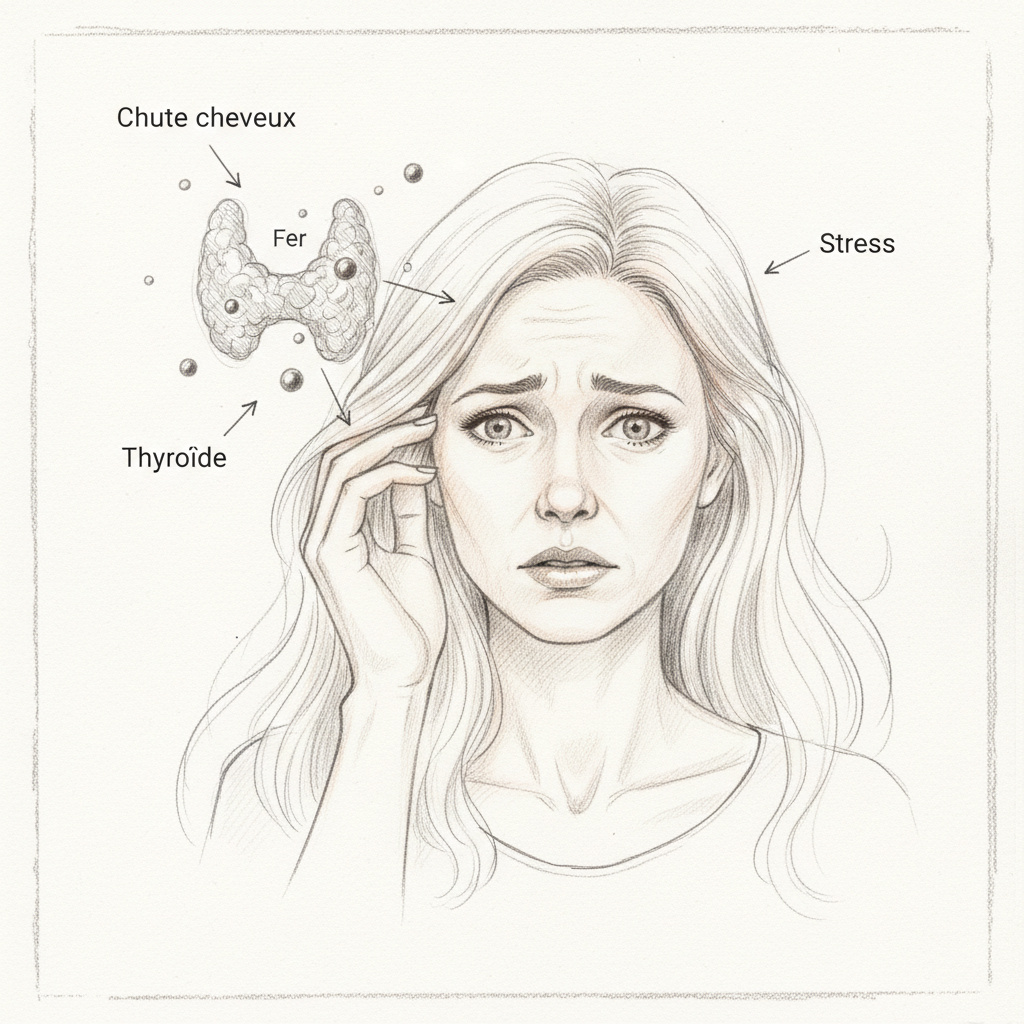
Clinical signs include feeling cold (cold hands and feet, need for extra blankets), morning fatigue (“not a morning person”), unexplained weight gain, chronic constipation, dry and thick skin, dry and brittle hair, hair loss (sparse outer eyebrow: Queen Anne’s sign), facial swelling (morning puffiness, swollen eyelids), hoarse voice, mental slowness, depression, muscle and joint pain, menstrual disorders (heavy, irregular periods).
Sex-specific questions are integrated. In women: repeated miscarriages, infertility, severe premenstrual syndrome, early menopause. In men: decreased libido, erectile dysfunction, gynecomastia.
Take the Claeys thyroid questionnaire.
Interpreting your score
A score of 0 to 9 suggests normal thyroid function. A score of 10 to 30 justifies a complete thyroid panel: TSH, free T4, free T3, reverse T3, anti-TPO and anti-thyroglobulin antibodies, and ideally a basal temperature curve (three consecutive mornings, before getting up, thermometer under the tongue for ten minutes: a temperature below 36.4°C is suggestive of hypothyroidism).
A score above 31 indicates probable hypothyroidism, even if TSH is normal. This is where the questionnaire shows its full value: it identifies patients who slip through the cracks of standard biological screening.
The biological tests to request
Beyond TSH, ask your doctor for: free T4 (reserve hormone), free T3 (active hormone: this is what does the work), reverse T3 (which blocks T3 receptors when elevated), anti-TPO and anti-thyroglobulin antibodies (thyroid autoimmunity, Hashimoto), ferritin (iron is a cofactor of TPO which synthesizes thyroid hormones), blood selenium, plasma zinc, vitamin D and urinary iodine (24-hour iodine collection).
Supporting your thyroid while waiting
The 7 essential thyroid nutrients: iodine (150 micrograms in seaweed form if no autoimmunity), selenium (200 micrograms of selenomethionine), zinc (15 mg), iron (if ferritin is low), vitamin D (4000 IU), vitamin A (5000 IU in retinol form), magnesium (300 mg).
Eliminate thyroid disruptors: fluoride (toothpaste, tap water), bromine (industrial bread, swimming pools), chlorine (tap water), perchlorate (water, salad). Raw cruciferous vegetables in excess (cabbage, broccoli) contain goitrogens: cooking inactivates them.
Sandra had the complete panel. Her free T3 was low, her reverse T3 elevated, and her anti-TPO at 180 (threshold: 35). Early Hashimoto, invisible to TSH. The Claeys questionnaire was right. After six months of naturopathic protocol (selenium, vitamin D, NAC, gluten-free diet, stress management), her antibodies had decreased by half and she had lost four kilos without effort.
If you want personalized support, you can book a consultation appointment.
To go further
- Complete thyroid panel: why TSH alone is not enough
- The Hertoghe method: hormones, micronutrition and terrain medicine
- Hypothyroidism is a symptom, not a diagnosis
- Carpal tunnel syndrome: the thyroid sign no one is looking for
Sources
- Claeys, Benoît, and Hertoghe, Thierry. En finir avec l’hypothyroïdie. Thierry Souccar Éditions, 2015.
- Hertoghe, Thierry. Atlas de médecine hormonale et nutritionnelle. International Medical Books, 2006.
- Curtay, Jean-Paul. Nutrithérapie : bases scientifiques et pratique médicale. Testez Éditions, 2016.
If you want personalized support, you can book a consultation appointment.
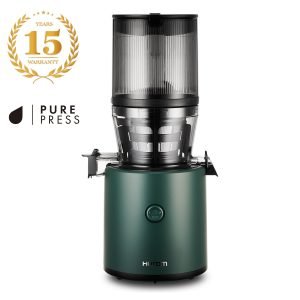
Healthy recipe: Turmeric-ginger immunity juice: This juice supports thyroid health daily.
Laisser un commentaire
Sois le premier à commenter cet article.