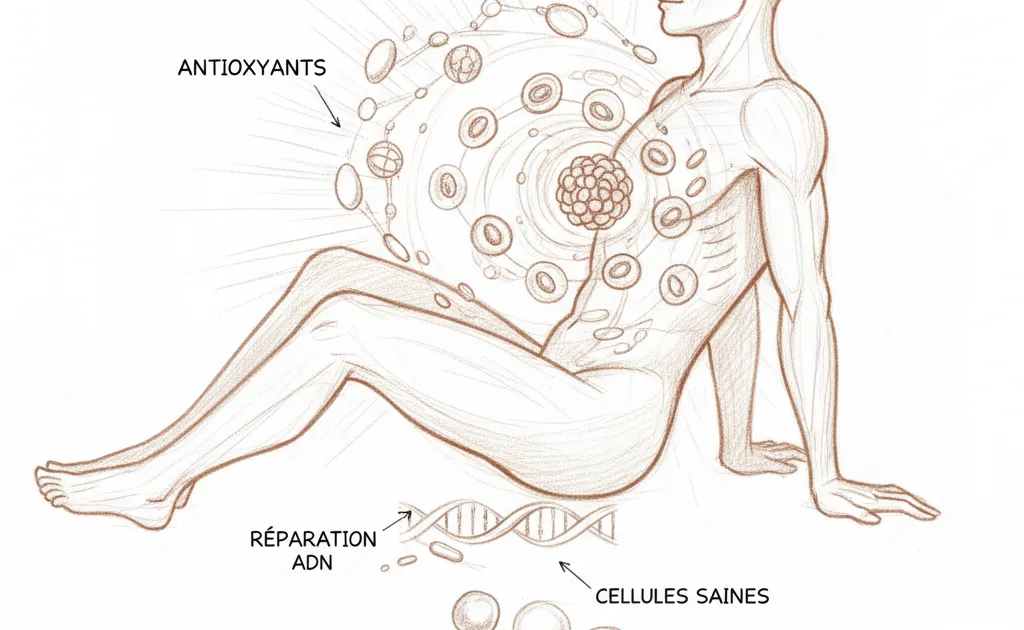
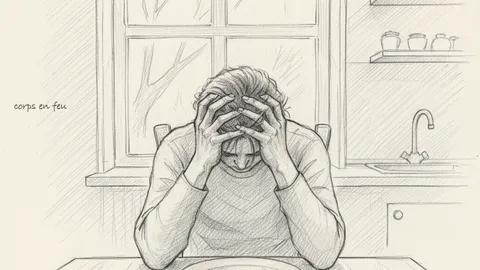
His name is Philippe, he is 54 years old, and he thinks cancer is a lottery. His office colleague, a non-smoker who exercises and eats organic, got lung cancer at 47. His neighbor smokes two packs a day for 30 years : nothing. So Philippe decided that prevention is pointless. That it’s a matter of bad luck. That “when it’s your turn, it’s your turn.” He continues eating his barbecued steaks, his microwave ready meals, his industrial biscuits. He drinks his red wine “for the antioxidants.” And he sleeps peacefully.
When Prof. Vincent Castronovo opens his 250-slide lecture on cancer at the Micronutrition Diploma, he projects a graph that should prevent anyone from sleeping peacefully : 90 to 95% of cancers are linked to environmental factors and lifestyle1. Only 5 to 10% are purely genetic. Diet alone accounts for 30 to 35% of cancer causes. Tobacco 25 to 30%. Infections 15 to 20%. Obesity 10 to 20%. Alcohol 4 to 6%. Castronovo’s statement falls like a verdict : “Cancer is a preventable disease that requires major lifestyle modifications.”
“Each day in our body, 200 billion cells die and are replaced. 2.3 million cells per second. Cancer is when this renewal escapes control.” Prof. Vincent Castronovo, Micronutrition Diploma
Understanding the cell to understand cancer
The human body is composed of 100 trillion cells. Two fundamental laws govern their functioning. First law : the number of cells for a given tissue remains stable. Second law : territorial integrity: cells in a tissue remain in their territory2. Cancer violates both laws. Cells divide chaotically and no longer respect tissue boundaries.
Each day, 200 billion cells die and are replaced. In 3 months, all blood cells are replaced. In 36 hours, those of the intestine. In 12 hours, those of the stomach. This renewal is controlled by a balance between cell division (regulated by the cell cycle and its checkpoints) and programmed cell death (apoptosis).
Before each division, the cell must copy all 3 billion base pairs of its DNA. DNA polymerase makes approximately 1 error per 10 million nucleotides copied without mismatch repair3. With the repair system, the rate drops to 1 error per billion. But out of 200 billion divisions per day, this represents thousands of daily mutations. Most are inconsequential. But if the mutation affects a critical gene : an oncogene (accelerator) or a tumor suppressor gene (brake, the most famous being P53, the guardian of the genome), the cancer process can initiate.
Carcinogenesis : a three-stage process you feed every day
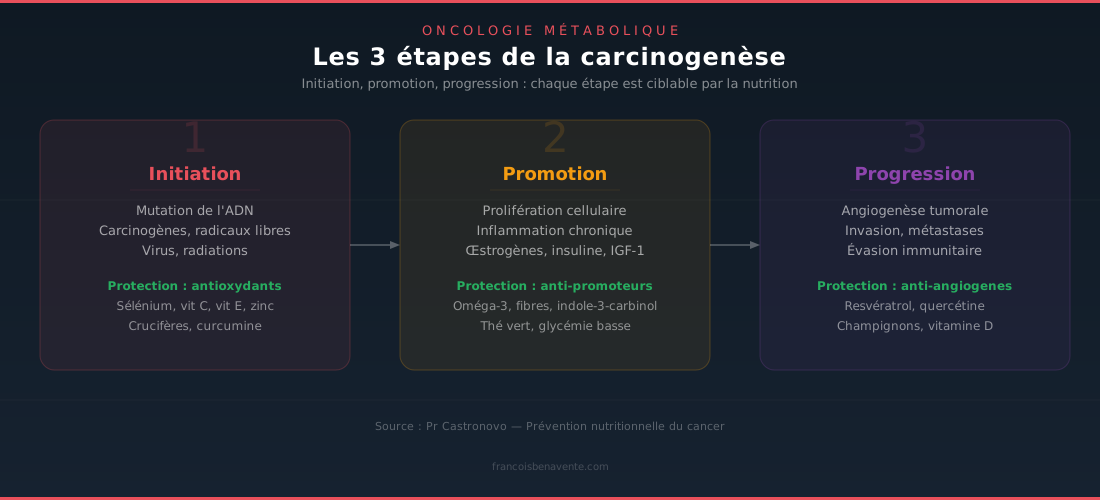
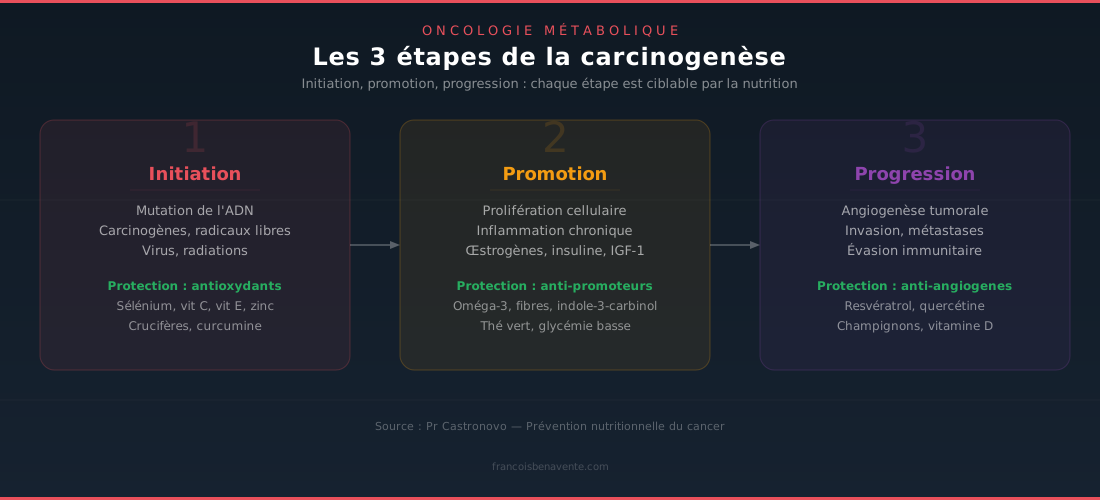
Cancer does not develop in a day. It is a three-stage process that takes 10 to 30 years4.
Initiation: a cell undergoes an irreversible mutation in its DNA. The initiating agent can be a chemical carcinogen (polycyclic aromatic hydrocarbons from barbecuing, acrylamide from high-temperature cooking, nitrosamines from processed meats), a physical agent (UV, ionizing radiation) or a biological agent (HPV virus, Helicobacter pylori, hepatitis B/C). This initiated cell is potentially cancerous but remains silent if nothing stimulates it.
Promotion: promotion factors stimulate the proliferation of the initiated cell. Chronic inflammation is the most powerful promoter. Pro-inflammatory cytokines (TNF-alpha, IL-6), permanent activation of NF-κB: the master transcription factor of inflammation that I discuss in the article on anti-inflammatory nutrition, and prostaglandins E2 create a microenvironment that promotes cell division and suppresses apoptosis. Excess insulin (related to insulin resistance) is another powerful promoter : insulin and IGF-1 are cellular growth factors.
Progression: the tumor acquires new mutations that give it growth autonomy, the capacity to induce angiogenesis (formation of blood vessels to feed itself), resistance to apoptosis, and finally the capacity to metastasize : to leave its territory to colonize other organs.
Diet : 35% of the equation you control entirely
Castronovo cites the study by Doll and Peto (1981) then the meta-analysis by Anand et al. (2008) : diet is responsible for 30 to 35% of cancers5. More than tobacco for certain locations (colon, breast, prostate, stomach). It is not a single food that causes cancer. It is a dietary pattern maintained for decades.
The mechanisms by which modern diet promotes cancer are multiple and convergent:
Excess sugar and refined carbohydrates maintain chronic hyperinsulinism. Insulin and IGF-1 stimulate cell proliferation and inhibit apoptosis. Cancer cells, which ferment glucose (Warburg effect), are literally fed by hyperglycemia.
Excess omega-6 relative to omega-3 (ratio of 15-20 to 1 instead of 3-4 to 1) shifts prostaglandin metabolism toward pro-inflammatory and pro-tumor PGE2, as I explain in the article on omega-3.
High-temperature cooking produces heterocyclic amines (grilled meats), acrylamide (fries, toast, biscuits), polycyclic aromatic hydrocarbons (barbecuing, smoking). Low-temperature cooking below 110°C eliminates nearly all these carcinogens.
Additives and pesticides: the chemical exposome described by Prof. Coumoul brings a daily toxic burden that hepatic detoxification systems struggle to eliminate.
Fiber and prebiotic deficiency impoverishes the intestinal microbiota, as I explain in the article on dysbiosis. Yet the microbiota produces butyrate, a short-chain fatty acid that inhibits proliferation of colonic cancer cells and induces their apoptosis.
Cancer epigenetics : when food reprograms your genes
As I detailed in the article on epigenetics, cancer is as much an epigenetic disease as a genetic one. Global DNA hypomethylation activates silent oncogenes. Specific promoter hypermethylation silences tumor suppressor genes, DNA repair genes and apoptosis genes6.
The good news : these epigenetic modifications are reversible. Dietary methyl donors : folates (B9 in the form of 5-MTHF), methionine, betaine, choline : maintain normal methylation patterns. Broccoli sulforaphane is a histone deacetylase (HDAC) inhibitor : it reactivates expression of tumor suppressor genes. Green tea catechins (EGCG) inhibit DNA methyltransferases (DNMT), preventing hypermethylation of protective genes.
What you eat reprograms your genes every day. In one direction or the other.
Oxidative stress : the silent initiator
Oxidative stress, which I detail in the article on endogenous antioxidant defenses, is a powerful cancer initiator. Free radicals (superoxide, hydroxyl, peroxynitrite) directly attack DNA, causing single-strand breaks, double-strand breaks, base modifications (8-oxo-guanine) that, if not repaired, become permanent mutations7.
Endogenous defense systems : SOD (copper-zinc-manganese), glutathione peroxidase (selenium), catalase (iron), are the first line of defense. But when exposure to free radicals exceeds defense capacities (tobacco, pollution, high-temperature cooking, chronic inflammation, excess free iron), oxidative stress sets in and mutations accumulate.
Dietary antioxidants : polyphenols, carotenoids, vitamin C, vitamin E : do not replace endogenous systems. They complement them. And some, at high doses, can paradoxically become pro-oxidant. This is why Castronovo insists on a diet rich in colorful fruits and vegetables rather than blind supplementation with antioxidants.
Primary prevention : what micronutrition concretely changes
Cancer primary prevention according to Castronovo rests on four environmental pillars : tobacco, sun, toxins, diet8. Micronutrition acts on the fourth and strengthens defense against the other three.
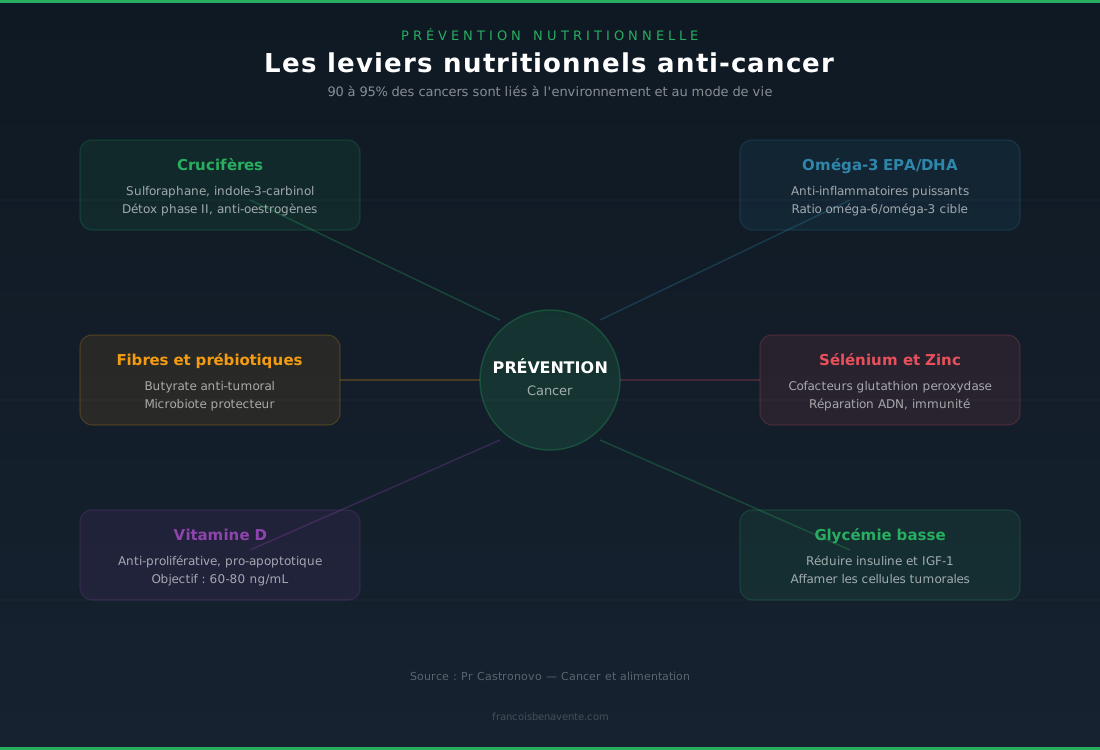
The anti-cancer nutritional protocol targets:
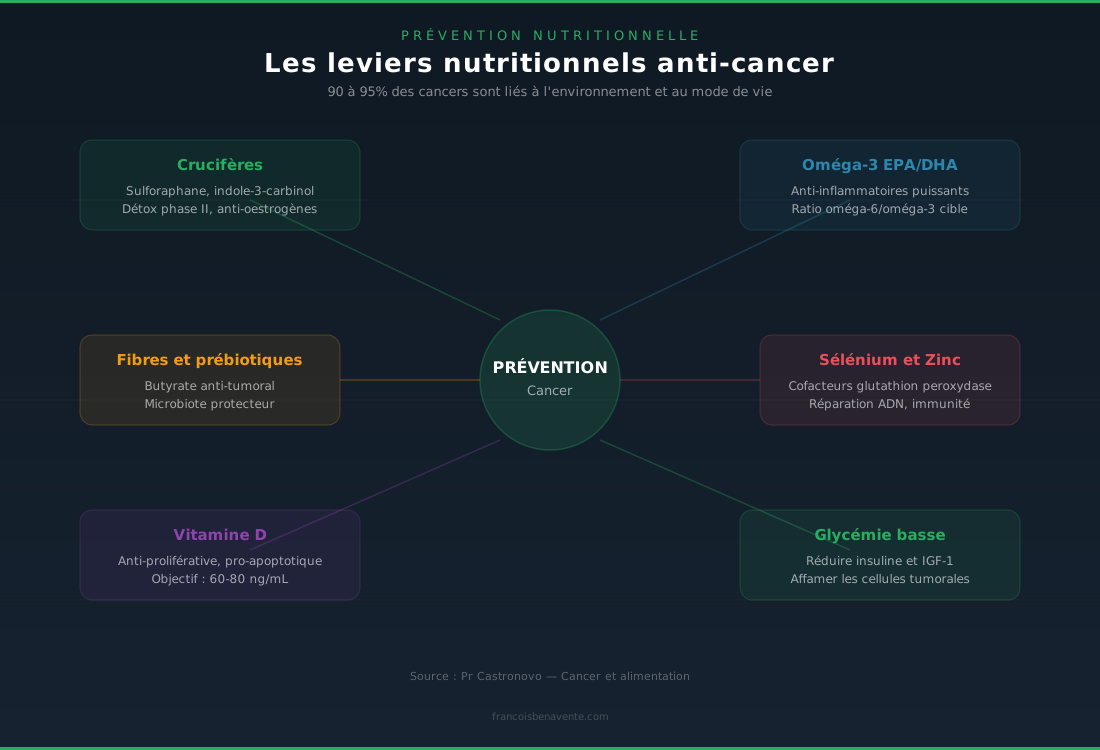
Inflammation: anti-inflammatory nutrition (target omega-6/omega-3 ratio : 3 to 1), turmeric (500-1000 mg/day of curcuminoids with piperine), resveratrol, quercetin, green tea (3-5 cups/day or EGCG as a supplement).
Oxidative stress: cruciferous vegetables (3-5 portions per week minimum : broccoli, cabbage, cauliflower, kale), garlic and alliums (sulfur compounds that activate Nrf2 and phase II detoxification enzymes), red berries (anthocyanins), selenium (100-200 µg/day, measured beforehand).
Insulin resistance: low glycemic index, elimination of refined sugars and white flours, regular physical activity (exercise reduces colon cancer risk by 40 to 50%, breast cancer by 20 to 40%).
Detoxification: support for the three phases of hepatic detoxification, limiting exposure to endocrine disruptors, low-temperature cooking.
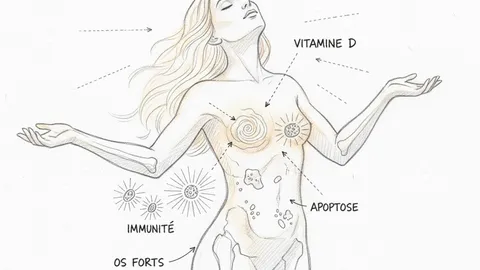
Vitamin D: the VDR receptor (Vitamin D Receptor) is expressed in most body tissues. Vitamin D induces cell differentiation, inhibits proliferation and promotes apoptosis of abnormal cells. A meta-analysis showed that a 25-OH-D3 level above 40 ng/mL is associated with a 50% reduction in colon cancer risk.
The microbiota: prebiotic fibers (15-25 g/day of varied fibers), targeted probiotics, fermented foods. The intestinal microbiota modulates anti-tumor immunity. Recent research shows that microbiota composition even influences the response to immunotherapy.
Philippe is not playing a lottery. He programs his biology every day, at every meal, with every life choice. Cancer takes 10 to 30 years to develop. That is a huge window to act. Diet is not an absolute guarantee. But it is 35% of the equation in your hands. And 35% of a mortal risk is worth paying attention to.
To go further
- Alzheimer : the metabolic disease you can prevent 20 years before
- Micronutrition assessment : the 7 analyses your doctor never prescribes
- Omega-3 and membrane fluidity : why your cells no longer communicate
- Vitamin D : the sun hormone that nobody measures correctly
Footnotes
-
Anand P et al. Cancer is a preventable disease that requires major lifestyle changes. Pharm Res. 2008 ;25(9):2097-116. Cited by Prof. Castronovo, lecture “Cancer and Micronutrition,” DU MAPS 2020. ↩
-
Prof. Vincent Castronovo, ibid. 100 trillion cells, 200 billion renewed per day, two fundamental laws (number stability and territorial integrity). ↩
-
Ibid. DNA polymerase error rate : 1/10^7 without mismatch repair, 1/10^9 with. ↩
-
Ibid. Carcinogenesis in three stages : initiation, promotion, progression. Process of 10 to 30 years. ↩
-
Doll R, Peto R. The causes of cancer. JNCI 1981. Anand P et al. 2008. Diet : 30-35% of cancer causes. ↩
-
Prof. Laure Weill, lecture “Genetics and epigenetics,” DU MAPS 2020. Global hypomethylation and specific promoter hypermethylation in cancer cells. ↩
-
Prof. Vincent Castronovo, lecture “Energy and oxidative stress,” DU MAPS 2020. Free radicals and DNA damage. ↩
-
Ibid. Four pillars of primary prevention : tobacco, sun, toxins, diet. ↩
Laisser un commentaire
Sois le premier à commenter cet article.
Les commentaires ne se chargent pas pour le moment. Réessaie dans quelques minutes.