Chronic Diarrhea: The Taboo That Undermines Millions
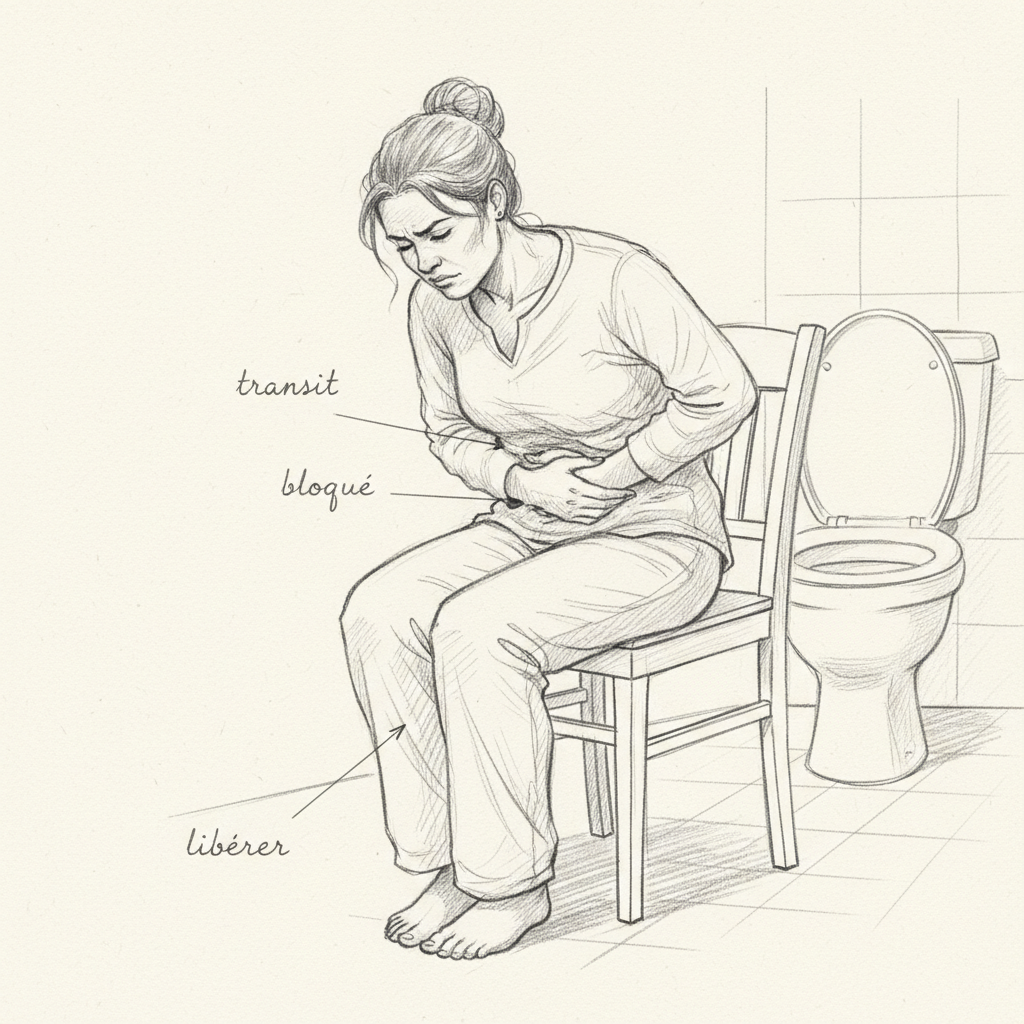
We easily talk about constipation. It’s almost become an acceptable topic of conversation between friends, at the office, at the doctor’s. But diarrhea is the absolute taboo. No one talks about it. No one dares to say they’re running to the bathroom three times before noon, that their stools have been liquid for months, that the fear of not finding a toilet ruins every outing, every trip, every restaurant meal.
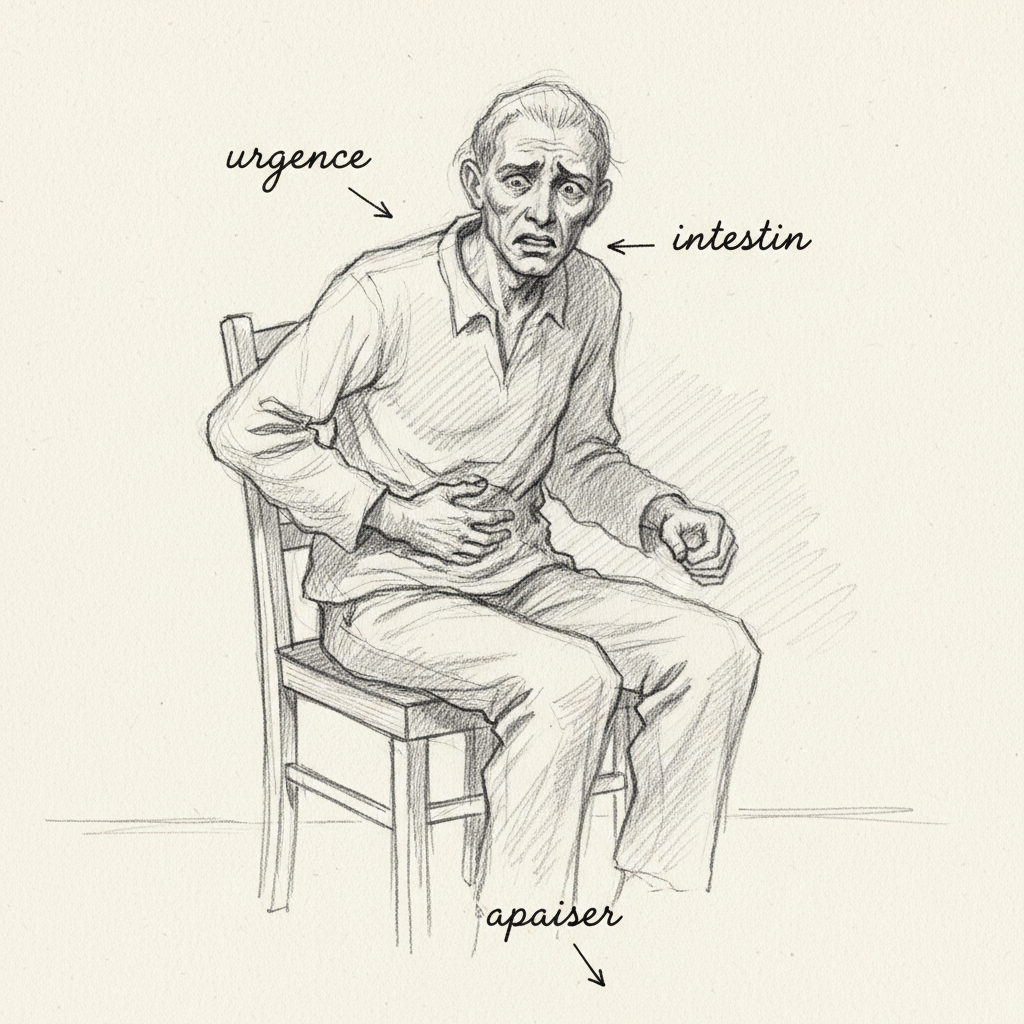
His name is Thomas (name changed), 35 years old, an IT manager. When he sat across from me, he had that discomfort in his eyes that I recognize immediately. Three loose stools per day for two years. His GP told him “it’s stress.” The gastroenterologist labeled it “irritable bowel” after a normal colonoscopy. He was prescribed Smecta, Imodium, and told to relax. No one checked his thyroid. No one measured his serum zinc. No one looked for intestinal hyperpermeability. No one asked him the fundamental question: what is your body trying to eliminate?
“We should not administer medications to slow digestive transit, but instead allow this flow to drain, purging the body of its waste.” Jean Seignalet
This sentence from Seignalet in Nutrition or the Third Medicine summarizes the philosophy that should guide any approach to chronic diarrhea. And it’s exactly the opposite of what conventional medicine does in the vast majority of cases.
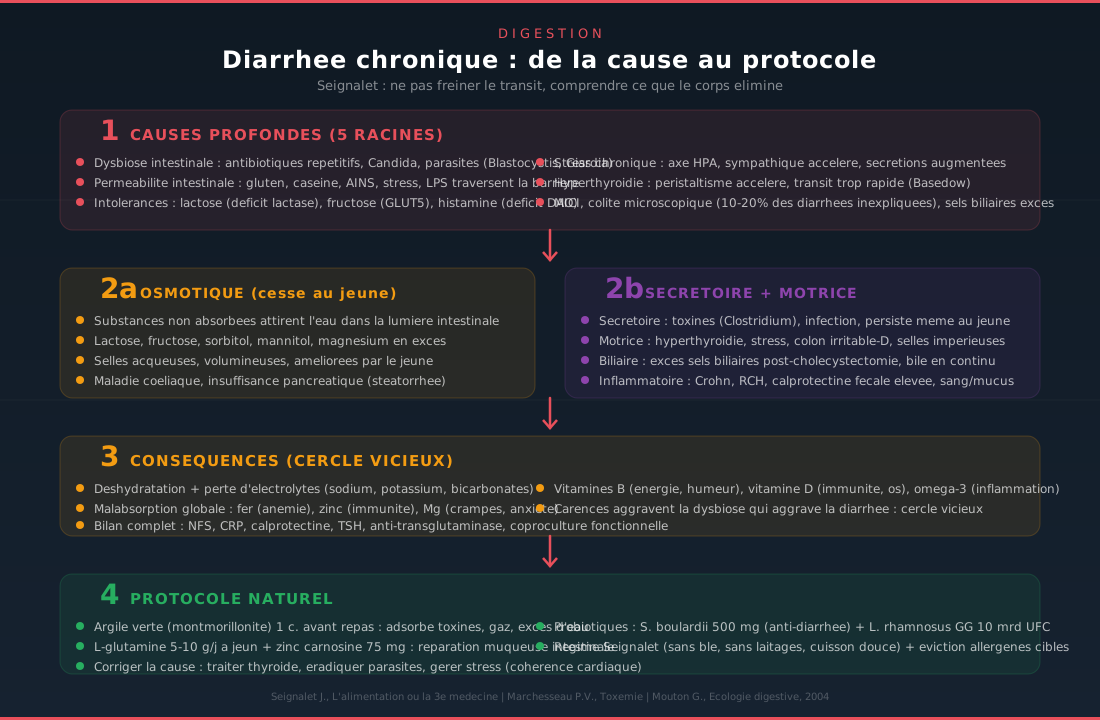
Diarrhea is not a disease
It’s a symptom. A message. The body opening the floodgates because something needs to come out. And the first mistake, the one I see systematically in consultations, is wanting to close these floodgates before understanding what opened them.
Naturopathy distinguishes two types of diarrhea that medicine almost always confuses. There is pathological diarrhea, the kind that signals an aggression: bacterial, parasitic, or viral infection, chronic inflammatory disease (Crohn’s, ulcerative colitis), tumor. This requires urgent medical evaluation and appropriate treatment. And then there is elimination diarrhea, where the organism uses the intestinal mucosa as an emunctory to expel waste it can no longer process through normal pathways. Seignalet stated this distinction clearly. Marchesseau formulated it differently, through his concept of toxemia: when the main emunctories (liver, kidneys, skin, lungs) are saturated, the body diverts its waste toward the intestine. Chronic diarrhea is then a purification process, not a disease. And fighting it with transit slowers is like closing the door of a burning room hoping the fire will extinguish itself.
This doesn’t mean doing nothing. It means seeking why the body needs to eliminate so intensely through this pathway. And that’s exactly what no one does.
“Don’t kill the mosquitoes, dry up the swamp.” Pierre-Valentin Marchesseau
Microscopic colitis perfectly illustrates this confusion. Collagenous colitis and lymphocytic colitis cause chronic watery diarrhea, sometimes for years, with no visible lesions on standard colonoscopy. Systematic biopsies are needed to diagnose them. How many patients labeled “irritable bowel” actually suffer from a microscopic colitis never identified? The figures are difficult to establish, but some studies report 10 to 20% of unexplained chronic diarrhea cases.
The deep causes no one investigates
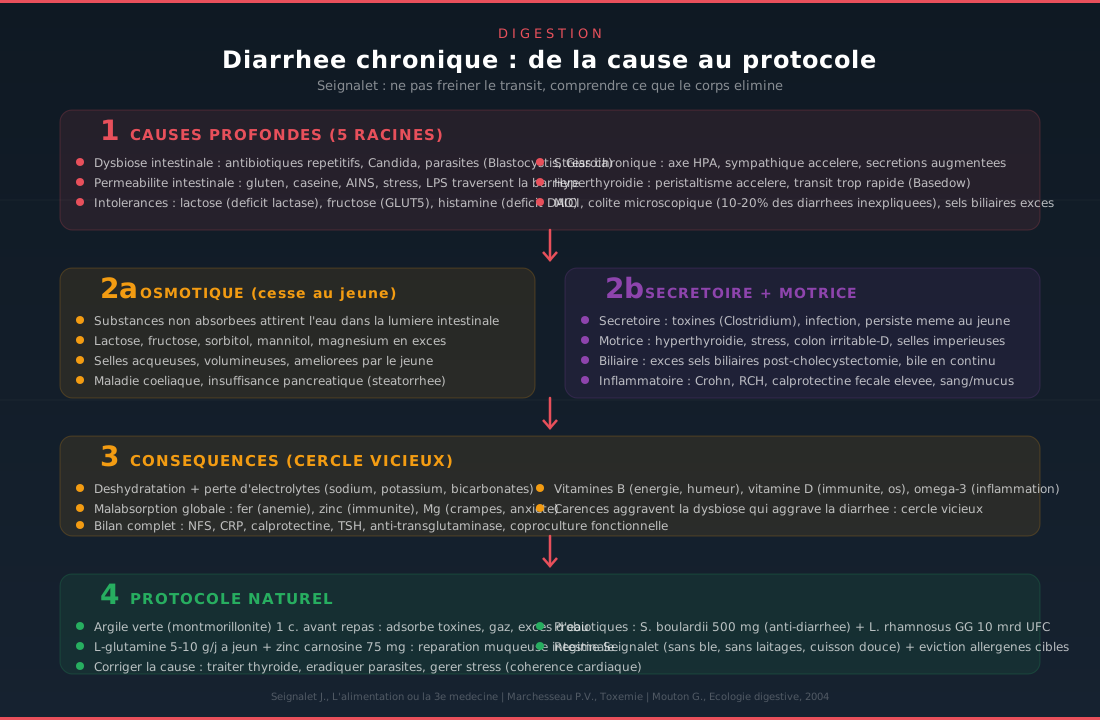
In five years of consultations, I’ve identified five major roots of chronic diarrhea. Five causes that conventional medicine rarely explores, or explores late, or explores partially. And most often, in the same patient, several of these roots become intertwined.
Dysbiosis and the Clostridium trap
The intestine harbors one hundred trillion bacteria, ten times more than the number of cells in your body. This ecosystem, when balanced, ensures fiber digestion, synthesis of vitamins (K, B12, B8), maturation of the immune system, production of short-chain fatty acids that nourish enterocytes, and protection against opportunistic pathogens. When this balance is broken, it’s dysbiosis. And diarrhea is often its first alarm signal.
The most frequent cause of sudden dysbiosis is antibiotic therapy. A single antibiotic treatment can reduce microbiota diversity by 30 to 50%. Some strains take months, sometimes years, to reconstitute. And in the void left by destroyed commensal bacteria, opportunists proliferate. Clostridium difficile is the most redoubtable. This spore-forming bacterium, resistant to most antibiotics, is responsible for 10 to 20% of post-antibiotic diarrhea. Its toxins (A and B) destroy enterocytes and cause colitis, sometimes severe, sometimes recurrent. Clostridium perfringens, Candida albicans, and certain strains of enteropathogenic E. coli take advantage of the same imbalance.
The good news is that research has identified specific allies. Saccharomyces boulardii, this non-pathogenic yeast discovered by Henri Boulard in 1923 in Indochina, is the reference probiotic for preventing and treating post-antibiotic diarrhea. Its mechanism of action is multiple: it neutralizes C. difficile toxins, stimulates secretory IgA, strengthens tight junctions between enterocytes, and promotes polyamine production that accelerates mucosa repair. Lactobacillus rhamnosus GG and Lactobacillus plantarum complement this with well-documented anti-inflammatory and immunomodulatory properties.
Thomas, my 35-year-old patient, had received three courses of antibiotics over eighteen months for recurrent sinusitis. His diarrhea began exactly after the second course. Coincidence? Never in naturopathy. I’ve sometimes been criticized for this approach to candidiasis and adrenal exhaustion, but facts are stubborn: when you destroy the intestinal ecosystem blindly, something takes the place of what you destroyed.
Intestinal hyperpermeability: the barrier giving way
The small intestine, when healthy, forms a selective barrier of approximately 300 to 400 square meters. Enterocytes are connected by tight junctions that only allow properly digested nutrients through. When these junctions relax, macromolecules cross the barrier: incompletely digested food peptides, bacterial toxins (lipopolysaccharides or LPS), yeast fragments, cellular debris. This is intestinal hyperpermeability, the famous “leaky gut.” And it’s a central mechanism in chronic diarrhea, because the local inflammation that results activates immune cells in the lamina propria, which release pro-inflammatory cytokines, which increase intestinal secretions and accelerate peristalsis. Result: diarrhea.
The aggressors of the intestinal barrier are now well identified. Alcohol impairs actin filaments of enterocytes, physically weakening the junction structure. Non-steroidal anti-inflammatory drugs (NSAIDs) increase intestinal permeability by inhibiting protective prostaglandins of the mucosa. Gluten from modern wheat stimulates zonulin production, a protein that opens tight junctions. Casein from cow’s milk, when degraded into casomorphine-7, activates an immune response in the intestinal wall. Pesticides, food additives (carrageenan, polysorbate 80, carboxymethylcellulose), chronic stress, dysbiosis itself: each factor amplifies the other in a self-sustaining vicious cycle.
I discuss this in detail in the article on fibromyalgia, where the porous intestine is the gateway to cellular encumbrance described by Seignalet. For chronic diarrhea, the mechanism is the same, but the target is different: instead of depositing in muscles (fibromyalgia) or joints (polyarthritis), macromolecules cause local intestinal mucosa inflammation that sustains diarrhea.
Hidden intolerances
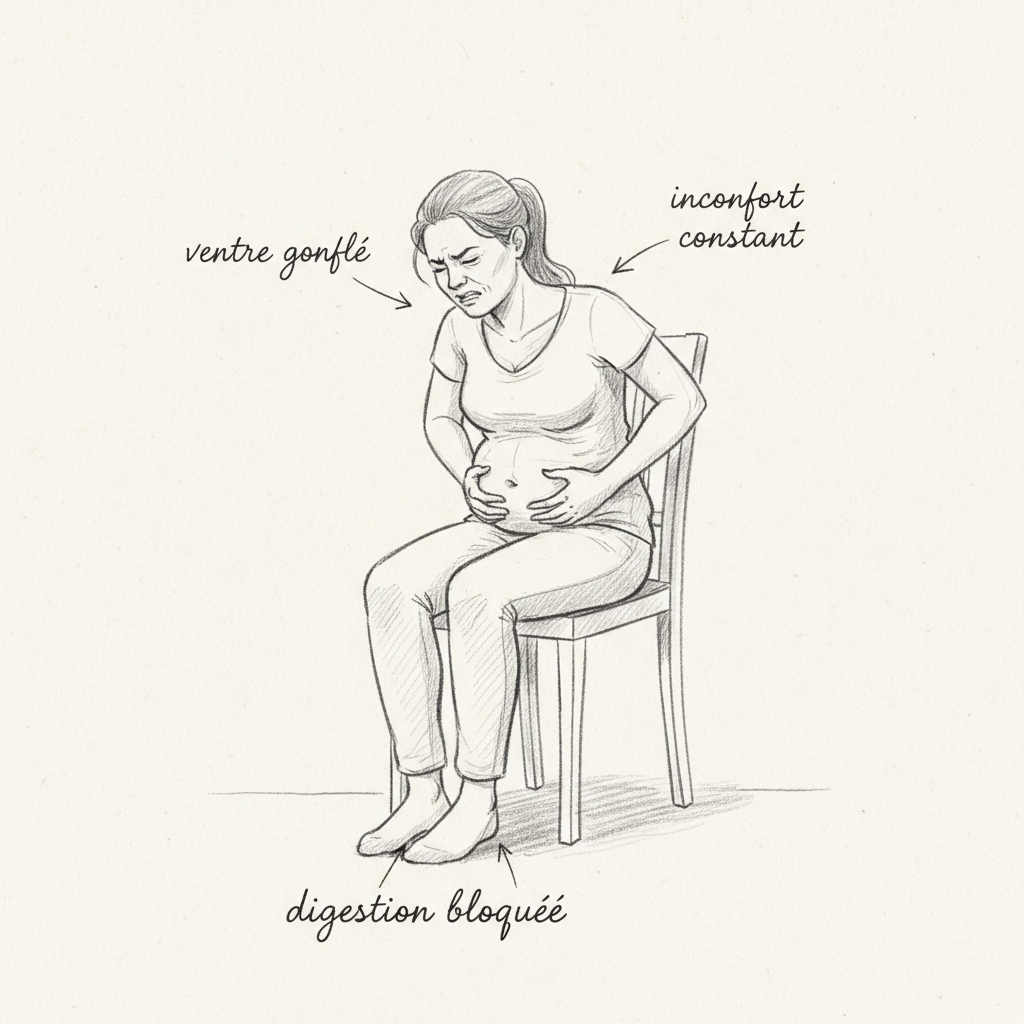
This is probably the most frequent and least investigated cause of chronic diarrhea. Lactose intolerance affects approximately 70% of the world population. In France, estimates range between 20 and 40% depending on region and ethnic origin. The mechanism is simple: after weaning, lactase production (the enzyme that digests lactose) progressively decreases. Undigested lactose reaches the colon where it’s fermented by bacteria, producing gases (hydrogen, methane, CO2) and organic acids that draw water into the intestinal lumen by osmotic effect. Bloating, cramps, diarrhea: the picture is classic.
Gluten intolerance goes beyond celiac disease, which affects only about 1% of the population. Non-celiac gluten sensitivity (NCGS) is a clinical entity recognized since 2011 (London consensus) affecting probably 5 to 10% of the population. Anti-transglutaminase antibodies are negative, duodenal biopsy is normal, but symptoms (including diarrhea) disappear on a gluten-free diet and reappear upon reintroduction. It’s a diagnosis of exclusion based essentially on 3 to 4 weeks of elimination diet.
Histamine intolerance is even less known. A deficiency in diamine oxidase (DAO), the enzyme that degrades dietary histamine, causes histamine accumulation in the body with varied symptoms: diarrhea, urticaria, migraines, tachycardia, nasal congestion. Foods rich in histamine or histidine (aged cheeses, cured meats, canned fish, wine, beer, fermented foods) become veritable bombs for these patients. And delayed IgG intolerances, though the topic remains controversial in conventional medicine, are a tool I use in consultation when other leads have been exhausted.
Thyroid and stress: the two invisible accelerators
When the thyroid speeds up, everything accelerates. Hyperthyroidism increases basal metabolism, heart rate, nervousness, and accelerates intestinal transit. Diarrhea is a classic symptom of Graves’ disease. But even hypothyroidism treated with levothyroxine can cause diarrheal episodes if the dose is too high, pushing the patient into iatrogenic hyperthyroidism. This is a point I address in the article on 7 essential thyroid nutrients: thyroid balance is a fine line, and the slightest disruption affects transit.
Stress is the other great accelerator. The gut-brain axis is not a metaphor: it’s an anatomical and biochemical reality. The vagus nerve, the enteric nervous system (sometimes called the “second brain” with its 200 million neurons), stress hormones (cortisol, adrenaline, CRH): all this directly influences intestinal motility, secretions, and mucosa permeability. CRH (corticotropin-releasing hormone), released by the hypothalamus in stress situations, acts directly on mast cells in the intestinal mucosa, causing their degranulation and histamine release. Peristalsis accelerates. Secretions increase. The intestinal barrier weakens. It’s the “knotted belly,” the “diarrhea of the emotional traveler,” the “nervous colon.” And it’s a bidirectional mechanism: chronic stress sabotages the thyroid, which disrupts transit, which causes deficiencies, which worsen stress.
The vicious circle of deficiencies
This is the most insidious aspect of chronic diarrhea, the one I strive to explain to each affected patient: diarrhea doesn’t just empty you physically, it empties you nutritionally. Each liquid stool carries away nutrients that your body didn’t have time to absorb. And the resulting deficiencies worsen intestinal dysfunction in turn.
Iron is the first affected. Iron absorption requires sufficient contact time between chyme and duodenal enterocytes. When transit is accelerated, this contact time is reduced. Iron deficiency develops insidiously, with its attendant fatigue, pallor, and immune fragility. I had a 42-year-old woman in consultation, anemic for years, whose ferritin never improved despite well-conducted iron supplementation. The problem wasn’t intake. It was chronic diarrhea preventing any absorption. As long as diarrhea wasn’t treated, iron passed through, literally.
Magnesium escapes just as quickly. This mineral, a cofactor for more than 300 enzymatic reactions, is absorbed mainly in the ileum. Chronic diarrhea creates magnesium deficiency manifesting in cramps, anxiety, sleep disturbances, irritability, and palpitations. And magnesium deficiency worsens stress, which worsens diarrhea, which worsens magnesium deficiency. The vicious circle is formidable.
Zinc is a major enzymatic cofactor in intestinal immunity and mucosa repair. Its deficiency weakens tight junctions, increases intestinal permeability, reduces secretory IgA production, and compromises enterocyte regeneration. Less zinc, more permeability, more diarrhea, less zinc absorbed: another vicious circle.
B vitamins (B1, B6, B9, B12) are essential for enterocyte energy metabolism, neurotransmitter synthesis (including serotonin, which modulates intestinal motility via 5-HT3 and 5-HT4 receptors), and red blood cell maturation. Vitamin D, absorbed with fats in the jejunum, is often collapsed in chronic diarrhea patients, weakening intestinal immunity and mucosa barrier function. Essential fatty acids (omega-3) are poorly absorbed in steatorrhea (fat in stools), depriving the organism of its main anti-inflammatory agents.
I had in hand a consultation report that summarizes this cascade: a woman anemic with chronic diarrhea for three years presented major acid and oxidative overload, collapsed zinc, low erythrocyte magnesium, vitamin D at 12 ng/mL, and slightly elevated CRP. Everything was linked. Diarrhea had created a terrain of multiple deficiencies that sustained inflammation, which sustained diarrhea. Without a global approach, no isolated supplement could have broken this circle.
The naturopathic protocol
Naturopathic management of chronic diarrhea never begins with a dietary supplement. It begins with a question: has this diarrhea been medically investigated? If the answer is no, I systematically refer to the GP or gastroenterologist for basic evaluation: CBC, CRP, fecal calprotectin, TSH, anti-transglutaminase antibodies, and depending on context a colonoscopy with biopsies. This is non-negotiable. Once serious organic causes are excluded, terrain work can begin.
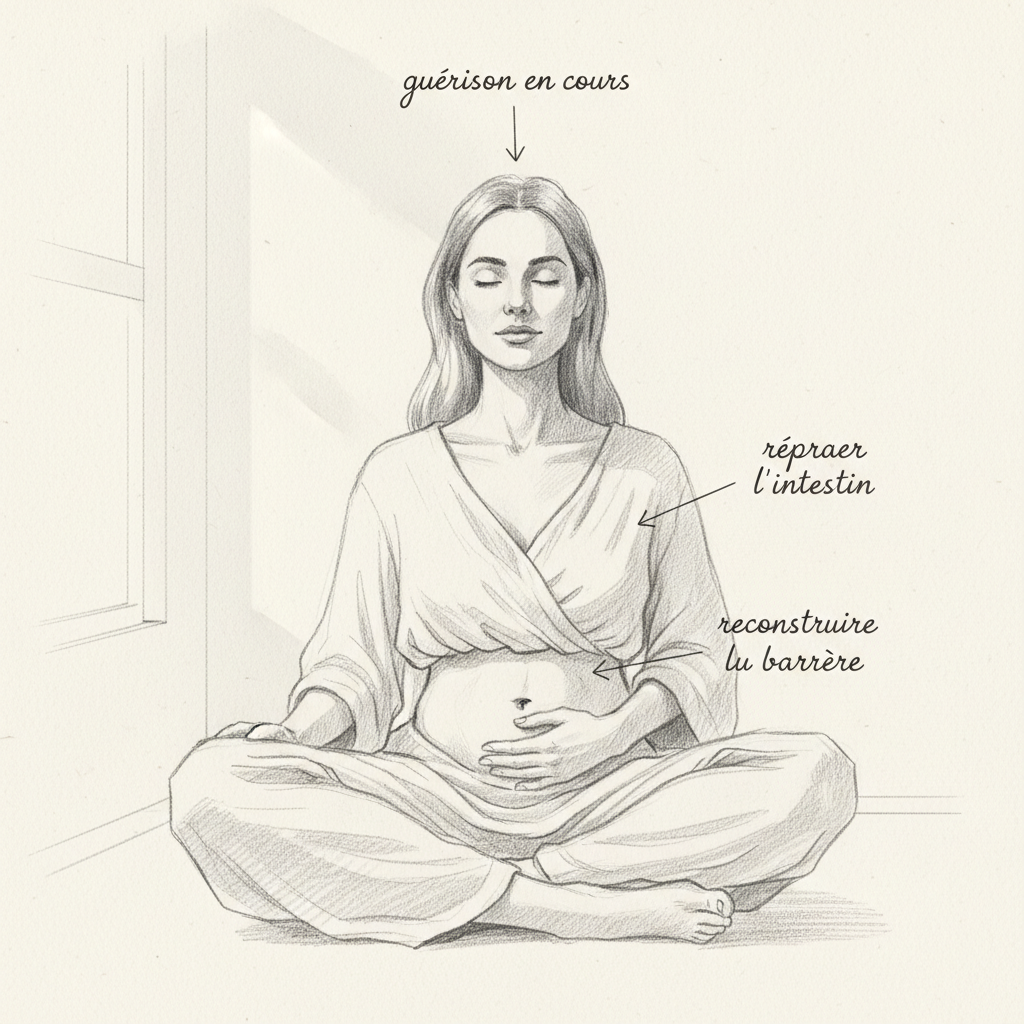
The first step is intestinal barrier protection. Green clay (montmorillonite or illite) is an ancestral tool of remarkable efficacy. Its adsorbent power is considerable: it captures toxins, gases, pathogenic bacteria, excess water in the intestinal lumen, and forms a protective film on inflamed mucosa. The dosage I recommend in consultation is one wooden spoon full of superfine green clay (Argiletz type) in a large glass of water, stirred with a wooden utensil (never metal, which neutralizes the clay’s electrical charges), 15 minutes before each meal. This treatment is particularly effective in infectious diarrhea, food poisoning, and elimination diarrhea. The only essential precaution: take clay at least 2 hours away from any medication, as it adsorbs active ingredients and reduces their effectiveness.
The second pillar is targeted probiotic. Saccharomyces boulardii at 500 mg per day is the leader. It’s the only probiotic whose effectiveness in diarrhea has been demonstrated by multiple randomized clinical trials, both in prevention (traveler’s diarrhea, post-antibiotic diarrhea) and treatment (recurrent C. difficile diarrhea). Lactobacillus rhamnosus GG, at 10 billion CFU per day, and Lactobacillus plantarum complete the arsenal with specific properties on intestinal barrier and local immunity. These strains should be taken away from meals, in the morning on an empty stomach or at bedtime, for at least 8 to 12 weeks to observe lasting effects on the ecosystem.
Quercetin is a tool I’ve learned to use increasingly in chronic diarrhea. This flavonoid, naturally present in onion, apple, capers, and green tea, has triple action: it reduces intestinal capillary permeability (direct anti-diarrheal effect), it stabilizes mast cells (reducing histamine release, which is valuable in histamine intolerances and stress-related diarrhea), and it exerts powerful anti-inflammatory effect by inhibiting the NF-kB pathway. The dosage I use in consultation is 500 to 1000 mg per day, in two doses, at mealtimes.
L-glutamine is the amino acid most consumed by enterocytes. It’s literally their preferred fuel. In chronic diarrhea, enterocytes are in a state of energy starvation, which compromises their regeneration capacity and tight junction maintenance. Supplementation of 4 to 8 grams per day, dissolved in a glass of water, 20 minutes before meals, provides the substrate needed for mucosa repair. Studies by Daniele (2001) and Van der Hulst (1993) showed significant improvement in intestinal permeability after 4 to 8 weeks of supplementation.
Zinc at 15 to 25 mg per day (in bisglycinate form, best absorbed and best tolerated) supports enterocyte regeneration, strengthens tight junctions, and restores secretory IgA production. The WHO actually recommends zinc supplementation in treating acute childhood diarrhea, proof of its effect on intestinal function. Omega-3 (EPA and DHA) at 2 grams per day modulate mucosa inflammation and restore enterocyte cell membrane integrity.
Elimination diet is often the most powerful measure, and paradoxically the most difficult to get accepted. I systematically propose strict elimination of gluten and cow’s dairy for 4 to 6 weeks. Not a reduction, an elimination. The purpose is not to follow a dietary trend, it’s to establish a diagnosis. If diarrhea improves significantly in 3 to 4 weeks of elimination then reappears upon reintroduction, the causal link is established. If nothing changes, you reintroduce and search elsewhere. During this elimination phase, gentle cooking below 110 degrees is essential: Maillard molecules produced by high-temperature cooking aggress an already fragile mucosa.
“Everything comes from the belly. All disease originates from encumbrance of the main emunctory.” Salmanoff
What naturopathy doesn’t do
I want to say this clearly, because responsibility comes before enthusiasm. Chronic diarrhea can be the symptom of serious diseases requiring medical treatment: Crohn’s disease, ulcerative colitis, celiac disease, colorectal cancer, uncontrolled hyperthyroidism, chronic parasitic infection. The warning signs that should trigger urgent medical consultation are blood or mucus in stools, involuntary weight loss greater than 5% of body weight, persistent fever, abdominal pain at night that wakes you, and family history of IBD or colorectal cancer.
Chronic inflammatory bowel diseases (Crohn’s, UC) require specialized gastroenterologic monitoring and sometimes immunosuppressive treatments that naturopathy cannot replace. Naturopathy accompanies. It works the terrain. It optimizes anti-inflammatory nutrition. But it never substitutes for medical diagnosis or foundational treatment. Medications in use should never be stopped without the prescribing physician’s advice.
Based in Paris, I conduct consultations by video throughout France. You can book an appointment for personalized support.
Returning to essentials
Chronic diarrhea is not inevitable. It’s not “in your head.” It’s also not a disease in itself. It’s the cry of an organism trying to cleanse itself, or the signal that a barrier has given way, that an ecosystem has collapsed, that stress has overflowed. Seignalet was right to say we shouldn’t block the purification flow, but rather seek why this flow exists. Naturopathy does exactly that: it traces back to the cause, to the cause of the cause, and it reconstructs the terrain piece by piece. Clay to protect. Probiotics to repopulate. Glutamine to repair. Zinc to strengthen. Elimination to identify. And patience, always patience, because an intestine suffering for months doesn’t rebuild in a week.
Thomas, my patient from the beginning, recovered normal transit in four months. The protocol had nothing spectacular about it: gluten and dairy elimination, Saccharomyces boulardii for three months, glutamine and zinc for four months, green clay for the first three weeks, and foundational work on stress with cardiac coherence. His gastroenterologist had told him it was irreversible. His body proved otherwise.
For the chronic diarrhea protocol, Sunday Natural offers glutamine, zinc bisglycinate, and pharmaceutical-grade quercetin (-10% with code FRANCOIS10). And a Hurom extractor facilitates preparation of alkalizing vegetable juices that nourish intestinal mucosa (-20% with code francoisbenavente20). Find all my partnerships with exclusive promo codes.
To go further
- Chronic constipation: the 7 causes your doctor doesn’t investigate
- Bloating and gas: your belly is trying to talk to you
- Restoring your intestine: the 4R naturopathic protocol
- Bile and gallbladder: the forgotten key to your digestion
Sources
- Seignalet, Jean. Nutrition or the Third Medicine. 5th ed. Paris: Francois-Xavier de Guibert, 2004.
- Marchesseau, Pierre-Valentin. The Laws of Health. Paris: ISUPNAT, reprint.
- Salmanoff, Alexandre. Secrets and Wisdom of the Body. La Table Ronde, 1958.
- McFarland, L.V. “Systematic review and meta-analysis of Saccharomyces boulardii in adult patients.” World Journal of Gastroenterology 16 (2010): 2202-2222.
- Daniele, B. et al. “Oral glutamine in the prevention of fluorouracil-induced intestinal toxicity: a double blind, placebo controlled, randomised trial.” Gut 48 (2001): 28-33.
“The hygienist doesn’t cure. He teaches the patient to stop poisoning his cells.” Pierre-Valentin Marchesseau


Laisser un commentaire
Sois le premier à commenter cet article.