Nathalie arrived at my office with a file in which I counted seven thyroid panels, two Levothyrox prescriptions, and a sentence from her endocrinologist underlined in red marker: “Stable antibodies, no need to worry.” No need to worry. Her anti-TPO was at 487. Her fatigue prevented her from working after two in the afternoon. She had tried the Seignalet diet for three months, but the social constraints had worn her down: family meals, business lunches, that constant feeling of being the one who can’t eat anything. She gave up. And in giving up, she felt her symptoms return in less than two weeks, more violent than before. As if her body was punishing her for trying.
I observe this phenomenon regularly in consultations. IgG, these immunoglobulins that retain the memory of food antigens, preserve their memory for four to five weeks[^1]. Any deviation from the diet, however minor, even a single slip, restarts the immune counter to zero. This is an immunological fact that many patients discover too late, after weeks of deprivation ruined by a Sunday croissant. And this is precisely the mechanism that led an American pharmacist who became a Hashimoto patient herself to rethink the entire protocol.
If you’re discovering the Hashimoto topic, I invite you to start with my article on the forgotten causes of Hashimoto which explains the autoimmune mechanism and Seignalet’s xenoimmune model. What you’re going to read here is the next step: a four-phase protocol that goes beyond Seignalet and achieves measurable results in forty percent of participants.
Izabella Wentz, the pharmacist who changed everything
Izabella Wentz is a doctor of pharmacy in the United States. Her journey is that of thousands of Hashimoto patients: a late diagnosis, years of Levothyrox, a fatigue that no one took seriously, and one day, the decision to dig into the scientific literature herself. What sets her apart is her pharmacist’s rigor combined with her experience as a patient. She’s not theorizing from a laboratory. She tested each step on herself first, then on more than three thousand participants through her programs.
Her starting observation is the same as Seignalet’s: Hashimoto is not a disease of the thyroid, it’s a disease of immunity that attacks the thyroid. But whereas Seignalet proposes a single diet for everyone (avoiding gluten and dairy), Wentz proposes an individualized four-phase approach based on personalized testing. She doesn’t remove the same foods from everyone. She first identifies each patient’s specific culprits through IgG food analysis, then builds the protocol around those results.
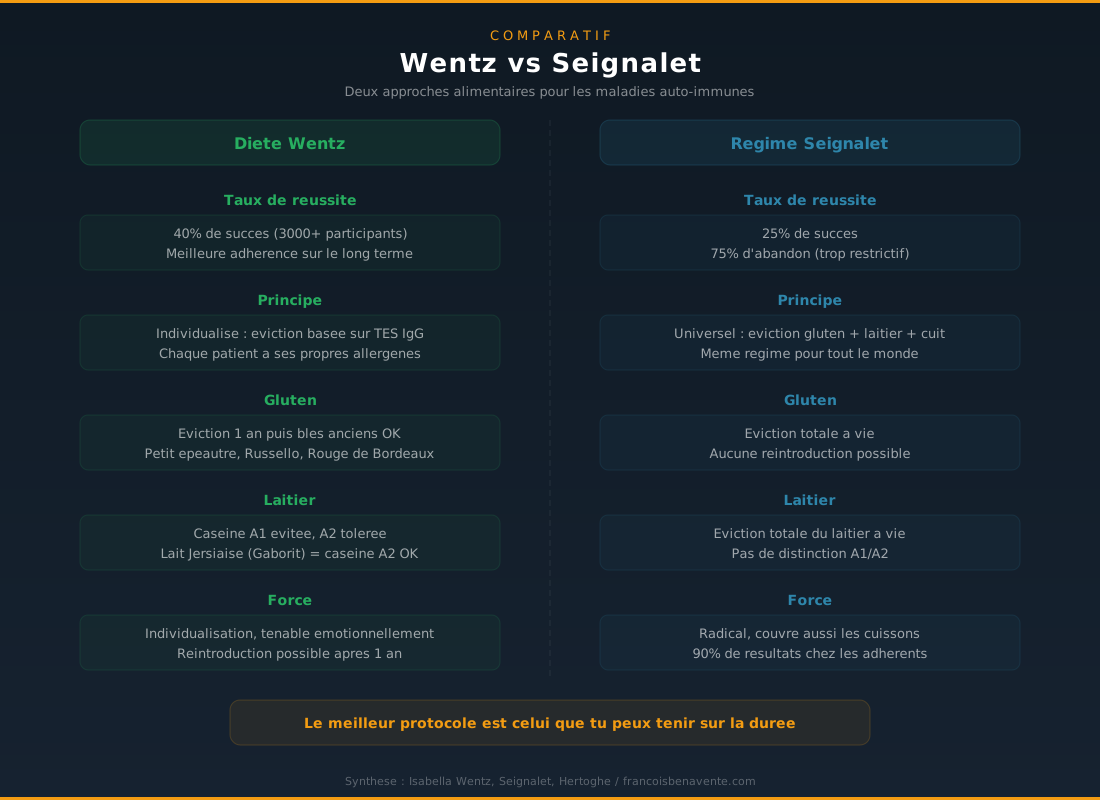
This personalization changes everything. Seignalet achieved “inconsistent and moderate” results on Hashimoto (his own words), with fifteen patients followed. Wentz reports forty percent remission in more than three thousand participants. The main reason for this gap isn’t just dietary. It’s that the Wentz protocol is sustainable long-term. Seventy-five percent of patients who attempt strict Seignalet abandon it because the constraint is too heavy. Wentz reduces this constraint by removing only what is truly problematic for each individual, not a universal list.
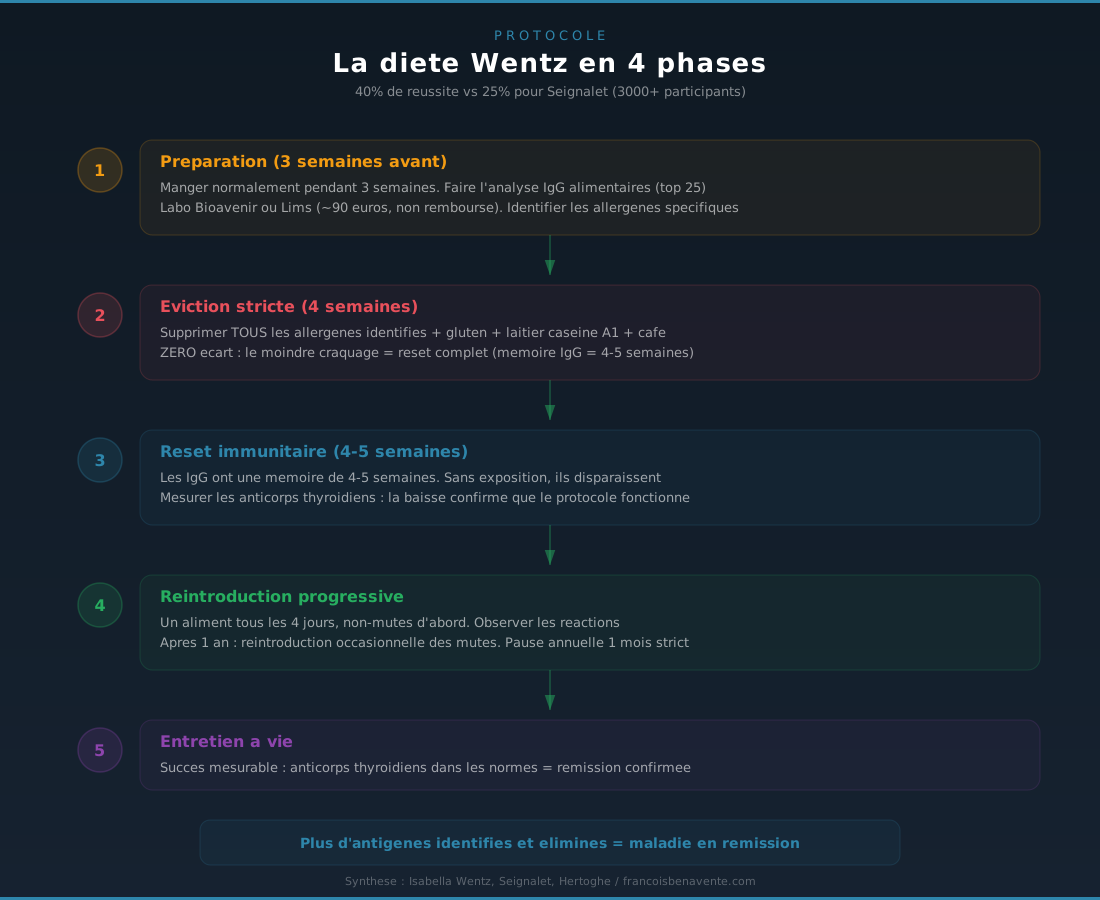
The Wentz diet in 4 phases
The Wentz protocol is organized in four chronological steps. It’s not a diet you start on a Monday morning on a whim. It’s a strategy that requires preparation, rigor, and above all patience. Each phase has a specific duration and a measurable objective. Skipping a step or rushing through a phase compromises the entire protocol.
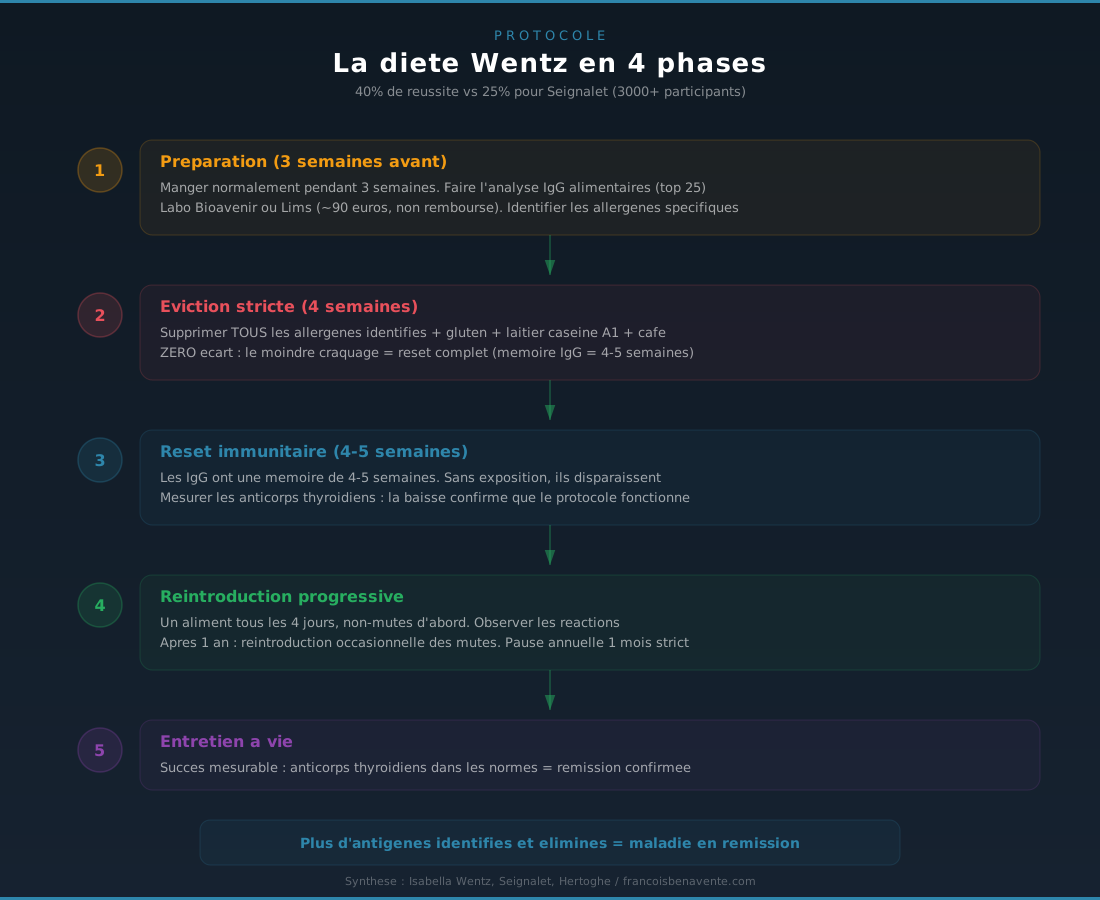
The first phase is preparation. It lasts three weeks. During this period, you eat normally. It’s counterintuitive, but it’s fundamental. The objective is to perform an IgG analysis of the twenty-five main food allergens under real conditions, that is, while consuming all the foods you normally eat. If you’ve already eliminated gluten for six months, your IgG to gluten will be negative, not because you don’t react to it, but because immune memory has faded. The result would be falsely reassuring. Bioavenir and Lims laboratories offer this analysis for about ninety euros. It’s not reimbursed by social security, but it’s an investment that avoids months of blind elimination.
During these three weeks of preparation, I also recommend a complete thyroid panel: TSH, free T4, free T3, reverse T3, anti-TPO, anti-thyroglobulin, anti-TSH receptor. This panel serves as a reference to measure the protocol’s progress. Without baseline markers, it’s impossible to know if the protocol works. This is the difference between subjective feeling (“I feel better”) and biological proof (“my anti-TPO went from 487 to 120”).
The second phase is strict elimination. It lasts four weeks. This is the most demanding phase. You eliminate all allergens identified by the IgG analysis, without exception. If your IgG reveals reactivity to eggs, corn and baker’s yeast in addition to gluten and dairy, you eliminate all five. Not four out of five. All five. The immunological principle is unforgiving: the more antigens you identify and eliminate, the more the disease recedes. This is the key sentence of the Wentz strategy: “More antigens identified and eliminated equals disease in remission.”
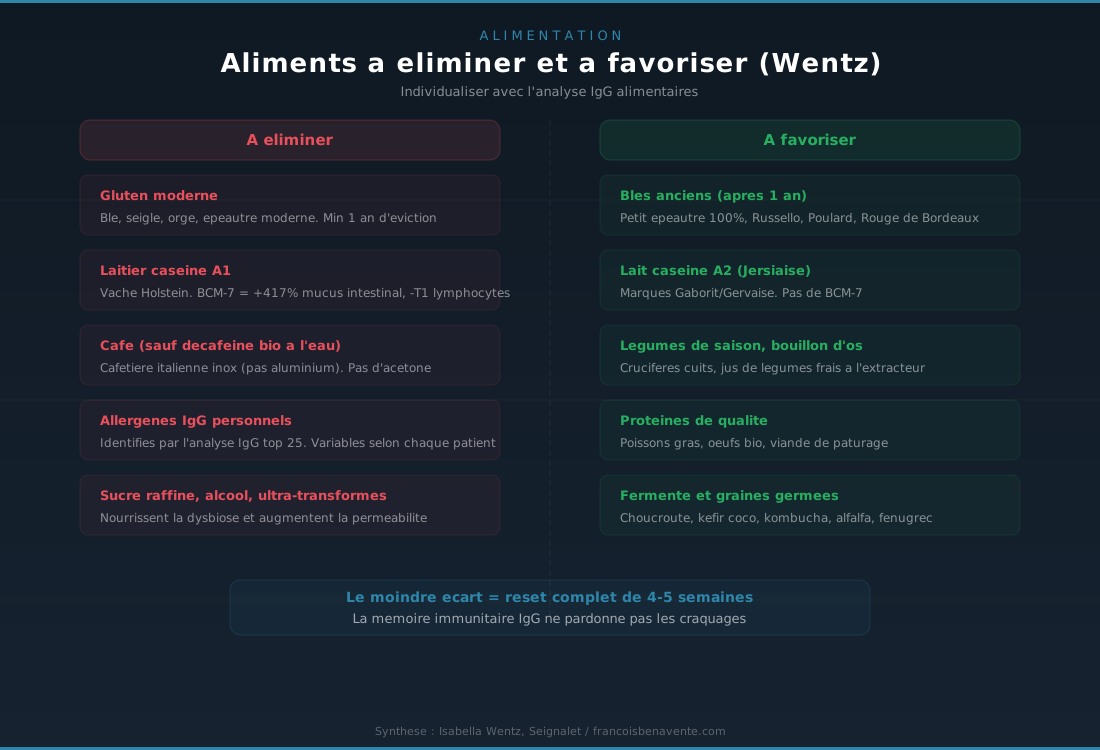
This phase systematically includes three non-negotiable eliminations, even if your IgG doesn’t show them. Gluten in all its modern forms (wheat, spelt, rye, barley), dairy products containing A1 casein, and conventional coffee. The reason for gluten is known: its proteins cross the intestinal barrier and trigger the xenoimmune mechanism I described in the article on Hashimoto. The reason for dairy is more subtle and deserves attention.
The milk question: A1 casein, BCM-7, and the trap of addiction
Not all milks are equal. This is a nuance that neither Seignalet nor most naturopaths make, and it’s unfortunate, because it makes the protocol much more livable. A1 casein, present in the milk of most modern cows (Holstein, Prim’Holstein), releases during digestion a peptide called BCM-7, beta-casomorphin-7. This compound is structurally related to morphine. It’s not a metaphor. It’s a biochemical reality.
BCM-7 has three documented effects that explain why so many people struggle to stop consuming dairy. First, it’s addictive in the pharmacological sense: it binds to mu opioid receptors, the same as those of morphine. Second, it increases intestinal mucus production by four hundred seventeen percent (yes, you read that right, more than four times). This mucus thickens the intestinal wall and compromises nutrient absorption. Third, it reduces T1 lymphocytes, which weakens the immune branch that should actually be strengthened in the autoimmune context of Hashimoto.
The Wentz solution isn’t to eliminate all dairy products for life. It’s to replace A1 casein with A2 casein. Jersey breed cows (whose milk is found under the Gaborit and Gervaise brands in France) naturally produce A2 casein milk, which doesn’t release BCM-7. Goat and sheep milks are also A2 casein. This is why some Hashimoto patients tolerate goat cheese perfectly well while a glass of Holstein cow’s milk restarts their symptoms in twenty-four hours.
For coffee, the rule is simple: organic decaffeinated, water-decaffeinated (not acetone), prepared in a stainless steel Italian coffee maker (not aluminum). Conventional coffee is a triple disruptor for Hashimoto: it stimulates cortisol and exhausts the adrenals, it interferes with T4 to T3 conversion, and its chemical decaffeination solvent residues are additional xenobiotics. I explain in detail the link between cortisol and thyroid in my article on stress and adrenals, but remember this: fasting coffee is one of the worst enemies of Hashimoto thyroid.
The immune reset: patience as medicine
The third phase of the Wentz protocol is immune reset. It lasts four to five weeks, and it’s the phase that most patients rush through because they don’t understand its logic. After four weeks of strict elimination, symptoms often improve noticeably: less fatigue, less brain fog, better digestion, skin that softens. The temptation is then to think the hardest part is done and to relax vigilance. This is exactly what you shouldn’t do.
Why four to five more weeks? Because IgG have a half-life of twenty-one days. This means that even if you’ve stopped consuming an allergen for four weeks, there are still IgG antibodies directed against that food circulating in your blood. These antibodies circulate, maintain low-grade inflammation, and sustain immune vigilance. You need to wait for this memory to fade. Four to five additional weeks is the time needed for IgG to fall below the reactivity threshold.
During this phase, you continue strict elimination. Not a gram of gluten. Not a drop of A1 milk. Not a single one of the allergens identified on your IgG analysis. Even the slightest deviation restarts the immune counter. A croissant, a beer, a gratin: four to five weeks of reset erased. It’s brutal, but it’s immunological reality. IgG don’t forgive slips. This is actually the main reason why so many patients fail with Seignalet: they do the diet “ninety percent” by allowing themselves exceptions on weekends, and these exceptions are enough to keep the autoimmune cascade active.
This is where the Wentz protocol meets a truth I repeat in consultations: don’t start if you’re not ready. It’s better to wait another month and commit fully than to start knowing a trip, a wedding or a move will sabotage the reset phase. Total commitment for fourteen weeks is infinitely more effective than half-commitment for six months.
Reintroduction: one food, four days, zero rushing
The fourth phase is reintroduction. It’s detective work. You reintroduce one food every four days, meticulously noting your reactions in a journal. Not two foods. Not one food every two days. One. Every four days. This four-day window corresponds to the time needed for a delayed IgG reaction to appear. Unlike classic IgE allergies (hives, angioedema) that occur within minutes, delayed IgG food reactions occur one to four days later, making them invisible if you reintroduce too quickly.
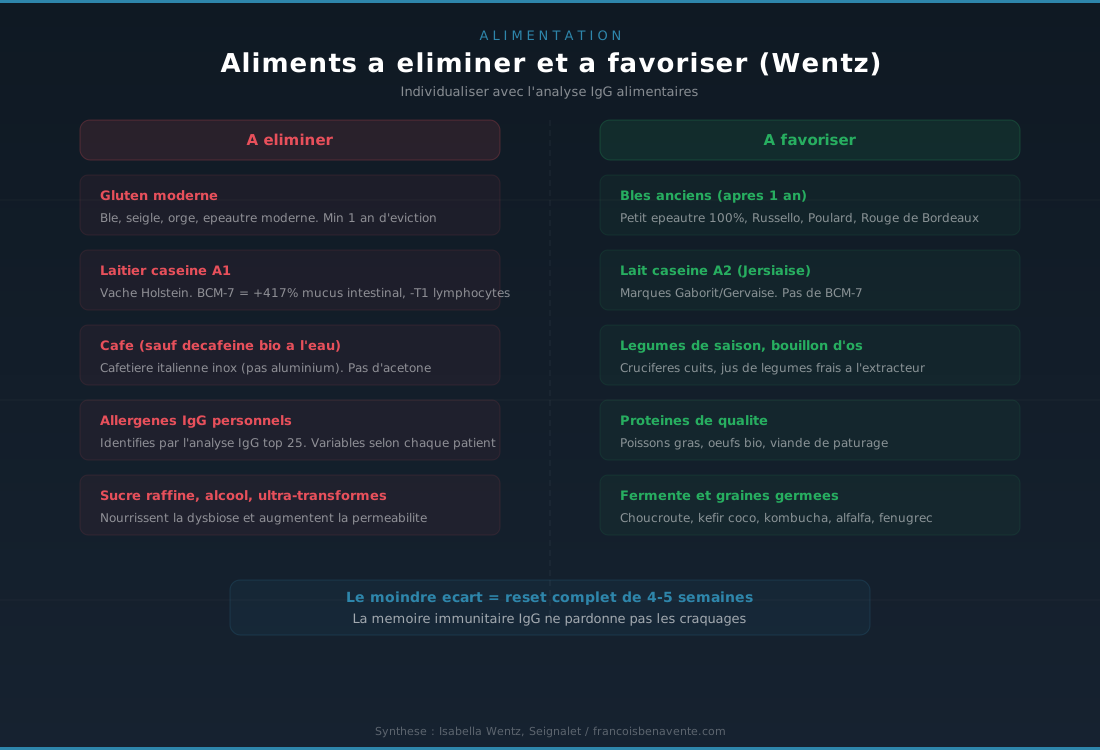
The reintroduction order also matters. You start with unmutated foods, those whose protein structure hasn’t been modified by modern agriculture. Rice, buckwheat, legumes (if your IgG are negative), eggs from free-range chickens. You finish with mutated foods, those whose genetic structure has been most modified: modern wheat last, possibly in the form of non-hybridized ancient grains.
For gluten specifically, the Wentz protocol provides for a minimum one-year elimination of mutated forms. But unlike Seignalet who eliminates all gluten for life, Wentz allows ancient grains after this year of elimination: hundred percent small spelt (einkorn, original wheat with fourteen chromosomes), Russello (ancient Sicilian variety), Poulard, Red Bordeaux. Pane Vivo-type sourdough breads, made from these ancient flours with long fermentation that pre-digests gluten, are often tolerated even by patients whose IgG to modern gluten were very high.
The concept of gentle cooking is also central to reintroduction. As I explain in my article on gentle cooking, temperatures above one hundred ten degrees create Maillard molecules that the body doesn’t recognize and that sustain intestinal permeability. Gentle steam, low-temperature cooking, raw when possible: these preparation methods aren’t a dietary luxury, they’re therapeutic tools in the context of Hashimoto.
After a year of successful protocol (antibodies declining, symptoms improved), Wentz allows occasional reintroduction of mutated foods. Not daily. Occasionally. And she imposes a rule I find remarkably intelligent: one month of strict pause per year per former allergen. If you had high IgG to wheat, you do one complete month without wheat each year, to prevent tolerance from gradually degrading. It’s immune maintenance, a bit like an annual service.
Wentz, Seignalet, Hertoghe: three visions, one same terrain
The three approaches don’t oppose. They complement each other, and combining them produces the best results.
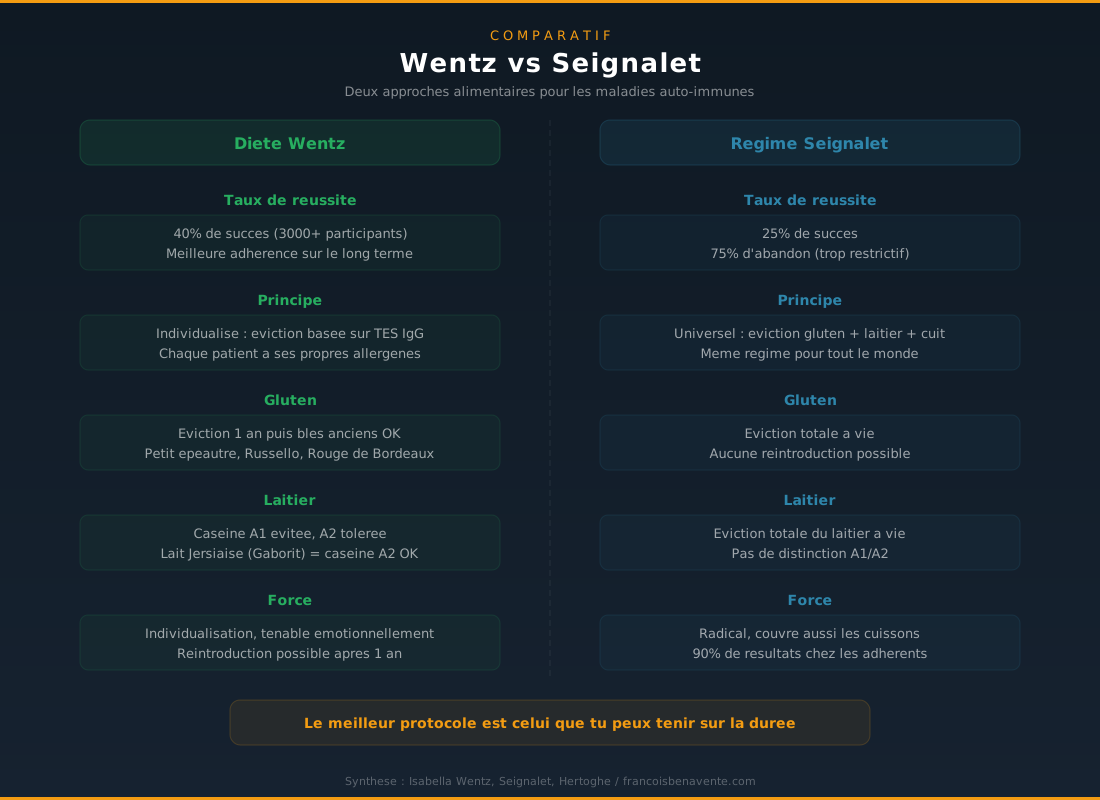
Seignalet starts from the gut. His xenoimmune model is brilliant: antigenic peptides cross a leaky gut, reach the thyroid, and trigger autoimmune destruction. His ancestral diet (no mutated gluten, no dairy, gentle cooking) is the foundation of any serious naturopathic approach to Hashimoto. But it has two limitations. The first is lack of personalization: everyone eliminates the same foods, regardless of their individual immunological profile. The second is the abandonment rate: seventy-five percent of patients quit before six months, and among those who last six months, only thirty percent continue beyond that. Ultimately, strict Seignalet diet works for only twenty-five percent of Hashimoto patients.
Wentz retakes Seignalet’s foundation (gut, elimination, hypotoxic diet) but adds personalization through IgG and a chronological phase-based protocol. The difference in success rates (forty percent versus twenty-five) is largely explained by this personalization which makes the protocol more precise and more sustainable. When you know exactly which foods cause you problems (not just “gluten and dairy” in general), you don’t unnecessarily deprive yourself of everything, and discipline is easier to maintain.
Dr. Thierry Hertoghe brings a third dimension that neither Seignalet nor Wentz address in depth: the hormonal axis. Hertoghe showed that the thyroid never functions in isolation. It’s in constant dialogue with the adrenals, the ovaries, the pituitary. His approach emphasizes that you must first assess and correct adrenal exhaustion before treating the thyroid. Giving thyroid hormones to a patient whose adrenals are depleted is like accelerating an engine without oil. The pregnenolone steal, this mechanism by which chronic stress diverts hormonal precursors toward cortisol at the expense of progesterone and DHEA, is a major aggravating factor in Hashimoto that I detailed in my article on stress and adrenals.
In practice, when a Hashimoto patient comes to my office, I combine all three approaches. Hertoghe’s panel (four-point salivary cortisol, DHEA, progesterone, adrenal questionnaire) to assess the hormonal axis. Wentz’s IgG analysis to personalize food elimination. And Seignalet’s theoretical framework (leaky gut, xenoimmunity, gentle cooking) to understand the mechanism and explain to the patient why each step matters. All three together are more powerful than each taken alone.
The 10-point strategy: don’t start without knowing them
Wentz formalized ten strategic principles that I systematically apply in consultations and that I find have remarkable clinical accuracy.
The first is to look back. Hashimoto doesn’t come out of nowhere. There’s always a trigger: a pregnancy, a divorce, a death, a move, a burnout, a viral infection. Identifying this trigger helps understand what terrain was fragile and guides the protocol. The second is to provoke a major life change. Not an adjustment. A change. Eliminating gluten while keeping the job that destroys you, the relationship that undermines you and five hours of sleep per night is putting a bandage on an open fracture.
The third is to identify root causes, not symptoms. Your brain fog isn’t a concentration problem. It’s a problem with T4 to T3 conversion in the liver, compromised digestion, devastated microbiota. The fourth is to use all naturopathic techniques, not just diet. Hydrotherapy (hot-cold alternation), stress management (heart coherence, breathing), movement (not marathons, but walking, yoga, gentle strength training), sleep, fresh vegetable juices. Naturopathy has ten techniques according to Marchesseau’s classification, and limiting yourself to diet is using only one tool out of ten.
The fifth principle is to measure to progress. Without regular blood work, you’re navigating blind. Dosing anti-TPO and anti-Tg antibodies at the end of each protocol phase allows you to objectively verify that the autoimmune process is receding. This is the only reliable proof. Feeling better is a good sign, but declining antibodies are proof that the autoimmune fire is extinguishing.
The sixth is to anticipate practical difficulties. Prepare your meals in advance. Find compatible restaurants. Explain your protocol to those around you. Always have an emergency snack in your bag. Patients who fail aren’t those lacking willpower, they’re those who didn’t prepare their environment.
The seventh, and perhaps the hardest to hear, is that any deviation brings you back to zero. A single slip, a single meal containing an identified allergen, and the immune counter restarts. Four to five weeks of reset erased. This is why the eighth principle emphasizes timing: only start when you’re ready. Not during holidays. Not before a trip. Not in the middle of a move. Choose a fourteen-week period when your life is stable enough to maintain commitment.
The ninth is not to stay alone. Social support is a major prognostic factor. Patients who succeed are those with an understanding partner, a friend doing the diet with them, a naturopath accompanying them. Isolation is the enemy of the protocol.
And the tenth is patience. Results aren’t immediate. It generally takes three to six months to see a significant decline in antibodies. Some patients see results at the end of the elimination phase. Others must wait until the end of reintroduction. This is normal. The immune system doesn’t reprogram itself in two weeks.
Iodine in the Wentz protocol: the nuance that changes everything
The question of iodine in the Hashimoto context is a classic trap that Wentz approaches with caution I entirely approve of. Iodine is essential for thyroid hormone synthesis. But in excess, in a Hashimoto patient whose gland is already inflamed and whose selenium status isn’t corrected, iodine aggravates thyroid oxidative stress through hydrogen peroxide production. This is the Wolff-Chaikoff effect, which I detail in my article on iodine and thyroid autoimmunity.
The Wentz rule matches the rule I apply in consultations: selenium first, iodine second. One hundred to two hundred micrograms of selenomethionine daily for at least four weeks before any iodine supplementation. Selenium activates glutathione peroxidases which neutralize hydrogen peroxide produced during hormone synthesis. Without this antioxidant shield, iodine becomes an accelerator of autoimmune destruction. This is why the Japanese paradox (massive iodine consumption without major thyroid problems) is explained by naturally selenium-rich and antioxidant-rich terrain.
The liver and adrenals: the two pillars Wentz doesn’t neglect
The Wentz protocol isn’t limited to diet. It integrates two axes that pure Seignalet ignores: hepatic support and adrenal restoration.
The liver converts sixty percent of T4 to active T3. A liver overloaded by xenobiotics, alcohol, medications or simply chronic overeating no longer converts correctly. Wentz recommends fresh vegetable juices (carrot, beet, celery, ginger) made with a juice extractor to support liver detoxification. Milk thistle (silymarin), artichoke and dandelion complete this approach. Liver chronobiology is also key: the liver works mainly at night, between one and three in the morning. Light and cellulose-rich dinners (green vegetables, soups) lighten this nocturnal load and promote better hormone conversion.
The adrenals are the other pillar. Wentz meets Hertoghe’s vision here: adrenals exhausted by chronic stress produce excess cortisol that blocks T4 to T3 conversion and promotes reverse T3 production, the inactive form of hormone that binds to cell receptors without activating them. It’s like putting the wrong key in the lock. Magnesium bisglycinate (three hundred to four hundred milligrams daily), adaptogenic plants (ashwagandha, rhodiola, eleuthero), heart coherence three times daily and sleep before eleven p.m. are the basics of adrenal restoration.
To go deeper on the relationship between hypothyroidism and overall terrain, I invite you to read my article explaining why hypothyroidism is never a final diagnosis but always a symptom of an upstream imbalance.
How to measure success
The objective criterion for success of the Wentz protocol is normalization of thyroid antibodies. Not disappearance of symptoms, which can be partial or subjective. Not TSH, which can remain disrupted even with a waning autoimmune process. The antibodies. If your anti-TPO goes from 487 to 120, then to 60, then below 35 (positivity threshold for most laboratories), the protocol has extinguished the autoimmune fire. This is proof that antigenic peptides no longer cross the intestinal barrier, that your immune system has stopped recognizing thyrocytes as enemies, and that destruction has stopped.
Let me recall Seignalet’s sentence I cite often: “If diet is often capable of extinguishing autoimmune disease, it cannot resurrect dead cells.” Thyroid cells already destroyed won’t come back. This is why early intervention is decisive. The earlier you act, when there’s still functional thyroid tissue remaining, the more chances you have to preserve autonomous hormone production and reduce or even eliminate Levothyrox dependence.
I recommend a control panel at the end of each phase: one after the elimination phase (week eight), one after the reset phase (week thirteen), and one six months after the start of reintroduction. This frequency allows real-time protocol adjustment. If antibodies don’t budge after the reset phase, there’s an allergen still getting through, an unidentified source of contamination, or an extra-dietary aggravating factor (stress, chronic infection, heavy metal intoxication) keeping the fire burning.
Nathalie, six months later
Nathalie, whom I mentioned at the beginning of this article, followed the Wentz protocol for sixteen weeks. Her IgG analysis revealed strong reactivity to eggs, corn, cow’s milk and gluten, and moderate reactivity to baker’s yeast and peanuts. Six foods to eliminate, not seventeen. Six precise targets instead of a universal list.
She eliminated the six, plus conventional coffee. She replaced cow’s milk with goat milk and Jersey Gaborit milk. She discovered Pane Vivo bread with small spelt, fermented with sourdough for twenty-four hours. She held the four-week elimination, then the five-week reset, without a single slip. On the phone in week six, she told me: “I didn’t know what it was like to have a clear head.” At the week thirteen panel, her anti-TPO had gone from 487 to 198. Not yet normal. But in decline. The fire was retreating.
Six months after starting the protocol, her anti-TPO was at 78. Her energy had returned. Her skin no longer cracked in winter. She’d lost the four kilos that Levothyrox had never managed to budge. And most importantly, she’d reintroduced eggs and corn without reaction. Only modern gluten and A1 cow’s milk remained triggers. She now knows exactly what aggravates her, and she can live with that knowledge without feeling imprisoned by an impossible diet.
What the protocol doesn’t replace
I want to be clear: the Wentz protocol doesn’t replace medical follow-up. If your endocrinologist prescribed Levothyrox, continue taking it. Reducing or stopping hormone therapy should only be done under medical supervision, progressively, based on panel changes. The Wentz protocol works on the autoimmune mechanism. Levothyrox compensates for the consequences of already-occurring destruction. Both are complementary, not antagonistic.
If you want to understand the link between your digestion and your thyroid, and why gastric hypochlorhydria is so frequent in Hashimoto, read my article on thyroid and digestion.
Want to assess your status? Take the free Claeys thyroid questionnaire in 2 minutes.
If you want personalized support, you can book a consultation.
To go further
- Hashimoto: the forgotten causes your doctor isn’t looking for
- Iodine and autoimmune thyroid: danger or benefit? The truth
- Graves’ disease and eyes: protecting your vision naturally
- Immunity and inflammation: nourishing your natural defenses
Sources
- Wentz, Izabella. Hashimoto’s Protocol. New York: HarperOne, 2017.
- Seignalet, Jean. L’Alimentation ou la Troisième Médecine. 5th ed. Paris: François-Xavier de Guibert, 2004.
- Hertoghe, Thierry. The Hormone Handbook. 2nd ed. Luxembourg: International Medical Books, 2012.
Based in Paris, I consult via video throughout France. You can book an appointment for personalized support of the Wentz protocol adapted to your situation.
For thyroid supplementation, Sunday Natural offers selenium, zinc bisglycinate and pharmaceutical-grade vitamin D3 (-10% with code FRANCOIS10). The Inalterra grounding mat reduces nocturnal autoimmune inflammation (-10% with code FRANCOISB). Find all my partnerships with exclusive promo codes.
Hashimoto isn’t a condemnation. It’s a terrain that needs to be understood, nourished, supported. The Wentz protocol doesn’t promise miracles. It offers a rigorous and measurable method to give your immune system the conditions to calm down. Forty percent remission in three thousand participants isn’t a perfect number. But it’s a number that gives hope. And hope, when you live with Hashimoto, is already a medicine.
Healthy recipe: Regenerating bone broth: Bone broth is in the Wentz protocol.



Laisser un commentaire
Sois le premier à commenter cet article.