Iodine and Autoimmune Thyroid Disease: Context is Everything
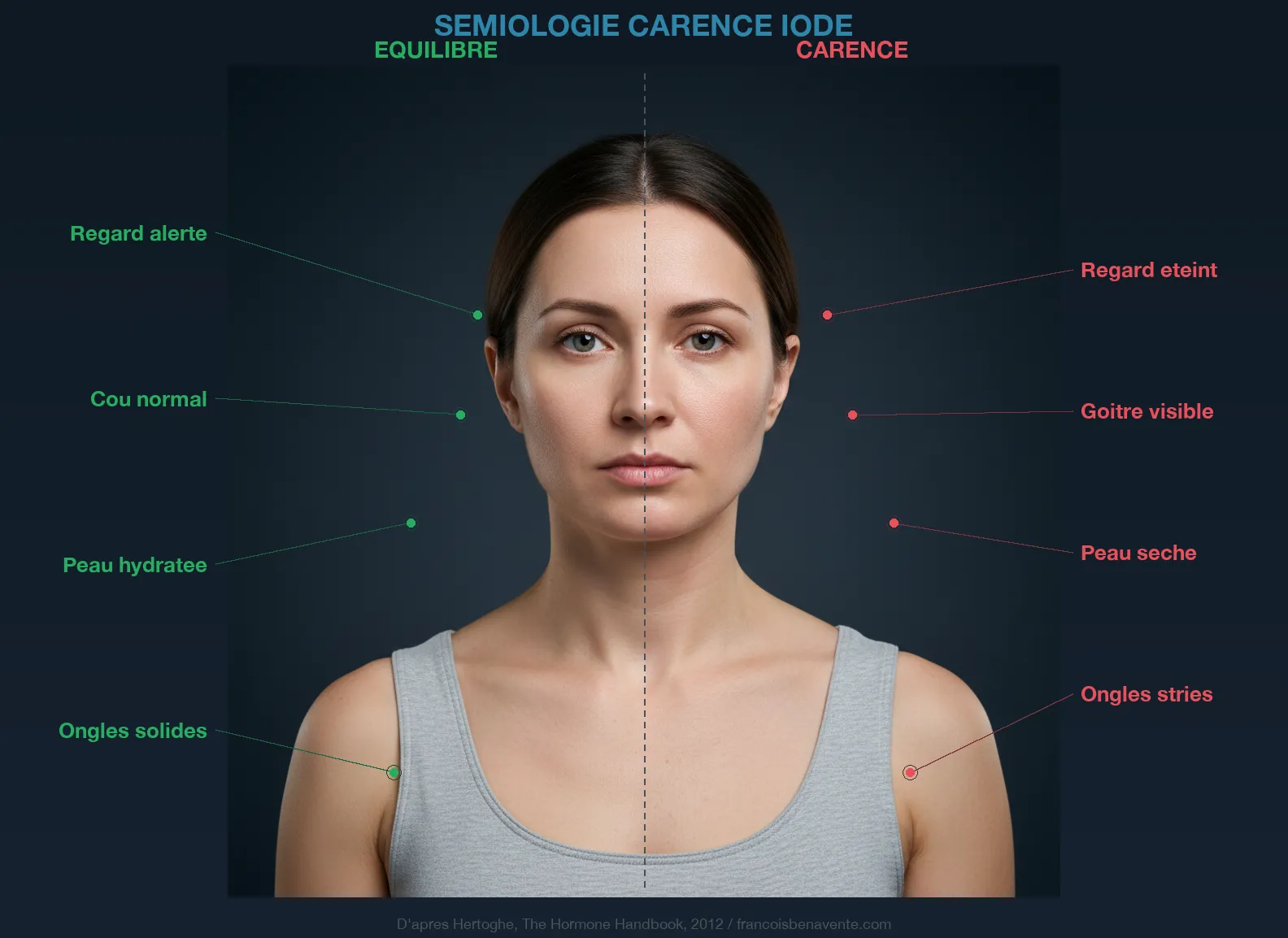
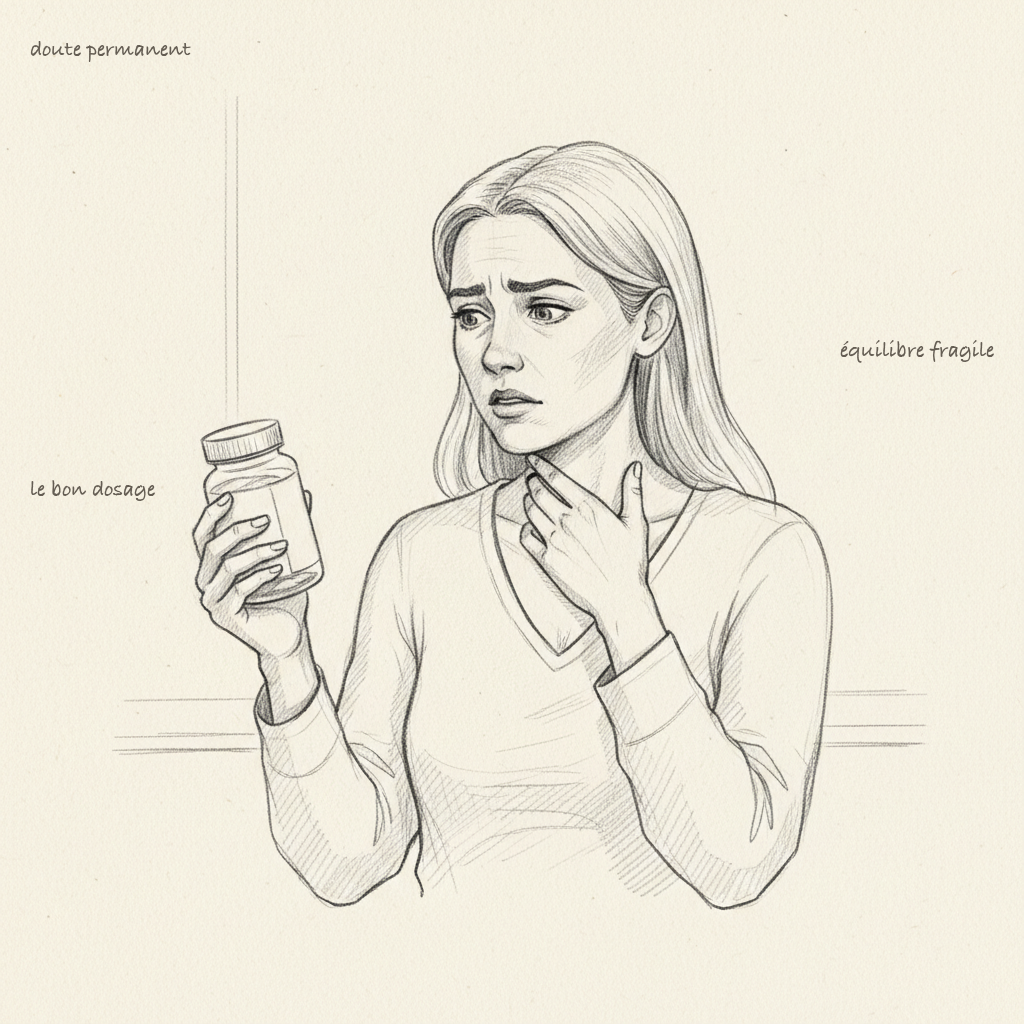
When Isabelle consulted me for the first time, she had a folded sheet of paper in her bag. On it, a list copied from a forum: “Foods high in iodine to avoid in case of Hashimoto.” No more fish. No more algae. No more seafood. Her endocrinologist had told her to “be careful with iodine” without explaining why or how. So she had eliminated everything. Result, six months later, her thyroid was running even slower. Her anti-TPO antibodies hadn’t changed. And she had developed such deep fatigue that she could no longer work in the afternoon.
Iodine is perhaps the most misunderstood subject in all thyroid health. Too much iodine, they say, worsens Hashimoto. Not enough iodine, and the thyroid shuts down. Between these two extremes, millions of patients navigate blindly, without understanding the fundamental nuance that separates poison from remedy. Because this nuance exists, and it hinges on one word: context. Iodine is neither an enemy nor a savior. It is a vital element whose effect depends entirely on the terrain that receives it.
If you first want to understand how the thyroid functions in general and its nutritional cofactors, start with the article on the thyroid and micronutrition. If you want to understand the autoimmune mechanism of Hashimoto, read my article on the forgotten causes of Hashimoto. Here, we will enter the heart of the controversy: iodine, the oxidative balance, and the protocol adapted according to whether you suffer from simple hypothyroidism or autoimmune thyroiditis.
Why Your Thyroid Needs Iodine
Your thyroid is a small butterfly-shaped gland at the base of your neck, and it is the largest iodine reservoir in your entire body. A healthy thyroid contains between twelve and sixteen milligrams of iodine, or a concentration of 0.5 to 1 milligram per gram of tissue. This is considerable, and it’s no accident. Iodine is the raw material essential for manufacturing thyroid hormones T4 (thyroxine, four iodine atoms) and T3 (triiodothyronine, three iodine atoms). Without iodine, no hormones. Without hormones, no metabolism. It’s that simple and that vital.
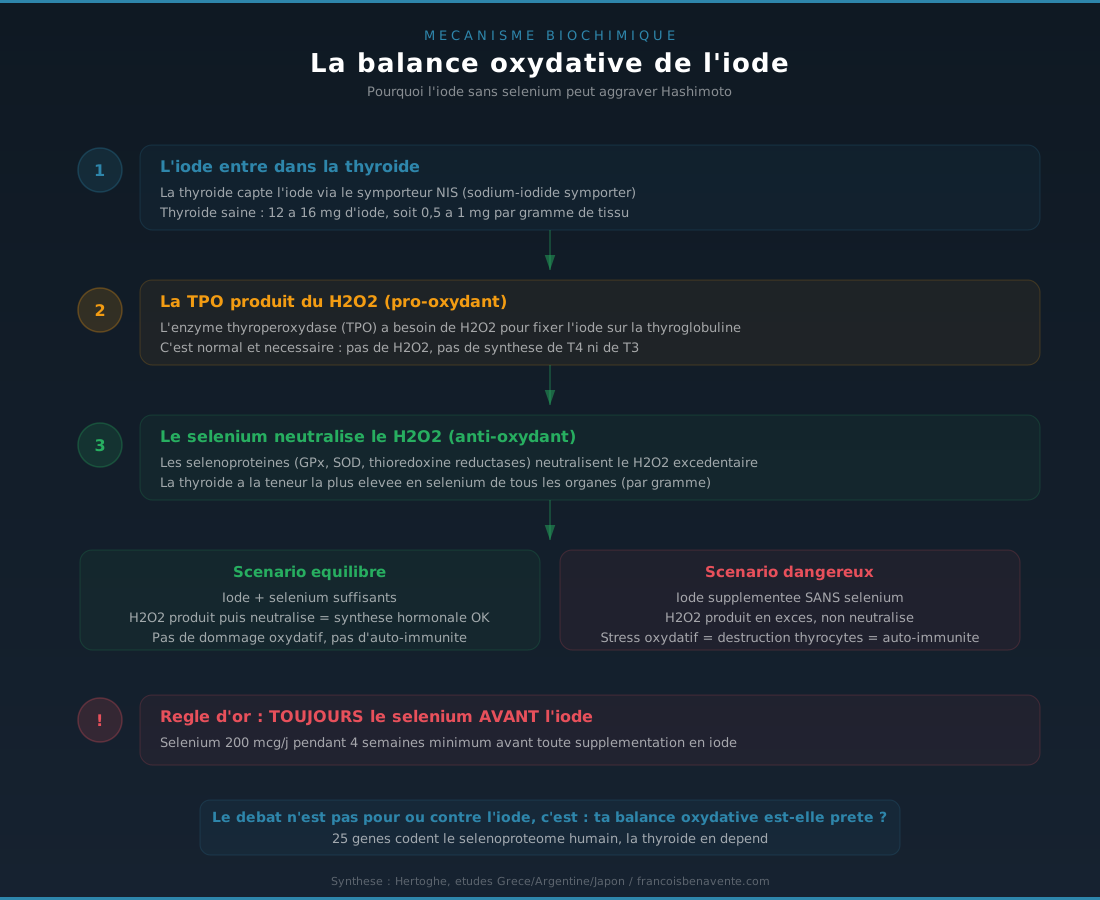
The synthesis mechanism is a biochemical ballet of remarkable precision. Dietary iodine is captured by a specific transporter (the sodium-iodide symporter, NIS) located on the membrane of thyrocytes. Inside the cell, iodine is oxidized by an enzyme, thyroid peroxidase (TPO), in the presence of hydrogen peroxide (H2O2). This oxidation reaction allows iodine to be fixed onto thyroglobulin to form T4 and T3 precursors. Remember this point well: the production of H2O2 is natural and necessary. The thyroid deliberately produces hydrogen peroxide to function. It is a normal mechanism, not an accident. But this is also where everything can unravel.
Because H2O2, if not neutralized after fulfilling its role, becomes an agent of cellular destruction. It is a powerful oxidant that, in excess, damages thyrocyte membranes, causes DNA lesions, releases intracellular antigens and triggers an inflammatory response. Imagine a fireplace fire: controlled, it warms the house. Out of control, it burns it down. Iodine lights the fire. Antioxidants are the firebreak. And selenium is the cornerstone of this protective system.
The Oxidative Balance, Key to Everything
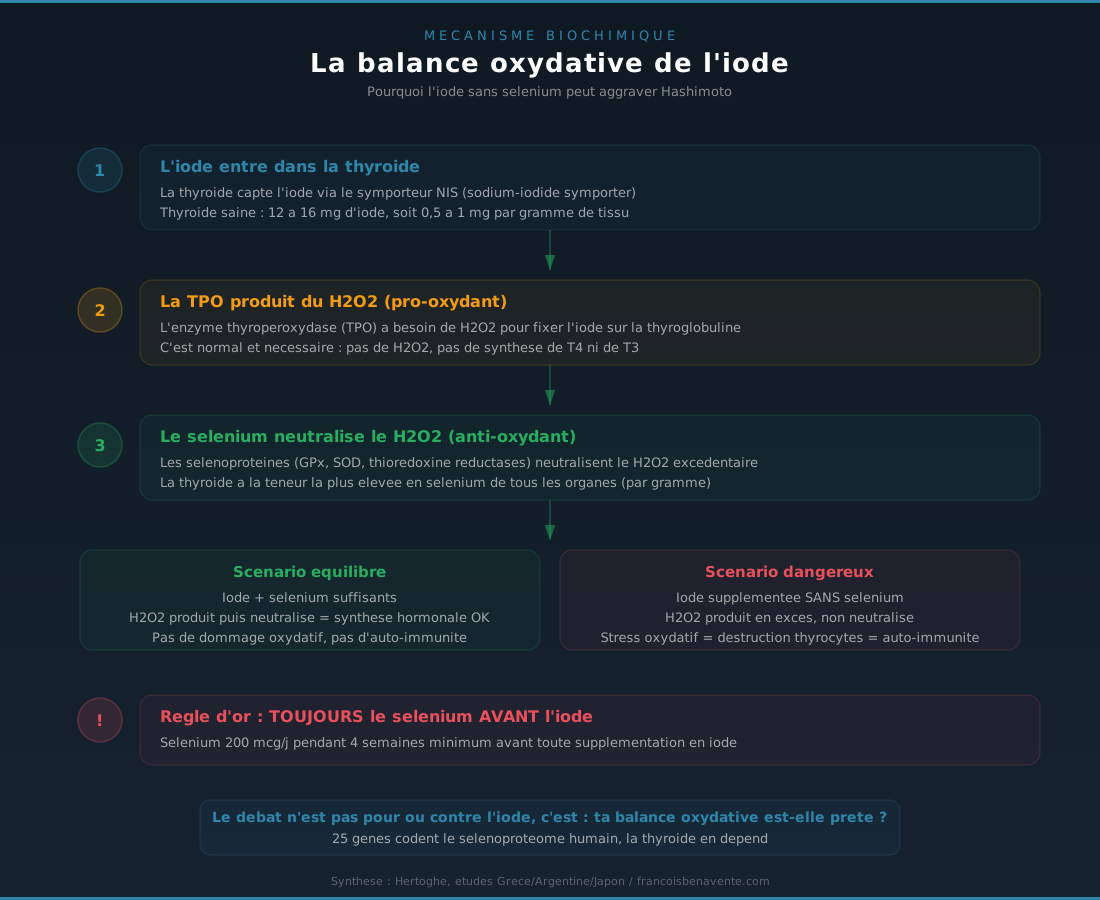
Twenty-five genes code for the human selenoprotein. Among these selenoproteins, several play a direct role in thyroid protection. Glutathione peroxidases (GPx), and particularly GPx3, neutralize the H2O2 produced during hormone synthesis. Superoxide dismutase (SOD), although not itself selenylated, works in synergy with selenoproteins to eliminate superoxide radicals. Thioredoxin reductases (TrxR) regenerate intracellular antioxidants and protect thyrocytes against oxidative stress. And deiodinases (DIO1, DIO2, DIO3), all three selenoproteins, ensure the conversion of T4 to active T3.
The thyroid contains the highest concentration of selenium of all organs in the human body, relative to gram of tissue[^1]. This is not an evolutionary coincidence. It is a biological necessity. The thyroid concentrates selenium because it needs it to survive its own activity. Each time it manufactures hormones, it produces H2O2. And each time it produces H2O2, it needs selenium to neutralize it. This is a perpetual cycle, a dynamic balance that depends entirely on selenium status.
When this balance breaks down, catastrophe sets in. A high iodine intake in the context of selenium deficiency means more H2O2 produced but less H2O2 neutralized. Oxidative stress spirals out of control. Thyrocytes are damaged. Fragments of thyroglobulin and thyroid peroxidase end up in the bloodstream, where the immune system identifies them as foreign bodies. Anti-TPO and anti-Tg antibodies increase. The autoimmune process triggers or worsens. This is exactly the mechanism that Seignalet described in his xeno-immune theory, except here the initial aggression comes not from the intestine but from deep within the thyroid itself. I detailed this autoimmune mechanism in my article on Hashimoto.
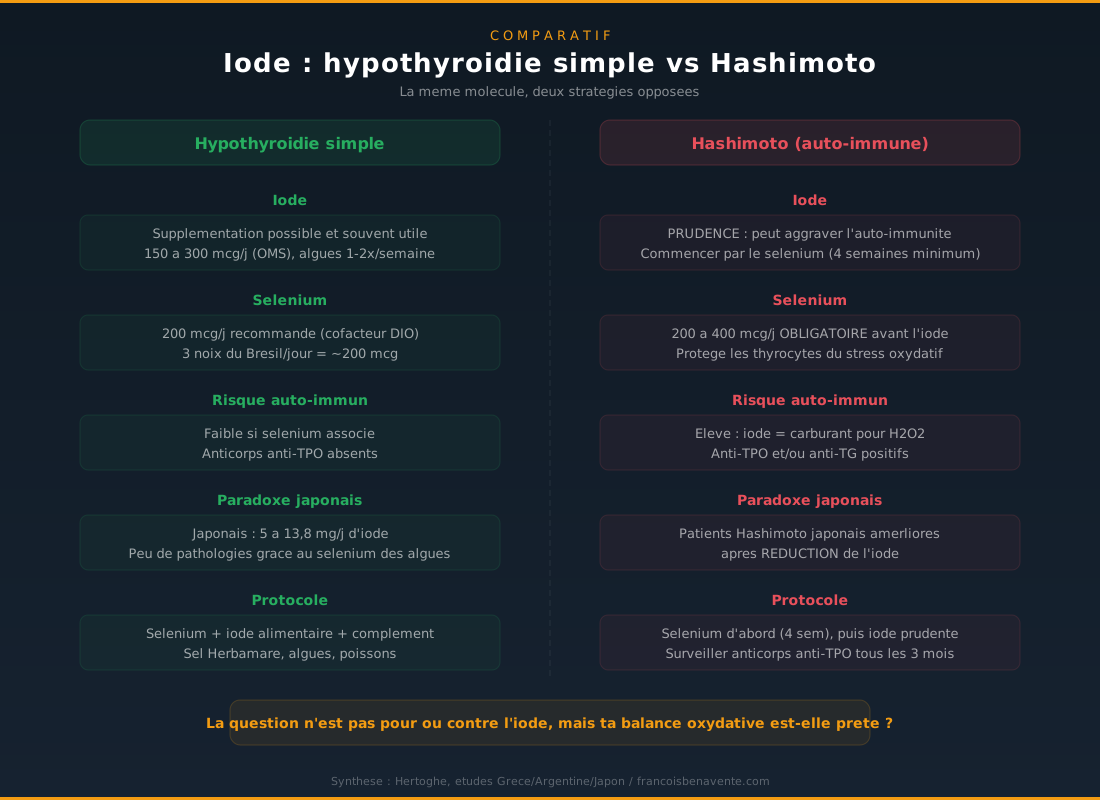
This is why iodine “worsens” Hashimoto. It’s not iodine itself that is toxic, it’s iodine without selenium. It’s iodine without the firebreak. And the rule that follows is disarmingly simple: selenium first, iodine second. Never the other way around.
The Japanese Paradox
If iodine were really the enemy of the autoimmune thyroid, Japan should be the country most affected by Hashimoto in the world. Japanese people consume between 5 and 13.8 milligrams of iodine per day, or thirty to ninety times the recommended intake in France (150 micrograms). Wakamé, kombu, and nori algae are part of their daily diet. Iodine is everywhere, in soups, salads, broths, condiments.
And yet, autoimmune thyroid diseases are historically rare in Japan. How is this possible? The answer again lies in the oxidative balance. Traditional Japanese cuisine is naturally rich in selenium (fish, shellfish, rice cultivated on volcanic soil), antioxidants (green tea, turmeric, ginger, wasabi, fermented vegetables) and omega-3 fatty acids (raw fish, algae). Japanese people don’t just consume iodine. They consume iodine in a nutritional environment that protects their thyroid from oxidative stress.
But there is an additional detail that makes this paradox even more instructive. In areas of Japan where iodine consumption is highest, studies have shown that some Hashimoto patients saw their antibodies return to normal simply by reducing their iodine intake. Not eliminating it. Reducing it. This confirms that the problem is not the presence of iodine but its excess relative to the antioxidant capacity of the terrain.
This Japanese paradox also illuminates the other side of the problem. In regions of the world where iodine is scarce, Hashimoto is paradoxically uncommon. This is logical: without iodine, the thyroid produces little H2O2, so little oxidative stress, so little autoimmune destruction. But without iodine, the thyroid doesn’t function. Endemic goiter, cretinism, severe hypothyroidism are the consequences of iodine deficiency. You avoid Hashimoto but pay the price in another way.
This is the whole subtlety of the question: it’s not about choosing between iodine or no iodine. It’s about finding the right dose in the right context. And that context is the antioxidant terrain of each individual.
The Wolff-Chaikoff Effect, Your Safety Mechanism
The thyroid is not defenseless against excessive iodine. It possesses a self-regulation mechanism discovered in 1948 by Doctors Wolff and Chaikoff, which bears their name. When iodine intake exceeds a certain threshold, the thyroid temporarily blocks hormone synthesis. It is an emergency brake, an integrated protective system that prevents overproduction of H2O2 and, by extension, oxidative stress.
In a person with a healthy thyroid, this effect is transient. Within twenty-four to forty-eight hours, the thyroid “escapes” from the Wolff-Chaikoff effect, resumes hormone synthesis and adapts to the new iodine intake. This is what allows Japanese people to tolerate massive doses without problem: their thyroid knows how to adapt because it has been exposed regularly and progressively since childhood.
But in a Hashimoto patient, things change. A thyroid already damaged by the autoimmune process, part of whose thyrocytes are destroyed or infiltrated by lymphocytes, no longer possesses the same adaptive capacity. The Wolff-Chaikoff effect can remain blocked, leading to prolonged arrest of hormone synthesis and worsening hypothyroidism. This is why Hashimoto patients often react poorly to aggressive iodine supplementation: their thyroid no longer has the resources to protect itself from it or to adapt to it.
Epidemiological studies confirm this mechanism. In Greece, after an iodine supplementation campaign in the general population, researchers observed a significant increase in antithyroid antibodies. In Argentina, the introduction of iodized salt was followed by an increase in thyroid lymphoid infiltration in biopsies. In North America, where iodine consumption is high (iodized salt, bread, dairy products), the prevalence of Hashimoto continues to rise. These observations do not prove that iodine causes Hashimoto, but they confirm that ill-prepared supplementation can awaken or aggravate a latent autoimmune terrain.
To understand why hypothyroidism is a symptom and not a final diagnosis, and why you must always look for the cause upstream, I invite you to read this fundamental article.
Antioxidants, Your Indispensable Allies
If selenium is the cornerstone of the thyroid antioxidant system, it doesn’t work alone. Several vitamins and micronutrients participate in protecting the thyroid against oxidative stress, and their role deserves to be detailed.
Vitamin A plays a role too often ignored in autoimmunity. Low vitamin A status leads to a decrease in interleukin-10 (IL-10), a anti-inflammatory cytokine fundamental in regulating autoimmune diseases. IL-10 is the natural brake of the immune response, the one that prevents the system from spiraling out of control. Without enough vitamin A, this brake fails, and lymphocytes attack with disproportionate intensity. Cod liver, offal, raw butter, sweet potatoes and carrots are the best food sources of vitamin A and beta-carotene.
Vitamin D is a powerful immunomodulator. I detailed its role in thyroid autoimmunity in the article on Hashimoto, but recall that more than eighty percent of the French population is insufficient. In case of Hashimoto, blood levels (25-OH-D3) should be maintained between 60 and 80 nanograms per milliliter, which often requires 4000 to 6000 IU per day in winter. You can assess your status with the vitamin D questionnaire.
Vitamins E and K2 protect cell membranes from lipid peroxidation caused by excess H2O2. Vitamin C, although water-soluble and thus less directly involved in membrane protection, regenerates oxidized vitamin E and supports glutathione, the master intracellular antioxidant.
And then there are the antioxidant superfoods, these natural concentrates whose ability to neutralize free radicals far exceeds that of common foods. The ORAC index (Oxygen Radical Absorbance Capacity) measures this antioxidant power. Clove scores 290,283, oregano 175,295, rosemary 165,280, thyme 157,380, turmeric 127,068, cinnamon 130,000, sage 119,929. These spices are not exotic dietary supplements. They are kitchen ingredients you can integrate every day into your dishes, infusions, juices. Grape seed extract (OPC), virgin extra cold-pressed olive oil, fresh pollen, açai berries, spirulina, chlorella and klamath algae complete this antioxidant arsenal.
The principle is simple: before giving iodine to a fragile thyroid, you must ensure that the firewalls are in place. Selenium, vitamins A, D, E, C, K2, and antioxidant superfoods form armor that protects thyrocytes from the oxidative stress caused by hormone synthesis.
Simple Hypothyroidism Versus Hashimoto, Two Different Protocols
This is where everything plays out in practice. The distinction between simple hypothyroidism and Hashimoto autoimmune thyroiditis entirely conditions the approach to iodine. And it is precisely this distinction that the majority of practitioners, conventional and alternative alike, do not make.
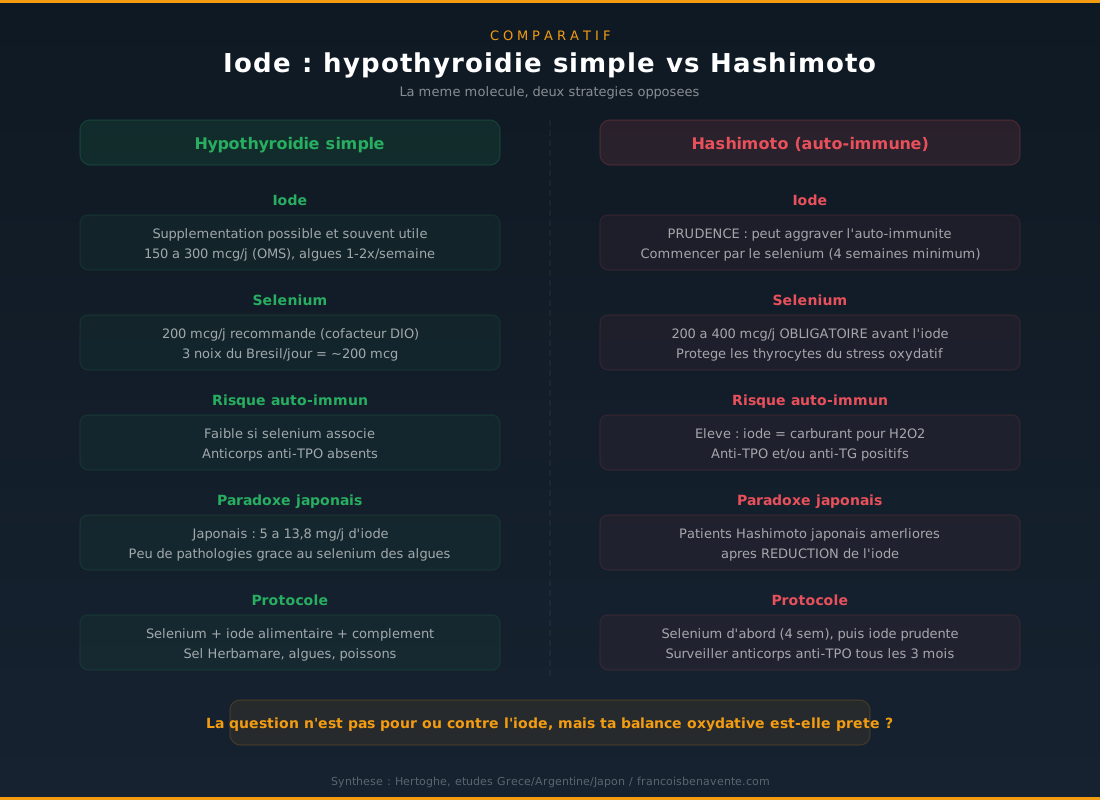
In simple hypothyroidism, the thyroid lacks fuel. It is tired, malnourished, sluggish, but it is not attacked by the immune system. Anti-TPO and anti-Tg antibodies are negative or within normal ranges. In this case, iodine is an ally. It is even often the solution. An intake of 200 to 400 micrograms per day, in the form of Lugol 5% (two to four drops in a glass of water), marine algae (fucus, kelp) or a quality iodine supplement, combined with essential cofactors (200 micrograms selenium, 30 milligrams zinc, 500 milligrams tyrosine, iron if deficiency confirmed), restarts the thyroid in a few weeks. Iodine nourishes the gland, cofactors support conversion, and the thyroid regains its rhythm. This is the approach I describe in detail in the article on 7 thyroid nutrients.
In Hashimoto, the approach is radically different. The thyroid is under fire from its own immune system. Thyrocytes are infiltrated by lymphocytes. The tissue is inflamed, partly destroyed. In this context, adding iodine without precaution amounts to throwing gasoline on a smoldering fire. Iodine increases H2O2 production, selenium is lacking to neutralize it (selenium deficiency is common in Hashimoto), oxidative stress explodes, thyrocytes release their contents, antibodies rise, and the vicious cycle spirals.
The Hashimoto protocol follows a precise order, which I have respected in consultations for years. The first phase, which lasts four to eight weeks, consists of preparing the terrain without iodine. Start with selenium (200 micrograms of selenomethionine per day), vitamin D3 (4000 to 6000 IU), zinc (30 milligrams of bisglycinate), omega-3 (2 grams of EPA-DHA), and a complete intestinal protocol (glutamine, targeted probiotics, gluten and casein avoidance according to Seignalet). Support the liver because sixty percent of T4 to T3 conversion occurs in the liver, as I explain in the article on the thyroid-liver connection. And evaluate stress and the adrenals, because chronic cortisol blocks conversion and worsens autoimmunity.
The second phase, once antibodies start to drop and antioxidant terrain is restored, consists of reintroducing iodine very progressively. Start with 50 micrograms per day (one quarter drop of Lugol or a few pinches of dried algae) and increase by increments of 50 micrograms every two to three weeks, never exceeding 200 micrograms per day initially. Monitor antibodies every two to three months. If anti-TPO rises again, reduce iodine and strengthen antioxidant terrain.
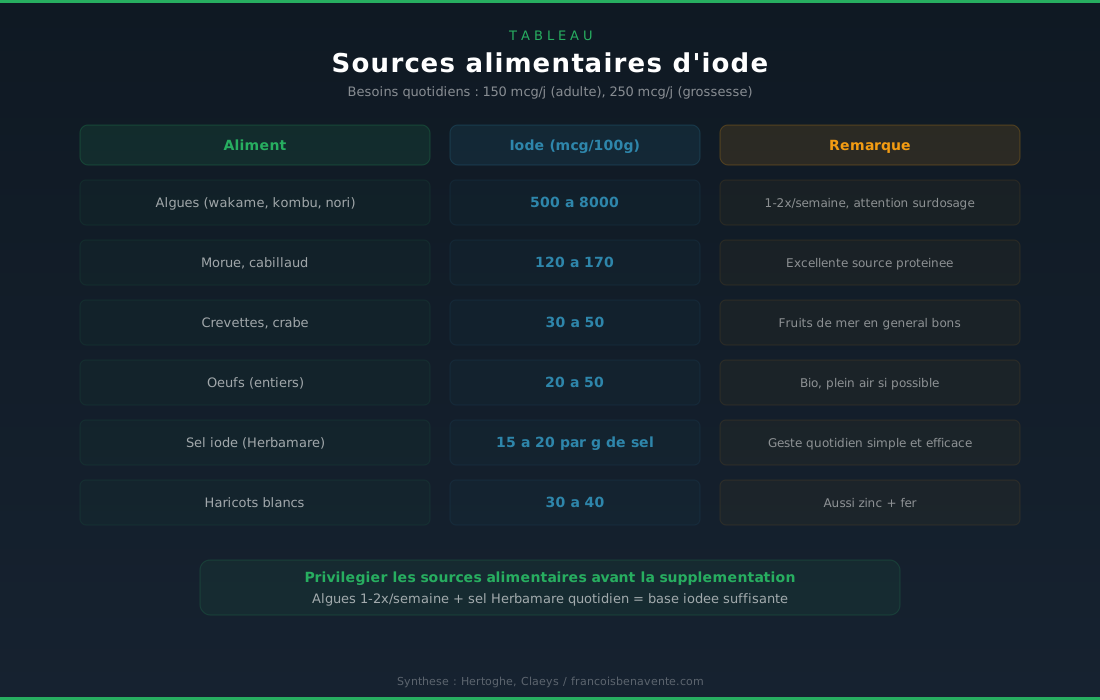
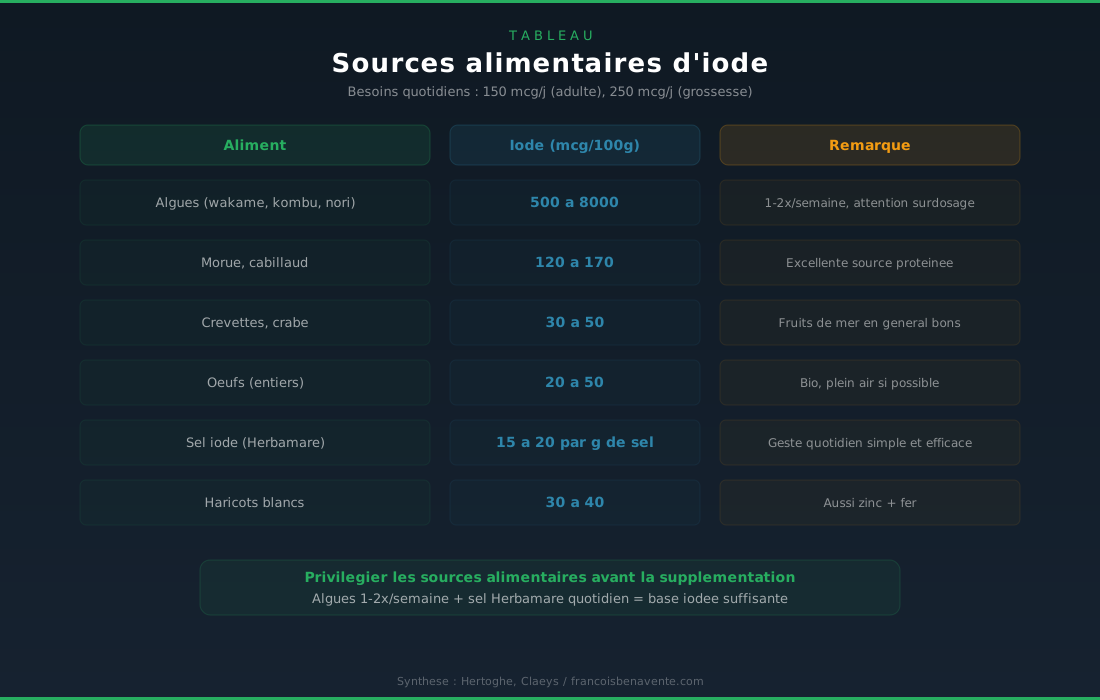
The best food sources of iodine remain marine algae (kombu, wakamé, nori, dulse), seafish (cod, pollock, mackerel), shellfish (oysters, mussels, shrimp), eggs, and to a lesser extent dairy products. Table iodized salt provides approximately 30 micrograms per gram, making it a modest but regular source. In naturopathy, I prefer food sources to isolated supplements because they provide iodine in a complete nutritional environment, accompanied by its natural cofactors.
What You Can Do Right Now
The first thing to do, and it is the most important, is to know where you stand. Ask your doctor for a complete thyroid panel: TSH, free T4, free T3, anti-TPO antibodies and anti-Tg antibodies. The last two markers are fundamental. Without them, you don’t know if you have simple hypothyroidism or Hashimoto. And as you’ve understood, the protocol is totally different depending on the case. Iodine urine (twenty-four hour urine iodine test) and serum selenium complete the picture. You can also assess your thyroid terrain with the Claeys thyroid questionnaire.
If your antibodies are negative and your TSH is moderately elevated with low free T4, you are probably in simple hypothyroidism. In this case, first verify your cofactors (selenium, zinc, iron, vitamin D), ensure your liver functions well (liver panel, ultrasound if in doubt), and gradually integrate dietary iodine sources into your daily routine. Antioxidant spices in your dishes, a green juice in the morning with an extractor with ginger and turmeric, two to three servings of seafish per week, and a few nori leaves in your salads may be enough to restart a tired thyroid.
If your antibodies are positive, the absolute priority is terrain. Selenium first, always. Four to eight weeks of antioxidant preparation before considering any iodine supplementation. Work on the intestine, the liver, stress. Dr Willem summed it up perfectly: when only TSH exceeds normal values, it is preferable initially to stimulate the thyroid by natural means. But in Hashimoto, these natural means must be deployed in a precise order, and iodine comes only last, when the terrain is ready to receive it.
As a dietary supplement, selenomethionine is the most studied and most effective form of selenium for reducing thyroid antibodies. 200 micrograms per day is the reference dose in most clinical studies. Zinc bisglycinate (30 milligrams per day) supports T4 to T3 conversion and immune function. Vitamin D3 (4000 IU minimum, to adjust according to blood test) modulates immunity via the VDR receptor. And magnesium bisglycinate (300 to 400 milligrams per day) is a cofactor in over three hundred enzymatic reactions, several of which directly involve thyroid metabolism.
“Every disease is a deadline and not an accident; disease is prepared long in advance by failures of hygiene.” Dr Pache
The question of iodine in case of autoimmune thyroid is not binary. It’s neither “iodine is dangerous, avoid it” nor “iodine is essential, take high doses.” It is: prepare your terrain, restore your oxidative balance, and introduce iodine gradually, under supervision, in a nutritional environment that protects your thyroid. A fireplace fire only burns the house down if you remove the firebreak. And the firebreak is selenium, antioxidants, and the time you take to rebuild your terrain before demanding anything from your gland.
If you want personalized support, you can book a consultation.
To Go Further
- Basedow and Eyes: Protect Your Vision Naturally
- Hashimoto: The Forgotten Causes Your Doctor Isn’t Looking For
- The Wentz Diet: The Hashimoto Protocol in 4 Steps
- Graves’ Disease: Understanding Autoimmune Hyperthyroidism
Sources
- Seignalet, Jean. Food or the Third Medicine. 5th ed. Paris: François-Xavier de Guibert, 2004.
Based in Paris, I consult via video throughout France. You can book an appointment for personalized support.
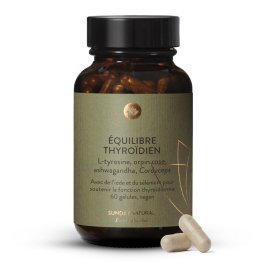
For thyroid supplementation, Sunday Natural offers pharmaceutical-quality selenium, zinc bisglycinate and vitamin D3 (-10% with code FRANCOIS10). The Inalterra earthing mat reduces nighttime autoimmune inflammation (-10% with code FRANCOISB). And a Hurom juice extractor makes it easy to prepare antioxidant green juices that support your liver and thyroid daily (-20% with code francoisbenavente20). Find all my partnerships with exclusive promo codes.
Iodine is not your enemy. She is an ally who demands respect, preparation and measure. And as always in naturopathy, the answer is not found in the molecule itself but in the terrain that receives it.

Laisser un commentaire
Sois le premier à commenter cet article.