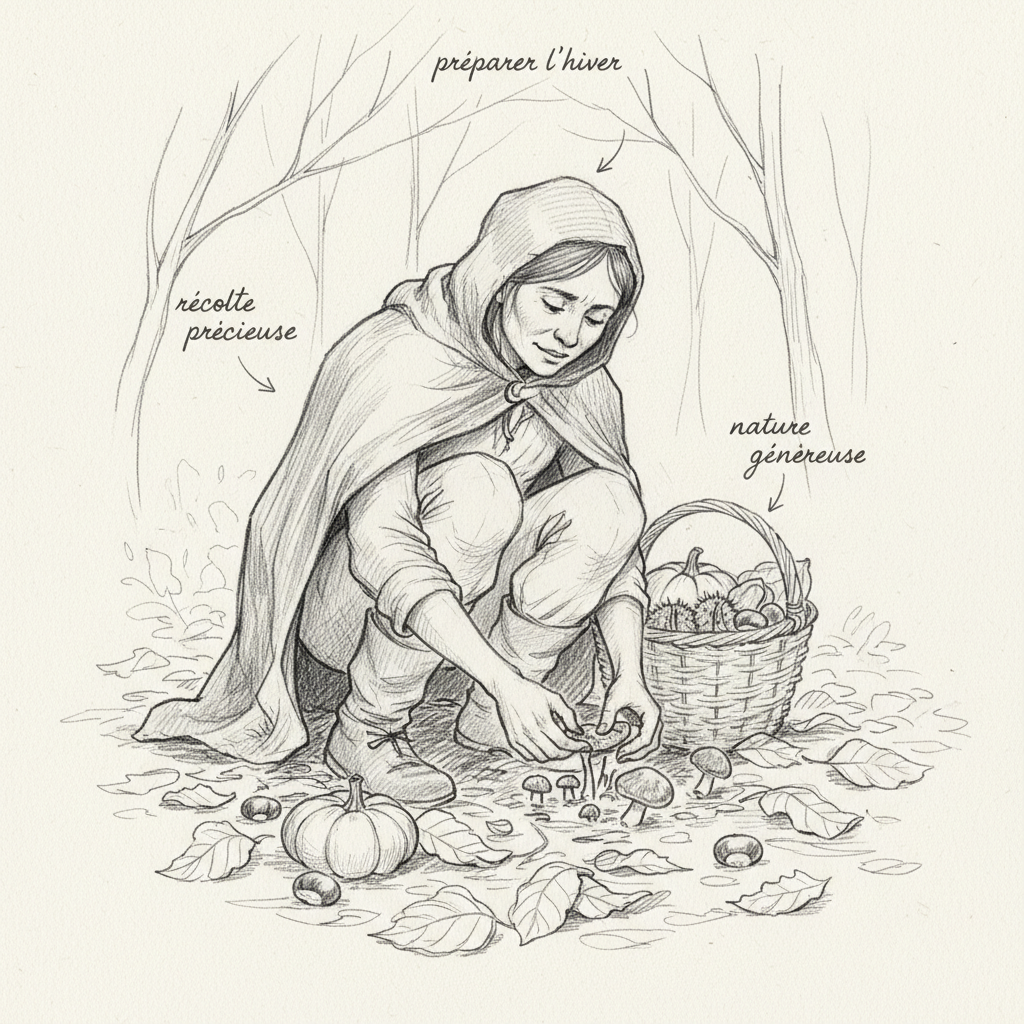
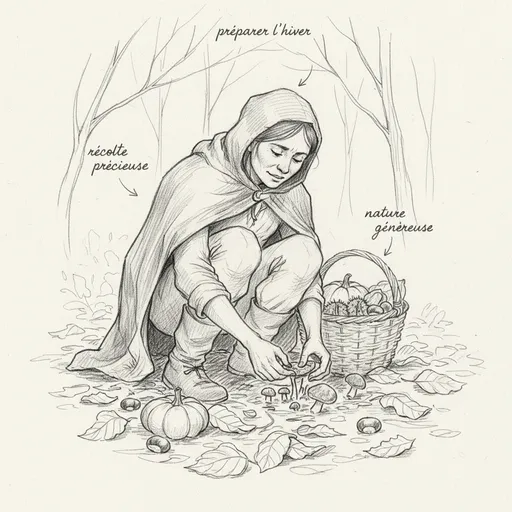
It was a Sunday in September, one of those mornings when dew still clings to spider webs in the undergrowth. I had taken the road to Rambouillet Forest with a wicker basket and a pocket knife. The path disappeared under a carpet of golden and russet leaves, and with each step, the smell of damp earth rose up, thick, almost sweet. At the foot of an old oak tree, the first ceps of the year spread out, fleshy, perfect. Further on, chanterelles carpeted a mossy slope. Autumn was giving everything, all at once, with an almost excessive generosity that characterizes the final weeks of abundance before the winter retreat. As I filled my basket, I thought of what Dr. Bonnejoy wrote in his seasonal calendar: September is the month of great harvest, the window where nature hands you everything you’ll need to get through the dark months. But beneath the beauty of autumn colors, your body is already preparing for an ordeal. Days are getting shorter, light is changing, temperatures are dropping. The immune system enters a critical phase. And if you don’t prepare it now, you’ll pay for it in January.
Naturopathy has always regarded seasons as a living cycle, not simply as a sequence of dates on a calendar. Autumn is not the end of something. It’s the beginning of a crucial transition, one that separates the energy of summer from the rest of winter. And this transition requires precise guidance, anchored in the wisdom of the ancients and validated by modern physiology.
Autumn according to Bonnejoy: month of harvest and abundance
Dr. Bonnejoy, in his naturopathic calendar of seasonal foods, describes September as the “month of harvest and abundance for both vegetables and fruits.” This is not a trivial statement. It contains the entire philosophy of orthodox naturopathy: nature provides exactly what the organism needs, at the moment it needs it. And in September, it provides abundantly.
“September: month of harvest and abundance for both vegetables and fruits.” Dr. Bonnejoy
Look at what the stalls offer in September: cauliflowers arrive in force, pumpkins and squashes begin to ripen, the last field tomatoes offer their best flavor, mushrooms grow in every damp undergrowth. On the fruit side, it’s an explosion. Prunes, late peaches, late-season melons, apples, pears, grapes, figs, wild blackberries, fresh hazelnuts. This diversity is no accident. Each of these foods carries specific micronutrients your body needs to face autumn. Squashes are full of beta-carotene, a precursor to vitamin A that protects respiratory mucous membranes. Grapes contain resveratrol, a powerful antioxidant polyphenol. Figs provide potassium and magnesium in remarkable quantities. Hazelnuts supply vitamin E and mono-unsaturated fatty acids that protect cell membranes.
October extends this logic, but with a shift toward preservation. Bonnejoy describes it as the “month of harvest, provisioning and preserves in preparation for winter.” This is the time for apples to store in the cellar, pears to preserve, chestnuts to dry, quinces to transform into paste, olives to brine. Our great-grandparents knew that this month determined the quality of winter. They had no dietary supplements or year-round supermarkets. They had the wisdom to build reserves at the precise moment nature made them available.
November marks the transition toward winter foods. Cabbages take over, turnips, beets, potatoes, and already the first citrus fruits from the south begin to arrive: oranges, grapefruits, loaded with vitamin C just when the body needs it most. This calendar is not an evolutionary accident. It’s the result of millennia of co-evolution between humans and their food environment. And naturopathy, since Hippocrates, teaches that you must eat in harmony with the seasons. Not because it’s trendy, but because it’s physiologically sound.
Preparing immunity: the shield is built now
Here’s the truth no one wants to hear: when you catch your first cold in November, it’s already too late. The immune system doesn’t strengthen in three days. NK cells (natural killer), T lymphocytes, secretory immunoglobulins of the mucous membranes, all of this takes weeks, even months, to reach an optimal level of defense. Autumn is your last window to build this shield.
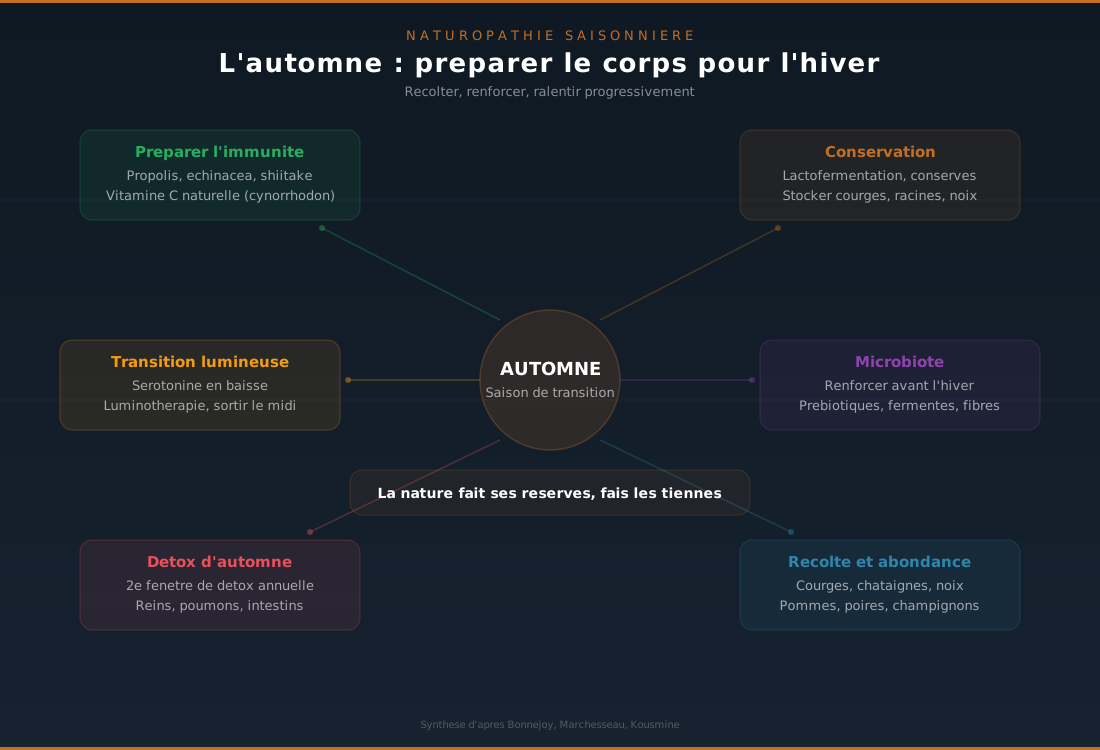
Propolis is one of the first tools I implement in consultation from September onward. This resin that bees harvest from tree buds contains more than three hundred active compounds: flavonoids, phenolic acids, terpenes. Its antibacterial, antiviral and immunomodulatory properties make it a remarkable shield for the upper respiratory tract. A course of four to six weeks in autumn, in the form of mother tincture or standardized extract, lays the immune foundations for winter.
Echinacea (Echinacea purpurea) comes to complement this work. Its polysaccharides stimulate phagocytosis, that is, the ability of white blood cells to “eat” pathogens. But be careful: echinacea should not be taken continuously. Three-week courses, separated by a week of pause, are more effective than uninterrupted use, which eventually dulls the immune response.
Medicinal mushrooms are the great allies of this season. Shiitake, maitake and reishi contain beta-glucans, complex polysaccharides that bind to immune cell receptors and stimulate their activity. Shiitake is the most accessible: fresh or dried, it cooks easily in autumn soups and stir-fries. Lentinan, its main beta-glucan, increases interferon gamma production and strengthens NK cell activity. Maitake stimulates macrophages and dendritic cells. Reishi works by modulating inflammation while supporting adaptive immunity. These mushrooms, which traditional Chinese medicine has used for millennia, fit perfectly into an autumn pumpkin soup or a cep risotto.
Natural vitamin C is another pillar. Not synthetic isolated ascorbic acid sold in pharmacies, but vitamin C in its complete matrix of bioflavonoids and cofactors. Rosehip (wild rose berry) is the most concentrated source in our regions: up to twenty times more vitamin C than an orange. Acerola, kiwi and blackcurrant complete the intake. Start in September, not in December when you’re already ill.
Vitamin D deserves special attention. From October onward, the angle of the sun in France no longer allows sufficient cutaneous synthesis of vitamin D3. Yet this hormone (for it’s truly a hormone, not a mere vitamin) is essential for the activation of T lymphocytes and the production of cathelicidins, those antimicrobial peptides that line respiratory mucous membranes. A supplementation of 2,000 to 4,000 IU per day, ideally guided by a blood test of 25(OH)D, becomes nearly essential between October and March at our latitudes.
Zinc plays a central role in immunity that I’ve detailed in a dedicated article. This mineral is a cofactor for more than three hundred enzymes, and its deficiency is one of the most common causes of repeated infections. Brazil nuts, meanwhile, offer the best dietary source of selenium, another key trace element for antioxidant and immune defense. Two to three Brazil nuts per day are enough to cover your selenium needs, making it the simplest and cheapest “dietary supplement” in the world.
Preservation and fermentation: the wisdom of the ancients
Our ancestors didn’t throw away the vegetables of September. They transformed them. Lactofermentation is arguably the most intelligent preservation technique ever invented by humanity. No need for energy, no need for heat, no need for additives. Just salt, water, time and the silent work of lactic acid bacteria.
The principle is disarmingly simple. You cut cabbage into strips, pack it in a jar with salt (about 2% of total weight), cover with water and let it work. Within days, Lactobacillus naturally present on the leaves begin to ferment the cabbage’s sugars into lactic acid. This acidic environment prevents pathogenic bacteria from developing while multiplying beneficial bacteria. After one to two weeks, you get homemade sauerkraut, alive, teeming with probiotics, rich in vitamin C (sailors used it against scurvy), and which keeps for months without refrigeration.
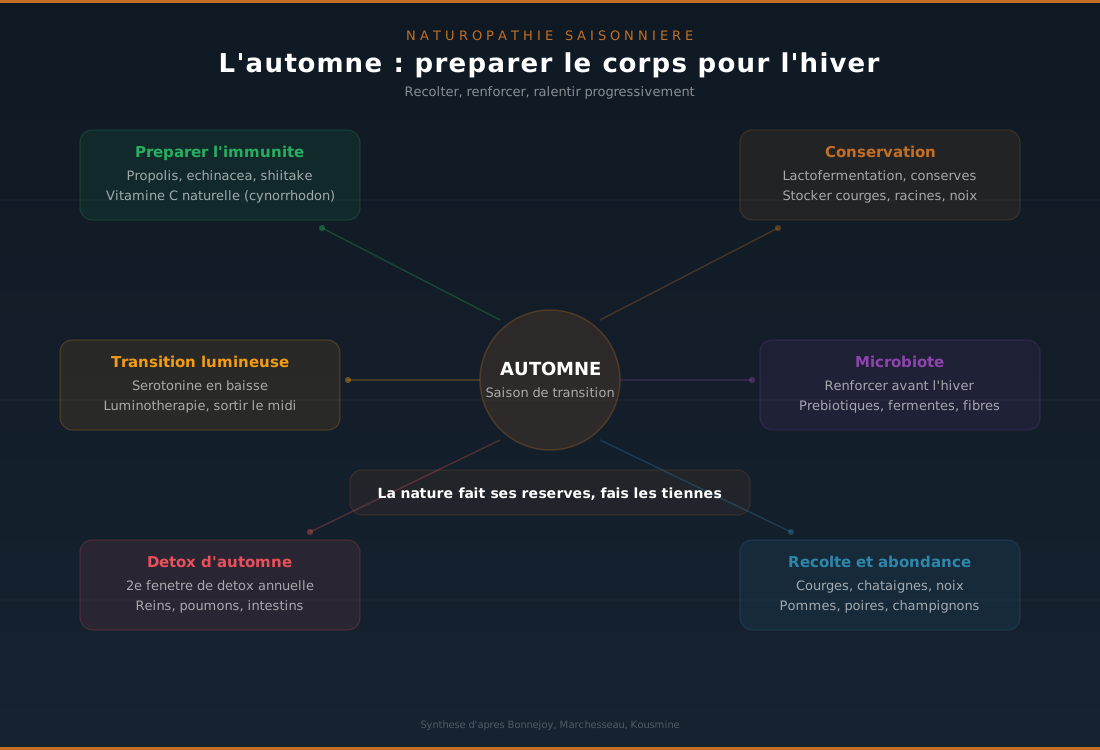
Korean kimchi, old-fashioned pickles, carrot pickles, fermented beets, fruit kefir are so many variations on this same theme. And each of these fermented foods brings to your gut microbiota a diversity of bacterial strains you won’t find in any capsule probiotic supplement. For fermentation doesn’t just produce living bacteria. It generates postbiotics: organic acids, enzymes, B and K vitamins, antimicrobial peptides. These metabolites are as important as the bacteria themselves.
Beyond fermentation, autumn is the time for preserves. Drying mushrooms in a dehydrator or oven at low temperature to have them all winter. Storing whole squashes in a cool, dry place; they keep for several months. Making tomato coulis for months when there won’t be any. Freezing aromatic herbs in olive oil. This ancestral know-how, which two generations of supermarkets made us forget, is an act of food sovereignty as much as a health gesture. When you eat in January a vegetable you lactofermented in September, you’re nourishing your body with an intelligence that the food industry will never be able to reproduce.
The light transition: serotonin in free fall
On September 22, the autumn equinox marks the turning point. Nights become longer than days. In October, France loses about three minutes of light per day. In November, it’s worse. And this fall in luminosity is not just an aesthetic inconvenience. It’s a biochemical earthquake.
Serotonin, that neurotransmitter I’ve detailed in a dedicated article, depends directly on light. Ganglion cells in the retina capture light intensity and transmit the information to the suprachiasmatic nucleus of the hypothalamus, the orchestral conductor of our circadian rhythms. When light is sufficient (above 2,500 lux), serotonin production is stimulated. When it drops, serotonin collapses, and with it, mood, motivation, appetite regulation and pain tolerance.
This explains the irresistible cravings for sugar in autumn. Sugar briefly stimulates serotonin production via a spike in insulin that facilitates the passage of tryptophan (the precursor to serotonin) across the blood-brain barrier. The body instinctively seeks to compensate for the serotonin drop by the fastest means at its disposal. But it’s a trap: the spike is followed by a glycemic collapse that worsens fatigue and low mood. You enter a vicious cycle.
Light therapy is the most direct answer to this problem. A 10,000-lux lamp, used for thirty minutes in the morning upon waking, reproduces the light intensity of a summer morning and restarts serotonin production. Studies show efficacy comparable to antidepressants in seasonal affective disorder, without the side effects. It’s one of the rare therapeutic tools whose benefit-risk ratio is so favorable.
If you don’t have a lamp, the minimal strategy is to go for a walk for at least twenty minutes between 11am and 2pm, even on overcast days. Outdoor light, even if cloudy, reaches 5,000 to 20,000 lux, ten to forty times the interior lighting of an office. This simple, free gesture can transform your autumn.
Food also plays its role. Foods rich in tryptophan (bananas, dark chocolate above 70%, nuts, pumpkin seeds, turkey, eggs) provide the raw material. But tryptophan needs cofactors to transform into serotonin: vitamin B6, magnesium, iron and zinc. Without them, the conversion chain stops. This is why a zinc or magnesium deficiency often manifests as autumn depression that we wrongly attribute to the simple seasonal change. Serotonin is also the precursor to melatonin, the sleep hormone. Less serotonin during the day means less melatonin in the evening, which disrupts sleep onset and deep sleep quality. The circle is complete: less light, less serotonin, less melatonin, less restorative sleep, more fatigue, more sugar cravings, more immune vulnerability.
The second detox of the year
Spring and autumn are the two detoxification windows of the year in naturopathy. I’ve detailed spring detox in a complete article, with Marchesseau’s three cures and classic hepatic plants. Autumn detox follows the same logic but targets different organs and has a gentler intensity.
In spring, we primarily target the liver, overloaded by winter excesses. In autumn, the main detoxifying organs are the kidneys, the lungs and the intestines. The logic is simple: kidneys must be efficient to manage metabolic waste accumulated during summer (grilled meats, alcohol, holiday overeating). Lungs must be strengthened before winter respiratory viruses arrive. Intestines must be cleansed and reseeded so the microbiota is at maximum immune capacity.
For the kidneys, birch (Betula pendula) is the queen plant of autumn. Its sap, harvested in spring, keeps in vials and offers gentle, profound kidney drainage. Heather (Calluna vulgaris) and goldenrod (Solidago virgaurea) complement this work by stimulating diuresis and soothing urinary mucous membranes. One and a half to two liters of low-mineral water per day must imperatively accompany this drainage. Without water, there’s no elimination.
For the lungs, thyme (Thymus vulgaris) is the essential ally. Its thymol is at once antiseptic, expectorant and antispasmodic for the bronchi. Ravintsara eucalyptus (Eucalyptus radiata), by inhalation or diffusion, prepares the upper respiratory tract for winter assaults. Scots pine (Pinus sylvestris), in buds (gemmotherapy) or essential oil, tones respiratory mucous membranes. These plants don’t treat an ongoing infection; they strengthen local defenses before infection occurs.
For the intestines, blonde psyllium (Plantago ovata) offers gentle mechanical cleansing by absorbing toxins fixed on the intestinal mucosa. Aloe vera, in drinkable gel form, soothes mucosal inflammation and promotes intestinal epithelium regeneration. Chlorophyll, present in all dark green autumn vegetables, is an “internal deodorant” that neutralizes toxins and promotes cellular oxygenation.
This autumn detox is intentionally gentler than the spring one, because the body is preparing for winter rest, not a major cleanup. As I explain in the foundations of naturopathy, the concept of terrain and the capacity of elimination organs determine the intensity of any cure. Forcing a detox on a tired organism is like opening the gates of a dam whose downstream channel is clogged. You drain gently, you support elimination organs, you accompany the body in its seasonal transition without jarring it.
The microbiota: strengthen before the winter storm
Your intestines harbor approximately thirty-eight trillion bacteria, as many as the total number of cells in your body. This ecosystem, the gut microbiota, represents 70% of your immune system all by itself. Peyer’s patches, those clusters of lymphoid tissue scattered along the intestinal mucosa, are the barracks where lymphocytes form and train. The GALT (gut-associated lymphoid tissue) is the largest immune organ in your body. This isn’t a metaphor. It’s anatomy.
When the microbiota is diverse and balanced, it produces short-chain fatty acids (butyrate, propionate, acetate) that nourish intestinal mucosa cells, maintain the tightness of the epithelial barrier and modulate inflammation. Butyrate, in particular, is the preferred energy source of colonocytes (colon cells). Without it, the mucosa thins out, tight junctions relax, and intestinal permeability increases. This opens the door to infections, food intolerances and systemic inflammation.
Autumn is the strategic time to feed this microbiota. Prebiotics are food for good bacteria. Chicory and topinambur are champions of inulin, a fructo-oligosaccharide that stimulates the growth of Bifidobacterium. Garlic and onion, omnipresent in autumn cooking, contain fructans that feed Lactobacillus. The leek, this underestimated vegetable that appears in force on the stalls from October onward, is an excellent source of prebiotic fiber.
Probiotics are living bacteria themselves. And the best source of probiotics isn’t the capsules sold in pharmacies; it’s the fermented foods our ancestors consumed daily. Raw sauerkraut, kimchi, kefir, kombucha, miso, old-fashioned vegetable pickles bring a diversity of living strains that supplement manufacturers can’t reproduce. Add one to two tablespoons of fermented foods to each meal and your microbiota will thank you in February.
Autumn fiber is a third lever. Squashes, cabbages, legumes (lentils, chickpeas, dried beans) provide soluble and insoluble fiber that slows sugar absorption, feeds the microbiota and accelerates intestinal transit. An adult needs 25 to 30 grams of fiber per day. Most French people consume only 15 to 18 grams. Closing this gap in autumn is investing in solid immunity for winter.
The intestine-immunity axis is a documented physiological reality supported by hundreds of studies. An impoverished microbiota (dysbiosis) is associated with increased winter respiratory infections, diminished vaccine response, low-grade systemic inflammation and heightened allergy sensitivity. Conversely, a rich and diverse microbiota produces anti-inflammatory signals that keep the immune system in a state of active alertness, ready to respond quickly to a threat without tipping into inflammatory overdrive. It’s the subtle balance between tolerance and defense that naturopathy has cultivated forever under the name “terrain.”
The autumn fruits and vegetables calendar
Bonnejoy established a month-by-month calendar that remains absolutely relevant. Respecting it means aligning yourself with nature’s rhythm and providing your organism with exactly what it needs at each step of the autumn transition.
September is the month of maximum abundance. Squashes begin to ripen (butternut, red kuri, patty pan), wild and cultivated mushrooms flood the markets, fresh figs offer their sweet flesh full of calcium and potassium, grapes deliver their polyphenols and resveratrol, fresh walnuts and hazelnuts bring unsaturated fatty acids and vitamin E. It’s also the last month for field tomatoes, green beans, peppers and the last peaches. Take advantage of it, because from October onward, this diversity shrinks considerably.
October marks the turn toward storage foods. Apples reach full maturity (reinette, boskoop, belle de boskoop), autumn pears (conference, williams, comice pear) are at their best, chestnuts fall from trees and offer an exceptional quality slow carbohydrate, quinces perfume kitchens as you transform them into jelly or paste, olives arrive from the south to be pressed or brined. This is the month to build reserves: store apples in the cellar, prepare coulis preserves, start your first lactofermentations.
November announces winter. Cabbages dominate the stalls (green cabbage, red cabbage, Brussels sprouts, kale), turnips, beets and potatoes become the foundations of daily eating, and the first citrus fruits from the Mediterranean basin arrive: oranges, mandarins, grapefruits, loaded with vitamin C at the exact moment the organism needs it most to support its immune defenses. It’s also the month for parsnips, rutabagas, celeriac, those forgotten root vegetables that concentrate minerals harvested from deep in the soil.
Each month of autumn has its nutritional logic. September rebuilds reserves in antioxidants and fatty acids. October builds stocks of slow carbohydrates and fiber. November brings vitamin C and minerals from root vegetables. Following this calendar isn’t nostalgia. It’s applied biochemistry.
And after autumn?
The approaching winter will be a time of rest and caloric restriction. Dr. Bonnejoy describes it as “the death of nature,” a necessary cycle where the earth rests, vegetation enters dormancy, animals slow down. This isn’t a sad image. It’s a fundamental principle of naturopathy: there is no growth without rest, no regeneration without withdrawal.
“Winter is the death of nature, a necessary cycle.” Dr. Bonnejoy
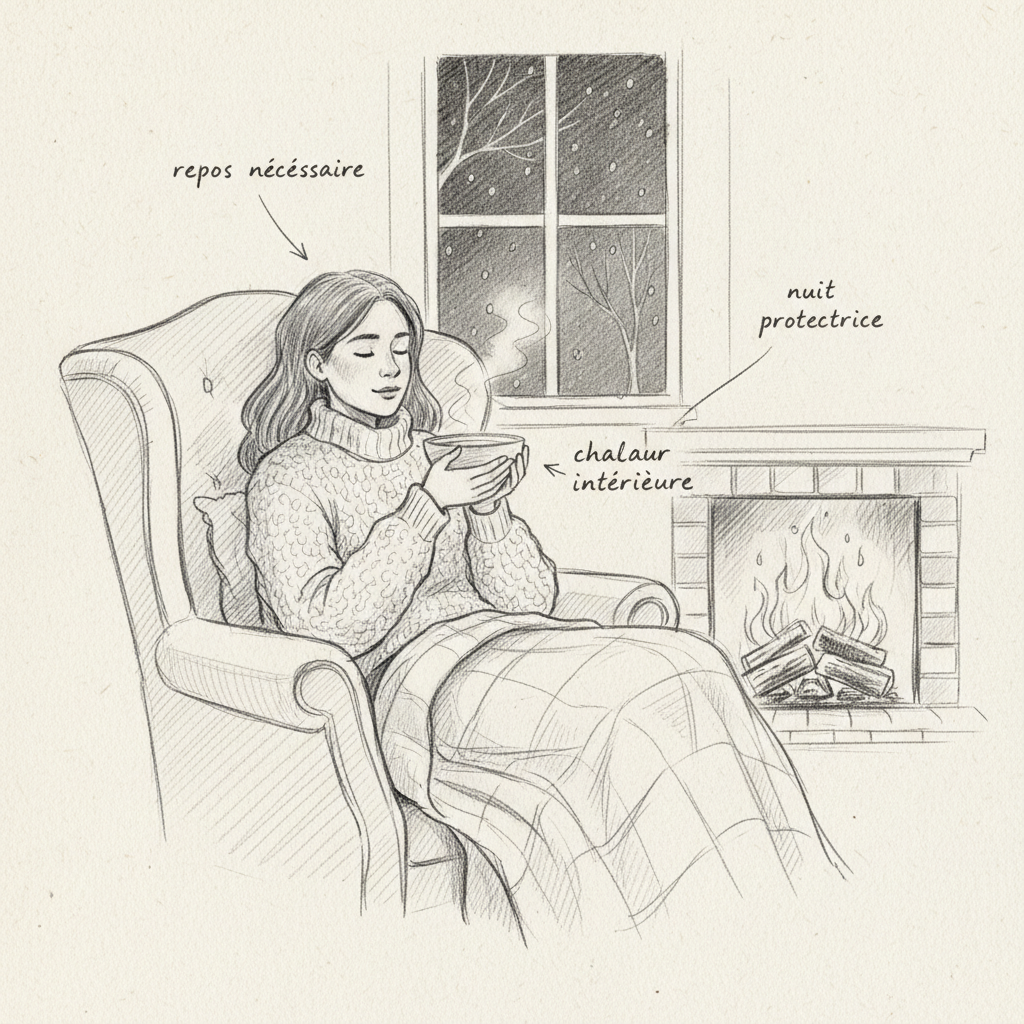
If you’ve prepared your autumn well, if you’ve strengthened your microbiota with fermented foods, built your reserves of vitamin D and zinc, drained your elimination organs gently, fed your serotonin despite falling light and stockpiled the treasures of the harvest, then winter won’t be a trial. It will be a time for recovery, readings by the fireside, steaming soups made with the vegetables you lactofermented in September. Discover how naturopathy accompanies you in winter to extend this seasonal logic.
And in spring, when the sap rises in the trees and the first buds burst open, your body will be ready for a new cycle. The spring detox will then take on its full meaning, because it will be part of a continuity, not an isolated gesture. Naturopathy isn’t a collection of isolated recipes. It’s an art of living in harmony with the rhythms of life, season after season, year after year. And autumn, with its golden light and generous abundance, is perhaps the most beautiful season to begin.
To go further
- Winter naturopathy: rest, restriction and natural immunity
- DHEA: the forgotten hormone of your vitality and immunity
- Summer naturopathy: sun, vitality and fruity abundance
- Spring naturopathy: the renewal that awakens your body
Healthy recipe: Lentil-turmeric soup: The autumn soup that boosts immunity.

Laisser un commentaire
Sois le premier à commenter cet article.