It is six o’clock in the morning, a day in January. The alarm goes off. Outside, it is still pitch black. The thermometer reads three degrees. You turn over in your sheets, pull the blanket up to your chin, and your entire being whispers the same thing to you: stay. Stay warm. Stay in the dark. Stay at rest. You resist for a few minutes, then guilt catches up with you. You get up, turn on the lights, swallow a hot coffee and throw yourself into the day as if it were a June morning. But it is not a June morning. It is a winter morning. And your body knows this better than you do.
What modern life interprets as laziness, naturopathy calls biological wisdom. The desire to sleep longer, to eat less, to slow down the pace, to retreat inward: these are not weaknesses. They are ancestral signals perfectly calibrated by millions of years of evolution. Winter is not a season to fight against. It is a season to inhabit. And the great hygienists understood this long before modern science came to prove them right.
Winter according to Bonnejoy: the death of nature
Dr. Bonnejoy, a nineteenth-century hygienist, left behind writings of remarkable clarity on how Man should traverse the cold season. His vision is radical, almost shocking to contemporary sensibilities, but it carries a truth that our ancestors lived without even needing to articulate it.
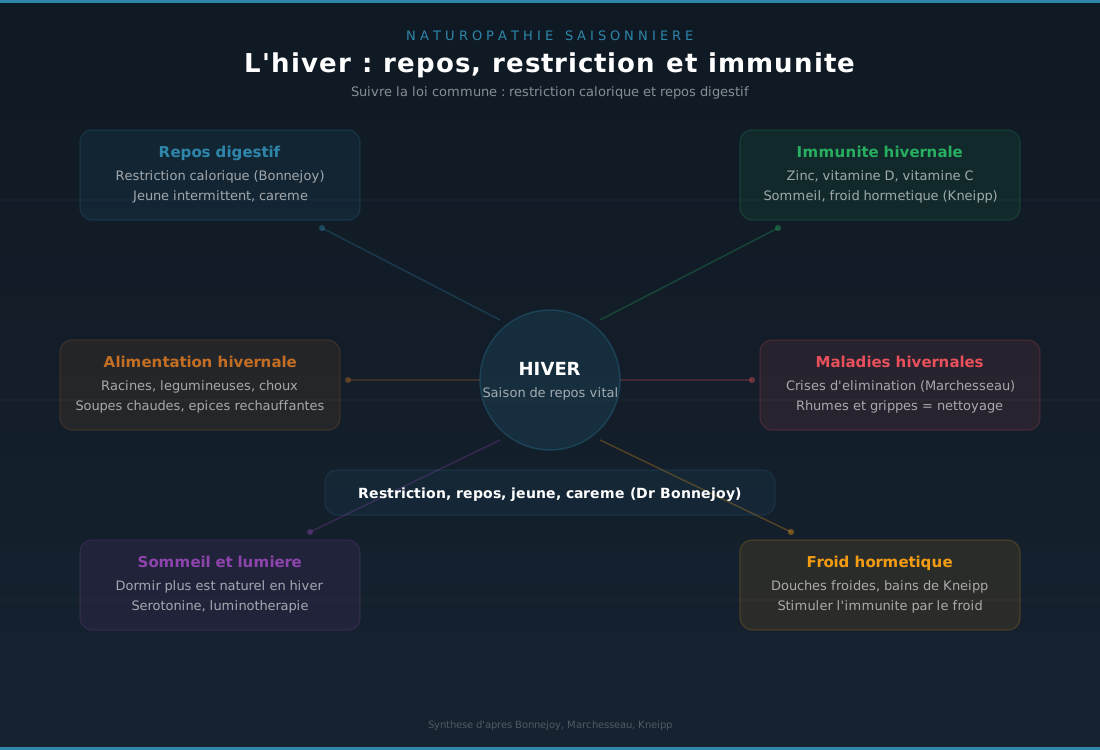
“In our latitudes, the knowledgeable hygienist must embrace this period called the ‘death of nature’. Man must then adapt, survive and follow likewise the law common to all beings traversing this cycle too: that of caloric restriction, digestive rest, fasting, Lent leading to a purification of humoral states.”
The death of nature. The words are strong. But look around you in January. The trees are bare. The fields are empty. Animals hibernate or drastically slow their metabolism. The sap descends into the roots. The earth itself seems to hold its breath, as if waiting for something. And Bonnejoy tells us: Man must do the same. Caloric restriction. Digestive rest. Fasting. Lent. Purification. Not through mortification, not through religious asceticism, but through obedience to the laws of the living.
Our ancestors did not choose to eat less in winter. They simply had no choice. The autumn reserves were running out, the markets were empty, and the next harvest would not come until spring. The human body adapted to this reality for millennia. It learned to slow down, to store, to economize, to draw from its own reserves to cleanse itself from within. And when spring came, when the first shoots pierced the frozen earth, the body was ready. Purified. Lightened. Ready for renewal.
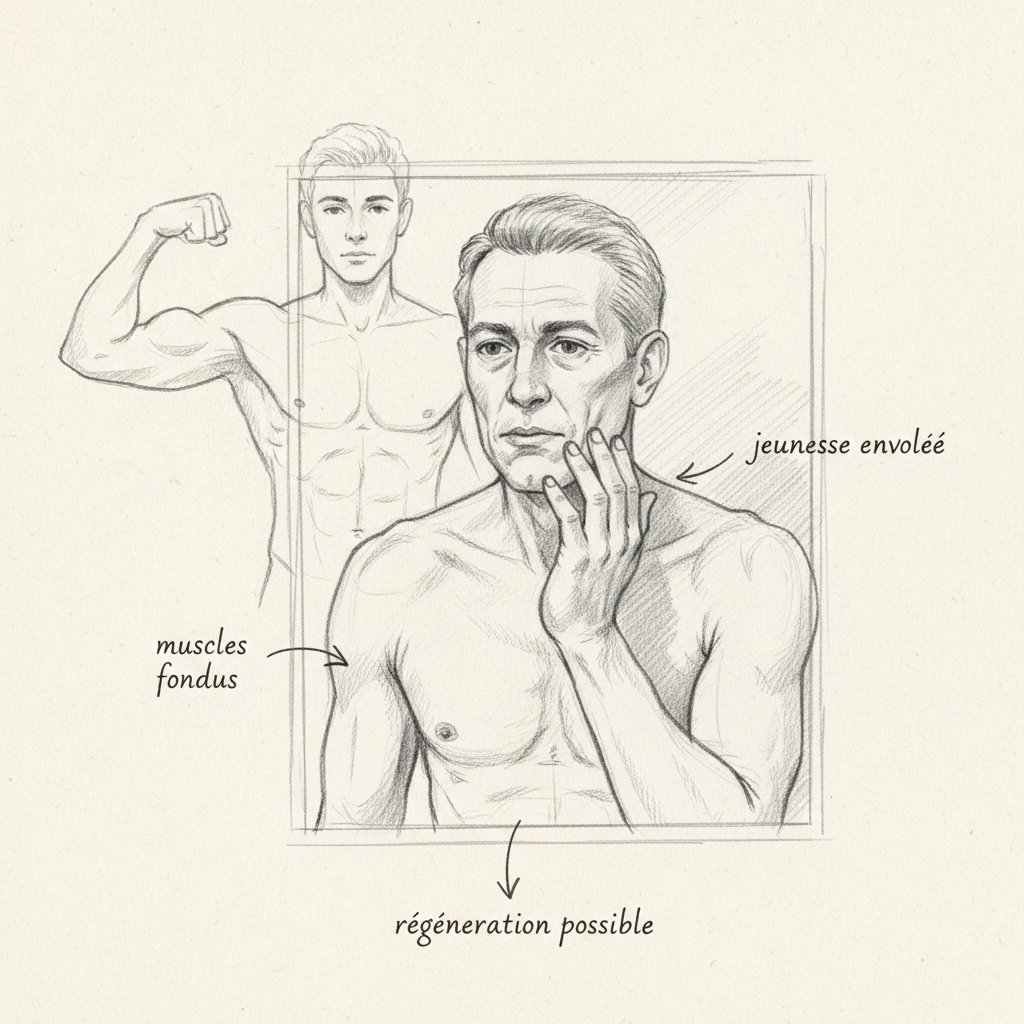
Modernity has broken this cycle. We eat as much in January as in July. We live in overheated apartments. We illuminate ourselves artificially sixteen hours a day. We run from one appointment to another without ever slowing down. And we are astonished to find ourselves tired, running a cold, depressed as soon as the days shorten. We have forgotten that winter is not an obstacle. It is a physiological necessity. A time of fallow for the human body, exactly as fallow is a time of rest for the earth.
Paul Carton, that physician-philosopher who so marked French naturopathy in the early twentieth century, took this idea of voluntary stripping even further.
“Renunciation is the source of true health. Whoever does not know how to deprive himself will never know how to heal.”
This renunciation that Carton speaks of is not a punishment. It is a liberation. To temporarily deprive yourself of abundant food, of permanent stimulation, of artificial light: this is to give your organism the space it needs to do its foundational work. It is exactly what Bonnejoy described in terms of purification of humoral states. The foundations of naturopathy rest on this understanding of humoral terrain: when the humors are clogged, the body cannot function correctly. And winter, with its natural restriction, is the ideal time for this great internal cleansing.
Winter illnesses: crises of elimination, not enemies
Every year, it is the same story. As soon as November arrives, pharmacies fill up, boxes of paracetamol pile up on counters, and the fear of colds, flu, gastroenteritis settles into minds like an inevitable fatality. People talk of epidemics, viruses, contagion. They wash their hands frantically. They get vaccinated. They suppress every symptom as soon as it appears. But has anyone even taken the time to ask why the body falls ill in winter?
Pierre-Valentin Marchesseau, father of French naturopathy, had a radically different reading of these winter illnesses. For him, a cold is not an enemy. Flu is not an aggression. Fever is not a malfunction. These are crises of elimination. The body, confronted with the accumulation of toxins and metabolic wastes it could not eliminate during the preceding months, takes advantage of the winter slowdown to launch a major cleansing. And it carries out this cleansing with the tools at its disposal: fever to burn toxins, mucus to expel them through the respiratory tract, perspiration to expel them through the skin, diarrhea to chase them out through the intestines.
Each emunctory is called into service. The lungs produce mucus, the skin perspires, the kidneys filter more, the liver accelerates its detoxification work. This is exactly what Marchesseau called directed autolysis: the intelligent body organizing its own purification. And what does conventional medicine do in the face of this process? It blocks it. The fever-reducing drug brings down the fever. The decongestant dries up the mucus. The antidiarrheal stops intestinal elimination. You suppress the symptom, but you prevent the body from cleansing itself. And the toxins, unable to exit, accumulate further. Until the next crisis, more violent yet.
The naturopath does not suppress symptoms. He accompanies them. When a client arrives with a fever, we do not seek to bring it down immediately. We make sure it does not exceed a dangerous threshold, of course. But below 39 degrees, fever is your ally. It accelerates white blood cell production, activates immune enzymes, creates an environment hostile to pathogens. Hippocrates himself said: give me the fever and I will cure all diseases. Two thousand years later, naturopathy remains faithful to this wisdom.
The terrain, always the terrain. An organism whose humors are clean, whose emunctories function correctly, whose vital force is sufficient: it does not fall ill in winter. Or very rarely. It is the quality of the terrain that determines resistance to infection, not the power of the virus. Marchesseau repeated this ceaselessly. This is why the naturopath’s work begins long before winter: through an autumn detoxification cure that prepares the body to traverse the cold season with humors as clean as possible.
Winter immunity: zinc, vitamin D and sleep
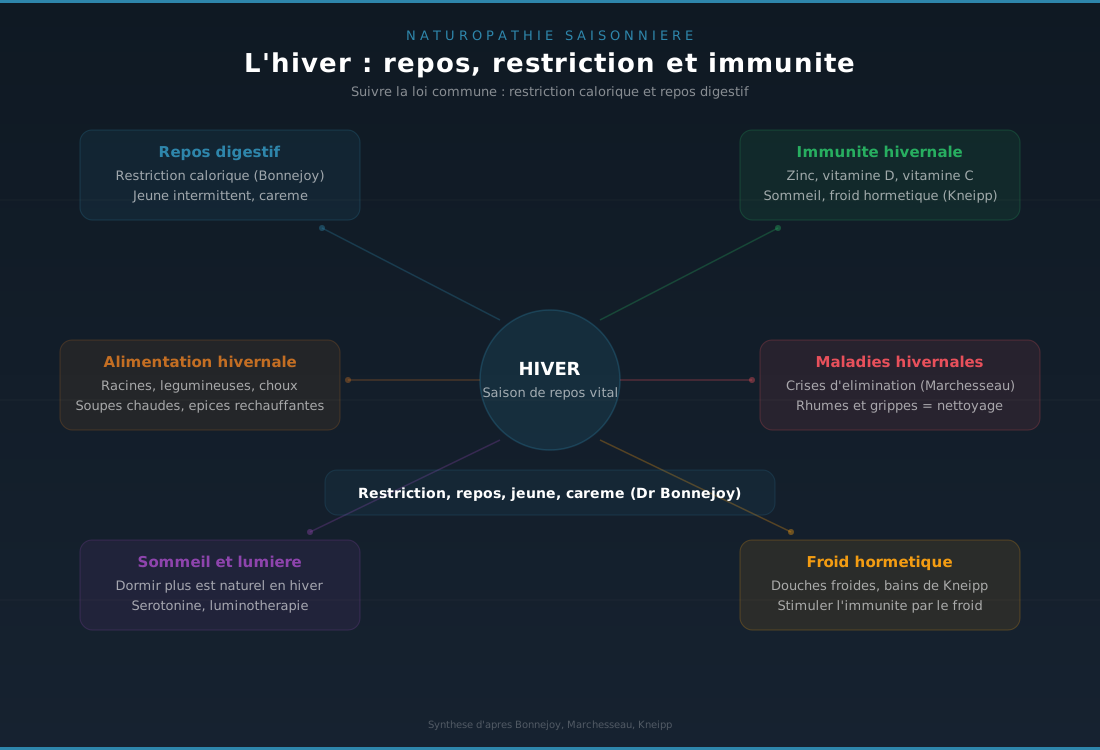
If terrain is the key to resistance to winter illness, we still need to know concretely how to maintain it. Three pillars stand out unmistakably in naturopathic literature and modern scientific research: zinc, vitamin D and sleep.
Zinc is the mineral of immunity. Without it, your T lymphocytes do not mature correctly in the thymus, your NK cells (natural killer) lose their ability to destroy infected cells, and the mucous barrier of your respiratory tract thins, leaving the door open to pathogens. Yet zinc deficiency is endemic in our Western populations. Between 30 and 40 percent of adults do not reach recommended intakes. In winter, when immune demand increases, this deficiency becomes critical. Oysters, pumpkin seeds, lentils, veal liver and wheat germ are your best allies. Fifteen milligrams per day is sufficient to maintain functional immunity, but most people consume less than half of that.
Vitamin D is the other great absence of winter. In our latitudes, from November to March, the angle of incidence of solar rays is too low to allow skin synthesis of vitamin D. Even if you spend an hour outdoors in full January sunshine, your skin will produce almost nothing. Yet this vitamin (which is actually a hormone) is essential to the activation of T lymphocytes, to the production of antimicrobial peptides in mucous membranes, and to modulation of the inflammatory response. Without it, your immune system functions at half capacity. Winter supplementation with vitamin D3, at a dose of one thousand to two thousand international units per day, is one of the rare recommendations on which naturopaths and doctors unanimously agree.
Sleep, finally, is the third pillar. And perhaps the most neglected. During deep sleep, your body massively produces cytokines, these signaling molecules that coordinate the immune response. Studies show that a single night of insufficient sleep (less than six hours) reduces NK cell activity by 70 percent. Seventy percent. In a single night. Imagine the cumulative effect of weeks of sleep debt. Winter, with its long nights, naturally gives you the opportunity to sleep more. Eight to nine hours is not a luxury in this season. It is a biological necessity.
Beyond these three pillars, hormetic cold constitutes a powerful tool for immune stimulation. Hydrotherapy according to Kneipp uses gradual cool showers, alternating hot-cold foot baths and localized affusions to train the vascular system and activate natural defenses. The principle is simple: brief, controlled exposure to cold causes positive stress (hormesis) that forces the organism to mobilize its adaptive resources. White blood cells increase, lymphatic circulation accelerates, thermogenesis activates. Kneipp did not know these biochemical mechanisms, but he observed their effects in his patients from the forests of Bavaria. Start by ending your shower with thirty seconds of cool water on your legs, then gradually work your way up. Within a few weeks, your body will adapt and you will find you fall ill less often.
Winter phytotherapy completes this approach. Propolis, this resin harvested by bees from tree buds, is a powerful natural antimicrobial. Echinacea stimulates phagocytosis, the ability of your white blood cells to “eat” pathogens. Thyme, in infusion or essential oil, disinfects the respiratory tract while liquefying mucus. These plants do not replace healthy terrain, but they support it when the infectious load is high.
Winter eating: roots, cabbage and hot soups
Bonnejoy did not merely theorize about caloric restriction. He detailed with remarkable precision the foods available and desirable for each month of the year. His dietary calendar for January is a fascinating document that reconnects us to a reality supermarkets have made us forget: in winter, you do not eat tomatoes, strawberries or zucchini. You eat what the earth produces in winter.
“All varieties of cabbage, beets, carrots, celery, parsnips, salsify, turnips and leeks, onions, dried peas and dried beans, lentils, cultivated mushrooms. Stored potatoes.”
There is the pantry of January. Roots, tubers, storage vegetables. Dense, concentrated foods, saturated with minerals drawn from deep soil. Cabbage, king of winter, contains more vitamin C than an orange. Parsnip, this forgotten vegetable, is a mine of potassium and folates. The full-earth carrot, the one that grew slowly in living soil, concentrates carotenoids that its greenhouse counterpart will never know. And lentils, these humble little seeds, provide iron, zinc, plant proteins and prebiotic fibers that nourish your intestinal microbiota.
In February, Bonnejoy notes the appearance of the first wild leafy greens: corn salad, dandelion (which he calls dent-de-lion), tender nettle tops. These wild plants, the first to break through still-cold earth, are charged with extraordinary vitality. The nettle, in particular, is one of the plants richest in iron, silica and chlorophyll that nature offers us. Our great-grandparents would harvest it as soon as it poked its head up and make soups from it that remineralized them after the winter months.
As for fruits, winter offers apples and pears for storage, chestnuts (true natural starch rich in complex carbohydrates), walnuts, hazelnuts and almonds (sources of quality lipids and magnesium), dates and dried figs (concentrates of energy), and citrus fruits from the south (oranges, grapefruits, lemons) that provide the vitamin C your body so needs in this season.
Warming spices occupy a central place in winter eating. Ginger stimulates digestion and peripheral circulation, bringing warmth to the extremities. Turmeric, a powerful anti-inflammatory, supports the liver in its detoxification work. Cinnamon regulates blood sugar and warms the body from within. Clove, a natural antiseptic, protects the oral and digestive mucous membranes. These spices are not culinary accessories. They are therapeutic tools that traditional medicines have used for millennia.
And then there is soup. Hot soup, simmered slowly, is perhaps the food most suited to winter. Slow cooking in water extracts minerals from vegetables and makes them highly bioavailable. Hot broth warms the body, hydrates mucous membranes, facilitates digestion and provides essential electrolytes. Our grandmothers who served leek-and-potato soup every winter evening were not following a fashion. They obeyed a millennia-old nutritional wisdom. Gentle cooking is all the more important in winter because the body needs all the enzymatic and vitamin richness of foods to maintain its defenses.
Rest: sleeping more in winter is natural
When the days shorten and night falls at five o’clock, your body receives an unambiguous signal: it is time to slow down. The pineal gland, that small structure at the center of your brain, detects the drop in light through ganglion cells in your retina and begins to produce melatonin much earlier in the evening than in summer. This melatonin is not simply “the sleep hormone”. It is a powerful antioxidant, an immune modulator, and a regulator of all your biological rhythms.
In winter, melatonin production is prolonged. Fourteen-hour nights generate a much wider secretion window than eight-hour nights in summer. Your body asks you to sleep eight to nine hours in winter. This is perfectly physiological. It is even necessary. During this extended sleep, growth hormone repairs your tissues, cytokines coordinate your immune response, the glymphatic system cleans metabolic wastes from your brain, and memory consolidates the day’s learning.
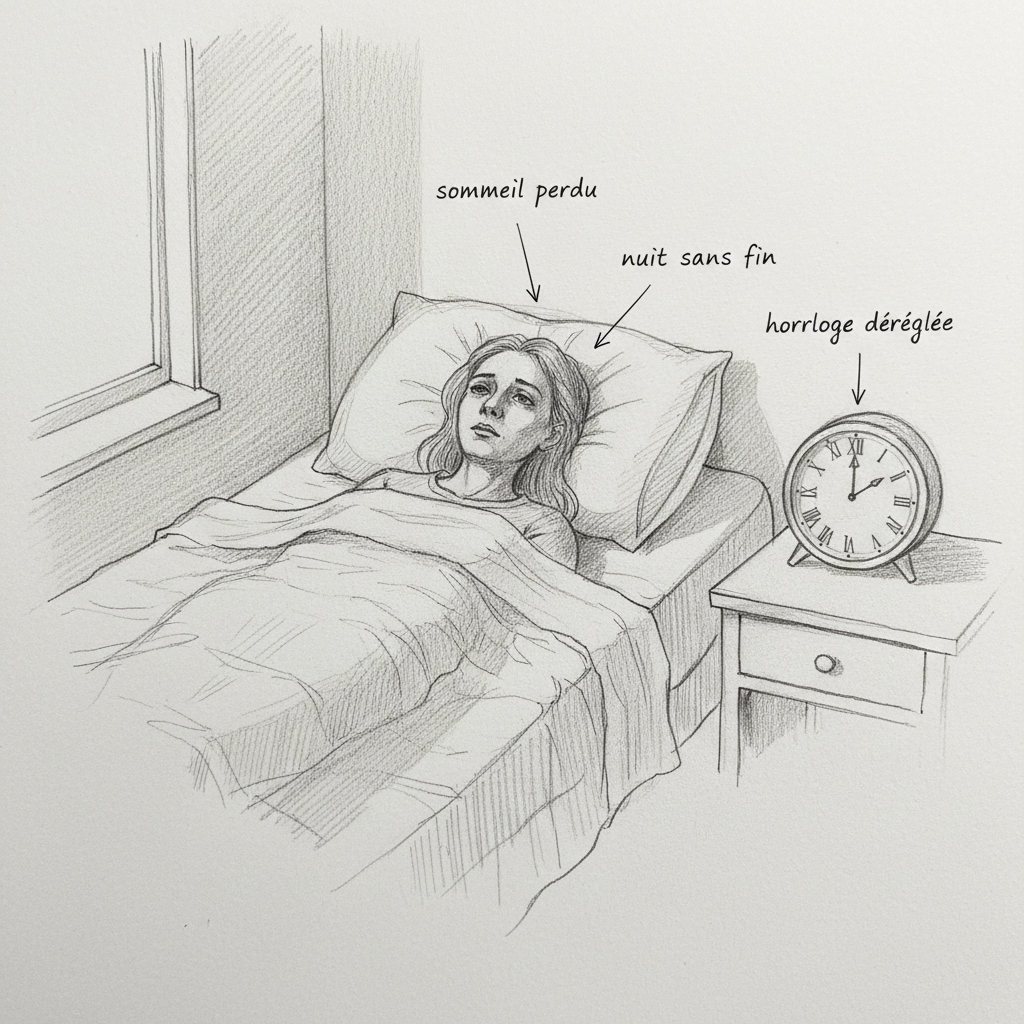
Yet how many of us respect this need? Artificial light, screens, social and professional obligations keep us awake far beyond what our biology demands. We sleep an average of seven hours in winter, one to two hours less than what the body asks for. This chronic sleep debt is not insignificant. It weakens immunity, promotes low-grade inflammation, disrupts appetite regulation (which pushes us to eat more, exactly the opposite of what Bonnejoy recommended), and degrades mental health.
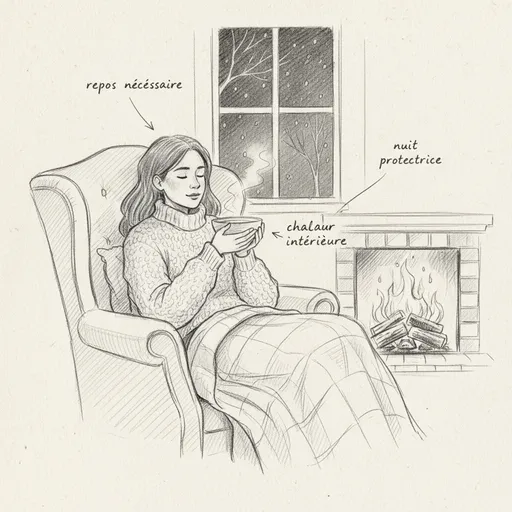
To regain quality winter sleep, the evening ritual is fundamental. Dim the lights as soon as night falls. Turn off screens at least one hour before bed. Prepare an infusion of linden, chamomile or passionflower. Let your body naturally descend toward sleep, without forcing, without feeling guilty about going to bed at nine o’clock. In winter, that is the natural time. To deepen this essential question, consult my complete article on sleep. Room temperature, total darkness, regular sleep schedules are all conditions your body has demanded for millennia in order to recover properly.
Serotonin and light: seasonal depression
If you feel sadder in winter, more irritable, less motivated, if you crave sugar and carbohydrates as soon as the sky clouds over, know that you are not weak. You are biological. Seasonal affective disorder (SAD) affects between 5 and 10 percent of the population in our latitudes, and a milder form, “winter blues,” affects up to 25 percent of people.
The mechanism is clear. Daylight stimulates the production of serotonin, the neurotransmitter of serenity, satiation and emotional stability. In winter, light intensity drops drastically. On a December day in Paris, illumination rarely exceeds 2,000 lux, whereas a summer day reaches 100,000. Your brain receives five to fifty times less light. And serotonin, whose synthesis is directly dependent on retinal light exposure, drops in proportion.
Less serotonin means more sugar cravings (sugar briefly stimulates serotonin, hence the chocolate rages in November), more mental rumination, less motivation, paradoxically disrupted sleep despite fatigue, and a general mood that darkens with the days. It is not in your head. It is in your biochemistry.
Light therapy is the most effective tool against seasonal depression. A 10,000-lux lamp, used for 30 minutes each morning between September and March, compensates for the light deficit and relaunches serotonin synthesis. The ideal is to use it immediately upon waking, during breakfast, between 7 and 9 o’clock in the morning. Results are often spectacular within the first week.
But light therapy is not always sufficient. You must also give your body the precursors of serotonin. Tryptophan, an essential amino acid, is the basic building block from which your brain makes serotonin. It is found in bananas, dark chocolate (minimum 70 percent cacao), walnuts, turkey, pumpkin seeds and rolled oats. Zinc, magnesium, iron and vitamins B6 and B9 are the essential cofactors for this conversion. Without them, all the tryptophan in the world will not produce a milligram of serotonin.
And above all, get outside. Even in grey weather, even in the rain, even when everything in you pushes you to stay on the couch. Natural light, even veiled by clouds, remains infinitely more powerful than any interior lighting. A thirty-minute walk in full winter daylight brings between 3,000 and 10,000 lux to your retina. This is enough to restart serotonin production, stimulate vitamin D (even modestly), activate blood circulation and oxygenate a brain that desperately needs it.
Lent: traditional fasting as a purification tool
It is fascinating to observe that almost all spiritual traditions around the world have placed a period of fasting or dietary restriction at the end of winter. Christian Lent (from late February to early April), Ramadan (which sometimes falls in winter according to the lunar calendar), Hindu Navratri, Buddhist Vassa. This is not by chance. Before being spiritual practices, these periods of restriction were physiological necessities that popular wisdom had codified into sacred rituals.
Bonnejoy explicitly makes the connection between caloric restriction, fasting and Lent in his description of winter. For him, this period of deprivation is not a penance. It is a process of biological purification. After months of metabolic slowdown, heavier eating (meats, starches, preservation fats), the body needs a time of digestive rest to eliminate accumulated surcharges and prepare for spring renewal.
Modern intermittent fasting, with its eight-hour eating window and sixteen hours of digestive rest (the famous 16:8), is nothing more than the contemporary version of this ancestral wisdom. During fasting hours, the body activates autophagy, that cellular cleaning mechanism that recycles damaged proteins, eliminates defective organelles and renews aging cells. Autophagy is particularly active at night and during periods of caloric restriction, making winter the ideal time for this practice.
But be careful. Fasting is not an innocuous act. It is not suitable for everyone, and certainly not at any time. A person who is exhausted, malnourished, in severe hypothyroidism or adrenal insufficiency has nothing to gain from fasting. Fasting is a purification tool for an organism that has the resources for it. This is why Bonnejoy speaks of caloric restriction and digestive rest before speaking of fasting. You start by lightening, by simplifying, by spacing out meals. You eliminate the most clogging foods: refined sugars, pasteurized dairy products, fatty meats, alcohol, coffee. You return to soups, broths, compotes, herbal teas. And if the body is strong enough, if vital force is sufficient, then you can consider a short fast under supervision.
The transition from Lent to spring is a pivotal moment. The body, lightened by weeks of restriction, is like a garden prepared for sowing. The emunctories are decongested, the humors are cleaner, vital force is rising. This is the moment when the first spring cures take on their full meaning: birch sap juice, sap cure, spring detox with hepatic and renal plants. Winter will have prepared the terrain. Spring will be able to sow it.
And after winter?
Winter is not a parenthesis. It is an essential chapter in the great annual cycle of health. Without it, spring loses its meaning. Without winter restriction, spring detox has nothing to detoxify. Without the rest of the cold season, the renewal of the bright season has no foundation on which to rest.
Think of the tree. In winter, it seems dead. Its bare branches stand out against a grey sky, and nothing suggests the outpouring of life awaiting it. But under the bark, in the roots, in the descending sap, immense work takes place unseen. The tree is not sleeping. It is preparing. It concentrates its resources, strengthens its deep structures, accumulates reserves that will allow it, at the first signal of spring, to burst into buds, leaves, flowers, fruits. Your body does exactly the same thing, provided you let it do so.
When the first nettles appear in March and buds burst on bare branches, your body will be ready for renewal. Discover how naturopathy accompanies you in spring, when the emunctories reopen and vital force rises like sap in the trees. And if you want to understand how this cycle continues throughout the year, also explore naturopathy in summer and in autumn, for each season brings its own demands and its own gifts.
But for now, if you are reading these lines in the heart of winter, give yourself this gift: turn off your screen a little earlier this evening, prepare yourself a soup of leeks and carrots, drink an herbal tea of thyme with honey, and go to bed with the night. Your body knows exactly what to do with the rest you offer it. It has been waiting for it for months. It has been waiting for it forever. Do you want to evaluate your status? Take the free melatonin questionnaire in 2 minutes.


Laisser un commentaire
Sois le premier à commenter cet article.