Her name is Lea, she is 32 years old, and when she came to see me, her baby was three months old. She was breastfeeding, and she was exhausted. Not the normal fatigue of broken nights. A deep, visceral fatigue, that of a body emptying without refilling. Her hair was falling out in handfuls. Her nails were splitting. She cried without reason. Her libido had disappeared. Her doctor told her it was “normal after childbirth.” No blood work. No measurement of ferritin, zinc, vitamin D, B12 or magnesium. No explanation for the fact that her body had just made a human being for nine months and was now feeding it with her own reserves, reserves that no one had thought to replenish.
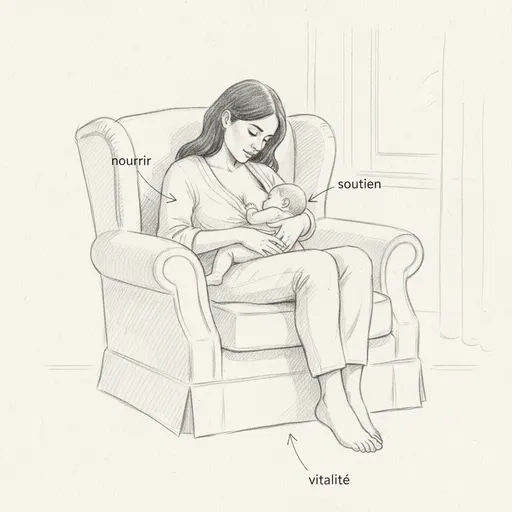
Breastfeeding is the most nutritionally demanding act in all living things. The nursing mother produces approximately 750 ml of milk per day1, a liquid of staggering biochemical complexity that contains everything the infant needs: proteins, lipids, carbohydrates, vitamins, minerals, antibodies, enzymes, growth factors, prebiotics. Every milliliter is made from maternal reserves. And when those reserves are insufficient, it is the mother who pays the price.
“A nursing mother gives what she has. If she has nothing left, she gives anyway, but it is her own body she is consuming.” Jean-Paul Curtay
The naturopathy of breastfeeding rests on a simple principle: nourish the mother to nourish the child. It is not the baby who is lacking something in breast milk (the body always prioritizes the child). It is the mother who is becoming depleted. And this postpartum depletion, if not corrected, leads to chronic fatigue, depression, hair loss, recurrent infections, and a hormonal collapse that can take years to reverse.
Maternal depletion: organized pillaging
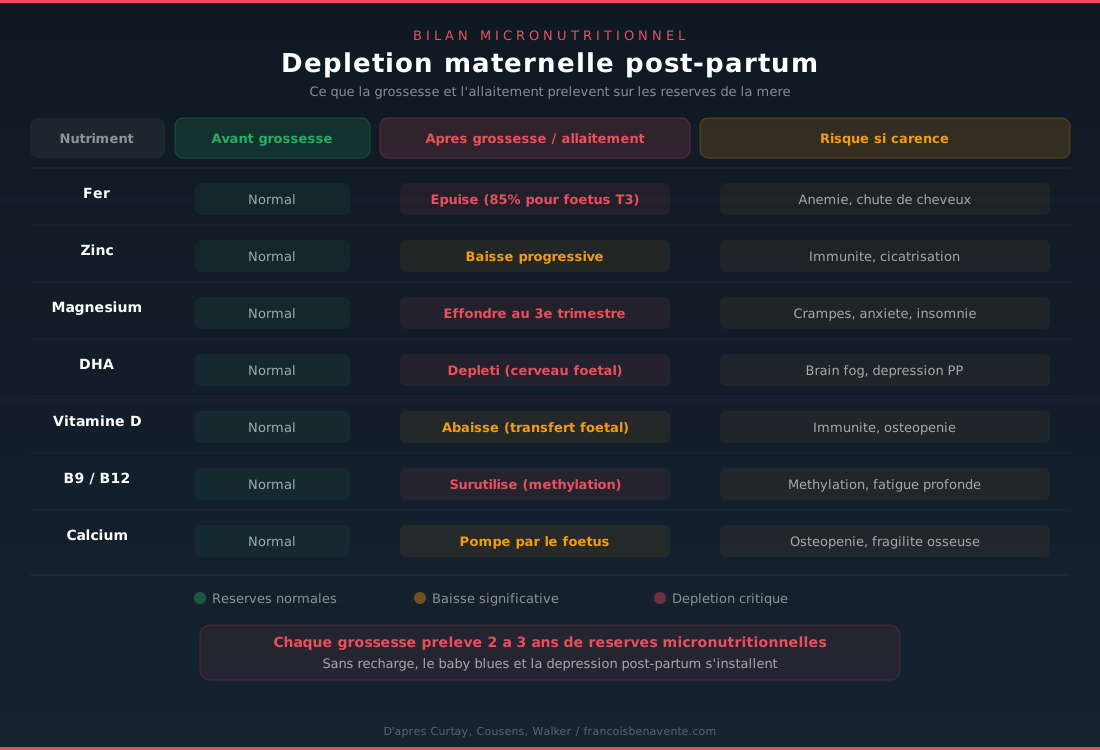
Pregnancy has already massively drawn from reserves. In the third trimester, the fetus consumes 85% of maternal calcium and iron2. Zinc declines gradually throughout pregnancy. Magnesium collapses in the third trimester. Folates are overused. B6 is captured by pregnancy estrogens. And childbirth itself causes bleeding that worsens iron depletion.
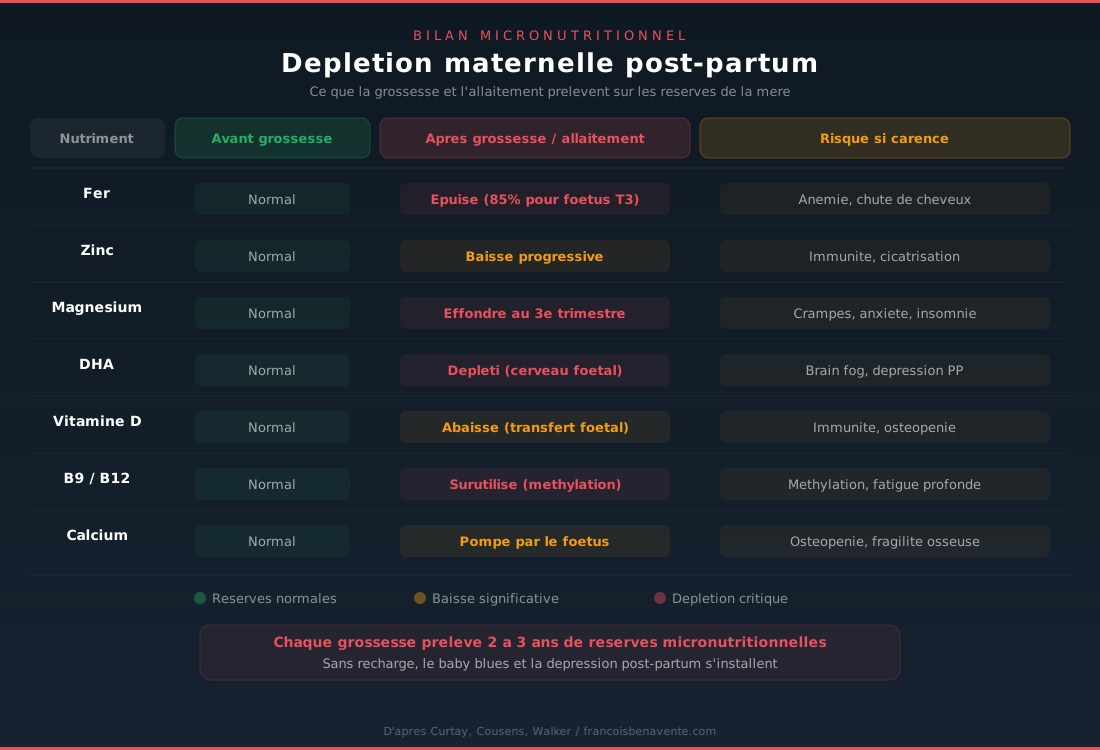
Breastfeeding continues this pillaging. Breast milk contains iron, zinc, calcium, magnesium, vitamins A, D, E, K, B, C, omega-3 (DHA), proteins. All of this comes from the mother. If she does not actively replenish her reserves, depletion worsens week by week. Curtay sums it up: “The baby takes everything. The mother gives everything. And no one takes care of the mother.”
The consequences are predictable. Iron depletion causes fatigue, breathlessness, pallor, fragility of hair and nails. Postpartum hair loss (telogen effluvium) is directly linked to iron and zinc depletion. Zinc depletion weakens immunity (recurrent ENT infections in the mother), slows wound healing and disrupts serotonin (depressive mood). Magnesium depletion causes irritability, cramps, sleep disturbances, anxiety. DHA depletion compromises maternal cognitive function (the famous “baby brain”) and is a major risk factor for postpartum depression. Vitamin D depletion weakens immunity and promotes osteopenia.
The postpartum maternal blood work
This is the examination that I consider mandatory and that almost no one prescribes. The micronutrition blood work for breastfeeding that I request through the Barbier laboratory includes: TSH, T3L and T4L (postpartum thyroiditis affects 5 to 10% of women3, often confused with depression), albumin and pre-albumin (protein status), ferritin with ultrasensitive CRP (iron, distinguishing true deficiency from inflammation), serum zinc and copper (fundamental ratio), folates (B9) and active B12 (holotranscobalamin), homocysteine (methylation), 25-OH vitamin D (goal above 50 ng/mL), uric acid (antioxidant), CoQ10 (mitochondrial energy), vitamins A and E (fat-soluble, essential to breast milk), urinary iodine (iodine, thyroid cofactor transmitted to baby via milk), urinary magnesium (urinary magnesium), erythrocyte fatty acid status (omega-3/omega-6 ratio).
This blood work allows for personalized supplementation. No blind protocol. Each mother is different. A vegan mother will have specific needs for B12, iron, zinc and DHA. A mother who had a cesarean will have more marked iron depletion. A stressed mother will need magnesium and cortisol correction as a priority.
DHA in breast milk: why it’s non-negotiable
Breast milk is the only food for the infant during its first six months (WHO recommendation for exclusive breastfeeding). Its DHA composition depends directly on maternal diet. DHA is essential for the baby’s brain, retinal and neural development4. Myelin sheaths, which insulate neurons and allow rapid nerve impulse transmission, contain one-third DHA.
The problem is that modern breast milk is often deficient in DHA and polluted by trans fatty acids. Dr. Cousens documents this: trans fatty acids (from margarines, industrial pastries, prepared dishes, fried foods) can represent up to 20% of total lipids in breast milk5 when the diet is industrial. These trans fatty acids literally take the place of omega-3s in the milk and in the baby’s cell membranes.
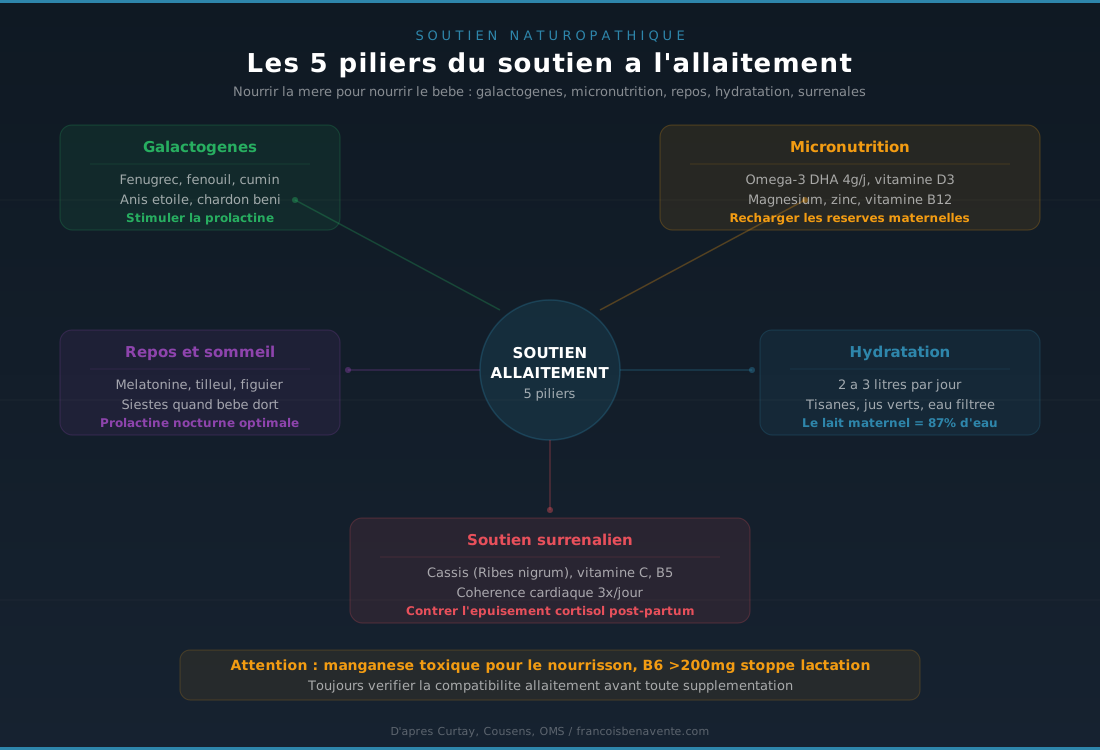
Supplementation with omega-3 at 4 grams per day (EPA + DHA, quality fish oil or algae oil for vegetarians) is the foundation of the breastfeeding protocol. Added to this is the consumption of fatty fish 3 times per week (sardines, mackerel, anchovies, herring), while avoiding predatory fish (bluefin tuna, swordfish, shark) for mercury. Ground flaxseeds and walnuts provide ALA (omega-3 precursor), but conversion to DHA is too low (less than 5%)6 to cover breastfeeding needs.
Galactagogues: when milk is not enough
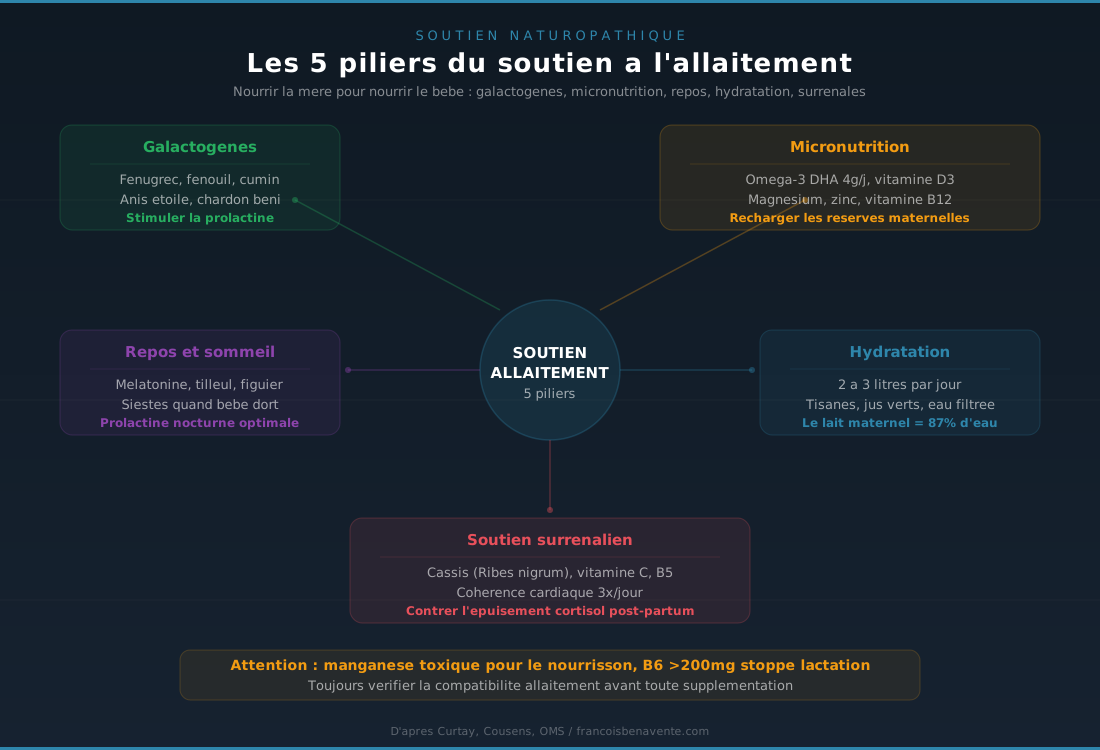
Insufficient milk is the leading cause of early breastfeeding cessation. Before turning to galactagogue supplements, the fundamentals must be restated: breastfeeding works on supply and demand. The more the baby nurses (or the more the mother expresses milk), the more the body produces prolactin and oxytocin, and the more milk is abundant. Frequent nursing, skin-to-skin contact, abundant hydration (2 to 3 liters per day) and rest are the pillars. Stress is the first enemy of lactation: cortisol inhibits oxytocin, the hormone that triggers the milk let-down reflex.
When these fundamentals are in place and milk remains insufficient, natural galactagogues take over. Fenugreek (Trigonella foenum-graecum) is the most powerful and most documented. It stimulates prolactin production. The dose is 3 to 4 capsules, 3 times per day. The odor of sweat and urine can change (maple syrup odor), which is a sign that the dose is sufficient. Fennel (Foeniculum vulgare) is the second traditional galactagogue, used for millennia. As an herbal tea (crushed seeds, 1 tablespoon per cup, 3 cups per day) or as seeds to chew. Cumin and green anise complete the galactagogue arsenal. Blessed thistle (Cnicus benedictus) is recommended in combination with fenugreek for a synergistic effect.
Gemmotherapy also offers valuable tools. Blackcurrant bud (Ribes nigrum) supports adrenals exhausted by the stress of childbirth and the first weeks. Fig bud (Ficus carica) regulates the corticotropic axis and supports sleep, so precious when fragmented by nighttime nursing. Linden bud (Tilia tomentosa) calms the nervous system and promotes restorative sleep between feedings.
Postpartum adrenal fatigue
Childbirth is the most intense physiological stress the human body can experience. Cortisol skyrockets during labor, then collapses after delivery. If the adrenals were already fatigued by pregnancy stress (anxiety, third-trimester sleep disturbances, pain), they have no reserves left to support the postpartum transition. This is pregnenolone steal: cortisol mobilizes all raw materials, at the expense of progesterone (whose abrupt drop contributes to baby blues), DHEA and estradiol.
The link between adrenal fatigue and postpartum depression is direct. Low morning cortisol means an absence of energy upon waking. Insufficiently lowered evening cortisol means poor sleep quality (in addition to awakenings for feedings). The cascade is relentless: exhausted adrenals → flattened cortisol → pregnenolone steal → collapsed progesterone → insufficient serotonin → insufficient melatonin → non-restorative sleep → fatigue → low mood.
The adrenal support protocol includes: magnesium bisglycinate (300 to 400 mg per day), vitamin C (1 to 2 grams per day, cofactor for cortisol synthesis), B5 vitamins (pantothenic acid, adrenal cofactor) and B6 as P5P form (caution: do not exceed 200 mg per day as high-dose B6 stops lactation), blackcurrant bud (50 to 100 drops in the morning), gentle adaptogens (rhodiola, ashwagandha under supervision as it stimulates the thyroid). Heart rate variability (5 minutes, 3 times per day) remains the simplest and most effective tool for regulating the HPA axis.
Postpartum thyroiditis: the diagnostic trap
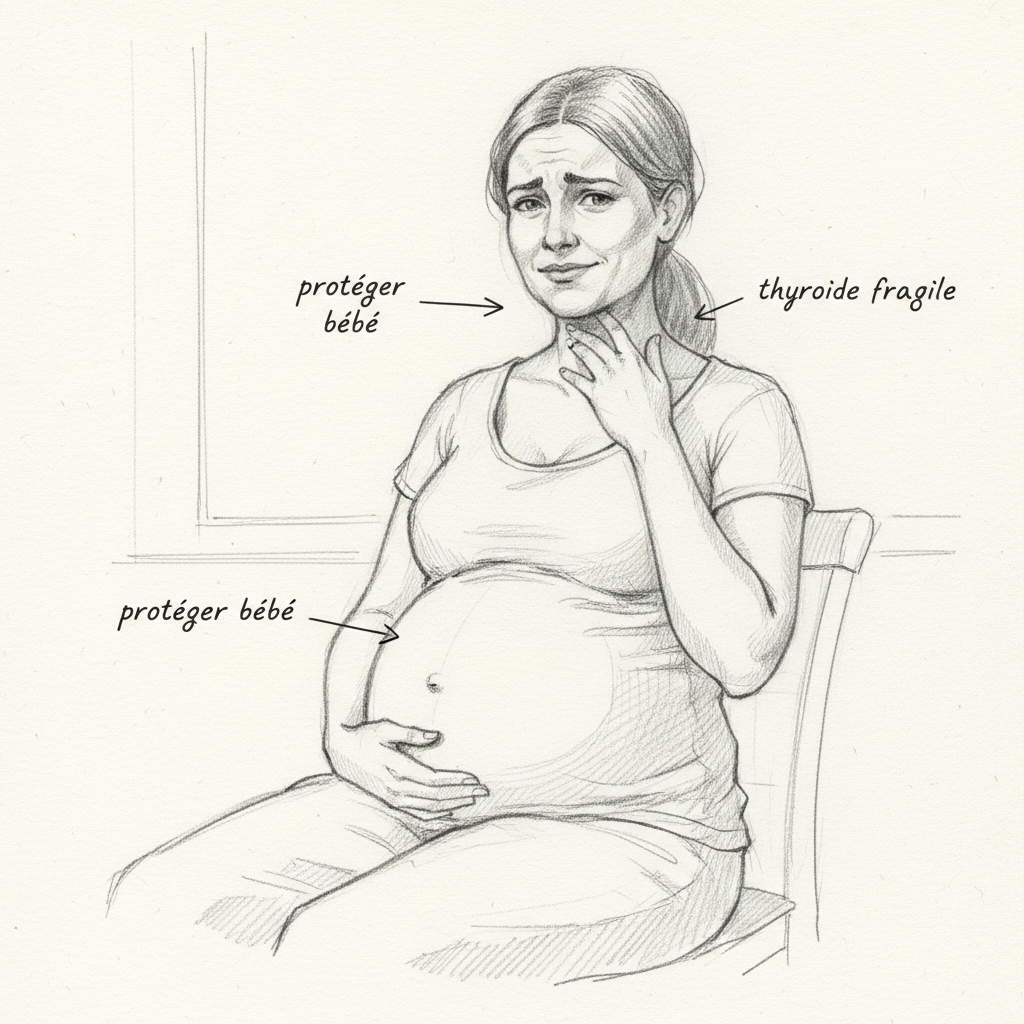
Between 5 and 10% of women develop postpartum thyroiditis within 12 months of childbirth. It is a transient autoimmune inflammation of the thyroid that often manifests in two phases: a hyperthyroidism phase (agitation, palpitations, weight loss, insomnia) followed by a phase of hypothyroidism (intense fatigue, weight gain, constipation, low mood, dry skin, hair loss). The hypothyroid phase is almost always confused with postpartum depression and treated with antidepressants instead of being identified and supported on a thyroid level.
TSH, T3L and T4L measurement should be systematic in any fatigued postpartum woman. Anti-TPO antibodies (present before pregnancy in at-risk women) predict the risk of thyroiditis. And thyroid cofactors (iodine, selenium, zinc, iron, tyrosine) should be optimized to support gland recovery. This is a subject I developed in detail in the article on Hashimoto.
Breast milk: an irreplaceable liquid
Breast milk is not just food. It is a liquid immune system. It contains immunoglobulins (secretory IgA) that line the baby’s intestinal mucosa and protect it against infections. Interferon (antiviral). Lactoferrin (antimicrobial that sequesters iron to make it unavailable to pathogenic bacteria). Digestive enzymes (lipase, amylase) that compensate for the infant’s digestive immaturity. The bifidus factor, a prebiotic that promotes colonization of the baby’s intestine by Lactobacillus bifidus, the protective bacterium. 2’-fucosyllactose (a human milk oligosaccharide linked to FUT2 polymorphism) selectively feeds the infant’s good intestinal bacteria.
Breast milk also contains twice as much lactose as cow milk, which is normal: lactose is brain fuel for the infant, whose brain develops at a breakneck pace during the first months of life. No artificial formula can replicate this complexity. The WHO recommends exclusive breastfeeding for the first six months7, then continued breastfeeding with food diversity up to two years or more.
The nursing mother’s diet
Diet during breastfeeding must be nutritionally dense. Protein needs are 1.4 grams per kilogram of body weight (slightly higher than during pregnancy). Fatty fish 3 times per week (sardines, mackerel, anchovies) are non-negotiable for DHA. Green vegetables at each meal (folates, magnesium, calcium). Pumpkin and sesame seeds daily (zinc). Brazil nuts (selenium). Virgin cold-pressed oils (olive, rapeseed, walnut). Organic eggs (choline, B vitamins, complete proteins). Veal liver once a week (B12, heme iron, vitamin A).
What to avoid: alcohol (which passes into milk), excessive coffee (which agitates the baby), predatory fish (mercury), tobacco, and especially ultra-processed foods rich in trans fatty acids that pollute the lipid composition of milk. Medications also pass into milk: any medication use must be validated with a doctor or pharmacist via the CRAT website (Reference Center on Teratogenic Agents).
Dr. Cousens adds the superfoods of breastfeeding: spirulina (proteins, iron, B12, chlorophyll), chlorella (chelation of heavy metals), fresh pollen (antioxidant, B vitamins), wheat grass juice (enzymes, chlorophyll). With absolute caution regarding manganese: it is toxic to the immature brain of the infant and should never be supplemented during breastfeeding. And vitamin B6 at more than 200 mg per day stops lactation, which is a pitfall for mothers taking it for mood.
What naturopathy does not do
Naturopathy supports breastfeeding. It does not replace lactation consultants (IBCLC) for latch problems, cracked nipples, mastitis, tongue ties or suckling difficulties. Febrile mastitis requires urgent medical consultation (risk of abscess). Galactagogue medications (domperidone) are within the scope of medical prescription.
Severe postpartum depression (dark thoughts, inability to care for the baby, paralyzing anxiety) requires psychiatric support and should not be treated exclusively with naturopathy. Thyroid blood work (TSH, T3L, T4L, anti-TPO) is essential to rule out postpartum thyroiditis before diagnosing depression.
Based in Paris, I offer video consultations throughout France. You can book an appointment for personalized support.
Breastfeeding is a gift. But a gift requires reserves. Feeding your child with your own body is an act of extraordinary biological generosity. And this generosity deserves to be supported, accompanied, nourished in return. The nursing mother is not a milk machine. She is a human being who needs to be cared for so she can care for her child.
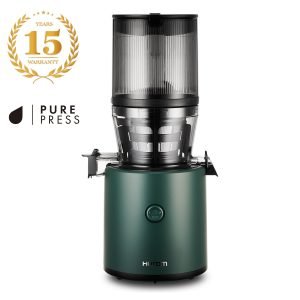
For breastfeeding, Sunday Natural offers DHA omega-3, magnesium bisglycinate and pharmaceutical-grade vitamin D3+K2 (-10% with code FRANCOIS10). And a Hurom extractor allows you to prepare green juices rich in folates, iron and chlorophyll to replenish maternal reserves (-20% with code francoisbenavente20). Find all my partnerships with exclusive promo codes.
Scientific references
To go further
- Basedow and pregnancy: conceiving and carrying safely
- Pregnancy: the micronutrition no one prescribes for you
- The Hertoghe method: hormones, micronutrition and terrain medicine
- Postpartum: restore your body after childbirth
Sources
- Curtay, Jean-Paul. Nutritherapy: scientific bases and medical practice. Testez Éditions, 2008.
- Cousens, Gabriel. Conscious Eating. North Atlantic Books, 2000.
- Walker, Matthew. Why We Sleep. Scribner, 2017.
- WHO. “Recommendations on infant feeding.” World Health Organization, 2003.
“Feeding a child is transmitting life to them. But to transmit, you must have.” Robert Masson
Footnotes
-
Neville, M.C. et al., “Studies in human lactation: milk volumes in lactating women during the onset of lactation and full lactation,” The American Journal of Clinical Nutrition 48, no. 6 (1988): 1375-1386. PMID: 3202087. ↩
-
King, J.C., “Physiology of pregnancy and nutrient metabolism,” The American Journal of Clinical Nutrition 71, no. 5 suppl (2000): 1218S-1225S. PMID: 10799394. ↩
-
Stagnaro-Green, A., “Approach to the patient with postpartum thyroiditis,” The Journal of Clinical Endocrinology and Metabolism 97, no. 2 (2012): 334-342. PMID: 22312089. ↩
-
Innis, S.M., “Dietary omega 3 fatty acids and the developing brain,” Brain Research 1237 (2008): 35-43. PMID: 18789910. ↩
-
Craig-Schmidt, M.C., “World-wide consumption of trans fatty acids,” Atherosclerosis Supplements 7, no. 2 (2006): 1-4. PMID: 16713393. ↩
-
Burdge, G.C. and Calder, P.C., “Conversion of alpha-linolenic acid to longer-chain polyunsaturated fatty acids in human adults,” Reproduction, Nutrition, Development 45, no. 5 (2005): 581-597. PMID: 16188209. ↩
-
Kramer, M.S. and Kakuma, R., “Optimal duration of exclusive breastfeeding,” Cochrane Database of Systematic Reviews 2012, no. 8 (2012): CD003517. PMID: 22895934. ↩


Laisser un commentaire
Sois le premier à commenter cet article.