Thomas drinks three liters of water a day. Ever since his sports coach told him that the key to health is hydration. Ever since he read that you need to drink at least two and a half liters to be in shape. Ever since his naturopath (not me) prescribed him a “water cure” to detoxify his liver. Three liters a day, religiously, for six months.
And Thomas feels worse and worse.
He is tired in the morning despite his eight hours of sleep. He gets dizzy when he gets up from the couch. He sees black spots in his eyes when he climbs the stairs. He gets cramps in his calves at night. He has unexplained nausea mid-morning. And above all, he has an irresistible craving for salt. He puts salt on everything. On his eggs, on his tomatoes, on his salad, and sometimes (he doesn’t dare admit it) he licks Guérande salt crystals directly from the kitchen when no one is looking.
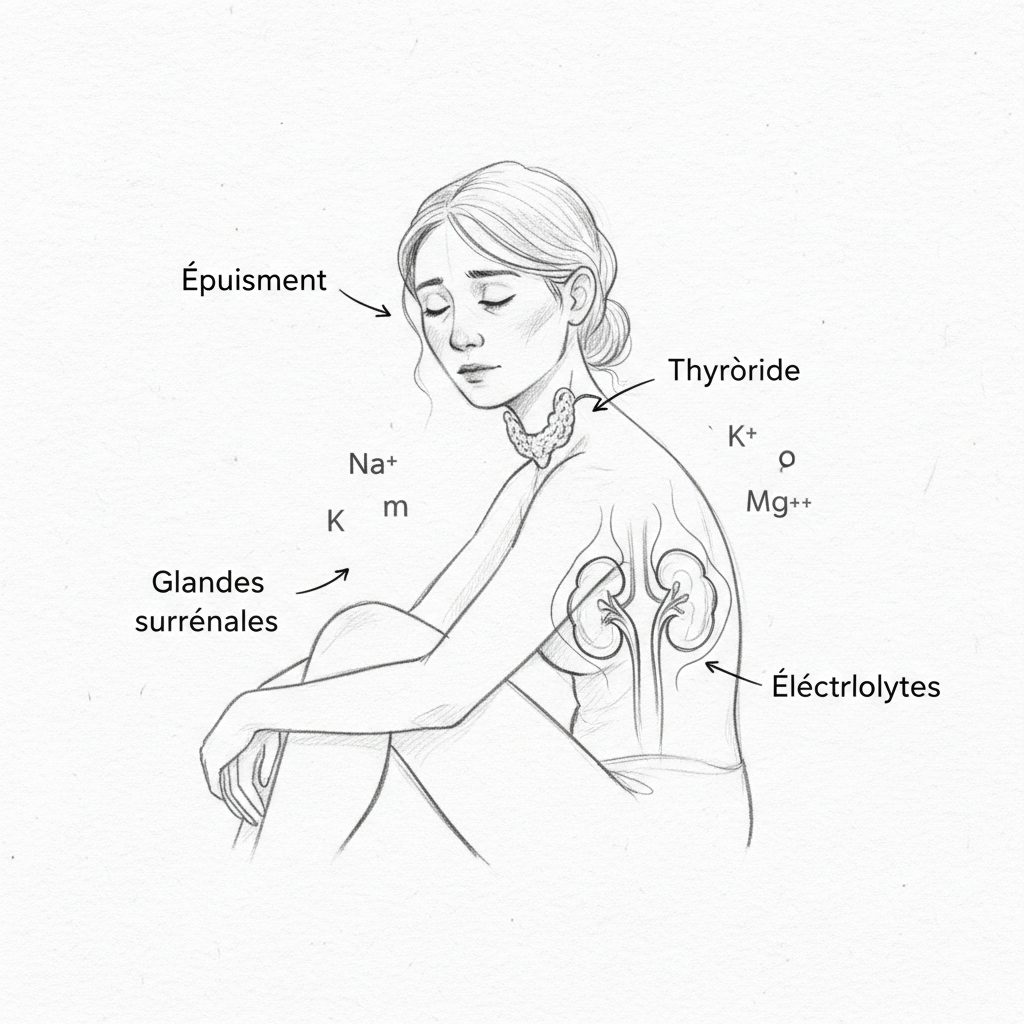
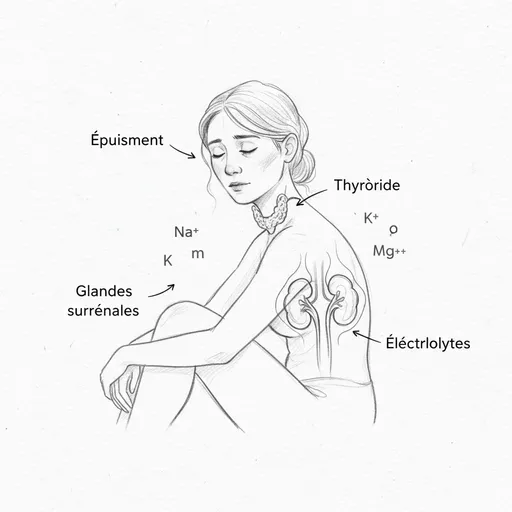
When Thomas told me all this, I knew before even seeing his tests. His adrenals were depleted, his aldosterone was low, and he was drowning his last electrolytes in three liters of pure water. He wasn’t dehydrating. He was demineralizing.
The error of forced hydration
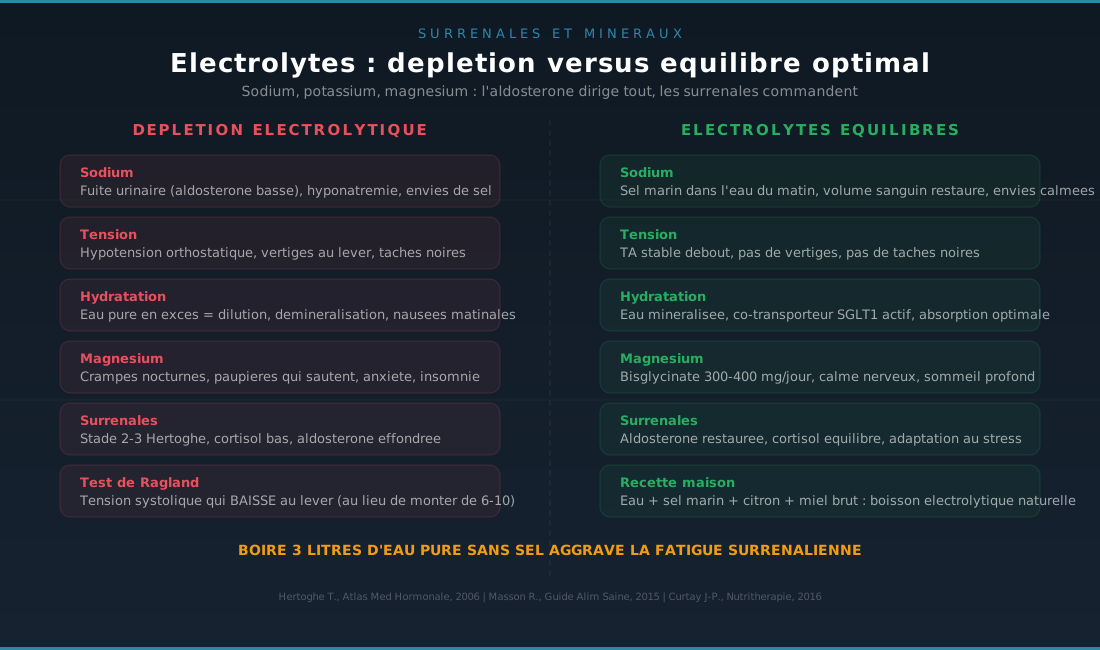
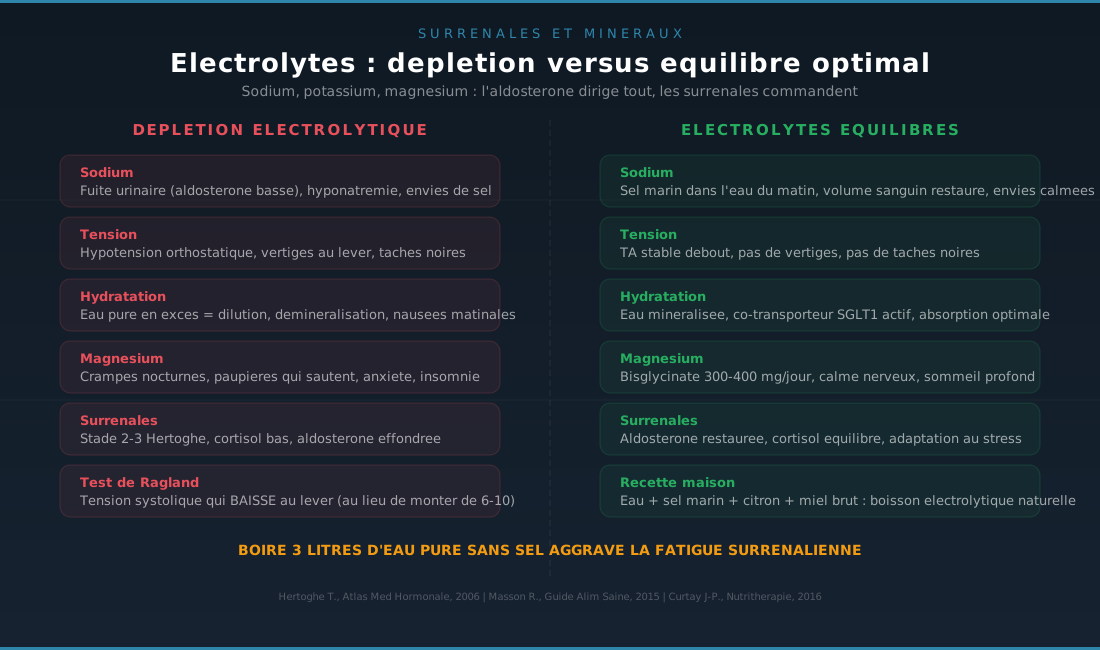
Drinking water is obviously necessary. No one contests that. But the dogmatization of hydration (“drink 2 liters a day minimum”) has created a problem that no one dares name: dilutional hyponatremia. When you drink a lot of water without providing enough sodium, you dilute the sodium concentration in your blood. And sodium is not just another mineral. It’s the orchestra conductor of electrolyte balance, the one that determines blood volume, blood pressure, nerve transmission, and muscle contraction.
Robert Masson, in his Guide to Healthy Eating, warned against the “water craze”: “Excess pure water is as harmful as water deficiency. The body needs water loaded with minerals, not distilled water that leeches tissues.” This observation, deemed provocative at the time, is now confirmed by research on athlete hyponatremia and accidents during marathons (several deaths from pure water intoxication have been documented).
Adrenals, aldosterone, and sodium loss
To understand why adrenal exhaustion and electrolytes are intimately linked, we need to talk about aldosterone. Aldosterone is a hormone produced by the glomerular zone of the adrenal glands (the outer cortex). Its function is to retain sodium in the blood at the kidney level. When aldosterone is sufficient, the kidneys reabsorb filtered sodium and send it back into circulation. When aldosterone is low (which happens when the adrenals are exhausted by chronic stress), sodium leaks into the urine, taking water with it.
This is why patients with adrenal fatigue urinate often and abundantly (polyuria), are thirsty constantly (compensatory polydipsia), and have low blood pressure with dizziness on rapid standing (orthostatic hypotension). The Ragland test I perform in my office is simple: you measure blood pressure lying down (after five minutes lying down) then standing (immediately after standing up). Normally, systolic pressure rises 6 to 10 mmHg when standing (the body compensates for gravity by constricting vessels). If systolic pressure DROPS when standing (for example from 120/70 lying down to 108/72 standing), it’s a strong sign of functional adrenal insufficiency: the body doesn’t have enough aldosterone to maintain blood volume in the standing position.
Hertoghe, in his Atlas of Hormonal Medicine, classifies adrenal fatigue into three stages. Stage 1 (alarm) with elevated cortisol and normal aldosterone. Stage 2 (resistance) with cortisol beginning to drop and aldosterone declining. Stage 3 (exhaustion) with collapsed cortisol and low aldosterone, where electrolyte symptoms become pronounced. Thomas was somewhere between stage 2 and stage 3.
The vital quartet
The four main electrolytes form an interconnected system. Touching one affects all the others.
Sodium (Na+) is the primary extracellular electrolyte. It regulates blood volume, blood pressure, and nerve transmission. An adult needs 1500 to 2300 mg of sodium per day (or 3.8 to 5.8 g of salt). In case of adrenal fatigue with aldosterone loss, needs increase to 3000-4000 mg of sodium per day. Unrefined sea salt is the best source because it also contains magnesium, potassium, and more than eighty trace elements.
Potassium (K+) is the primary intracellular electrolyte. It works in tandem with sodium according to the Na+/K+-ATPase pump principle, which alone consumes 20 to 25% of the body’s total energy at rest. The sodium/potassium ratio is more important than the absolute amount of each. Potassium needs are 3500 to 4700 mg per day, which diet covers with difficulty (unless you eat sweet potatoes, bananas, avocados, spinach, and white beans daily). One banana provides 400 mg, one avocado 700 mg.
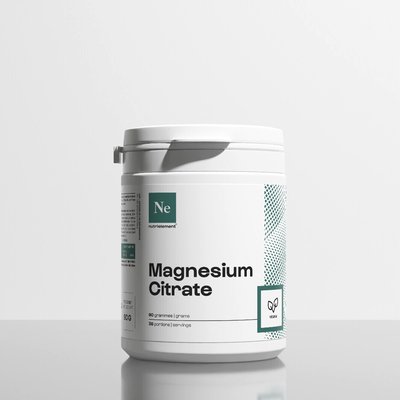
Magnesium (Mg2+), which I discussed in detail in a dedicated article, plays a role in stabilizing cell membranes, ATP production, and muscle relaxation. Magnesium deficiency amplifies cramps caused by sodium/potassium imbalance. This is why I always prescribe magnesium at the same time as sodium correction.
Chloride (Cl-) accompanies sodium in the form of sodium chloride (salt). It is essential for gastric hydrochloric acid (HCl) production. Patients with sodium loss often also have hypochlorhydria (lack of gastric acid) because they lack the chloride to make HCl. It’s a vicious circle: adrenal fatigue causes sodium and chloride loss, chloride deficiency decreases gastric acid production, decreased gastric acid reduces mineral absorption (iron, zinc, magnesium, calcium), and mineral deficiencies worsen fatigue. This link between adrenals and digestion is at the heart of holistic naturopathic approach.
Salt upon waking: morning protocol
The first step I prescribe to patients with adrenal fatigue is the following: upon waking, before coffee, before breakfast, dissolve one quarter teaspoon of unrefined sea salt in a large glass of warm water (250 mL). Add the juice of half a lemon (for potassium and vitamin C, a cofactor for the adrenals). Drink slowly, in small sips, over ten minutes.
This simple step provides approximately 600 mg of sodium, 50 mg of potassium (lemon), and vitamin C, exactly what the adrenals need at the start of the day after the night of fasting. Cortisol normally reaches its peak between 6am and 8am (this is the cortisol awakening peak or CAR, Cortisol Awakening Response). When the adrenals are exhausted, this peak is diminished or absent, hence the morning fatigue. Sodium and vitamin C support the adrenals in producing this peak.
Thomas adopted this protocol on day one. After a week, his dizziness on standing had decreased by half. After a month, he had reduced his water consumption from three liters to one and a half liters (as salt retained water, he naturally felt less thirsty) and paradoxically felt more hydrated than before. His night cramps had disappeared.
Homemade isotonic drink
For days of intense fatigue or prolonged stress, I recommend a homemade electrolyte drink that far exceeds commercial sports drinks in quality (which are cocktails of sugar, dyes, and marketing).
The recipe in one liter of filtered water: one quarter teaspoon of unrefined sea salt (500 to 600 mg of sodium), the juice of half a lemon (potassium, vitamin C), one teaspoon of raw unpasteurized honey (glucose facilitates sodium absorption via the SGLT1 intestinal co-transporter, the same mechanism used by the WHO oral rehydration solutions), and optionally a pinch of potassium bicarbonate if cramps are frequent. Drink in small sips throughout the morning, not all at once.
Isotonic Quinton water (sea plasma diluted to 0.9%) is an elegant alternative that provides eighty marine trace elements in proportions very close to blood plasma. René Quinton, at the beginning of the twentieth century, demonstrated that diluted seawater could replace blood plasma in transfusions (he saved hundreds of dehydrated infants with this method). Today, isotonic Quinton ampoules remain a remarkable tool for remineralization, at a rate of two to four ampoules per day sublingually.
Electrolytes and thyroid
The link between electrolytes and thyroid is bidirectional. Hypothyroidism slows kidney function (reduction in glomerular filtration), which can paradoxically cause sodium and water retention (eyelid swelling in the morning, finger swelling, heavy legs). But when hypothyroidism is accompanied by adrenal fatigue (which is very common because the two axes are intimately connected), it is sodium loss that dominates.
The clinical difficulty is distinguishing between retention (isolated hypothyroidism) and loss (hypothyroidism plus adrenal fatigue). Blood electrolytes help: low sodium plus normal or high potassium equals adrenal loss. Normal or high sodium plus swelling equals hypothyroid retention. In practice, the two often coexist and you must treat both axes simultaneously.
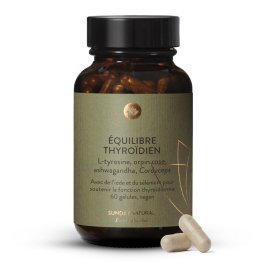
The adrenals and thyroid function in tandem. Salmanoff had this beautiful image: “The body is an orchestra. The thyroid sets the tempo, the adrenals provide the power. If one weakens, the other compensates until exhaustion.” When you treat the thyroid (with Levothyrox or with nutritional cofactors) without supporting the adrenals, you increase the metabolism of a body that no longer has the energy to keep up. It’s like stepping on the accelerator of a car with an empty tank. Electrolytes are the fuel of the adrenals.
Warning signs
Your body speaks to you. Cravings for salt (chips, olives, pickles, salty cheese, Marmite) are not a “dietary vice.” It’s an ancestral self-medication mechanism: a body lacking sodium pushes you instinctively toward salty foods. Don’t fight this craving. Listen to it. But respond with quality salt (unrefined sea salt) rather than with ultra-processed foods.
Night cramps (especially in the calves and feet) signal a magnesium/potassium/sodium imbalance. Dizziness on rapid standing signals orthostatic hypotension from lack of aldosterone. Morning nausea (outside of pregnancy) often signals insufficient morning cortisol. Fatigue that improves in the evening (when it should worsen) is typical of the inverted adrenal profile. And tachycardia at the slightest stress (heart racing when climbing stairs or receiving a stressful email) reflects compensatory catecholaminergic response when cortisol is lacking.
If you present three or more of these signs, an adrenal workup is needed: salivary cortisol at four points (waking, noon, 4pm, bedtime), serum DHEA-S, and blood electrolytes. Salivary cortisol is more reliable than blood cortisol for assessing the circadian rhythm of adrenal production.
Caution
Adding salt to the diet is contraindicated in case of uncontrolled high blood pressure, heart failure, and kidney failure. If you are on blood pressure medication, do not modify your salt intake without discussing it with your doctor. Likewise, if you are taking diuretics (furosemide, hydrochlorothiazide), these cause potassium and magnesium loss that must be compensated under medical supervision.
Functional adrenal fatigue (stages 1 to 3) is distinct from primary adrenal insufficiency (Addison’s disease) which is a medical emergency requiring lifelong hydrocortisone treatment. If you present abnormal skin pigmentation (tanning without sun, dark spots on gums), unexplained weight loss, and extreme fatigue, consult an endocrinologist urgently.
The goal of naturopathy is not to replace endocrinology but to address the vast territory between “all is well” and “Addison’s disease” that conventional medicine leaves fallow. Hertoghe sums up this philosophy: “Between the gland that functions perfectly and the gland that no longer functions at all, there exists a continuum of partial insufficiencies that only medicine attentive to symptoms can identify and correct.” Electrolytes are often the first stage of this correction. Simple, inexpensive, and remarkably effective.
Want to assess your status? Take the free magnesium questionnaire in 2 minutes.
If you want personalized support, you can book a consultation.
To go further
- Magnesium: why your thyroid, your sleep, and your stress depend on it
- Carnitine and thyroid: the molecule no one tests
- Low ferritin and hair loss: the link your doctor ignores
- GABA: the neurotransmitter of calm you lost
Want to assess your status? Take the free Claeys thyroid questionnaire in 2 minutes.

Laisser un commentaire
Sois le premier à commenter cet article.