Hydrology: The Forgotten Art of Water
How I would love to be able to hold this discourse with my little Parisian clients, bundled up in their scarves in the middle of June, terrified by a draft, convinced that a cold comes from cold and that health is found at the bottom of a 14-euro matcha sachet. We’ve forgotten everything. Absolutely everything. We’ve forgotten that water is the oldest, most powerful, and most accessible therapeutic tool humanity has ever known. We’ve forgotten that Abbé Kneipp wrote a grimoire of 500 pages on the subject, that Fleury wrote over 1,000, and that these books were bestsellers in Europe at a time when people didn’t read for entertainment but to survive.
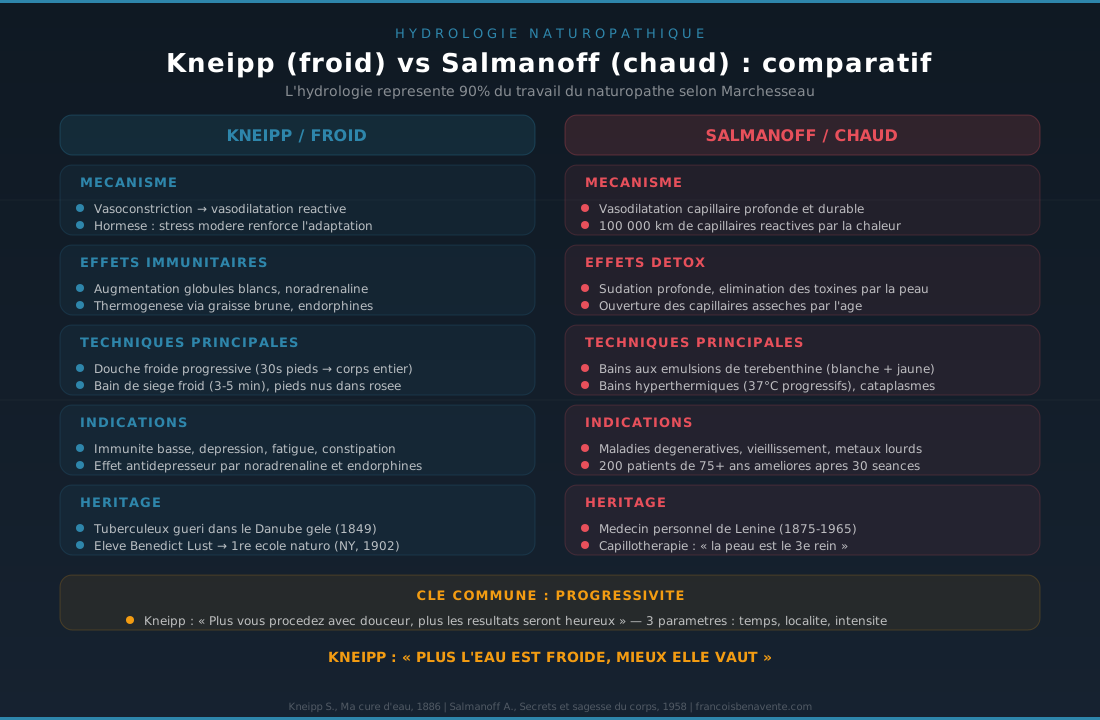
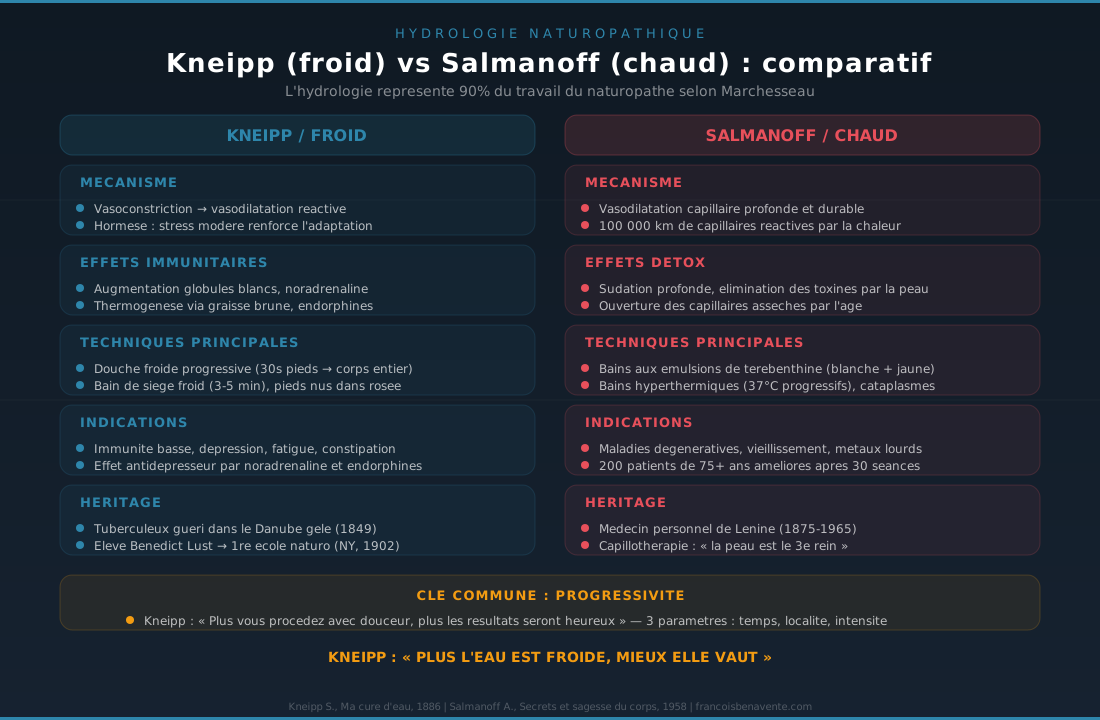
Hydrology is one of the four major techniques of naturopathy, along with bromatology, physical exercise, and psychology. Marchesseau placed it in the 90% of a naturopath’s work. And yet, when I ask my clients if they take cold showers, I receive a look of a beaten dog. When I talk to them about sitz baths, they think I’m joking. And when I mention Salmanoff baths with turpentine essence, they discreetly look for the exit.
Yet I often take one myself, a cold sitz bath, simply to remind myself of the Germanic roots of this discipline I practice. To feel in my body what the founding fathers practiced daily. Because hydrology cannot be understood in books. It is understood in the flesh. And that is exactly what Kneipp understood one evening in 1849 when he threw himself into the frozen Danube.
The Tuberculous Man Who Threw Himself into the Danube
Sebastian Kneipp was born in 1821 in the German Empire, the son of a weaver, as poor as one could be in rural Bavaria of the 19th century. His priestly vocation led him to seminary, but tuberculosis nearly took everything. He was coughing up blood. He dragged himself from bed to bed, from doctor to doctor, without improvement. It was a slow death sentence, and he knew it.
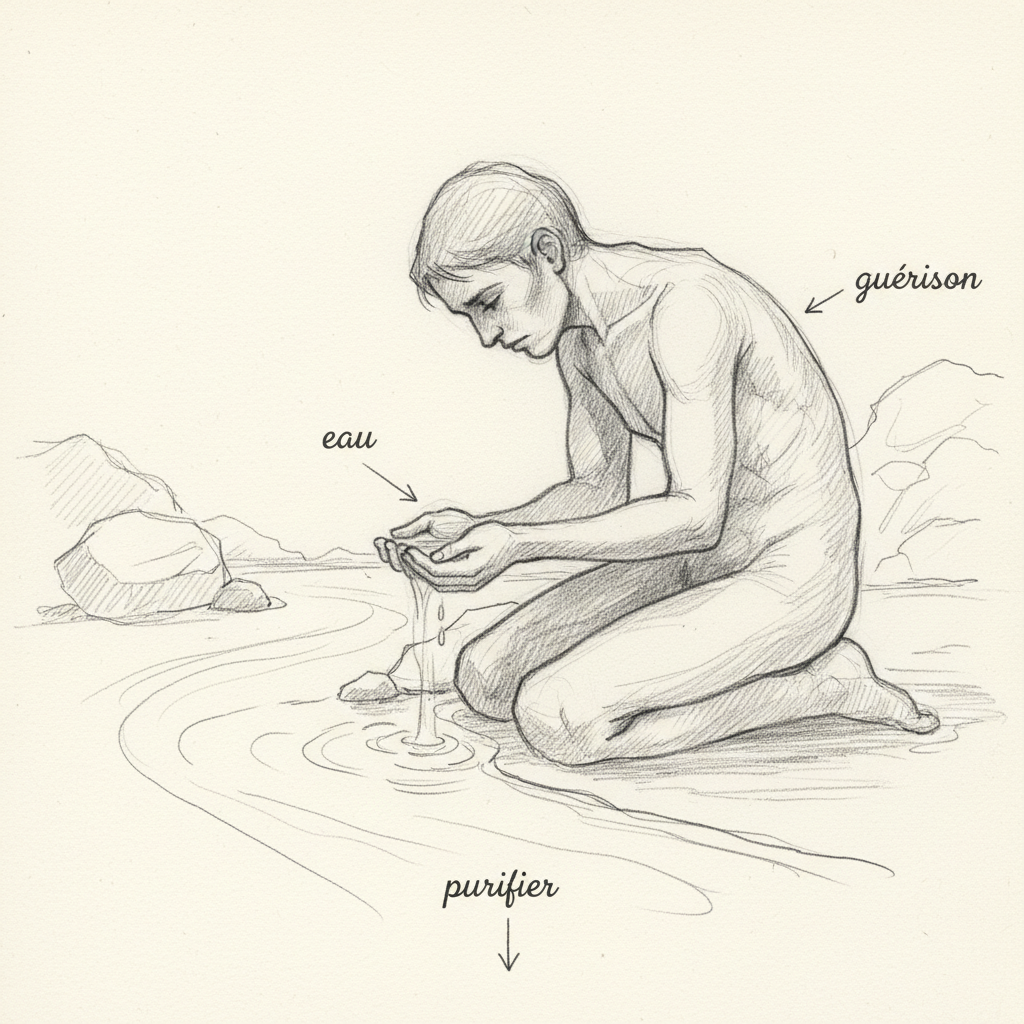
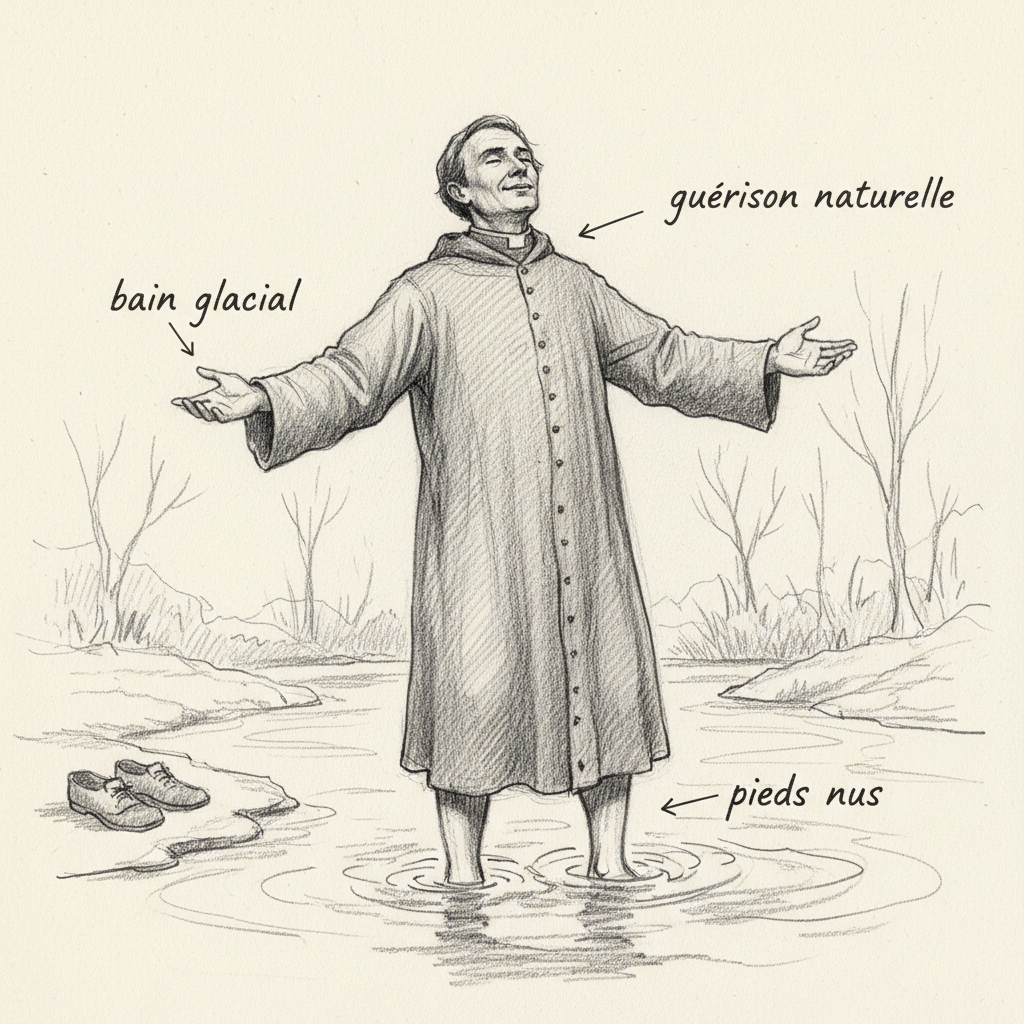
Then he came across a treatise on hydrotherapy by Johann Siegmund Hahn. An old dusty book that told of the virtues of cold water on the body. Most people would have closed the book and returned to die quietly in their bed. Kneipp got up. In the depths of winter 1849, he went to the banks of the Danube, removed his clothes, and entered the water. Below 0 degrees. Three times a week, for months. He didn’t dry himself when he came out. He pulled his clothes on over his wet skin and walked home in the cold.
A year later, he was cured.
What happened next was a social phenomenon. Kneipp first converted a fellow student, just as sick as him, using the same method. Then another. Then ten. Within a decade, hundreds of thousands of patients flocked from all over Europe to consult this Bavarian abbot who healed with water, air, and bare feet in the dew. He was called “the pope of the cold.” The hydrology books of the stars of the era were true grimoires, and Kneipp’s counted among the most read in Europe.
“The colder the water, the better it is.” Sebastian Kneipp
But Kneipp was not a brute. He heated the room to 14 degrees before receiving his fragile patients, and he often repeated this maxim: “It is not with vinegar, but with honey that one catches flies.” His therapeutic rigor always rested on three precise parameters, three dosages that he adjusted for each patient: the duration of exposure, the location (which part of the body), and the intensity of the cold. This precision is what distinguished care from madness.
His legacy goes far beyond cold baths. Kneipp had developed a holistic approach that included medicinal plants, natural nutrition, physical exercise, and lifestyle management. His system of walking barefoot in the morning dew, in wet grass, then in cool water, and finally in snow, constituted a therapeutic graduation of remarkable finesse. Each level of cold demanded more from the patient’s adaptation capacity, exactly like a training program that progressively increases the load.
One of his students, Benedict Lust, emigrated to the United States and founded the world’s first school of naturopathy in New York in 1902. It was through Kneipp that naturopathy crossed the Atlantic. Without the tuberculous man from the Danube, there would probably be no naturopathic profession as we know it. And this lineage explains why hydrology holds such a central place in our training. When I studied at ISUPNAT, courses on hydrology came up with an insistence I didn’t yet understand. It took practice to understand.
Hormesis: The Science Behind Cold
What Kneipp practiced by intuition, Hugo Schulz formalized in 1888 under the name of the law of hormesis. The principle is crystal clear: a substance or stimulus that would be harmful at high dose becomes beneficial at low dose. What doesn’t kill you makes you stronger, provided you respect the dosage. This is the difference between training and destruction. Between a two-minute cold shower and hypothermia.
Kneipp knew this without naming it. He said: “The more gently and moderately you proceed, the happier the results will be.” He had identified the two possible paths when facing physical stress. The first is weakening: when the stimulus exceeds the organism’s capacity for adaptation, the body gives way. The second is strengthening: when the stimulus is calibrated just below this limit, the body overcompensates. It comes back stronger than before. It’s the same principle that makes muscle develop after effort, bone densify after loading, the immune system strengthen after controlled exposure to a pathogen.
Modern research has confirmed the physiological mechanisms of cold exposure. Immersion in cold water causes immediate vasoconstriction, followed by reactive vasodilation when the body reheats. This vascular pumping relaunches blood and lymphatic circulation in deep tissues. Cold stimulates the production of noradrenaline, a neurotransmitter that improves vigilance, mood, and concentration. Recent work on cold shock proteins shows activation of cellular repair mechanisms. Brown adipose tissue, that “fat that burns fat” as physiologists call it, is activated by cold-induced thermogenesis. And the immune system responds by an increase in white blood cells, particularly NK (natural killer) lymphocytes, those sentinels patrolling for abnormal cells.
But I repeat, and Kneipp repeated before me: progressivity is the key. His three parameters (time, location, intensity) remain the framework for any reasoned hydrology practice.
Salmanoff: The Doctor of Lenin Who Treated Capillaries
If Kneipp is the father of therapeutic cold, Alexander Salmanoff is the genius of heat and capillaries. His journey is a medical spy novel. Born in 1875, this polyglot doctor who mastered five languages became nothing less than Lenin’s personal physician. In 1918, he was appointed head of all thermal stations in Russia, a position that gave him access to clinical data from thousands of patients. He obtained a pass to the Kremlin, was close to the Lenin family, then left the USSR in 1921 never to return.
What interests the naturopath in Salmanoff is his theory of capillaries. He had studied in depth the work of August Krogh, winner of the Nobel Prize in Physiology in 1920 for his discoveries on capillary circulation. And what he had drawn from it was vertiginous. Our body is traversed by 100,000 kilometers of capillaries. The renal capillaries alone extend for 60 kilometers. The total surface area of open capillaries reaches 6,000 square meters. That of the pulmonary alveoli, 8,000 square meters. Numbers that make one dizzy and that place capillary “plumbing” at the center of all understanding of life.
“Man’s health is only a matter of plumbing.” Alexander Salmanoff
Salmanoff’s thesis is ruthlessly clear. Aging is not an inscrutable mystery. It is the progressive drying of the vaso-vasorum, those micro-vessels that nourish the walls of larger vessels. When capillaries close, the tissues they irrigate no longer receive oxygen, nutrients, or hormonal signals. Metabolic waste accumulates. This is stagnation. This is Marchesseau’s toxemia seen at the microscopic scale.
Salmanoff used a metaphor I find particularly enlightening for understanding this degeneration process. He compared the clogging of capillaries to sediment deposits in a river. Water flows fast at the center of the riverbed, and sediment deposits in the meanders, where the current weakens. In our body, these areas of weaker flow are the skin, joints, and lower parts of the body. This is exactly where the first signs of aging appear: heavy legs, dry skin, joint pain, cold extremities. Blood pH plays a role in this sedimentation. The bicarbonate buffer system maintains balance, but when acids accumulate faster than they are neutralized, salts deposit in capillaries like limescale deposits in pipes.
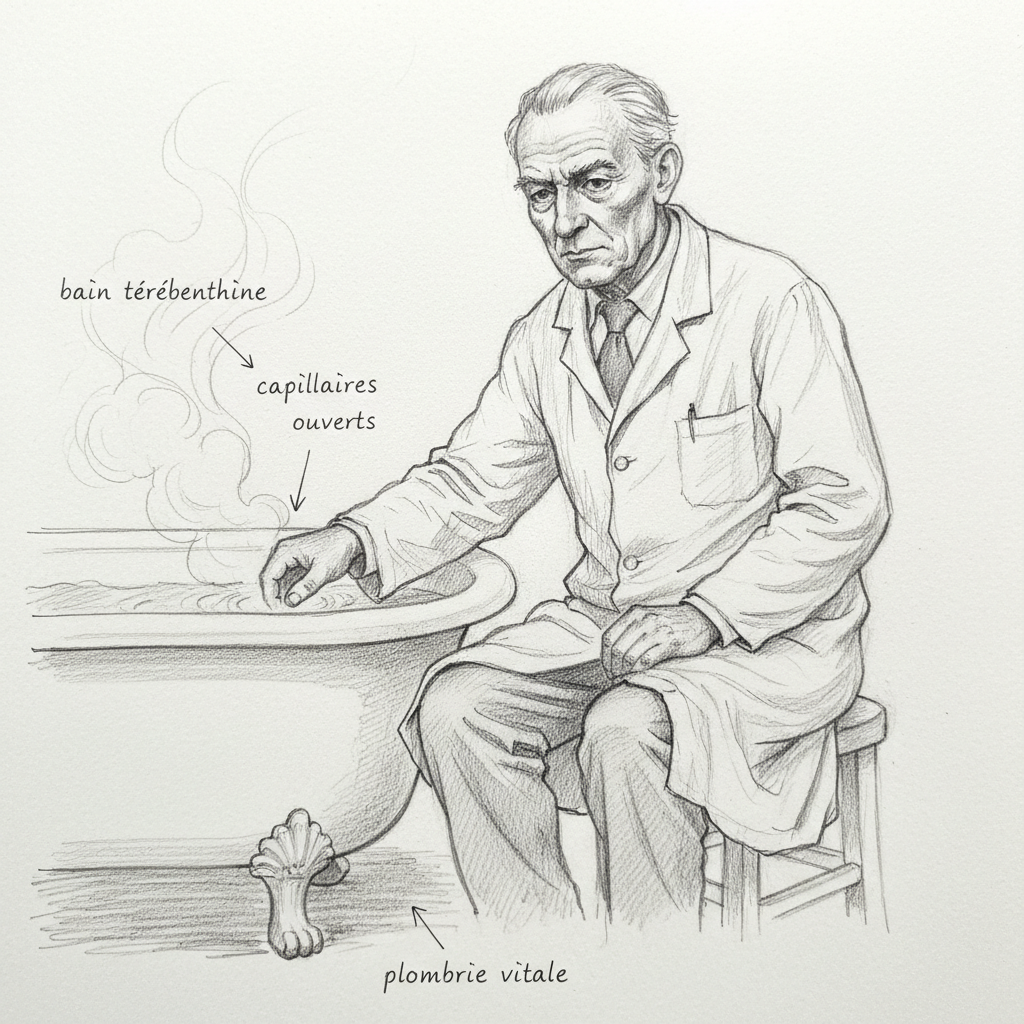
Salmanoff helps us understand that sometimes health is also a matter of maintaining the plumbing. And his main tool for cleaning this plumbing was baths with turpentine emulsions. Turpentine is a resin extracted from conifers, known since antiquity for its revulsive and circulatory properties. Salmanoff had developed two distinct formulas, adapted to two opposite clinical profiles. The white emulsion, hyperemic, increased blood pressure and opened closed capillaries: it was suitable for hypotonic, cold patients whose peripheral circulation was slowed. The yellow emulsion, hypotensive, acted on congested areas by facilitating drainage: it addressed plethoric, congested patients whose capillaries were engorged. Baths were taken at 37 degrees, body temperature, for 15 to 20 minutes, and the dosage of emulsions increased progressively over sessions.
The results he reported were remarkable. On 200 patients over 75 years old, he observed significant improvements in joint mobility, peripheral circulation, and general condition after only 30 bath sessions. What is impressive about Salmanoff is that he wasn’t trying to treat a specific pathology. He was trying to reopen a network. His logic joins that of Marchesseau: you never treat disease, you restore the terrain. And the terrain, for Salmanoff, is above all capillary perfusion. When the 100,000 kilometers of plumbing start working again, organs recover their supply, waste is evacuated, and the body does what it has known how to do since the beginning of time: it repairs itself.
Tools of Practical Hydrology
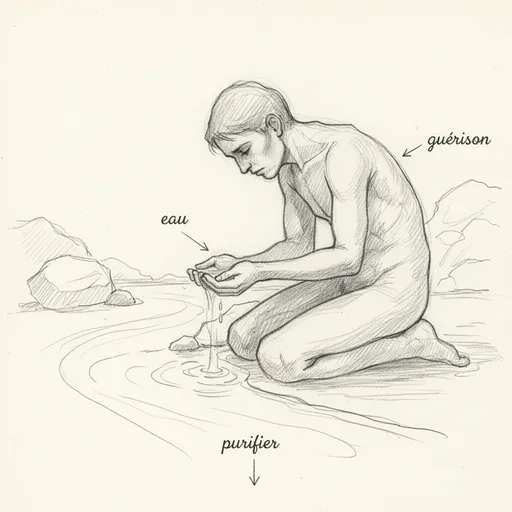
Hydrology is not reserved for spas and thermal stations. Most of its tools are practiced at home, with a tap and a basin. This is perhaps what disturbs modern medicine: you cannot patent cold water.
The progressive cold shower is the most accessible tool. I recommend finishing your usual hot shower with 30 seconds of cold water on the feet and ankles. It’s not spectacular, it’s not Instagrammable, but it is exactly what Kneipp prescribed to his most fragile patients. Over the days, you gradually move up: the calves, knees, thighs, belly, arms, and finally the chest. The goal, after a few weeks, is a complete cold shower of 1 to 3 minutes. Daily regularity counts infinitely more than intensity. Better 30 seconds every morning for a month than 5 minutes once a week in a moment of bravado.
The cold sitz bath is perhaps the most underestimated treatment in all of hydrology. Kneipp used it daily, and when you know its effectiveness, you understand why. The principle is simple: fill a basin or bathtub with 10 to 15 centimeters of cold water, sit in it so that only the pelvis is immersed, and stay for 3 to 5 minutes. The effect is immediate. Cold causes a reflex blood rush to the pelvic organs: intestines, genitals, bladder, kidneys. Intestinal peristalsis wakes up. The area decongests. For problems with constipation, gynecological disorders, menstrual pain, and chronic fatigue, it’s a tool of a power I keep rediscovering in consultation.
Alternating hot-cold showers combine both approaches. You alternate 2 minutes of warm water (not scalding, around 38 degrees) and 30 seconds of cold water, three times in a row, always ending with cold. This sequence creates powerful vascular pumping: heat dilates vessels, cold contracts them, and this alternation propels blood and lymph into deep tissues. This is exactly the mechanism Salmanoff described when he talked about reopening closed capillaries. A spring detox cure gains considerably in effectiveness when accompanied by daily alternating showers, because you mechanically relaunch circulation in the emunctories.
Hot and warm baths are no less effective. Heat dilates capillaries, opens the pores of the skin (which is the third emunctory in naturopathy), promotes perspiration and muscle relaxation. The hot water bottle on the liver after meals, which I systematically prescribe in consultation, follows the same logic: bring heat to an organ to increase its vascularization and thus its metabolic efficiency. Salmanoff had understood that warm baths at 37 degrees, at exactly body temperature, were the ideal vehicle for his turpentine emulsions.
And then there is barefoot walking. Kneipp had made it a pillar of his method. He distinguished four levels of progression: walking barefoot on dry ground first, then on wet ground, then in cool water, and finally in snow. The stimulation of nerve endings in the foot arch reflexively activates circulation throughout the body. It’s reflexology before the fact. And it’s free. Marchesseau moreover insisted on contact with natural elements as a pillar of hygienism: earth under the feet, air on the skin, water on the body, light in the eyes.
Wrappings and compresses complete the toolkit. The cold chest wrapping, practiced in the evening, consists of wrapping the torso with cloth wrung out in cold water, covered with dry cloth and a warm blanket. The body gradually warms the damp cloth, creating a local perspiration effect that stimulates skin elimination and promotes sleep. The hot compress on the liver is a classic that every naturopath should prescribe: cloth soaked in hot water, applied for 20 minutes to the right hypochondrium after meals, significantly increases hepatic vascularization and facilitates detoxification work. It’s the same principle as the hot water bottle, but with water as the heat vehicle, which allows more intimate skin contact and better heat distribution.
Hydrology and Thyroid Metabolism
Cold exposure is not just a nervous system boost. It is a profound metabolic activator. And when we talk about metabolism, we necessarily talk about the thyroid.
Cold-induced thermogenesis directly mobilizes the thyroid. When body temperature drops, the hypothalamus sends a signal to the thyroid via TRH (thyrotropin-releasing hormone), which increases T3 production, the active thyroid hormone. T3 stimulates basal metabolism, heat production, and oxygen consumption in all cells. This is the body’s adaptive response to cold. Patients with subclinical hypothyroidism often present excessive chilliness and cold intolerance: their thyroid no longer responds correctly to this signal. Progressive cold exposure, within the framework of comprehensive naturopathic support that includes thyroid cofactors (iodine, selenium, zinc, tyrosine, iron), can help restart this feedback loop.
Brown adipose tissue, that thermogenic fat that infants possess in abundance and adults lose with age and sedentariness, reactivates through regular cold exposure. The mitochondria in brown tissue “uncouple” ATP production to produce heat, via the UCP1 protein. This is energy that burns without producing movement: pure thermogenesis. And this activation, which is hormetic in nature, mobilizes the same hormonal axes as exercise: thyroid, adrenals, hypothalamic axis. Cold is exercise for your vessels. Kneipp understood this without knowing about mitochondria.
The adrenal axis is also mobilized. Cold immersion causes a discharge of noradrenaline and adrenaline. In a person with functional adrenals, this discharge is toning: the “pick-me-up” effect felt after a cold shower, that mental clarity, that sensation of being intensely alive for minutes afterward. But in someone with adrenal exhaustion, the same exposure can be harmful. Chronic stress that sabotages the thyroid also sabotages the cold response, because depleted adrenals cannot ensure the catecholamine discharge necessary for adaptation. This is exactly why Kneipp insisted so much on the progressivity and individualization of care. An exhausted patient never received the same treatment as one in full strength.
Hydrology also acts on sleep through a thermoregulatory mechanism that chronobiology has confirmed. Physiological sleep onset is accompanied by a drop in core body temperature, facilitated by peripheral vasodilation (feet and hands warm up, which evacuates heat from the core). A warm or hot bath or shower taken 90 minutes before bed facilitates this process: the body warms up, then reactive vasodilation accelerates central cooling. Paradoxically, the hot bath aids sleep because it helps the body cool down. This is the physiological finesse that 19th-century hydrotherapists had grasped through clinical observation, long before science could measure it.
What Hydrology Cannot Do
Hydrology is a magnificent tool, but it’s not a magic wand. There are formal contraindications you must know.
Severe cardiovascular pathologies (heart failure, unstable angina, uncontrolled arrhythmias) exclude cold baths and alternating showers. Thermal shock causes a sharp increase in blood pressure that can be dangerous on a fragile heart. Raynaud’s syndrome, where blood vessels in the extremities close in spasm at cold contact, is a relative contraindication: you can work with warm water and progress very slowly, but never start with intense cold. Pregnancy requires caution, particularly for cold sitz baths that stimulate the pelvic area. Asthma attacks can be triggered by the shock of cold on the respiratory tract.
And most importantly, I repeat one last time because it is Kneipp’s most important lesson: never start with maximum intensity. Always progressive. Always adapted to the subject’s vitality. Fans of ice baths who dive directly into 4 degrees “like Wim Hof” without any preparation expose themselves to the risk of hydrocution and adrenal exhaustion that bravado does not compensate for. Hormesis is not masochism. It is therapeutic precision.
Hydrology, Terrain, and You
Hydrology is perhaps the naturopathic technique that best illustrates the deep philosophy of this discipline. You do not treat a symptom. You stimulate a response. You do not fight disease. You strengthen the terrain. Cold water did not cure Kneipp’s tuberculosis. It awakened a vital force that disease had put to sleep. Salmanoff’s baths do not unclog capillaries like Drain-O. They create the conditions for the body to resume its cleaning work.
“Those who have no time for health will have to make time for disease.” Sebastian Kneipp
I often think of this phrase when I see my clients rushing from one appointment to another, unable to allow themselves five minutes of cold in the shower in the morning, but ready to spend hours in a waiting room when the body finally gives out. Hydrology is not another technique to add to your to-do list. It is a return to the essential. A return to water, to contact, to sensation. A return to what the body has always expected and what modern life denies it.
Kneipp saved his own life in the frozen Danube. Salmanoff returned mobility to elderly people that medicine had abandoned. These two men never met, but they shared the same conviction: water is not a thermal pastime. It is a medicine without prescription, a stimulant without side effects when properly dosed, a prevention tool that the pharmaceutical industry can never replace because it flows freely from your tap. Start tomorrow morning with 30 seconds of cold water on your feet. That’s all I ask of you. The rest will come on its own, because your body remembers this language you have forgotten.
Based in Paris, I consult via video throughout France. You can book an appointment for personalized support.
Want to assess your terrain? The vitality-toxemia questionnaire gives you a first overview in two minutes. And if you suspect tissue acidosis, the Vasey test will help you measure the state of your internal “plumbing.”
To Go Further
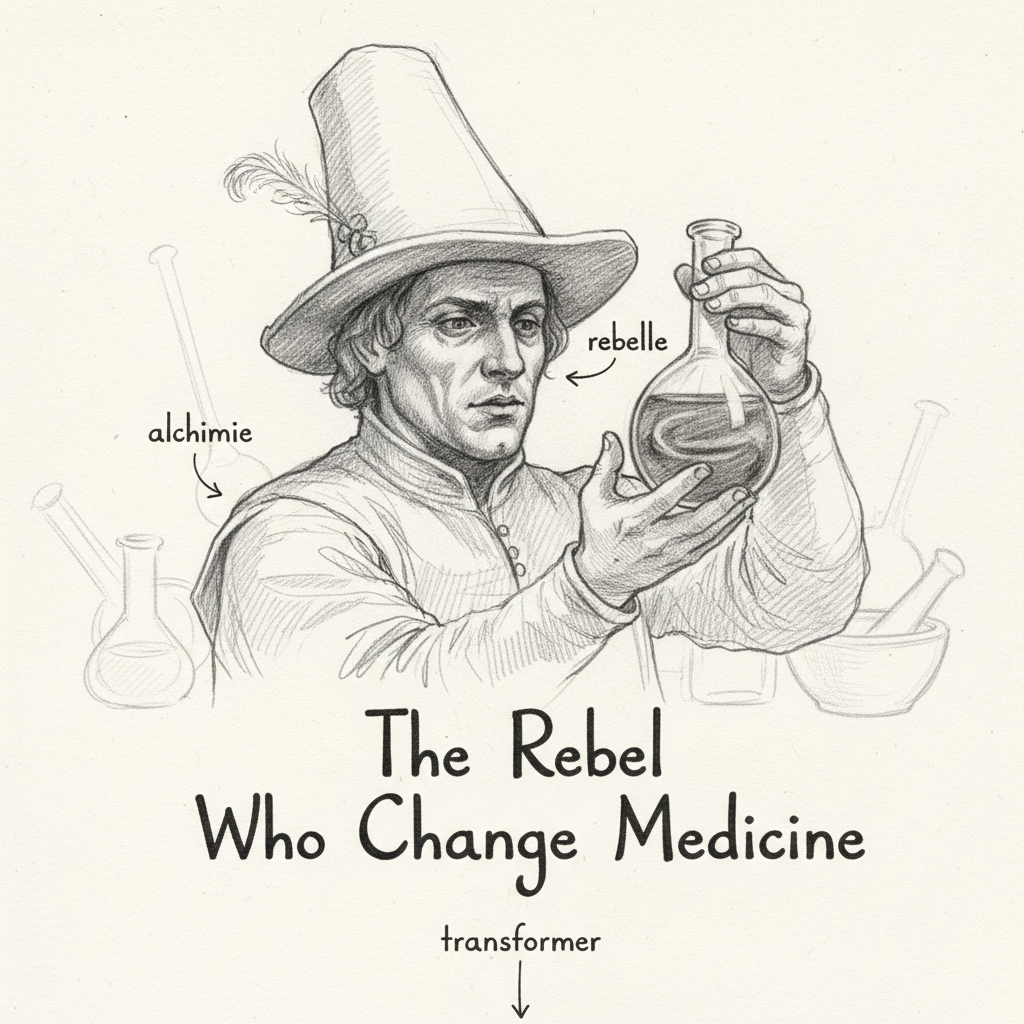
- Paracelsus: The Rebellious Alchemist Who Revolutionized Medicine
- Vincent’s Bioelectronics: The Science of Terrain
- Hippocrates: 15 Lessons from the Father of Natural Medicine
- Fasting and Monodiet: The Naturopath’s Ancestral Tools
Sources
- Kneipp, Sebastian. My Water Cure. Joseph Koesel, 1886.
- Salmanoff, Alexander. Secrets and Wisdom of the Body. La Table Ronde, 1958.
- Marchesseau, Pierre-Valentin. Lessons in Naturopathy. Éditions de la Vie Claire, 1972.
- Krogh, August. “The Supply of Oxygen to the Tissues and the Regulation of the Capillary Circulation.” The Journal of Physiology 52 (1919): 457-474.
- Schulz, Hugo. “Uber Hefegifte.” Pflügers Archiv 42 (1888): 517-541.
- Shevchuk, Nikolai A. “Adapted Cold Shower as a Potential Treatment for Depression.” Medical Hypotheses 70.5 (2008): 995-1001.
“The hygienist does not cure. He teaches the patient not to poison his cells any longer.” Pierre-Valentin Marchesseau
Laisser un commentaire
Sois le premier à commenter cet article.