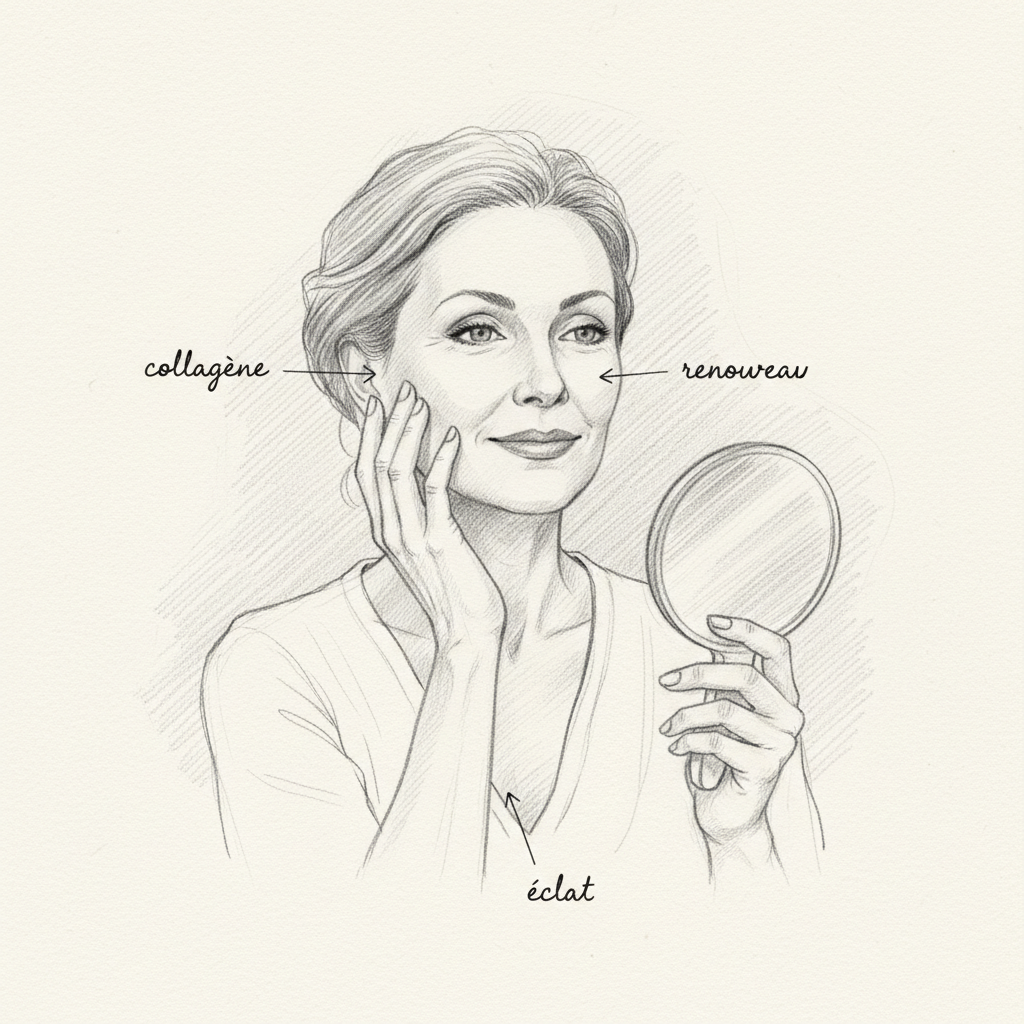
Sandrine is fifty-five years old and no longer recognizes herself in the mirror. It’s not a question of wrinkles; she expected those. It’s something else. It’s the texture of her skin that has changed. It has become thin, almost transparent on her hands and forearms. It cracks at the slightest friction. The creases in her face have deepened over a few months. Her hair, which was thick and shiny, has become thin, brittle, and falls out by the handful in the shower. Her nails are splitting and becoming grooved. And this generalized dryness that itches constantly, from her skin to her scalp to her mucous membranes. When she mentioned it to her dermatologist, he prescribed a hydrating cream. When she mentioned it to her gynecologist, she was offered HRT. No one explained the mechanism to her.
Yet the mechanism is elegantly cruel. Estrogens are the guardians of the extracellular matrix. They stimulate the synthesis of collagen, elastin, hyaluronic acid, keratin, and sebum. When they drop at menopause, all these tissues degrade simultaneously. It’s not normal aging. It’s accelerated depletion, concentrated in the first five years post-menopause, which can be considerably slowed by micronutrition if you know which cofactors to provide and why.
“The skin is a reflection of internal nutritional status. Skin that ages quickly is a body lacking raw materials.” Thierry Hertoghe
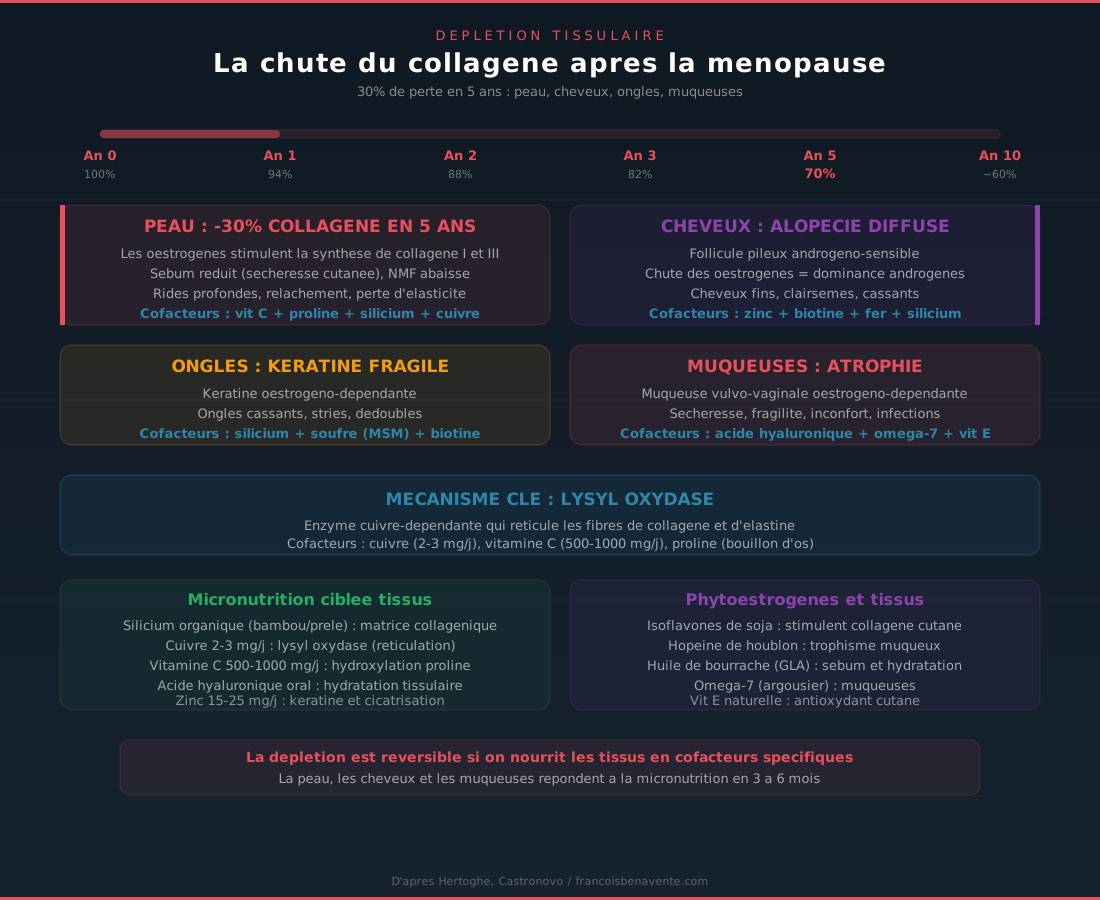
30 percent of collagen lost in five years
The number is stark and deserves to be repeated: skin loses approximately 30 percent of its collagen in the first five years following menopause. After this phase of accelerated loss, the decline continues at a rate of approximately 2 percent per year. At ten years post-menopause, nearly 40 percent of skin collagen has disappeared.
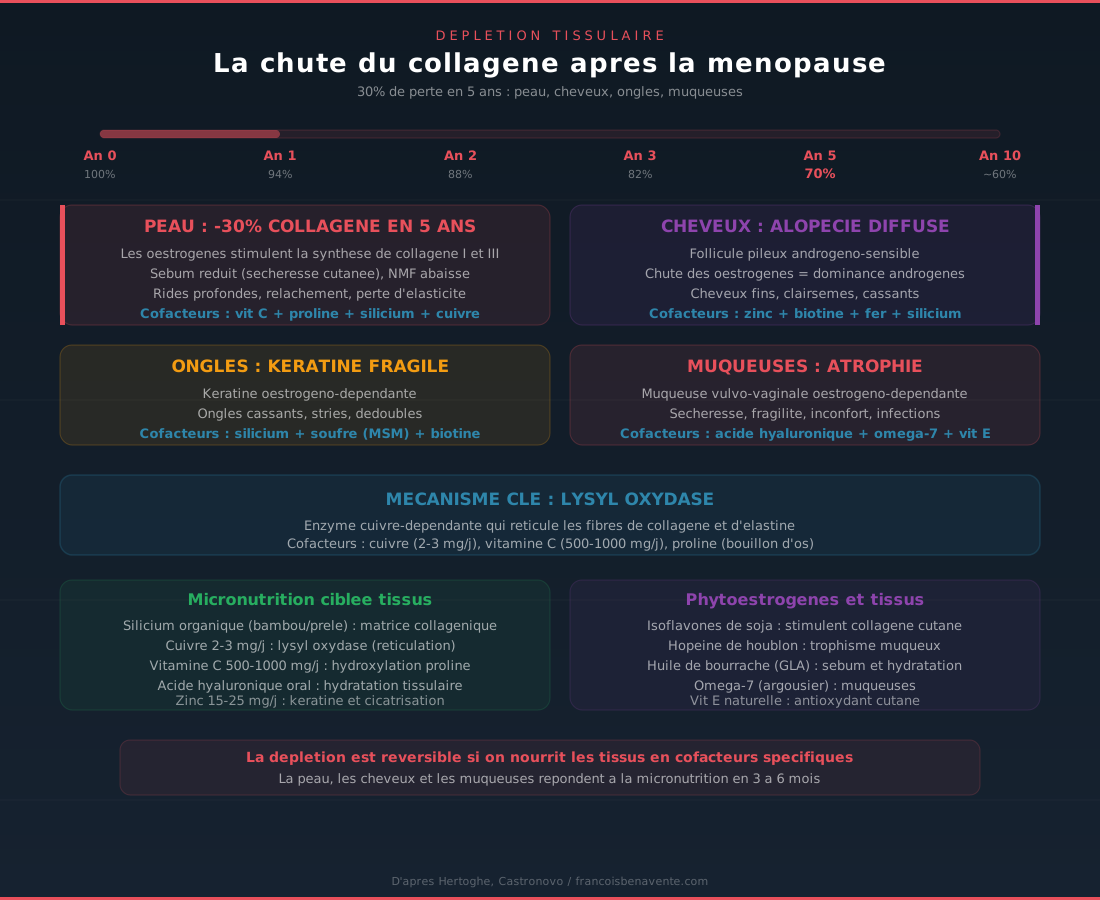
Collagen is not merely a structural component. It is the most abundant protein in the human body (25 to 30 percent of all proteins), and it forms the framework of skin, bones, tendons, ligaments, blood vessels, cartilage, and organs. Type I collagen (the most abundant in skin and bones) and type III collagen (present in vessel walls and organs) are the two types most affected by estrogen decline.
Estrogens stimulate collagen synthesis through several mechanisms. They activate fibroblasts (the dermal cells that produce collagen), they stimulate the expression of COL1A1 and COL3A1 genes (which encode the alpha chains of collagen I and III), and they inhibit matrix metalloproteinases (MMP), the enzymes that degrade existing collagen. When estrogens disappear, synthesis decreases and degradation increases. It’s a double loss mechanism that explains the speed of depletion.
Four tissues affected simultaneously
The skin is the most visible tissue, but it is not the only one to suffer. Four estrogen-dependent tissues degrade simultaneously at menopause, and understanding each one is necessary to build a complete protocol.
Skin loses its collagen but also its sebum. Sebaceous glands are estrogen-dependent: their production decreases at menopause, causing generalized skin dryness. The NMF (Natural Moisturizing Factor), this complex of amino acids and hyaluronic acid that maintains epidermal hydration, is also reduced. Elastin, the protein responsible for skin elasticity, fragments. And dermal hyaluronic acid, which retains a thousand times its weight in water, decreases. The result is dry, thin, slack skin that wrinkles and cracks.
Hair is affected by a double mechanism. On one hand, the drop in estrogens reduces the growth phase of the hair follicle (anagen phase), which shortens the hair cycle and thins the hair. On the other, the relative dominance of androgens (adrenal androgens remain stable while estrogens fall) sensitizes the follicles to 5-alpha-reductase, the enzyme that converts testosterone to dihydrotestosterone (DHT). DHT progressively miniaturizes the follicles, especially on the crown and temples. This is female androgenetic alopecia, which manifests as diffuse thinning rather than patches as in men. Zinc plays a crucial role here because it inhibits 5-alpha-reductase.
Nails become brittle, grooved, and split. Keratin, the structural protein of the nail, is estrogen-dependent. Its synthesis slows, and nails grow more slowly and more fragilely. Sulfur (MSM, methylsulfonylmethane) and biotin (vitamin B8) are the cofactors most directly involved in keratin quality.
Mucous membranes, finally, atrophy. The vulvo-vaginal mucous membrane is particularly affected because it is directly estrogen-dependent. The vaginal epithelium thins, loses its glycogen (needed for protective lactobacilli), and vaginal pH increases, promoting infections. Vaginal dryness affects 40 to 60 percent of menopausal women and deeply impacts quality of life and sexuality. As I explain in the article on recurrent vaginal yeast infections, maintaining vaginal ecology is essential at menopause.
The key enzyme: lysyl oxidase
There is an enzyme no one talks about outside biochemistry circles, yet it is the keystone of collagen quality: lysyl oxidase. This copper-dependent enzyme is responsible for cross-linking collagen and elastin fibers. Without cross-linking, collagen fibers remain isolated, fragile, and do not form the three-dimensional network that gives skin its mechanical strength and elasticity.
Copper is the essential cofactor for lysyl oxidase. Copper deficiency (more frequent than thought, especially in women who supplement zinc without balancing it with copper) results in poor-quality collagen, fragile vessel walls, and slack skin. The recommended dose is 2 to 3 mg of copper per day, ideally in the form of copper bisglycinate. Dietary sources include liver, shellfish (oysters), cashews, mushrooms, and pure cocoa.
Vitamin C is the other essential cofactor. It is necessary for the hydroxylation of proline and lysine in the collagen chain, a step without which collagen is structurally unstable (scurvy is the extreme illustration: sailors deficient in vitamin C saw their skin and gums degrade from lack of functional collagen). The recommended dose is 500 to 1000 mg per day of vitamin C, divided into two doses. Liposomal vitamin C has better bioavailability than the standard form.
And proline, the amino acid most abundant in collagen, is the substrate that vitamin C hydroxylates. Traditional bone broth (beef marrow bones or poultry carcasses, simmered 12 to 24 hours on low heat) is the most abundant source of proline and glycine, the two main amino acids of collagen. In supplementation, hydrolyzed collagen peptides (5 to 10 grams per day) are a documented alternative for improving skin hydration and elasticity.
The protocol for skin, hair, and mucous membranes
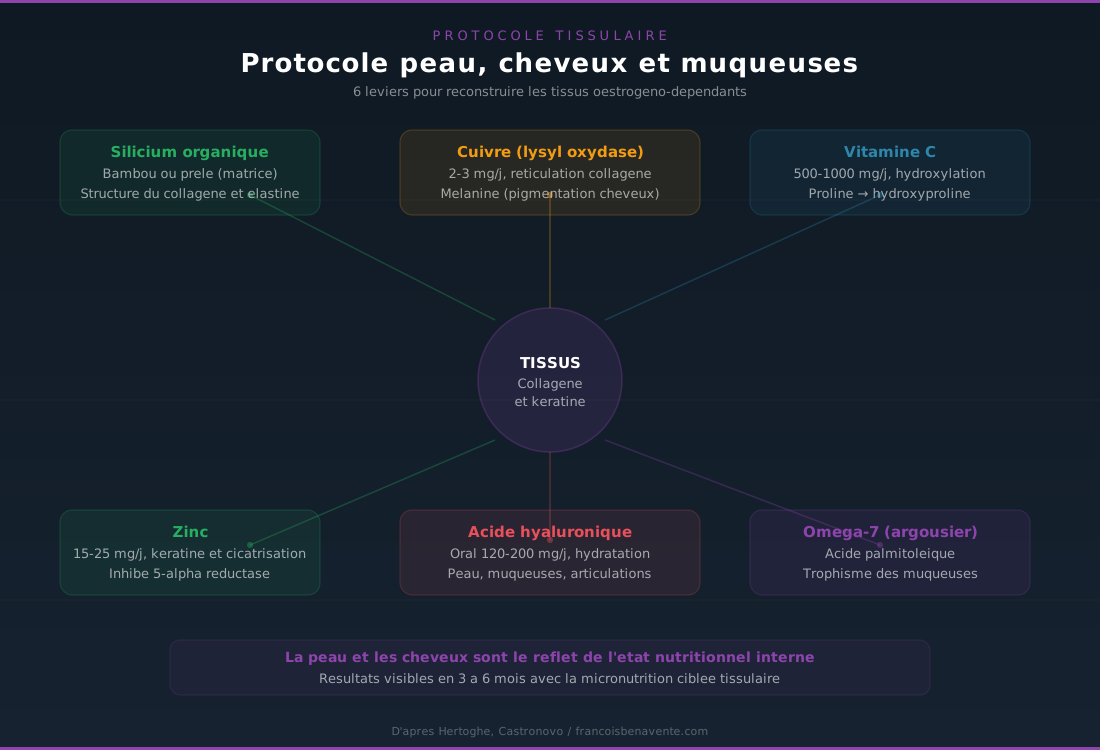
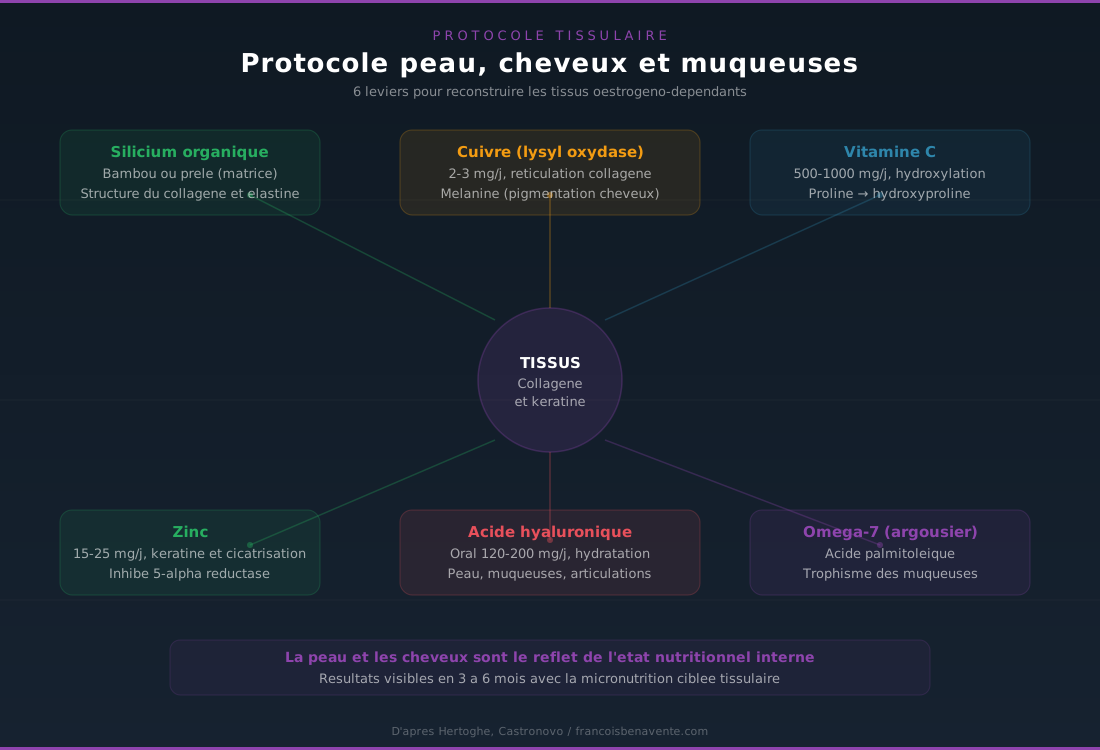
The protocol I implement in consultation for menopausal women suffering from tissue depletion is based on six complementary levers. It is a deep protocol, not a surface treatment, and it produces visible results in three to six months.
The first lever is organic silicon. Silicon is a structural component of the collagen matrix. It supports the three-dimensional architecture of collagen and elastin fibers. The best sources are bamboo (Tabashir extract, which contains up to 70 percent silicon) and horsetail (Equisetum arvense). In supplementation, 30 to 50 mg of elemental silicon per day during three-month courses. In gemmotherapy, the giant sequoia bud (Sequoiadendron giganteum) is a remarkable tissue tonic that supports both collagen and the adrenals.
The second lever is copper via lysyl oxidase, as detailed above. Two to three milligrams per day, ensuring a zinc to copper ratio of 8 to 15 to one (if you take 25 mg of zinc, balance with 2 to 3 mg of copper). Copper is also the cofactor of tyrosinase, the enzyme that produces melanin: copper deficiency can contribute to premature graying of hair.
The third lever is vitamin C at sufficient dosage. Five hundred to one thousand milligrams per day, divided into two doses (morning and midday, as vitamin C can be stimulating in the evening). Vitamin C is not only the cofactor for collagen hydroxylation, but also a major skin antioxidant that protects against UV damage and oxidative stress. Fresh fruit juices (kiwi, citrus, berries) prepared with a Hurom extractor preserve vitamin C better than centrifugation.
The fourth lever is zinc. At menopause, zinc plays a triple role for tissues: it supports keratin synthesis (hair and nails), it inhibits 5-alpha-reductase (reducing follicle miniaturization by DHT), and it accelerates skin healing. The dose is 15 to 25 mg per day, ideally in the form of zinc bisglycinate. Daily pumpkin and sesame seeds are a complementary dietary source.
The fifth lever is oral hyaluronic acid. Clinical studies show that 120 to 200 mg per day of oral hyaluronic acid improves skin hydration in four to eight weeks. Hyaluronic acid reaches the dermis after intestinal absorption and stimulates endogenous production by fibroblasts. It is a particularly useful supplement for women suffering from generalized dryness (skin, eyes, mucous membranes, joints).
The sixth lever is specific to mucous membranes: omega-7. Palmitoleic acid, present in high concentration in sea buckthorn oil (Hippophae rhamnoides), has a particular affinity for mucous membranes. It nourishes the vaginal, oral, ocular, and digestive epithelium. The dose is 500 to 1000 mg per day of sea buckthorn oil standardized for omega-7. For vaginal dryness specifically, vitamin E in vaginal suppositories (400 IU, two to three times per week) provides direct local support for mucosal trophism.
Phytoestrogens complete the protocol by providing moderate estrogenic support to tissues. Soy isoflavones stimulate skin collagen synthesis via the ERbeta receptors of fibroblasts. Humulone from hops supports mucosal trophism. And borage oil, rich in GLA (gamma-linolenic acid), supports sebum production and skin hydration from within.
Pro-collagen nutrition
The anti-depletion plate is just as important as supplementation. It rests on three principles: providing the amino acids of collagen (proline, glycine, hydroxyproline), providing synthesis cofactors (vitamin C, copper, zinc), and protecting existing tissues against oxidation.
Homemade bone broth is the pro-collagen food par excellence. Beef marrow bones or chicken carcasses, simmered 12 to 24 hours with a splash of apple cider vinegar (to extract minerals), root vegetables, and aromatic herbs. The result is a concentrate of proline, glycine, chondroitin, glucosamine, and minerals. A bowl per day is a considerable tissue investment.
Fatty fish (sardines, mackerel, wild salmon) provide omega-3 EPA and DHA which maintain cell membrane flexibility and have a skin anti-inflammatory effect. Eggs, particularly the yolk, are a source of choline, sulfur, biotin, and vitamin A (retinol), all involved in skin and hair health. Berries (blueberries, blackcurrants, blackberries) provide anthocyanins that protect skin microirculation and collagen against oxidative damage.
Foods to avoid are those that accelerate collagen degradation: refined sugar (which causes collagen glycation, making it rigid and brittle), alcohol (which dehydrates and overloads the liver), tobacco (which reduces skin microcirculation by 40 percent), and fried foods (which generate Maillard compounds accelerating skin aging). As I explain in the article on anti-inflammatory nutrition, chronic inflammation is the enemy of collagen.
The thyroid dimension
I cannot discuss skin and hair without mentioning the thyroid, as dry skin and hair loss are also cardinal signs of hypothyroidism. At menopause, the drop in estrogens modifies TBG and can unmask or worsen latent thyroid insufficiency. In any menopausal woman complaining of skin dryness, thin hair, and fatigue, I systematically request a complete thyroid panel (TSH, free T3, free T4) and serum zinc and selenium levels. Treatment of thyroid causes, when they exist, can by itself dramatically improve skin and hair quality in just a few weeks.
What naturopathy does not do
Naturopathy does not replace dermatology. Suspicious skin lesions (changes in moles, persistent patches, nodules) require dermatological examination. Severe or patch-based alopecia may involve an autoimmune condition (alopecia areata) that goes beyond the scope of naturopathy. And severe vaginal dryness with advanced mucosal atrophy may require localized estrogenic treatment prescribed by the gynecologist, which naturopathy can complement but not replace.
High-dose zinc (more than 40 mg per day long-term) can cause copper deficiency. High-dose copper is toxic. These minerals should be supplemented knowingly, ideally based on blood tests and with professional follow-up.
Based in Paris, I consult via video throughout France. You can book an appointment for a personalized tissue protocol.
For skin and hair, Sunday Natural offers bamboo silicon, liposomal vitamin C, and pharmaceutical-grade hyaluronic acid (-10% with code FRANCOIS10). The Inalterra grounding mat improves skin microcirculation and reduces inflammation (-10% with code FRANCOISB). Find all my partnerships with exclusive promo codes.
Scientific references
Want to assess your status? Take the free Hertoghe estrogen questionnaire in 2 minutes.
If you want personalized support, you can book a consultation.
To go further
- Menopause: what your body is trying to tell you (and what’s being hidden)
- Menopause and brain: why you’re losing your words (and how to find them again)
- Menopause and estrogens: the liver detoxification no one explains to you
- Phytoestrogens: soy, hops, lignans, the guide without misconceptions
Sources
- Hertoghe, Thierry. The Textbook of Nutrient Therapy. International Medical Books, 2019.
- Castronovo, V. “Supporting the menopausal woman.” DU MAPS, 2020.
- Nissim, Rina. Mamamelis: Manual of naturopathic gynecology. Mamamelis, 1994.
- Kousmine, Catherine. Be well on your plate until 80 and beyond. Tchou, 1980.
- Mouton, Georges. “Collagen and micronutrition.” Functional medicine lecture.
“The skin is the last organ to be nourished and the first to show deficiencies. Nourish the inside, and the outside will follow.” Thierry Hertoghe
Healthy recipe: Regenerating bone broth: The collagen in the broth nourishes your skin.


Laisser un commentaire
Sois le premier à commenter cet article.