It is seven o’clock in the morning, a Saturday in July, and the Belleville market is overflowing. The crates of white peaches are stacked so high they look like perfumed pyramids. The beefsteak tomatoes burst with dark red, the apricots have that burnt orange color that announces sugar concentrated by the sun, and the Cavaillon melons fill the aisle with their fragrance for three meters. An old woman presses a melon between her hands, turns it over, brings her nose to the stem, closes her eyes. She knows. She doesn’t need a label, doesn’t need certification. She knows that a ripe melon smells like summer, and that if it smells like nothing, it’s worth nothing.
That’s the paradox of summer in naturopathy. You find yourself facing the greatest food abundance of the year: fruits gorged with sunshine, vegetables at their nutritional peak, aromatic herbs exploding with flavor. And at the same time, your body slows down. The heat crushes you, your digestion moves sluggishly, you want nothing more than ice cream and cool drinks. Summer offers everything, but also demands that you know how to receive. And receiving, in naturopathy, means eating consciously, at the rhythm of the seasons, respecting what nature offers you exactly at the moment it offers it.
“Nature does things well: each season brings the foods the body needs to get through that season.” Robert Masson
Marchesseau repeated this to his students: the laws of naturopathy are the laws of the living, and the first of these laws is seasonality. Summer is not just a vacation period. It’s a therapeutic season, a moment when the body has all the conditions to regenerate, provided you understand what it truly expects from you.
Summer according to Bonnejoy: the explosion of abundance
Dr. Bonnejoy, in his calendar of seasonal fruits and vegetables, describes summer as a veritable plant explosion. No other time of year offers such diversity, such richness in colors, flavors, and micronutrients. And each month brings its own wave.
June opens the dance with cherries, strawberries, raspberries, gooseberries, and blackcurrants. These are red fruits par excellence, concentrated in anthocyanins, in vitamin C and antioxidant polyphenols. Cherries are among the rare fruits containing natural melatonin, making them a food of choice for sleep. On the vegetable side, June offers artichokes, peas, and fresh fava beans, springtime plant proteins that gradually transition into summer. It’s also the month of crisp salads and radishes bursting with piquancy.
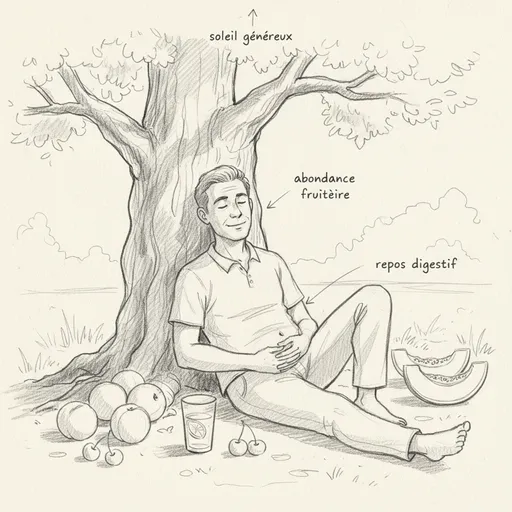
July is the month of the great shift. Apricots arrive, and with them an exceptional concentration of beta-carotene, the orange pigment that protects skin and mucous membranes. Peaches and nectarines follow, juicy, sweet, perfectly ripe. Melons make their entrance, loaded with water, potassium, and vitamin A. Plums already announce the end of summer. On the vegetable side, it’s the apotheosis: tomatoes, zucchini, eggplants, peppers, and cucumbers are at their peak maturity. This is when the garden produces more than you can eat, and nature literally tells you: help yourself.
August prolongs this abundance by adding its own treasures. Melons are still there, even better than in July. Peaches reach their final wave, often the sweetest. Wild blackberries darken in hedgerows and embankments, free, offered to anyone willing to stop and pick them. Fresh almonds, so rare and precious, briefly appear in southern markets. And Midi grapes announce September, that transition month when the vine offers its most beautiful fruits before preparing for autumn.
“Beware of greenhouse cultivation and especially hydroponic systems… they don’t have the energetic value of plants with normal growth.” Dr. Bonnejoy
This warning from Bonnejoy is fundamental. A seasonal fruit, grown in open ground, ripened by the sun, harvested at maturity, possesses nutritional density incomparable to its hydroponic equivalent. A tomato grown in a greenhouse in January contains up to five times less vitamin C and lycopene than a field tomato in August. The energy Bonnejoy speaks of is that charge of micronutrients, living enzymes, structured water, that only the natural cycle of earth and sun can bestow on a plant. Naturopathy is not a diet. It’s an alignment with the rhythms of the living. And summer is the time of year when this alignment is easiest, most natural, most generous.
Sun and vitamin D: 20 minutes that change everything
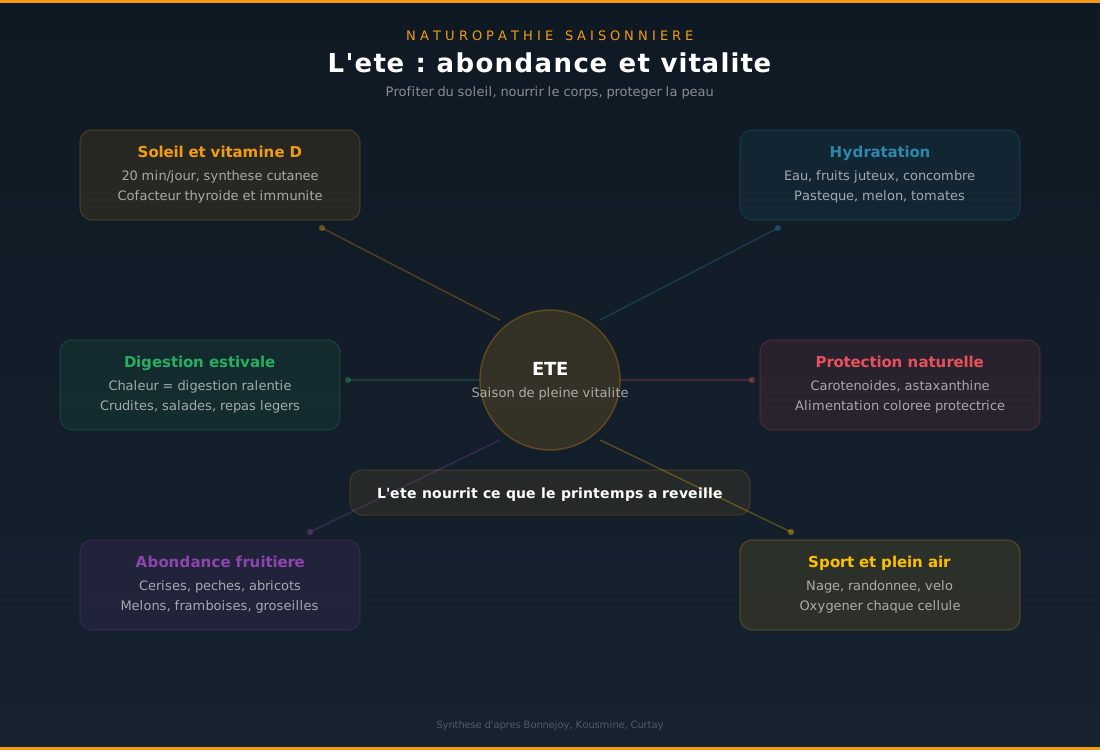
Summer brings with it what dark months refuse you: the sun. And in naturopathy, the sun is not an enemy. It’s medicine. The oldest, most powerful, most free. Hippocrates used heliotherapy twenty-five centuries ago. Swiss sanatoriums in the 19th century cured tuberculosis through sun exposure. And today, science confirms what the ancients knew instinctively: the sun is indispensable to your health.
The mechanism is elegant. UVB rays penetrate your skin and transform 7-dehydrocholesterol (a derivative of cholesterol present in your skin cells) into previtamin D3. This is then converted to calcidiol (25-OH-D3) by the liver, then to calcitriol (1,25-(OH)2-D3) by the kidneys. It’s this active form, calcitriol, that acts like a true hormone on more than 200 genes in your body. It modulates the immune system, strengthens bones, protects the heart, supports the thyroid, and directly influences mood.
Twenty minutes of daily exposure on the arms and face, between 11am and 3pm, is enough to synthesize between 10,000 and 20,000 IU of vitamin D in summer, for a fair-skinned person. That’s more than any dietary supplement. But attention: this synthesis depends on latitude (above the 42nd parallel, UVB is absent from October to March), skin color (dark skin requires three to six times more exposure time), age (synthesis capacity decreases by 75% between ages 20 and 70), and sunscreen use (SPF 30 blocks 97% of UVB).
The modern paradox is striking. We live in a country where the sun shines generously four months a year, yet 80% of French people are insufficient in vitamin D. The reason is simple: we live indoors. We work under artificial lighting. We slather ourselves in sunscreen at the first ray. And when we do go out, it’s often in the evening, when UVB has already disappeared. Naturopathy tells you the exact opposite: go out in the morning, expose your skin, welcome the sun with gratitude. Don’t fear the sun, fear deficiency. Sunburn is excess, deficiency is chronic deprivation. Between the two, there’s a right dosage, reasoned exposure, a balance your body knows instinctively if you trust it.
Vitamin D is a direct cofactor in T4 to T3 conversion, as I explain in the article on thyroid and micronutrition. It intervenes in the modulation of autoimmunity, making it essential in Hashimoto’s disease. It supports calcium and phosphorus absorption, protects the intestinal mucosa, and participates in cerebral serotonin synthesis. In summary: twenty minutes of sun per day in summer is an investment for the twelve months that follow.
Hydration: far beyond water
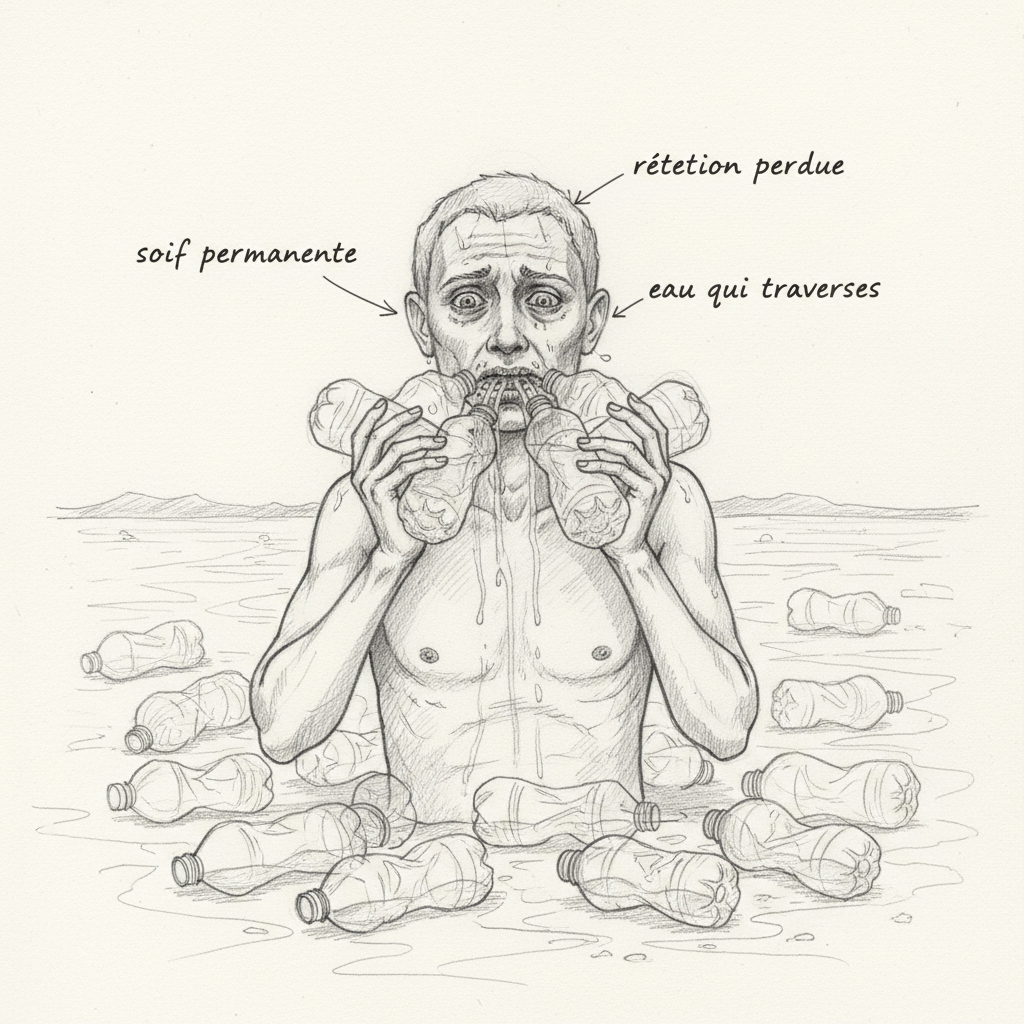
Summer is the season when your body loses the most water. Sweating, this ingenious thermoregulation mechanism, can cause you to lose between one and three liters of sweat per day during periods of intense heat, and up to five liters during intense physical effort. This water that evaporates on your skin’s surface carries with it electrolytes: sodium, potassium, magnesium, chlorine. If you don’t compensate for these losses, dehydration sets in progressively, and its consequences go far beyond simple thirst.
The first signs of dehydration are often misinterpreted. Fatigue is the first signal. Before you even feel thirsty, a loss of just 1 to 2% of body weight in water is enough to decrease your cognitive performance by 20%. Headaches come next, followed by muscle cramps (from loss of magnesium and potassium), constipation (the colon reabsorbs water to compensate for skin losses), and dry skin despite the heat.
The solution is not to drink liters of mineral water all at once. Intelligent hydration starts first with food. Watermelon contains 92% water, antioxidant lycopene, and potassium. Cucumber reaches 96% water and provides silica, beneficial for skin. Melon combines water, potassium, and beta-carotene. Tomato, with its 94% water, provides lycopene and vitamin C. Celery, often overlooked, is an excellent provider of natural electrolytes. By eating abundantly these seasonal fruits and vegetables, you hydrate while nourishing yourself with micronutrients. That’s the very definition of naturopathic synergy.
Cold infusions are a remarkable alternative to plain water. Peppermint refreshes and supports digestion. Hibiscus (bissap) is rich in anthocyanins and vitamin C. Lemon verbena calms the nervous system. Lemon balm promotes sleep. You prepare a liter of infusion in the morning, let it cool in the refrigerator, and drink it throughout the day. It’s more flavorful than water, more hydrating than soda, and infinitely healthier than industrial fruit juice.
However, avoid ice water. It’s a summer reflex that naturopathy formally discourages. Ice water causes vasoconstriction of the digestive mucosa, slows gastric emptying, and disrupts enzyme secretion. Your stomach must spend energy to warm this water to 37 degrees before it can process it. In the middle of heat, when your digestion is already sluggish, it’s the last thing your body needs. Drink cool, but not iced. Cave temperature, around 12 to 15 degrees, is ideal.
Coconut water is an excellent source of natural electrolytes: potassium, magnesium, sodium, in proportions close to blood plasma. Warm vegetable broths, consumed in the evening, provide minerals in abundance and prepare nighttime digestion. And if you’re athletic, fresh vegetable juice (celery, cucumber, carrot, a splash of lemon) after exercise is worth all commercial energy drinks.
Summer digestion: when heat slows everything down
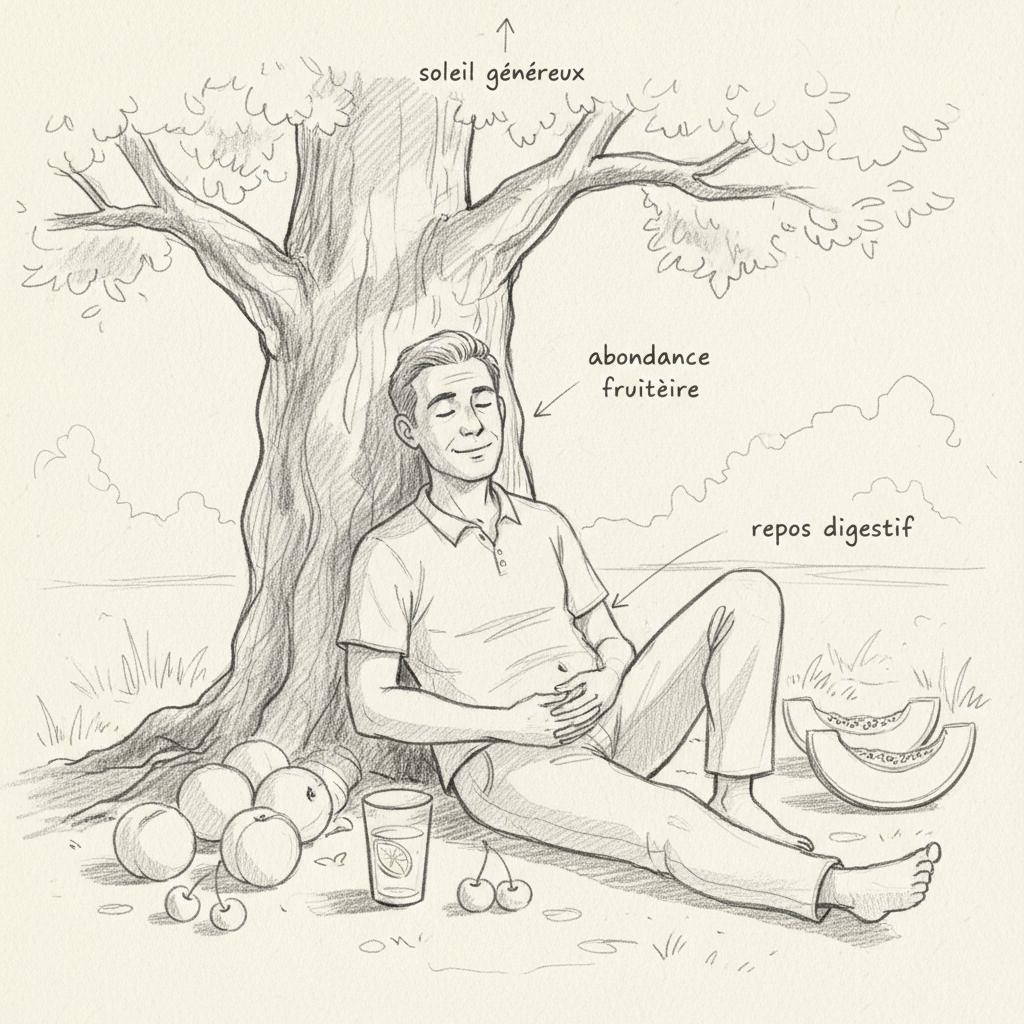
It’s a phenomenon everyone has experienced without necessarily understanding it: as soon as heat sets in, appetite decreases, hearty meals become difficult, and bloating appears even with usually well-tolerated foods. The reason is physiological, and it’s simple.
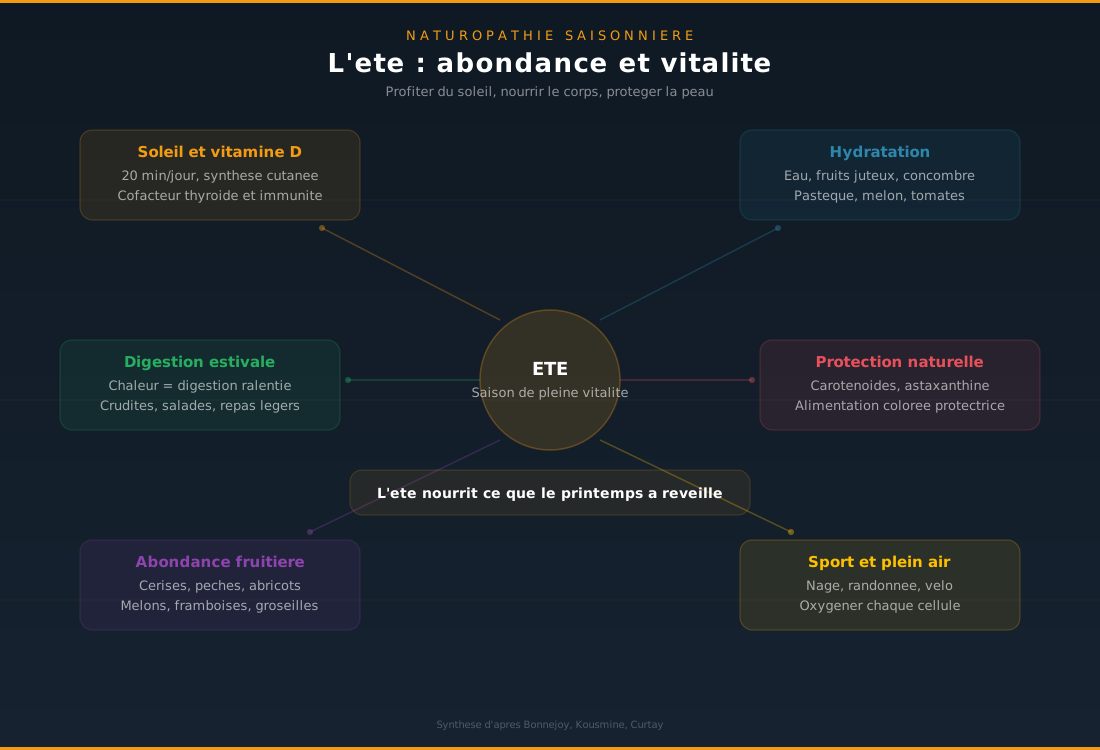
When external temperature rises, your body activates thermoregulation mechanisms. Blood is redirected toward the skin to evacuate heat through radiation and evaporation. This redistribution happens at the expense of internal organs, particularly the digestive tract. The stomach, small intestine, and colon receive less blood, therefore less oxygen, therefore less energy to ensure digestion, absorption, and peristalsis. The result: slower digestion, increased intestinal fermentation, gas, bloating, and sometimes alternating diarrhea or constipation.
The naturopathic response is of implacable logic: since the body has less digestive energy in summer, you must give it less work. This means lightening meals, reducing portions, favoring easily digestible foods. Raw vegetables become your best allies: composed salads, gazpachos, vegetable carpaccios, tabbouleh. Fruits are eaten outside meals (thirty minutes before or two hours after) to avoid intestinal fermentation. Proteins are chosen light: fish, eggs, poultry, fresh goat cheese. Cereals are reduced to a minimum, and when consumed, you favor rice (the most digestible), buckwheat, or quinoa.
Gentle cooking takes on full meaning in summer. Not only does it preserve nutrients that heat destroys, but it produces more easily digestible foods. A zucchini cooked with gentle steam for eight minutes is infinitely more assimilable than a grilled zucchini. And if you choose to eat raw, ensure thorough chewing. Chewing is the first digestive act, and in summer, when the stomach runs in slow motion, it becomes even more essential.
Dinner time deserves special attention. In summer, the sun sets late, and the temptation is great to eat at 9pm or 10pm, in the evening’s softness. But digestive capacity decreases as the day advances. The naturopathic ideal is to dine before 8pm, with a light meal, and leave at least two hours between your last meal and bedtime. A gazpacho, a quinoa salad with grilled vegetables, a few slices of melon. Nothing more. Your sleep will only be better for it, and your energy upon waking incomparable.
Solar protection from the inside: sunscreen is on your plate
Before the invention of sunscreen, how did humans protect themselves from the sun? Through diet. Mediterranean peoples, exposed to intense sunlight for millennia, developed a cuisine instinctively photoprotective: tomatoes, peppers, apricots, almonds, olive oil. It’s not by chance. It’s an evolutionary adaptation inscribed in food culture.
Carotenoids are the most powerful plant pigments to protect your skin from within. Beta-carotene, present in carrots, sweet potatoes, apricots, mangoes, and spinach, accumulates in the skin’s corneal layer and acts as a natural UV filter. Studies have shown that supplementation with beta-carotene for ten weeks reduces sunburn sensitivity by 25 to 30%. It’s not total protection, but it’s a first layer of defense that nature offers you free of charge.
Lycopene is the most studied carotenoid for photoprotection. It’s found in tomatoes, watermelons, red peppers, and guavas. The detail that changes everything: lycopene from tomatoes becomes more bioavailable after cooking. Homemade tomato sauce, gently simmered with a drizzle of olive oil (lipids increase carotenoid absorption), is a first-rate photoprotective preparation. Research by Stahl and Sies, published in the Journal of Nutrition, demonstrated that daily consumption of tomato paste for ten weeks increased the skin’s natural protection against UVB by 33%.
Astaxanthin, a carotenoid derived from the microalga Haematococcus pluvialis, deserves particular mention. Its antioxidant capacity is six thousand times greater than vitamin C and five hundred times greater than vitamin E. It crosses the skin barrier and deposits directly in the cell membranes of the skin, where it neutralizes free radicals generated by UV. It’s the most powerful supplement to prepare skin for the sun, at a rate of 4 to 8 mg per day, starting four weeks before summer exposure.
Anthocyanins from red fruits (blueberries, blackcurrants, blackberries, cherries) strengthen skin microcirculation and protect capillaries against the damage of solar oxidative stress. Vitamin E from almonds, hazelnuts, and sunflower seeds acts in synergy with beta-carotene to protect cell membranes. Green tea polyphenols add a layer of anti-inflammatory protection.
Let’s be clear: this dietary photoprotection doesn’t replace sunscreen during prolonged exposure. But it constitutes a protective base that sunscreen alone cannot provide. Sunscreen protects the surface. Food protects the structure. By combining both, you offer your skin complete defense, from inside out.
Moving outdoors: the body needs movement and light
Summer is the season of movement. Days are long, temperatures invite us outside, and your body has a physiological need for natural light and physical activity that winter never fully satisfies.
Morning light, between 7am and 9am, is a powerful circadian regulator. When natural light reaches your retina, it inhibits melatonin secretion and stimulates production of cortisol (the good cortisol, that of waking) and serotonin. That’s why people who walk in the morning in summer naturally feel better mood, more energetic, clearer headed. It’s not a placebo effect. It’s a direct neurobiochemical mechanism: light stimulates the raphe nuclei, which are the production centers for serotonin in the brain. And serotonin, remember, is the molecule of serenity, patience, inner satisfaction.
Swimming is the summer activity par excellence. It engages all muscle groups without joint impact, it cools the body, and water exerts hydrostatic pressure that improves venous and lymphatic return. For people prone to heavy legs in summer (a classic of heat), swimming is true therapy. Morning hiking combines the benefits of walking, natural light, and contact with nature. Studies by Bratman et al. at Stanford showed that 90 minutes of walking in a natural environment reduce activity in the subgenual prefrontal cortex, the brain region associated with mental rumination. Cycling is excellent cardio exercise that can be done early morning or evening, when heat subsides.
Gardening deserves a special place in this list. Working the earth, sowing, weeding, harvesting, it’s complete physical activity, active meditation, and direct contact with the living. Hands in the soil, you’re exposed to soil bacteria, notably Mycobacterium vaccae, which research by Lowry at the University of Colorado showed stimulates serotonin production by dorsal raphe neurons. Gardening makes you literally happier, and science proves it.
Grounding (walking barefoot on grass, sand, or earth) is an ancestral practice that modern research is beginning to validate. Direct contact between the soles of your feet and the earth’s surface allows transfer of free electrons that neutralize free radicals and reduce systemic inflammation. Work by Chevalier and Sinatra, published in the Journal of Environmental and Public Health, documented measurable effects on blood viscosity, heart rate variability, and cortisol levels. In summer, when soil is warm and dry, it’s the ideal time for this telluric reconnection.
Whatever activity chosen, the golden rule in summer is to move in the morning or evening, never during the hottest hours. Between noon and 4pm, your body is in thermoregulation mode, not performance mode. Forcing it to exert during intense heat exposes it to hyperthermia, dehydration, and oxidative stress. Marchesseau spoke of respecting cosmic rhythms. Midday sun invites rest, not running.
And after summer?
Summer is a pause of light, heat, and abundance. But like all seasons, it passes. And what it gives you today, you must know how to preserve for tomorrow. The vitamin D reserves you synthesize in July and August will carry you through October, maybe November if your level was high enough. The antioxidants accumulated by eating colorful fruits will strengthen your cellular defenses for autumn. The movement practiced under summer sun will maintain your muscle mass and mitochondrial capacity for cold months.
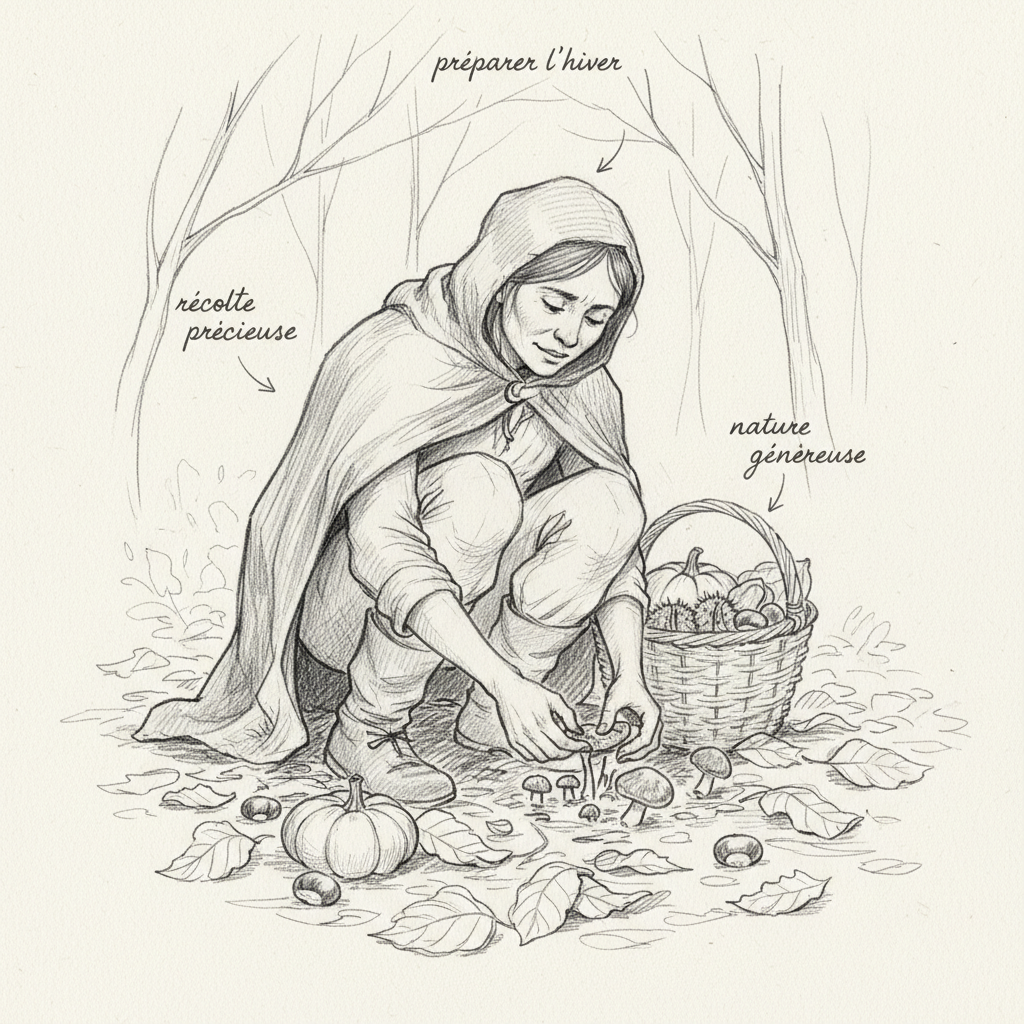
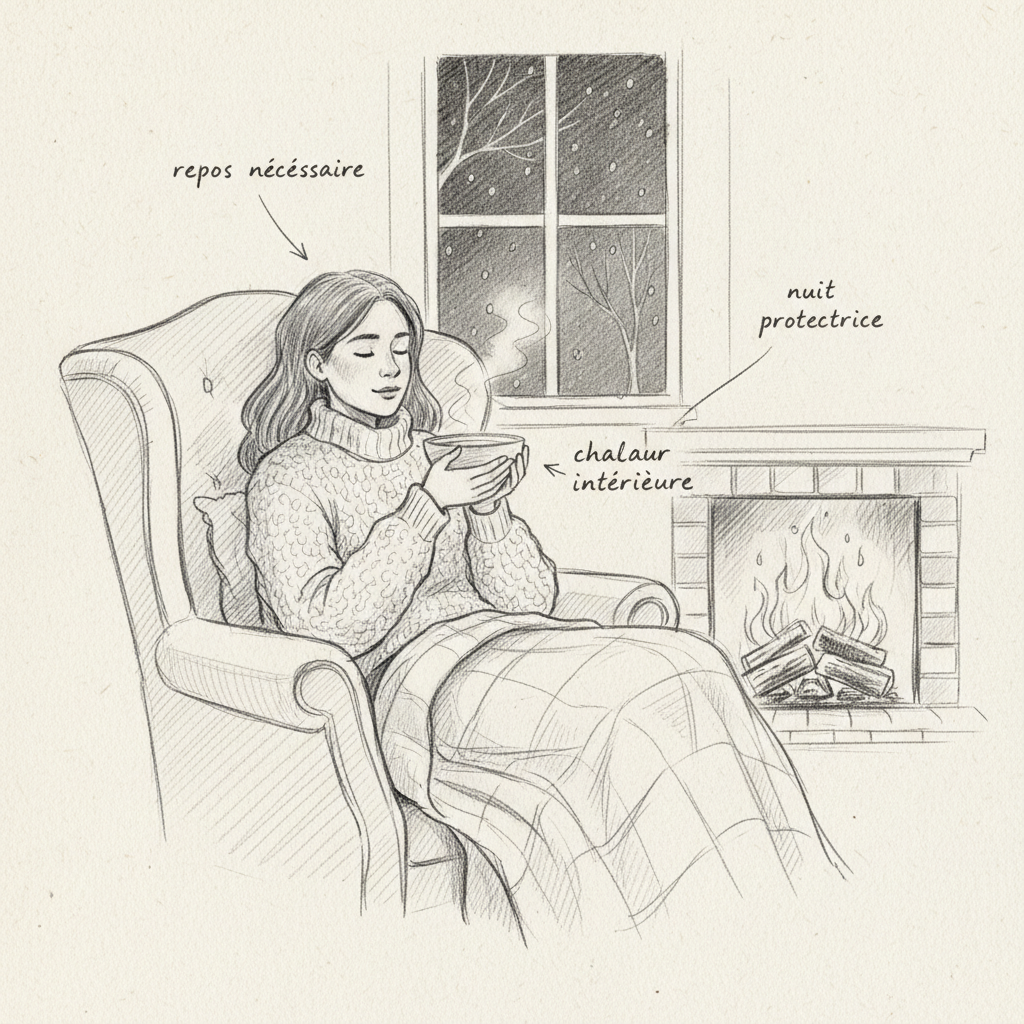
September is the transition month. The last figs, the first grapes, fresh walnuts. It’s when nature begins to slow, when days shorten, when your body instinctively prepares for winter. The autumn that follows will be the time to prepare your immunity and make your reserves. Discover how naturopathy accompanies autumn to maintain the vitality summer gave you. And if you want to understand the overall logic of this seasonal approach, the article on spring detox explains how the cycle begins, with the deep cleansing that precedes summer abundance.
“Nature never hurries, yet all is accomplished.” Lao Tzu
Summer in naturopathy is not a list of rules to follow. It’s an invitation to align with a rhythm that transcends you and carries you at the same time. The sun gives you your vitamin D. Fruits give you your antioxidants. Water from vegetables gives you your hydration. Movement in fresh air gives you your serotonin. And the beauty of a summer market, with its overflowing crates and smells of warm peaches, reminds you that health isn’t built in a pharmacy. It’s built on a plate, under blue sky, with feet in the grass.
Don’t let this summer pass without extracting all it has to offer you. Each day of sun is a deposit in your vitality account. Each seasonal fruit is a gift from the earth. Each bath of light is a dose of serotonin. Your body knows exactly what it needs. All you have to do is listen, go outside, and help yourself.
Want to assess your status? Take the free vitamin D questionnaire in 2 minutes.
To go further
- Autumn naturopathy: prepare your immunity before winter
- Winter naturopathy: rest, restriction, and natural immunity
- Spring naturopathy: the renewal that awakens your body
- Vasopressin (ADH): hydration, memory, and coagulation
Healthy recipe: Tomato-basil gazpacho: Gazpacho: the cool summer dish.

Laisser un commentaire
Sois le premier à commenter cet article.