Marc never remembers his dreams. For as long as he can remember (an interesting paradox), he wakes up in the morning with complete emptiness. No images, no stories, nothing. He thought it was normal, that some people dream and others don’t. When I told him that the absence of dream recall is a classic clinical marker of vitamin B6 deficiency, he looked at me as if I was making it up.
Marc also had other symptoms he didn’t connect to each other. Social anxiety that pushed him to avoid dinner with friends. Sound sensitivity that made him irritable on the metro. Tingling in his fingers upon waking. Food intolerances (red wine gave him migraines, cooked spinach made him bloat, aged cheese made him nauseous). And a detail I noticed when examining his hands: small white spots on his nails. Each of these symptoms, taken individually, seems mundane. Together, they draw a precise clinical portrait: B6 deficiency, probably aggravated by pyrrolulia.
The causes of B6 deficiency
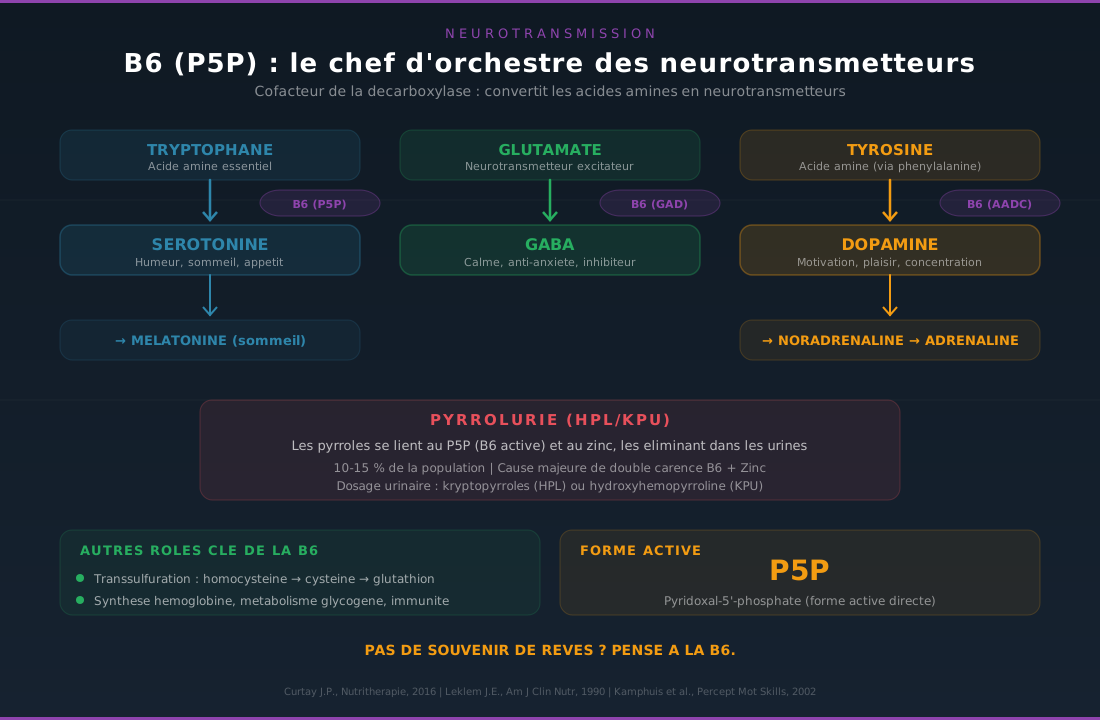
Vitamin B6, in its active form P5P (pyridoxal-5-phosphate), is a cofactor for more than one hundred and forty enzymatic reactions in the human body. It is, along with magnesium, the most versatile cofactor that exists. And unlike magnesium, which receives growing attention, B6 remains in the shadows.
Poor diet lacking whole foods is the first cause of deficiency. Refining cereals eliminates up to eighty percent of the B6 naturally present in the whole grain. Ultra-processed foods, prepared meals and fast food are almost devoid of bioavailable B6. Prolonged cooking destroys thirty to forty percent of vitamin B6, which is thermosensitive and water-soluble.
Medications are a major iatrogenic cause. Oral contraception (estrogen-progestin pill) reduces B6 levels by twenty to forty percent by accelerating tryptophan catabolism via the kynurenine pathway. Isoniazid (antituberculous) forms a complex with P5P and inactivates it. D-penicillamine (Wilson’s disease, arthritis) chelates B6. Anticonvulsants (phenytoin, carbamazepine, valproate) accelerate B6 catabolism. Theophylline (asthma) inhibits pyridoxal kinase.
Alcohol is a powerful antagonist. Acetaldehyde, a metabolite of ethanol, displaces P5P from its protein binding sites and accelerates its catabolism. Chronic alcoholics are almost systematically deficient in B6.
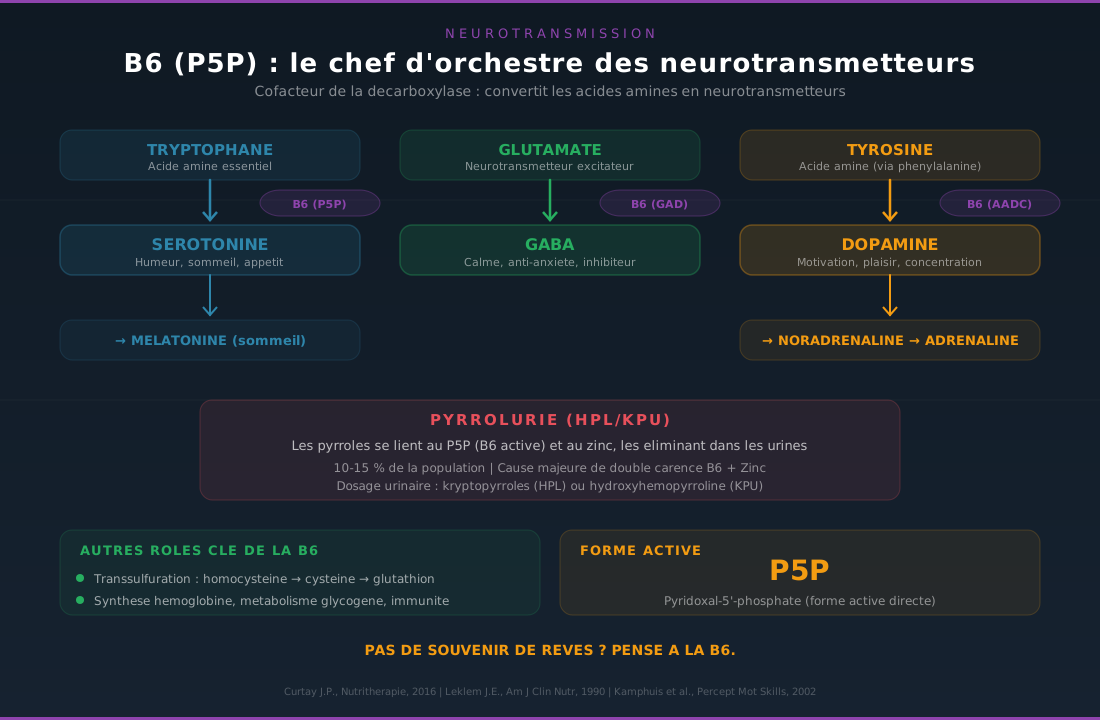
Pyrrolulia is an underrecognized but frequent cause. The body, during hemoglobin synthesis, produces byproducts called pyrroles (hydroxyhemopyrroline-2-one or HPL). In five to ten percent of the population, pyrrole production is excessive. These pyrroles bind to zinc and B6 in the blood and carry them into the urine, creating a chronic leakage of both micronutrients that resists standard supplementation.
Celiac disease and inflammatory bowel diseases (Crohn’s, ulcerative colitis) reduce B6 absorption by damaging the intestinal mucosa. Chronic kidney insufficiency increases B6 excretion. Dialysis eliminates P5P with each session.
Symptoms of deficiency
B6 is essential for the synthesis of serotonin (tryptophan needs P5P to become 5-HTP then serotonin), GABA (glutamate needs P5P to become GABA via glutamate decarboxylase), dopamine, noradrenaline, histamine and melatonin. In other words, all your neurotransmitters depend directly or indirectly on B6.
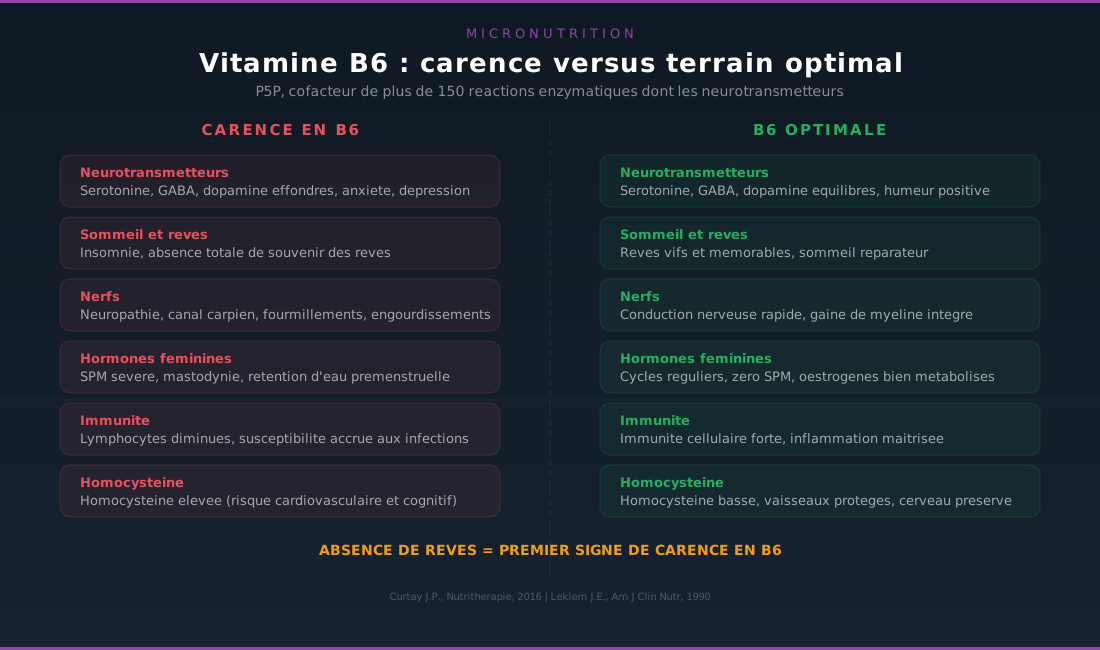
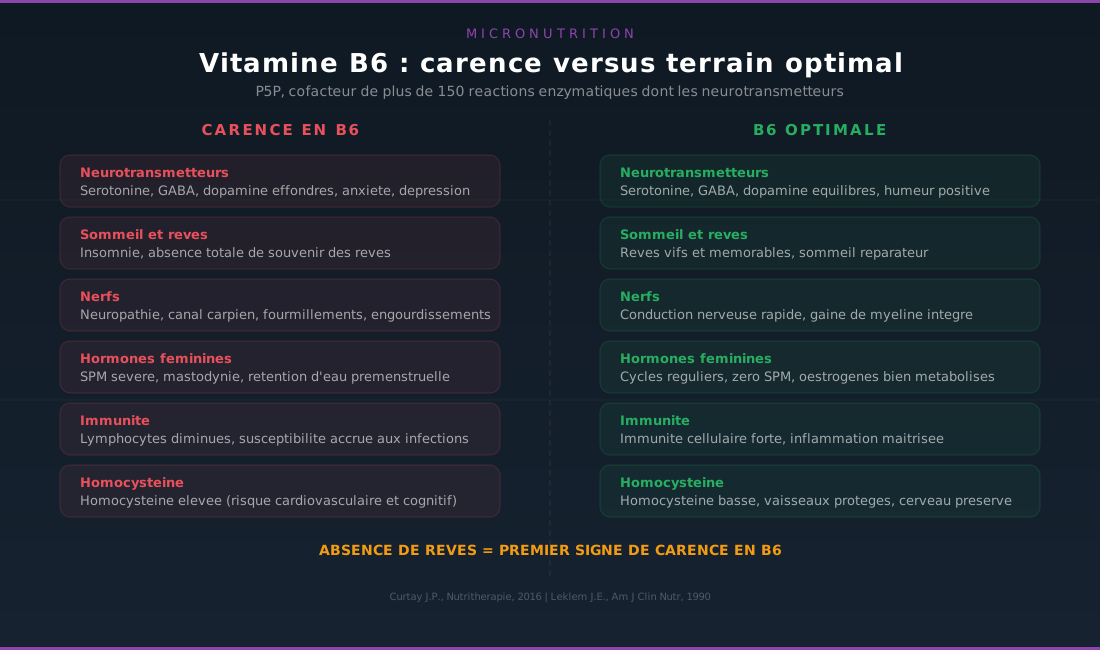
Absence of dream recall is an early and specific clinical marker. B6 is necessary for the conversion of tryptophan to serotonin then melatonin, and dreaming occurs during sleep REM phases regulated by serotonin. Deficient patients recover their dreams within a few weeks of P5P supplementation.
Neuropsychiatric disorders include anxiety (GABA deficiency), depression (serotonin and dopamine deficiency), irritability, insomnia and cognitive disorders. Peripheral neuropathy (tingling, numbness of the extremities in glove and stocking distribution) occurs in severe deficiencies.
Multiple food intolerances are often the mask of B6 deficiency rather than true allergies. Red wine, aged cheese and chocolate trigger histamine reactions because diamine oxidase (DAO), the histamine degradation enzyme, requires P5P as a cofactor. Magnesium glycinate paradoxically causes anxiety because glycine activates NMDA receptors for glutamate, and without P5P to convert glutamate to GABA, excitation dominates.
B6 is a cofactor of glutamate decarboxylase in the enteric nervous system, and its deficiency slows intestinal motility, contributing to SIBO and chronic constipation. Seborrheic dermatitis (greasy and scaly skin around the nose, eyebrows and scalp), angular cheilitis (angular cheilitis, cracks at the corners of the lips) and glossitis (smooth and painful tongue) are the classic cutaneous-mucosal signs.
Carpal tunnel syndrome is associated with B6 deficiency, with P5P being necessary for myelin sheath metabolism. Sideroblastic microcytic anemia (distinguished from iron deficiency anemia by normal serum iron and the presence of ringed sideroblasts on bone marrow examination) is the hematologic sign of severe deficiency.
Essential micronutrients for B6
Magnesium is the inseparable partner of B6. Magnesium is a cofactor of pyridoxal kinase, the enzyme that converts pyridoxine to P5P. Without magnesium, the conversion is slowed. And B6 is in turn necessary for magnesium entry into the cell via TRPM6/7 channels. It’s a synergistic loop: each helps the absorption of the other.
Zinc shares a particular relationship with B6, especially in the context of pyrrolulia where the two are eliminated together in the urine. Concurrent zinc-B6 supplementation is essential in case of pyrrolulia.
Vitamin B2 (riboflavin) is an FMN cofactor of pyridoxine-5’-phosphate oxidase, the enzyme that converts pyridoxamine to P5P. A B2 deficit limits P5P production even if B6 intake is sufficient.
Vitamin B12 and folates are partners of B6 in homocysteine metabolism. B6 is a cofactor of cystathionine beta-synthase (transsulfuration pathway), a complementary pathway to remethylation (B12/folates) for eliminating homocysteine. Combined B6-B9-B12 deficiency is the leading cause of hyperhomocysteinemia.
Food sources
Veal liver is the richest source with 0.84 milligrams per 100 grams. Chickpeas provide 0.54 milligrams per 100 grams. Salmon contains 0.64 milligrams per 100 grams. Tuna provides 0.46 milligrams per 100 grams. Turkey contains 0.54 milligrams per 100 grams. Walnuts provide 0.54 milligrams per 100 grams. Banana contains 0.37 milligrams per 100 grams. Potato with skin provides 0.30 milligrams per 100 grams. Brewer’s yeast contains 4.4 milligrams per 100 grams. Sunflower seeds provide 0.80 milligrams per 100 grams. Avocado contains 0.26 milligrams per 100 grams.
Official recommended intakes are 1.5 milligrams per day for adults. Curtay and Hertoghe recommend 25 to 50 milligrams of P5P per day as optimal dose, and up to 100 milligrams as therapeutic dose (pyrrolulia, severe PMS, hyperhomocysteinemia). Pregnancy and breastfeeding increase needs by fifty percent.
Antagonists of vitamin B6
Oral contraception is the most frequent antagonist in clinical practice. Synthetic estrogens accelerate tryptophan catabolism via the kynurenine pathway, a pathway that massively consumes P5P. This is why women on the pill are more prone to depression, anxiety and sleep disorders.
Alcohol and its metabolite acetaldehyde displace P5P from its carrier proteins. Isoniazid forms complexes with P5P and inactivates it (which is why patients on isoniazid systematically receive B6). D-penicillamine chelates B6. Anticonvulsants (phenytoin, carbamazepine, valproate) accelerate hepatic B6 catabolism.
Theophylline inhibits pyridoxal kinase. Loop diuretics (furosemide) increase renal excretion. Levodopa (Parkinson’s treatment) interacts with B6, which accelerates its peripheral decarboxylation, reducing the amount that reaches the brain (patients on levodopa alone should not take B6, but those on levodopa/carbidopa can).
Tobacco increases B6 catabolism via oxidative stress. High-dose coffee (more than five cups per day) can reduce plasma levels. Prolonged cooking and soaking vegetables in water destroy B6 from food.
The forgotten causes of deficiency
Pyrrolulia is THE forgotten cause par excellence. Five to ten percent of the population produce excess pyrroles that capture zinc and B6 and eliminate them in the urine. Typical symptoms are social anxiety, poor stress tolerance, absence of dream recall, early stretch marks, light sensitivity, white spots on nails, sweet body odor and persistent acne. Screening is done by a urine test for kryptopyrroles (KPU) available at specialized laboratories.
Hypothyroidism is frequently associated with B6 deficiency. The thyroid regulates pyridoxal kinase activity, and hypothyroidism slows the conversion of pyridoxine to P5P. Carpal tunnel syndrome, common in thyroid patients, is often a sign of B6 deficiency rather than an isolated mechanical problem.
Multiple false food intolerances (histamine, tyramine, glutamate) are often mistaken for allergies when they reflect a deficit in B6-dependent degradation enzymes. Jean-Paul Curtay summarizes this phenomenon clearly: “Multiple food intolerances are often the mask of enzymatic cofactor deficiency. Before eliminating ten foods, start by checking zinc, B6 and magnesium.”
Type 2 diabetes is associated with lowered B6 levels because hyperglycemia accelerates P5P glycation, rendering it inactive. Pregnancy creates a subclinical deficit in the majority of women (increased needs for fetal brain development), often undiagnosed and uncorrected.
Food supplements
Pyridoxine (pyridoxine HCl) is the classic form, the least expensive and most prescribed. Its major drawback is that it must be converted to P5P by the liver, and this conversion is limited by genetic polymorphisms (ALPL gene), liver insufficiency, inflammation and deficiencies in magnesium and zinc. Worse, excess pyridoxine (greater than 200 milligrams per day for several months) can become toxic by competing with P5P at enzymatic sites, paradoxically creating a state of functional deficiency despite excess pyridoxine.
P5P (pyridoxal-5-phosphate) is the active form, directly usable without hepatic conversion. It is the form recommended by Curtay, Hertoghe and nutritherapy practitioners. The standard dose is 25 to 50 milligrams per day, in the morning or midday (B6 can be slightly stimulating by increasing dopamine). For premenstrual syndrome, dosing in the second half of the cycle (from ovulation to menstruation) at 50 to 100 milligrams is most effective. For pyrrolulia, the dose is 50 to 100 milligrams per day long-term, always combined with zinc bisglycinate 15 to 30 milligrams.
P5P is water-soluble and excess is eliminated by the kidneys. The upper safety limit is 100 milligrams per day with prolonged use. There is no interaction with Levothyrox. The only major precaution concerns patients on levodopa alone (without carbidopa), in whom B6 reduces treatment effectiveness.
A blood test of Marc’s B6 confirmed the deficiency: 18 nmol/L (the optimal range starts at 30). I prescribed P5P at 50 milligrams per day, combined with 15 milligrams of zinc bisglycinate at dinner. Two months later, Marc remembered his dreams, had accepted three dinner invitations, and red wine no longer gave him migraines. He often tells me it’s “the supplement that gave me back my dreams.”
To assess your B6 status, take the B6 deficiency questionnaire on my site.
To go further
- Depression and neurotransmitters: micronutrition changes everything
- GABA: the neurotransmitter of calm you lost
- Serotonin: how to produce it naturally without antidepressants
- Acetylcholine: the forgotten neurotransmitter of your memory
Want to assess your status? Take the free Braverman serotonin deficiency questionnaire in 2 minutes.
Want to assess your status? Take the free Braverman GABA deficiency questionnaire in 2 minutes.
Sources
- Wyatt, Katrina M., et al. “Efficacy of vitamin B-6 in the treatment of premenstrual syndrome: systematic review.” British Medical Journal 318.7195 (1999): 1375-1381.
- Lerner, Vladimir, et al. “Vitamin B6 treatment in acute neuroleptic-induced akathisia.” Journal of Clinical Psychiatry 65.11 (2004): 1550-1554.
- Curtay, Jean-Paul. Nutrithérapie : bases scientifiques et pratique médicale. Testez Éditions, 2016.
- Mouton, Georges. Écologie digestive. Marco Pietteur, 2004.
- Hertoghe, Thierry. Atlas de médecine hormonale et nutritionnelle. Luxembourg: International Medical Books, 2006.
If you want personalized support, you can book a consultation. For supplementation, Sunday Natural (code FRANCOIS10). Find all my partnerships.

Laisser un commentaire
Sois le premier à commenter cet article.