His name is Antoine (name changed), 38 years old. When he sat down across from me, his hands trembled slightly, and he placed on my desk a medical file as thick as a novel. For two years, Antoine had been suffering from persistent tingling in his feet, gait instability that worsened in the dark, and unexplained muscle fatigue. His neurologist had diagnosed him with “peripheral neuropathy of undetermined etiology.” He had been offered gabapentin. No one had asked him what he ate. No one had asked him if he was taking a medication that blocks fat absorption. No one had measured his vitamin E.
That’s not all. Antoine and his partner had been trying to have a child for three years. Two semen analyses had revealed decreased sperm motility and an abnormally high rate of sperm DNA fragmentation. They had been offered ICSI. Fifteen thousand euros. Without ever checking whether the oxidative stress destroying his sperm membranes had a correctable cause.
When I saw the blood work I had requested, everything became clear. Plasma alpha-tocopherol: 12 micromol per liter (functional norm begins at 30). Antoine was severely deficient in vitamin E. The guardian of his cell membranes had abandoned her post. And no one had looked for her.
“Vitamin E is the first defender of the cell membrane. Without it, the polyunsaturated fatty acids of the membrane undergo chain peroxidation that destroys the cell from within.” Jean-Paul Curtay, Nutritherapy: Scientific Bases and Medical Practice
Causes of vitamin E deficiency
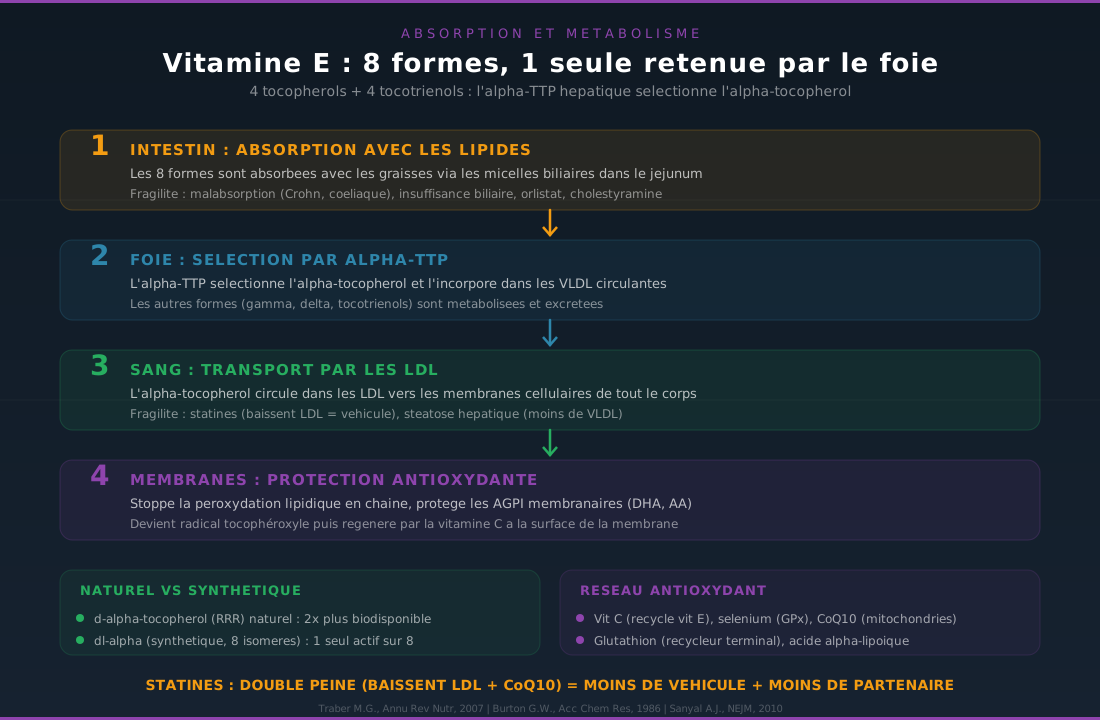
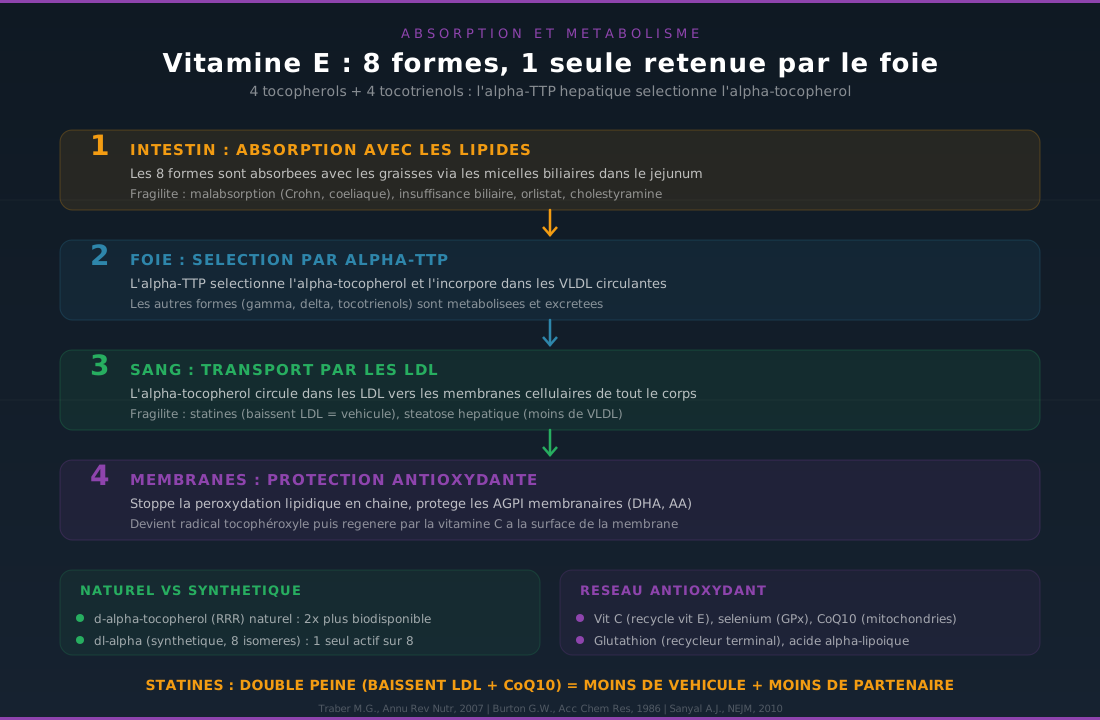
Vitamin E is a generic term designating eight fat-soluble molecules: four tocopherols (alpha, beta, gamma, delta) and four tocotrienols (alpha, beta, gamma, delta). Alpha-tocopherol is the biologically most active form in humans, because the liver possesses a specific transfer protein, alpha-TTP (alpha-tocopherol transfer protein), which preferentially selects this form to incorporate it into VLDL lipoproteins destined for blood circulation1. The other forms are largely metabolized and excreted. This biochemical detail has major clinical consequences: you can eat large amounts of gamma-tocopherol (the dominant form in soybean and corn oils) without correcting an alpha-tocopherol deficit.
The first cause of deficiency is fat malabsorption. Vitamin E is fat-soluble. It can only be absorbed in the presence of bile and pancreatic lipase, just like omega-3 and vitamins A, D and K. Any condition that disrupts fat digestion compromises vitamin E absorption: exocrine pancreatic insufficiency, cholestasis (bile stagnation), celiac disease, Crohn’s disease, ileal resection, primary biliary cholangitis. I have seen patients with inflammatory bowel diseases in consultation whose vitamin E status had collapsed for years without anyone detecting it. Bile is a central player in the absorption of all fat-soluble vitamins, and its insufficiency is far more common than people think.
The second cause is impoverished nutrition. The refining of vegetable oils eliminates a considerable proportion of tocopherols. Refined sunflower oil contains approximately 40 percent less vitamin E than cold-pressed virgin oil. Industrial deodorization and bleaching processes destroy heat-sensitive tocopherols. When you add to this high-temperature cooking which oxidizes vitamin E, you understand why ultra-processed food is a desert of tocopherols.
The third cause, underestimated, is iatrogenic hypocholesterolemia. Vitamin E circulates in the blood incorporated into lipoproteins, mainly LDL. When a doctor prescribes a statin to lower LDL-cholesterol, he mechanically lowers the vehicle that transports vitamin E2. This is a side effect that conventional medicine almost never monitors. The same problem occurs with orlistat (Xenical), an anti-obesity drug that blocks the absorption of intestinal fats, and therefore of all fat-soluble vitamins. Cholestyramine, an ion exchange resin prescribed for hypercholesterolemia, sequesters bile acids and prevents vitamin E absorption. And proton pump inhibitors (PPIs), by reducing gastric acidity, indirectly disrupt the digestive cascade necessary for the assimilation of lipids and their associated vitamins.
The fourth cause is genetic. There is a rare but instructive condition: ataxia with isolated vitamin E deficiency (AVED), caused by a mutation of the TTPA gene which codes for hepatic alpha-TTP. Without this protein, the liver cannot recycle alpha-tocopherol into circulation. The result is progressive neuropathy and cerebellar ataxia that mimic Friedreich’s disease. This genetic model demonstrates, by contrast, how indispensable vitamin E is to the nervous system.
Symptoms of deficiency
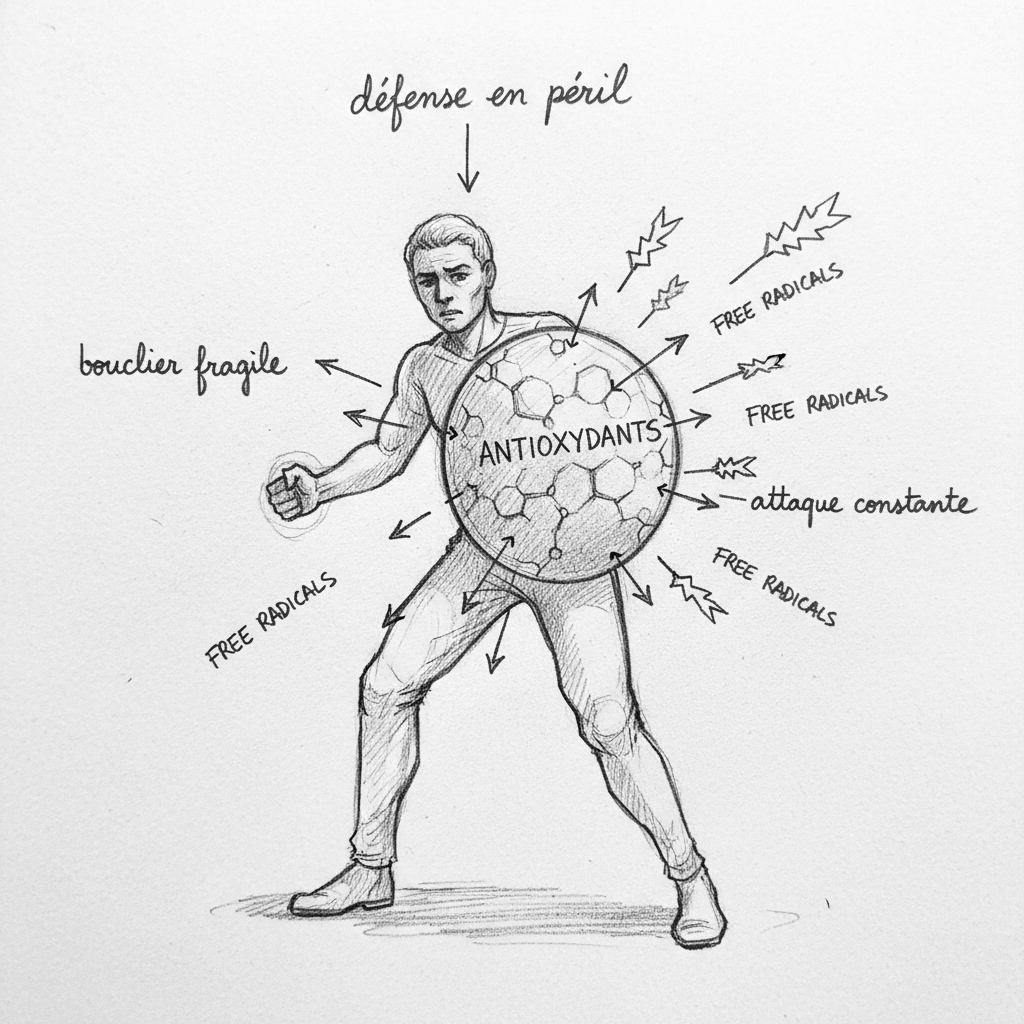
Vitamin E is the first antioxidant defender of cell membranes. Every cell in your body is wrapped in a phospholipid bilayer rich in polyunsaturated fatty acids (PUFAs). These PUFAs, particularly DHA and arachidonic acid, are privileged targets of free radicals. When a hydroxyl or peroxyl radical strips hydrogen from a membrane PUFA, it triggers a chain reaction of lipid peroxidation: each oxidized lipid generates a new radical that attacks the neighboring lipid, and the membrane disintegrates step by step3. This is exactly what is measured with TBARS (thiobarbituric acid reactive substances) and malondialdehyde (MDA), two markers of lipid oxidative stress.
Vitamin E breaks this chain. Positioned in the lipid bilayer, its chromanol core donates a hydrogen atom to the peroxyl radical, stabilizes it, and stops propagation. It is a sacrifice: vitamin E becomes itself a tocopheroxyl radical. But this radical is stable, poorly reactive, and will be regenerated by vitamin C at the membrane surface. This vitamin E / vitamin C antioxidant couple is one of the most elegant in biochemistry: vitamin E protects the lipid phase, vitamin C protects the aqueous phase, and each recycles the other. Reduced glutathione and alpha-lipoic acid also participate in this regeneration cascade.
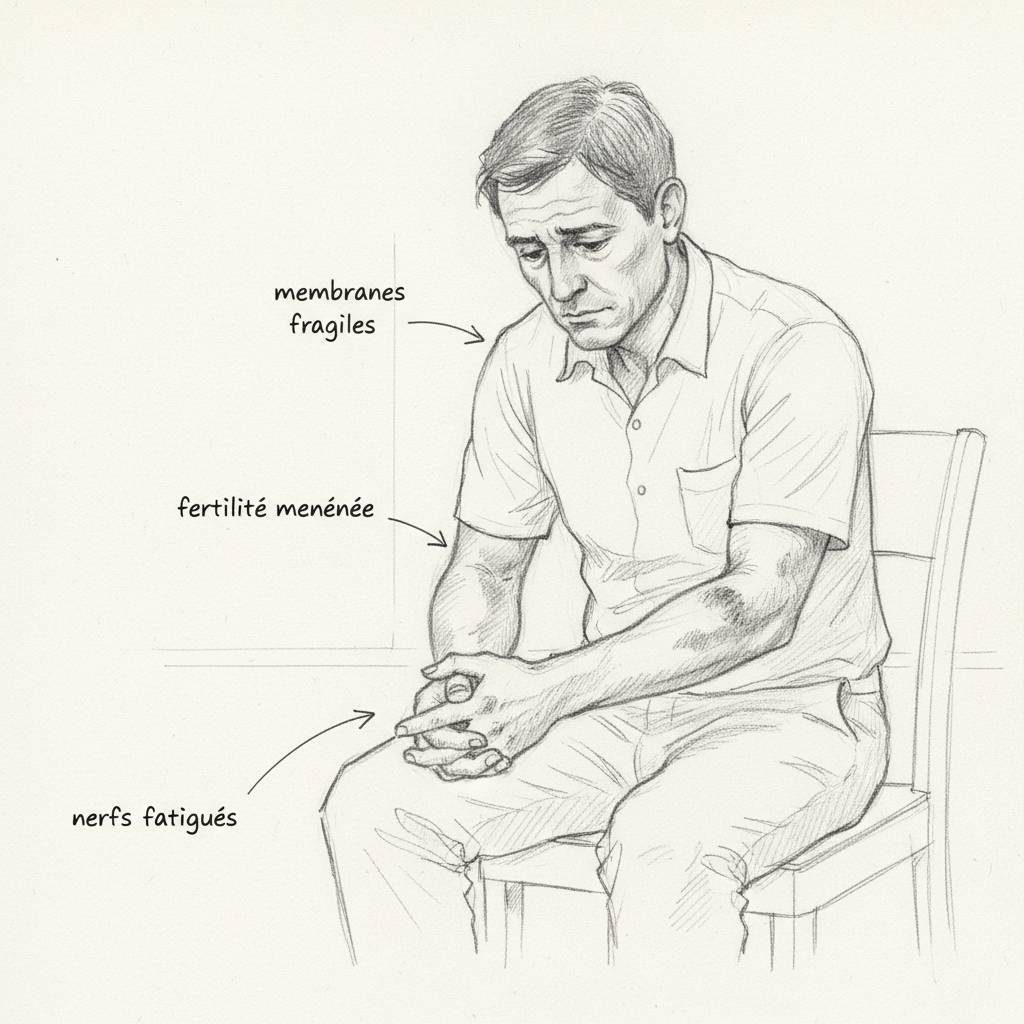
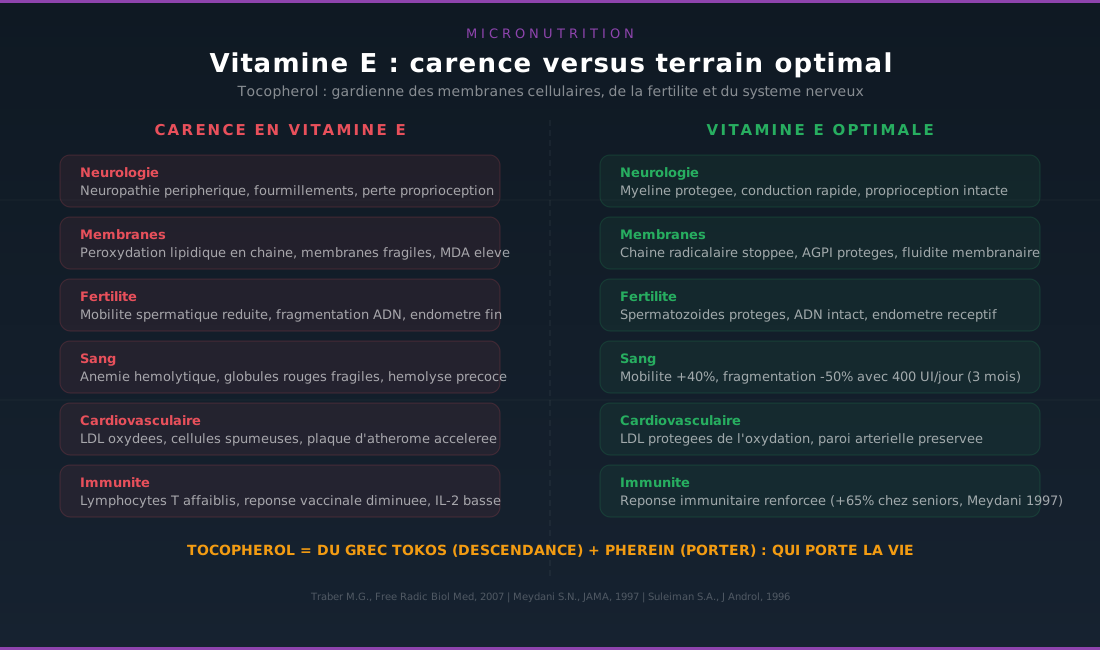
The symptoms of deficiency reflect the membrane fragility that sets in when this shield disappears.
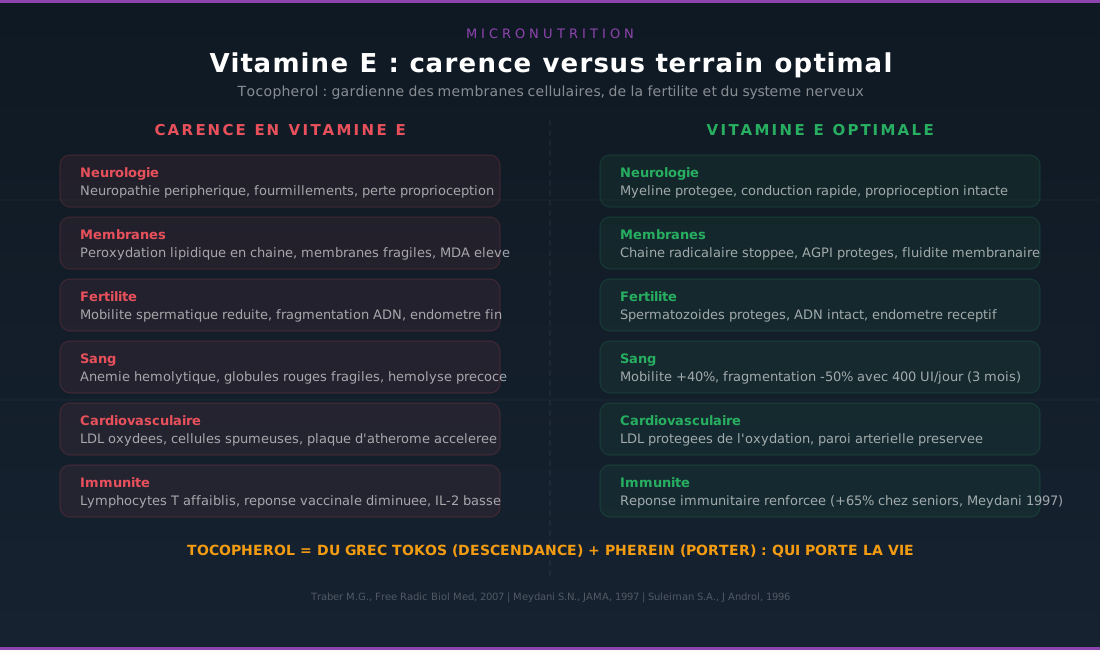
Peripheral neuropathy is the most characteristic sign. The axons of long neurons, those that innervate the extremities, are particularly vulnerable because their membranes are rich in PUFAs and their length makes repair slow. Lipid peroxidation causes progressive demyelination: the myelin sheath, itself a membrane extension very rich in lipids, degrades. The patient experiences tingling, numbness, loss of deep sensation (proprioception), and difficulty walking in the dark because vision can no longer compensate for loss of proprioceptive information. This is exactly what Antoine experienced.
Cerebellar ataxia appears in prolonged deficiencies. The cerebellum, organ of motor coordination, is extremely sensitive to membrane oxidative stress. Gait becomes unsteady, gestures imprecise, handwriting shaky. Studies on AVED show that early vitamin E supplementation can stabilize, and even partially reverse, ataxia if started before neuronal lesions become irreversible4.
Hemolytic anemia is a classic sign in premature infants and in severely deficient adults. Red blood cell membranes, which circulate for 120 days in a highly oxygenated environment, are particularly exposed to peroxidation. Without vitamin E, they become fragile and burst prematurely, which is called hemolysis. The reference test is the osmotic fragility test with hydrogen peroxide5. This erythrocyte fragility worsens or mimics anemia whose cause will never be found if one only checks iron and B12.
Impaired fertility is perhaps the most overlooked and most poetic consequence. The word “tocopherol” comes from the Greek tokos (descendance) and pherein (to carry). Literally: that which carries descendance. In 1922, Herbert McLean Evans and Katharine Scott Bishop discovered vitamin E by observing that deficient rats became sterile. Sperm are cells extraordinarily vulnerable to oxidative stress: their membrane is extremely rich in DHA (up to 60 percent of PUFAs), they possess very little cytoplasm (thus very few endogenous antioxidants), and they produce free radicals during their maturation in the epididymis. Vitamin E protects the sperm membrane’s integrity and its DNA integrity. Clinical studies show that supplementation of 400 IU per day for three months significantly improves sperm motility and reduces sperm DNA fragmentation6. In women, vitamin E improves endometrial thickness and embryonic implantation rate, two critical parameters of fertility.
The role in immunity is another underestimated chapter. Vitamin E stimulates T lymphocyte proliferation, increases interleukin-2 production, and improves vaccine response in older adults. Meydani’s SENIEUR study, published in JAMA in 1997, demonstrated that supplementation of 200 IU per day for four months significantly improved immune response in subjects over 657. The membrane of immune cells, like that of all cells, depends on vitamin E for its fluidity and functionality.
Finally, vitamin E protects LDL from oxidation, a process central to atherosclerosis development. Oxidized LDLs are phagocytosed by macrophages in the arterial wall, which transform into foam cells and form atherosclerotic plaque. Alpha-tocopherol, transported by LDL itself, protects its PUFAs from radical oxidation. When vitamin E is low, LDLs oxidize faster, and cardiovascular risk increases independently of total cholesterol levels.
Micronutrients essential to vitamin E
Vitamin E does not function alone. It is part of an integrated antioxidant network where each link depends on the others.
Vitamin C is the first partner. When vitamin E neutralizes a peroxyl radical in the membrane, it becomes a tocopheroxyl radical. Vitamin C, positioned at the membrane-cytoplasm interface, reduces the tocopheroxyl radical and regenerates active vitamin E. Without vitamin C, vitamin E is consumed without being recycled, and needs increase considerably. This is why Curtay emphasizes in his Nutritherapy the necessity of supplementing both together. One without the other is a half-deployed shield.
Selenium is the second critical cofactor. Selenium is the active site of glutathione peroxidase (GPx), the enzyme that neutralizes lipid hydroperoxides generated by peroxidation. Vitamin E prevents the initiation of the radical chain, GPx destroys the peroxides that still formed. The two systems are complementary and partially redundant: in animal studies, selenium supplementation partially reduces vitamin E needs, and vice versa. But when both are lacking simultaneously, membrane damage is catastrophic.
Glutathione (GSH), a sulfur-containing tripeptide synthesized by the liver, is the substrate of GPx and the terminal recycler of the antioxidant chain. Alpha-lipoic acid regenerates oxidized glutathione (GSSG) into reduced glutathione (GSH), and NAC (N-acetylcysteine) provides the cysteine necessary for its synthesis.
Coenzyme Q10 (ubiquinone) works in synergy with vitamin E in the inner mitochondrial membrane. Reduced CoQ10 (ubiquinol) is a lipophilic antioxidant that protects mitochondrial membranes and regenerates oxidized vitamin E. Statins inhibit HMG-CoA reductase, an enzyme necessary for cholesterol synthesis but also for CoQ10 synthesis. A patient on a statin therefore simultaneously loses their vitamin E transporter (LDL) and their mitochondrial antioxidant partner (CoQ10). This is a double biochemical penalty that conventional cardiology largely ignores.
Zinc is a cofactor of cytosolic superoxide dismutase (Cu-Zn SOD), another antioxidant enzyme that transforms the superoxide radical into hydrogen peroxide, which is then neutralized by GPx or catalase. The antioxidant network is an integrated system: vitamin E, vitamin C, selenium, glutathione, CoQ10, zinc, copper, manganese work together. Correcting a single element without checking the others is like tuning a single instrument in an orchestra.
Food sources
The richest sources of vitamin E are virgin vegetable oils and nuts. Wheat germ oil is the absolute champion with 149 milligrams per 100 grams, or approximately 222 IU. A single tablespoon covers daily needs. But beware: this is an extremely fragile oil that does not withstand heat. It must be kept refrigerated and consumed raw, as a dressing.
Virgin sunflower oil provides 49 milligrams per 100 grams, mainly as alpha-tocopherol. Extra virgin olive oil contains 14 milligrams, essentially alpha-tocopherol with some gamma. Almonds provide 26 milligrams per 100 grams. Hazelnuts provide 15 milligrams. Sunflower seeds reach 35 milligrams. Avocado offers 2.1 milligrams per 100 grams, a modest amount but in a lipid context that favors absorption. Cooked spinach contains 2.1 milligrams, making it one of the greenest vegetables richest in it. Mangoes and kiwis provide between 1 and 1.5 milligrams.
A fundamental point that Professor Mouton emphasizes in his teaching: refined oils, which represent the vast majority of oils sold in supermarkets, have lost a significant portion of their tocopherols during the refining process. When you cook with refined sunflower oil heated to 180 degrees, you combine two destruction factors: industrial depletion and thermal oxidation. The vitamin E that remained goes up in smoke, literally. This is why in naturopathy, we systematically recommend virgin oils of first cold pressing, added at the end of cooking or as dressing.
Official daily recommended intakes are 12 milligrams of alpha-tocopherol per day in France (15 milligrams in the United States). Nutritherapists like Curtay consider these values insufficient for optimal antioxidant protection, especially in contexts of high oxidative stress, pollution, intense sport or inflammatory disease. The INCA3 survey shows that average French intakes are slightly below recommendations, with more marked deficits in people who consume little fat (low-fat diets) or who use exclusively refined oils.
Antagonists of vitamin E
The first antagonist is fat malabsorption. Any clinical situation that compromises lipid digestion proportionally reduces vitamin E absorption. Bile insufficiency, whether of hepatic origin (steatosis, hepatitis) or vesicular (stones, cholecystectomy), reduces fat emulsification and the formation of micelles necessary for intestinal absorption. Patients who are cholecystectomized, increasingly numerous, have continuous bile flow but without the concentration peak that the gallbladder provided at the time of fatty meals. Their vitamin E absorption is chronically compromised.
High-temperature cooking is the second antagonist. Vitamin E is heat-sensitive and oxidizes rapidly above 170 degrees. Frying, grilling, high-temperature roasting destroy a considerable proportion of tocopherols present in foods and cooking oils. Gentle cooking, at low temperature and covered, preserves fat-soluble vitamins much better. This is an additional argument for cooking in stainless steel cookware with the water droplet technique rather than in a non-stick pan heated high.
High-dose iron is a powerful pro-oxidant antagonist. Free iron catalyzes the Fenton reaction which generates the hydroxyl radical, the most destructive of all free radicals. This radical massively attacks membrane PUFAs and consumes vitamin E at high speed. This is why high-dose iron supplementation (exceeding 50 milligrams of elemental iron per day) should always be accompanied by vitamin E. In iron-deficiency anemia, correcting iron without antioxidant protection can paradoxically worsen oxidative stress. Dr Hertoghe systematically recommends associating 200 IU of natural vitamin E with any long-term iron supplementation.
Medications represent a fourth major antagonist. Cholestyramine chelates bile acids and reduces absorption of all fat-soluble vitamins. Orlistat (Xenical) blocks pancreatic lipase and reduces vitamin E absorption by approximately 60 percent according to studies. Statins lower LDLs, the main vehicle for vitamin E in the blood. Anticonvulsants (phenobarbital, phenytoin) accelerate hepatic catabolism of vitamin E through induction of cytochrome P450 enzymes.
Refined and hydrogenated oils are the fifth antagonist. The refining process (neutralization, bleaching, deodorization) eliminates between 30 and 60 percent of tocopherols naturally present in crude oils. Partial hydrogenation generates trans fatty acids that increase membrane oxidative stress and therefore vitamin E consumption. Industrial margarines and industrial baked goods are doubly problematic: low in vitamin E and high in trans fatty acids that accelerate its depletion.
Excess polyunsaturated fatty acids constitute a paradoxical antagonist. The more PUFAs you consume (omega-3 and omega-6), the more your membranes contain potential targets for peroxidation, and the more your vitamin E needs increase. People who massively supplement with omega-3 without adjusting their vitamin E intake increase their risk of lipid peroxidation. This is a point that Curtay emphasizes insistently: any omega-3 supplementation should be accompanied by 200 to 400 IU of vitamin E.
Forgotten causes of deficiency
Certain causes of vitamin E deficiency systematically escape the radar of conventional medicine.
Intestinal dysbiosis is the first. The intestinal microbiota participates in fat digestion through deconjugation of bile salts and production of short-chain fatty acids that nourish enterocytes. When the microbiota is disrupted (repeated antibiotics, ultra-processed food, chronic candidiasis), the intestinal absorption surface is compromised and assimilation of fat-soluble vitamins drops. I have seen in consultation patients whose status in vitamins A, D, E and K was simultaneously collapsed: the common denominator was always the intestine.
Non-alcoholic fatty liver disease (NAFLD) is the second forgotten cause. A steatotic liver, engorged with fat, produces less bile, synthesizes less VLDL (the vehicle that distributes vitamin E to tissues), and hepatic alpha-TTP functions less well in a hepatocyte environment that is cluttered. Paradoxically, vitamin E is one of the most studied treatments for NASH (non-alcoholic steatohepatitis): the PIVENS study showed that supplementation of 800 IU per day significantly improved liver histology8. The liver needs vitamin E to heal, but a sick liver absorbs and distributes less vitamin E. This is a vicious circle that hepatic detoxification helps break.
Chronic stress is the third forgotten cause. Cortisol increases free radical production by mitochondria, which consumes more vitamin E. Patients in adrenal exhaustion often present with elevated oxidative stress and collapsed antioxidant defenses. Vitamin E is among the silent victims of chronic stress, consumed faster than it is supplied.
Exposure to pollutants (tobacco, pesticides, heavy metals, polycyclic aromatic hydrocarbons) is the fourth forgotten cause. Each puff of cigarette generates billions of free radicals that massively consume circulating antioxidants, including vitamin E. Smokers have plasma vitamin E levels 20 to 30 percent lower than non-smokers, even at identical dietary intakes. Endocrine disruptors (bisphenols, phthalates, organochlorine pesticides) also increase oxidative stress and therefore vitamin E consumption.
Aging itself is a cause of progressive deficit. Intestinal absorption of lipids decreases with age. Bile production slows. Oxidative stress increases (this is the heart of Harman’s free radical theory of aging). And food intakes often decrease in older people. Meydani’s study on immunity and vitamin E in seniors takes on full meaning here: correcting vitamin E deficiency is restoring immunity that aging has eroded.
Dietary supplements
The choice of vitamin E form is a subject of considerable confusion, and labels do not help. The fundamental distinction is between the natural form and the synthetic form.
Natural vitamin E is d-alpha-tocopherol (RRR form). It is extracted from vegetable oils (soy, sunflower, rapeseed) by physical processes. Its bioavailability is approximately twice that of the synthetic form, because hepatic alpha-TTP preferentially recognizes the RRR configuration1. On labels, it is noted “d-alpha-tocopherol” or “d-alpha-tocopheryl acetate” (esterified form, more stable).
Synthetic vitamin E is dl-alpha-tocopherol (all-rac). It is produced by chemical synthesis from petroleum derivatives and contains a mixture of eight stereoisomers, only one of which (the RRR) is the biologically active form. The seven others are partially or totally inactive. Result: to achieve the same biological effect, you must take twice as much synthetic vitamin E. The presence of the letter “l” after the “d” (dl-alpha) is the warning signal. This is a detail that every naturopath should learn to read, and that every patient should demand to know.
Beyond the natural/synthetic distinction, research has highlighted the value of mixed tocopherols. A supplement of d-alpha-tocopherol alone, taken at high dose, can paradoxically reduce gamma-tocopherol levels through competition at the alpha-TTP level. Yet gamma-tocopherol possesses specific anti-inflammatory properties that alpha does not have: it traps reactive nitrogen species (RNS), particularly peroxynitrite, a powerful oxidant involved in neuroinflammation and atherosclerosis. “Mixed tocopherols” formulations (d-alpha, d-beta, d-gamma, d-delta) better respect physiological balance.
Tocotrienols are the emerging form. Less studied than tocopherols, tocotrienols (alpha, beta, gamma, delta) possess an unsaturated side chain that gives them superior mobility in membranes and potentially more powerful antioxidant activity. Preliminary studies suggest specific neuroprotective, hepatoprotective and anticarcinogenic properties. Red palm oil (non-refined) and rice bran oil are the richest food sources of tocotrienols.
Dosage depends on the indication. In prevention for a healthy adult: 200 IU per day of d-alpha-tocopherol as mixed tocopherols, taken with the fattiest meal of the day (since vitamin E is fat-soluble, it is absorbed with dietary lipids). In case of documented oxidative stress, neuropathy, fatty liver or conception planning: 400 IU per day. Vitamin E should always be associated with its cofactors: vitamin C (500 milligrams to 1 gram), selenium (100 to 200 micrograms), and CoQ10 (100 to 200 milligrams) in patients on statins.
A word on safety. The Miller meta-analysis published in 2005 in the Annals of Internal Medicine, which suggested increased all-cause mortality at doses above 400 IU per day, was widely criticized for its methodological biases (inclusion of seriously ill patients, study heterogeneity, failure to distinguish between natural and synthetic form). The safe upper limit set by the Institute of Medicine is 1000 milligrams per day (1500 IU of natural form). The real risk at high dose is the anticoagulant effect: vitamin E inhibits platelet aggregation and can increase bleeding risk in patients on anticoagulants (warfarin, aspirin at antiaggregant dose). This is the only truly clinically relevant precaution.
For Antoine, the resolution was almost disconcertingly simple. Three months of natural vitamin E at 400 IU per day, combined with 1 gram of vitamin C, 200 micrograms of selenium and hepatic support (desmodium, milk thistle). Intestinal repair with L-glutamine and targeted probiotics. Replacement of refined oils with virgin cold-pressed oils. Daily addition of a handful of almonds and hazelnuts. After three months, the tingling had considerably diminished. After six months, walking in the dark had become stable again. And the control semen analysis showed sperm motility improved by 40 percent and DNA fragmentation reduced by half. Antoine and his partner conceived naturally four months later. Without ICSI. Without fifteen thousand euros. With a vitamin at two euros per month and a naturopath who asked the right question.
To assess your vitamin E status, take the vitamin E deficiency questionnaire on my site.
If you want personalized support, you can book a consultation. For natural vitamin E supplementation (mixed tocopherols) and selenium, Sunday Natural offers pharmaceutical-quality formulations (-10% with code FRANCOIS10). Find all my partnerships with exclusive promo codes.
To go further
- Vitamin C: immunity, collagen and antioxidant shield
- Acetylcholine: the forgotten neurotransmitter of your memory
- Oxidative balance: the Dr Brack test to measure your oxidative stress
- Carnitine and thyroid: the molecule no one tests
Sources
- Curtay, Jean-Paul. Nutritherapy: Scientific Bases and Medical Practice. Testez Editions, 2016.
- Hertoghe, Thierry. The Hormone Handbook. 2nd ed. Luxembourg: International Medical Books, 2012.
- Mouton, Georges. Digestive Ecology. Marco Pietteur, 2004.
- Kousmine, Catherine. Be Well in Your Plate Until 80 and Beyond. Paris: Tchou, 1980.
- Traber, Maret G. “Vitamin E Regulatory Mechanisms.” Annual Review of Nutrition 27 (2007): 347-362.
“The cell is a universe in miniature, and the membrane that envelops it is the frontier between life and death. Protecting this frontier is protecting life itself.” Dr Catherine Kousmine
Scientific References
Healthy recipe: Fennel-orange-walnut salad: Walnuts are brimming with vitamin E.
Footnotes
-
Traber, Maret G., and Jeffrey Atkinson. “Vitamin E, Antioxidant and Nothing More.” Free Radical Biology and Medicine 43, no. 1 (2007): 4-15. PMID: 17561088. ↩ ↩2
-
Jialal, Ishwarlal, and Sridevi Devaraj. “Low-Density Lipoprotein Oxidation, Antioxidants, and Atherosclerosis: A Clinical Biochemistry Perspective.” Clinical Chemistry 42, no. 4 (1996): 498-506. PMID: 8605666. ↩
-
Burton, Graham W., and Keith U. Ingold. “Vitamin E: Application of the Principles of Physical Organic Chemistry to the Exploration of Its Structure and Function.” Accounts of Chemical Research 19, no. 7 (1986): 194-201. ↩
-
Mariotti, Carla, et al. “Ataxia with Vitamin E Deficiency: Natural History, Genetic and Clinical Features.” Journal of the Neurological Sciences 228, no. 2 (2004): 21-25. PMID: 15607206. ↩
-
Horwitt, Max K. “Vitamin E and Lipid Metabolism in Man.” American Journal of Clinical Nutrition 8 (1960): 451-461. ↩
-
Suleiman, Salma A., et al. “Lipid Peroxidation and Human Sperm Motility: Protective Role of Vitamin E.” Journal of Andrology 17, no. 5 (1996): 530-537. PMID: 8957697. ↩
-
Meydani, Simin Nikbin, et al. “Vitamin E Supplementation and In Vivo Immune Response in Healthy Elderly Subjects.” JAMA 277, no. 17 (1997): 1380-1386. PMID: 9134944. ↩
-
Sanyal, Arun J., et al. “Pioglitazone, Vitamin E, or Placebo for Nonalcoholic Steatohepatitis.” New England Journal of Medicine 362, no. 18 (2010): 1675-1685. PMID: 20427778. ↩


Laisser un commentaire
Sois le premier à commenter cet article.