Acetylcholine: When Your Memory Becomes a Sieve
Sophie is forty-seven years old and she forgets everything. Not the big things: she still knows where she lives and what her husband’s name is. No, she forgets the small things. The neighbor’s first name whom she crosses paths with every morning for eight years. Where she put her keys three minutes ago. The exact word she was looking for in the middle of a sentence, the one that sits on the tip of her tongue and never comes. She walks into a room and no longer knows why. She starts a book and doesn’t remember the previous chapter. Her doctor told her it was normal, that it was her age. I disagree. At forty-seven, memory shouldn’t be like a sieve. What Sophie has is not an aging brain. It’s a brain that’s missing raw materials.
The neurotransmitter of memory, the one nobody talks about, is acetylcholine. Everyone knows serotonin (mood), dopamine (motivation), GABA (calm). But acetylcholine remains in the shadows, even though it was the first neurotransmitter ever discovered: by Henry Dale in 1914: and it governs the noblest cognitive functions: working memory, information processing speed, creativity, sustained concentration and even intuition.
How Your Body Produces Acetylcholine
The synthesis chain has deceptive simplicity. Acetylcholine is produced by the enzyme choline acetyltransferase (ChAT) from two substrates: choline and acetyl-CoA. Choline comes from food (mainly eggs, liver, fish). Acetyl-CoA comes from energy metabolism, particularly from vitamin B1 (thiamine) and vitamin B5 (pantothenic acid, which is literally the precursor to coenzyme A).
The cofactors are therefore numerous and often underestimated. Vitamin B5 is essential for acetyl-CoA production. Vitamin B1 participates in the Krebs cycle which supplies acetyl-CoA. Vitamin B12 and folates are necessary for remethylation of homocysteine to methionine, which provides methyl groups for phosphatidylcholine synthesis. Magnesium is a ChAT cofactor. And zinc plays a role in modulating the nicotinic receptors of acetylcholine.
The breakdown of acetylcholine is ensured by acetylcholinesterase (AChE), an extremely rapid enzyme that hydrolyzes acetylcholine into choline and acetate in the synaptic cleft. This is the enzyme that anti-Alzheimer’s medications (donepezil, rivastigmine, galantamine) seek to inhibit to maintain higher acetylcholine levels in the brain. The logic is sound but the approach is incomplete: inhibiting degradation is useless if production is insufficient due to lack of substrates.
Signs of Acetylcholine Deficiency
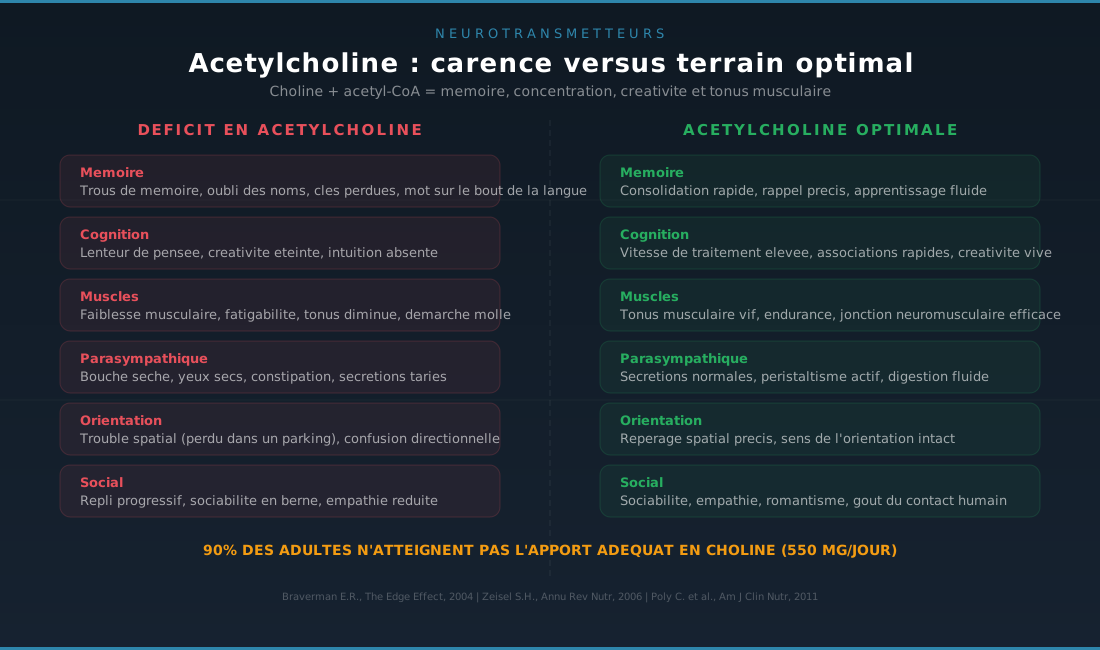
Dr Eric Braverman, in his work The Edge Effect, mapped neurobiochemical profiles with remarkable precision. Acetylcholine deficiency manifests itself through a characteristic clinical picture that I encounter daily in consultation.
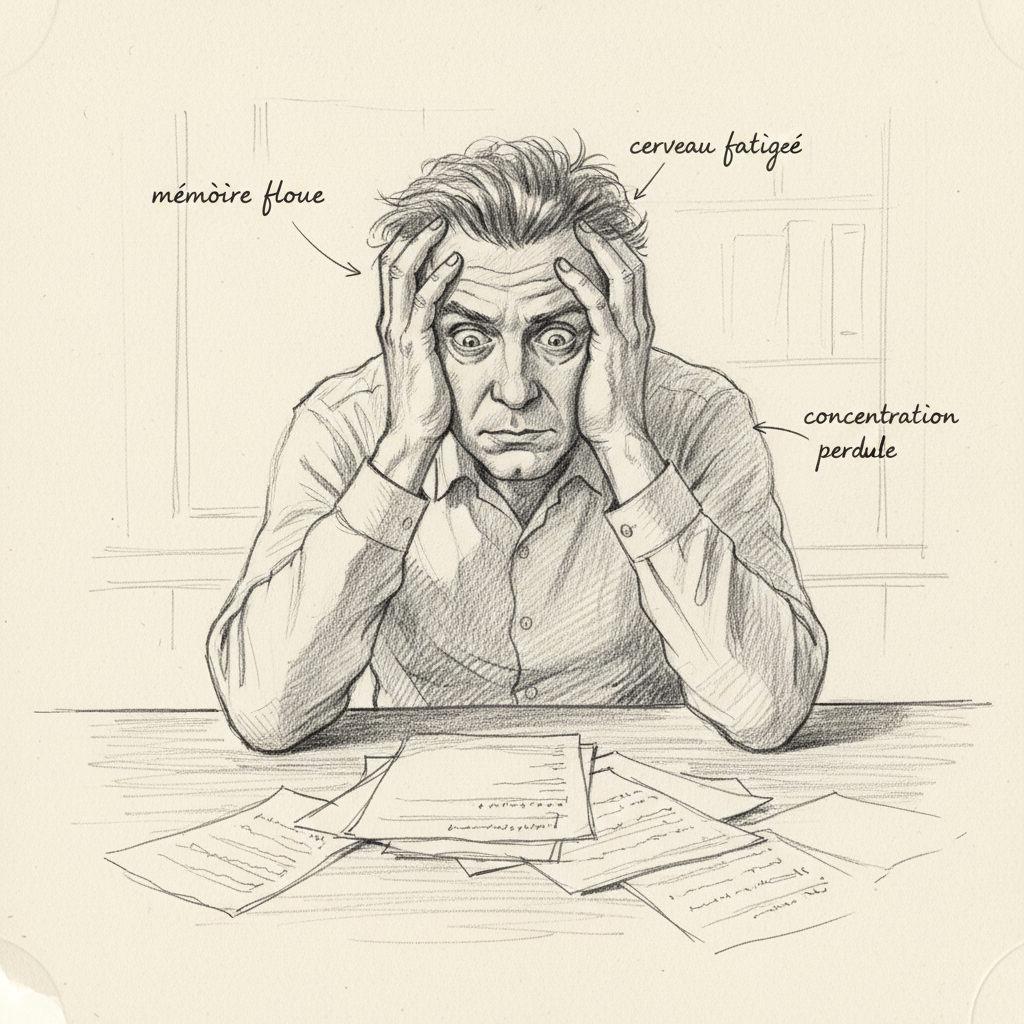
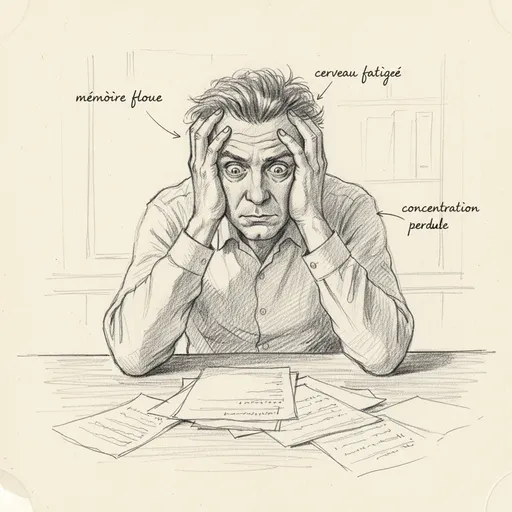
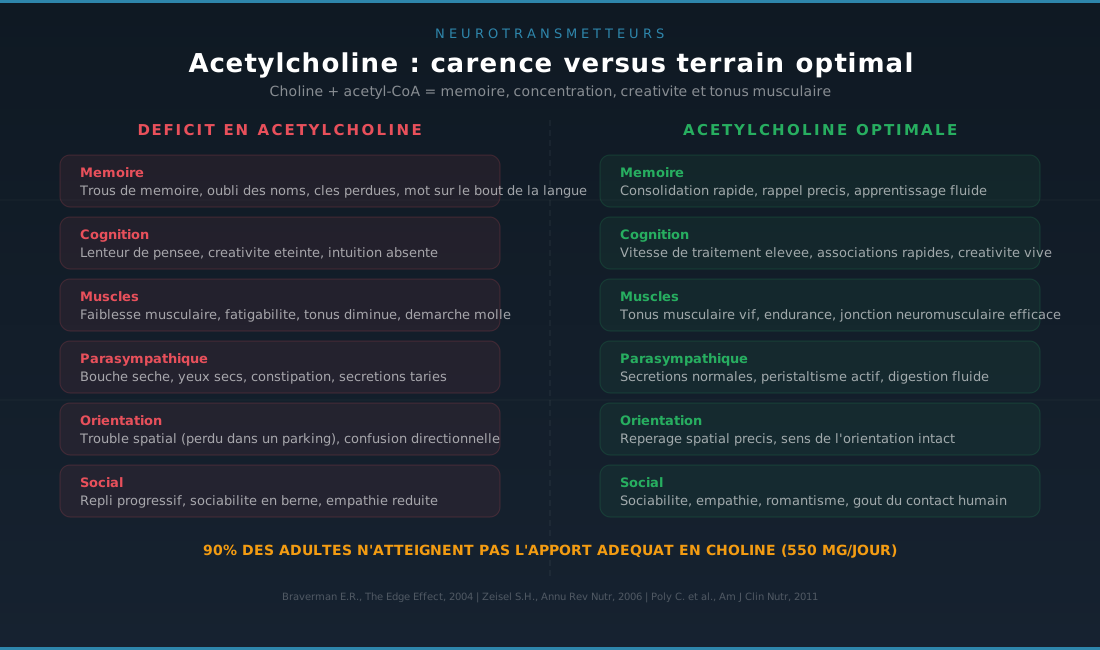
Memory problems are the cardinal sign. Not procedural memory (you still know how to ride a bike), but declarative memory and working memory. You forget names, faces, appointments. You lose the thread of a conversation. You reread the same page three times without retaining the information. You ask a question you’ve just been answered. It’s not inattention: it’s a deficit in memory consolidation due to cholinergic insufficiency.
Slowness of thought is the second marker. Acetylcholine is the neurotransmitter of cognitive speed. When it’s lacking, response time lengthens, quick wit disappears, associations of ideas dry up. You feel intellectually “in slow motion,” as if your brain is running below capacity. Creativity and imagination gradually fade. Original solutions no longer come. Brainstorming becomes laborious. Intuition: that ability to make quick connections between disparate information: becomes dulled.
Muscle tone decreases. Acetylcholine is the neurotransmitter of the neuromuscular junction. Its deficiency manifests as muscle weakness, fatigue with effort, a less toned gait. Dry mouth and dry eyes testify to parasympathetic deficit (acetylcholine stimulates glandular secretions). Constipation develops because intestinal peristalsis depends on cholinergic innervation. Spatial orientation problems (you get lost in a parking lot, you confuse directions) are a subtle but significant sign.
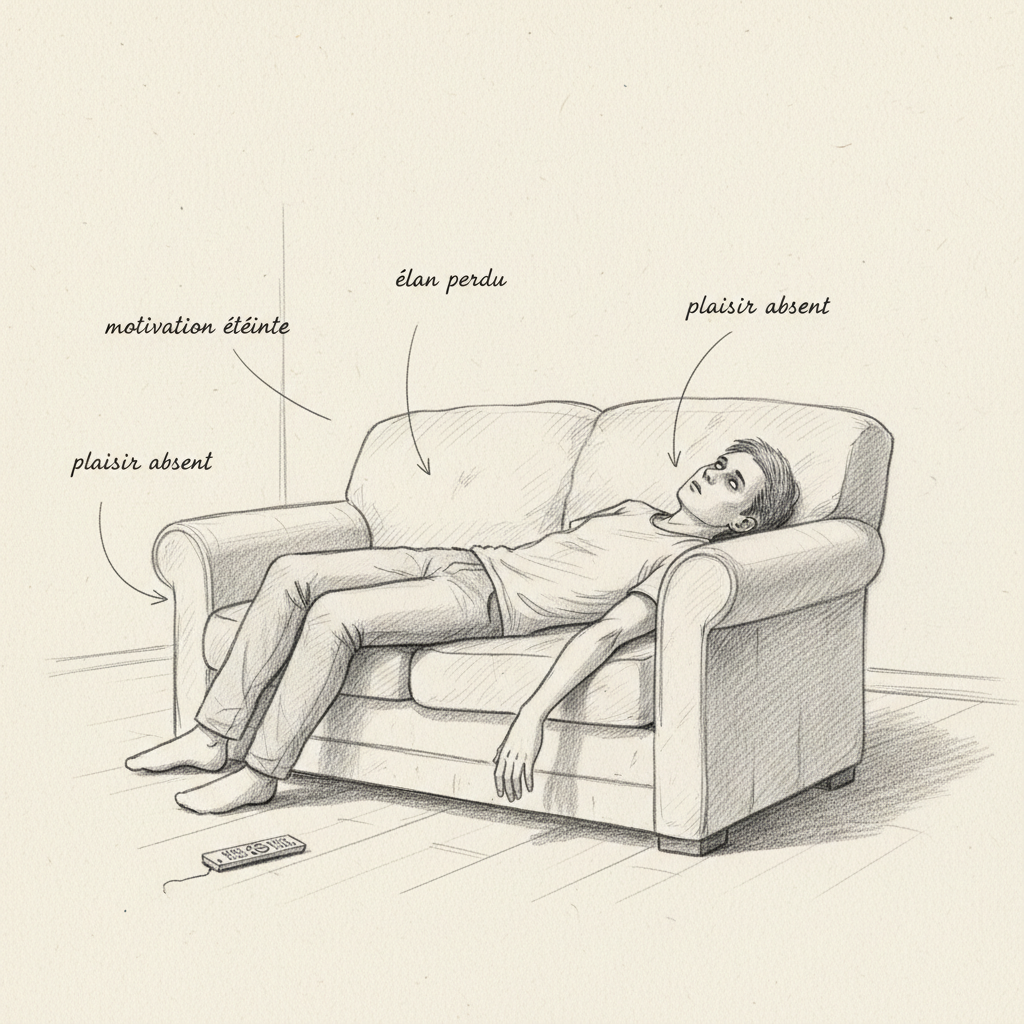
Progressive social withdrawal is the most insidious behavioral sign. Acetylcholine supports sociability, empathy and romanticism. Its deficiency makes social interactions tiring and less rewarding. You stay home. You cancel outings. You lose your taste for human contact. It’s not depression (domain of serotonin) nor lack of motivation (domain of dopamine): it’s a specifically cholinergic withdrawal.
To evaluate your profile, take the Braverman acetylcholine deficiency questionnaire.
What Destroys Your Acetylcholine
Aging is the first factor. Acetylcholine production naturally declines with age, losing approximately ten percent per decade after fifty. Cholinergic neurons in the basal nucleus of Meynert are among the first affected in Alzheimer’s disease. But aging doesn’t explain everything: I see patients in their thirties with cholinergic profiles of people in their sixties.
Choline-poor diet is the most frequent and most correctable cause. Choline is an essential nutrient that most people don’t consume in sufficient quantity. Strict vegan diets, low-fat diets (which eliminate egg yolks and liver) and ultra-processed food are the main culprits. Adequate intake is 550 milligrams per day for men and 425 milligrams for women, but nutritional surveys show that more than ninety percent of adults don’t reach these thresholds.
Anticholinergic medications are an underestimated scourge. The list is long and frightening: first-generation antihistamines (diphenhydramine, hydroxyzine), urinary antispasmodics (oxybutynin, tolterodine), tricyclic antidepressants (amitriptyline, clomipramine), neuroleptics, some antiparkinson medications, digestive antispasmodics and even some antacids. Chronic use of these medications is associated with increased risk of cognitive decline and dementia. If you take one or more of these medications, talk to your doctor: there are often alternatives.
Chronic stress depletes acetylcholine in two ways. First, elevated cortisol accelerates acetylcholine breakdown by increasing acetylcholinesterase activity. Second, stress diverts metabolic resources toward cortisol production at the expense of neurotransmitter synthesis. Chronic inflammation, intestinal dysbiosis, lack of sleep and endocrine disruptors worsen the picture.
Food Sources of Choline
Egg yolk is king. A single yolk contains 147 milligrams of choline in the form of phosphatidylcholine, the most bioavailable form. Two to three whole eggs per day cover a large part of your needs. I know: you were told for thirty years that eggs were bad for cholesterol. That’s false. The PURE study (2020, The Lancet) involving 177,000 people showed that one egg per day doesn’t increase cardiovascular risk. And dietary cholesterol is not blood cholesterol: your liver produces eighty percent of it.
Beef or poultry liver provides 420 milligrams per 100 grams. Salmon contains 90 milligrams per 100 grams. Shrimp provides 80 milligrams per 100 grams. Broccoli and Brussels sprouts contain 60 milligrams per 100 grams: the best plant sources. Soy (fermented tofu, tempeh) provides 55 milligrams per 100 grams. Sunflower seeds, almonds and peanuts complement the intake.
The trick in consultation is combination. A breakfast with two whole eggs, a handful of nuts and green tea (theanine potentiates acetylcholine) provides over 350 milligrams of choline and starts the cognitive machine for the day. This is what Robert Masson recommended: a protein-rich and fatty breakfast to nourish the brain, not a bowl of sugary cereal that drags it down.
Essential Cofactors
Vitamin B5 (pantothenic acid) is the most critical cofactor. Without B5, no coenzyme A. Without coenzyme A, no acetyl-CoA. Without acetyl-CoA, no acetylcholine. B5 is present in almost all foods (“pan” means everywhere in Greek), but subclinical deficiencies exist in stressed people (the adrenals consume massive amounts of B5 to produce cortisol).
Vitamin B1 is necessary for the Krebs cycle that supplies acetyl-CoA. B1 deficiency, frequent in excessive alcohol and coffee consumers and those eating refined carbohydrates, directly compromises acetylcholine synthesis.
Magnesium is a ChAT cofactor. Vitamin C protects cholinergic neurons from oxidative stress. DHA (docosahexaenoic acid, long-chain omega-3) constitutes neuronal membranes and facilitates cholinergic transmission. A brain dry in omega-3 is a brain that transmits poorly, regardless of acetylcholine levels.
The Naturopathic Protocol
Citicoline (CDP-choline) is my first supplementation recommendation. It provides choline and cytidine, crosses the blood-brain barrier effectively and has solid clinical studies on cognition. The dose is 250 to 500 milligrams per day, in the morning. Alpha-GPC (alpha-glycerophosphocholine) is an alternative with high brain bioavailability, at 300 to 600 milligrams per day.
Phosphatidylserine at 100 milligrams per day supports neuronal membrane fluidity and potentiates acetylcholine action. Bacopa monnieri (brahmi) at 300 milligrams of extract standardized to twenty percent bacosides is an Ayurvedic plant whose effect on memory is documented by several meta-analyses. Ginkgo biloba at 120 milligrams per day improves brain circulation and acetylcholine availability in the hippocampus.
Huperzine A, extracted from Huperzia serrata, is a natural inhibitor of acetylcholinesterase that maintains higher acetylcholine levels in the synaptic cleft. The dose is 50 to 200 micrograms per day. It’s the natural equivalent of donepezil but with fewer side effects.
Physical exercise, particularly aerobic exercise (brisk walking, swimming, cycling), increases acetylcholine production and stimulates hippocampal neurogenesis. Continuous learning (foreign languages, musical instrument, strategy games) keeps cholinergic circuits active through the “use it or lose it” principle. Deep sleep is the phase during which the brain consolidates memories via acetylcholine: without quality sleep, no memory.
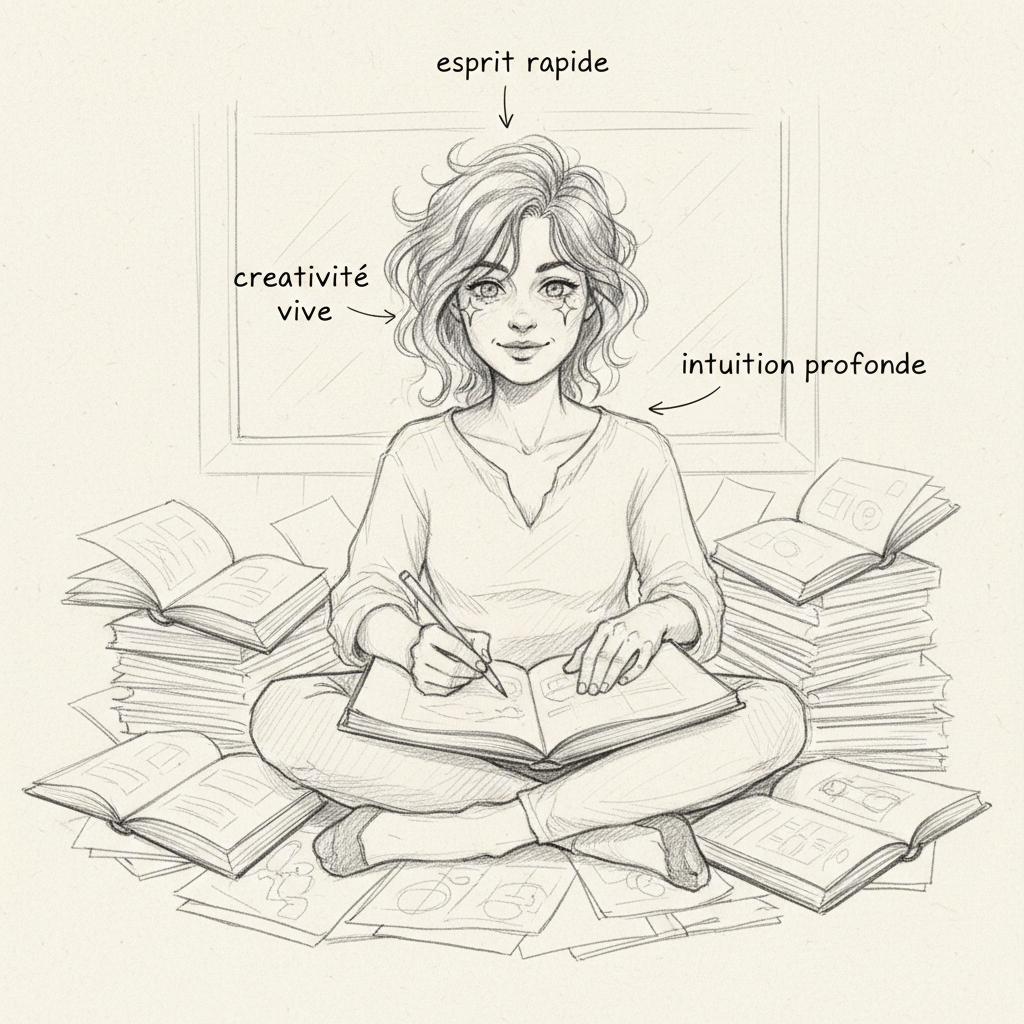
Sophie, after three months of citicoline, eggs for breakfast and daily walking, no longer loses her keys. She retains names. She’s taken up reading again. And she told me something that touched me: “I feel like I’ve found my brain from before.”
To Go Further
- Acetylcholine nature: the creative and intuitive profile according to Braverman
- Dopamine: when motivation fades without reason
- GABA: the calm neurotransmitter you’ve lost
- The Braverman method: your brain in 4 neurotransmitters
Sources
- Braverman, Eric R. The Edge Effect. Sterling Publishing, 2004.
- Zeisel, Steven H. “Choline: critical role during fetal development and dietary requirements in adults.” Annual Review of Nutrition 26 (2006): 229-250.
- Poly, Coreyann, et al. “The relation of dietary choline to cognitive performance and white-matter hyperintensity in the Framingham Offspring Cohort.” American Journal of Clinical Nutrition 94.6 (2011): 1584-1591.
- Curtay, Jean-Paul. Nutrithérapie : bases scientifiques et pratique médicale. Testez Éditions, 2016.
- Hertoghe, Thierry. Atlas de médecine hormonale et nutritionnelle. International Medical Books, 2006.
If you want personalized support, you can book a consultation appointment. To evaluate your dominant nature, also take the acetylcholine dominant test.


Laisser un commentaire
Sois le premier à commenter cet article.