Her name is Léa, she is 33 years old. When she sat down across from me, she handed me an entire folder of blood work. Two years of fertility treatment, four inseminations, one embryo transfer. Her gynecologist had prescribed her folic acid from the pharmacy and told her that her tests were “normal.” Normal. Her ferritin was at 18. Her homocysteine at 14. Her TSH at 3.8. Her zinc had never been measured. Neither had her magnesium. Normal, within laboratory ranges. But those ranges are not health norms. They are statistical averages calculated on an already deficient population.
The figures are unequivocal. The Hercberg study, coordinated by the Pasteur Institute of Lille and published on a representative sample of the Val-de-Marne population, showed that 95% of women of childbearing age do not receive the recommended intake of iron. 100% of them are below the optimal threshold for zinc (15 mg/day), and 80% are deficient in magnesium. And it is in this nutritional state that the majority of women begin a pregnancy.
“Laboratory norms reflect the average of a sick population, not a health goal.” Dr. Thierry Hertoghe
Why your doctor is missing it
The workup prescribed in conventional medicine before pregnancy often comes down to a CBC, toxoplasmosis-rubella serology, blood type, and sometimes a fasting glucose. It is a screening workup. It seeks to verify there is no serious pathology. But it does not seek to optimize your terrain. It does not measure homocysteine, zinc, selenium, fatty acid balance, or red blood cell magnesium. Yet these are precisely the markers that determine a woman’s capacity to carry a pregnancy to term and give her child the best conditions for development.

Dr. Jean-Paul Curtay, in Nutritherapy (volume 1), reminds us that most women arrive at conception with intakes already below recommended amounts. They have suffered for years from factors that overutilize micronutrients: oral contraceptives (which deplete reserves of B6, B9, B12, zinc, and magnesium), chronic stress, impoverished diet, previous pregnancies. The physiological changes induced by pregnancy then modify needs in proportions that are never negligible. Plasma zinc gradually decreases, magnesium drops in the last trimester, urinary folate excretion increases. And the newborn concentrates most of the mother’s vitamins, leaving her in a state of depletion.
Even with a studied and adapted diet, food alone is not able to provide all micronutrients at the necessary doses, particularly for zinc and folates (Keen, 1994). This is why the periconception blood workup is not a luxury. It is a necessity.
Homocysteine: the marker nobody measures
If you were to remember only one marker, it would be this one. Homocysteine is a sulfur-containing amino acid produced by the methylation cycle. Methylation is a biochemical reaction that occurs billions of times per second throughout all our cells. It intervenes in nucleotide synthesis, DNA formation and repair, protein methylation, and homocysteine metabolism itself.

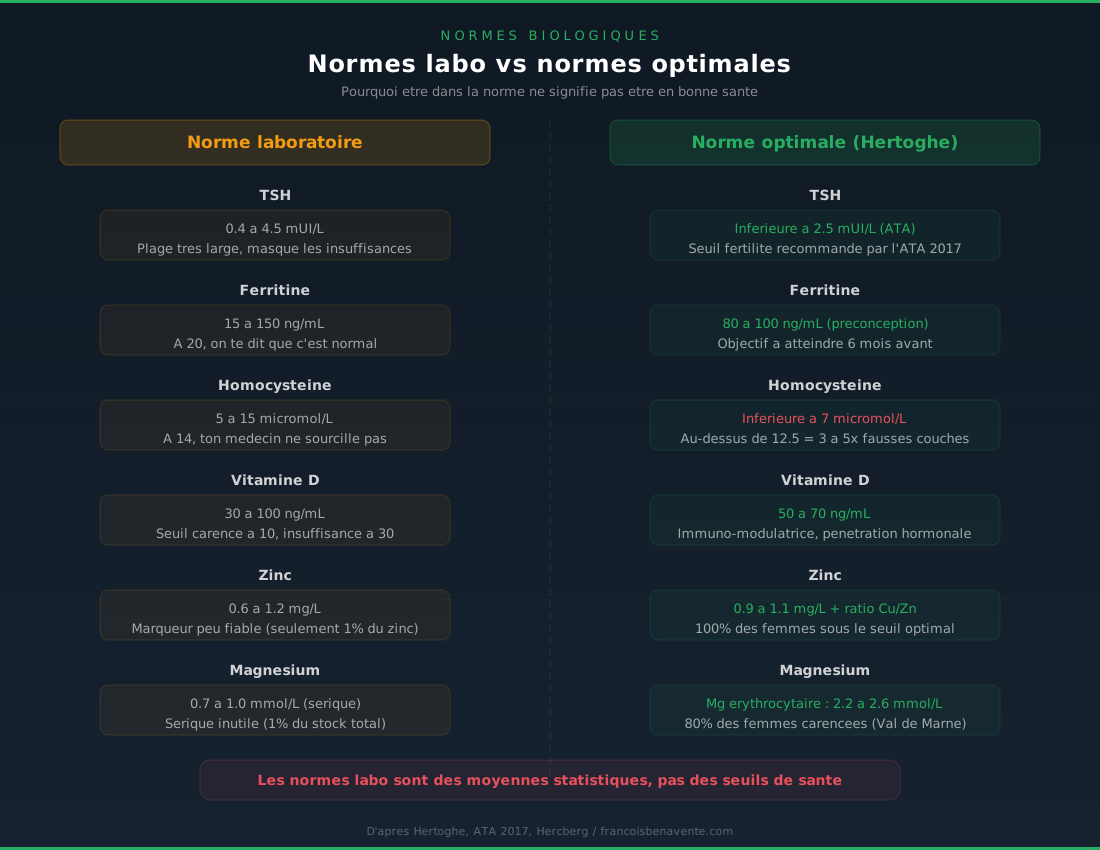
Excess homocysteine resulting from B vitamin deficiency or excessive alcohol consumption is linked to a major risk of complications. According to Hertoghe and Steegers-Theunissen (1992), the miscarriage risk is multiplied by 3 to 5 when the mother’s homocysteine level exceeds 12.5 to 14 micromol/L. This risk extends to congenital heart defects, preeclampsia, and placental abruption. The optimal objective is simple: below 7 micromol/L.
To recycle homocysteine into methionine, the body needs four essential cofactors. Vitamin B9, in the form of 5-methyltetrahydrofolate (not synthetic folic acid, I’ll return to this). Vitamin B12, in the form of methylcobalamin. Vitamin B6, in the form of pyridoxal-5-phosphate. And zinc, an enzymatic cofactor in the reaction. If a single one of these cofactors is lacking, homocysteine accumulates. And the consequences for the fetus are direct.
MTHFR: when your genes complicate things
MTHFR (methylenetetrahydrofolate reductase) is the enzyme responsible for converting vitamin B9 into its active form, 5-MTHF. It is this active form that, with B12, triggers the methylation process. Yet we all carry in our genetic heritage combinations of genes that “code” for more or less efficient function.
The most frequent mutation is the C677T polymorphism. In heterozygous form (one mutated allele), enzymatic activity drops by about 35%. In homozygous form (677TT, both alleles mutated), activity falls to only 25%. This means the body converts four times less B9 into its active form. Homocysteine accumulates, synthetic folates (pharmacy folic acid) are not properly metabolized, and the risk of obstetric complications increases. If your homocysteine levels remain elevated despite supplementation, or if you accumulate unmetabolized blood B9, measuring your MTHFR polymorphism becomes relevant. The solution is to gradually increase 5-MTHF supplementation until you find your maintenance dose.
The thyroid: the silent lock on fertility
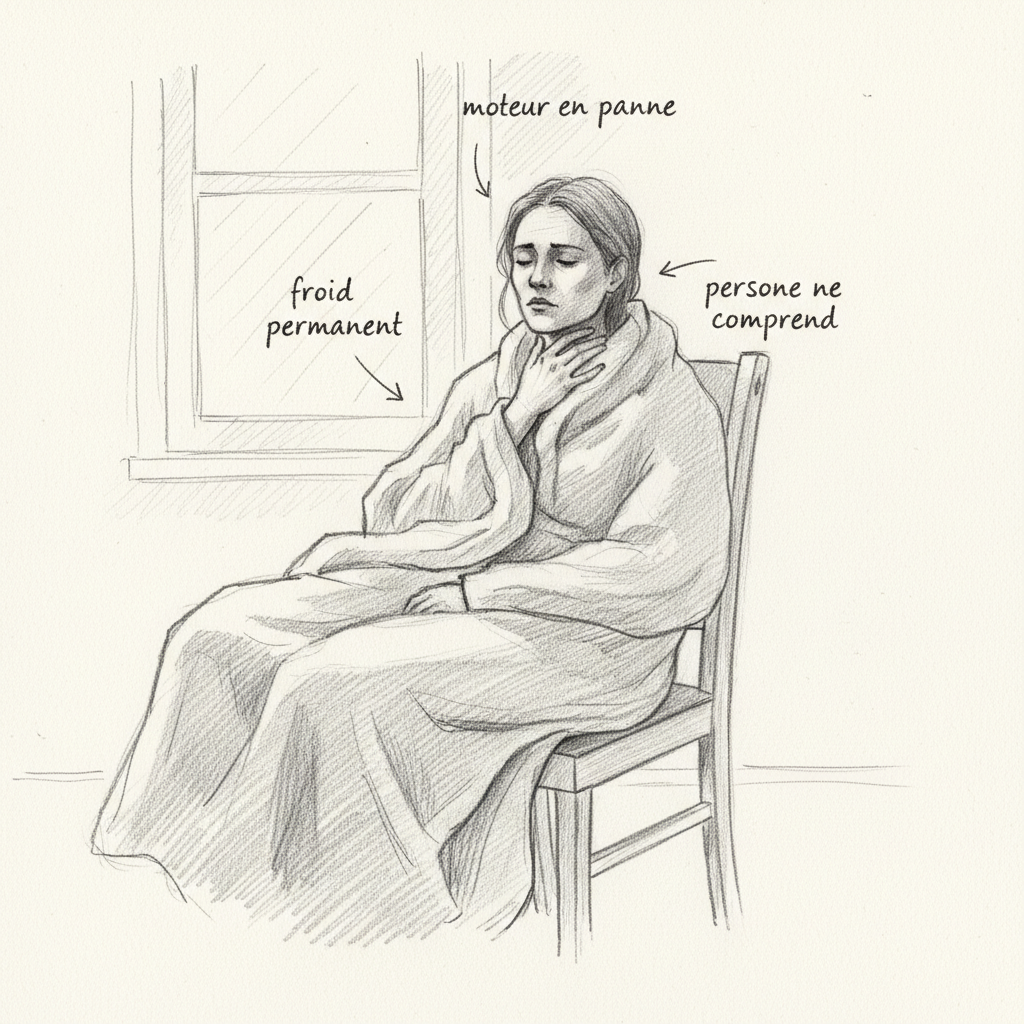
Thyroid disorders rank among the most frequent endocrine conditions in women of childbearing age. What most women don’t know is that one in five having experienced a miscarriage or encountering fertility problems has an undiagnosed thyroid disorder (Journal of Clinical Endocrinology & Metabolism). Hypothyroidism leads to elevated TSH which intensifies the frequency and intensity of menstruation and leads to absence of ovulation. Hyperthyroidism disrupts GnRH and causes irregular cycles.
The American Thyroid Association recommends maintaining a TSH below 2.5 mIU/L to optimize fertility. Yet laboratory norms go up to 4.5. A woman with a TSH of 3.8 is considered “normal” by her doctor, when she is above the recommended threshold for conception. The periconception thyroid panel must include TSH, free T3, total T4, and especially anti-TPO antibodies, which constitute an independent factor for miscarriage even in the absence of frank hypothyroidism. I detailed the thyroid cofactors in the article on thyroid and micronutrition: iodine, selenium, zinc, iron, tyrosine, vitamin D, and vitamin A are the building blocks of thyroid function.
During the first four months of pregnancy, the maternal thyroid provides 100% of the fetus’ T3 supply. T4 hormones do not cross the placenta. If the mother does not properly convert her T4 to T3, the developing fetal brain directly suffers the consequences: delayed psychomotor and intellectual development.
Optimal norms vs laboratory norms
This is where the naturopathic vision differs fundamentally from the conventional approach. Laboratory norms are calculated by adding all the results from the previous year, removing the 2.5% of highest and lowest extreme values. What gives you a weighted norm on a population… already deficient. Dr. Hertoghe, in his Textbook of Nutrient Therapy, proposes optimal norms based on clinical observations and a considerable number of studies.
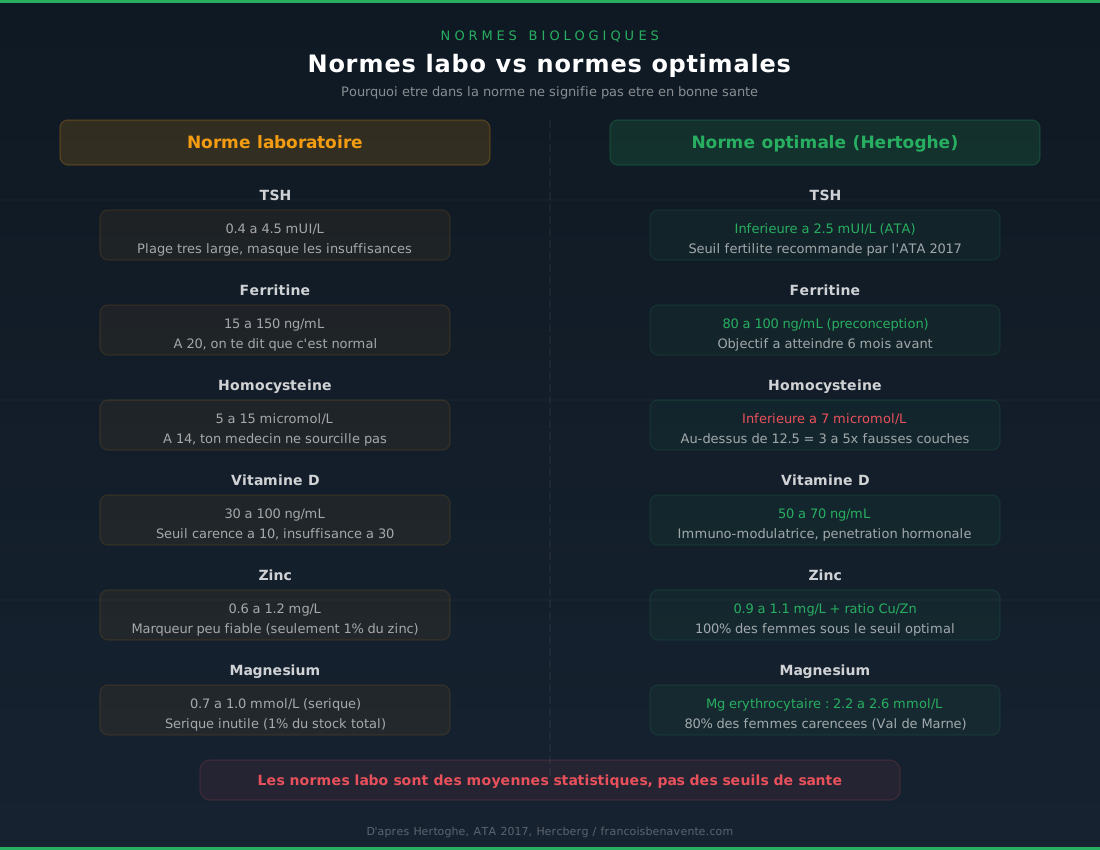
The gap between the two is sometimes staggering. A ferritin of 20 ng/mL is within the lab norm, but the periconception objective according to Curtay is 80 to 100 ng/mL, ideally reached through diet since supplementation with mineral iron carries major pro-oxidant risks. Serum magnesium is an almost useless marker: it reflects only 1% of the body’s total stock. It is red blood cell magnesium that must be measured, with an objective of 2.2 to 2.6 mmol/L. And the Val-de-Marne study shows that 80% of women are below this threshold.
Zinc deserves particular attention. 100% of women of childbearing age do not receive the recommended 15 mg through diet, and 75% of them receive less than two-thirds of this (Curtay). A lack of zinc during the first weeks of pregnancy leads to increased risk of miscarriage, congenital malformations, growth delays, and delivery complications. The plasma zinc level measured before delivery is a powerful predictive factor for the conditions of delivery.
Fatty acids and carbohydrate balance
A baby’s brain contains one-third EPA, a polyunsaturated fatty acid synthesized from omega-3. The myelin sheaths of the nervous system contain one-third DHA, another omega-3 derivative. All fetal cells need EPA and DHA to form functional cell membranes. Yet it is common to have a poor fatty acid balance, with massive predominance of pro-inflammatory omega-6 at the expense of omega-3.
The omega-3/omega-6 ratio is lowered in mothers of premature infants (Reece, 1997). The red blood cell fatty acid balance is the test of choice for evaluating this ratio. And omega-3s are very fragile: they oxidize quickly, making the quality of supplementation critical. Gentle cooking and cold-pressed oils (camelina, flax, walnut) are the basis of proper dietary intake.
Carbohydrate balance is another often neglected axis. Measuring HOMA (an insulin resistance marker) and HbA1c (glycated hemoglobin) allows early detection of glucose intolerance. Vitamin B6 deficiency is a major factor in glucose intolerance during pregnancy (Curtay), and magnesium is an essential factor in glucose tolerance. Women with PCOS are particularly at risk for insulin resistance and should undergo systematic screening before conception.
Timing: 6 to 12 months before
Curtay is categorical: periconception advice must be followed at minimum 6 months before conception, ideally one year. And they apply equally to women and men. The smoking father is the leading cause of miscarriage (the DNA of sperm is irradiated by tobacco). A smoking father increases the child’s leukemia risk by 50%. If both parents smoke, this risk is multiplied by four.
Folic acid supplementation started before conception reduced the risk and recurrence of neural tube malformations (Milunsky, 1989). It is recommended to start three months before. For magnesium, supplementation improves fetal development only if it begins in the first trimester. And for ferritin, reaching an optimal level of 80 to 100 ng/mL through diet (poultry liver, black pudding, sardines, lentils) takes several months.
Concretely, the first appointment involves crossing the case history (questionnaires, symptoms, medical history) with the blood workup. Remember that only a doctor or biologist is authorized to officially interpret a test. Biologists from networks like Bio Avenir do this for free. The naturopath, meanwhile, works on the terrain: they cross-reference markers with symptoms to individualize the dietary and supplementation protocol. As Marchesseau reminded us, individualization is key.
What naturopathy does not do
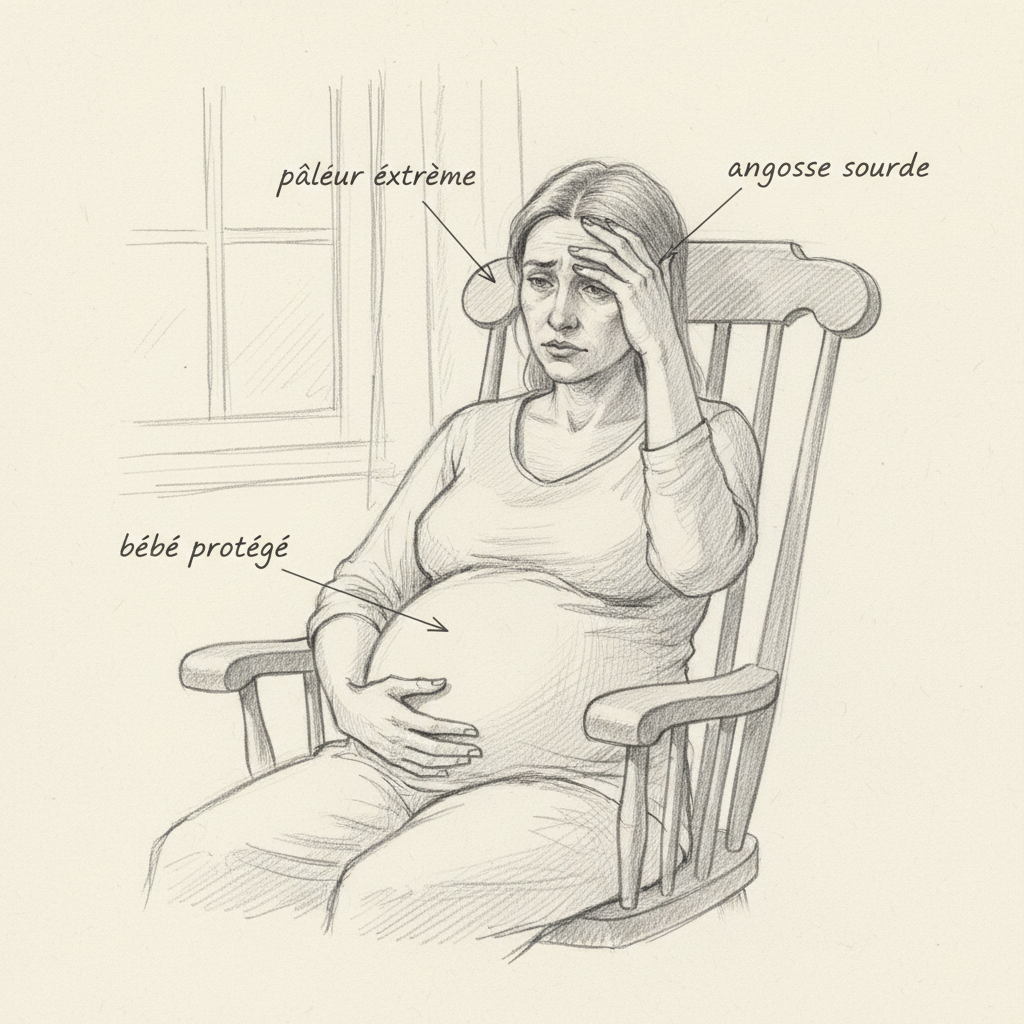
Naturopathy supports preparation for conception. It does not replace gynecological follow-up or medical fertility assessment. If you have a history of repeated miscarriages, painful periods, or thyroid disorders, complete medical workup is essential. Pregnancy anemia is a major risk factor that multiplies the risk of prematurity and low birth weight by 2.5 to 3.
The naturopathic periconception workup does not replace the doctor. It complements what the doctor does not do: measure cofactors, evaluate the terrain, anticipate deficiencies. Six months of preparation can make the difference between a chaotic pregnancy and a peaceful one.
Based in Paris, I consult via video throughout France. You can schedule an appointment for a personalized periconception workup.
For periconception supplementation, Sunday Natural offers bisglycinate magnesium and a quality B complex (-10% with code FRANCOIS10). The UNAE pregnancy multivitamin is the supplement I recommend most often (-10% with code BENAVENTE10). Find all my partnerships with exclusive promo codes.
Want to assess your status? Take the free vitamin B9 questionnaire in 2 minutes.
To go further
- Thyroid and fertility: the lock nobody lifts
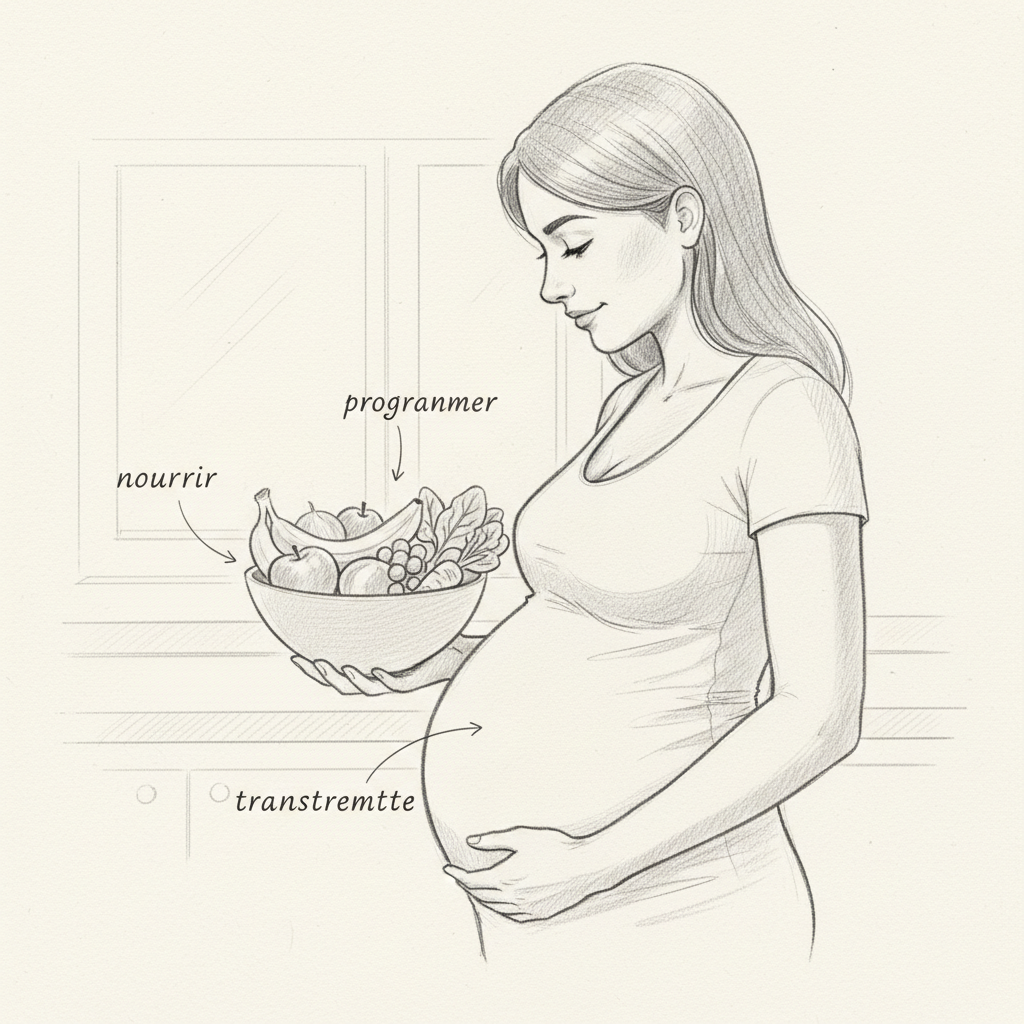
- Diet and pregnancy: what you eat programs your baby
- Periconception: the supplements your gynecologist doesn’t know about
- Vitamin B9 (folates): methylation, pregnancy, and homocysteine
Sources
- Curtay, Jean-Paul. Nutrithérapie. Tome 1. Boiron, 2008.
- Hercberg, S. et al. “Consommation alimentaire d’un échantillon représentatif de la population du Val-de-Marne.” Rev. Epidem. Santé Publ. 39 (1991): 245-261.
- Hertoghe, Thierry. Textbook of Nutrient Therapy. International Medical Books, 2019.
- Steegers-Theunissen, R.P.M et al. “Hyperhomocysteinemia and recurrent spontaneous abortion.” Lancet (1992).
- Keen, C.L et al. “Should vitamin-mineral supplements be recommended for all women with childbearing potential?” Am. J. Clin. Nutr. 59 (1994): 532S-539S.
“Let doctors have the disease, it is their job and they do it wonderfully well. And let the naturopath have the task of finding the healthy person behind the sick one.” Pierre-Valentin Marchesseau







Laisser un commentaire
Sois le premier à commenter cet article.