Marine is thirty-four years old. She has two young children, heavy periods for as long as she can remember, and fatigue that she has been dragging along since her second pregnancy. Her doctor tested her ferritin: 22 ng/mL. “That’s normal,” he told her, since the laboratory standard starts at 15. Marine left without treatment. When she came to see me eight months later, her ferritin had dropped to 12, she was losing her hair by the handful, she was short of breath climbing one flight of stairs, and she had heart palpitations at rest. This time, her hemoglobin had also dropped: 10.5 g/dL. The anemia was established.
If you have read my article on anemia, you know the clinical presentation and mechanism of iron deficiency anemia. What I want to explore here is everything that happens before anemia, this gray zone of iron deficiency without anemia that conventional medicine systematically neglects, and the factors that block iron absorption in millions of people uselessly supplemented.
Causes of iron deficiency
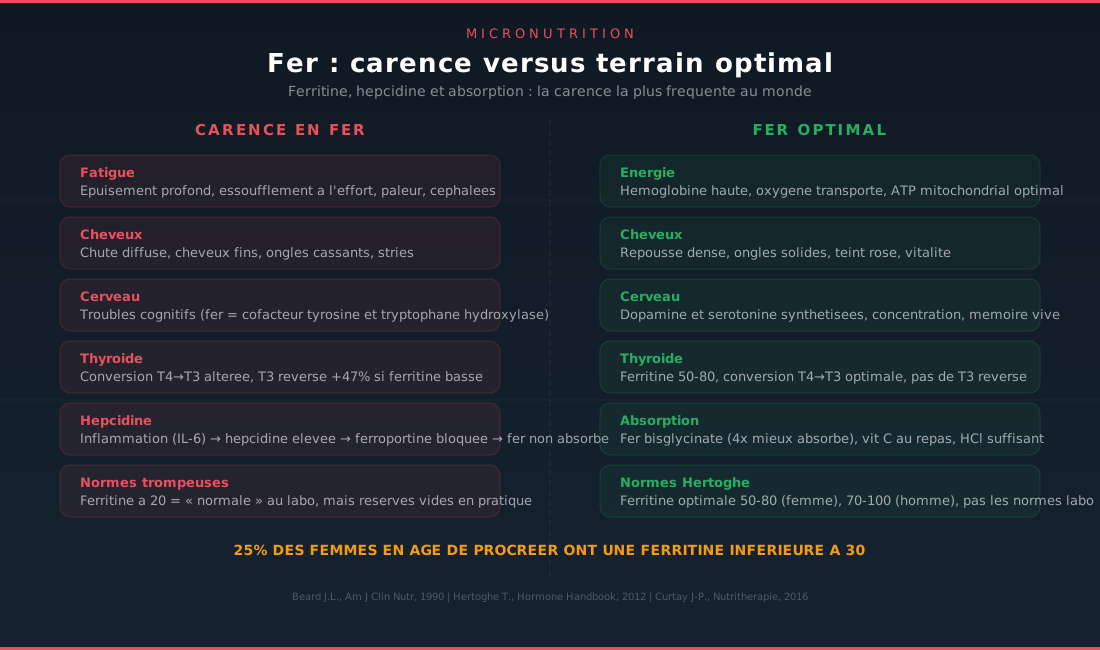
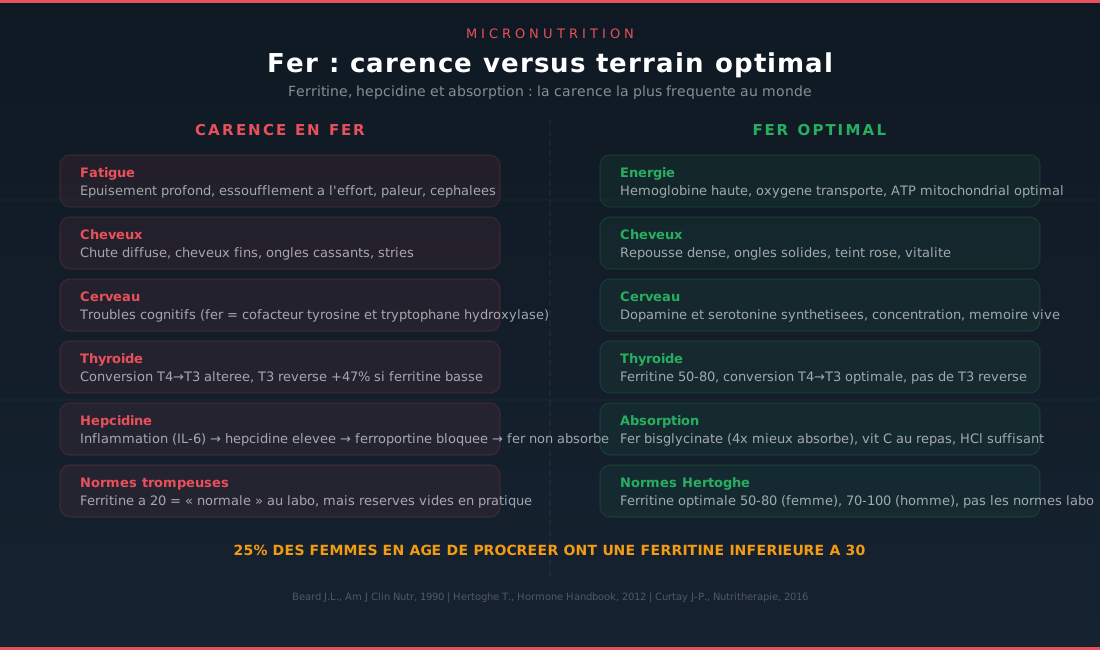
Iron deficiency is the most common nutritional deficiency in the world. In France, eight percent of women of childbearing age are anemic, and twenty-five percent have ferritin below 30 ng/mL (deficiency without anemia). In menstruating women, the main cause is obvious: menstrual losses. Each milliliter of blood contains 0.5 milligrams of iron. Normal periods (30 to 80 mL) result in a loss of 15 to 40 milligrams of iron per cycle. Heavy periods (over 80 mL) can double or triple these losses.
Iron absorption is naturally low: five to fifteen percent of dietary iron is absorbed on average, and this rate depends on the form of iron (hemic vs non-hemic), gastric acidity, and the presence of activators or inhibitors in the meal. Hemic iron (meat, fish, shellfish) is absorbed at fifteen to thirty-five percent via the HCP1 transporter. Non-hemic iron (plants, eggs, dairy products) is absorbed at two to twenty percent via the DMT1 transporter, and its absorption is very sensitive to dietary inhibitors.
Hypochlorhydria (insufficient gastric acid) is a major underdiagnosed cause. Hydrochloric acid is necessary to reduce dietary ferric iron (Fe3+) to absorbable ferrous iron (Fe2+). PPIs, anti-H2 drugs, gastric aging, Helicobacter pylori infection, and hypothyroidism reduce acid secretion and therefore iron absorption.
Occult digestive losses (erosive gastritis, colonic polyps, celiac disease, parasitosis) should be systematically investigated in men and postmenopausal women with low ferritin, because iron deficiency is not related to periods in these cases.
Symptoms of deficiency
Iron is a cofactor of hemoglobin (oxygen transport), myoglobin (muscle oxygen reserve), cytochromes in the mitochondrial respiratory chain (ATP production), and numerous enzymes (catalase, peroxidase, tryptophan hydroxylase, tyrosine hydroxylase).
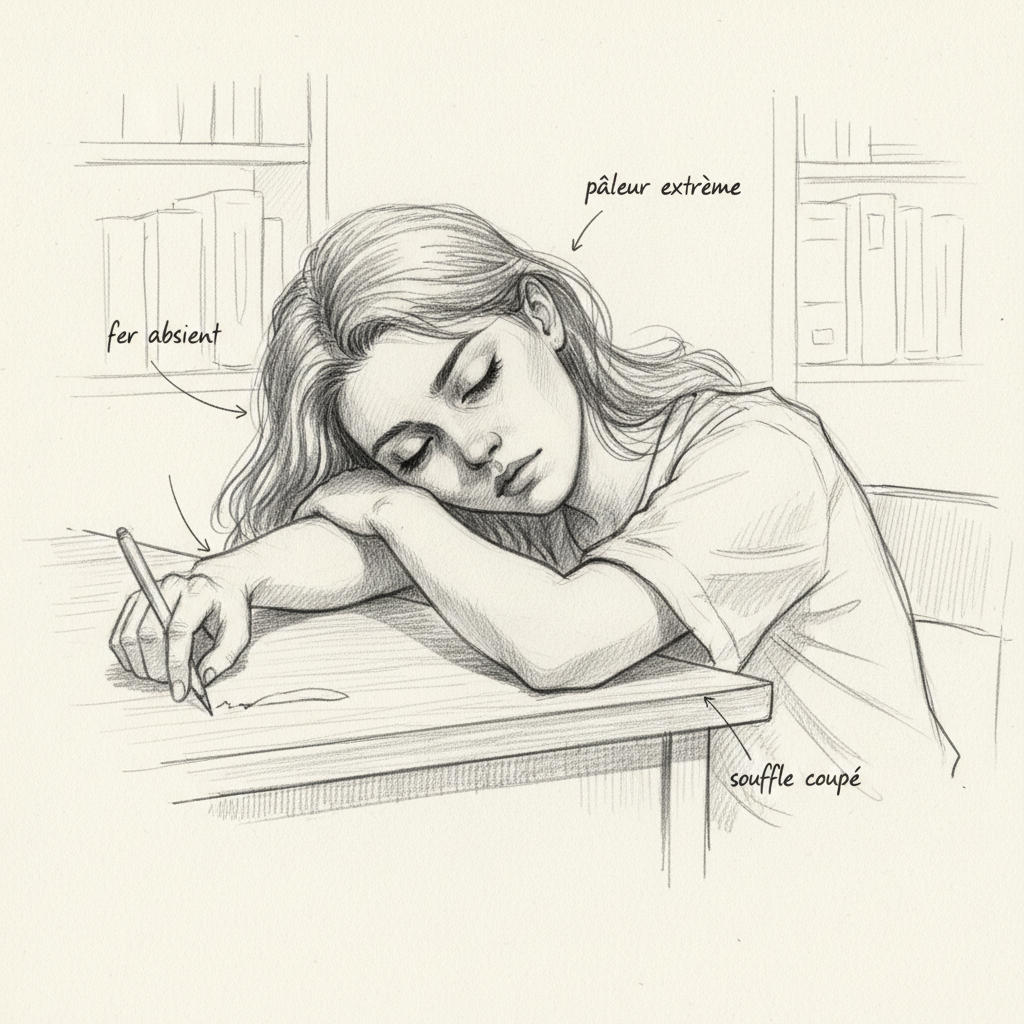
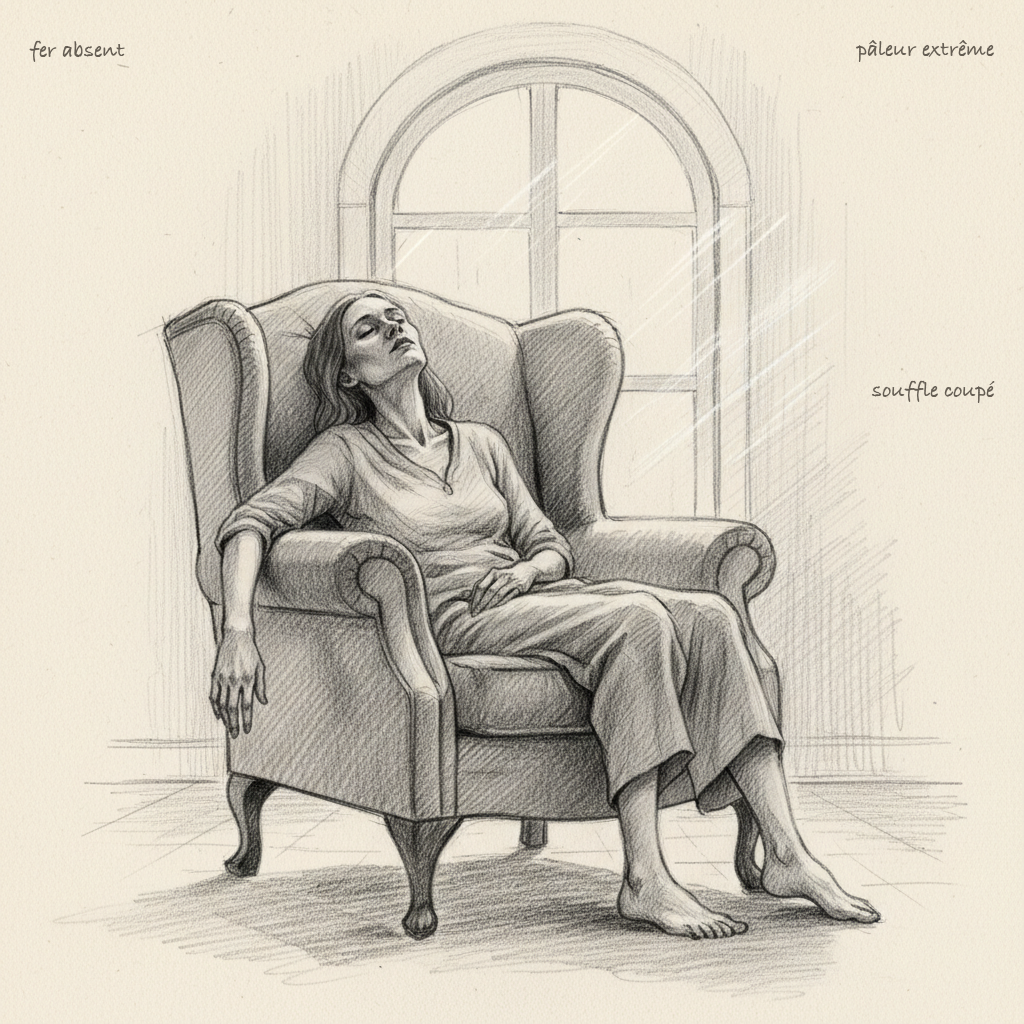
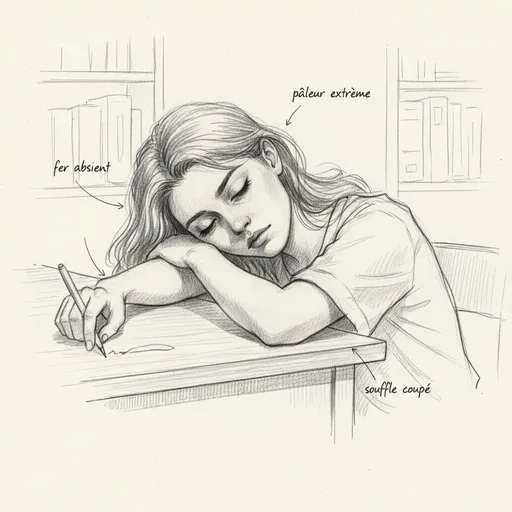
Fatigue is the cardinal symptom, often present well before anemia. It is due to reduced oxygen transport capacity and reduced mitochondrial ATP production. Shortness of breath on exertion (dyspnea), heart palpitations (compensatory tachycardia), and headaches complete the cardiovascular picture.
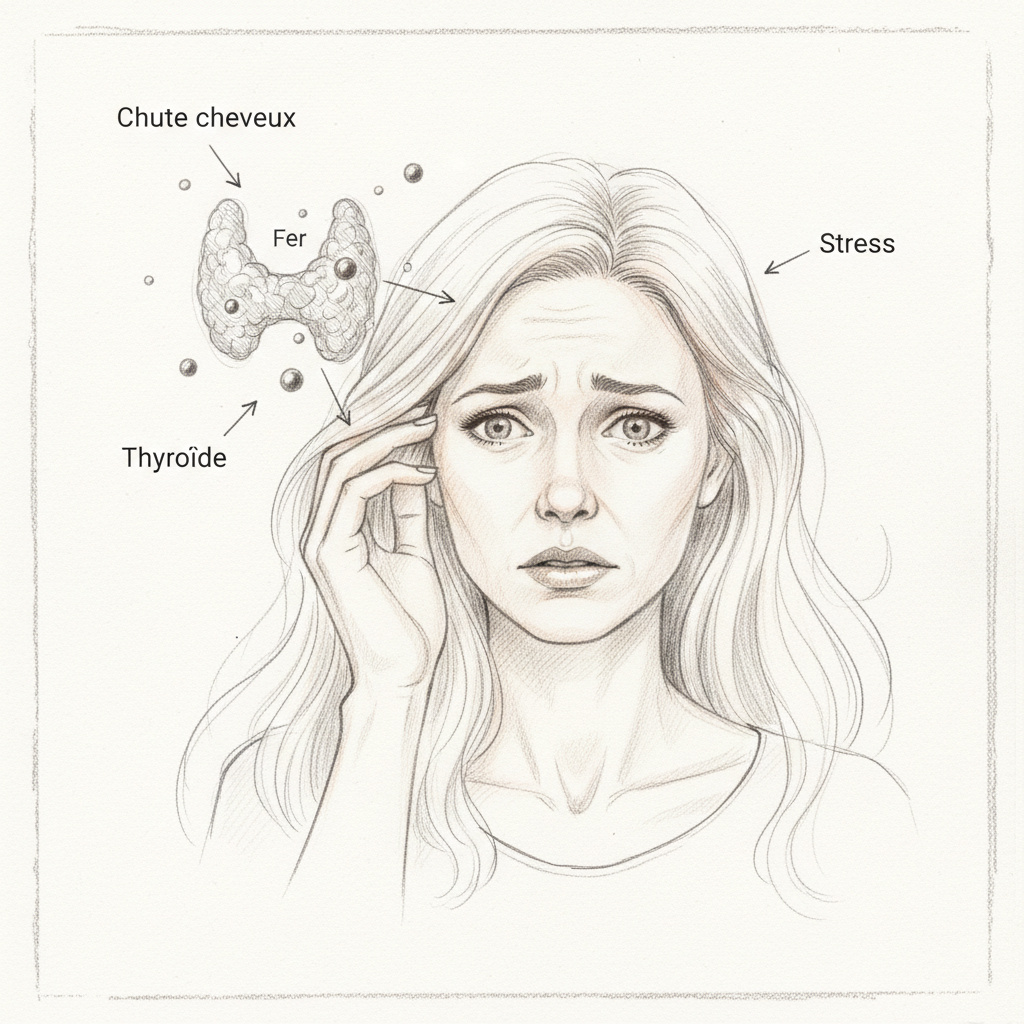
Hair loss is common when ferritin drops below 40 ng/mL. The hair follicle is one of the fastest renewing tissues in the body, and it is very sensitive to iron status. Brittle, striated, concave nails (koilonychia) are a classic sign.
Cognitive disturbances (concentration difficulties, reduced memory, irritability) are related to iron’s role in neurotransmitter synthesis: iron is a cofactor for tryptophan hydroxylase (serotonin) and tyrosine hydroxylase (dopamine, noradrenaline). Iron deficiency can mimic depression.
Restless leg syndrome is strongly correlated with iron deficiency. A ferritin below 50 ng/mL is found in the majority of affected patients.
Micronutrients essential to iron
Vitamin C is the most powerful activator of non-hemic iron absorption. It reduces Fe3+ to Fe2+ and forms a soluble iron-ascorbate complex that resists inhibitors. Two hundred milligrams of vitamin C with a meal multiplies iron absorption by three to six.
Vitamin A and beta-carotene improve the mobilization of iron from stores (ferritin) to hemoglobin. Vitamin B2 (riboflavin) is necessary for iron incorporation into heme. Vitamin B12 and folates are essential for red blood cell maturation. Copper (via ceruloplasmin) is necessary for the oxidation of Fe2+ to Fe3+ for its binding to transferrin.
Food sources
Black pudding is the richest source with 22 milligrams per 100 grams (hemic iron). Poultry liver contains 9 milligrams per 100 grams. Clams provide 28 milligrams per 100 grams. Beef contains 2.5 to 3 milligrams per 100 grams. Lentils provide 3.3 milligrams per 100 grams (non-hemic iron). Tofu contains 5.4 milligrams per 100 grams. Spinach provides 2.7 milligrams per 100 grams. Pumpkin seeds contain 8.8 milligrams per 100 grams. Quinoa provides 4.6 milligrams per 100 grams.
Recommended intakes are 16 milligrams per day for menstruating women, 9 milligrams for men and postmenopausal women. During pregnancy, needs reach 25 to 30 milligrams per day.
Iron antagonists
Tea tannins reduce absorption by sixty to seventy percent. Phytic acid (whole grains, legumes) chelates iron and reduces its absorption by fifty percent (soaking and sprouting reduce phytic acid). Calcium (dairy products) inhibits hemic and non-hemic iron absorption from 300 milligrams. Coffee polyphenols inhibit absorption by thirty-nine percent.
PPIs and anti-H2 drugs reduce necessary acidity. Hepcidin, stimulated by inflammation, blocks ferroportin. Oxalates (spinach, rhubarb, chocolate) form insoluble complexes with iron.
Overlooked causes of deficiency
Low-grade inflammation is THE overlooked cause. A high-sensitivity CRP barely elevated (above 1 mg/L) is enough to stimulate hepatic hepcidin production which blocks iron absorption. This is inflammatory anemia, different from iron deficiency anemia: iron is present in stores but cannot be mobilized. Ferritin can even be falsely elevated (ferritin is also an acute phase protein of inflammation). Measuring both ferritin AND CRP is essential.
Undiagnosed celiac disease is a frequent cause of refractory iron deficiency. Villous atrophy of the duodenum (the main site of iron absorption) dramatically reduces absorption. Any unexplained or supplementation-resistant iron deficiency should trigger investigation for celiac disease (anti-transglutaminase antibodies).
Hypothyroidism reduces gastric acid secretion and slows iron absorption. Intestinal dysbiosis and SIBO modify the iron environment in the digestive tract. Excessive gynecological bleeding (menorrhagia) linked to fibroids, endometriosis, or estrogen/progesterone imbalance are often downplayed.
Dietary supplements
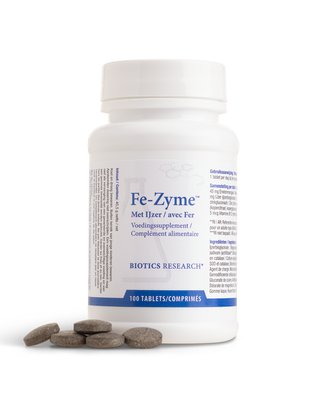
Ferrous sulfate is the classic form, the least expensive, but the least well tolerated (nausea, constipation, black stools in thirty to fifty percent of patients). Ferrous fumarate and ferrous gluconate are slightly better tolerated.
Iron bisglycinate (chelated to glycine) is the form recommended by nutrient therapists. It is absorbed by the peptide transporter PepT1 (and not by DMT1), which makes it four times better absorbed, insensitive to dietary inhibitors, and much better tolerated. The effective dose is 14 to 28 milligrams of elemental iron per day.
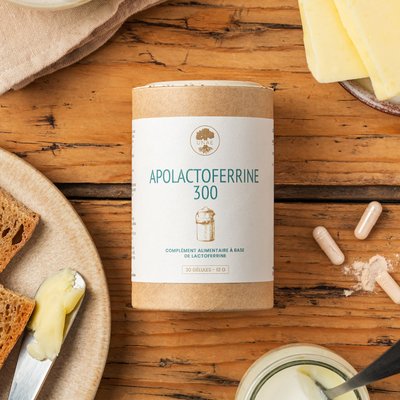
Lactoferrin is a glycoprotein in breast milk that transports iron and improves its intestinal absorption. Paesano’s 2010 study showed that lactoferrin was as effective as ferrous sulfate in correcting pregnancy anemia, with much better tolerance. The dose is 200 to 400 milligrams per day.
Intravenous iron (ferric carboxymaltose, Ferinject) is reserved for severe deficiencies, intolerances to all oral iron forms, and emergency situations (severe preoperative anemia, postpartum hemorrhage).
Marine started with 28 milligrams of iron bisglycinate per day, combined with 1 gram of vitamin C (acerola), taken in the morning on an empty stomach, thirty minutes before breakfast, away from any tea or coffee. In parallel, we treated her hypochlorhydria (betaine HCl with meals) and verified the absence of celiac disease. In three months, her ferritin rose from 12 to 45 ng/mL. In six months, it reached 65 ng/mL. Her hair stopped falling out after two months. Her energy returned gradually. She is no longer out of breath climbing stairs.
To assess your iron status, take the iron deficiency questionnaire on my site.
If you want personalized support, you can book a consultation.
To go further
- Low ferritin and hair loss: the link your doctor ignores
- Anemia: understanding the root causes and acting naturally
- Carnitine and thyroid: the molecule no one tests
- Vitamin B12 (cobalamin): methylation, neurology and pernicious anemia
Sources
- Paesano, Rosalba, et al. “Lactoferrin efficacy versus ferrous sulfate in curing iron deficiency and iron deficiency anemia in pregnant women.” BioMetals 23 (2010): 411-417.
- Ganz, Tomas. “Hepcidin and iron regulation, 10 years later.” Blood 117.17 (2011): 4425-4433.
- Curtay, Jean-Paul. Nutritherapy: scientific foundations and medical practice. Testez Éditions, 2016.
- Mouton, Georges. Digestive ecology. Marco Pietteur, 2004.
- Hertoghe, Thierry. Atlas of hormonal and nutritional medicine. Luxembourg: International Medical Books, 2006.
If you want personalized support, you can book a consultation. For supplementation, Sunday Natural (code FRANCOIS10). Find all my partnerships.
Laisser un commentaire
Sois le premier à commenter cet article.