Catherine is fifty-four years old. When she came in for a consultation, it wasn’t about hot flashes. She had gotten used to those. What worried her was her gynecologist who had told her, almost in passing: “Your hormone panel shows a metabolic imbalance, we should monitor it.” Monitor what? He hadn’t specified. Catherine left with confusion in her head and diffuse fear in her belly. When I asked her if anyone had ever talked to her about hepatic estrogen metabolism, she looked at me as if I were speaking a foreign language.
And that’s the whole problem. We talk about menopause as a hormonal drop. We talk about hot flashes, dryness, weight gain. But nobody talks about what your liver does with your remaining estrogens. Nobody explains to you that the way your liver metabolizes these hormones can protect you from breast cancer or, conversely, expose you to it. Yet this is one of the most important discoveries in functional medicine over the last twenty years, and Professor Castronovo has been teaching it in his DU MAPS since 2003.
“Nutritional optimization of estrogenic balance is the first strategy for preventing breast cancer at menopause.” Vincent Castronovo, DU MAPS
The liver doesn’t destroy estrogens: it transforms them
When we say that the liver “eliminates” estrogens, it’s a misleading shortcut. The liver doesn’t destroy them. It transforms them into metabolites, and these metabolites have radically different biological profiles. That’s the whole subtlety. The same organ, depending on its enzymatic capacities and cofactor reserves, can produce protective metabolites or genotoxic metabolites. And it’s the quality of this transformation that largely determines your risk of hormone-dependent cancer after menopause.
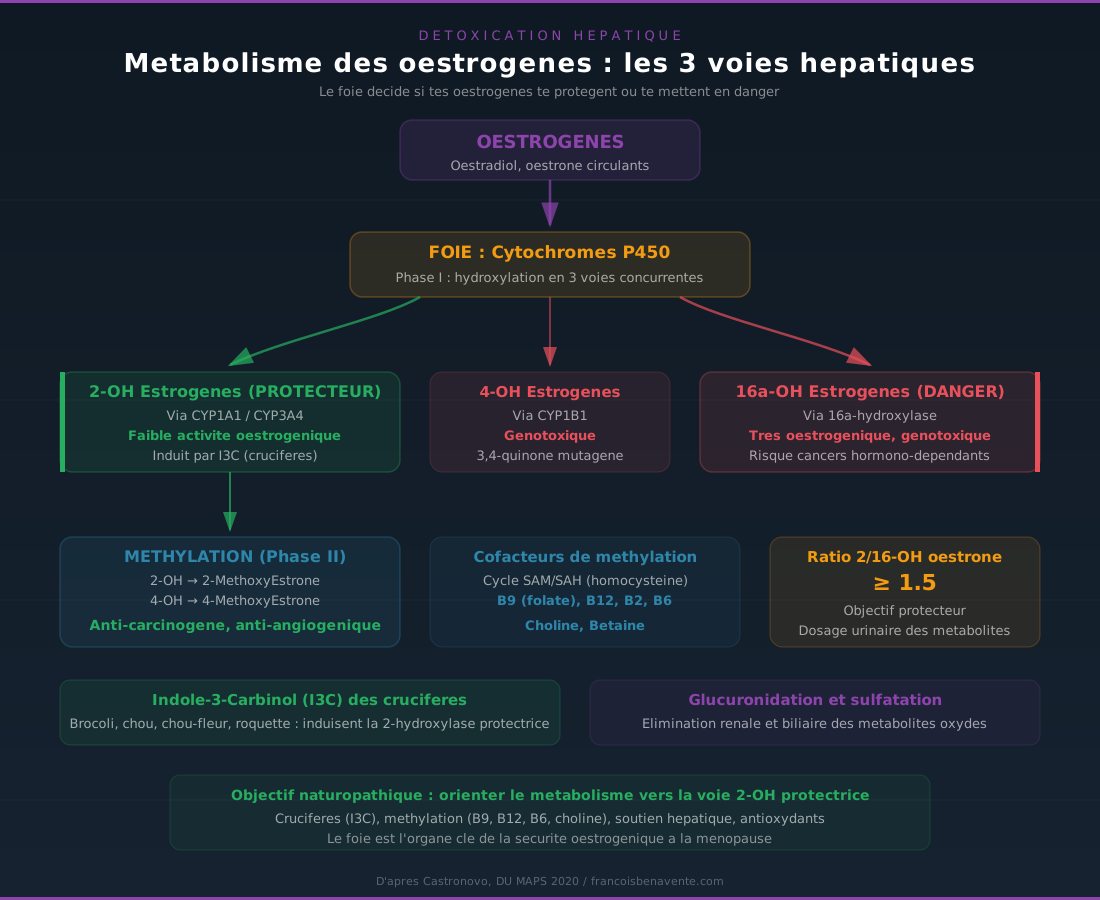
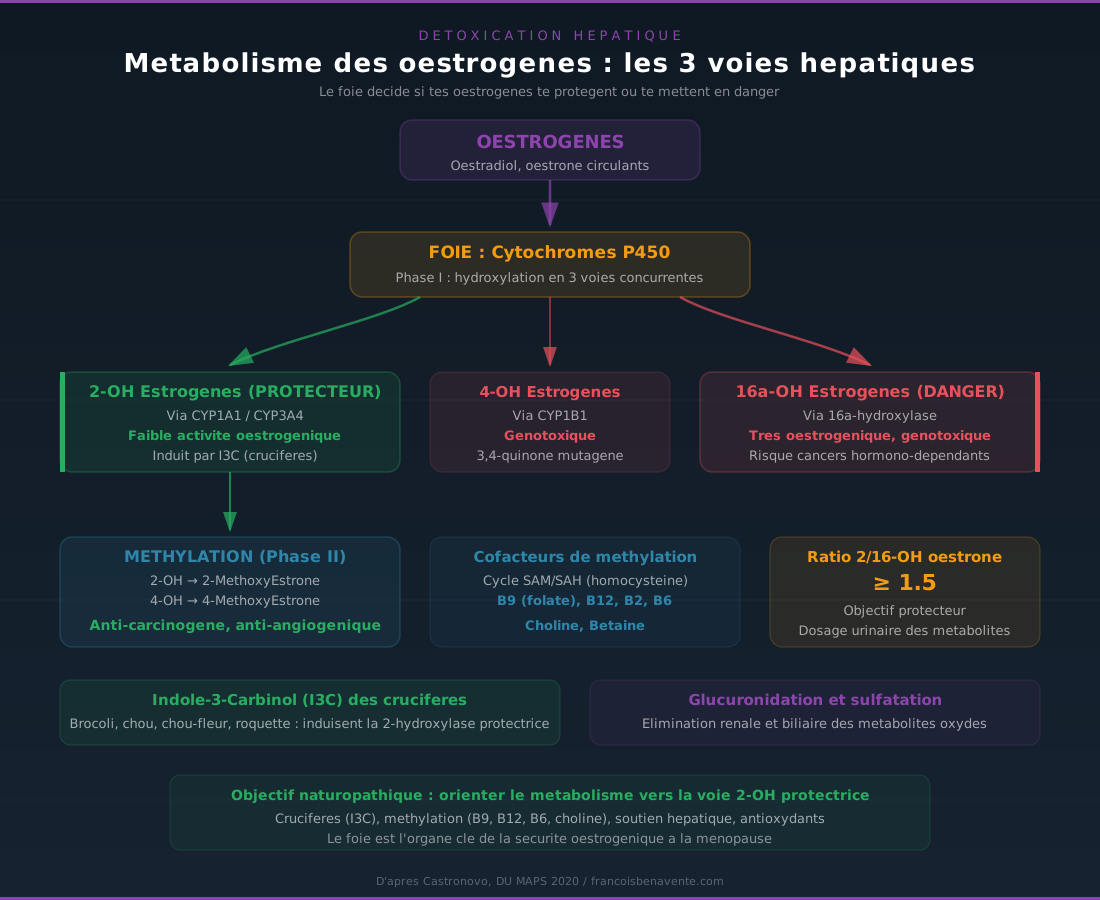
The process occurs in two phases. Phase I, called hydroxylation, is operated by cytochromes P450. These liver enzymes add a hydroxyl group (-OH) to the estrogen molecule, but they can do it at three different positions, producing three families of metabolites.
The first pathway, that of 2-hydroxylase (CYP1A1 and CYP3A4), produces 2-OH estrogens. These are the “good” metabolites. They have very weak estrogenic activity and do not stimulate cell proliferation. Castronovo describes them as non-estrogenic in his course, meaning they don’t feed hormone-dependent tumor cells. This is the protective pathway, the one we want to favor.
The second pathway, that of 4-hydroxylase (CYP1B1), produces 4-OH estrogens. These are dangerous. They can transform into 3,4-quinones, compounds directly genotoxic capable of damaging DNA. This is the most concerning pathway for cancer risk.
The third pathway, that of 16-alpha-hydroxylase, produces 16a-OH estrogens. Castronovo describes them as “highly estrogenic and genotoxic.” They stimulate cell proliferation and are associated with a high risk of hormone-dependent cancers. The ratio between 2-OH and 16a-OH metabolites, measurable by simple urinary testing, has become one of the most reliable markers of breast cancer risk. The goal is a 2/16 ratio greater than or equal to 1.5.
To understand the fundamentals of terrain in naturopathy, an essential concept to understand why some livers function better than others, you can read the basics of naturopathy.
Indole-3-carbinol: the molecule that changes everything
The crucial question then is: how do you orient hepatic metabolism toward the protective 2-OH pathway and keep estrogens away from the dangerous 16a-OH pathway? Castronovo provides a clear answer in his MAPS slides: the molecule that induces 2-hydroxylase is indole-3-carbinol, or I3C.
I3C is a compound naturally present in cruciferous vegetables: broccoli, cabbage, cauliflower, Brussels sprouts, arugula, radish, turnip, watercress. When you eat these vegetables, the glucosinolates they contain are transformed by myrosinase (an enzyme released by chewing and cutting) into I3C, which is then converted in the stomach into DIM (di-indolyl-methane). This DIM is the active compound that specifically stimulates the expression of CYP1A1, the enzyme responsible for the protective 2-OH pathway.
This isn’t abstract theory. The Haggans study published in Cancer Epidemiology Biomarkers and Prevention in 2000 demonstrated that supplementation with flaxseeds (which work through a complementary mechanism via lignans) significantly increases the urinary 2/16a-OHE1 ratio in premenopausal women1. Cruciferous vegetables do the same through the I3C pathway. And epidemiological studies show that populations that consume the most cruciferous vegetables have the lowest rates of hormone-dependent cancers.
The practical message is simple: two to three servings of cruciferous vegetables daily, preferably raw or lightly steamed to preserve myrosinase and I3C. As I explain in the article on gentle cooking, excessive heat destroys the enzymes and sulfur compounds in cruciferous vegetables. Gentle steaming (below 95 degrees) or quick wok cooking preserves the essential active principles.
Methylation: the step everyone forgets
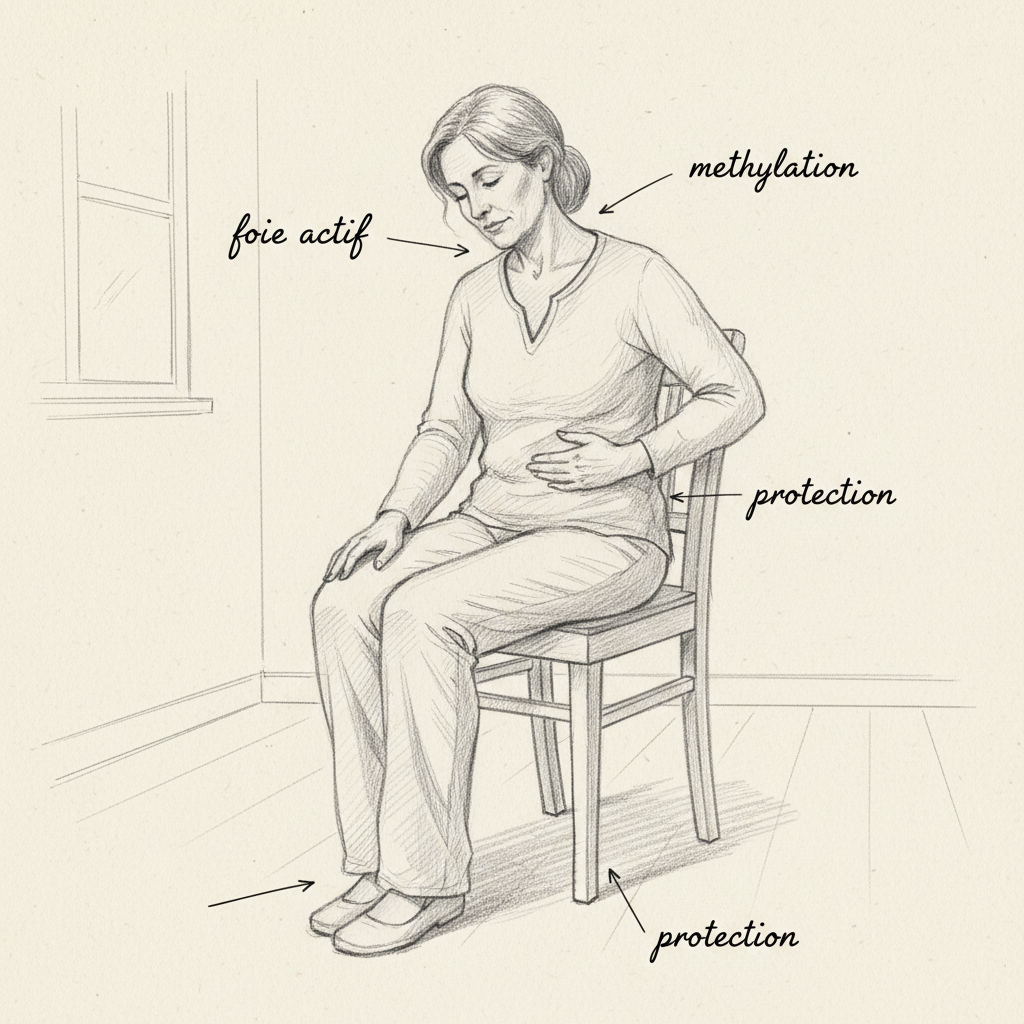
But orienting metabolism toward the 2-OH pathway isn’t enough. These metabolites still need to be properly methylated to become harmless. This is Phase II of hepatic detoxification, and this is where methylation comes in.
Methylation is a biochemical reaction that adds a methyl group (-CH3) to 2-OH and 4-OH metabolites to transform them into 2-methoxyestrone and 4-methoxyestrone. These methoxyestrones are the most desirable metabolites in the entire schema: Castronovo describes them as anti-cancer and anti-angiogenic. They inhibit tumor growth and block the formation of new blood vessels that feed tumors.
The methylation cycle depends on the SAM/SAH cycle (S-adenosyl-methionine / S-adenosyl-homocysteine). To function, it needs precise cofactors: vitamin B9 in the form of active folate (5-MTHF, not synthetic folic acid), vitamin B12 in the form of methylcobalamine, vitamin B2 (riboflavin), vitamin B6 in the form of P5P (pyridoxal-5-phosphate), choline, and betaine. When these cofactors are insufficient, homocysteine accumulates in the blood (this is the marker of deficient methylation), and estrogenic metabolites are not properly detoxified.
This link between methylation and cancer risk is not incidental. Elevated homocysteine is associated in numerous studies with increased risk of hormone-dependent cancers, precisely because it indicates insufficient methylation of estrogenic metabolites. When I prescribe blood work to a menopausal woman, homocysteine is part of the systematic markers. The goal is below 7 micrograms per liter, ideally below 6. Above 10, methylation is clearly deficient and estrogenic metabolites accumulate in potentially dangerous forms.
If you want to understand the role of zinc in methylation and the hundreds of enzymatic reactions that depend on this mineral, the article on zinc will give you a complete picture.
The estrobolome: when your microbiota recycles your estrogens
There is a third player in this story, and it may be the most underappreciated: the intestinal microbiota. A specialized bacterial subpopulation, which researchers have named the estrobolome, produces an enzyme called beta-glucuronidase. This enzyme has the ability to deconjugate estrogens that had been conjugated by the liver (through glucuronidation, the third detoxification pathway) to be eliminated in the stool.
In clear terms: the liver does its job, it conjugates estrogens to make them eliminable, but if your microbiota contains too many bacteria producing beta-glucuronidase, these estrogens are deconjugated in the intestines and reabsorbed into the bloodstream. This is the enterohepatic circulation of estrogens, and it’s a mechanism that can by itself cancel out all the liver’s detoxification work.
The solution goes through microbiota balance. Probiotics (particularly Lactobacillus and Bifidobacterium strains), prebiotics (fermentable fiber from vegetables, inulin, FOS), and reduction of dysbiosis factors (alcohol, refined sugars, unnecessary antibiotics, chronic stress) allow you to reduce beta-glucuronidase activity and improve the definitive elimination of metabolized estrogens.
The naturopathic protocol for estrogenic detoxification
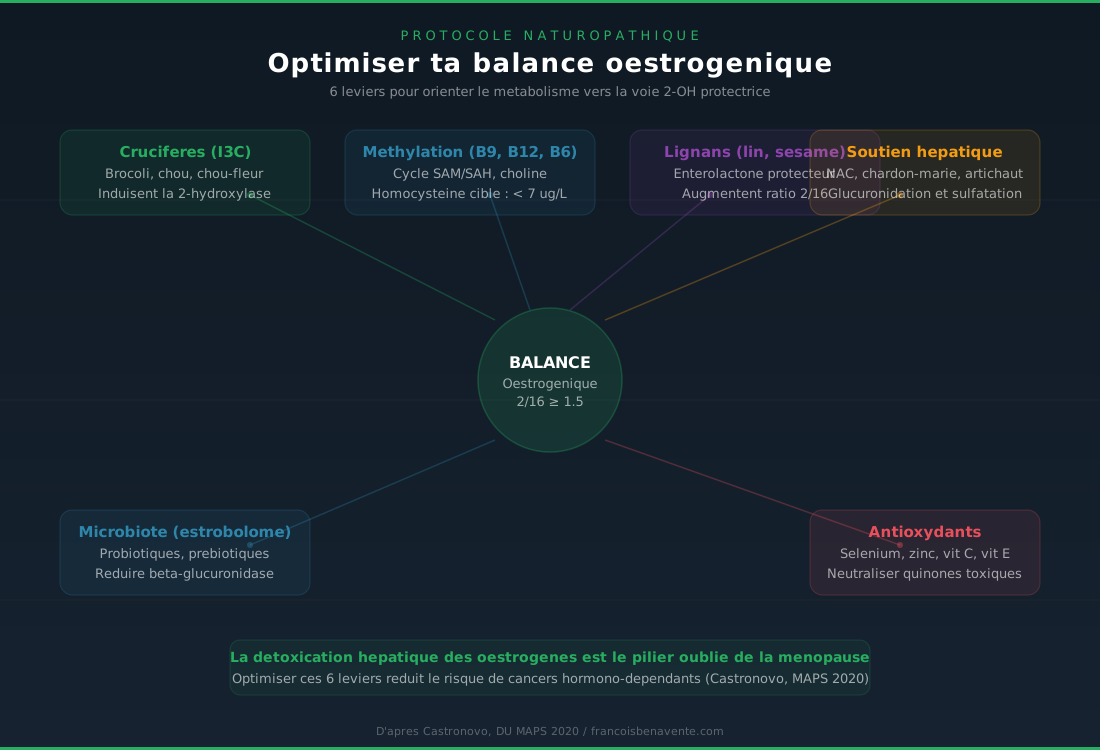
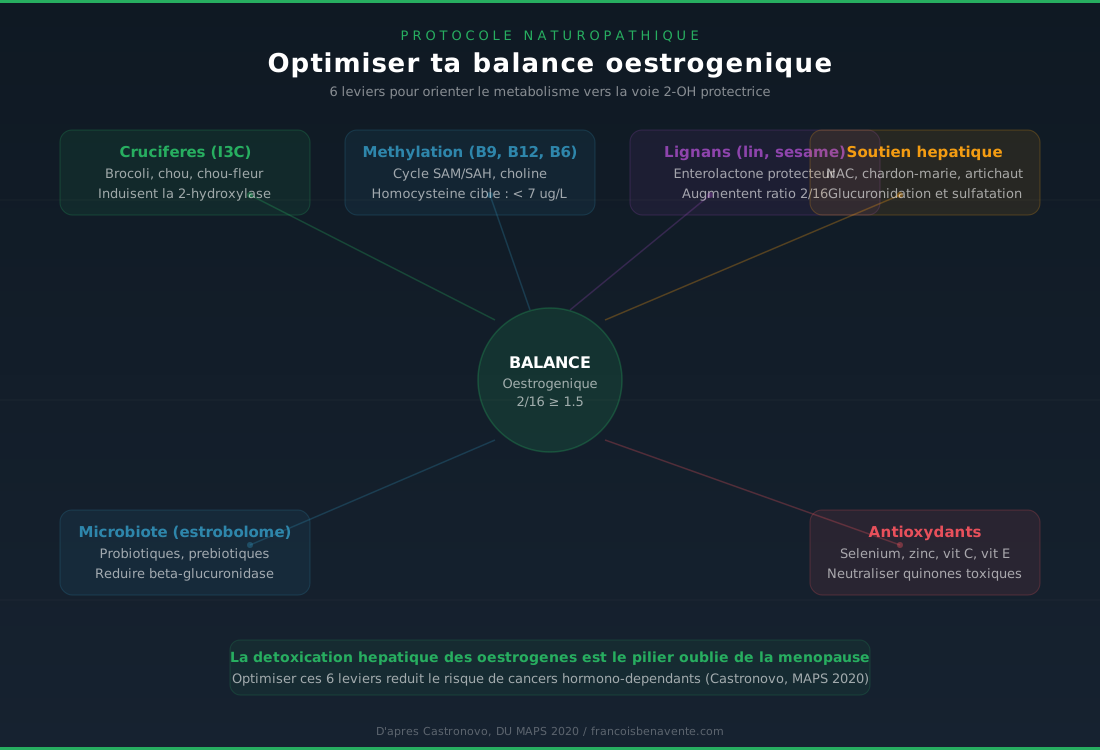
When a menopausal woman comes to see me with a low 2/16 ratio or elevated homocysteine, the protocol I implement is built around six complementary levers, and it is directly inspired by Castronovo’s teachings.
The first lever is diet. Cruciferous vegetables daily, obviously, but also alliums (garlic, onion, leek, shallot) which provide the sulfur compounds necessary for hepatic sulfation. Freshly ground flaxseeds (two tablespoons per day) provide lignans that increase the 2/16 ratio, as Haggans demonstrated. Dark leafy vegetables (spinach, chard, lamb’s lettuce) are rich in natural folate. Eggs and liver are the best dietary sources of choline. And beets provide betaine, an alternative methyl donor.
The second lever is supplementation with methylation cofactors. Vitamin B9 in the form of 5-MTHF (400 to 800 micrograms per day), B12 in the form of methylcobalamine (1000 micrograms per day), B6 in the form of P5P (50 milligrams per day), and choline (300 to 500 milligrams per day) if diet doesn’t provide enough. Betaine (TMG, 500 to 1000 milligrams per day) can supplement the regimen in women whose homocysteine remains elevated despite B vitamins.
The third lever is direct hepatic support. N-acetylcysteine (NAC, 600 to 1200 milligrams per day) is the precursor to glutathione, the major hepatic antioxidant. Milk thistle (silymarin, 200 to 400 milligrams per day) protects hepatocytes and stimulates cell regeneration. Artichoke and black radish stimulate bile secretion, the major elimination pathway for conjugated estrogenic metabolites.
The fourth lever is the microbiota. A quality multi-strain probiotic (minimum 10 billion CFU, with strains of Lactobacillus acidophilus, rhamnosus, and Bifidobacterium longum), prebiotic fiber through diet (Jerusalem artichokes, leeks, artichokes, asparagus, green bananas), and reduction of dysbiosis factors.
The fifth lever, often neglected, is antioxidants. Selenium (100 to 200 micrograms per day, or three Brazil nuts), zinc (15 to 25 milligrams per day), vitamin C (500 to 1000 milligrams per day), vitamin E in the form of mixed tocopherols. These antioxidants neutralize the genotoxic 3,4-quinones from the 4-OH pathway and reduce hepatic oxidative stress.
The sixth lever is emunctory drainage. As I explain in the article on spring detox, a congested liver cannot correctly metabolize estrogens. A hot water bottle on the right side after meals (such a simple and effective gesture that Salmanoff prescribed to all his patients), hepatic herbal teas (rosemary, artichoke, boldo), and a cellulose dinner once or twice weekly to offload the liver.
What this blood work changes in your life
The estrogenic detoxification panel is not a routine exam. It’s a urinary test of estrogenic metabolites (2-OH, 4-OH, 16-OH estrone) that allows calculation of the 2/16 ratio and evaluation of methylation quality. Castronovo gives the following standards in his course: 2-OH estrone above 15 ng/mg creatinine, 4-OH estrone below 20 ng/mg, 16-OH estrone below 20 ng/mg, and 2/16 ratio greater than or equal to 1.5.
This blood work, combined with blood homocysteine testing, gives a precise picture of your liver’s ability to protect your tissues from dangerous estrogenic metabolites. And the most remarkable thing is that this ratio is modifiable. In three to six months of naturopathic protocol (cruciferous vegetables, methylation, hepatic support, microbiota), the 2/16 ratio can increase significantly, reflecting a real decrease in hormone-dependent cancer risk.
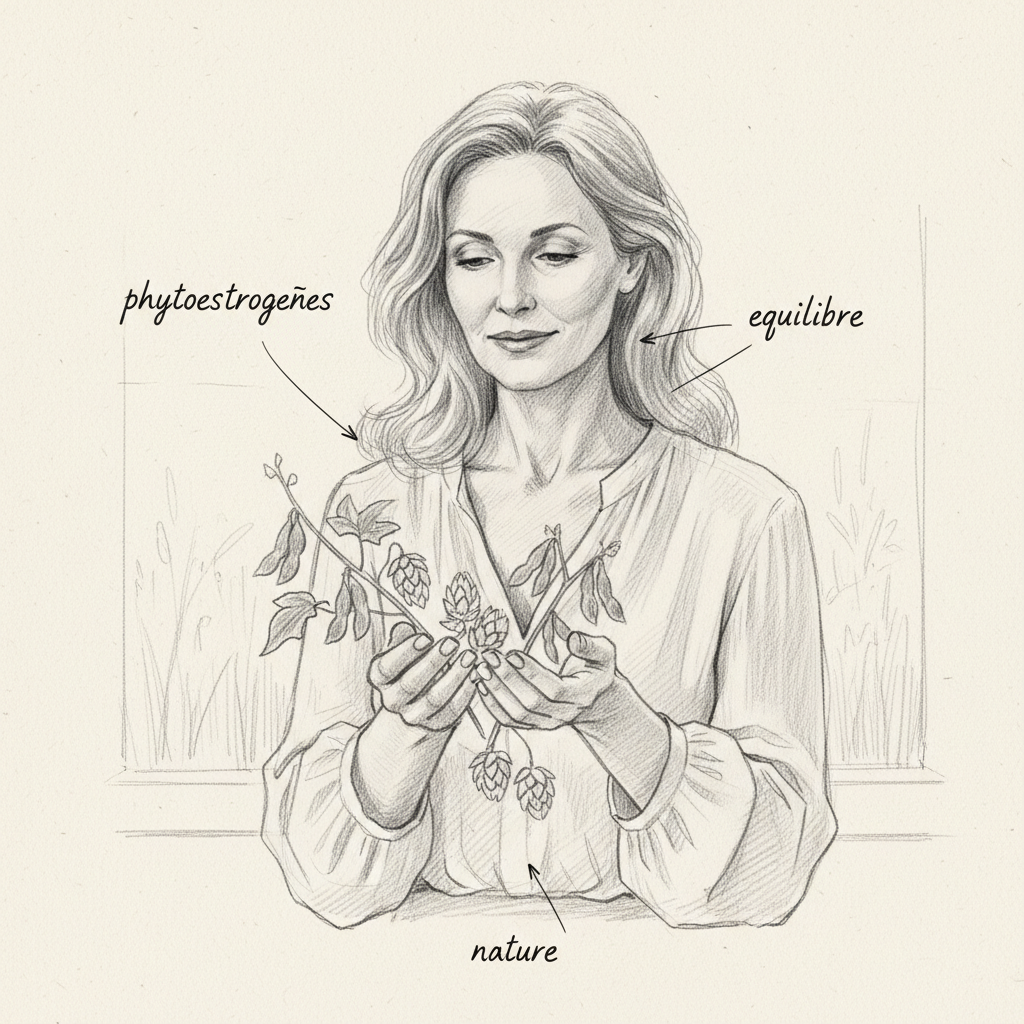
To understand how phytoestrogens participate in this protection by inducing 2-hydroxylation and inhibiting aromatase, I invite you to read the article on soy, hops, and lignans.
What naturopathy doesn’t do
Naturopathy does not diagnose or treat cancers. Breast cancer screening (mammography, ultrasound) remains the domain of conventional medicine, and I recommend all my patients follow the screening schedule proposed by their gynecologist. The 2/16 ratio is a risk marker, not a diagnosis. And any supplementation, even natural, should be discussed with a healthcare professional if there is ongoing treatment, particularly hormone treatments (tamoxifen, aromatase inhibitors).
The protocol I describe here is terrain support, not curative treatment. This is prevention in the noblest sense: giving your body the nutritional tools it needs to properly do its detoxification work. This is naturopathy in its finest expression.
Based in Paris, I consult via video throughout France. You can schedule an appointment for a personalized assessment of your estrogenic detoxification.
For menopause, Sunday Natural offers a methylated B complex, NAC, and pharmaceutical-grade milk thistle (-10% with code FRANCOIS10). The Inalterra grounding mat reduces chronic inflammation and improves nighttime drainage (-10% with code FRANCOISB). Find all my partnerships with exclusive promo codes.
Scientific References
Want to evaluate your status? Take the free Hertoghe estrogen questionnaire in 2 minutes.
If you want personalized support, you can schedule a consultation.
To go further
- Menopause: what your body is trying to tell you (and what we hide)
- Phytoestrogens: soy, hops, lignans, the guide without misconceptions
- Estrogens: when your femininity fades before its time
- Hepatic detoxification: the 3 phases and methylation
Sources
- Castronovo, V. “Supporting the menopausal woman.” DU MAPS, 2020.
- Nissim, Rina. Mamamelis: Manual of naturopathic gynecology. Mamamelis, 1994.
- Mouton, Georges. “Estrogenic balance and hepatic detoxification.” Functional medicine conference.
- Hertoghe, Thierry. The Textbook of Nutrient Therapy. International Medical Books, 2019.
- Salmanoff, Alexandre. Secrets and wisdom of the body. La Table Ronde, 1958.
“The liver is the key organ of estrogenic safety. Nourish it, and it will protect you.” Vincent Castronovo
Healthy recipe: Hepatic detox juice: The liver detoxifies excess estrogens.
Footnotes
-
Haggans, C.J. et al., “The effect of flaxseed and wheat bran consumption on urinary estrogen metabolites in premenopausal women,” Cancer Epidemiol Biomarkers Prev 9, no. 7 (2000): 719-725. PMID: 10919738. ↩


Laisser un commentaire
Sois le premier à commenter cet article.