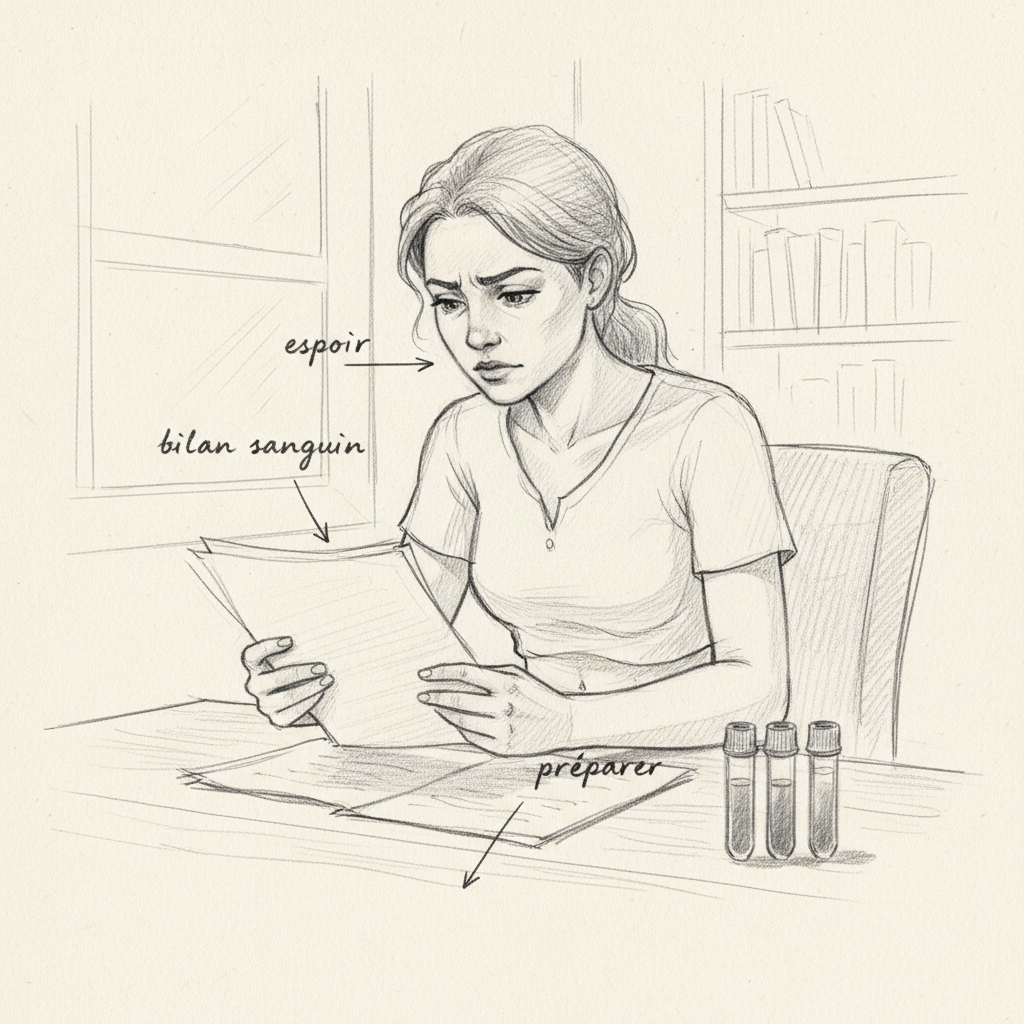
She came to see me four months after giving birth. Crushing fatigue, an urge to cry without reason, hair loss, ten kilos that wouldn’t come off. Her doctor had told her it was normal. That it was baby blues. That it would take time. He had suggested antidepressants. Nobody had measured her ferritin. Nobody had looked at her TSH. Nobody had checked her reserves of DHA, B12, zinc. When I saw her test results, I understood: ferritin at 12, TSH at 5.8, positive anti-TPO antibodies. This wasn’t baby blues. It wasn’t even depression. This was postpartum thyroiditis combined with severe iron deficiency anemia. Two missed diagnoses because the right tests hadn’t been done.
The postpartum period is not in the head. It is biochemistry.
The cascade of depletion
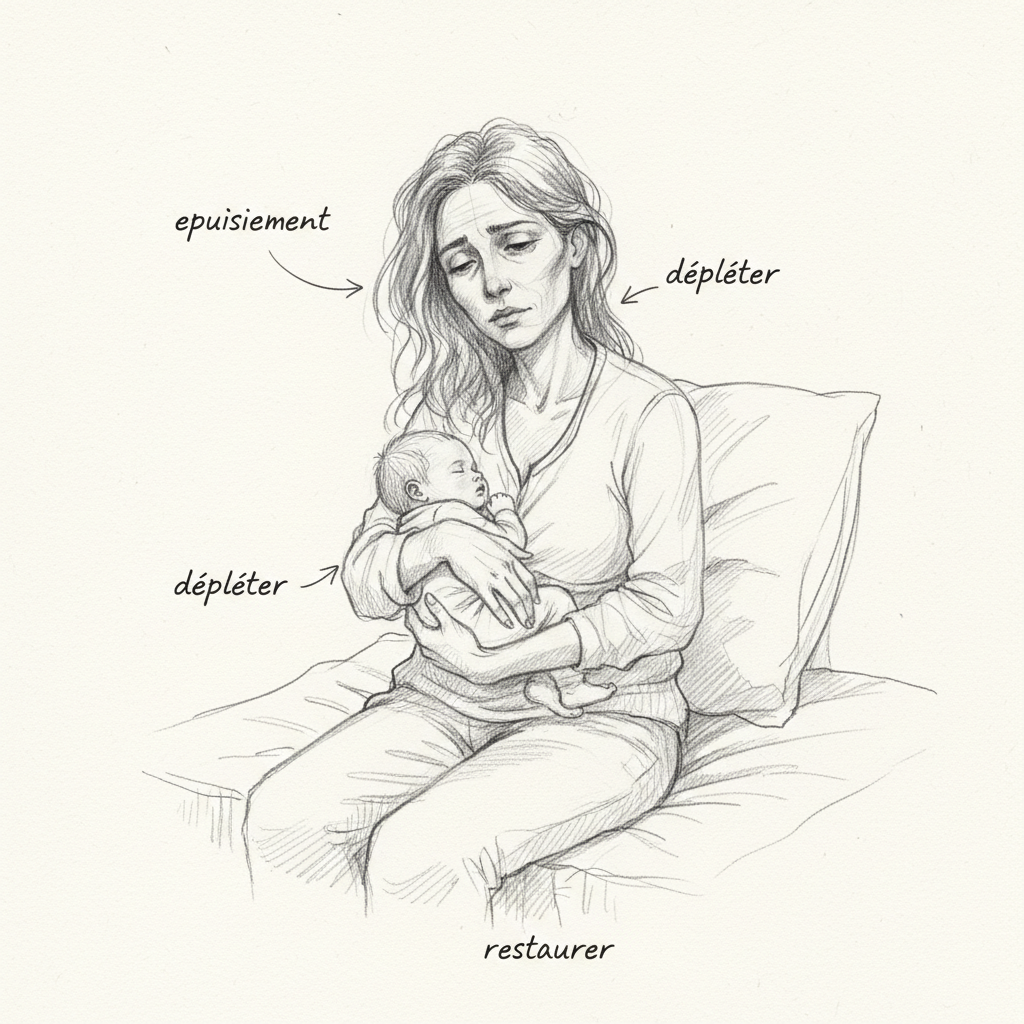
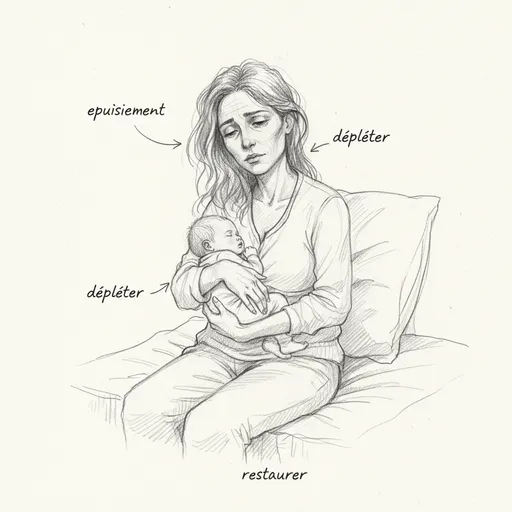
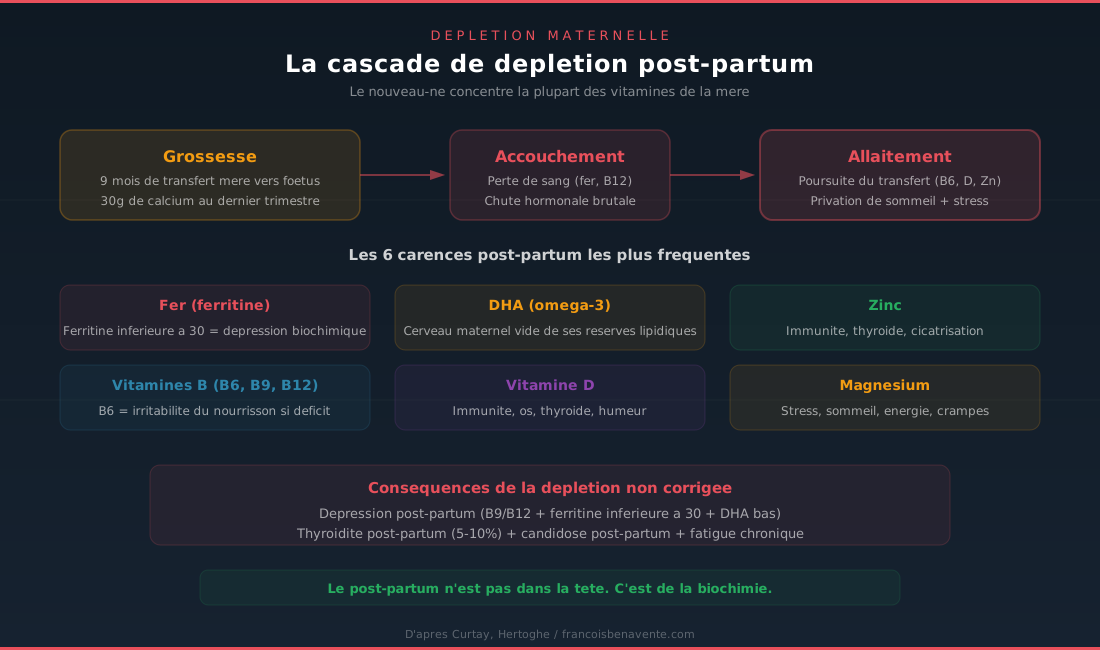
The mother’s body has been giving for nine months. The fetus concentrates most of the mother’s vitamins and minerals: it takes priority, she gives what’s left. In the last trimester, calcium transfer reaches 30 grams. Iron, zinc, B vitamins, vitamin D, magnesium and omega-3 fatty acids follow the same logic. Then childbirth adds blood loss that worsens the iron and B12 deficit. And if the mother is breastfeeding, the transfer continues: B6, vitamin D, zinc and DHA pass into the breast milk, further depleting reserves that are already exhausted.
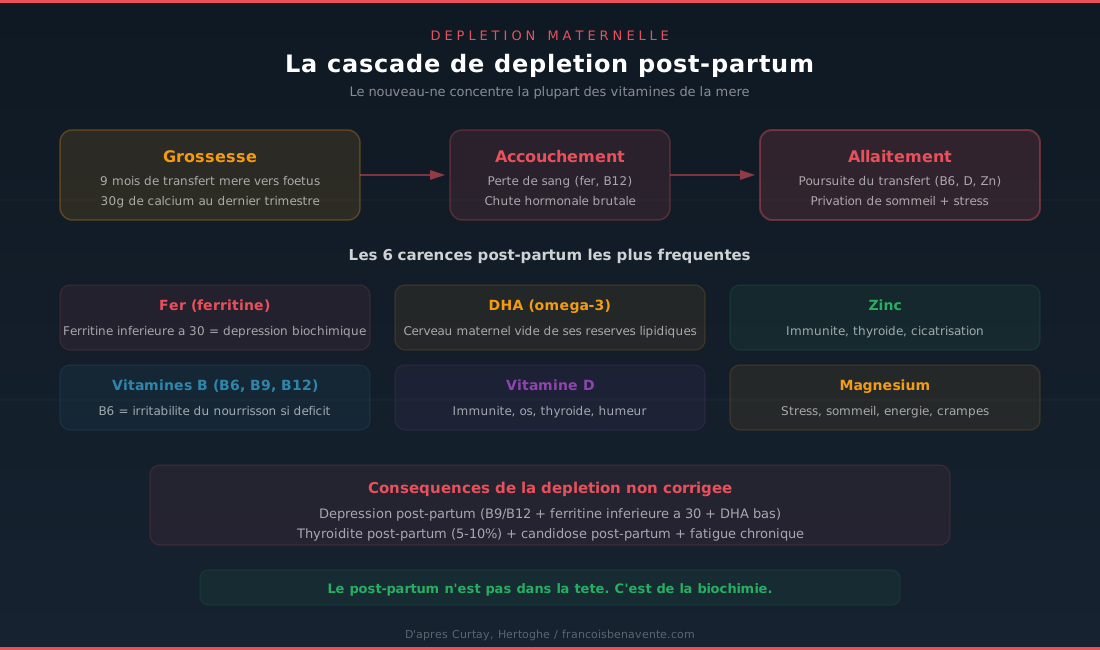
Curtay repeats it in Nutritherapy: a woman who was not supplemented during pregnancy arrives at the postpartum period with reserves close to zero. Studies from Val-de-Marne show that 95% of women of childbearing age are deficient in iron and 90% in zinc, even before pregnancy. After nine months of transfer followed by childbirth, the figures are catastrophic.
The six most frequent postpartum deficiencies form a clinical picture that every naturopath should know by heart. Iron first: a ferritin below 30 ng/mL is an independent factor for depression, well documented in the literature. When ferritin drops below 15, fatigue becomes disabling, the brain slows down and immunity collapses. I detailed the complete mechanism in the article on anemia. DHA next: the mother’s brain literally emptied its lipid reserves to build the baby’s. A postpartum DHA deficit is associated with depression in several studies (Hibbeln, Lancet). B vitamins (B6, B9, B12) are cofactors for serotonin synthesis and DNA methylation. A B6 deficit in the breastfeeding mother results in irritability and risk of seizures in the infant (Curtay). Zinc is essential for immunity, thyroid and wound healing, three critical functions after childbirth. Vitamin D conditions immunity, bone strength, thyroid and mood. And magnesium governs stress, sleep, energy and cramps, four major complaints of the postpartum period.
Postpartum depression: when biochemistry collapses
An estimated 15 to 20% of women develop postpartum depression. This figure is probably underestimated because many women do not seek help, out of guilt, exhaustion or because they have been told that “it is normal to be tired with a newborn”. But postpartum depression is not a lack of willpower. It is a measurable biochemical collapse.
Hertoghe and Curtay converge on the same triptych: ferritin below 30 + low B9/B12 + collapsed DHA = biochemical depression. Serotonin is not made from nothing. It needs tryptophan, iron, B6, B9, magnesium and zinc as cofactors. When all these nutrients are at their lowest, serotonin production stops mechanically. The SSRI (serotonin reuptake inhibitor) prescribed to the mother is useless if serotonin is not manufactured upstream. You reuptake emptiness.
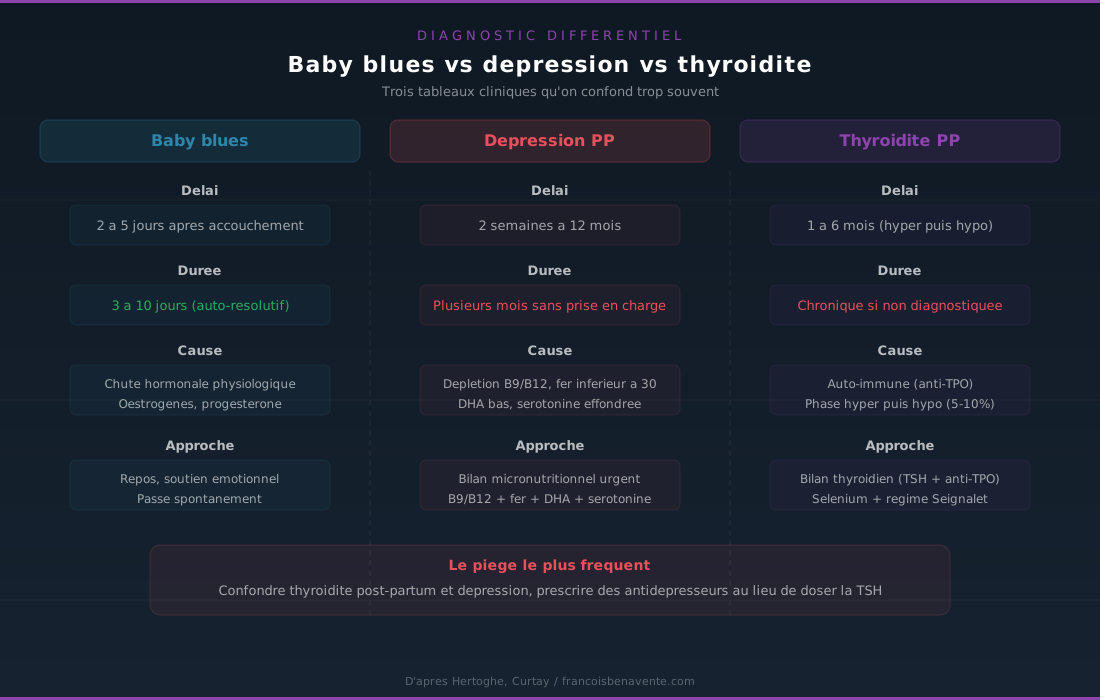
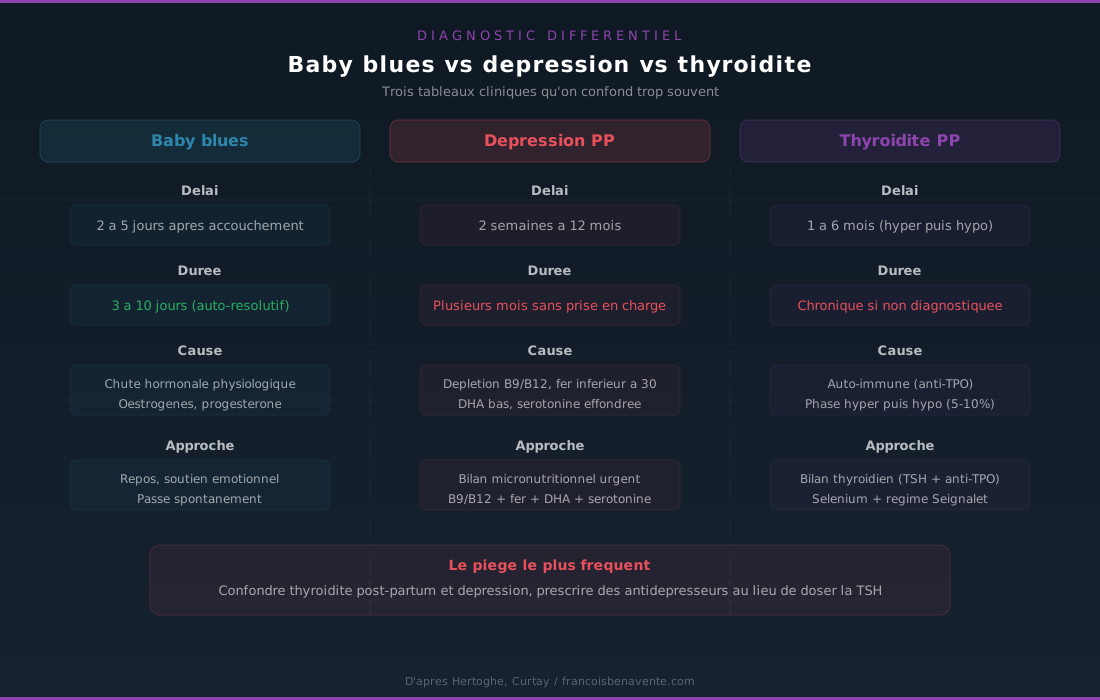
The most dangerous confusion is between baby blues and postpartum depression. Baby blues occurs between the second and fifth day after childbirth. It lasts 3 to 10 days and resolves spontaneously. It is a physiological reaction to the sudden drop in estrogen and progesterone. Almost all women go through it. Postpartum depression, on the other hand, develops between two weeks and twelve months after childbirth. It does not go away on its own. It worsens without treatment. And its causes are biochemical: micronutrient depletion, serotonin collapse, systemic inflammation.
The trap of postpartum thyroiditis
It is the most frequently missed diagnosis of the postpartum period. Postpartum thyroiditis affects 5 to 10% of women in the year following childbirth. It is an autoimmune disease: the immune system, which was in “tolerance” mode during pregnancy to avoid rejecting the fetus, reactivates brutally after childbirth and attacks the thyroid. Anti-TPO antibodies are the markers of this attack.
Postpartum thyroiditis evolves in two phases. First a phase of hyperthyroidism (between 1 and 4 months): the inflamed thyroid releases its hormones all at once, causing irritability, nervousness, palpitations, weight loss and insomnia. Then a phase of hypothyroidism (between 4 and 8 months): the exhausted thyroid no longer produces enough hormones, and symptoms reverse. Crushing fatigue, weight gain, constipation, dry skin, hair loss, depressed mood. This second phase perfectly mimics postpartum depression. And that is where the trap closes.
The most common trap: confusing postpartum thyroiditis with depression, prescribing antidepressants instead of measuring TSH and anti-TPO antibodies. I detailed the autoimmune mechanisms of thyroiditis in the article on Hashimoto. The naturopathic protocol is based on selenium (200 mcg/day, selenomethionine form), zinc, vitamin D and Seignalet’s low-toxicity diet. Thyroid screening (TSH + free T3 + free T4 + anti-TPO) should be systematic at 3 months postpartum. It almost never is.
Postpartum candidiasis
This is the fourth clinical presentation I see regularly in the office and which goes under the radar. Postpartum candidiasis results from the convergence of several factors. Antibiotics administered during childbirth (Group B streptococcus prophylaxis, cesarean section) destroy the protective vaginal and intestinal flora. The hormonal drop suppresses the antifungal effect of estrogen and progesterone. The physiological immunosuppression of late pregnancy leaves a weakened immune system. And the chronic fatigue of the postpartum period prevents the body from defending itself effectively.
Typical signs are recurrent vaginal thrush (which no longer responds to standard treatment), bloating, irresistible cravings for sugar, whitish tongue in the morning, digestive problems and fatigue that cannot be explained by sleep deprivation alone. Candida albicans, normally controlled by commensal flora and immunity, takes advantage of this devastated terrain to proliferate. The protocol I detail in the article on adrenals and candidiasis applies with some adaptations to the postpartum period: antifungal diet (elimination of simple sugars, yeasts and fermented products), specific probiotics (Saccharomyces boulardii, Lactobacillus rhamnosus), glutamine for intestinal lining repair and immune support through zinc and vitamin D.
The 3-pillar protocol
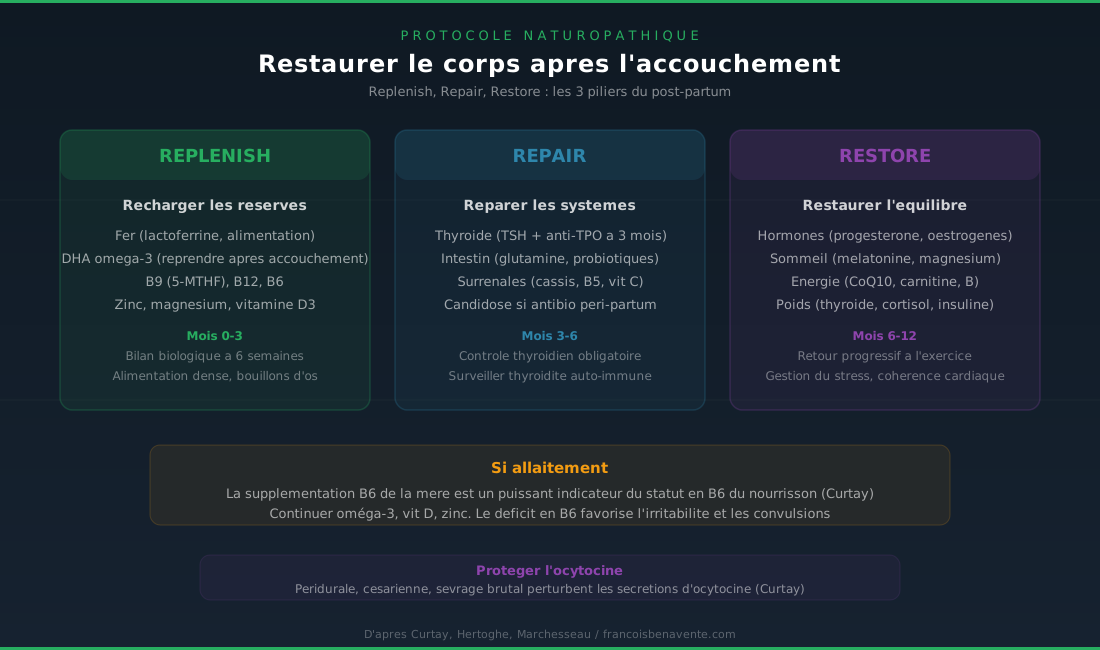
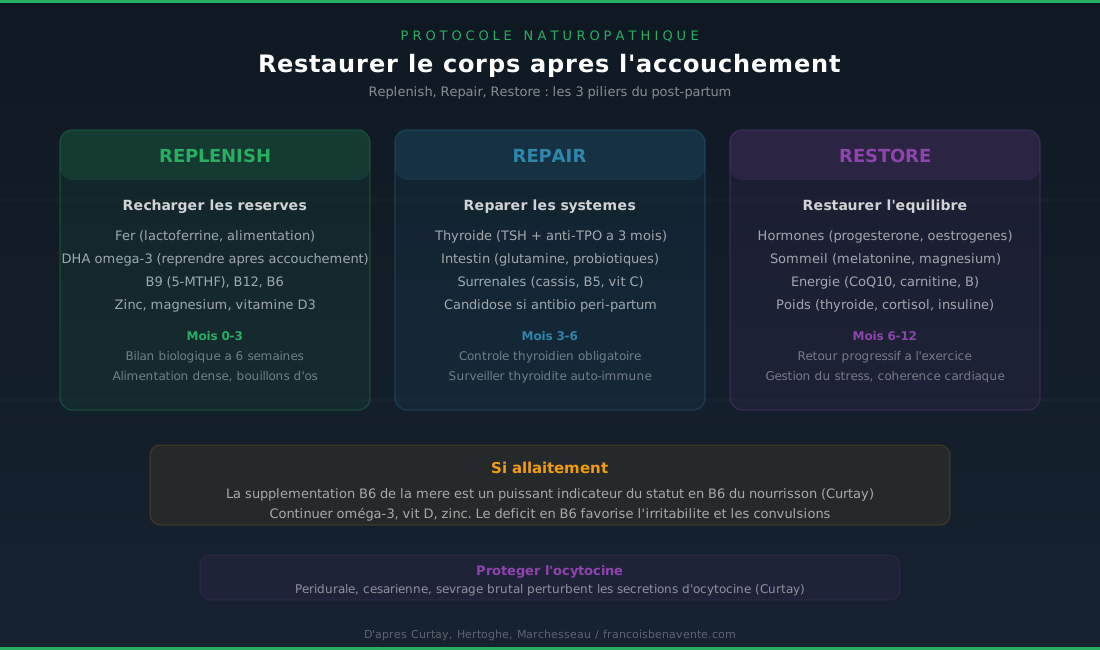
The postpartum period is not a fatality. It is depleted terrain that is methodically restored, provided the right protocol is followed at the right time. I use a three-pillar framework in my office, inspired by Curtay, Hertoghe and Marchesseau: Replenish, Repair, Restore.
Pillar 1: Replenish (months 0 to 3)
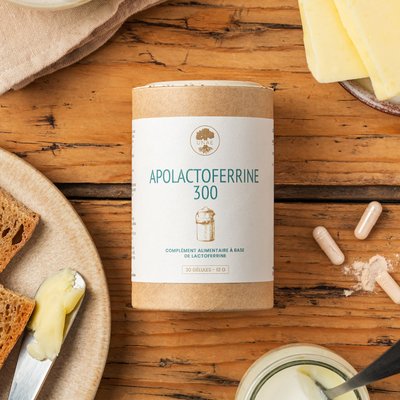
The first pillar is the replenishment of depleted reserves. This is the absolute priority. Iron first: lactoferrin is preferable to standard iron (ferrous sulfate) because it does not cause constipation and it does not feed Candida. Diet must be dense in heme iron (poultry liver, black pudding, quality red meat). Omega-3 DHA should be resumed immediately after childbirth (it had been stopped a month before to avoid hemorrhage risk). B vitamins in active form (5-MTHF for B9, methylcobalamin for B12, P5P for B6) complete the foundation. Zinc, magnesium and vitamin D3 finish the picture.
A complete biological screening at 6 weeks postpartum is essential: CBC, ferritin, CRP, B9, B12, zinc, erythrocyte magnesium, 25-OH vitamin D, TSH, free T3, free T4, anti-TPO. This screening is almost never prescribed as routine. This is a major error. First trimester postpartum diet should be as nutrient-dense as possible: bone broths (collagen, glycine, minerals), organic eggs (choline), fatty fish (DHA, EPA), green vegetables at every meal (folates, magnesium).
Pillar 2: Repair (months 3 to 6)
The second pillar is the repair of damaged systems. The thyroid is the priority: the thyroid screening at 3 months (TSH + anti-TPO) is mandatory. If anti-TPO is positive, the Hashimoto protocol begins immediately: selenium, zinc, vitamin D, Seignalet diet. The intestine is the second target: glutamine (5 g/day on an empty stomach), multi-strain probiotics and avoidance of inflammatory foods (gluten, cow’s milk products) allow restoration of intestinal permeability compromised by stress, antibiotics and zinc deficiency.
The adrenals are the third system to repair. Nine months of pregnancy followed by interrupted postpartum nights have exhausted the hypothalamic-pituitary-adrenal axis. Cortisol is often either too high (anxiety, sleep-onset insomnia) or too low (adrenal fatigue). Blackcurrant in gemmotherapy (bud), vitamin B5 (pantothenic acid, cofactor of cortisol synthesis) and high-dose vitamin C support adrenal function without forcing it. If antibiotics were administered during childbirth, candidiasis should be investigated and treated in this phase.
Pillar 3: Restore (months 6 to 12)
The third pillar is the restoration of overall balance. Hormones (progesterone, estrogens) gradually rebalance if the terrain allows it. Sleep, often still disrupted at 6 months, can be supported by low-dose melatonin (0.5 to 1 mg), magnesium bisglycinate in the evening and adaptogenic plants (ashwagandha if no Hashimoto, rhodiola). Energy is restored with CoQ10 (ubiquinol), L-carnitine and B complex. Weight management, a major source of frustration, depends on three locks: thyroid (undiagnosed hypothyroidism = weight loss impossible), cortisol (high cortisol = abdominal storage) and insulin (postgestational insulin resistance).
Gradual return to physical exercise should not be forced before 6 months. Pelvic floor rehabilitation is a priority. Heart rate variability coherence (5 minutes, 3 times a day) is the simplest and most powerful tool to rebalance the autonomic nervous system, lower cortisol and improve heart rate variability. Sleep should be protected like medicine: each hour of recovered sleep accelerates the restoration of all systems.
If breastfeeding
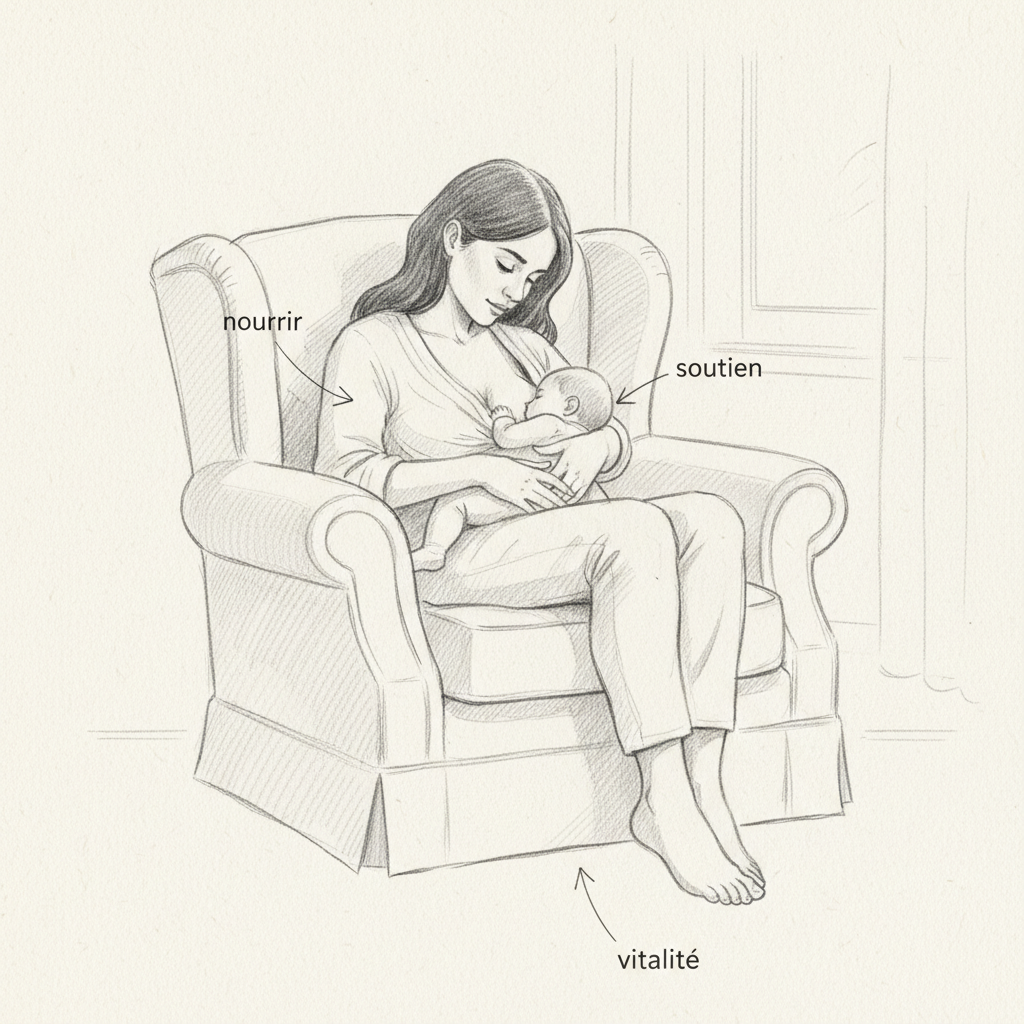
Curtay insists on a point that many professionals ignore: maternal B6 supplementation is a powerful indicator of the infant’s B6 status. A B6 deficit in the breastfeeding mother translates directly into a deficit in the infant, with measurable consequences: irritability, sleep disturbances, and in severe cases, seizures. Breastfeeding should not be an argument against supplementing the mother. It is the opposite: breastfeeding makes supplementation even more urgent, because every nutrient the mother does not receive, the baby does not receive either.
Omega-3s (DHA), vitamin D, zinc and iron must be maintained throughout the entire breastfeeding period. Epidural anesthesia, cesarean section and abrupt weaning disrupt oxytocin secretions (Curtay), which can affect the establishment and maintenance of breastfeeding. Oxytocin protection comes through skin-to-skin contact, a calm environment, emotional support and the absence of unnecessary stress in the first weeks.
What naturopathy does not do
Naturopathy does not replace medical postpartum follow-up. Pelvic floor rehabilitation, gynecological follow-up, screening for severe depression and medical management of autoimmune thyroiditis are medical acts. The naturopath works on restoring micronutritional terrain, correcting deficiencies, supporting emunctories and optimizing nutrition. If you experience dark thoughts, emotional detachment from your baby or an inability to function in daily life, consult a doctor as a priority. Biological screening cannot wait.
Based in Paris, I consult by video throughout France. You can make an appointment for personalized postpartum support.
Sunday Natural offers lactoferrin, magnesium bisglycinate and quality B complexes (-10% with code FRANCOIS10). Find all my partnerships with exclusive promo codes.
Do you want to assess your status? Take the free iron deficiency questionnaire in 2 minutes.
If you want personalized support, you can book a consultation appointment.
To go further
- Breastfeeding: the maternal depletion that nobody compensates for
- Diet and pregnancy: what you eat programs your baby
- Periconception screening: the tests your doctor forgets
- Periconception: the supplements your gynecologist doesn’t know about
Sources
- Curtay, Jean-Paul. Nutritherapy. Volume 1. Boiron, 2008.
- Hertoghe, Thierry. Atlas of Hormonal and Nutritional Medicine. Hertoghe Editions, 2010.
- Marchesseau, Pierre-Valentin. The Laws of Healthy Living. PSN, 1985.
- Hibbeln, J.R. “Seafood consumption, the DHA content of mothers’ milk and prevalence rates of postpartum depression.” Journal of Affective Disorders 69.1-3 (2002): 15-29.
“The hygienist becomes a minister of vital energy.” Paul Carton

Laisser un commentaire
Sois le premier à commenter cet article.