I’ll translate this naturopathy content from French to English, following all the specified rules.
I’m going to tell you something you’ve probably never heard in a medical office. Your adrenal glands don’t rebuild themselves with medication. There is no pill, no injection, no conventional treatment to restore tired adrenals (except Addison’s disease, which is total adrenal insufficiency and requires lifelong hormone replacement therapy). Conventional medicine doesn’t even recognize the state of “adrenal fatigue”. You’re either in Addison’s, in Cushing’s, or you’re fine. End of story.
Naturopathy, on the other hand, offers a path. This path is long, demanding, sometimes frustrating. It requires patience (adrenals rebuild at the pace of a house being rebuilt brick by brick, not an apartment being redecorated in a weekend). It requires discipline (certain lifestyle changes are non-negotiable). But it works. I see it every week in my practice, backed by numbers.
If you don’t yet know what stage of exhaustion you’re at, start with this article on the 3 stages. What follows is the complete protocol I use in my practice, phase by phase, with dosages, durations, and mistakes to avoid.
Why three phases and not just one
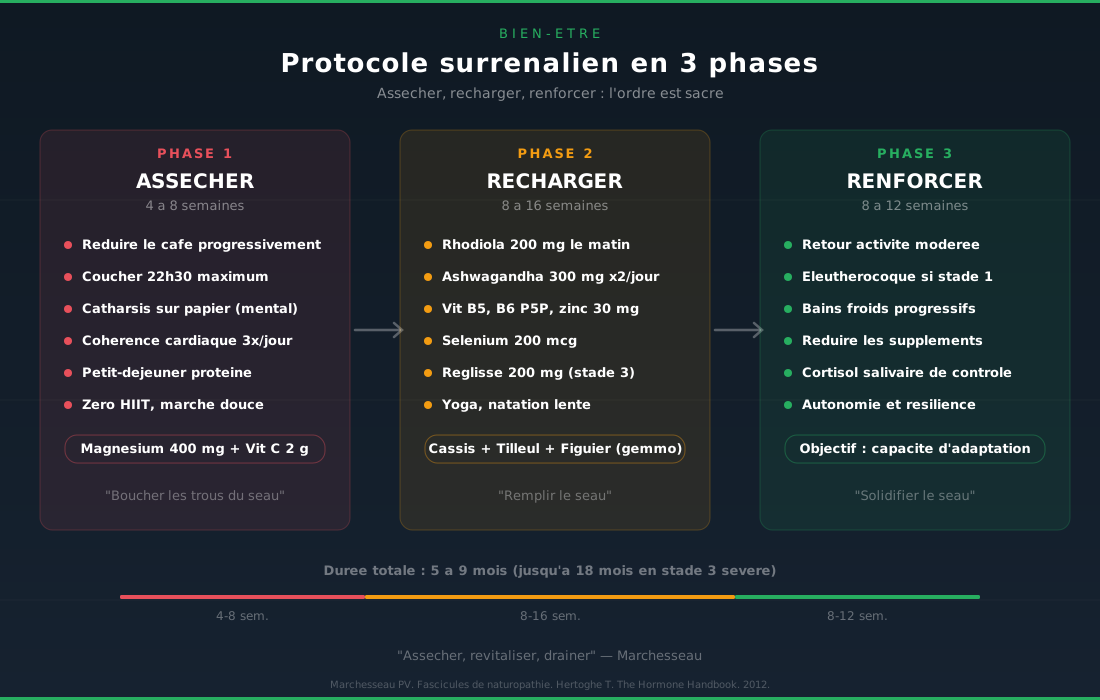
Marchesseau taught that every naturopathic treatment must follow a precise order: “Dry up the source of overloads, free the diencephalon and its nerve attachments, open the emunctories.” In other words, you start by stopping the harm, then you revitalize, then you drain. In my holistic vitality assessments, this sequence is sacred. I apply it to every patient, regardless of the condition.
For the adrenals, I’ve translated this principle into three phases. Phase 1 corresponds to “drying up”: you remove everything that drains the adrenals (stressors, stimulants, harmful lifestyle). Phase 2 corresponds to “recharging”: you nourish the adrenals with the cofactors and adaptogens they need to rebuild. Phase 3 corresponds to “strengthening”: you consolidate your gains and restore the ability to adapt, so the adrenals can manage stress again without collapsing.
The most common mistake I see is the patient who jumps straight to phase 2. He buys ashwagandha and rhodiola online, takes them for three weeks, and sees no results. Of course not. If you’re still drinking four coffees a day, going to bed at one in the morning, ruminating over your problems in bed, and doing HIIT three times a week, the best adaptogens in the world won’t help. You’re filling a leaky bucket. Phase 1 is about plugging the holes before filling the bucket.
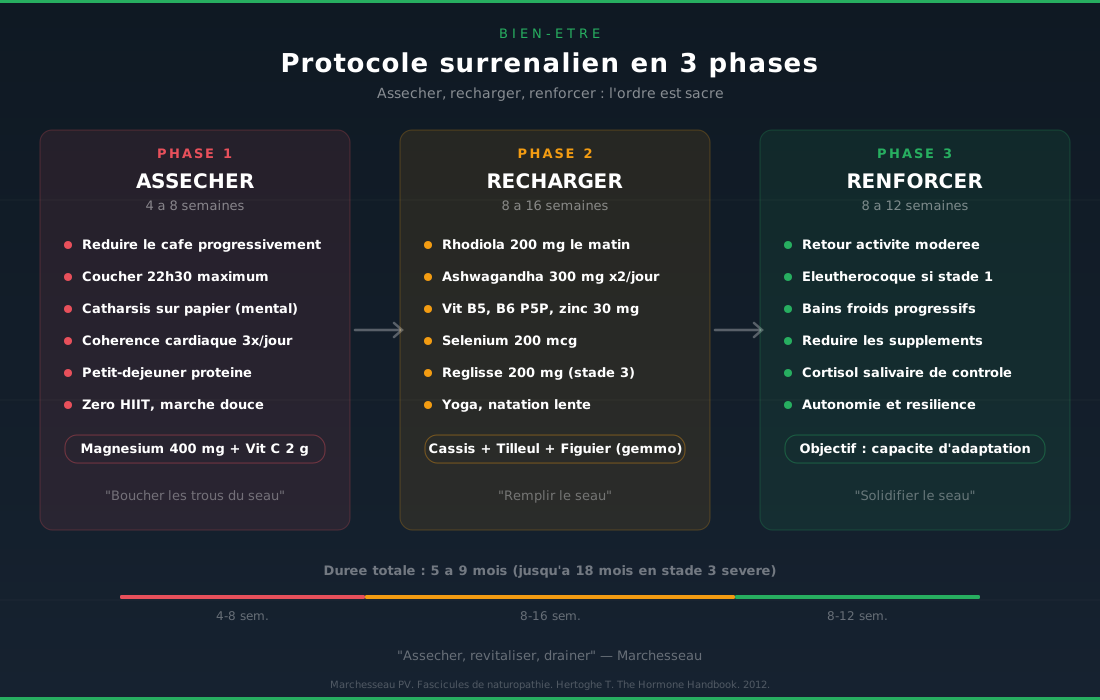
Phase 1: Drying up sources of exhaustion (4 to 8 weeks)
Hippocrates said “Primum non nocere”, first do no harm. This sentence is the compass of phase 1. Before adding anything, you remove what’s causing harm.
Coffee is the first issue. I’m not anti-coffee. In moderate quantities, in a person whose adrenals are in good shape, coffee isn’t a problem. But in adrenal fatigue, coffee is a loan against your reserves. Each cup forces the adrenals to release cortisol and adrenaline. You feel a boost, but it’s borrowed energy, not produced energy. And with each loan, the debt increases. The reduction must be gradual, never abrupt (abrupt caffeine withdrawal causes headaches and intense fatigue that can worsen the condition). Replace with green tea (contains L-theanine which calms without exciting), then with rooibos or herbal teas. If you can’t give up coffee, limit yourself to one cup, in the morning, never in the afternoon, and never on an empty stomach (coffee on an empty stomach causes a cortisol spike on an empty stomach, double trouble).
Sleep is the second pillar of phase 1. Adrenal rebuilding happens mainly during deep sleep, between eleven p.m. and three a.m. If you go to bed at midnight or one a.m., you miss this regeneration window. The goal is bedtime at ten thirty p.m. maximum. Wake up at a fixed time, even on weekends (regularity is more important than duration). Zero screens one hour before bed (blue light inhibits melatonin and stimulates cortisol). Cool bedroom (eighteen degrees), dark, quiet.
The third element is managing mental stress. This is the most difficult and most important. Marchesseau said: “Free your diencephalic zone from your cortex.” Concretely, stop ruminating. I know, it’s easier said than done. That’s why I use a tool I prescribe systematically: catharsis on paper. You take a notebook, write down everything that weighs on you, everything running in loops in your head. You externalize. You isolate each mental burden. You dissect it with “whys” and “hows” until you touch the cause of the cause of the cause. Then you formulate a short, medium, and long-term strategy. As I write in my practical sheets: “No catharsis, no naturopathic strategy.” The mental dimension is the keystone of the entire protocol. Heart rate variability (six breaths per minute, five minutes, three times a day) completes this aspect by activating the vagus nerve and parasympathetic system.
The fourth element is diet. In phase 1, the goal isn’t a complicated diet. It’s to stabilize blood sugar and stop over-taxing digestion. Protein-rich breakfast within an hour of waking (eggs, almonds, avocado, nut butter), to provide amino acids that are precursors of neurotransmitters and avoid morning hypoglycemia that forces the adrenals to produce emergency cortisol. Paul Carton said: “Each digestion is a battle.” In phase 1, you reduce the battles: moderate portions, prolonged chewing, no heavy meals in the evening, at least a third vegetables (raw if you digest them well, fresh vegetable juice otherwise). Eliminate quick sugars and ultra-processed foods. Ginger and rosemary decoction in the morning to support digestion.
The fifth element is adapted physical activity. In phase 1, activity must be exclusively gentle. Walking in fresh air (thirty minutes a day), ideally in nature (forest walks reduce salivary cortisol measurably, as shown by Japanese research on shinrin-yoku). Gentle stretching. Restorative yoga. No intense cardio. No heavy weightlifting. No running. No HIIT. These activities stimulate cortisol and adrenaline production, exactly what you’re trying to avoid. The rule is simple: if you feel more tired twenty-four hours after exercise than before, it’s too much.
Phase 2: Nourishing and rebuilding (8 to 16 weeks)
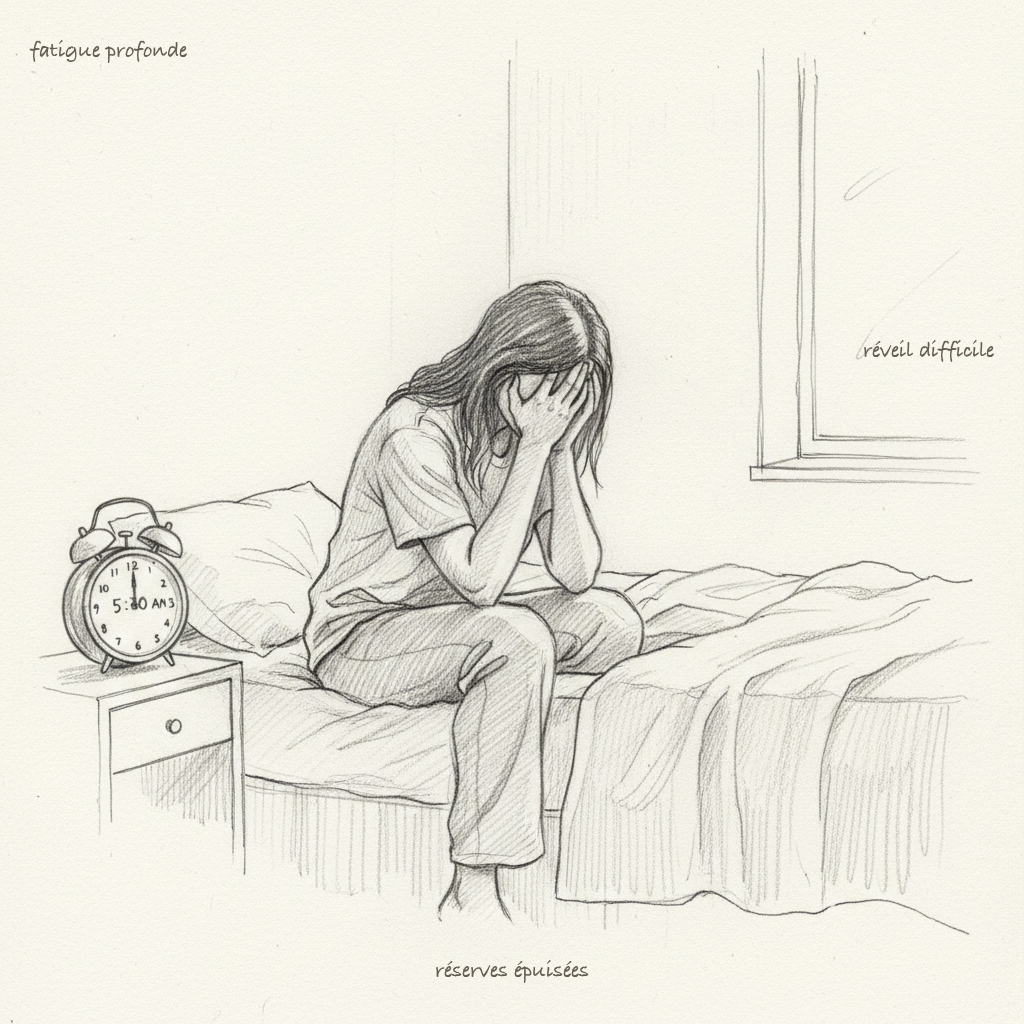
Phase 2 begins when the first signs of improvement appear: better sleep, less difficult waking, more stable energy throughout the day. This is the signal that the adrenals are no longer hemorrhaging. You can start nourishing them.
Adrenal micronutrition is based on five essential cofactors. Magnesium bisglycinate, three hundred to four hundred milligrams per day, split into two doses (morning and evening). Magnesium is the mineral most consumed by stress: each molecule of cortisol produced requires magnesium. In chronic stress, reserves collapse, and magnesium deficiency worsens HPA axis hyperactivity, creating a vicious circle. Bisglycinate form is best tolerated and best absorbed (avoid magnesium oxide from the pharmacy, poor absorption). Vitamin C, one gram morning and evening. The adrenals are the organs richest in vitamin C in the human body, and stress is the main consumer. Ester-C or acerola are the forms I recommend. B vitamin complex, with emphasis on B5 (pantothenic acid, two hundred milligrams per day, called the “anti-stress vitamin” because it’s directly involved in cortisol synthesis), B6 as P5P form (fifty milligrams per day, cofactor for neurotransmitter synthesis and DHEA), and B12 methylcobalamin (one thousand micrograms per day). Zinc, fifteen to thirty milligrams per day, cofactor for hormone conversion and immunity. Vitamin D3, two thousand to four thousand IU per day, which modulates the HPA axis and supports immunity.
Adaptogens are the heart of phase 2. These extraordinary plants have the unique property of normalizing physiological functions in both directions: they raise what’s too low and lower what’s too high. The concept of adaptogen was defined by Russian pharmacologist Nikolai Lazarev in 1947 and developed by Israel Brekhman.
Rhodiola rosea is my first-choice adaptogen. Two hundred milligrams of extract standardized to three percent rosavines and one percent salidrosides, in the morning (never in the evening, as it can disrupt sleep in some people). Rhodiola increases stress resistance by modulating cortisol, improves concentration, reduces mental fatigue. It’s particularly indicated in stage 1 and stage 2.
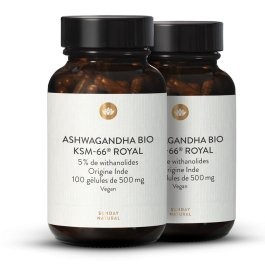
Ashwagandha (Withania somnifera) is the ideal complement to rhodiola. Three hundred milligrams of KSM-66 or Sensoril extract, twice a day (morning and evening). Ashwagandha lowers cortisol (a clinical study showed a twenty-eight percent reduction in serum cortisol after sixty days), improves sleep, reduces anxiety, supports the thyroid. It’s contraindicated in hyperthyroidism and pregnancy.
Licorice (Glycyrrhiza glabra) is a valuable tool in stage 3. Two hundred milligrams of standardized extract in the morning, never in the evening. Licorice contains glycyrrhizic acid which inhibits 11-beta-hydroxysteroid dehydrogenase, the enzyme that inactivates cortisol. By blocking this enzyme, licorice prolongs the action of residual cortisol. It’s a temporary crutch for adrenals that no longer produce enough. Absolute contraindication in high blood pressure and hypokalemia. Maximum duration of use: eight weeks, then four-week break.
Gemmotherapy complements the arsenal. Blackcurrant bud (Ribes nigrum) is phytotherapy’s “cortisone-like”. It stimulates the adrenal cortex and has powerful anti-inflammatory properties. Fifteen drops of concentrated glycerin macerate in the morning. Fig bud (Ficus carica) is gemmotherapy’s anxiolytic. It regulates the hypothalamic-pituitary axis and calms rumination. Fifteen drops in the evening. Linden bud (Tilia tomentosa) is the gentle sedative, perfect for improving sleep without dependence. Fifteen drops at bedtime. This blackcurrant-fig-linden triad is the one I use most often in my adrenal protocols, as I did for fibromyalgia.
Phase 3: Strengthening and autonomy (8 to 12 weeks)
Phase 3 begins when markers improve: salivary cortisol normalizing, DHEA-S increasing, stable energy from morning to evening, restorative sleep, regained ability to manage daily stress. The goal is no longer to repair, but to consolidate and make the patient independent.
In phase 3, you progressively reduce adaptogens. Rhodiola decreases from two hundred to one hundred milligrams, then is stopped. Ashwagandha goes to one dose per day (evening), then is stopped. Gemmotherapy is maintained a few more weeks (buds are gentle and can be taken long-term). Basic micronutrition (magnesium, vitamin C, zinc) is maintained, because daily stress continues to consume these cofactors.
Physical activity progresses. Light weightlifting is reintroduced (two forty-five-minute sessions per week, moderate loads, monitored recovery). Brisk walking replaces gentle walking. Dynamic yoga (vinyasa) replaces restorative yoga. No HIIT for at least six months of complete protocol, and only if salivary cortisol is normalized. Sport is a physical stressor: at the right dose, it strengthens the adrenals (principle of hormesis). At excessive dose, it destroys them.
Chronobiology becomes the central pillar of phase 3. The goal is to resynchronize your internal clock so cortisol regains its natural circadian rhythm: peak upon waking (cortisol awakening response), gradual decline during the day, minimal level at bedtime. Tools: exposure to natural light within thirty minutes of waking (walk outside, even five minutes, even on cloudy days). Proteins in the morning, complex carbohydrates in the evening (evening carbohydrates promote serotonin and melatonin production). Meals at fixed times. Identical sleep routine seven days a week. Become your own boss in terms of rhythm and energy, as I write in my assessments: “Sun, Sleep, Self-care, Schedule.”
Biological monitoring in phase 3 is important. I prescribe a four-point salivary cortisol check and blood DHEA-S at the end of the protocol, to objectively document improvement and adjust if necessary. I also ask the patient to retake the Braverman questionnaire to evaluate neurotransmitter changes (serotonin and dopamine often restore in parallel with the adrenals, because the same cofactors nourish them).
The mistakes that sabotage everything
In ten years of practice, I’ve identified the five most common mistakes that sabotage adrenal rebuilding.
First mistake: going too fast. The patient feels better after a month, starts intense exercise again, drinks coffee, stays out late. Relapse in three weeks. Adrenals are like a broken bone: just because the pain has decreased doesn’t mean the fracture is healed.
Second mistake: intermittent fasting. It’s trendy, and it’s disastrous in adrenal fatigue. Skipping breakfast causes morning hypoglycemia that forces the adrenals to produce emergency cortisol to maintain blood sugar. That’s exactly the opposite of what you’re trying to do. Protein-rich breakfast within an hour of waking is non-negotiable.
Third mistake: the wrong adaptogens at the wrong stage. Ginseng (Panax ginseng) and eleuthero are powerful adrenal stimulants. In stage 1, they can be useful. In stage 3, they force drained adrenals and worsen exhaustion. It’s like whipping an exhausted horse. You must use rhodiola and ashwagandha (modulators) in stage 2, and ashwagandha and licorice (crutches) in stage 3.
Fourth mistake: neglecting the mental dimension. You can take all the supplements in the world, but if you keep ruminating, accepting toxic work, living in a destructive relationship, the adrenals won’t rebuild. Catharsis, heart rate variability, therapy, coaching, sometimes radical life changes (quitting a job, setting boundaries in a relationship) are therapeutic elements just like adaptogens. As Edward Bach wrote: “Disease is the crystallization of a mental attitude.”
Fifth mistake: waiting too long before consulting. Stage 1 adrenal fatigue corrects in a few weeks. Stage 2 in a few months. Stage 3 can take a year or more. The longer you wait, the deeper the debt, the longer the rebuilding takes. If you recognize yourself in the signs I’ve described in my article on the 3 stages, don’t wait.
Final word
Marchesseau had this formula that I cite often: “Man is an animal meant to live on leisure, raw food, and lacto-vegetarian diet, in a tropical environment.” It’s a provocation, of course. But it contains a deep truth. Your body isn’t designed for the pace you impose on it. It’s not designed for nine-to-seven meetings, crowded subway rides, Netflix dinners at eleven p.m., and six-thirty a.m. wake-ups. It’s designed to walk in the sun, eat living foods, sleep when it’s dark, and wake when it’s light. The adrenals are the fuse between your modern lifestyle and your ancestral biology. When the fuse blows, it’s because the gap has become too large.
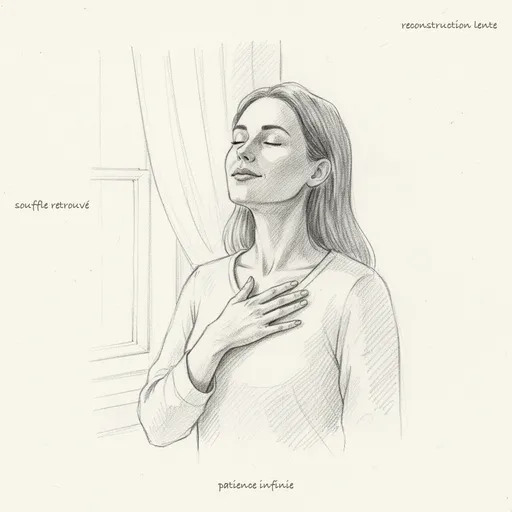
Rebuilding your adrenals isn’t just about taking capsules. It’s about accepting to slow down. It’s about relearning to listen to your body. It’s about questioning a lifestyle that society normalizes but your biology refuses. It’s, as Descartes said (whom I cite often in my assessments), “walking slowly but in the right direction”. Paul Carton added: “The hygienist becomes the minister of vital energy.” That’s exactly what I’m proposing here. Not to cure you, but to help you restore vital energy where stress has drained it.
Want to evaluate your status? Take the free Hertoghe cortisol questionnaire in 2 minutes.
If you want personalized support, you can book a consultation appointment.
To learn more
- Adrenal exhaustion: the 3 stages nobody explains to you
- Aldosterone: the forgotten hormone of your blood pressure and salt
- Graves’ disease and heart: calming the cardiac storm
- Graves’ disease and stress: the thyroid of emotion
Want to evaluate your status? Take the free magnesium deficiency questionnaire in 2 minutes.
Sources
- Marchesseau, Pierre-Valentin. Fascicules de naturopathie (1950-1980).
- Carton, Paul. Les lois de la vie saine. 1920.
- Hertoghe, Thierry. The Hormone Handbook. 2nd ed. International Medical Books, 2012.
- Panossian, Alexander. “Understanding adaptogenic activity: specificity of the pharmacological action of adaptogens and other phytochemicals.” Annals of the New York Academy of Sciences, 2017.
- Bach, Edward. Heal Thyself. 1931.
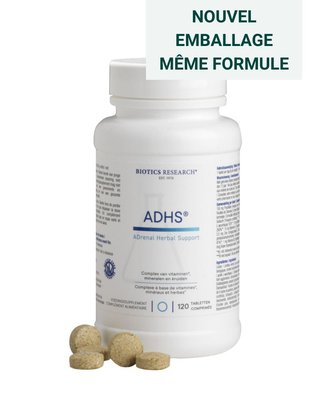
You can book a consultation appointment for a complete adrenal assessment and personalized protocol. I see patients in Paris and via video throughout France. Quality adrenal supplementation is available at Sunday Natural (ten percent off with code FRANCOIS10).

Laisser un commentaire
Sois le premier à commenter cet article.