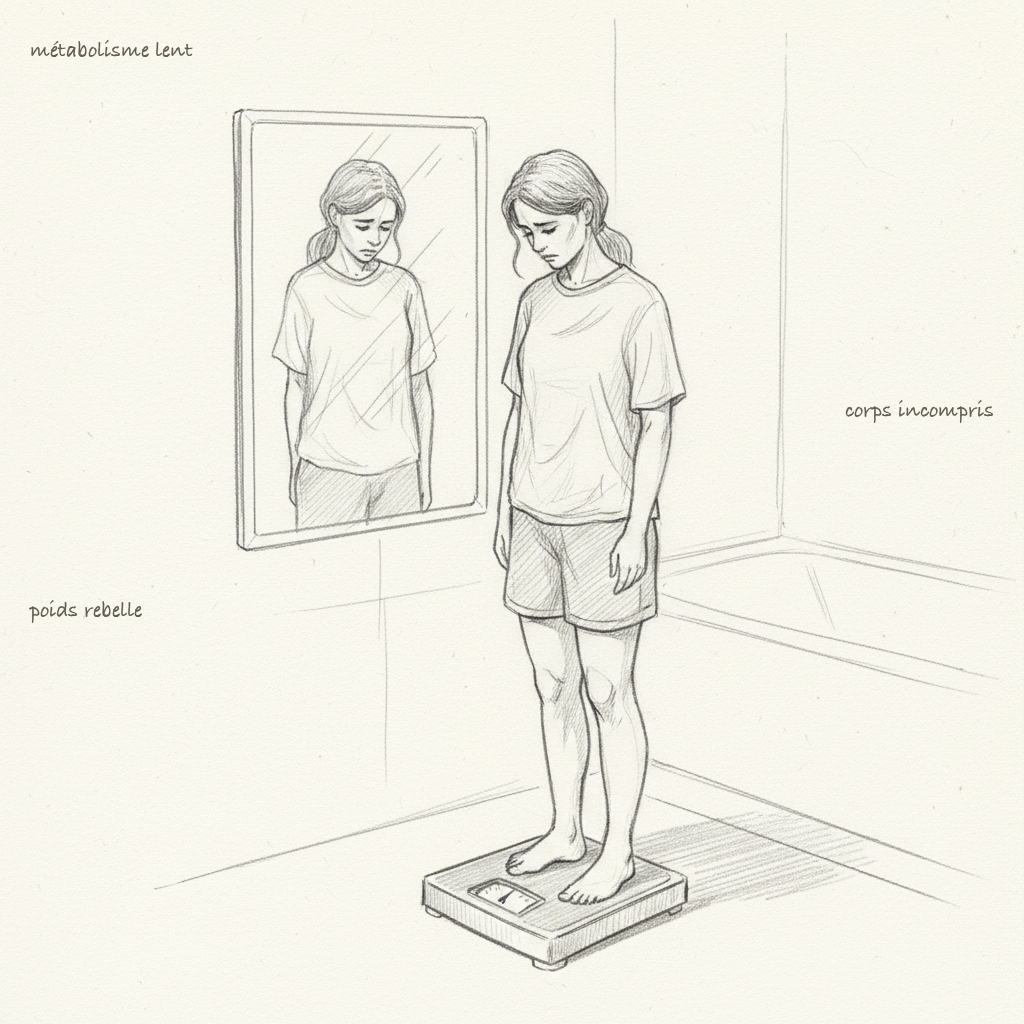
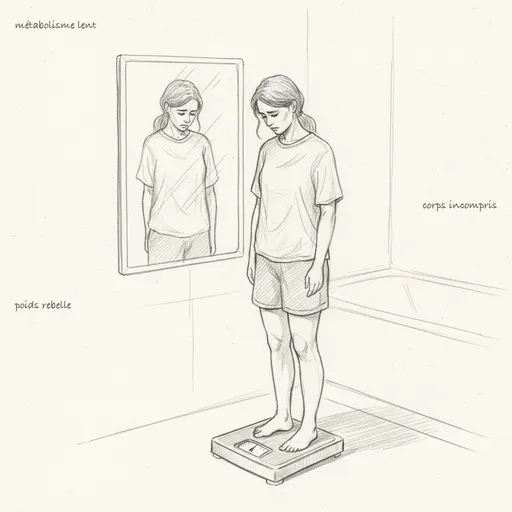
You pay attention to what you eat. You’ve tried diets, intermittent fasting, daily cardio. You’ve counted calories, eliminated carbs, reduced portions. And your weight doesn’t budge. Or worse, it keeps climbing, slowly, inexorably, as if your body had decided to store fat despite all your efforts. If this description resonates with you, if you feel like you’re fighting against an invisible wall, there’s a question nobody has asked you: what if the problem isn’t on your plate, but in your thyroid?
The number one issue in thyroid consultations is weight. Before fatigue, before cold sensitivity, before hair loss. Weight. And I understand the frustration: when you do everything “right” and the results don’t follow, you end up believing it’s your fault. That you lack willpower. That you’re not trying hard enough. The truth is, your problem isn’t a lack of discipline. It’s a metabolism constrained by a thyroid that isn’t running at full capacity.
According to Dr Hertoghe, a good quarter of the population has low thyroid function. A quarter. That figure is staggering when you know the thyroid is the metabolic thermostat of the entire body.
Your metabolism in slow motion
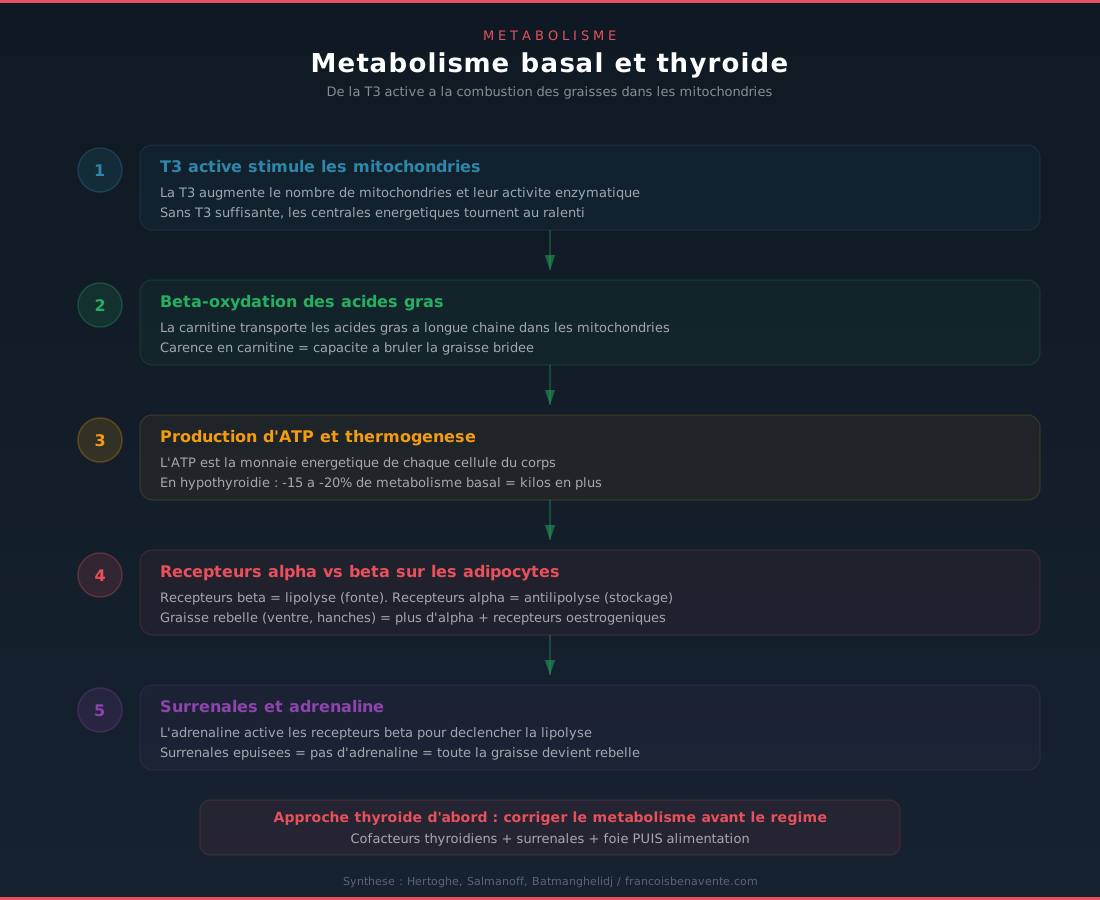
The thyroid regulates basal metabolism, that is, the energy your body expends at rest to maintain vital functions: breathing, circulation, body temperature, cell renewal. In hypothyroidism, this basal metabolism can drop by fifteen to twenty percent. This means your body burns fifteen to twenty percent fewer calories than a body with normally functioning thyroid. Over a year, that represents several kilos of difference, even with an identical diet.
This slowdown happens at the mitochondrial level. Mitochondria are the energy centers of each cell. This is where fatty acids are burned through beta-oxidation to produce ATP (cellular energy). Active T3 directly stimulates mitochondria. Without sufficient T3, mitochondria run in slow motion, beta-oxidation is constrained, and fatty acids aren’t properly metabolized. They remain stored in adipose tissue instead of being burned. It’s like your wood stove functioning with the damper closed: the wood is there, but it doesn’t burn.
To understand the seven cofactors your thyroid needs to produce active T3, see the article on thyroid and micronutrition.
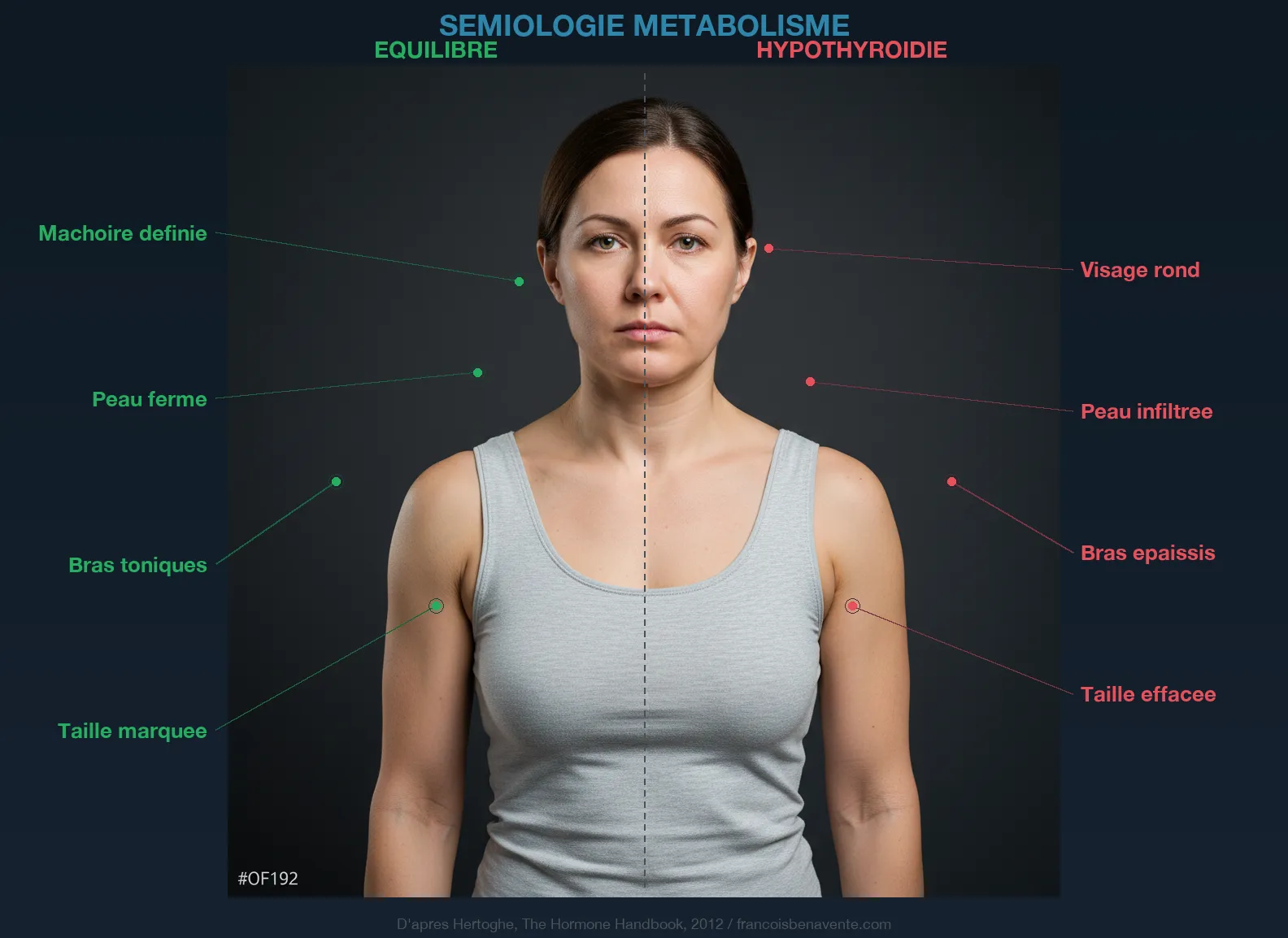
Alpha and beta receptors
Stubborn fat isn’t just a magazine expression. It’s a biochemical reality. To burn fat, a hormonal process must be established. Adrenal hormones (adrenaline, noradrenaline) bind to specific receptors located on fat cells. There are two families: alpha receptors and beta receptors.
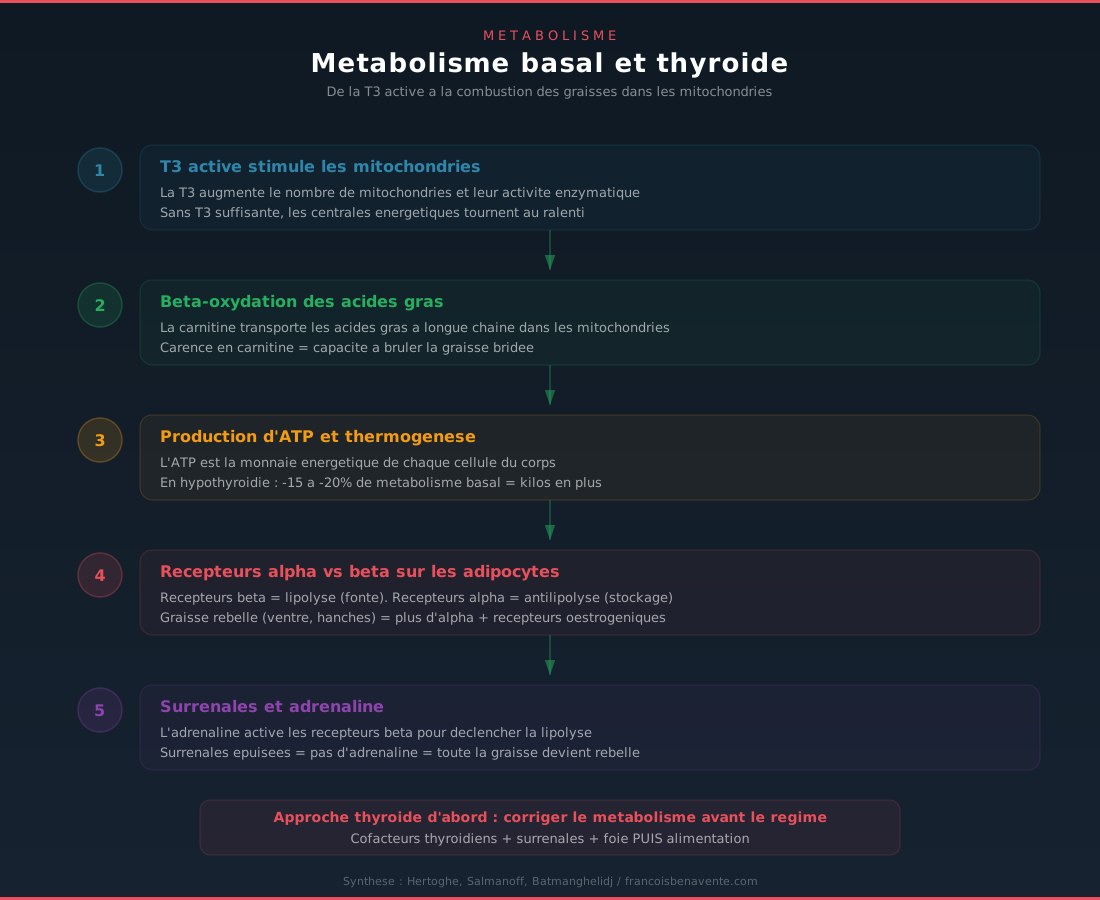
Beta receptors are the most active. When adrenaline binds to them, it triggers lipolysis, that is, the release of fatty acids stored in the adipocyte. This is the normal fat-burning mechanism. Alpha receptors, on the other hand, are brakes: when adrenaline binds to them, lipolysis is inhibited.
Easy-to-lose fat (arms, upper back, chest in men) contains a high percentage of beta receptors. Stubborn fat (belly, hips, thighs, buttocks) contains more alpha receptors. This is why, even with a good training program and adapted diet, these areas resist.
Where the thyroid comes in: in hypothyroidism, the adrenals are often fatigued (chronic stress, pregnenolone theft, elevated then collapsed cortisol). Exhausted adrenals produce less adrenaline and noradrenaline. Result: even beta receptors aren’t activated. Easy-to-lose fat becomes stubborn too. This is why correcting the thyroid without correcting the adrenals often doesn’t work for weight loss. The order matters.
The weight, insulin, and thyroid triangle
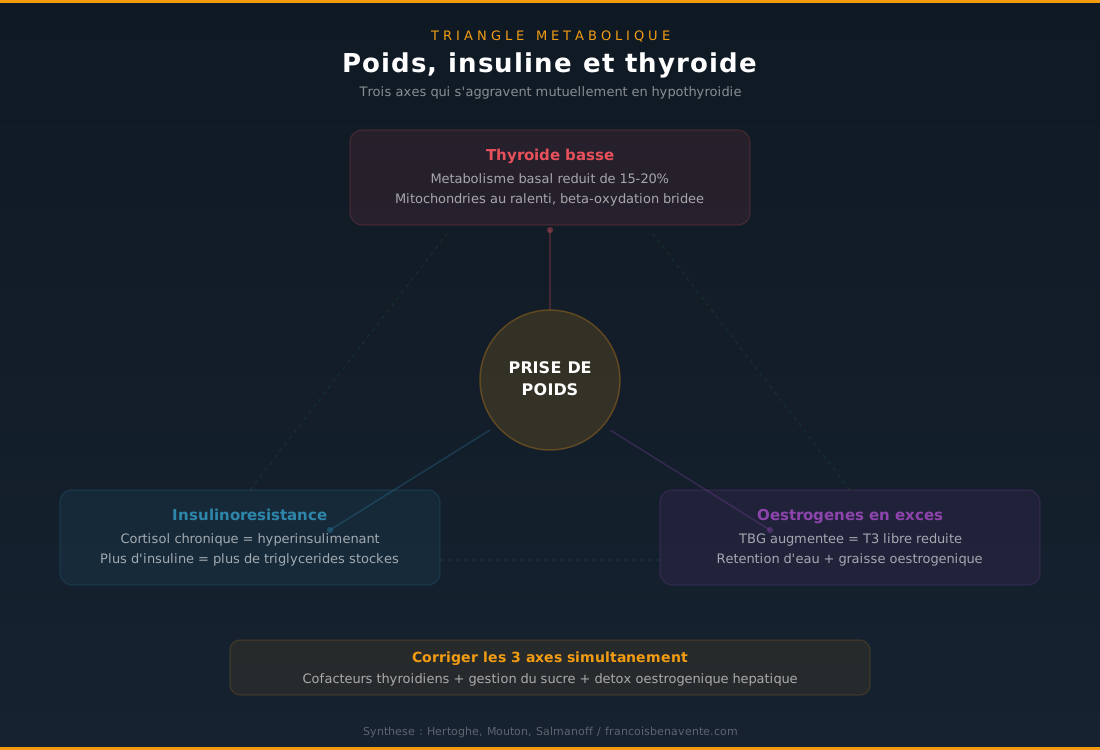
The pancreas manages blood sugar through two hormones. Insulin lowers blood glucose by sending energy substrates (glucose, fatty acids, amino acids) to the liver, muscles, and adipose tissue. Glucagon does the opposite: when you fast, do exercise or eat less than your needs, it releases reserves to provide energy.
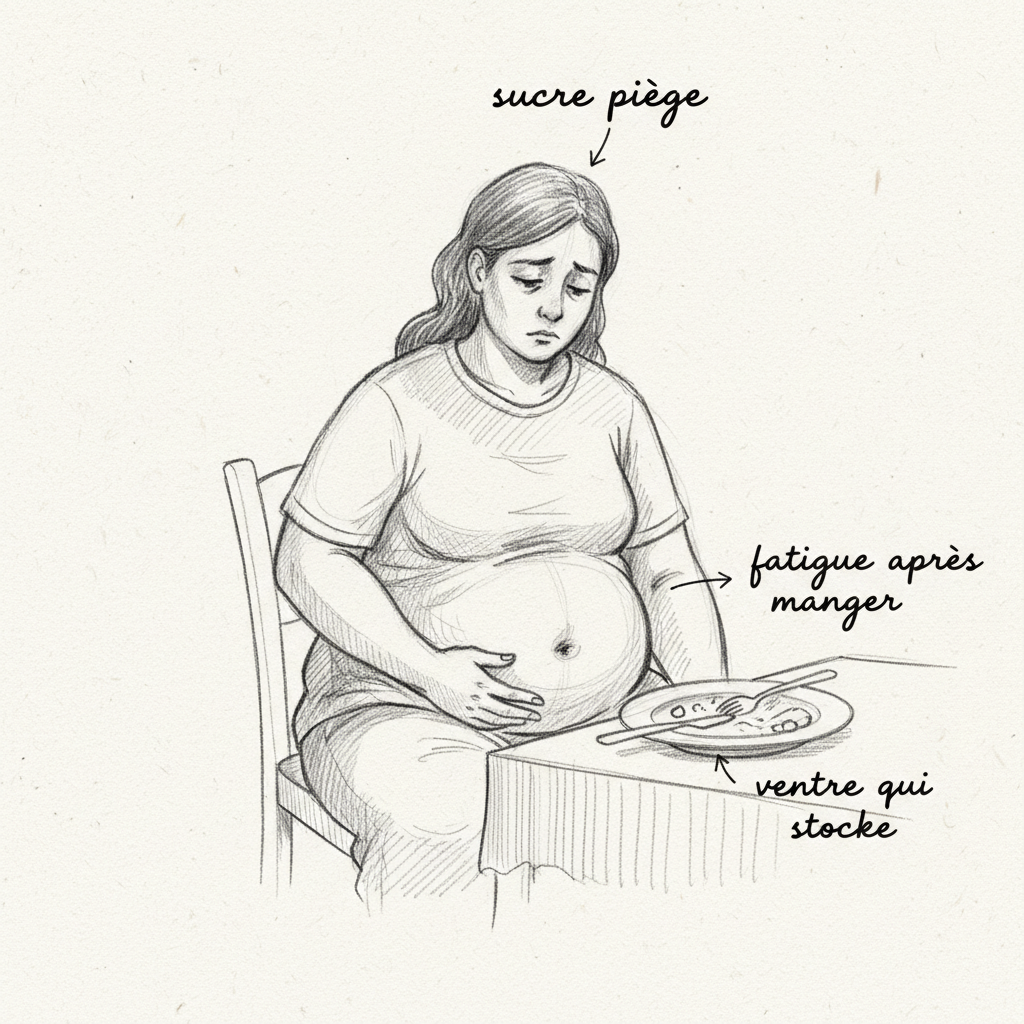
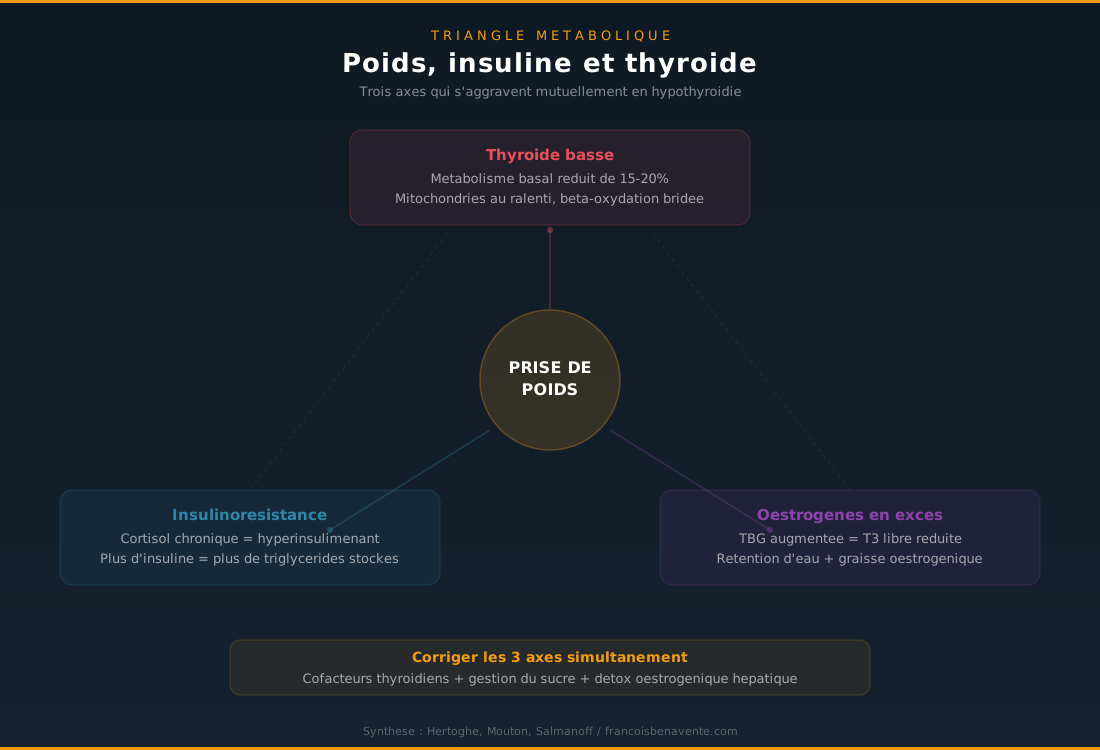
If you’re among those who snack all day, your blood sugar is constantly solicited and your cell receptors develop the famous insulin resistance. Consequence: your body needs more insulin to get rid of all that sugar. And the more insulin you have, the more your liver synthesizes triglycerides destined to fill your adipocytes. It’s a metabolic acceleration.
Hypothyroidism significantly aggravates this mechanism. A well-cycled cortisol is hyperglycemic (it releases glucose in the morning to start your day). Chronically elevated cortisol from stress becomes hyperinsulinemic, what hygienists consider the main cause of insulin resistance. Low thyroid function means low metabolism. Deficiency in growth hormone (frequent in hypothyroidism) means even less metabolism. Together, they create maximum storage conditions.
The leptin/ghrelin balance is also disrupted. Leptin, secreted by adipose tissue, signals satiety to the brain. Ghrelin, secreted by the stomach, stimulates appetite. In hypothyroidism, leptin-brain communication is altered (leptin resistance), and lack of T3 modifies ghrelin secretion. Dr Mouton showed that some hypothyroid patients have paradoxically normal, even low weight, because T3 also influences appetite through ghrelin. The link between sleep and these hormones is fundamental: you can learn more in my article on sleep.
Estrogens, the silent enemy
In many people, not just women, a good portion of adipocytes contain more estrogen receptors. Estrogens, once bound to these receptors, cause even greater fat gain. Estrogens also have the property of fixing water in tissues, hence the water retention often associated.
But the link with the thyroid goes even deeper. Excess estrogens increase TBG (Thyroid Binding Globulin), the transport protein that sequesters thyroid hormones in the blood. More TBG means less free T3 available for cells. It’s like having money locked in an account you can’t access. You’re “rich in T3” on paper (blood work shows normal total T3), but your free T3, the one that actually acts, is low.
The liver is the main organ for detoxifying estrogens. An overloaded liver doesn’t properly metabolize excess estrogens, maintaining the vicious cycle. Cruciferous vegetables (broccoli, cauliflower, kale, Brussels sprouts) contain indole-3-carbinol which boosts hepatic estrogen metabolism. Milk thistle and dandelion support liver function. Citrus bioflavonoids (present in the white zest of lemon) contain estrogen-neutralizing properties. Lignans (ground flax seeds) also modulate estrogenic activity.
To understand the role of hepatic detoxification in managing thyroid-related weight, the dedicated article details the protocol.
The false friends of weight loss
Several classical weight loss approaches are counterproductive in hypothyroid terrain.
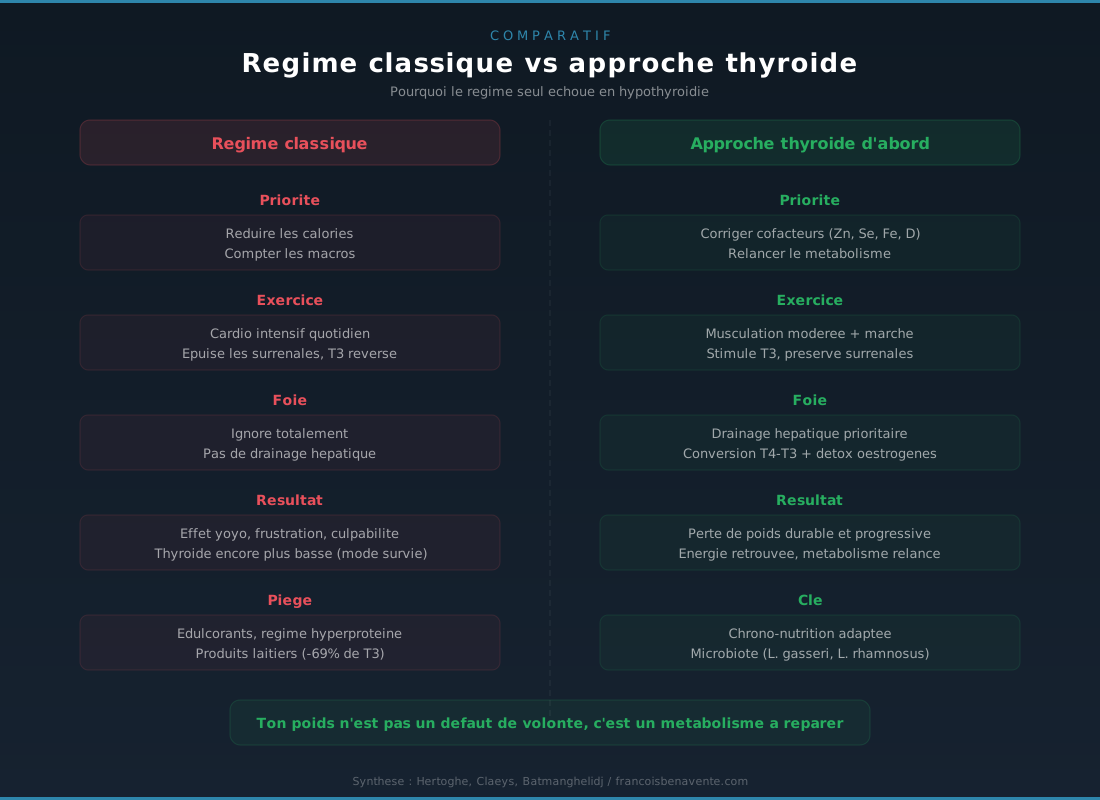
Severe calorie restriction is the first false friend. When you eat significantly less than your needs, your body interprets this as famine and reduces T4 to T3 conversion to save energy. It’s a survival mechanism perfectly adapted in food shortage situations, but catastrophic when your thyroid is already low. A hypocaloric diet in a hypothyroid person worsens hypothyroidism.
Intense cardio is the second false friend. Running an hour every day chronically raises cortisol, exhausts the adrenals, and favors conversion of T4 to reverse T3 (the inactive form that blocks receptors) instead of active T3. Moderate strength training is much better adapted: it stimulates T3 production and increases basal metabolism long-term by increasing muscle mass. Walking outdoors, team sports, swimming remain the best options.
Sweeteners are the third false friend. They maintain sugar cravings, disrupt the intestinal microbiota and can paradoxically stimulate insulin through cephalic reflex (the brain “thinks” there’s sugar and prepares insulin).
High-protein diets are the fourth false friend. Too much protein at night slows nocturnal T4 to T3 conversion and overloads the liver. Dairy products rich in casein can reduce T3 by sixty-nine percent according to some data.
The thyroid-first approach
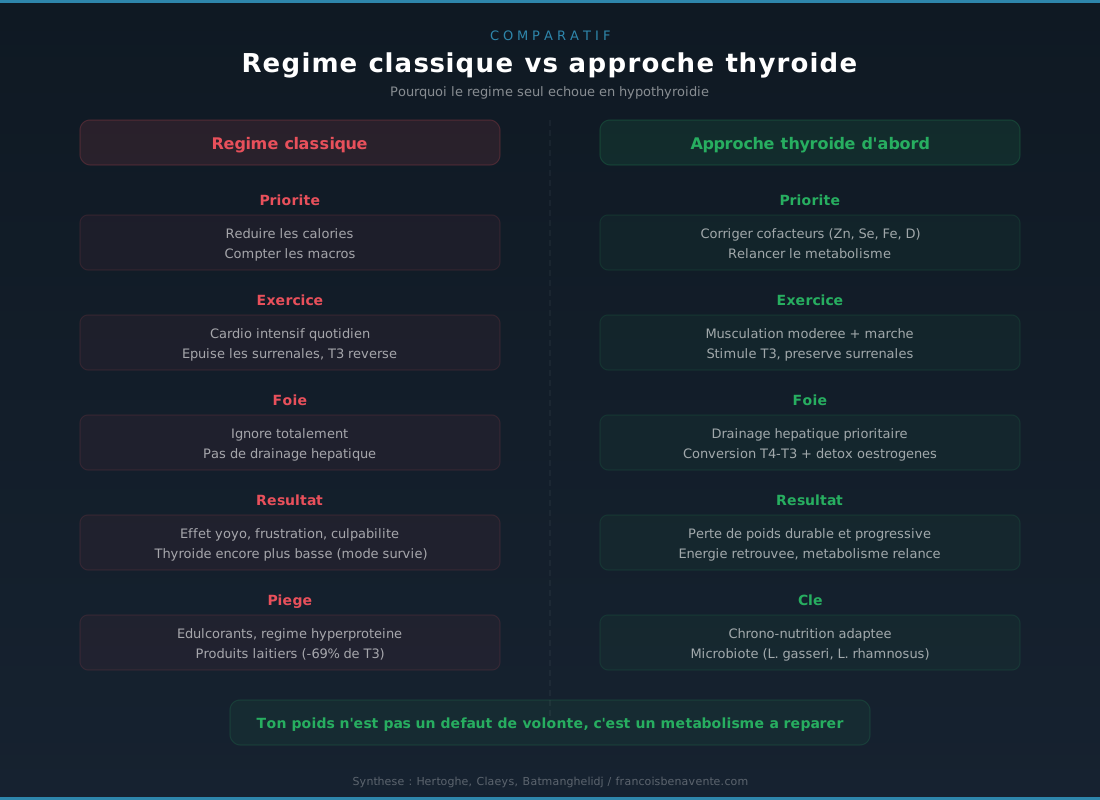
My philosophy in consultation for patients who want to lose weight is simple: thyroid first. Correct metabolism before modifying intake. If you try to lose weight with a constrained metabolism, it’s like trying to drive with the parking brake on. You can press the accelerator as much as you want, you won’t move forward.
Concretely, this means prioritizing correction of thyroid cofactors. Zinc (15 to 30 milligrams of bisglycinate) is fundamental because it intervenes in hormonal synthesis, T4 to T3 conversion, and insulin sensitivity. Selenium (100 to 200 micrograms of selenomethionine) protects the thyroid and activates deiodinases. Iron (ferritin target 50 to 80 ng/mL) is necessary for thyroperoxidase. Vitamin D (target 60 ng/mL) modulates immunity and cellular T3 reception. Magnesium (300 to 400 milligrams of bisglycinate in the evening) intervenes in ATP production and hormonal conversion.
Next, support the adrenals. Stress management, quality sleep, gentle physical activity, adaptogenic plants (ashwagandha, rhodiola, licorice if blood pressure is low). Without functional adrenals, no lipolysis.
Then drain the liver to improve T4 to T3 conversion and metabolism of excess estrogens. Fresh vegetable juice from a juicer, cellulose-rich dinners, alcohol reduction, hepatic plants.
Finally and only after, optimize nutrition: chrono-nutrition (quality proteins and fats in the morning, vegetables and slow carbs at midday, light and early dinner), elimination of high glycemic index foods, sufficient hydration (30 mL per kg of body weight according to Dr Batmanghelidj), prebiotics and probiotics to restore a microbiota favorable to weight loss (Lactobacillus rhamnosus, L. gasseri, L. acidophilus).
Salmanoff wrote: “Human health is just a matter of plumbing.” For weight too. Your fluids in a few figures: blood circulates at five liters per minute, lymph circulates at only one liter per twenty-four hours, extracellular fluids only move with physical activity. Hence the fundamental importance of exercise, not to “burn calories” but to circulate the fluids that transport hormones and metabolic waste.
Micronutritional deficiencies and weight
Deficiencies in B vitamins, chromium, magnesium, zinc, and omega-3 can cause insulin insensitivity and compromise fat metabolism in mitochondria. Carnitine, present essentially in red meats, transports long-chain fatty acids into mitochondria for burning. If carnitine quantity isn’t sufficient, the capacity to burn fat is literally constrained. In hypothyroidism, carnitine is often depleted, which explains fatigue and difficulty losing weight.
If you recognize yourself in what you’ve just read, stop blaming yourself. Your weight isn’t a willpower failure. It’s the reflection of a metabolism that needs to be repaired, not forced. Hypothyroidism is a symptom, not a diagnosis: you must find out why your thyroid is slowing down to restart the machine.
Want to evaluate your status? Take the free Claeys thyroid questionnaire in 2 minutes.
If you want personalized support, you can book a consultation.
To learn more
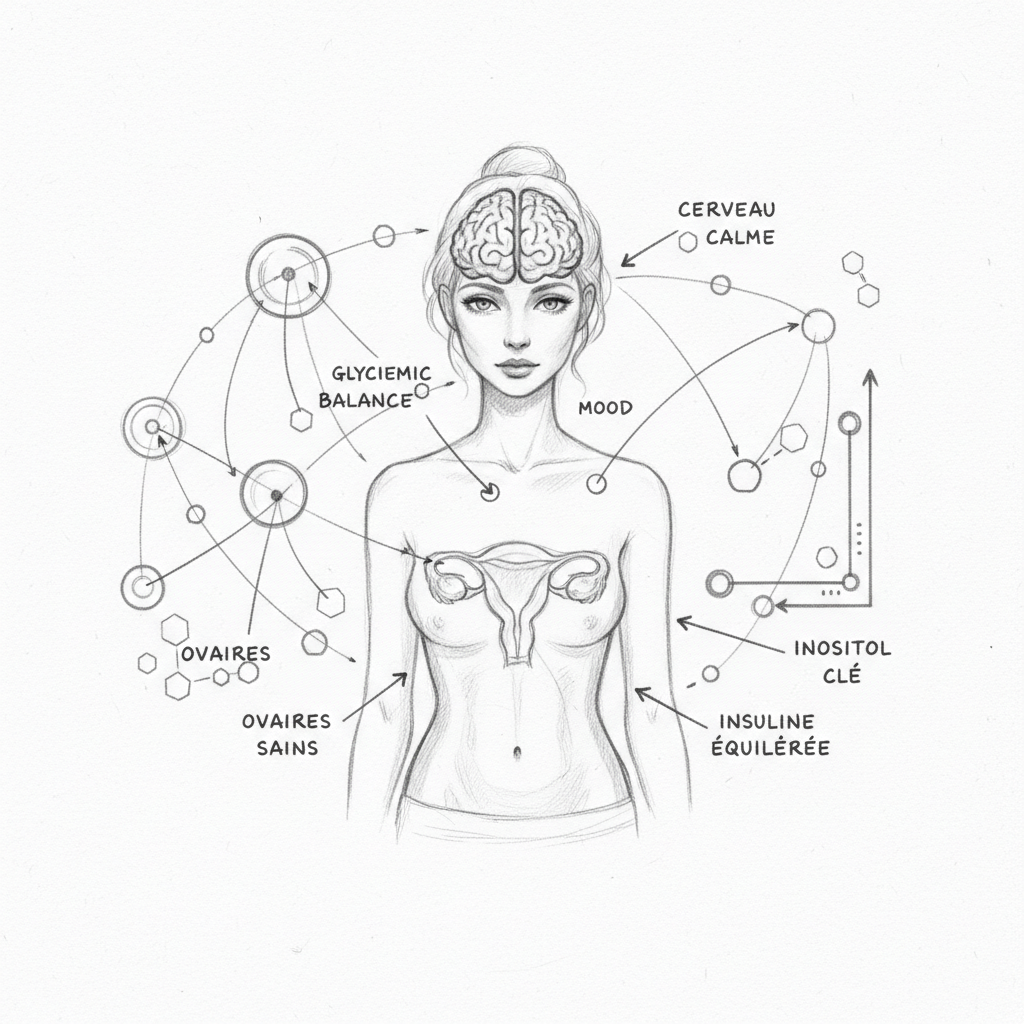
- Myo-inositol: mood, blood sugar, and ovaries in one molecule
- Hyperinsulinism: when excess insulin makes you gain weight and tire
- Carnitine and thyroid: the molecule nobody measures
- Low ferritin and hair loss: the connection your doctor ignores
Want to evaluate your status? Take the free Hertoghe estrogens questionnaire in 2 minutes.
Sources
- Hertoghe, Thierry. The Hormone Handbook. 2nd ed. Luxembourg: International Medical Books, 2012.
- Mouton, Georges. Écologie digestive. Marco Pietteur, 2004.
- Salmanoff, Alexandre. Secrets et sagesse du corps. Paris: La Table Ronde, 1958.
To learn more about anti-inflammatory nutrition and naturopathy basics, see the dedicated articles. And if you need personalized support, you can book a consultation.
Based in Paris, I consult by video throughout France. For quality thyroid supplementation, Sunday Natural (-10% with code FRANCOIS10). The juice extractor supports the hepatic drainage essential for thyroid-related weight loss.
Healthy recipe: Quinoa salad with roasted vegetables: A complete dish to support your metabolism.



Laisser un commentaire
Sois le premier à commenter cet article.