When Émilie sat across from me for the first time, she handed me a cardboard folder full of blood tests, gastroenterologist reports, dermatological prescriptions and letters from rheumatologists. Four specialists in three years. Weeping eczema in the folds of her elbows, migraines two to three times a week, bloating after each meal, joint pain in her fingers in the morning. Each doctor had treated her symptom. Cortisone for the skin, triptan for the head, Spasfon for the stomach, ibuprofen for the joints. No one had ever asked her the question that changes everything: what if all of this came from the same place?
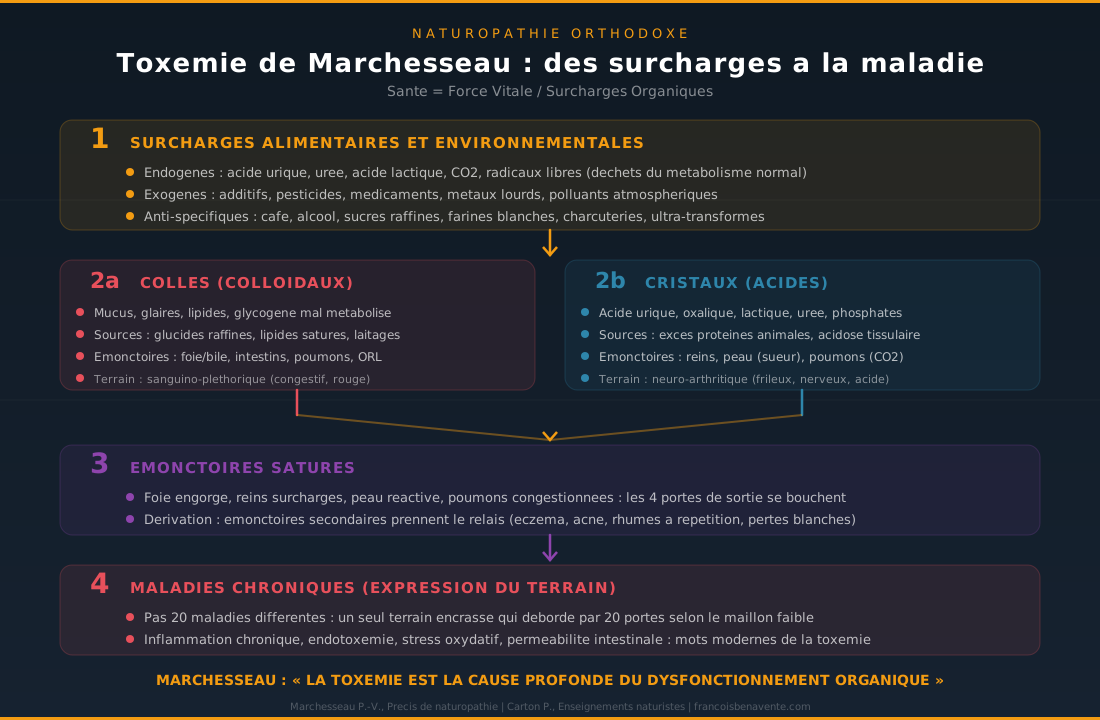
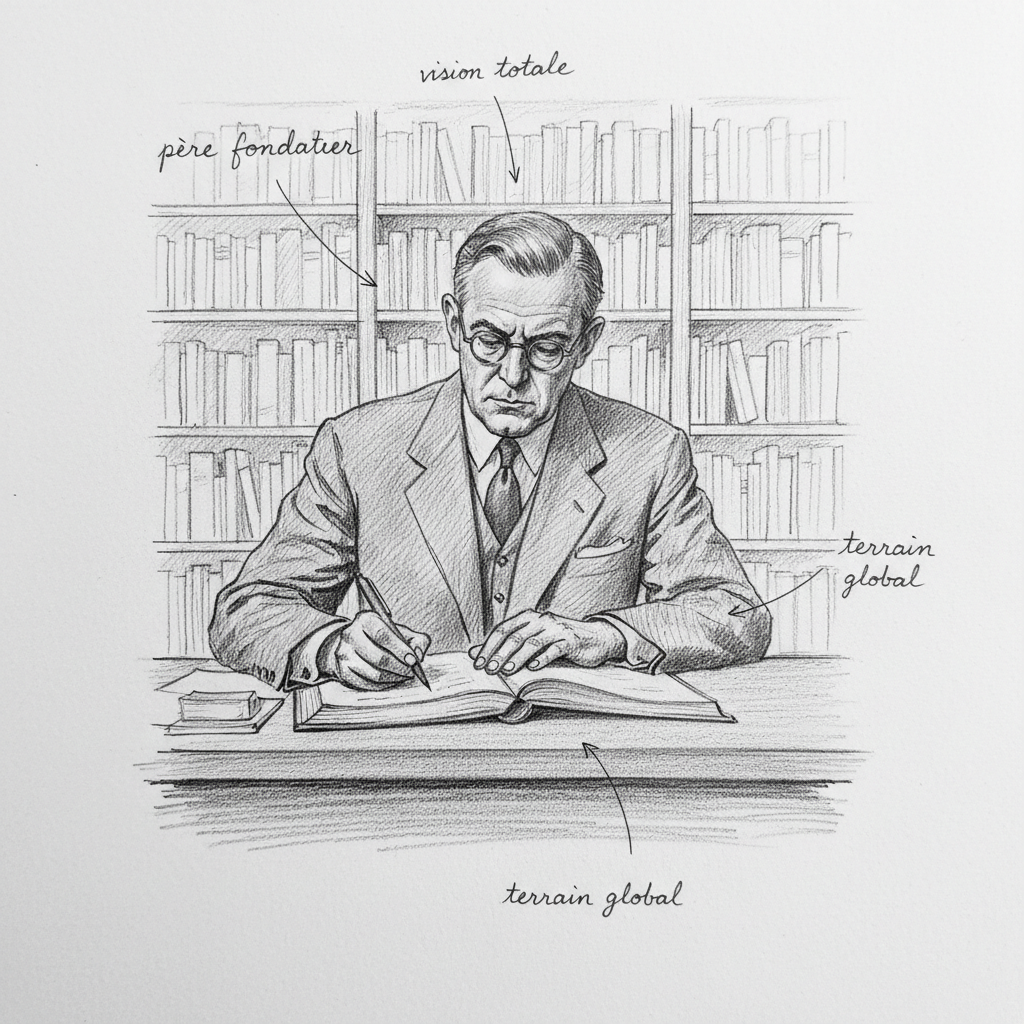
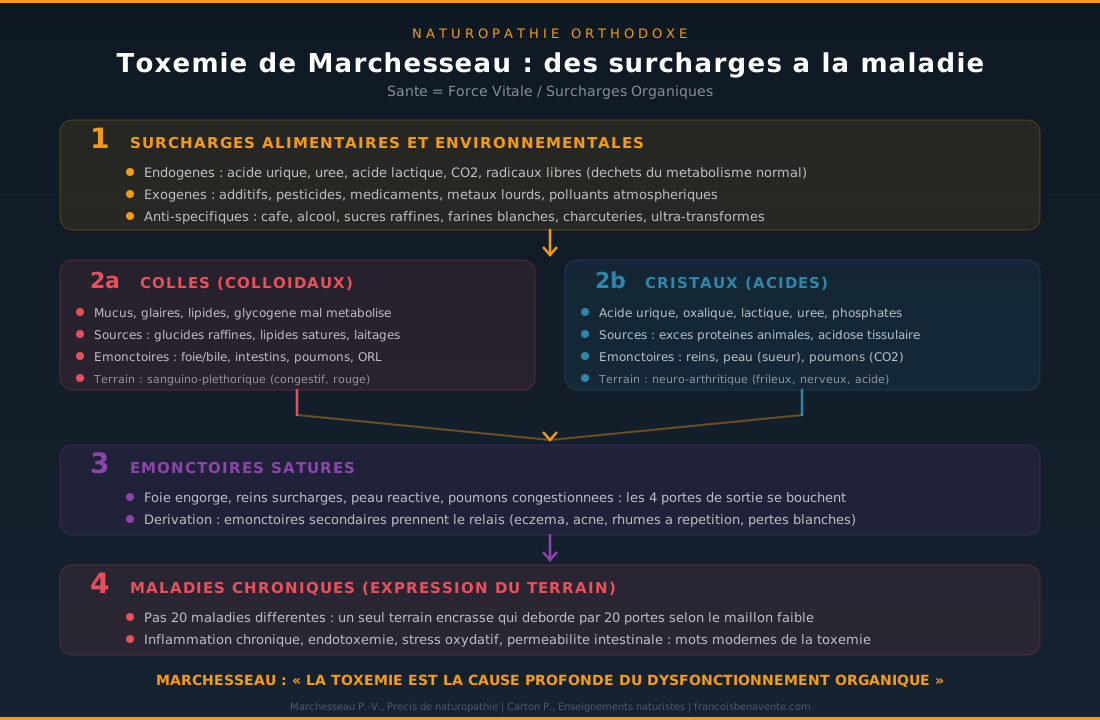
In naturopathy, this question has a name. Marchesseau formulated it as early as the 1940s with a clarity that has aged remarkably well: “Toxemia is the underlying cause of organic dysfunction.” Not dysfunctions. Dysfunction. Singular. Because for Marchesseau, there are not twenty different diseases. There is one congested terrain that expresses itself in twenty different ways depending on temperament, genetic predispositions and the weak link of each individual. Émilie’s eczema, her migraines, her bloating and her joint pain were not four problems. They were one and the same problem overflowing through four doors.
“The accumulation of waste is the source of all diseases, and the reduction of this accumulation of toxins becomes therapeutic maneuver number one.” Paul Carton
It is a concept that conventional medicine does not know by this name, but whose underlying mechanisms it validates more and more each day. Low-grade chronic inflammation, endotoxemia, oxidative stress, hepatic overload: these are the modern words for toxemia. And if you read this article to the end, you will understand why this old notion from the last century is probably the most powerful key to understanding what happens in your body when it begins to malfunction.
The formula that summarizes all of naturopathy
Marchesseau was a man of synthesis. He loved formulas, diagrams, equations that concentrate complex thought into a few signs. And his most famous formula fits into a fraction:
Health = Vital Force / Organic Overloads
This equation looks simplistic. It is devastatingly profound. It says that your health is not a fixed state but a balance of forces between two variables. In the numerator, your Vital Force. In the denominator, your overloads. If Vital Force is powerful and overloads are weak, the ratio is high: you are in good health. If the overloads overflow and Vital Force collapses, the ratio inverts: you enter into disease.
Vital Force, for Marchesseau, is not an esoteric concept. It is the nervous and endocrine energy that animates each cell of your organism. The central nervous system is its conductor, the endocrine system (thyroid, adrenals, pituitary, pancreas, gonads) is its executor. This force is what makes a wound heal without you deciding anything, what fights an infection while you sleep, what regenerates your intestinal mucous membranes every 72 hours. It is not the naturopath who heals. It is not the doctor either. It is the Vital Force. All the naturopath’s work consists of removing the obstacles that prevent it from doing its work. And the number one obstacle, in the vast majority of cases, is the overloads.
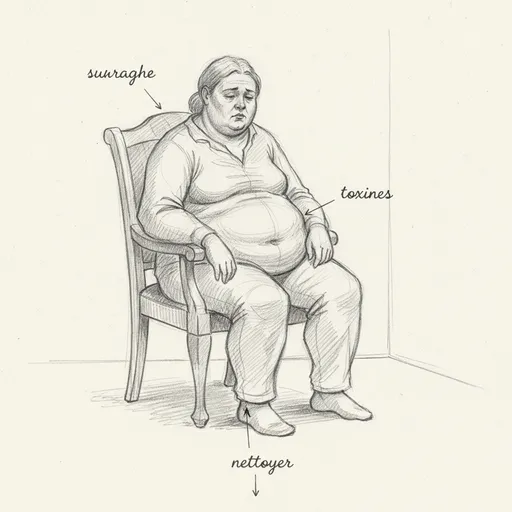
Organic Overloads are everything that accumulates in the liquids of your body and that your organism can no longer eliminate. Marchesseau distinguished between endogenous overloads (normal cellular metabolism waste: uric acid, urea, lactic acid, CO2, free radicals) and exogenous overloads (everything you bring into your body that has no business being there: food additives, pesticides, medications, air pollutants, heavy metals). When both accumulate in blood, lymph and cellular serums, the terrain becomes loaded. This is toxemia. And this is when the body begins to malfunction.
Paul Carton, one of the great forerunners of naturopathy in France, summed it up with his metaphor of the energy transformer. The body is a machine that receives inputs (food, air, water, light), transforms them (digestion, assimilation, metabolism) and produces eliminations (through the five emunctories). When inputs are excessive or inappropriate, when transformation is slowed by exhaustion or deficiencies, and when eliminations are insufficient, waste accumulates. Like a sink that fills up because water runs too fast and the drain is half clogged.
Glues and crystals: the two families of waste
Marchesseau did not just speak of “toxins” vaguely. He categorized overloads into two major families, and this distinction is fundamental because it determines the entire drainage strategy.
Glues are colloidal overloads. They are viscous, soft substances that agglutinate: excess mucus, phlegm, oxidized fats, cholesterol that accumulates beyond its normal physiological function, incompletely digested food residues. Glues come primarily from eating too much poorly degraded starches, saturated fats, pasteurized dairy products and complex sugars. When your nose is blocked upon waking without being sick, when you spit out phlegm in the morning, when your skin produces excess sebum, when your stools are sticky and foul-smelling, these are glues overflowing. The organism eliminates them through the mucous membrane emunctories: the intestine via stools, the liver via bile, the lungs via bronchial mucus, the uterus via white discharge in women.
Crystals are acidic overloads. They are hard, angular substances that irritate and prick: uric acid (final waste of purine metabolism), oxalic acid (present in certain vegetables and produced by metabolism), lactic acid (waste from anaerobic muscle contraction), urea (waste from protein metabolism), pyruvic acid. Crystals come from an excess of animal proteins, sedentary living that prevents lactic acid evacuation, chronic stress that acidifies tissues via cortisol, and intestinal fermentation of poorly digested proteins. When your joints are stiff in the morning, when you develop kidney stones, when your skin itches for no apparent reason, when you experience urinary burning without infection, these are crystals saturating your tissues. The organism eliminates them through the serous membrane emunctories: the kidneys via urine, the skin via sweat, the lungs via CO2 exhalation.
This distinction is directly linked to temperaments in naturopathy. The sanguino-plethoric, corpulent, sanguine, pleasure-loving type will tend to produce glues. Their liver is overloaded, their stools are pasty, their skin is greasy. The neuro-arthritic, slender, nervous, cerebral type will tend to produce crystals. Their joints crack, their skin is dry and itchy, their urine is charged. Of course, most individuals produce both types of overloads, but in varying proportions. And it is this proportion that guides the naturopath in choosing which emunctories to stimulate as a priority.
The four sources of toxemia
If toxemia is the accumulation of waste in the humors, we must understand where this waste comes from. Carton identified three entry routes: the digestive route, the respiratory route and the cutaneous route. Marchesseau added a fourth, which modern science has amply confirmed: the psycho-emotional route.
The nutritional source is by far the most important. It represents, according to Marchesseau’s estimates, 70 to 80% of the total toxemic load. And this is where his classification of foods takes on full meaning. He distinguished between specific foods (those that suit our physiology perfectly: fruits, vegetables, sprouted seeds, nuts), tolerance foods (useful but less specific: meats, fish, cooked starches) and anti-specific foods (those that do not exist in nature and the organism does not know what to do with: industrial chocolate, pastries, processed meats, sodas, candies). Foods altered by industrial processes (refining, pasteurization, high-temperature cooking, chemical additives) constitute a separate category: they are not even foods anymore, they are chemical substances that the organism is forced to neutralize and store because it cannot metabolize them.
The 1991 Val de Marne study showed the extent of nutritional disaster in the French population: 90% of women were deficient in vitamin B6, 80% of the population in vitamin B1, 100% in vitamin E, 95% of women in iron, 90% in zinc. These numbers do not describe a poor country. They describe a population that eats a lot but eats poorly. That fills itself with empty calories and overloads while being deficient in essential cofactors. It is the double penalty of modern eating: too much waste, not enough resources to process it. The more exhausted a person is, the less able they are to digest large meals, and the more overloads accumulate. The vicious circle is complete. The article on anti-inflammatory nutrition details how to break out of this spiral through food.
The metabolic source is often overlooked. Even with perfect eating, your body produces waste. Muscle contraction generates lactic acid. Purine metabolism (DNA, RNA) generates uric acid. Protein metabolism generates urea and ammonia. Cellular respiration generates CO2 and free radicals. These are normal physiological wastes, and a healthy organism eliminates them without difficulty. The problem arises when elimination capacity is exceeded, either because waste production is excessive (intense exercise, stress, fever) or because emunctories are overwhelmed (overloaded liver, tired kidneys, chronic constipation).
The environmental source is the one that has exploded most over the last century. We live in a permanent chemical bath. The air we breathe contains fine particles, nitrogen oxides, volatile organic compounds. The water we drink contains drug residues, pesticides, chlorine. The cosmetics we apply to our skin (which absorbs everything put on it) contain parabens, phthalates, synthetic UV filters. Endocrine disruptors are everywhere: in food packaging, in pan coatings, in plastics, in textiles. The liver must neutralize all of this. And it does, provided we do not ask too much of it, provided that its detoxification cofactors are present (glutathione, glycine, methionine, B vitamins, zinc, selenium). When the liver saturates, untreated toxins are stored in fatty tissues, the nervous system, joints. This is the clogging of Seignalet.
The psycho-emotional source is the most insidious. Chronic stress acidifies tissues through at least three mechanisms. The first is cortisol secretion which, in excess, increases protein catabolism (thus uric acid and urea production), raises blood sugar (thus glycation products), and reduces peripheral circulation (thus tissue oxygenation). The second is the permanent muscle contraction of the stressed subject, which produces lactic acid continuously without physical movement allowing it to be evacuated. The third is the disruption of the autonomic nervous system: the sympathetic dominates, digestion slows down, food stagnates, ferments, and dietary overloads worsen. Marchesseau often quoted this phrase from Lindlahr: “Toxemia is not only chemical, it is also nervous.”
The emunctories: your five exit doors
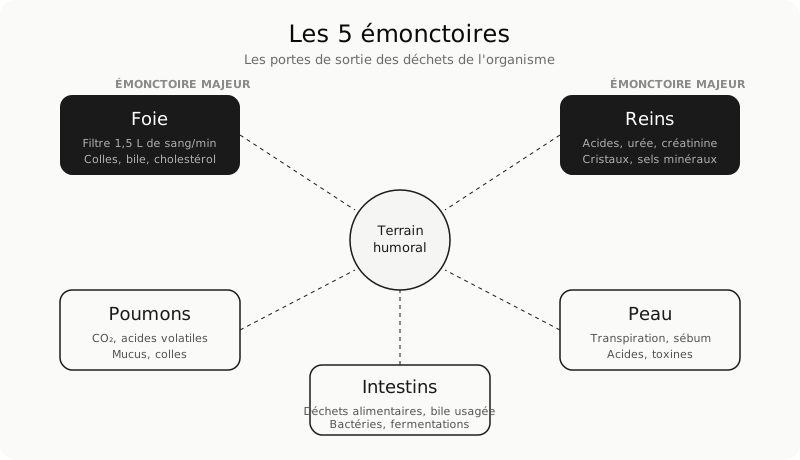
If toxemia is the accumulation of waste, emunctories are the organs responsible for eliminating it. Carton hierarchized them in a precise order: first the intestines, then the kidneys, then the skin, then the respiratory pathways. The liver, an organ of biotransformation before being an emunctory in the strict sense, holds a special place: it prepares wastes so they can be eliminated through the other exit doors.
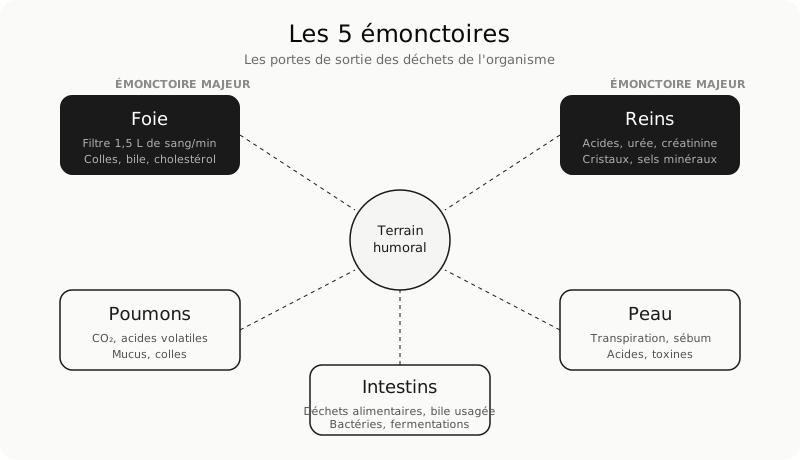
The intestine is the first emunctory. It is the royal pathway for glue elimination. Each day, the liver produces between 500 and 1000 ml of bile that spills into the duodenum, carrying with it fat-soluble wastes, used cholesterol, metabolized hormones, neutralized medications. When transit slows down, when constipation sets in, these wastes stagnate, ferment, and some are reabsorbed by the intestinal mucosa. This is the entero-hepatic cycle of toxins: instead of leaving, they return. Salmanoff said that “everything comes from the gut,” and he was profoundly right. A sluggish intestine is a clogged emunctory. And a clogged emunctory is terrain that clogs up. The article on spring detox details the three cures of orthodox naturopathy that precisely aim to reopen these elimination pathways.
The kidneys are the second emunctory. They are specialists in crystals. Each day, they filter approximately 180 liters of blood and extract 1.5 liters of urine loaded with urea, uric acid, creatinine, used mineral salts. The kidneys are the guardians of acid-base balance. When they tire, when hydration is insufficient, when crystals are too numerous, acids accumulate in tissues. This is the tissue acidosis described by Vasey, this acidic terrain that promotes chronic inflammation, joint pain, bone demineralization. Drinking enough pure water (at least 1.5 liters per day apart from meals) is the simplest and most neglected gesture to support this kidney function.
The skin is the third emunctory. It is a dual organ: it eliminates both glues (through sebaceous glands: sebum, acne, weeping eczema) and crystals (through sudoriferous glands: acidic sweat, urticaria, psoriasis). The skin is an emergency emunctory. When the kidneys and intestines cannot cope, the body diverts to the skin. This is why so many skin problems are not skin diseases but signs that the main emunctories are overwhelmed. Treating eczema with cortisone without opening the other exit doors is like closing the safety valve of a pressure cooker that is rising in pressure. It is exactly what had happened with Émilie.
The lungs are the fourth emunctory. They eliminate primarily CO2 (gaseous waste of cellular metabolism) but also glues (mucus, bronchial catarrh) and volatile acids. Each exhalation is an act of detoxification. This is why deep breathing, physical exercise in fresh air, cardiac coherence breathing techniques are not wellness gadgets: they are tools for eliminating overloads in the most physiological sense of the term.
The liver is the great forgotten organ of modern medicine. It is the biotransformation plant. All fat-soluble toxins (pesticides, synthetic hormones, medications, pollutants) must pass through the liver to be made water-soluble and elimitable through the kidneys or bile. This work happens in two phases: phase I (cytochrome P450, oxidation) and phase II (conjugation with glutathione, glycine, glucuronic acid, sulfation, methylation, acetylation). Between the two phases, intermediate metabolites are often more toxic than the original substances. This is why opening phase I without supporting phase II (by doing a sudden fast without cofactors, for example) can be dangerous. This is also why zinc, cofactor of alcohol dehydrogenase and hepatic superoxide dismutase, is so important in detoxification.
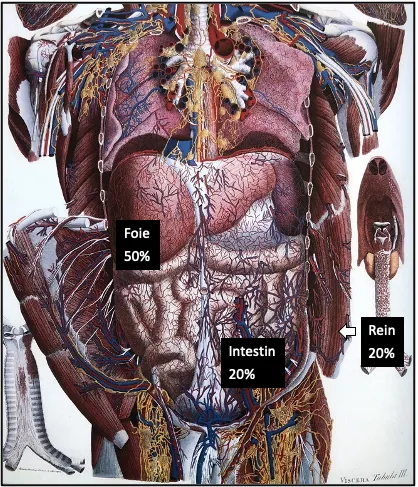
Oxidative stress: molecular toxemia
Marchesseau could not have known about free radicals in 1940. But what he described as tissue toxemia, modern science has rediscovered under the name of oxidative stress. And it is perhaps the most insidious form of toxemia, because it is invisible, painless, and it destroys cells from the inside.
A free radical is an unstable molecule that possesses an unpaired electron on its outer shell. To stabilize, it strips an electron from the neighboring molecule, which becomes a free radical in turn. It is a chain reaction, a molecular fire that damages cell membranes, proteins, DNA and mitochondria. Cellular respiration itself produces free radicals: it is the price to pay for making energy (ATP). Under normal conditions, the body has an endogenous antioxidant system perfectly calibrated to neutralize these aggressors.
This system rests on specific enzymes whose names come up repeatedly in studies: glutathione peroxidase (which neutralizes hydrogen peroxide using reduced glutathione and selenium as cofactor), superoxide dismutase or SOD (which converts superoxide anion into hydrogen peroxide, with zinc, copper and manganese as cofactors), catalase (which breaks down hydrogen peroxide into water and oxygen, with iron as cofactor), and coenzyme Q10 or ubiquinone (which acts as a fat-soluble antioxidant in mitochondrial membranes). These four systems form the organism’s endogenous antioxidant defense.
The problem is that these enzymes only function in the presence of their mineral cofactors. And the Val de Marne study showed that virtually the entire population is deficient in these cofactors. When 90% of people lack zinc, when 95% of women lack iron, when selenium intakes are insufficient in European soils, the pro-oxidant/anti-oxidant balance tips. Free radicals gain ground. Cell membranes oxidize (lipid peroxidation). Mitochondrial DNA is altered. Proteins denature. It is biological rust, and it is all the faster because external sources of free radicals add to endogenous production: tobacco, alcohol, air pollution, UV radiation, high-temperature cooking (glycotoxins and Maillard molecules are powerful free radical generators), and psychological stress (chronically elevated cortisol increases mitochondrial free radical production).
Gentle cooking below 110 degrees Celsius is not a naturopath whim. It is a protection measure against this molecular toxemia. And reasonable supplementation with zinc, selenium, vitamin C, vitamin E and coenzyme Q10 is not a luxury: it is the reconstruction of a defense system that modern food can no longer provide.
How to evaluate your toxemia
Toxemia is not visible on a standard blood test. Not directly, anyway. But the body sends signals that the naturopath learns to read like a country doctor of old once read urine with the naked eye.
Chronic fatigue is the first signal. Not the fleeting fatigue of a bad night. A underlying fatigue, heavy, that does not disappear with rest, that is there upon waking and worsens throughout the day. When the humors are charged, each cell works in a polluted environment. It is like asking a worker to work in a smoke-filled factory: they can do it, but they exhaust twice as fast. Fibromyalgia is the ultimate expression of this cellular clogging described by Seignalet.
Digestive troubles are the second signal. Bloating, flatulence, constipation-diarrhea alternation, intestinal dysbiosis, heaviness sensation after meals. When the intestine is overloaded, it no longer digests properly, it ferments instead of assimilating, and it allows macromolecules to pass that should never have crossed the mucous barrier. This is intestinal hyperpermeability, the leaky gut, the starting point of the xenoimmune cascade described by Seignalet in autoimmune diseases like Hashimoto.
The skin is the third signal. Late-onset acne, eczema, psoriasis, dull complexion, dilated pores, dark circles, recurrent fungal infections. The skin is the mirror of the internal terrain. When the liver and intestines overflow, the skin takes over. A face aging prematurely is not only an aesthetic problem: it is an organism that oxidizes faster than it repairs.
Joint and muscle pain are the fourth signal. Morning stiffness, swollen fingers, cracking shoulders, night cramps. These are Marchesseau’s crystals depositing in connective tissues, joint capsules, tendons. Uric acid crystallizes when it exceeds its saturation concentration in the serum. It is the same mechanism as gout, at a lesser but chronic degree.
The tongue is a diagnostic tool that ancient doctors used systematically and modern medicine has almost abandoned. A tongue loaded upon waking (white or yellowish coating) testifies to digestive overload. A bright red tongue at the edges with central coating signs hepatic acidosis. A purplish tongue with dilatation of sublingual veins suggests circulatory stasis. The naturopath also looks at the nails (white spots, striations, absence of lunules for zinc), the eyes (yellowish sclera for the liver, purple circles for the kidneys), and the breath (chronic morning halitosis as a sign of intestinal fermentation or hepatic overload).
In addition to clinical observation, certain biological analyses allow objectifying toxemia. Ultra-sensitive CRP measures low-grade chronic inflammation. LPS dosage (bacterial lipopolysaccharides) circulating evaluates intestinal endotoxemia. The MOU test (urinary organic metabolites) maps dysbiosis and metabolic overloads. The reduced/oxidized glutathione ratio evaluates oxidative stress. And comprehensive hepatic testing (gamma-GT, transaminases, alkaline phosphatase) gives an overview of the liver’s workload.
Progressivity: the most important principle
You understand the mechanism. You see the loaded terrain, the overflowing emunctories, the overloads accumulating. The temptation is great to clean everything up at once. Five-day fast. Radical monodiete. Intensive hepatic drainage. Daily sauna. It is the most frequent error I see in consultation, and it is the most dangerous.
Marchesseau reminded us constantly: never open a dam’s floodgates all at once. If the dam (charged tissues) releases its toxins all at once, and the downstream channels (the emunctories) are not capable of processing everything, it is flooding. Toxins put back into circulation in the blood are not evacuated: they circulate, they attack, they provoke what some proudly call a “detox crisis” and which is often only iatrogenic intoxication. Violent headaches, nausea, skin eruptions, worsened fatigue, dizziness, diarrhea: these are not signs that “it is working.” These are signs that you went too fast, too hard, for terrain that was not ready.
The Hippocratic principle “primum non nocere” (first do no harm) is the naturopath’s first commandment. The correct strategy follows an immutable order. First, we lighten the inputs: we eliminate anti-specific and altered foods, we simplify meals, we reduce stimulants (coffee, alcohol, tobacco). It is drying up the source of overloads. Next, we gently open the emunctories: light hepatic plants (rosemary, artichoke), sufficient hydration, daily walking, moderate sweating. We ensure that the exits function before dislodging stored toxins. And only then, progressively, can we consider deeper measures: short monodiètes, intermittent fasting, lymphatic drainage, structured seasonal cures.
“Do not kill the mosquitoes, dry up the swamp.” Pierre-Valentin Marchesseau
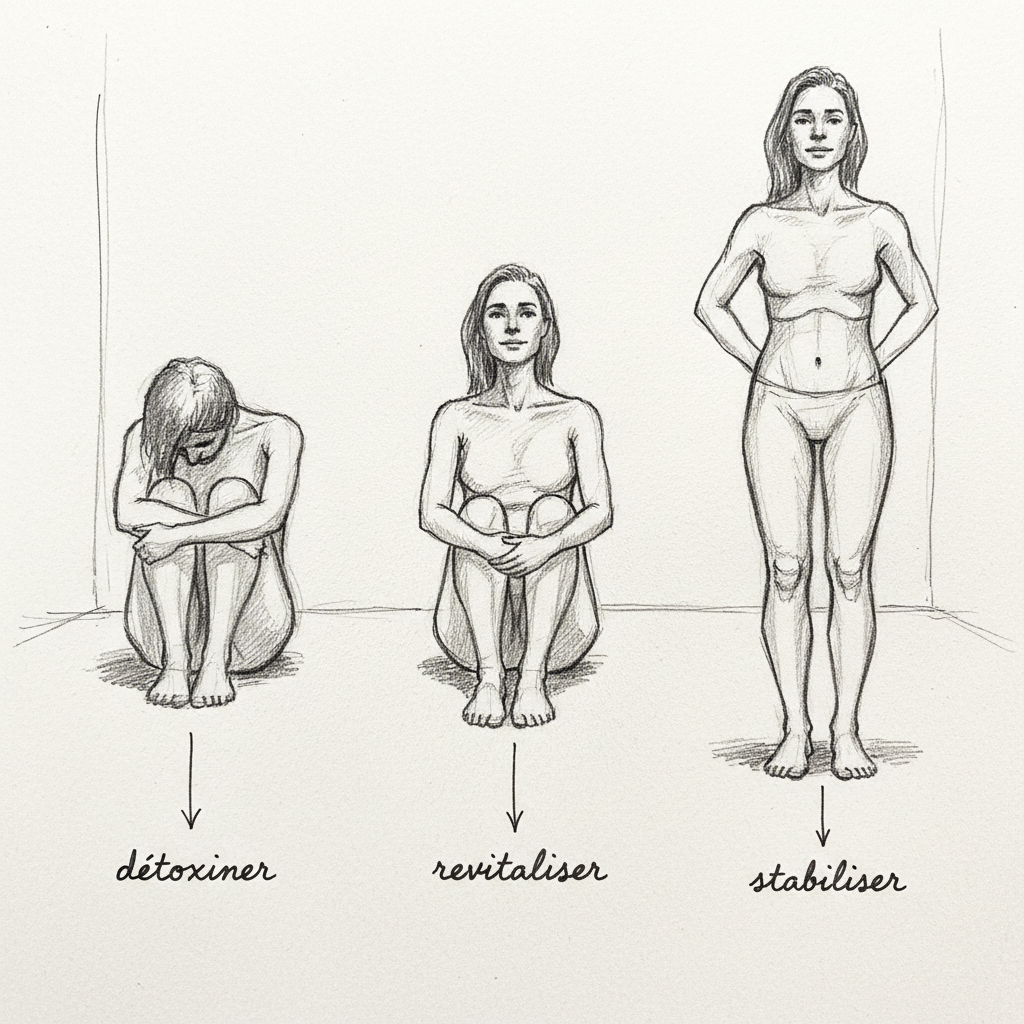
This progressivity is all the more important as the person is tired. Marchesseau distinguished between reactive people (those who still have Vital Force and respond vigorously to stimulations) and unreactive people (those who are so exhausted that any stimulation pushes them deeper). In an unreactive person, we never start with detoxification. We start with revitalization: we nourish, we rest, we rebuild. We provide the missing cofactors (magnesium, zinc, B vitamins, vitamin D, iron if needed). We restore sleep. We reduce stress. And it is only when vitality is sufficient that we can begin to drain.
What modern medicine is rediscovering
The most fascinating thing in this story is that contemporary science is gradually validating what Marchesseau and Carton had described empirically nearly a century ago.
Metabolic endotoxemia, described by Cani and Delzenne in 2009, shows that fragments of intestinal bacteria (the famous LPS) cross into the blood through a permeable intestine and trigger low-grade chronic inflammation. It is exactly Marchesseau’s intestinal origin toxemia. Oxidative stress and redox imbalance, measured today by sophisticated markers (8-OHdG, F2-isoprostanes, GSH/GSSG ratio), describe the radical assault on cells. It is Carton’s tissue toxemia. Low-grade chronic inflammation, detected by ultra-sensitive CRP, is now recognized as a major risk factor for cardiovascular disease, type 2 diabetes, neurodegenerative diseases and cancers. It is the humoral overload that precedes organic lesion.
When functional medicine speaks of exposome (the sum of all environmental exposures of an individual), when toxicologists map the body’s burden of persistent pollutants, when gastroenterologists discover the role of the microbiota in immune regulation, they are only rediscovering, with 21st century tools, what the pioneers of naturopathy had sensed with their clinical intelligence and physiological common sense.
Warning
Naturopathy provides support. It does not replace medical diagnosis or follow-up with your doctor. If you present signs of severe toxemia (disabling fatigue, chronic pain, refractory digestive troubles, widespread skin problems), the first step is comprehensive medical testing: CBC, CRP, hepatic panel, kidney function, thyroid panel, ferritin. Organic causes must be ruled out before attributing symptoms to functional toxemia.
Never stop an ongoing medical treatment without your doctor’s advice. Detoxification, if considered, must always be progressive, supervised, and adapted to your level of vitality.
Based in Paris, I consult via video throughout France. You can book an appointment for personalized support.
Toxemia is a terrain concept, not a diagnosis. It is a reading tool that makes it possible to understand the “why” behind the symptom. It is the first thing I establish in consultation, and it is often the breakthrough that changes a person’s trajectory.
To support your detoxification daily, Sunday Natural offers milk thistle, desmodium and reduced glutathione of pharmaceutical quality (-10% with code FRANCOIS10). A Hurom extractor makes it easy to prepare draining green juices, which are the best tool of the detoxification cure (-20% with code francoisbenavente20). And a Milerd purifier reduces dietary toxemic load by removing up to 90% of surface pesticides. Find all my partnerships with exclusive promo codes.
Want to evaluate your status? Take the free vitality-toxemia questionnaire in 2 minutes.
To go further
- The 3 naturopathic cures according to Marchesseau explained
- Fasting and monodiètes: the naturopath’s ancestral tools
- Marchesseau’s bromatology: eating according to your terrain
- Paul Carton: the naturopathic physician who inspired Marchesseau
Sources
- Carton, Paul. Traité de médecine naturiste. Le François, 1920.
- Marchesseau, Pierre-Valentin. Biologie et naturopathie. Cours d’hygiène vitale, ISUPNAT.
- Salmanoff, Alexandre. Secrets et sagesse du corps. La Table Ronde, 1958.
- Seignalet, Jean. L’Alimentation ou la Troisième Médecine. 5e éd. Paris: François-Xavier de Guibert, 2004.
- Cani, P.D., et Delzenne, N.M. “The role of the gut microbiota in energy metabolism and metabolic disease.” Current Pharmaceutical Design 15, no. 13 (2009): 1546-1558.
- Hercberg, S. et al. “Vitamin and mineral status in French populations: effects of a supplementation trial.” International Journal for Vitamin and Nutrition Research 68, no. 1 (1998): 3-9.
“The hygienist does not cure. He teaches the sick person not to poison their cells anymore.” Pierre-Valentin Marchesseau


Laisser un commentaire
Sois le premier à commenter cet article.