There is a study that I show to every expectant mother who sits across from me. It’s not a PubMed study. It’s a study on cats. And it changes the way you look at your plate.
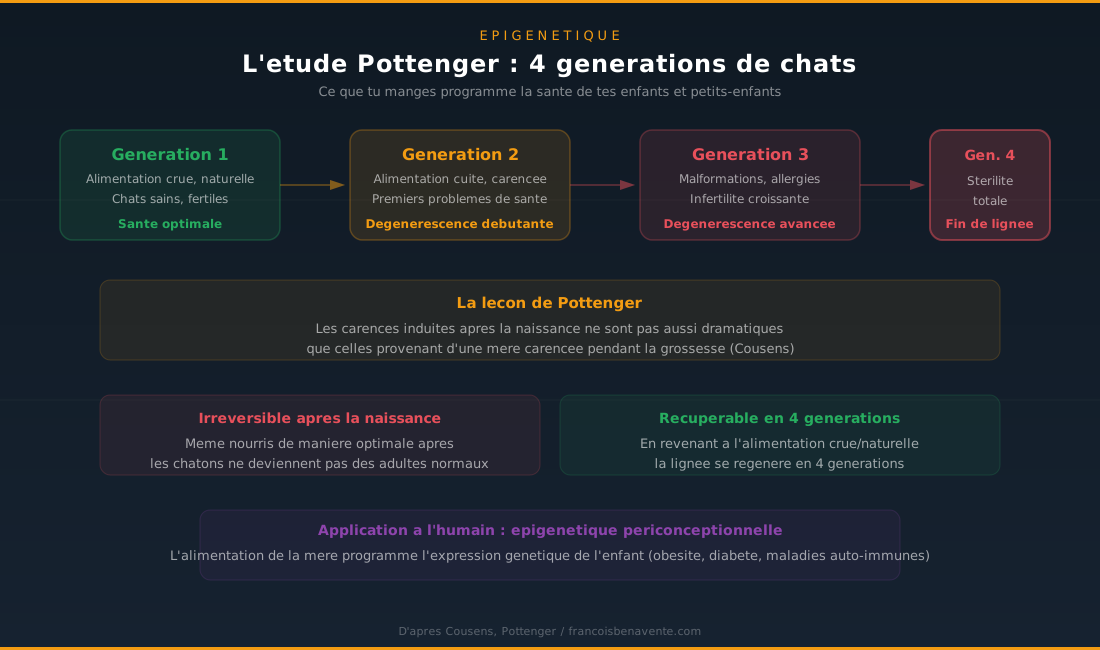
Dr Francis Pottenger followed four generations of cats. The first group was fed a raw, natural, complete diet. These cats were healthy, fertile, vigorous. The second group received a cooked, processed, deficient diet. By the second generation, the first problems appeared: allergies, degenerative diseases, behavioral disorders. By the third generation, malformations multiplied and infertility began to climb. By the fourth generation, the lineage went extinct. Total sterility.
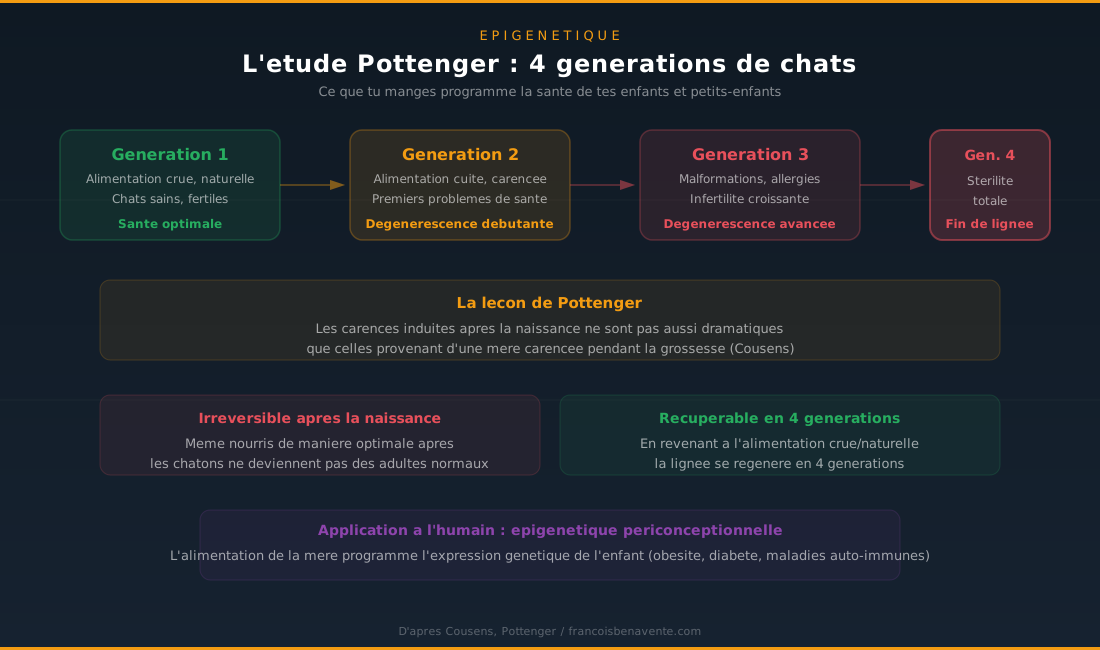
But the most striking point of the study is elsewhere. Kittens born to deficient mothers, even when fed optimally after birth, with the best proteins and best supplements, were not able to become normal adults. The deficiencies induced after birth were not as dramatic as those stemming from a mother deficient during pregnancy. It is Dr Gabriel Cousens who emphasizes this in Conscious Eating: what you do as a parent before and during pregnancy affects your child’s health in a way that can prove irreversible after birth.
“The quality of parental health significantly affects the health of the germinal plasma and fetal formation.” Dr Gabriel Cousens
Periconceptional epigenetics: your diet programs your genes
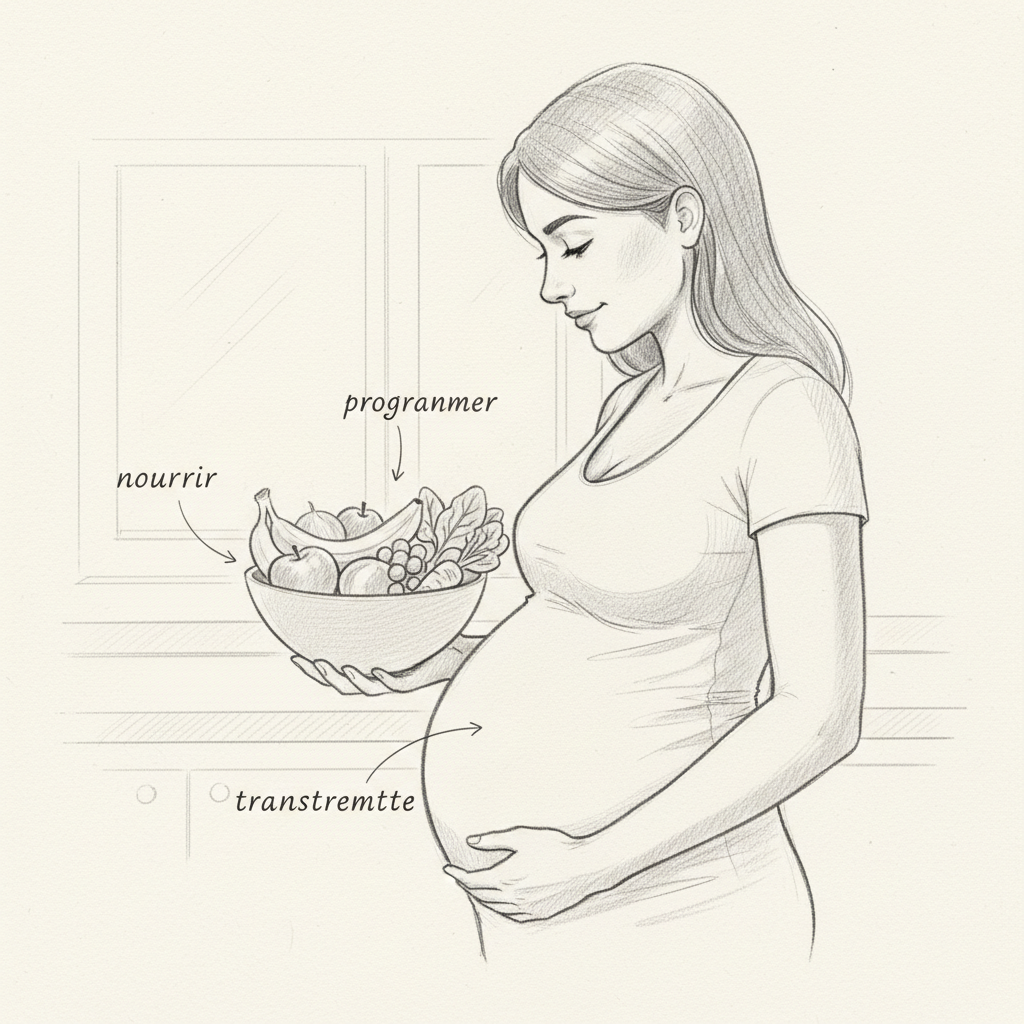
We now know that the mother’s (and father’s) diet does more than nourish the fetus. It programs the expression of her genes. This is the field of epigenetics: the study of modifications in gene expression that do not change the DNA sequence itself but alter the way genes are read and translated.
Unbalanced nutritional choices, metabolic disruptions, and a lack of physical activity in the mother can alter the child’s genetic programming, creating fertile ground for problems like obesity, type 2 diabetes, and autoimmune diseases. These epigenetic modifications can be passed down through multiple generations. The Pottenger study illustrates this perfectly: damage accumulates from one generation to the next.
Folate (vitamin B9 in natural form, not synthetic folic acid) is the most documented example of this epigenetic programming. B9 is essential for DNA methylation, the process by which methyl groups “label” genes to activate or deactivate them. Folate deficiency during the periconceptional period compromises this process and increases the risk of neural tube closure failure, as well as lasting epigenetic modifications that will mark the child’s health for life. I detailed this mechanism in the article on periconception assessment.
The naturopath’s pregnancy plate
Diet during pregnancy is not a question of calories. It’s a question of nutritional density. Every bite must deliver maximum micronutrients to the fetus without overloading the mother’s digestive system. Dr Curtay is clear: even with a carefully studied and adapted diet, food alone is not always sufficient (hence the need for targeted supplementation). But it remains the foundation.
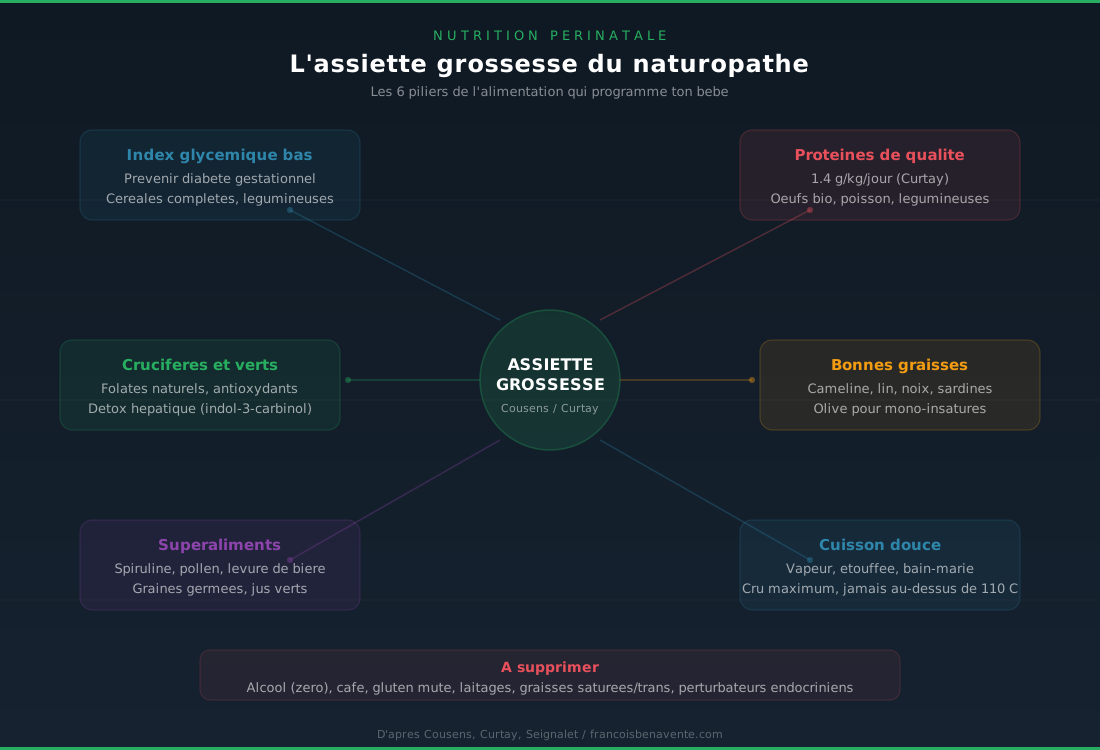
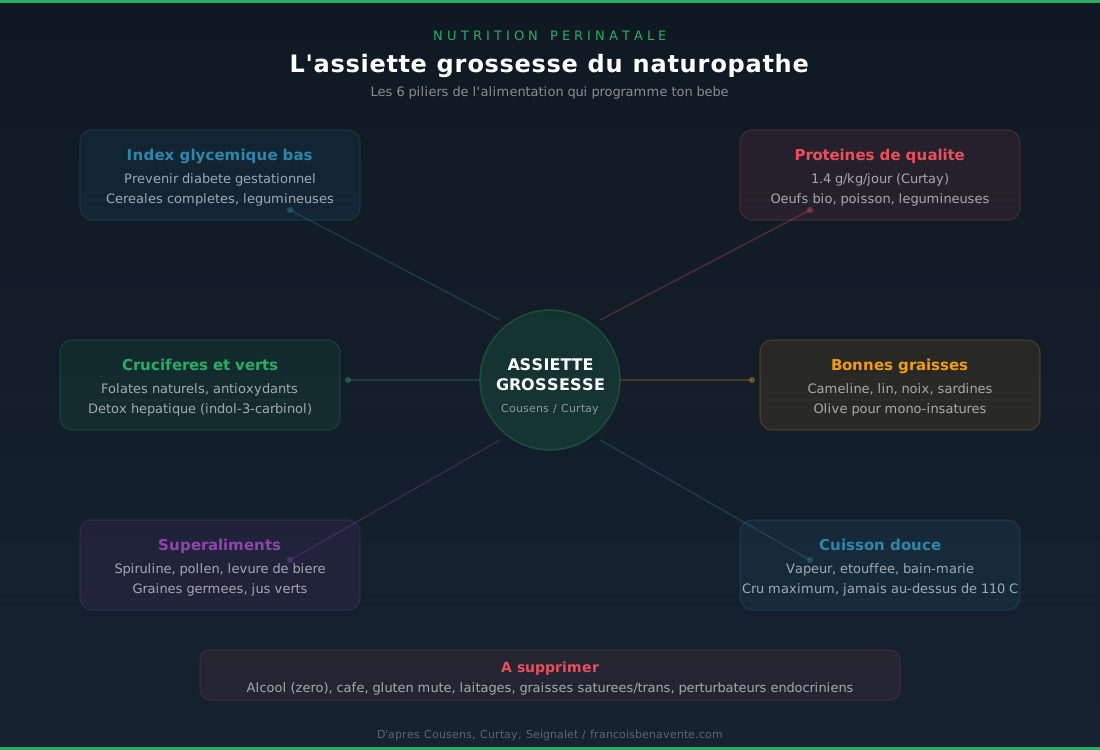
The first pillar is a low glycemic index. Glucose tolerance is weakened during pregnancy. Vitamin B6 deficiency is a major factor in glucose intolerance in pregnant women (Curtay). Magnesium is an essential factor in glucose tolerance. Unmutated whole grains (brown rice, buckwheat, quinoa, millet), legumes (lentils, chickpeas, kidney beans) and root vegetables (sweet potato, parsnip) provide slowly absorbed carbohydrates that stabilize blood sugar. Avoid refined sugars, white flours and processed foods with a high glycemic index.
The second pillar is quality protein. Amino acids play a crucial role throughout all three trimesters. Arginine is a conditionally essential amino acid for embryonic growth and transfer of nutrients from mother to fetus. The goal is 1.4 g/kg/day of protein. Organic eggs (choline in the yolk is essential for brain development), fatty fish (sardines, mackerel for omega-3s), poultry liver (iron, B12, vitamin A) and well-soaked legumes form the protein base.
The third pillar is cruciferous vegetables and greens. Broccoli, kale, watercress, spinach, arugula. These are the best sources of natural folates, far superior to synthetic folic acid. They also provide indole-3-carbinol, a compound that supports liver detoxification of estrogen, and exceptional antioxidant density. As I explain in the article on anti-inflammatory nutrition, these phytochemical compounds protect cells from oxidative stress that particularly threatens the fetus.
The fourth pillar is good fats. Camelina oil and flax oil (vegetable omega-3s), walnut oil, extra virgin olive oil (monounsaturated) and fatty fish (EPA/DHA) provide the essential fatty acids for fetal brain and nervous system development. Absolutely avoid excessive saturated fats, trans fatty acids (hydrogenated margarine, processed foods) and refined heated oils (sunflower, refined rapeseed). Gentle cooking preserves these fragile fatty acids.
The fifth pillar is superfoods. Spirulina (complete proteins, iron, B12), fresh pollen (antioxidants, enzymes), nutritional yeast (B vitamins), sprouted seeds (living enzymes, multiplied nutrients) and fresh green juices (chlorophyll, alkalizing minerals) provide a concentration of micronutrients that no ordinary food can match. Cousens insists on the vibrational dimension of food: a living, raw, freshly harvested food transmits a vital energy that processed food has lost.
The sixth pillar is gentle cooking. This is a point that Seignalet, Cousens and Curtay share. Above 110°C, proteins and sugars combine to form Maillard molecules (glycotoxins) that the body cannot eliminate. Raw is ideal when digestive capacity allows. Otherwise, gentle steam (Marion’s vitalizer), braising, double boiler and low-temperature cooking preserve most of the vitamins and enzymes.
The psycho-emotional dimension
Cousens never separates biochemical nutrition from emotional and spiritual nutrition. He includes in the concept of nutrition “all energies that affect the mother’s life and fetal development.” The mother’s emotional state during pregnancy directly affects the fetus through stress hormones (cortisol, adrenaline) and neurotransmitters (serotonin, dopamine) that cross the placenta.
Chronic stress during pregnancy increases maternal cortisol production, which programs the fetus’s hypothalamic-pituitary-adrenal axis. A child born to a chronically stressed mother will have a lower stress threshold and higher cortisol reactivity. This is behavioral epigenetics.
Marchesseau insisted on the need to “disconnect the cortex from the diencephalon”: relaxation, contact with nature, creativity, benevolent presence. Pregnancy is not the time to work overtime or resolve family conflicts. It’s the time to nourish the living being growing, physically and emotionally.
The anti-patterns: what has no place
Alcohol: consumption during pregnancy must equal zero. The fetal brain is hypersensitive to alcohol. There is no safe threshold.
Tobacco: a smoking father is the leading cause of miscarriage (sperm DNA irradiated). 25% of pregnant women still smoke in France. Dental amalgams contain 50% mercury and constitute the primary source of fetal mercury. Magnesium reduces placental passage of lead and cadmium.
Endocrine disruptors: do not drink tap water without filtration, avoid fats stored in plastic (oil bottles, prepared meals), cosmetics containing parabens, aluminum or Teflon cooking utensils. Prefer 18/10 stainless steel and glass.
Coffee: limit to a maximum of one cup per day. Caffeine crosses the placenta and the fetus does not have the enzymes to metabolize it.
Gluten from mutated wheat and casein from cow’s milk: as Seignalet explains, these proteins cross a permeable intestine and create systemic inflammation that has no place during pregnancy. Alternatives are rice, buckwheat, quinoa, and plant milks (almond, coconut).
Preventing preeclampsia through diet
Preeclampsia is a serious pregnancy complication (hypertension, proteinuria) affecting 2 to 8% of pregnancies. Curtay shows that several micronutrients prevent it effectively. Magnesium is front and center: in regions where water is rich in magnesium, the frequency of preeclampsia is significantly lower. Supplementation with antioxidants (vitamins C and E) greatly reduces risk. Calcium after the 20th week reduces the risk of gestational hypertension. Zinc is inversely correlated with gestational hypertension. And a diet rich in linoleic acid (balanced omega-6) completes the approach.
What naturopathy does not do
Naturopathy does not replace obstetrical monitoring. Ultrasound checks, glycemic monitoring, toxoplasmosis-rubella serology and medical monitoring are essential. The naturopath works on optimizing terrain diet and micronutrition, in addition to medical monitoring. If you have severe nausea, diagnosed gestational diabetes or preeclampsia, medical monitoring takes priority.
Based in Paris, I consult by video throughout France. You can make an appointment for personalized dietary support during your pregnancy.
To cook healthily during pregnancy, a Hurom extractor makes it easy to prepare morning green juices (-20% with code francoisbenavente20). Sunday Natural offers quality spirulina, pollen and superfoods (-10% with code FRANCOIS10). Find all my partnerships with exclusive promo codes.
Want to assess your status? Take the free vitamin B9 questionnaire in 2 minutes.
To cook healthily, discover PranaCook stainless steel utensils, without endocrine disruptors.
To go further
- Periconception assessment: the tests your doctor forgets
- Thyroid and fertility: the lock that nobody unlocks
- Periconception: the supplements your gynecologist doesn’t know about
- Postpartum: restoring your body after childbirth
Sources
- Cousens, Gabriel. Conscious Eating. North Atlantic Books, 2000.
- Curtay, Jean-Paul. Nutrithérapie. Tome 1. Boiron, 2008.
- Seignalet, Jean. L’Alimentation ou la Troisième Médecine. 5e éd. François-Xavier de Guibert, 2004.
- Hercberg, S. et al. “Food consumption of a representative sample of the Val-de-Marne population.” Rev. Epidem. Santé Publ. 39 (1991): 245-261.
“The hygienist becomes a minister of vital energy.” Paul Carton

Laisser un commentaire
Sois le premier à commenter cet article.