Her name is Françoise, she is 62 years old, and she is afraid. Not of cancer, not of a heart attack. She is afraid of losing her mind. Her mother died at 78 in a nursing home, unable to recognize her own children. Her maternal aunt followed the same path. Françoise forgets where she put her keys. She searches for a word in the middle of conversation. She gets her credit card code wrong. Her doctor tells her: “It’s your age, don’t worry.” And she doesn’t worry. She waits. Like everyone else. Because she’s been told that Alzheimer’s is genetic, that there’s nothing to do, that it’s inevitable.
When Professor Vincent Castronovo, professor of biochemistry and micronutrition, opens his lecture on Alzheimer’s at the DU of Micronutrition, he begins with a figure that silences the auditorium: one new case of dementia every 3 seconds in the world1. 46.8 million people live with dementia in 2015. 74.7 million in 2030. 131.5 million in 2050. And he immediately adds that Pfizer abandoned research in 2018, that Roche did the same in 2019, and that the four anti-Alzheimer’s medications are no longer reimbursed in France since August 20182. Four medications that treated symptoms. Not a single one that addressed the causes. The therapeutic impasse is total.
“Alzheimer’s disease is a complex multifactorial disease that cannot be prevented or managed by a single therapeutic approach. Each patient has a different path.” Prof Vincent Castronovo, DU of Micronutrition
What your neurologist calls degeneration is actually a metabolic dysfunction
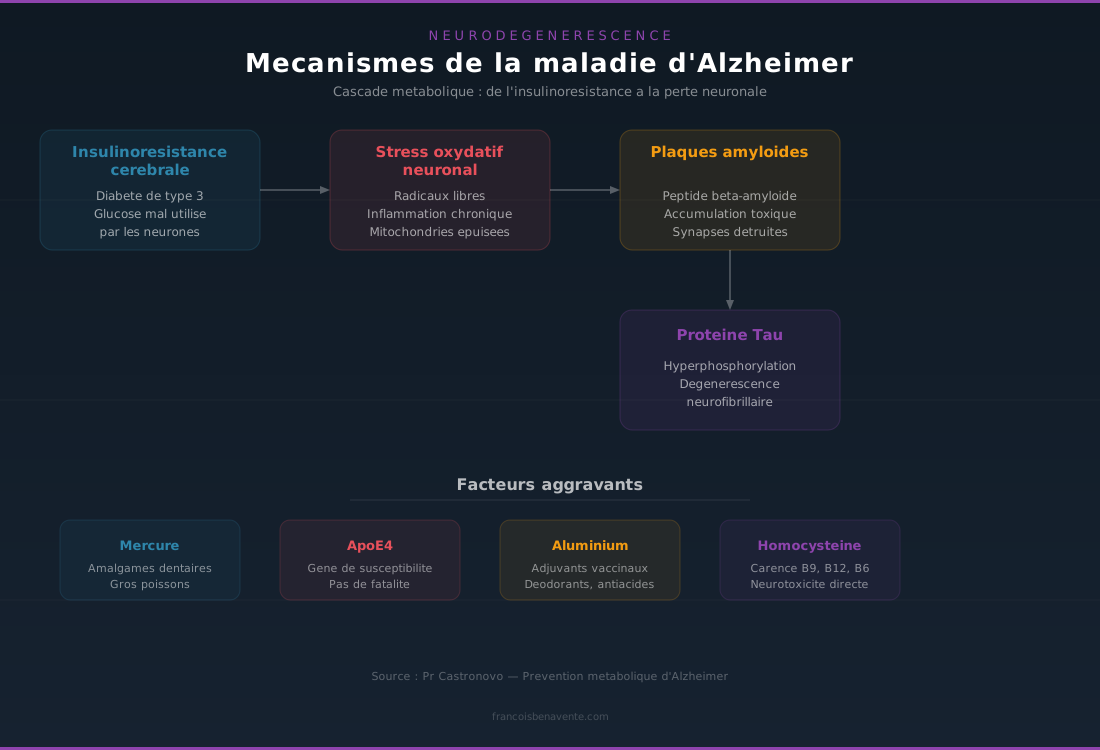
Alzheimer’s disease (AD) is a neurodegenerative dementia due to progressive death of nerve cells with cortical predominance. It primarily affects cognitive functions: memory especially: then impacts behavior and social adaptation3. In 75% of early-onset forms, memory disorders appear first. Not long-term memory, which is preserved for a long time, but the ability to retain new information and project oneself into the future. Then come language disorders (aphasia), gesture disorders (apraxia), recognition disorders (agnosia) and executive function disorders.
As I explain in the article on the brain and cognition, neurons divide very little and must last a lifetime. When they die, they are not replaced. And in Alzheimer’s, neuronal death results from the combination of two degenerative mechanisms that accumulate.
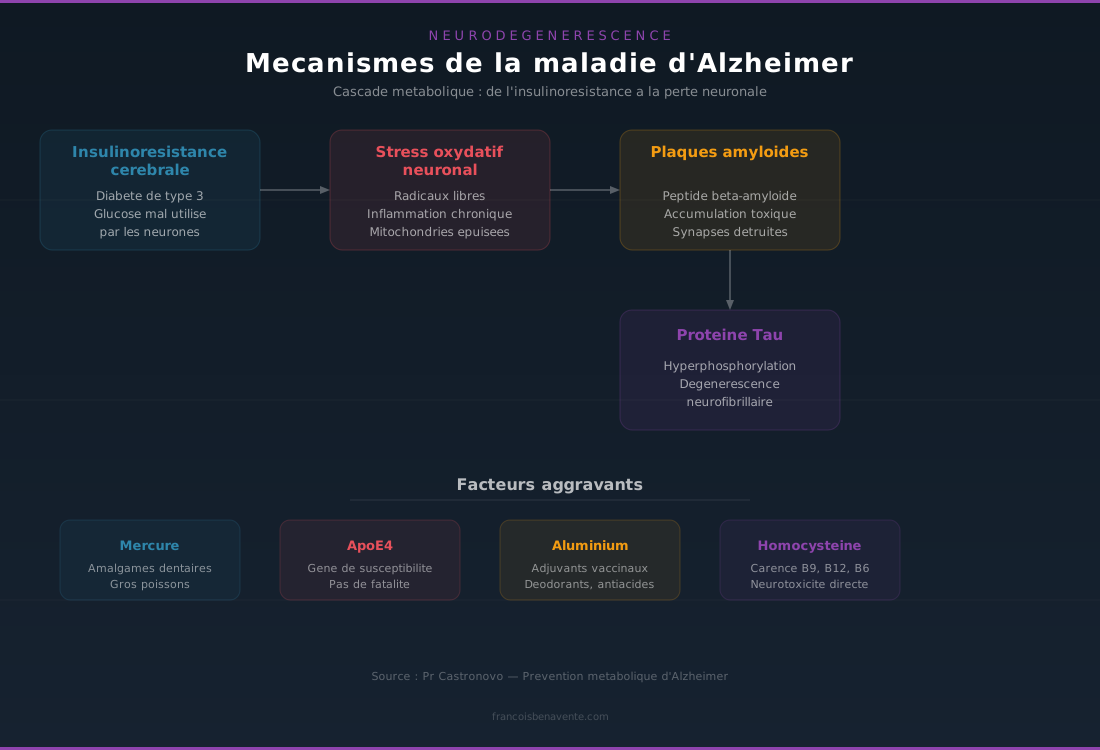
The first: amyloid plaques. The amyloid precursor protein (APP), normally present in neuronal membranes, is cleaved by enzymes called secretases. When cleavage is abnormal (beta-secretase then gamma-secretase instead of alpha-secretase), it produces beta-amyloid peptides of 40 to 42 amino acids that aggregate into insoluble plaques between neurons4. These plaques are toxic. They trigger local inflammation, attract activated microglia, and cause death of surrounding neurons.
The second: hyperphosphorylated tau protein. Tau protein, as I detailed in the article on neurobiology, stabilizes microtubules that form the highway of axonal transport. When it is hyperphosphorylated: that is, when it carries too many phosphate groups: it detaches from microtubules, aggregates into insoluble clusters called neurofibrillary tangles, and microtubules disassemble. Axonal transport collapses. The neuron dies, isolated and starved.
ApoE4: the gene that does not condemn but does expose
Apolipoprotein E (ApoE) is a protein of lipid metabolism. It exists in three isoforms: ApoE2, ApoE3 and ApoE4, characterized by the presence of an arginine or a cysteine at position 112 and 1585. The presence of one or two ApoE E4 alleles is a risk factor for Alzheimer’s disease. Not a death sentence. A susceptibility factor.
Carriers of two ApoE4 alleles have a significantly higher risk. But Castronovo insists: this risk is modifiable. ApoE4 affects amyloid clearance: the brain’s ability to eliminate plaques. It takes an aberrant and pathological three-dimensional form. And it is associated not only with Alzheimer’s but also with strokes, Parkinson’s disease, amyotrophic lateral sclerosis, multiple sclerosis, sleep apnea and diabetic neuropathy6.
And here is the crucial point: ApoE4 carriers are also much more vulnerable to mercury toxicity. The ApoE polymorphism is a well-documented genetic susceptibility factor in mercury toxicity. Carriers of two APOE2 are the least exposed to risk. Those who have two APOE4 have maximum risk7. It is the intersection between genetics and exposome that causes the disease, not the gene alone.
Acetylcholine: the neurotransmitter of memory that we forget to nourish
Acetylcholine is the key neurotransmitter of learning and memorization. It is what anti-Alzheimer’s medications sought to protect: cholinesterase inhibitors (Aricept, Exelon, Reminyl) prevented its degradation in the synaptic cleft. But they did not produce acetylcholine8.
Acetylcholine comes from lecithin and choline, fats found in food: legumes, certain plant oils, eggs, organ meats (liver, heart, kidneys, brain), fish and seafood. Its synthesis requires choline acetyltransferase, which uses acetyl-CoA (produced in the mitochondria) and choline as substrates. If mitochondria are dysfunctional: which is the case in cellular aging: acetyl-CoA production decreases. If the diet is poor in choline, the substrate is lacking. The neurotransmitter is no longer produced in sufficient quantity. And no medication can compensate for this production deficit.
Citicoline (CDP-choline) and phosphatidylcholine are the most direct precursors. DHA, as I explain in the article on omega-3s, ensures the membrane fluidity necessary for cholinergic receptors to function. Without membrane fluidity, even available acetylcholine cannot transmit its signal.
The modifiable risk factors that no one looks at
Castronovo identifies predisposing factors for Alzheimer’s. Age is the first, obviously. But close behind come vascular factors: hypertension, diabetes, dyslipidemia: then the E4 allele, family history, educational level, social status, depression, head trauma9. And protective factors: high educational level, moderate alcohol consumption, fish consumption at least once a week, and nutritional factors including antioxidants.
What stands out is that the majority of these factors are modifiable. Insulin resistance, which I detail in the article on metabolic syndrome, deprives the brain of glucose. Some researchers speak of type 3 diabetes to describe the metabolic component of Alzheimer’s. Elevated homocysteine: which I address in the article on cholesterol: is neurotoxic and accelerates brain atrophy. Mitochondrial oxidative stress, described in the article on aging, destroys neurons from within. Intestinal dysbiosis produces endotoxins (LPS) that cross the blood-brain barrier and activate microglia in chronic inflammatory mode.
Everything is connected. And everything is modifiable.
The sieve concept: a comprehensive approach, not a miracle
Castronovo uses the metaphor of the sieve to explain Alzheimer’s. Imagine a sieve with 36 holes. The water flowing through represents neurodegeneration. Each hole is a risk factor: inflammation, oxidative stress, heavy metals, glycation, insulin resistance, B12 deficiency, DHA deficiency, sedentary lifestyle, pollution, dysbiosis, sleep apnea, depression, social isolation. If you plug just one hole, water continues to flow through the other 35. You must plug as many holes simultaneously as possible10.
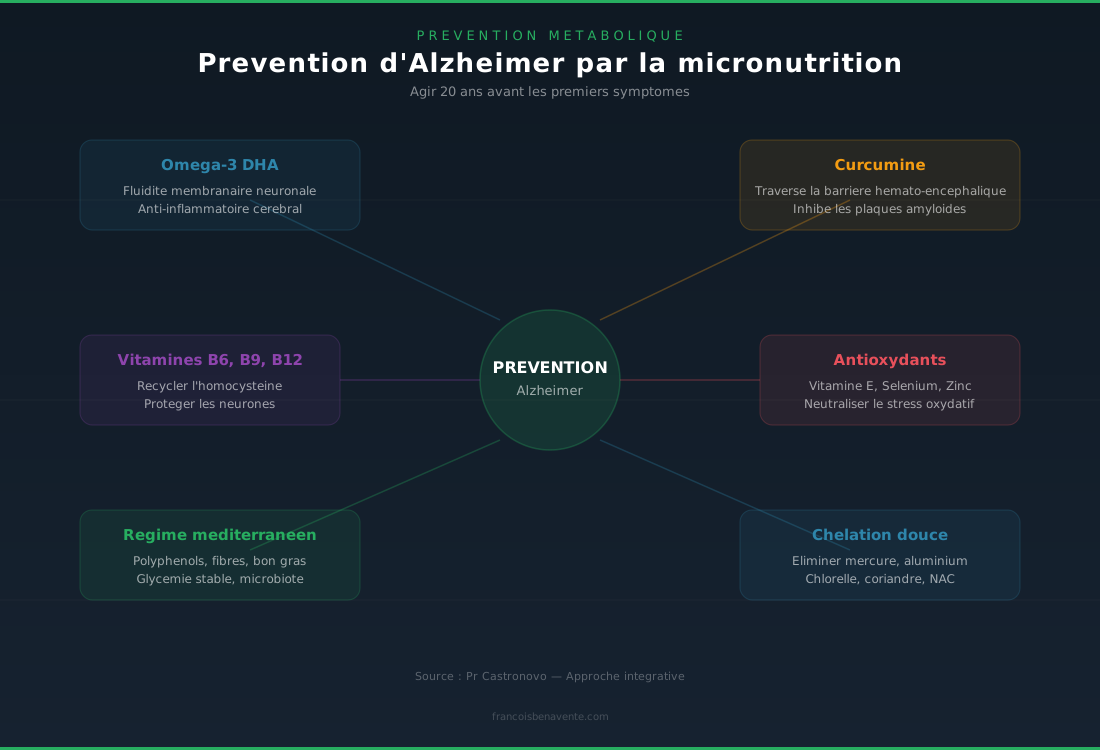
This is why medications failed. They plugged one hole. The micronutritional approach, coupled with physical activity and stress management, plugs ten, twenty, thirty at once.
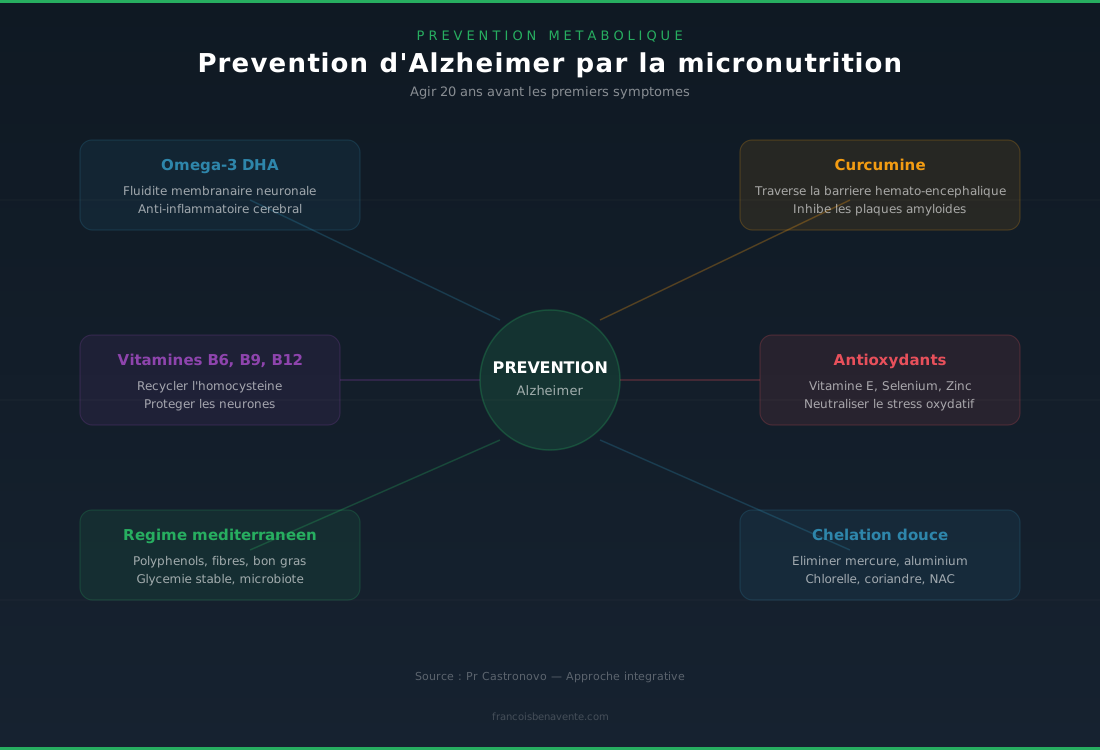
The nutritional protocol targets simultaneously:
Membrane protection: High-dose DHA (at least 1 g/day of EPA+DHA, DHA > EPA ratio for the brain). The target erythrocyte omega-3 index is 8 to 10%, as for cardiovascular protection. DHA represents 40% of the fatty acids in neuronal membranes. Without DHA, no membrane fluidity, no synaptic transmission.
Homocysteine control: vitamins B6 (pyridoxal-5-phosphate, active form), B9 (5-MTHF, not synthetic folic acid) and B12 (methylcobalamin). Target homocysteine: below 7 µmol/L. Hyperhomocysteinemia is an independent risk factor for dementia and brain atrophy.
Mitochondrial energy: CoQ10 (ubiquinol), alpha-lipoic acid, vitamins B1 (thiamine pyrophosphate, cofactor of the pyruvate dehydrogenase complex), B2 (riboflavin, FAD precursor), B3 (niacin, NAD precursor). Brain mitochondria consume 20% of the body’s total oxygen. Without cofactors, the respiratory chain leaks electrons that become free radicals: exactly the mechanism described in Castronovo’s lecture on oxidative stress.
Direct neuroprotection: vitamin D (immunomodulation, the VDR receptor is present in the hippocampus), zinc (cofactor of more than 300 enzymes including copper-zinc SOD), magnesium (regulation of glutamatergic excitotoxicity: magnesium blocks NMDA receptors, protecting neurons from overactivation), curcumin (brain anti-inflammatory, crosses the blood-brain barrier).
Detoxification: gentle chelation of heavy metals in ApoE4 carriers, support of hepatic detoxification phases (glutathione, NAC, milk thistle), limitation of mercury exposure (dental amalgams, large predatory fish).
Physical activity: as I explain in the article on sport and chronic diseases, exercise stimulates BDNF production (Brain-Derived Neurotrophic Factor), the neuronal growth factor. It improves brain insulin sensitivity, increases cerebral blood flow, and stimulates hippocampal neurogenesis.
When to start: the 20-year window that no one explains to you
Alzheimer’s brain lesions begin 15 to 20 years before the first clinical symptoms. When Françoise forgets her keys, the process is already advanced. When the diagnosis is made, half of the hippocampal neurons have already disappeared. Prevention cannot start at diagnosis. It must start now, from age 40-50, with a complete micronutrition assessment11.
ApoE4 genetic screening is simple, just a blood test. It does not condemn. It guides the strategy. An ApoE4 carrier will be more vigilant about heavy metals, stricter on omega-3s, more attentive to insulin resistance. A non-carrier is not safe either: 50% of Alzheimer’s patients do not carry the E4 allele.
Two-year delay in requesting first consultation. 50% of patients undiagnosed. 1 patient in 5 treated. 72% of institutional patients are demented12. These figures are those of the failure of medicine that waits for disease instead of preventing it. Naturopathy and micronutrition propose the opposite: acting on the terrain before the sieve is pierced everywhere.
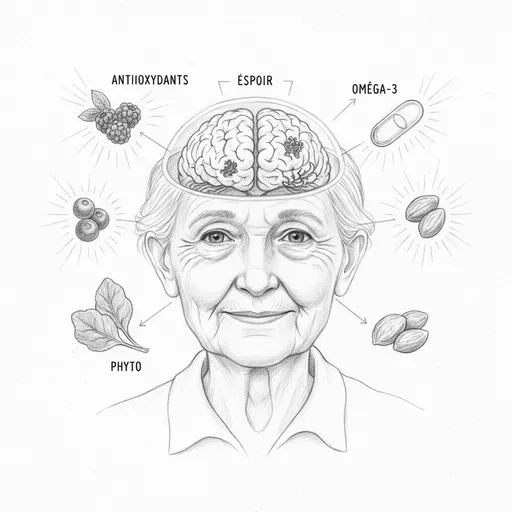
Françoise is not condemned by her genes. She is condemned by the absence of prevention. And that is reversible.
Want to evaluate your status? Take the free Braverman acetylcholine test in 2 minutes.
If you want personalized support, you can book a consultation.
To go further
- Brain and cognition: what neurobiology teaches you about protecting your neurons
- Micronutrition assessment: the 7 analyses your doctor never prescribes
- Cancer and diet: what micronutrition changes in the equation
- Acetylcholine: the forgotten neurotransmitter of your memory
Footnotes
-
World Alzheimer Report 2015, Alzheimer’s Disease International. 9.9 million new cases of dementia per year worldwide. ↩
-
Decree of the Ministry of Health, Official Journal, June 2018. End of reimbursement of the four anti-Alzheimer’s medications (Aricept, Ebixa, Exelon, Reminyl). ↩
-
Prof Vincent Castronovo, lecture “Alzheimer’s Disease and Micro-Nutrition”, DU of Micronutrition MAPS 2020. ↩
-
Ibid. Degenerative mechanisms: amyloid plaques (abnormal cleavage of APP by beta and gamma-secretases) and neurofibrillary tangles (hyperphosphorylated tau protein). ↩
-
Ibid. Polymorphism of apolipoprotein E: three isoforms (ApoE2, ApoE3, ApoE4) characterized by arginine or cysteine at positions 112 and 158. ↩
-
Ibid. Pathologies associated with ApoE4 polymorphism: stroke, Parkinson’s, ALS, MS, sleep apnea, diabetic neuropathy. ↩
-
Ibid. ApoE4 and mercury toxicity: carriers of two APOE4 have maximum risk of mercury neurotoxicity. ↩
-
Ibid. Acetylcholine comes from dietary lecithin and choline (legumes, eggs, organ meats, fish). ↩
-
Ibid. Predisposing factors: age, vascular factors, ApoE4, family history, educational level, depression, head trauma. ↩
-
Ibid. The sieve concept: multifactorial personalized approach, each patient having a different path. ↩
-
Ibid. Lesions precede symptoms by 15 to 20 years. Prevention recommended from age 40-50. ↩
-
Ibid. Epidemiology: 50% undiagnosed, 1 in 5 treated, 72% of institutional residents are demented. ↩

Laisser un commentaire
Sois le premier à commenter cet article.